Top 5 Caves around Lincent
Best caves around Lincent are primarily found in the broader Wallonia and Ardennes regions, as Lincent itself, a village in the Hesbaye region of Belgium, does not feature natural caves. The area offers a unique blend of man-made grottoes, historical sites, and cave-like religious structures. These sites provide insights into local history and geological formations, often integrated into walking routes near Lincent. Visitors can explore various underground experiences within a reasonable distance.
Best caves around Lincent
- The most popular caves…
Last updated: June 16, 2026
Heroes' Square
Highlight • Monument
Translated by Google •
Tip by

Hill path
Highlight • Trail
Translated by Google •
Tip by

Sign up now to discover places like this
Get recommendations on the best single tracks, peaks, & plenty of other exciting outdoor places.
Sign up for free
Grotto Chapel in Bois Colau
Highlight (Segment) • Religious Site
Translated by Google •
Tip by

Saint Bartholomew's Church and Lourdes Grotto
Highlight • Religious Site
Translated by Google •
Tip by

Lourdes Chapel with Grotto (Oude Velmseweg, Attenhoven)
Highlight • Religious Site
Translated by Google •
Tip by
Start today with a free account
Your next adventure awaits.
Login or Signup

Tips from the Community

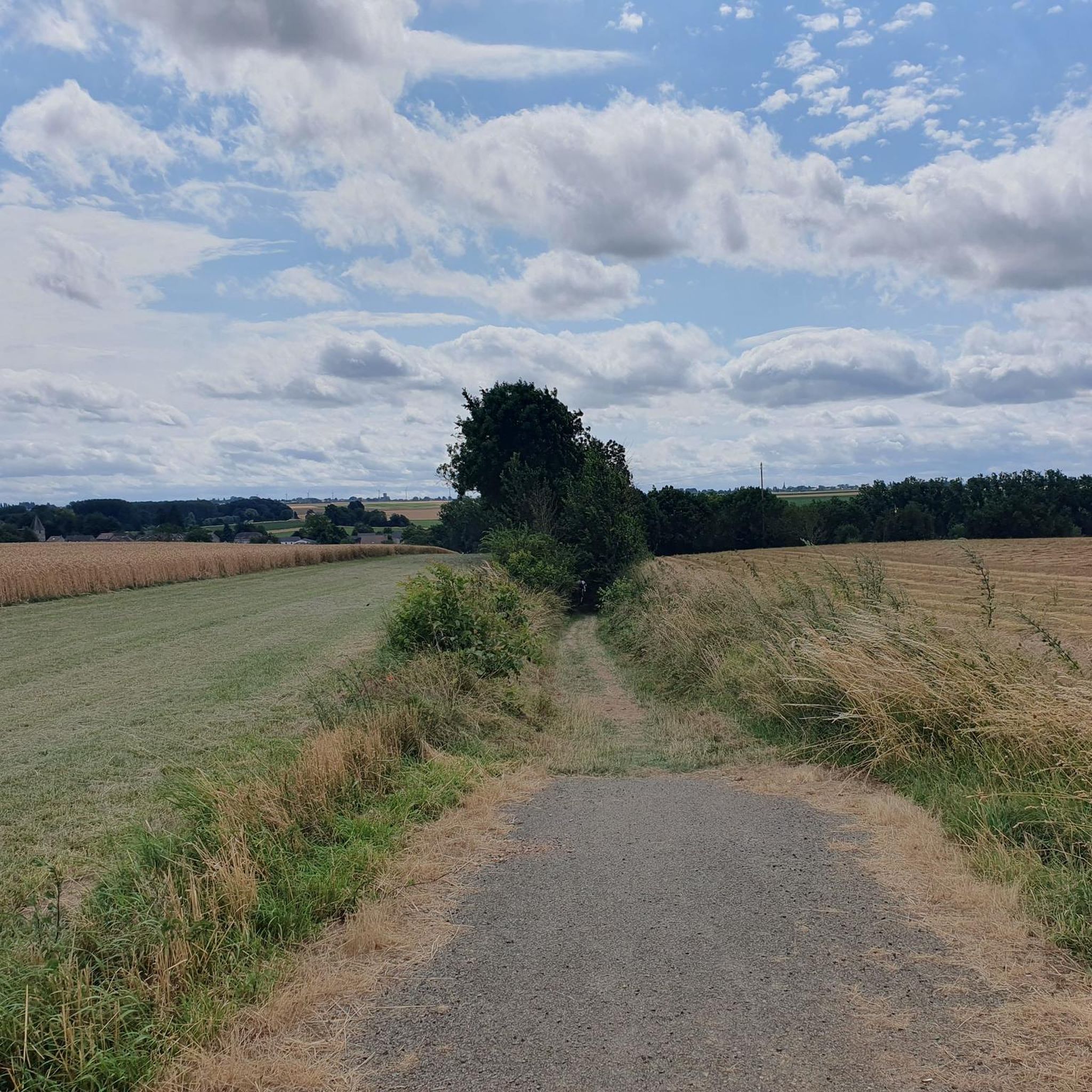
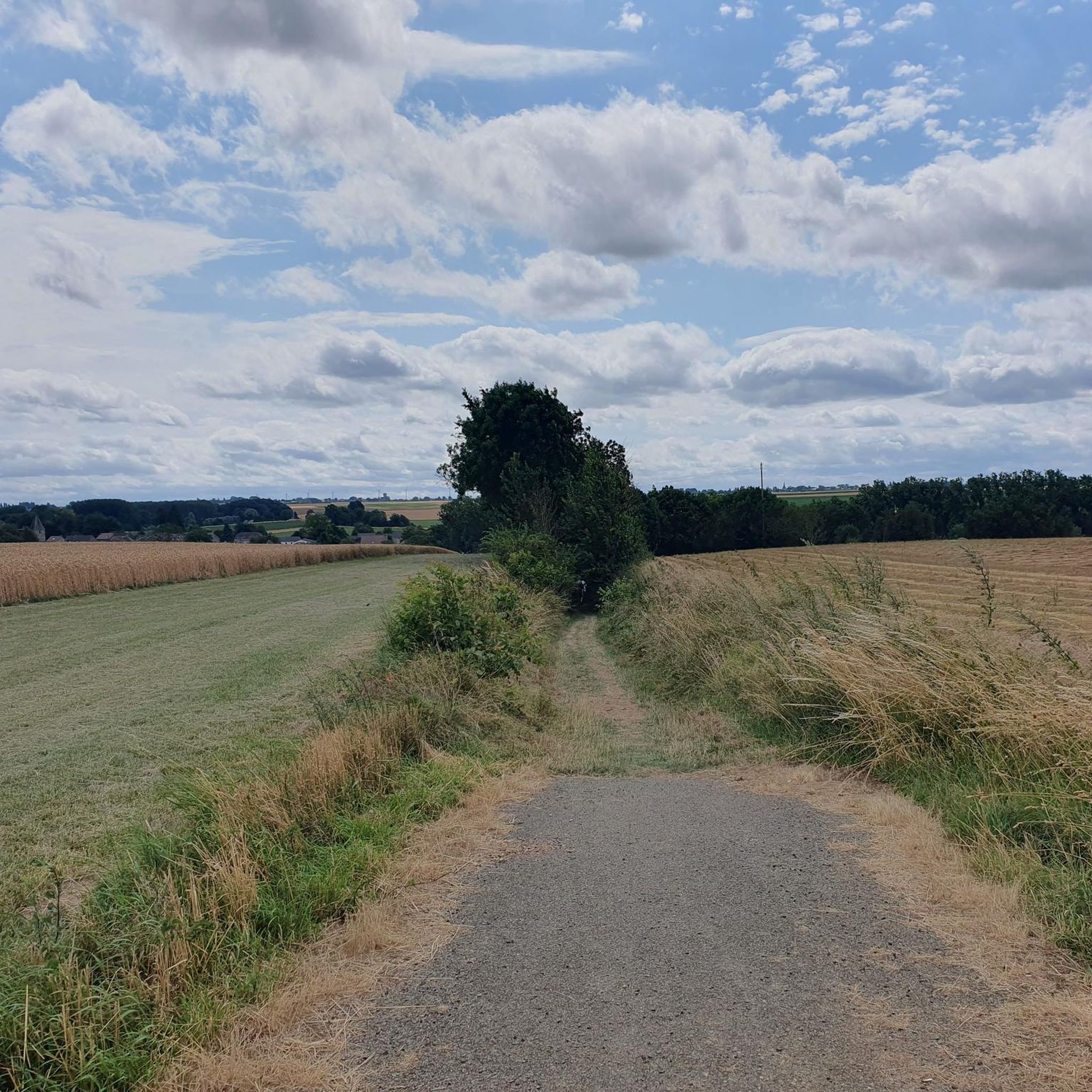
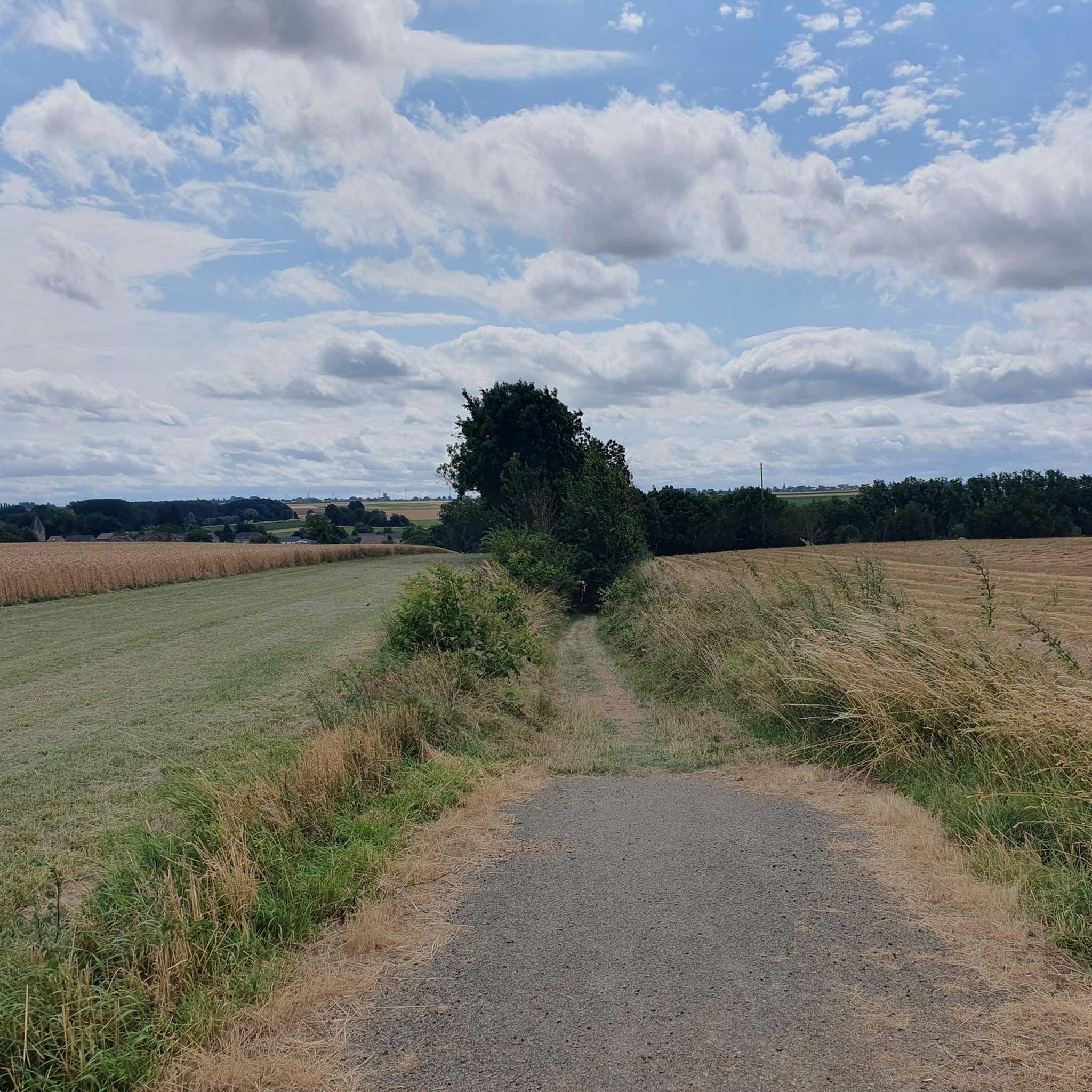
This path, which you reach after a short, steep climb from the stream, leads you along an inaccessible nature reserve, where you literally walk above an old quarry and caves for a part. At a certain point you literally walk above the entrance to that underground quarry that you can also see below. Part of the path runs between the edge of the valley and fields and on another part you have the nature reserve instead of the fields that was given the name 'Réserve naturelle Natagora des Caves Paheau'. Natagora is the counterpart of Natuurpunt and the quarry and caves are therefore called the 'caves Paheau'.
5
0
On the Oude Velmseweg (opposite house no. 26 and to the right of house no. 21) there is a Lourdes chapel, with a Lourdes grotto inside. Source: https://lourdesgrotten.com/2009/08/10/landen-attenhoven-oude-velmseweg-10-8-9/
7
0
The Heldensquare is more of a memorial than a monument. As a monument, it commemorates the victims of Belgian independence, the First World War and the Second World War. The place where the Heldensquare is located used to be a pond, a fact that was included in the concept. The square is sunken and surrounded by benches, planters, trees, a broken stone wall and various works of art. The monument itself consists of a sculptural ensemble in bronze and bluestone with a brick wall next to it with the names of the fallen and the text "VOOR UW VRIJHEID ZIJN MENSEN GESDIVEN". Around the bronze dome with the statues you will find the names of four places from which soil was brought to Tienen in urns: Dachau, Zwickau, Stalag IA and Breendonk. The whole was created by local architect Jacques Piron and sculptor Georges Van de Voorde. Inventory of Immovable Heritage: War Memorial Heldensquare, https://id.erfgoed.net/erfgoedobjecten/214961
7
0
You enter and exit the cave via rather large stairs and see all kinds of thank-you notes from believers who once came here. At the entrance of the cave (on the right) there is also a frame with some explanation about Our Lady of the Pool. According to that sign, the remains of a pious man named Thierry were found around 1050. He came from Campen and was a lecturer at the University of Paris. He had also made a promise of eternal chastity to the Virgin Mary. A chapel was built at the site of the murder with the permission of Jan I, Duke of Brabant. And he was baptized, you guessed it, Our Lady of the Pool. Hundreds of pilgrims would come to Tienen and the chapel every year to venerate the Virgin Mary, who was soon regarded as the Queen of the city and its surroundings. And you can read and experience the rest here, in the immediate vicinity of the church and – literally – in the depths when you go down the stairs.
7
0

No one will stop you from stopping at the cave...
8
3
These column-like shapes are beautifully arranged in a circle, each with a statue attached to it...
9
3

Limit your speed on the descent!!! Blind turn and possible pedestrians.
0
0
Frequently Asked Questions
What kind of caves can I explore around Lincent?
Around Lincent, you'll primarily find man-made grottoes, historical sites, and cave-like religious structures rather than natural caves. These include Lourdes grottoes and unique chapels built into cave formations, offering a blend of local history and spiritual reflection. For natural cave systems, you would need to venture further into the broader Wallonia and Ardennes regions.
Are there any natural caves near Lincent?
Lincent itself does not feature natural caves. However, the wider Wallonia and Ardennes regions of Belgium are home to impressive natural cave systems. Notable examples include the Caves of Han-sur-Lesse, Caves of Remouchamps, and Caves of Hotton, all offering distinct geological formations and visitor experiences.
What are some unique cave-like attractions near Lincent?
You can visit the Grotto Chapel in Bois Colau, a religious building featuring a chapel shaped like a cave. Another interesting spot is the Heroes' Square, which includes a man-made Lourdes grotto with significant historical context.
Are there any family-friendly cave experiences around Lincent?
Yes, several cave-like attractions around Lincent are suitable for families. The Lourdes grotto at Heroes' Square and the Lourdes Chapel with Grotto (Oude Velmseweg, Attenhoven) are considered family-friendly. These sites offer easy exploration and a chance to learn about local history and religious traditions.
Can I find hiking or walking routes that incorporate these cave sites?
Absolutely. The Grotto Chapel in Bois Colau is part of a trail that includes ascents and descents. Additionally, the Hill path leads above an old quarry and caves, offering views of a nature reserve and a unique perspective on underground formations from above.
What other outdoor activities can I do near the caves around Lincent?
The Lincent area offers various outdoor activities. You can explore numerous mountain biking trails, running routes, and cycling paths. For example, there are several MTB Trails around Lincent, Running Trails around Lincent, and Cycling routes around Lincent, catering to different difficulty levels.
What historical insights can I gain from visiting the cave sites near Lincent?
Sites like Heroes' Square offer deep historical context, detailing its origins as a Lourdes grotto and its significance as a monument to fallen soldiers. The grottoes often reflect local religious practices and historical events, providing a glimpse into the region's past.
Are there any caves with underground rivers or boat trips in the region?
While not directly in Lincent, the broader Belgian regions offer such experiences. The Caves of Remouchamps are famous for featuring the longest underground boat trip in Belgium on the Rubicon River. The Neptune Caves also offer a distinct experience with a boat ride on an underground river.
What is the best time to visit the cave attractions around Lincent?
The man-made grottoes and religious cave structures around Lincent are generally accessible year-round. For natural caves in the wider region, it's advisable to check specific opening hours and seasonal access, as some may have varying schedules, especially outside peak tourist seasons.
What should I know about parking when visiting these sites?
Parking availability varies by location. For sites like the Heroes' Square, parking is typically available in nearby town areas. For more remote grottoes or trailheads like the Grotto Chapel in Bois Colau, roadside parking or small designated areas might be available. It's always recommended to check local signage.
Are there any unique geological features to see in the natural caves of the wider region?
Yes, the natural caves in the broader Wallonia and Ardennes regions boast impressive geological features. The Caves of Han-sur-Lesse are known for gigantic dripstone formations and echoing chambers. The Caves of Hotton are unique as Belgium's only entirely classified cave system, extending over multiple levels with natural charm.
What do visitors say about the cave-like attractions near Lincent?
Visitors appreciate the unique blend of history and spirituality offered by the grottoes and chapels. For instance, the Heroes' Square grotto is noted as a place of reflection, while the Hill path is praised for its nice views and the experience of walking above an old quarry.
Most popular routes around Lincent
Most popular attractions around Lincent

Get inspired with the komoot mobile app


Explore more
Extend your search for the best caves by checking out these guides of the top ones around Lincent:
