Top 20 Lakes around Tremelo
Best lakes around Tremelo are often found in the broader Flemish Brabant region, as Tremelo itself features fewer prominent natural lakes. The area offers various opportunities for water-based recreation, including provincial domains and purpose-built recreational areas. These locations often feature maintained swimming areas, watersport rentals, and surrounding natural spaces. The landscape around Tremelo includes diverse natural features, from historical moated castles to nature reserves with ponds and streams.
Best lakes around Tremelo
- The most popular lakes is Horst Castle,…
Last updated: October 17, 2026
Horst Castle
Highlight • Castle
Translated by Google •
Tip by

Mispeldonk Nature Reserve
Highlight • Natural
Translated by Google •
Tip by

Sign up now to discover places like this
Get recommendations on the best single tracks, peaks, & plenty of other exciting outdoor places.
Rotselaar Lake (Ter Heide)
Highlight • Lake
Translated by Google •
Tip by

Pond in Het Goor-Asbroek Nature Reserve
Highlight • Lake
Translated by Google •
Tip by

Vorsdonkbos and Turfputten Nature Reserve
Highlight • Forest
Translated by Google •
Tip by

Sign up for free to discover even more lakes around Tremelo.
Already have an account?
Start today with a free account
Your next adventure awaits.
Tips from the Community


The core of Horst Castle probably dates back to the 13th century and is characterised by a square keep. The keep probably belonged to the oldest core that was further expanded into a fortified castle in the 15th century. During the troubles under Maximilian of Austria in 1489, the castle of Horst was taken by the people of Leuven and set on fire. According to literary sources, only the keep, part of the entrance gate and a defensive wall remained standing. The residential and east wing were renovated and expanded in the 16th century. The round tower also dates from this period. The outer wall was provided with a rectangular bay window. The castle lost its military character and became more of a pleasant residential area with a view of the moat, the ponds and the inner courtyard. Brick construction with sandstone layers characterise these buildings. In 1587, however, the castle was set on fire again during the raids of the Geuzen. It was not until the beginning of the 17th century that restoration work began. It is difficult to deduce from the available sources to what extent this involved restoration or an embellishing conversion of the castle complex. Presumably nothing changed in the internal structure, but only after the structurally necessary repairs were the interiors completely refinished. Maria-Anna Van den Tympel had a new chapel built against the keep in the 17th century. At the beginning of the 19th century, the complex must have been damaged by plundering and neglect, and it is possible that it also suffered from plundering during the Brabant Revolution of 1830. Around 1850, the castle must have been habitable again, but the castle buildings only served as a farm. In the land registry, the site around the castle is called "De Notelaren Boomgaerd". Around that time, the most dilapidated part must have been demolished, namely the southern part and the superstructure of the gate. The rest of the complex was probably restored with reused demolition material and in traditional style. The castle was divided in 1880, with one part being registered as a school house. In 1897, a further division followed, with two plots being designated as houses. Several restoration campaigns followed in the 20th century. Inventory of Immovable Heritage: Horst Castle, https://id.erfgoed.net/erfgoedobjecten/43619
8
0
Since December, there has been a spire on the castle again after the unstable spire was removed more than four years ago and could be viewed on a wooden platform in the pond. Now it is back. And the other works are also progressing quickly. More about the replaced spire on https://www.vrt.be/vrtnws/nl/2024/12/10/torenspits-staat-weer-op-kasteel-van-horst-holsbeek/
8
0

This highlight, located near a beautiful pond, is situated in the large nature reserve 'Het Goor - Asbroek'. Het Goor, which with its regular canal pattern and many water features reminds us of the peat extraction in the 18th-19th century, is an ideal location to press the pause button on one of the rare benches and replenish your burnt sugars. Historical explanation - what is peat? Peat is dried peat that was dug from the marshy peat areas. The extracted peat was laid out to dry and then used as a raw material. The dried product peat was the most important fuel in our region for centuries - from roughly the 11th to the 18th century. The nature reserve 'Het Goor-Asbroek' is now a large marsh area. Here you can enjoy one of the exceptional botanical top areas in Flanders for hours while walking or slowly pedaling.
6
0

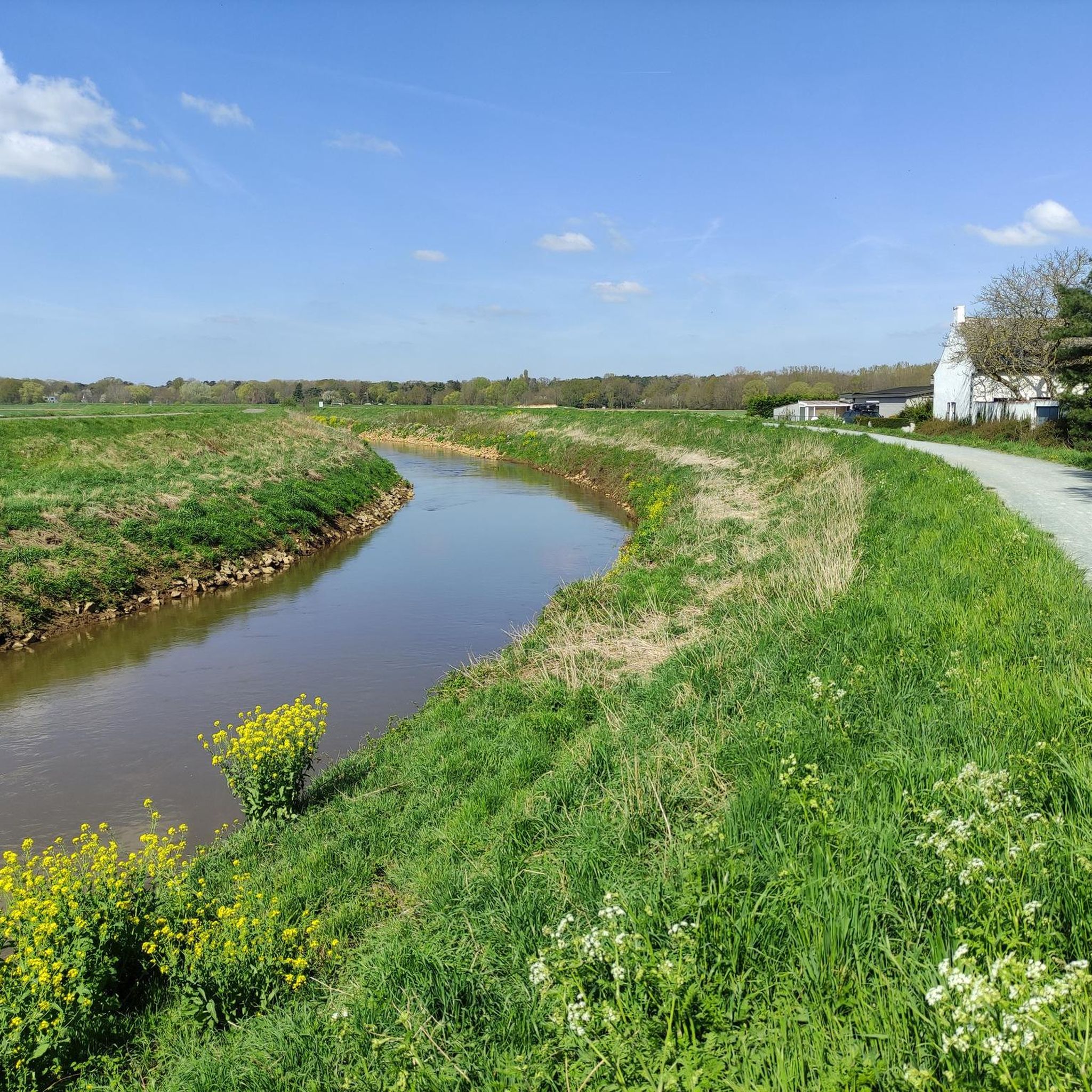
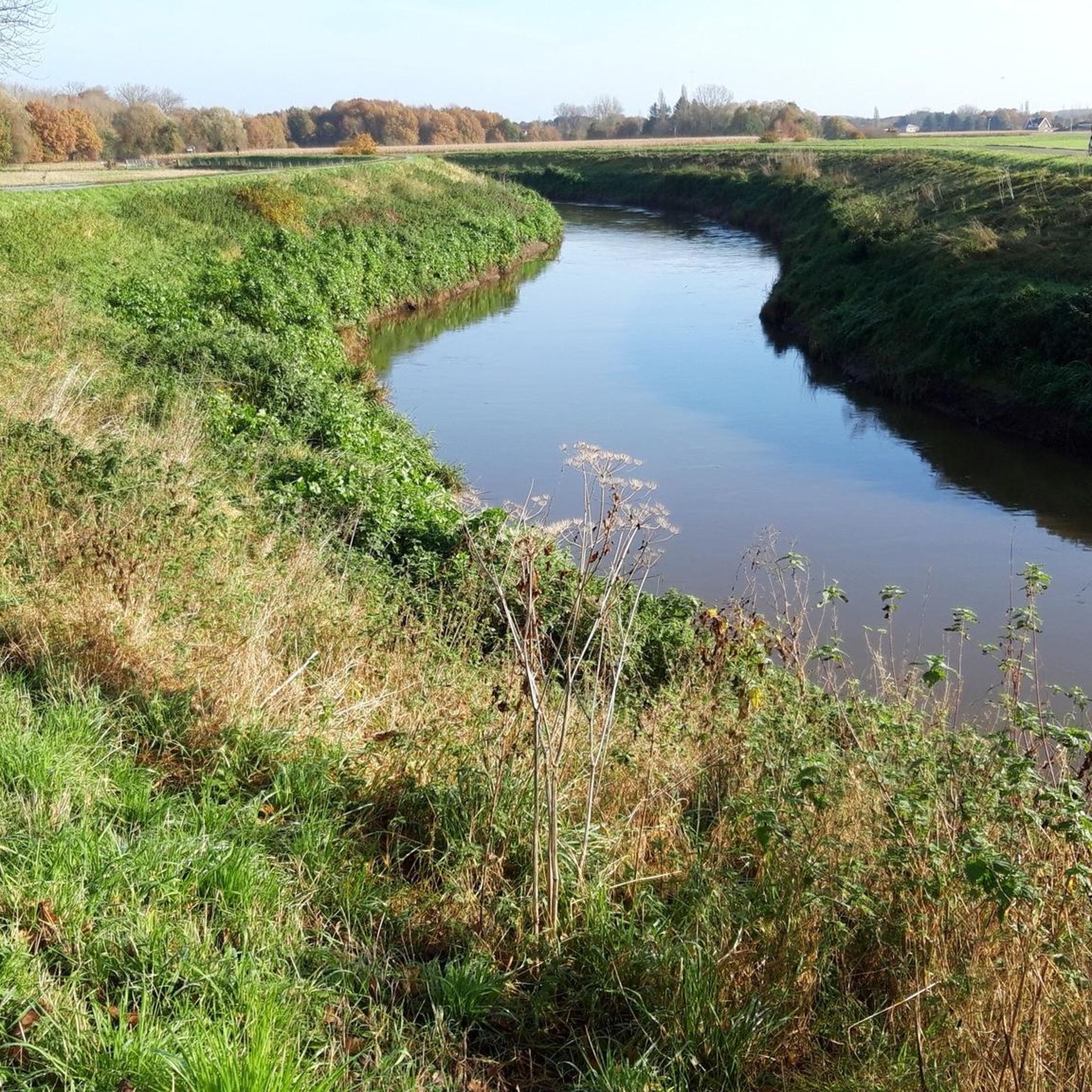
Mispeldonk Nature Reserve is a beautiful and valuable nature reserve in Bonheiden, located in the province of Antwerp. The area is known for its unique ecosystems, rich biodiversity and the natural beauty of the landscape. Here are some key points about Mispeldonk: Location and Size Mispeldonk is located between Bonheiden and the nearby municipality of Rijmenam, along the banks of the Dijle. The area is part of the larger Dijle landscape, which is known for its wet meadows, meandering waterways and rich flora and fauna. Mispeldonk covers approximately 50 hectares and consists of a mix of marshlands, meadows, forests and ponds. Ecological Importance Mispeldonk is a protected nature reserve because of its special ecological value. The area has a typical structure of a flood plain of the Dijle, which makes it an important habitat for many plant and animal species: • Flora: Various rare and protected plant species grow in the area, such as marsh marigolds, cuckoo flowers and water violets. The wet grasslands and marshes provide unique vegetation that is less common elsewhere in the region. • Fauna: Mispeldonk is an important habitat for birds such as the bluethroat, water rail and reed warbler. Amphibians such as the crested newt and the green frog can also be found there. Furthermore, the area is rich in insects, including butterflies and dragonflies, that thrive in the moist environment. Water management The nature reserve plays an important role in local water management. It is located in a flood-prone area along the Dijle and functions as a natural buffer against flooding. In the event of high water levels, the area can collect water and thus help prevent flooding in nearby villages. The nature reserve contributes to the preservation of water quality by filtering and purifying the water through natural processes. Recreation and Experience Mispeldonk is a popular place for nature lovers and hikers. The area is accessible via various hiking trails that lead through the meadows and forests. There are signposted routes that give walkers the chance to explore the diversity of the landscape and enjoy the peace and quiet of nature. Birdwatchers enjoy visiting the area because of the variety of bird species that can be seen, especially during the breeding season and the migratory bird periods. Management and Protection The nature reserve is managed by Natuurpunt, a Belgian organisation that is committed to nature conservation. Natuurpunt carries out management work to protect biodiversity and maintain the landscape. This includes mowing grasslands, removing invasive plant species and maintaining the walking paths. There is collaboration with local farmers for nature-friendly agriculture, whereby meadows are extensively grazed or mowed, so that they remain suitable for meadow birds and rare plants.
6
1
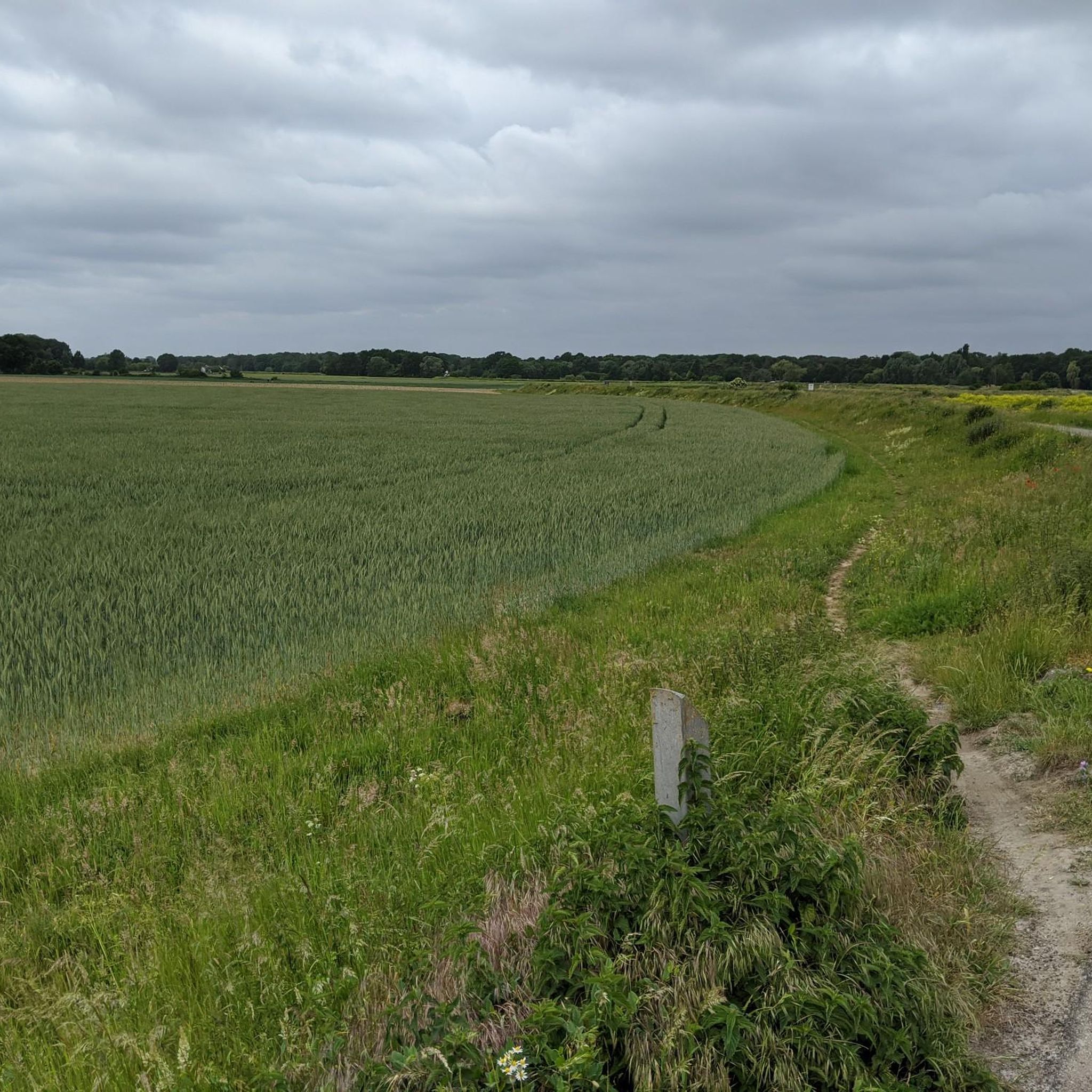
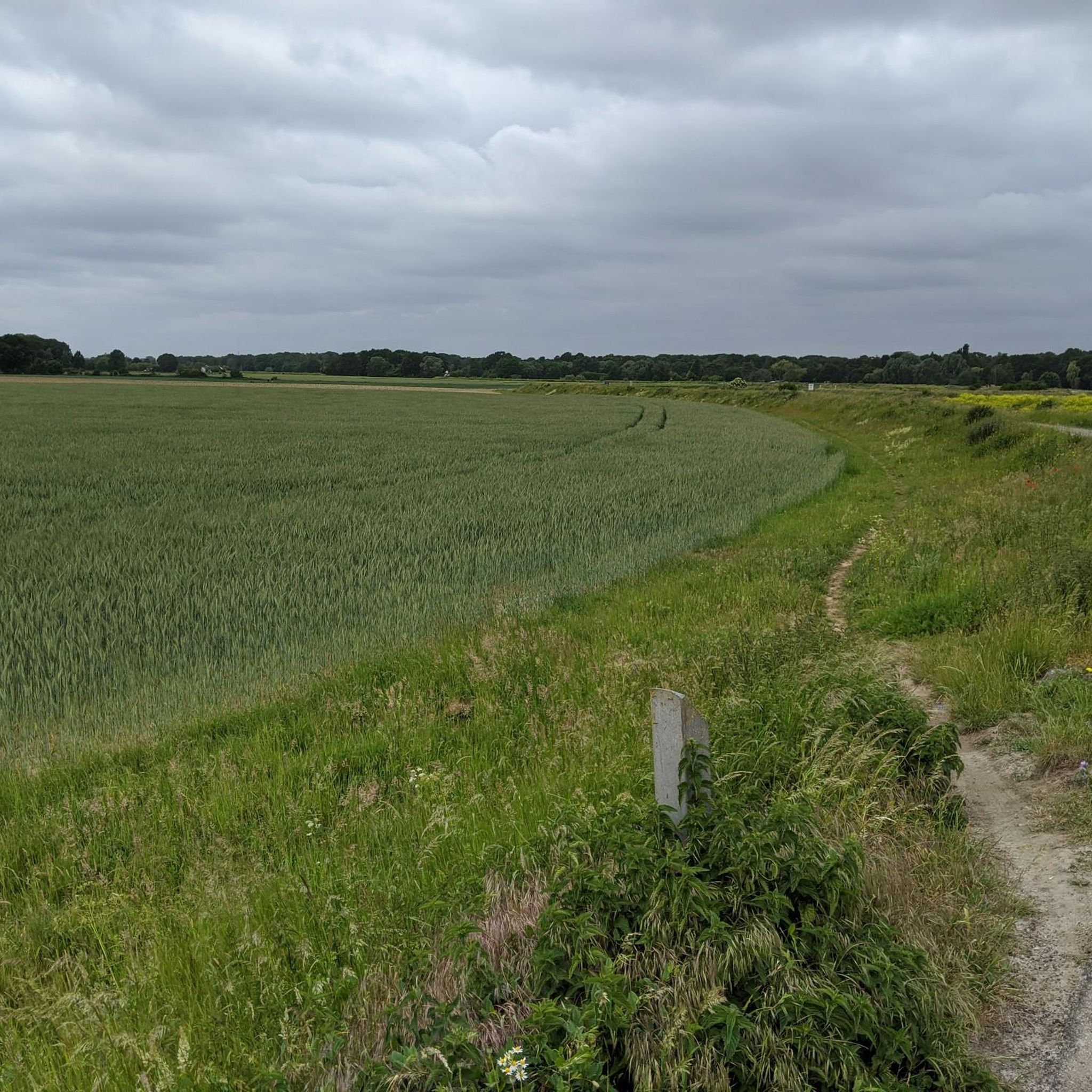
For those who have traded in their horse for a steel steed. Information boards and such on site.
7
0

Beautiful swamp forest, difficult to capture in photos or describe in words, but definitely worth cycling through.
9
0
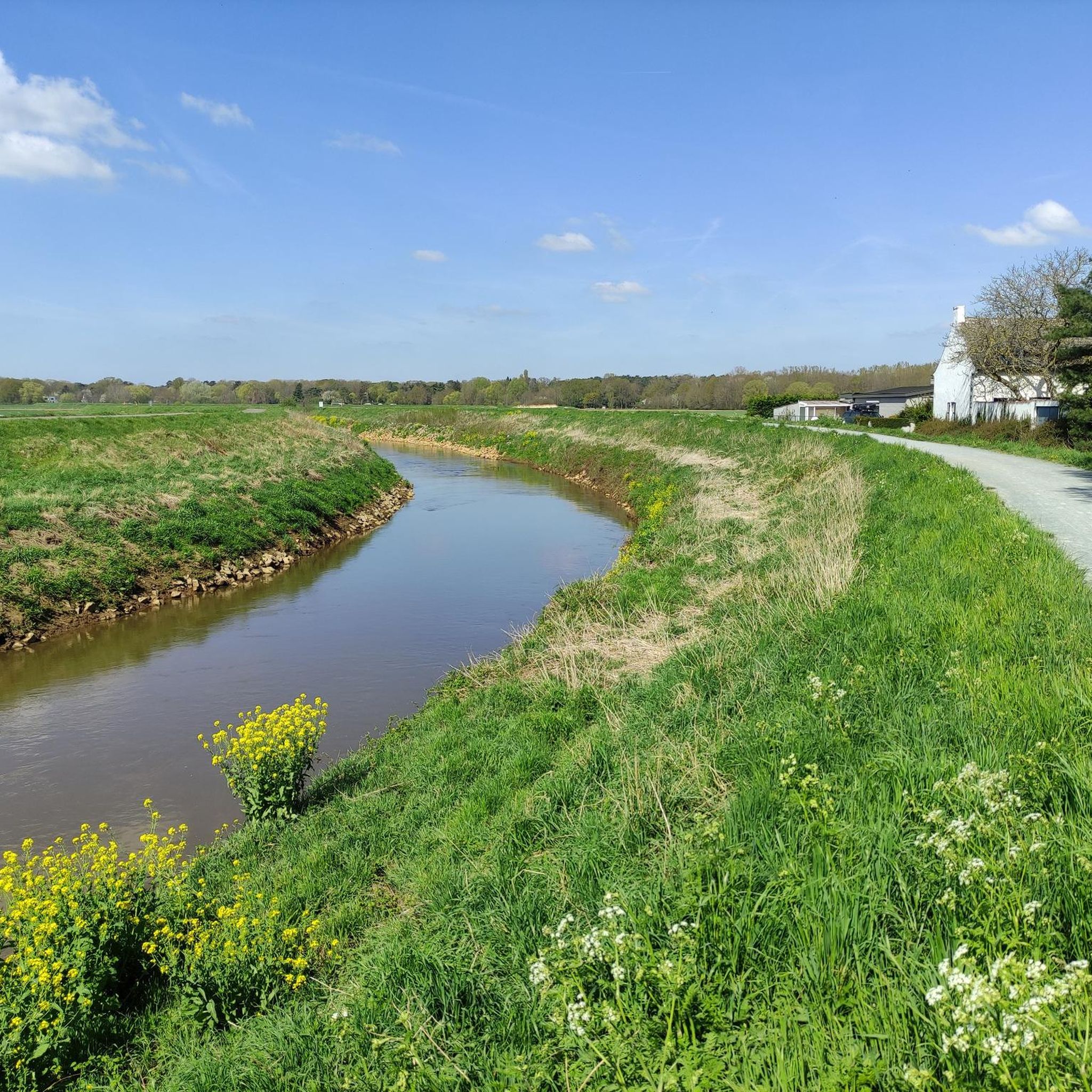
The Ter Heide domain, better known as 'De Plas van Rotselaar', was created in 1975 after sand extraction for the construction of the E314. The domain of approximately 23 hectares is divided into different zones, each with its own access road and specific recreational options: swimming, surfing, paddle boarding and fishing. Each zone has its own parking lot. More at https://www.toerismevlaamsbrabant.be/producten/Visits/bezienswaardeheden/domein-ter-heide--plas-van-rotselaar/
10
0
Frequently Asked Questions
Are there natural lakes directly within Tremelo, Belgium?
Tremelo itself is not widely known for prominent natural lakes. The region offers various opportunities for water-based recreation, often at provincial domains or purpose-built recreational areas in the broader Flemish Brabant province, rather than natural lakes directly within the municipality.
What kind of water-based activities can I find near Tremelo?
You can find a variety of water-based activities, from tranquil walks through wetlands and forests to swimming and watersports. Recreational domains like Rotselaar Lake (Ter Heide) offer beaches and facilities for swimming and other activities. Nature reserves like Mispeldonk Nature Reserve provide opportunities for exploring wetlands and streams.
Are there historical sites with water features around Tremelo?
Yes, Horst Castle is a notable historical site. This 13th-century moated castle is surrounded by an impressive moat, offering an idyllic historical setting. It also features a brasserie and a castle estate.
Which locations are family-friendly for a day out near Tremelo?
Several spots are family-friendly. Rotselaar Lake (Ter Heide) is a recreational domain with a beach and facilities, open year-round, and includes a large covered picnic area. Horst Castle and Mispeldonk Nature Reserve are also great for families looking for historical exploration or nature walks.
Can I go hiking or cycling near the lakes around Tremelo?
Absolutely! The area around Tremelo offers numerous routes for hiking and cycling. You can find various hiking trails, including easy and moderate options, in guides like Hiking around Tremelo. For cyclists, there are dedicated guides for MTB Trails around Tremelo and Road Cycling Routes around Tremelo, featuring routes of varying difficulties.
What kind of natural landscapes can I expect to see in the nature reserves?
Nature reserves like Mispeldonk Nature Reserve offer varied landscapes including wetlands, forests, and meandering streams, with diverse ecosystems like restored heathland and wet grasslands. The Pond in Het Goor-Asbroek Nature Reserve features a beautiful swamp forest, while Vorsdonkbos and Turfputten Nature Reserve boasts wet hay meadows, blue grasslands, sandy dunes, and old forests.
Are dogs allowed at the lake areas?
At Horst Castle, dogs are allowed on the castle grounds, but not inside the castle itself. For other nature reserves and recreational areas, it's always best to check local regulations regarding dogs, especially concerning leashing requirements and access to specific zones.
Is there parking available at these locations?
Yes, Horst Castle is noted to have parking facilities. For other recreational domains and nature reserves, parking is generally available, but it's advisable to check specific location details before your visit.
What is the best time to visit the lakes and nature reserves around Tremelo?
The recreational domain at Rotselaar Lake (Ter Heide) is open to the public year-round. For nature reserves, spring and autumn often offer pleasant weather for hiking and observing wildlife, while summer is ideal for water-based activities at recreational lakes. Winter can provide unique, tranquil scenery for walks.
What do visitors enjoy most about the lakes and natural areas near Tremelo?
Visitors appreciate the diverse experiences available, from the idyllic historical setting of Horst Castle to the varied ecosystems and rich biodiversity of places like Mispeldonk Nature Reserve. The recreational facilities and beautiful scenery at Rotselaar Lake (Ter Heide) are also highly valued, making the region popular for both active and relaxing outdoor pursuits.
Are there any accessible options for visitors with wheelchairs or buggies?
While Horst Castle itself can be difficult to access for wheelchair users and buggies, the castle grounds are generally more accessible. Recreational domains often have paved paths and facilities designed for broader accessibility, but it's recommended to check specific details for each location.
Most popular routes around Tremelo
Most popular attractions around Tremelo

Get inspired with the komoot mobile app


Explore more
Still not found your perfect lake around Tremelo? Check out the guides of these regions to see even more beautiful places.
