Top 20 Lakes around Moerbeke
Best lakes around Moerbeke-Waas are characterized by a unique creek landscape and significant canals rather than large natural lakes. The region features water bodies like the Grote Kreek, Pereboomsgat, and the Moervaart canal, which are remnants of historical waterways and floods. These areas offer opportunities for walking, cycling, and nature observation within a tranquil setting. The water features in Moerbeke-Waas provide a blend of natural beauty and historical significance for visitors to explore.
Best lakes around Moerbeke
- The most popular…
Last updated: June 30, 2026
Puyenbroeck Provincial Park
Highlight • Rest Area
Translated by Google •
Tip by

Along the former peat extraction area
Highlight (Segment) • Natural
Translated by Google •
Tip by

Sign up now to discover places like this
Get recommendations on the best single tracks, peaks, & plenty of other exciting outdoor places.
Sign up for free
Groot Eiland Nature Reserve
Highlight • Natural
Translated by Google •
Tip by
Across the Hamputten
Highlight (Segment) • Trail
Translated by Google •
Tip by
De Buylaers Nature Reserve
Highlight • Natural
Translated by Google •
Tip by

Sign up for free to discover even more lakes around Moerbeke.
Sign up for free
Already have an account?
Start today with a free account
Your next adventure awaits.
Login or Signup

Tips from the Community

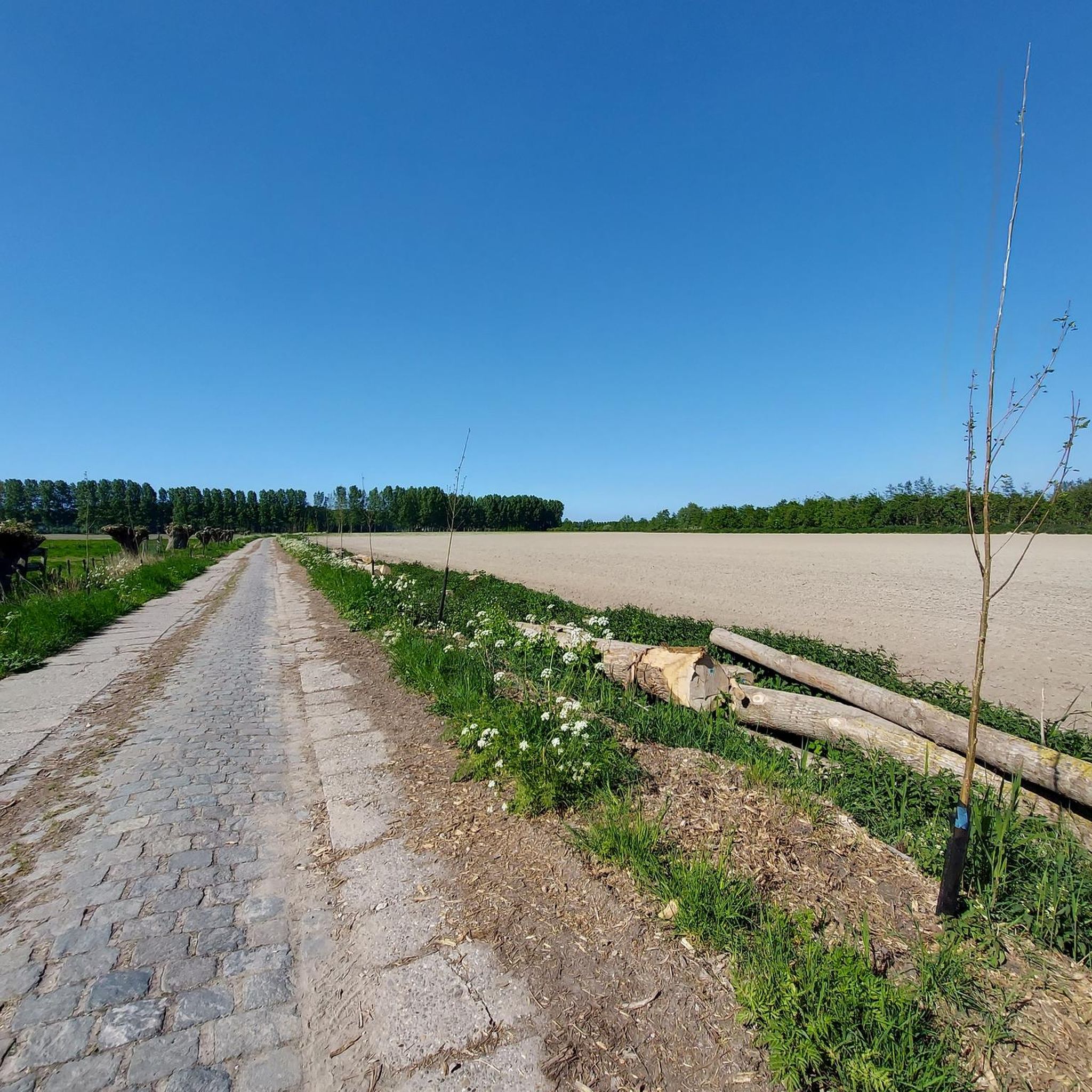
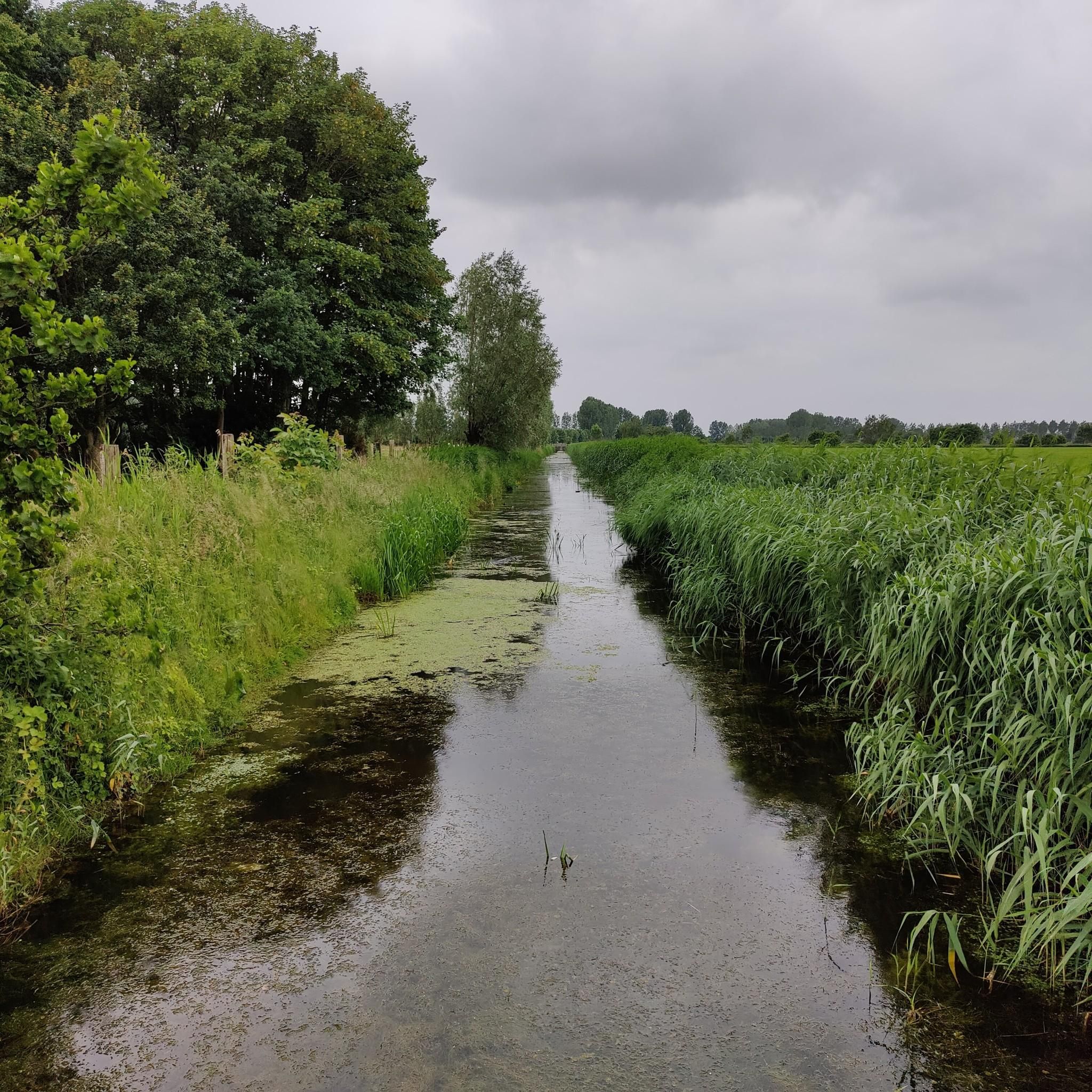
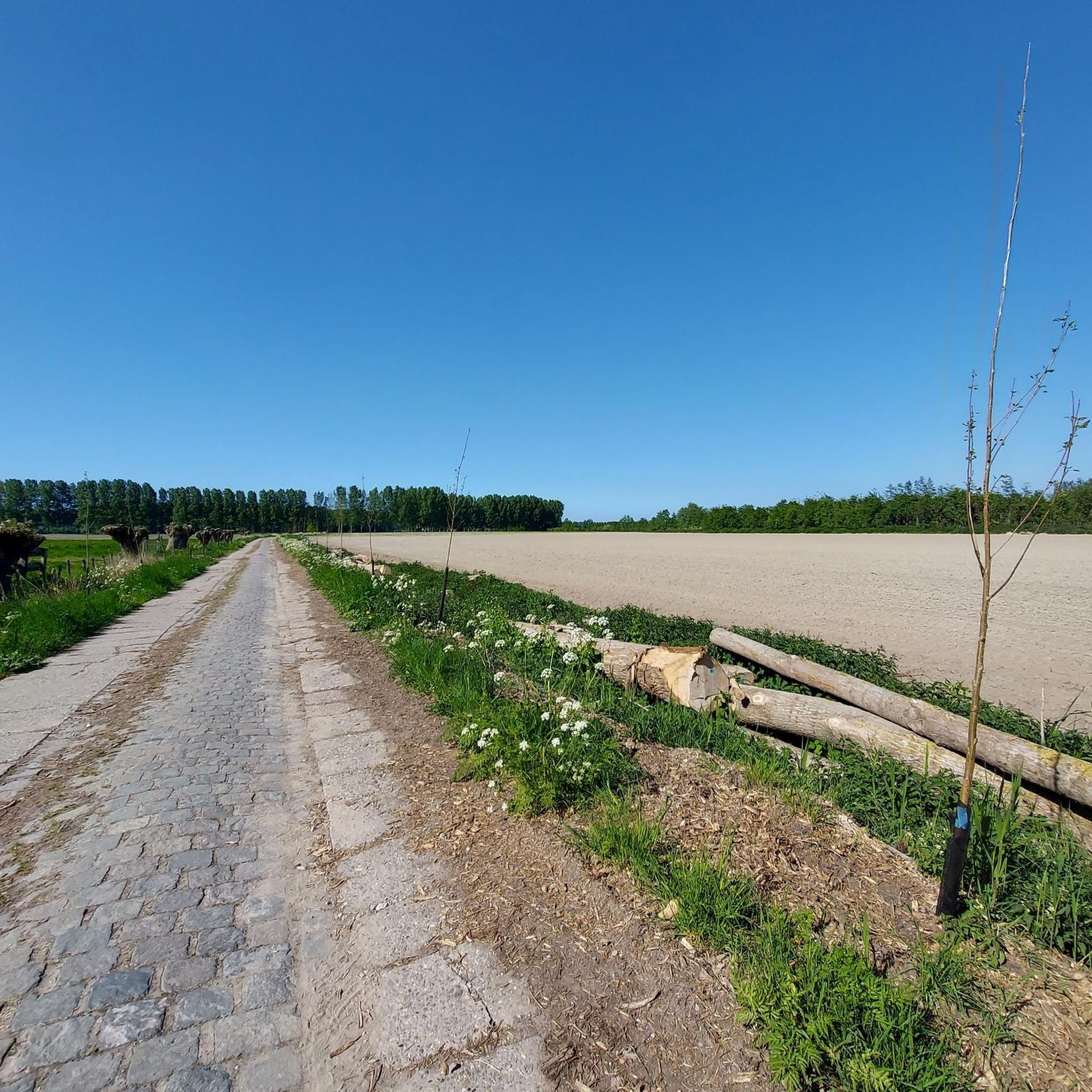
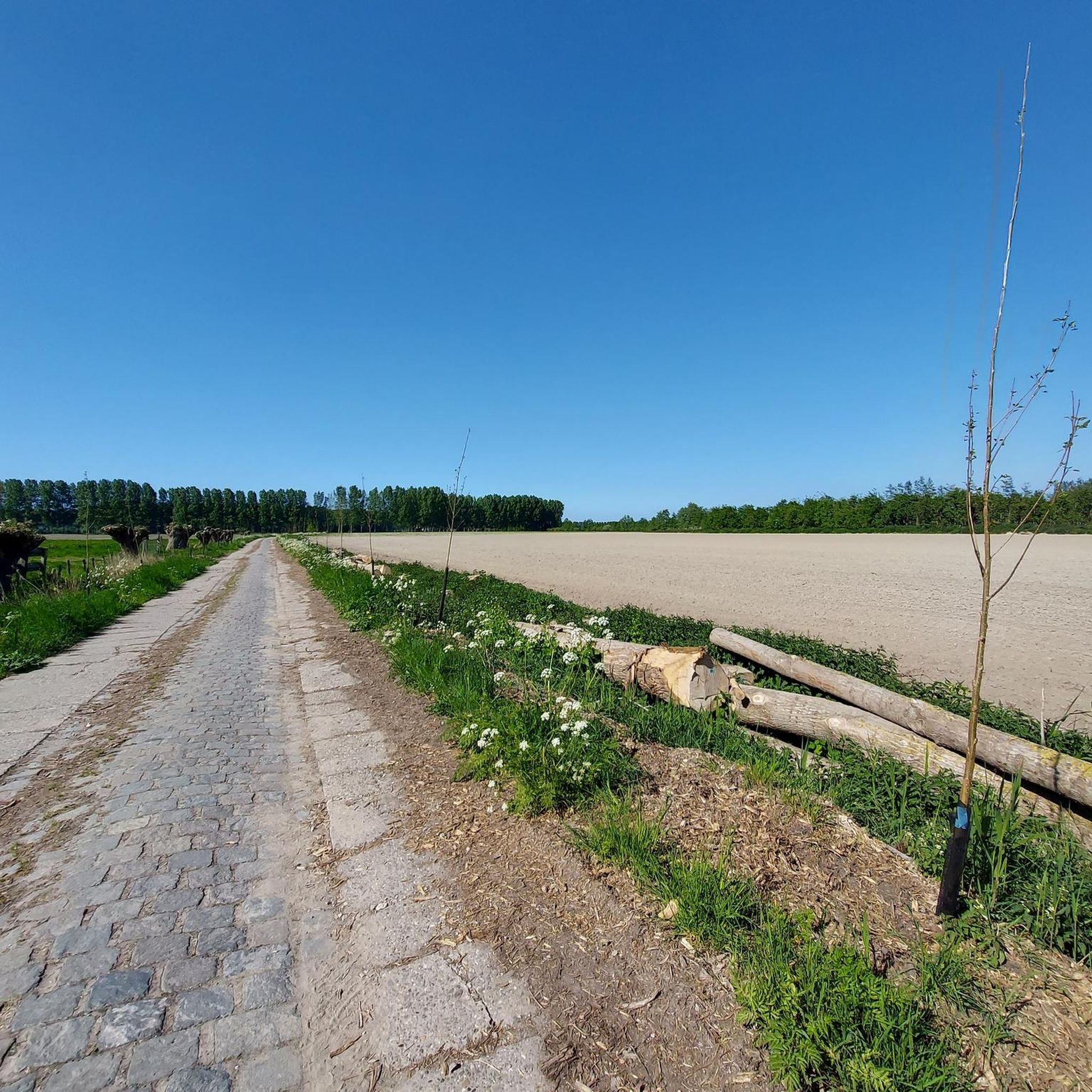
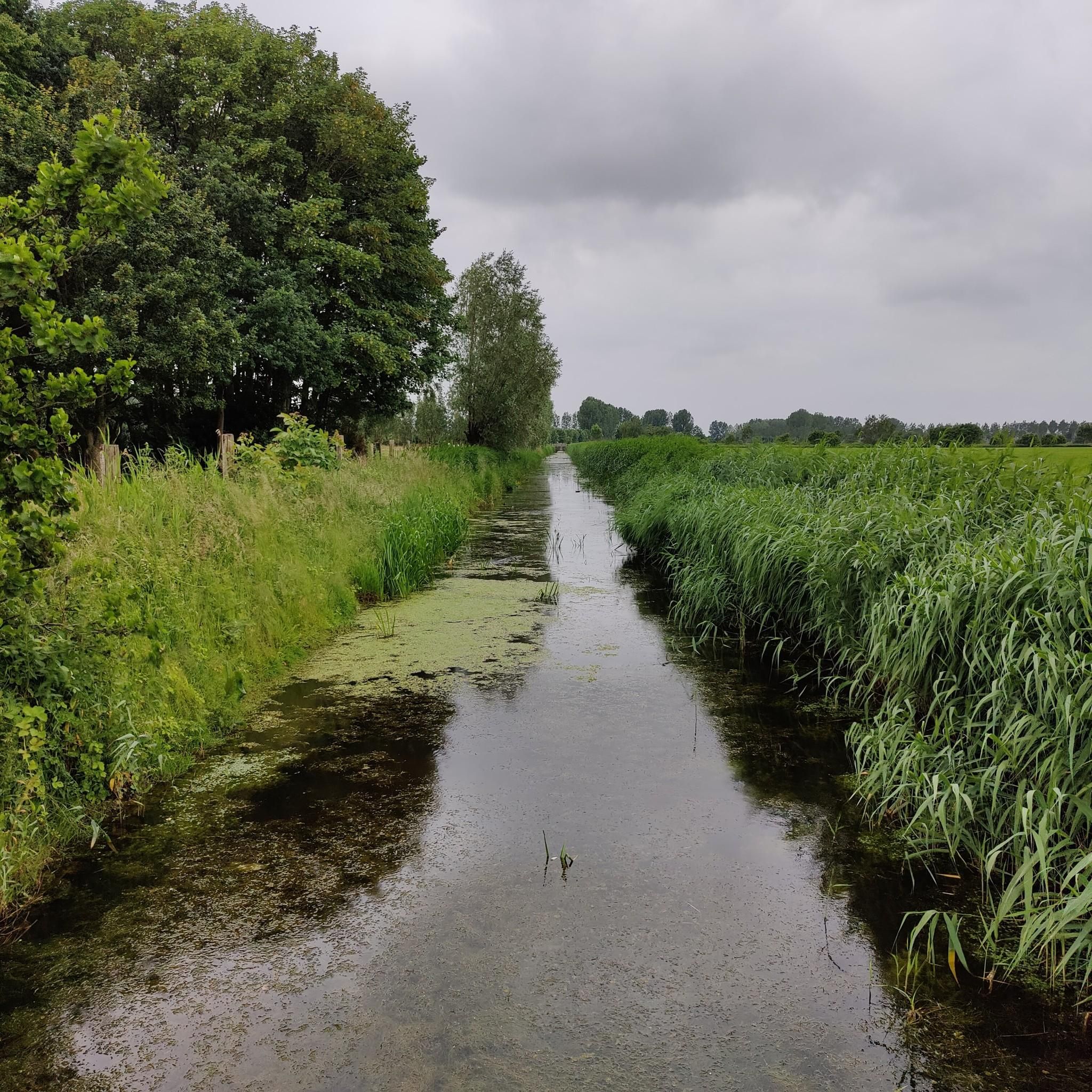
Het Groot Eiland has something mysterious about it — a place where water and land merge and nature truly runs its course. Creeks embrace the central, secluded area, giving the landscape an almost magical atmosphere. In the southeast, you'll find a quiet walking path that leads you to the so-called 8th Shortcut. A little further west, a pleasant surprise awaits: a bird hide from Staatsbosbeheer. From here, you have a panoramic view of the creeks, meadows, and forest edges — a perfect spot to pause and enjoy. With a bit of luck, you might see a buzzard or a marsh harrier soaring gracefully above the fields. In spring, it buzzes with life here: lapwings, curlews, and oystercatchers perform their courtship displays, while the song of reed warblers and perhaps even grasshopper warblers can be heard from the reeds. An ideal place for those who love tranquility, nature, and a touch of wonder.
5
0

Just a fifteen minute walk from Lokeren station you are already in this 20 hectare nature reserve on the left bank of the Durme. It also merges into the spontaneously overgrown Verloren Bos with its remnants of drifting dunes.
5
0
The Hamputten is, in addition to the Molsbroek, the Hagemeersen and the Molsbergen, one of the four sub-areas of the 122-hectare Groot Molsbroek, in which an alternation of marsh, forest, reed fields, grasslands, river dunes and open water creates a mosaic of landscape types. This combination forms the ideal habitat for many plants and animals, including the bittern, which finds an ideal habitat here where it can hunt mice, fish, frogs and insects. This rare bird is present in the area every year, especially during the winter. But it is also (based on planned works in the management plan) designated as a breeding bird. This heron has a yellow-brown plumage with a dark brown pattern and is thus perfectly camouflaged to hide between the reeds. Source: information board on site
4
0

When you think of nature in Lokeren, you often think of the Groot Molsbroek. It is a fairly large nature reserve (122 hectares) by Flemish standards, with optimal accessibility. The walking dike offers a beautiful view of the diverse nature: an extensive marshland with numerous water birds, alder swamps, river dunes, reed fields and wet grasslands. On the walking dike you will find 8 information boards, 3 free to use fixed binoculars, a 24/7 information point, a viewing box with stereo slides, an insect garden with a barefoot path and in the winter a viewing wall at the winter feeding place.
7
0
The Buylaers is a nature reserve located on the river Durme, managed by vzw Durme, in the center of the Belgian city of Lokeren. The nature reserve consists mainly of marshy reed fields. Every year a pair of storks comes to breed on the stork pole.
6
0

Scottish Highlanders
1
0
Groot Eiland (not to be confused with Het Eiland) is an estate and a nature reserve in the municipality of Hulst in Zeeuws-Vlaanderen in the Netherlands. The Groot Eiland estate is privately owned. Groot Eiland consists of some agricultural land, a house, several creeks such as De Auwel, a large forest and a small forest. The small forest is located on a piece of land that is also called the Hulster Vlak. The estate is surrounded by a dike and is connected to the city of Hulst by the Oude Vaart. North of Groot Eiland are the former battery Luntershoek and the hamlet of Luntershoek of the same name. More information at https://nl.wikipedia.org/wiki/Groot_Eiland
6
0

The Groot Eiland always has a somewhat magical sound. Creeks enclose the central area which is privately owned. In the southeastern part there is a walking path up to the so-called 8th Shortening. A little more to the west, a bird observation hut has been built on the grounds of Staatsbosbeheer. From there you have a beautiful view over the creeks, meadows and forests of the Groot Eiland. It is not uncommon for buzzards or harriers to hover above the meadows and in the spring lapwings, black-tailed godwits and oystercatchers are busy with courtship. Reed warbler, reed warbler and maybe grasshopper warbler can be heard from the reeds. (Zealand)
9
0
Frequently Asked Questions
What kind of water features can I explore around Moerbeke?
Moerbeke is known for its unique creek landscape and significant canals rather than large natural lakes. You can explore historical waterways like the Grote Kreek and Pereboomsgat, which are now peaceful nature reserves, and the Moervaart canal, popular for cycling and walking. These areas offer a blend of natural beauty and historical significance.
Are there any provincial parks with water activities near Moerbeke?
Yes, Puyenbroeck Provincial Park is a large domain with several ponds where you can enjoy activities like rowing and pedal boating. It also features a play forest, an animal park, and extensive recreational facilities.
Where can I find good spots for birdwatching near Moerbeke?
Several areas are excellent for birdwatching. The former peat extraction area, now under water, is a known bird paradise. Groot Eiland Nature Reserve has a bird observation hut, and De Buylaers Nature Reserve is home to storks and various marshland birds.
What are the best places for family-friendly outdoor activities around Moerbeke's water areas?
For families, Puyenbroeck Provincial Park offers a wide range of activities including a play forest, animal park, and water sports. The walking dike Along the former peat extraction area and the trail Across the Hamputten are also considered family-friendly, offering scenic walks and nature observation.
Are there hiking trails near the water features in Moerbeke?
Yes, there are numerous hiking opportunities. You can explore the Pereboomsgat hiking route, which offers serene nature. The Moervaart towpath is also popular for walking. For more specific routes, you can find various options in the Hiking around Moerbeke guide, including trails in Puyenbroeck Provincial Park and the Moervaart Valley.
Can I cycle along the water in Moerbeke?
Absolutely. The Moervaart towpath is a significant waterway that offers a popular and quiet route for cycling with scenic views. You can find detailed cycling routes, including those along the Moervaart, in the Cycling around Moerbeke guide.
What is the historical significance of the water bodies in Moerbeke?
The creeks like Grote Kreek and Pereboomsgat are remnants of historical floods and waterways, originating from inundations during the Eighty Years' War. The Moervaart canal also has historical importance, having been straightened in 1531 and used for transporting peat and firewood to Ghent. You can still see the 'Vapeurbrug,' a former railway lift bridge, along the Moervaart.
Are there any wheelchair-accessible paths around the lakes in Moerbeke?
Puyenbroeck Provincial Park is noted as being wheelchair accessible, offering paths and facilities for visitors with mobility needs.
What is the best time of year to visit Moerbeke for outdoor activities around the water?
The spring and summer months are generally ideal for cycling, walking, and enjoying the nature reserves when the weather is mild and the flora and fauna are most active. Autumn also offers beautiful scenery with changing leaves. For birdwatching, specific seasons might be better, for example, the bittern is present in the Hamputten area during winter.
Can I bring my dog to the nature areas and towpaths around Moerbeke?
Many outdoor areas in Moerbeke are dog-friendly, but it's always recommended to check specific rules for each nature reserve or towpath, as policies can vary. Generally, dogs are welcome on leash in public areas and on towpaths like the Moervaart, but some sensitive nature reserves might have restrictions to protect wildlife.
Where can I see diverse plant and animal species near Moerbeke's water features?
The area Across the Hamputten is known for its diverse landscape supporting various plant and animal species. Similarly, the former peat extraction area and the Grote Kreek/Pereboomsgat are peaceful oases with rich flora and fauna, including various bird species.
Are there any cafes or restaurants near the water areas in Moerbeke?
While specific establishments near each water feature are not detailed, Moerbeke and nearby towns offer various cafes, pubs, and restaurants. It's advisable to check local listings for options closest to your chosen activity area.
Most popular routes around Moerbeke
Most popular attractions around Moerbeke

Get inspired with the komoot mobile app


Explore more
Still not found your perfect lake around Moerbeke? Check out the guides of these regions to see even more beautiful places.
