Top 16 Lakes around Knesselare
Best lakes around Knesselare are found within the broader East Flanders region of Belgium, as Knesselare itself does not feature prominent natural lakes. The area is characterized by its flat landscape, interspersed with nature reserves and waterways. These natural spaces offer opportunities for outdoor recreation, often featuring ponds, canals, and other water features. Visitors can explore a variety of landscapes, from forests to former heathlands, which now serve as important ecological and recreational zones.
Best lakes around Knesselare
- The most…
Last updated: June 30, 2026
Boardwalk Over the Large Pond, Heideveld-Bornebeek
Highlight • Trail
Translated by Google •
Tip by

Bulskampveld
Highlight • Forest
Translated by Google •
Tip by
Sign up now to discover places like this
Get recommendations on the best single tracks, peaks, & plenty of other exciting outdoor places.
Sign up for free
Ponds of Het Leen
Highlight • Lake
Translated by Google •
Tip by

The Durmeersen Nature Reserve
Highlight (Segment) • Natural
A walking loop of 1.3 kilometers leads you through this unique piece of nature.
The three bird …
Translated by Google •
Tip by

Island in the Schipdonk Canal
Highlight • River
Translated by Google •
Tip by

Sign up for free to discover even more lakes around Knesselare.
Sign up for free
Already have an account?
Start today with a free account
Your next adventure awaits.
Login or Signup

Tips from the Community

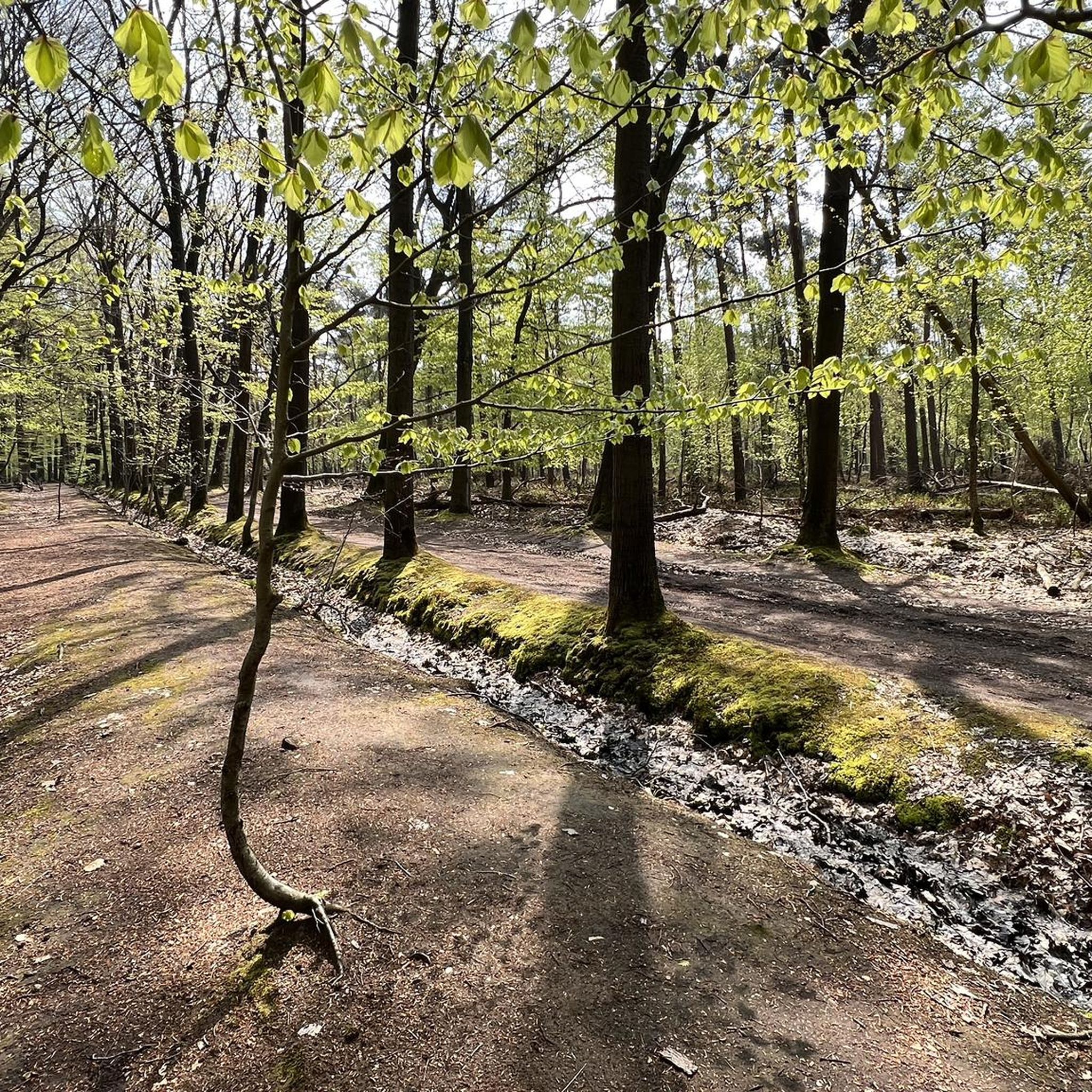
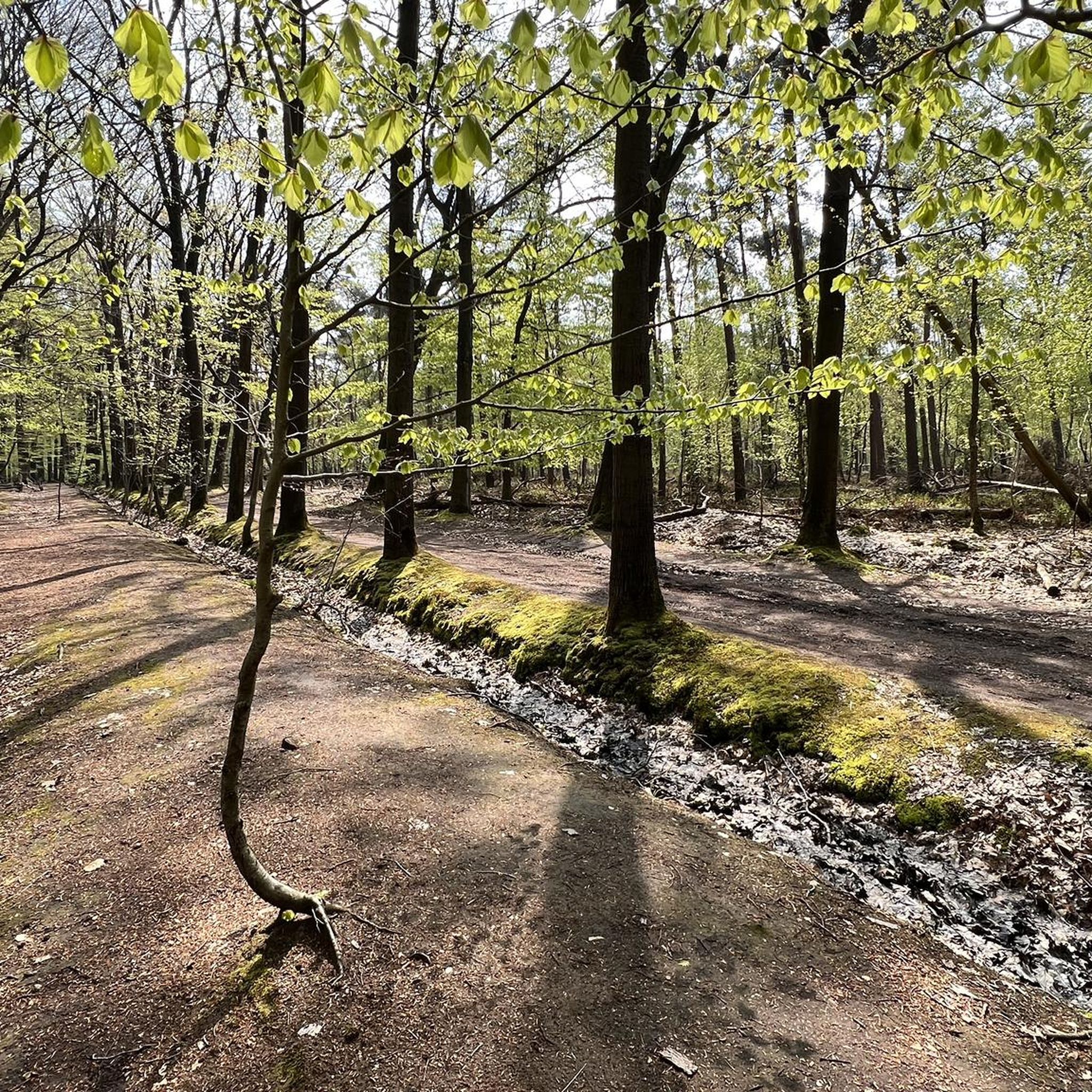
A very large forest with various amenities, including a tea room and restaurant. There's also a herb garden and a farm where you can buy ice cream.
2
0

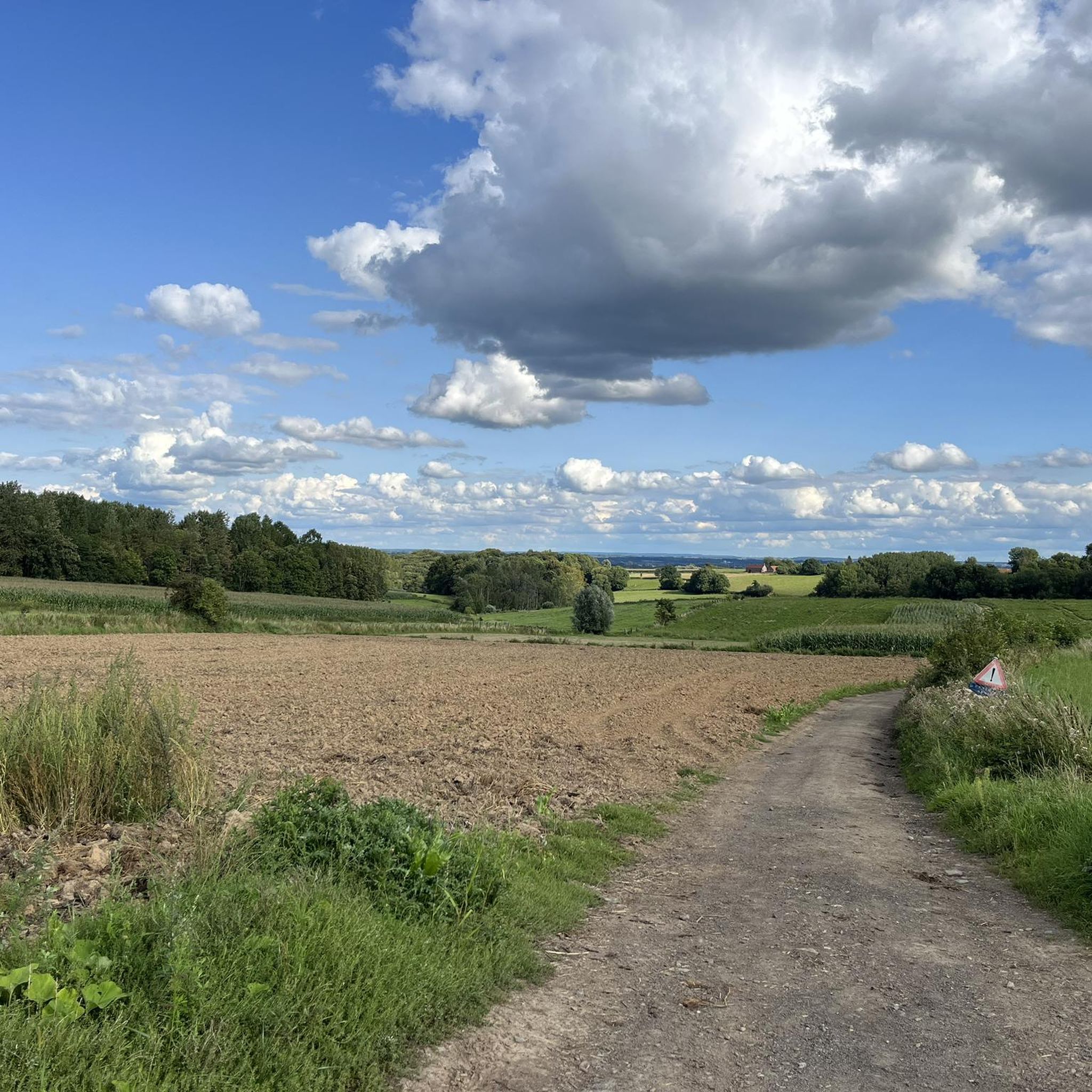
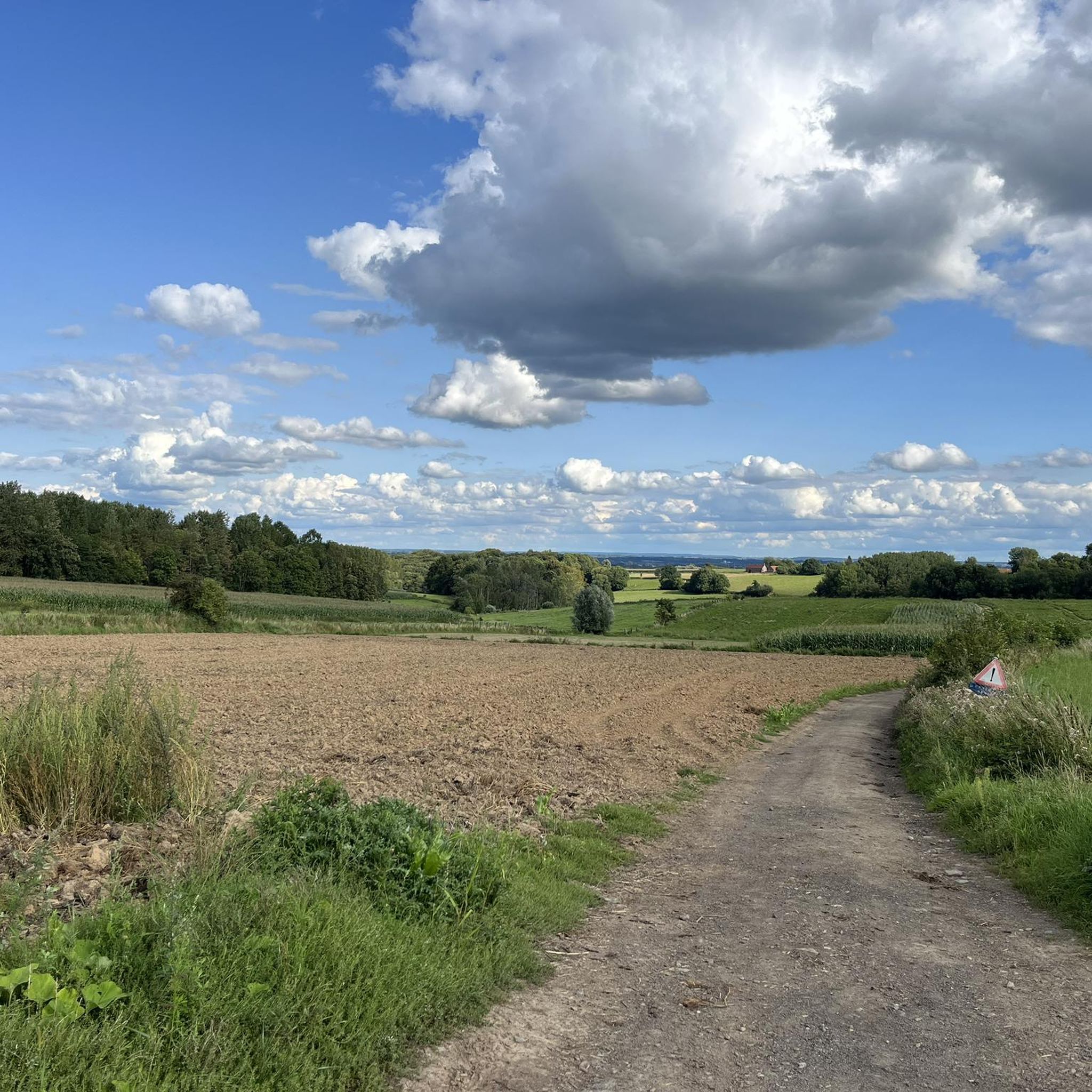
Where the Schipdonk Canal crosses the Ghent-Ostend Canal lies a small island. Although some residents of Merendree live "on the Island," it is uninhabited. After all, "the Island" is also the name of a street on the left bank of the Schipdonk Canal. The actual island is a miniature nature reserve: nature has been allowed to run its course here for decades. A walking path has been created around the island ('Rijkeplas', the same name as a section of the riverside path on the left bank of the Ghent-Ostend Canal), which during the summer months is dominated by the yellow of ragwort (a poisonous plant dangerous to cattle and horses; it is therefore controlled in pastures) and, here and there, the bright blue of wild chicory. The island resembles a rabbit paradise. It's almost impossible not to see one hopping away.
4
0

After the Tillegembos (Bruges) and the Palingbeek (Ypres), the Lippensgoed-Bulskampveld became the third provincial domain of West Flanders. In 1970, 201 ha of forest, agricultural land, park, castle and associated farms were purchased and opened to the public after construction and development. The Lippensgoed-Bulskampveld was the largest public domain in West Flanders for a long time. In the 1980s, the castle garden was transformed into a didactic herb garden and the exhibition of agricultural materials in galleries around the herb garden was established. In 1990, one of the leased farms within the provincial domain became available. In order to increase the recreational opportunities, various afforestations were carried out there and new avenues were created. With an additional acquisition of 17 ha in 1992, the surface area was increased to 218 ha. About 10 years later, in 2003, 6 ha of St-Amandus were rented and integrated into the existing domain via an educational nature trail. Finally, in 2005, about 8 ha of forest were purchased and added to the public domain, bringing the total to 232 ha. (Province of West Flanders)
13
0
A boardwalk over a large pond: fun guaranteed. And a beautiful panorama.
12
1

beautiful boardwalk, recently renovated, and beautiful view
6
1
Two weeks after my previous visit, the cracked electricity pylon, which can be seen in the photos from that time, was removed. ... more than three months after the accident that caused the mast to break: in the morning of February 22, 2024, a ship with a crane on the Lovaart had hit several high-voltage cables. This mast, here in the Durmeersen, was also dragged away and broke...
4
0
A "fallen" electricity pylon stands out as a strange element in an otherwise green environment. The immediate vicinity of that mast was recently felled.
5
0
Small and beautiful nature reserve of 11 hectares, managed by the Nature and Forest Agency. Sand used to be mined here. This sand extraction left behind two wells, which have since grown into valuable ponds. These ponds are a stopping place for numerous water birds, especially in winter and spring. The kingfisher and the tufted duck, among others, breed here. Three bird hides offer you a nice hiding place to watch the birds undisturbed. This nature reserve developed spontaneously after sand extraction and the raising of large parts of it. The Oude Kale flows at the edge of the area. The Ghent-Bruges canal runs parallel to this stream. On the other side, the area is bordered by the Ringvaart. A 1.3 kilometer hiking trail meanders through the nature reserve. Along the way you will most likely encounter grazers: sheep and ponies. https://www.natuurenbos.be/natuurgebieden/durmmeresen
5
0
Frequently Asked Questions
What kind of water bodies can I expect to find around Knesselare?
While Knesselare itself doesn't have large natural lakes, the surrounding East Flanders region features a variety of water bodies including ponds within nature reserves, historical training ponds, and sections of canals. These offer diverse settings for outdoor activities.
Are there any family-friendly spots with water features near Knesselare?
Yes, several spots are great for families. The Ponds of Het Leen offer beautiful forests and ponds with an extensive network of paved roads suitable for walking and cycling. Bulskampveld is another excellent choice, featuring a castle, parkland, and various recreational facilities, including water features.
Where can I find unique viewpoints or natural features around the lakes?
For unique views, visit the Boardwalk Over the Large Pond, Heideveld-Bornebeek. This trail offers a unique boardwalk experience over a large pond with panoramic views. The Island in the Schipdonk Canal is also a miniature nature reserve with a walking path around it, offering a glimpse of untouched nature.
What historical sites are associated with the water bodies in the area?
The Bulskampveld, once the largest heathland area in the County of Flanders, features a historic castle and parkland. Additionally, the Scheepsput is a historical pond where sailors were trained in the mid-19th century, originally dug to build a three-master ship.
What outdoor activities can I do near these water features?
The region offers various outdoor activities. You can find numerous hiking trails, such as those in the Maldegemveld Nature Reserve. Cycling is also popular, with routes like the Ghent–Bruges Canal Cycle Path. For more options, explore the hiking guide or the cycling guide for Knesselare.
Are there specific hiking trails near the water bodies?
Yes, for example, the Boardwalk Over the Large Pond, Heideveld-Bornebeek offers a trail with a unique boardwalk. Many nature reserves, like Maldegemveld, feature walking routes that incorporate ponds and other water elements. You can find detailed hiking routes in the hiking guide for Knesselare.
Can I go cycling along canals or near ponds in the Knesselare area?
Absolutely. The Ghent–Bruges Canal offers a popular cycle path, and many routes in the region pass by ponds and other water features. For detailed cycling routes, including those along canals, refer to the cycling guide for Knesselare.
What do visitors enjoy most about the water areas around Knesselare?
Visitors frequently appreciate the peaceful natural settings, the well-maintained trails, and the opportunities for relaxation. The unique boardwalks, beautiful forests, and historical elements like the Scheepsput are often highlighted as enjoyable experiences.
Is wild swimming permitted in any of the water bodies?
Information regarding wild swimming is not available in the provided data. It's generally advisable to check local regulations or official signage before attempting to swim in natural water bodies, as many are designated for nature conservation or other uses.
Are there any cafes or restaurants near these water features?
Some locations, like Het Leen and Bulskampveld, have cafeterias or cafes within their domains, offering refreshments. Many routes also pass through or near villages where you can find dining options.
What is the best time to visit the water areas around Knesselare?
The best time to visit depends on your preferred activities. Spring and autumn offer pleasant temperatures for hiking and cycling, with beautiful foliage. Summer is ideal for enjoying the outdoors, though some areas might be busier. Weekdays are often recommended for places like Het Leen to fully utilize all paved roads.
Are the paths around these water bodies accessible for all abilities?
Some areas, like the Ponds of Het Leen, are known for their extensive network of paved roads, which are generally suitable for various abilities. However, accessibility can vary, so it's always good to check specific trail details if you have particular requirements.
Most popular routes around Knesselare
Most popular attractions around Knesselare

Get inspired with the komoot mobile app


Explore more
Still not found your perfect lake around Knesselare? Check out the guides of these regions to see even more beautiful places.
