Top 7 Caves around Bouillon
Caves around Bouillon are found within the Ardennes region of Belgium, an area defined by its natural landscapes and the winding Semois River. This region features geological formations and historical sites, offering a blend of natural exploration and cultural interest. Many of the caves are carved into limestone or schist, reflecting the local geology. The area provides opportunities to explore underground galleries and unique rock formations.
Best caves around Bouillon
- The most popular caves is Chassepierre Village, a settlement…
Last updated: June 30, 2026
Chassepierre Village
Highlight • Settlement
Translated by Google •
Tip by

Le Trou des Fées and Old Mill Ruins of Chassepierre
Highlight • Cave
Translated by Google •
Tip by

Sign up now to discover places like this
Get recommendations on the best single tracks, peaks, & plenty of other exciting outdoor places.
Sign up for free
Grotto of Our Lady of Lourdes
Highlight • Religious Site
Translated by Google •
Tip by

Saint-Remacle Caves
Highlight • Cave
Translated by Google •
Tip by
La Gragnette Rock Formation
Highlight • Natural Monument
Translated by Google •
Tip by

Sign up for free to discover even more caves around Bouillon.
Sign up for free
Already have an account?
Start today with a free account
Your next adventure awaits.
Login or Signup
Popular around Bouillon
Running an ultra in Belgium – long trails in a small country
GR 2 d’Orval à Renaix — The Parcs Naturels du sud de la Belgique in gravel
Cycling through green Wallonie — Four days on L'Ardennaise
Vallée de la Semois National Park – long-distance hiking on Belgium’s GR16
Walks in the Belgian Ardennes — historic walls & magical forests
Hiking along majestic castles and nature – Belgian Ardennes
Pure nature on the hiking trails in the Belgian Ardennes
Op twee wielen door Wallonië en de Ardennen – Geschiedenis en natuur
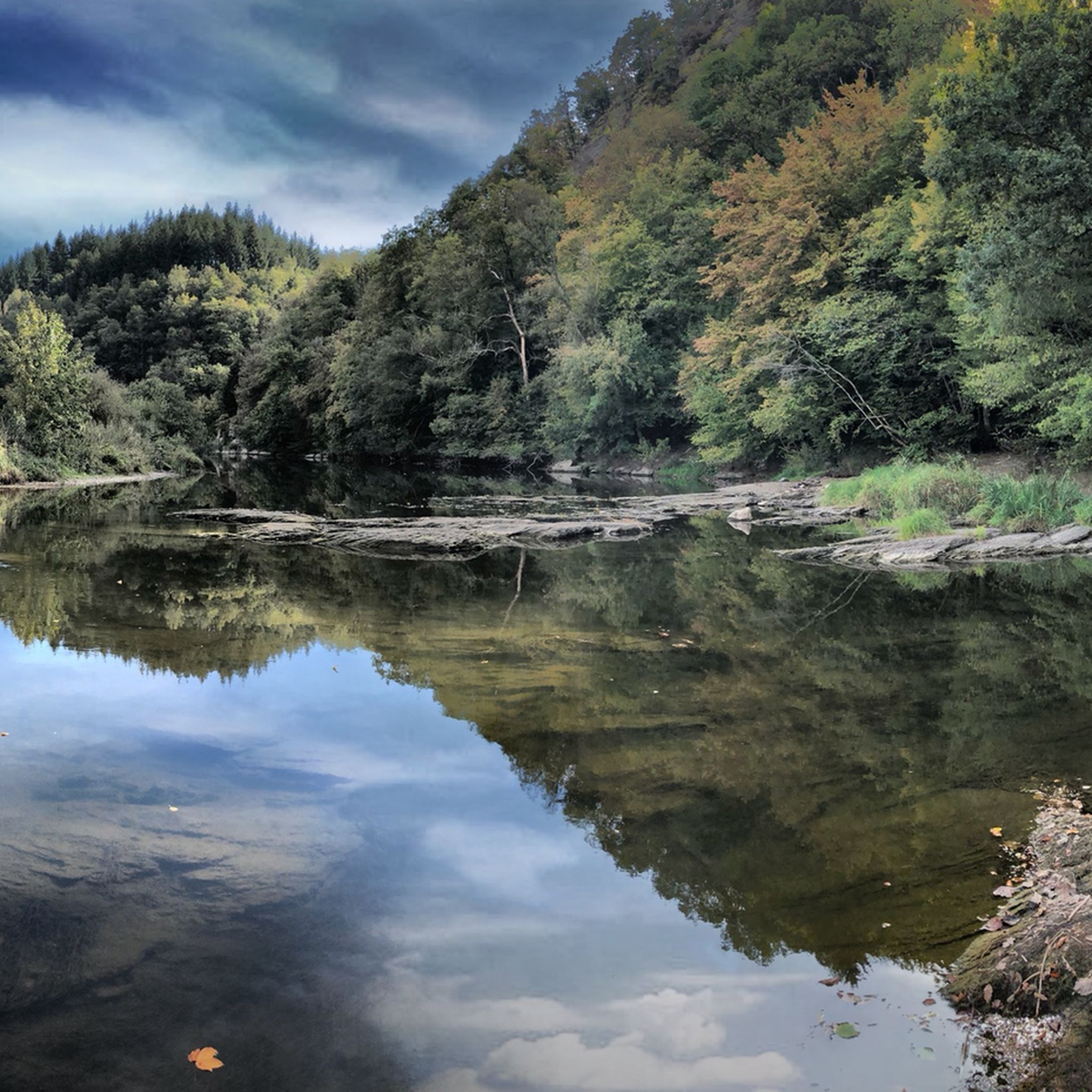
Hiking around Bouillon
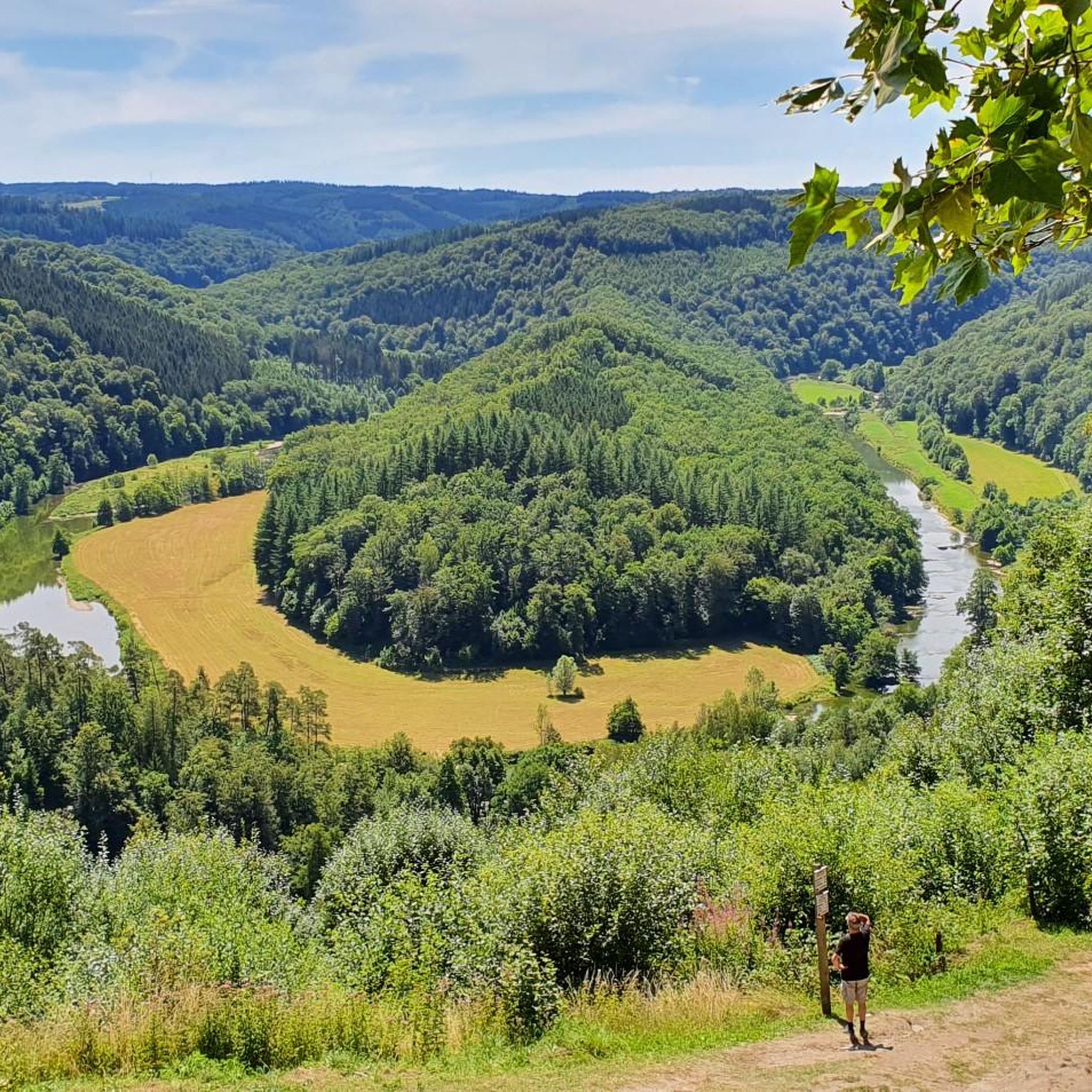
Running Trails around Bouillon
Other adventures around Bouillon


Tips from the Community

Remarkable rock formation. Almost a cave where you can clearly see the multiple rock layers.
0
0

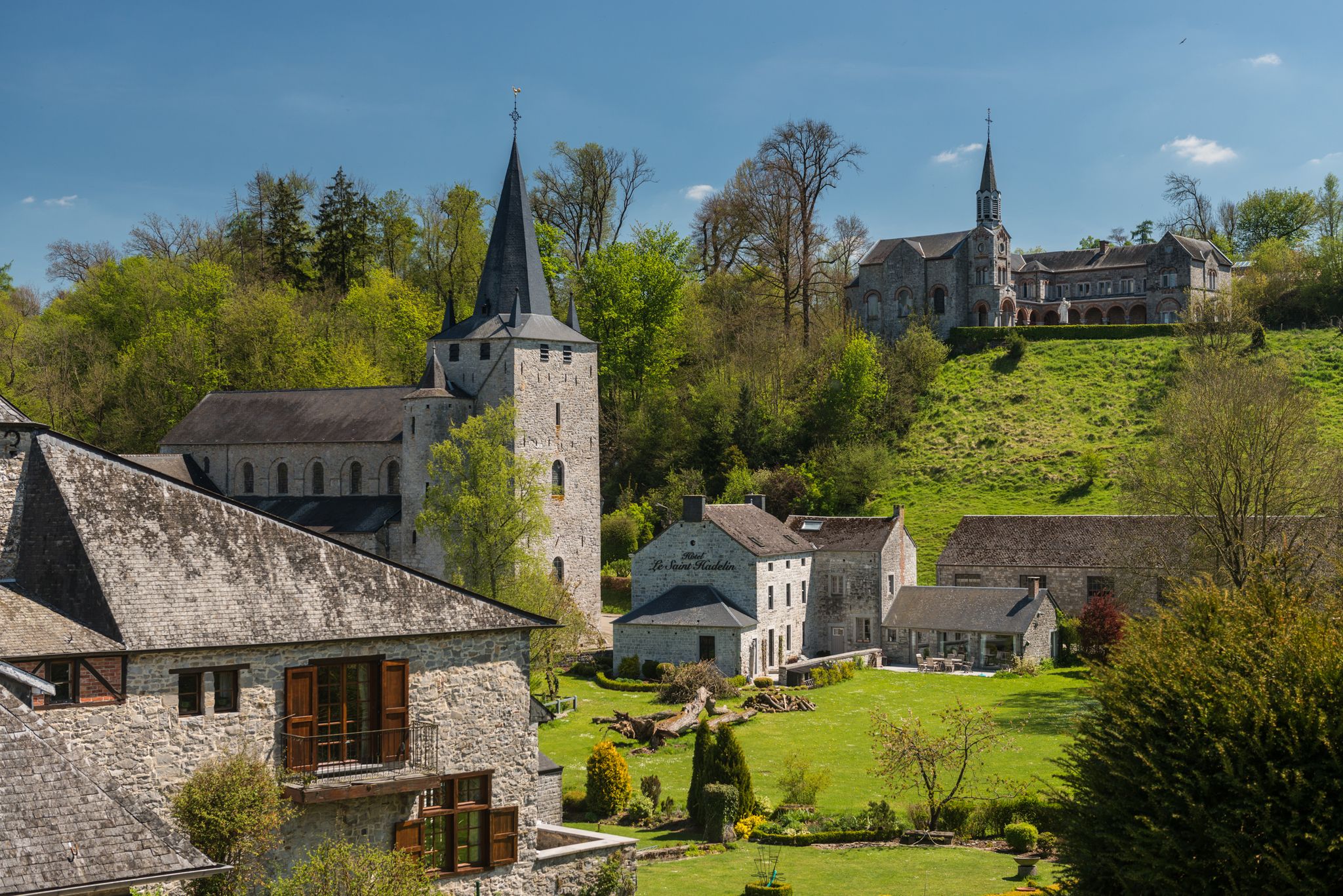
Chassepierre is an artists' village situated on the Semois River. Chassepierre derives from the Latin casa petrea ("stone house"). It is one of the most beautiful villages in Wallonia.
11
0

Impressive and quickly accessible via a small junction
0
0

Had a small celebration on the streets that day.
4
2

Actually, the Trou des Fées and the site du vieux moulin are the same place!
8
0
The Trou des Fées in Chassepierre is a network of underground galleries dug by man in the cron (limestone rock). They extend under the foundations of the old mill and join the presbytery where they merge with the cellars. The Trou des Fées as well as the ruins of the old mill have been restored and are open to visitors freely.
9
0
The site of the old Chassepierre mill is located between the presbytery and the church. Unfortunately, it was demolished in 1980, but this allowed the updating of the vestiges of a much older occupation of the site and of its geological origin, nicely called the “Trou des Fées”: a network of galleries dug by men in the limestone rock (cron) which extends to join the cellars of the presbytery and forms a mysterious network, attributed, perhaps, to the place of residence of magical beings…
9
0
Chassepierre is a beautiful village on the banks of the Semois in the Belgian province of Luxembourg. The village is best known for its International Street Arts Festival, which usually takes place at the end of August and is the largest cultural event in Wallonia after the Francofolies of Spa. The name Chassepierre comes from the Latin word “Casa petrea”, which means “stone house”: the village consists mainly of stone houses from the 18th and 19th centuries. The inhabitants are called “soquets”, derived from Gaumais.
10
2
Frequently Asked Questions
What are some unique cave experiences near Bouillon?
The Ardennes region near Bouillon offers several unique cave experiences. You can take an underground boat ride at the Neptune Caves in Couvin, explore the vertically impressive Grotte de Lorette-Rochefort, or witness the vast chambers and underground river of the Caves of Han-sur-Lesse. Each offers a distinct adventure.
Are there family-friendly caves around Bouillon?
Yes, several caves and related sites are suitable for families. The Chassepierre Village, known for its idyllic setting, is family-friendly. The Neptune Caves in Couvin are also considered suitable for families due to their unique underground boat journey. The Caves of Han-sur-Lesse offer a comprehensive experience with a wildlife park and tram ride, making it a great family outing.
What kind of geological formations can I expect to see in the caves near Bouillon?
The caves in the Bouillon region, particularly in the wider Ardennes, are primarily limestone or schist formations. You can expect to see impressive stalactites and stalagmites, vast underground chambers, and even subterranean rivers. For example, the Caves of Han-sur-Lesse feature one of Europe's largest underground halls and an active underground river.
What historical or cultural sites are associated with the caves around Bouillon?
The region combines natural and historical interest. The Saint-Remacle Caves are an oratory of three natural caves in a rock face above the Semois, connected and further carved, holding historical and legendary significance. Additionally, the Le Trou des Fées and Old Mill Ruins of Chassepierre feature a network of underground galleries dug by humans in limestone rock, extending under old mill foundations and merging with presbytery cellars.
What do visitors enjoy most about the caves around Bouillon?
Visitors appreciate the blend of natural beauty and historical intrigue. Many enjoy the mystical atmosphere of sites like the Saint-Remacle Caves, which are described as impressive and quickly accessible. The Chassepierre Village is loved for its idyllic setting and old houses. The region's caves are highly regarded by the komoot community, with over 150 upvotes and more than 100 photos shared.
What are the practical considerations for visiting the caves near Bouillon?
When visiting caves, it's advisable to wear comfortable shoes and bring a light jacket as temperatures underground are consistently cool. For specific caves like the Caves of Han-sur-Lesse, it's recommended to check their official website for opening hours and ticket booking. Parking is generally available at major cave attractions. For detailed information on specific sites, it's best to consult their individual websites.
What is the best time to visit the caves near Bouillon?
Caves generally maintain a constant cool temperature year-round, making them a good destination in any season. However, the surrounding natural areas and access routes are often most enjoyable during spring, summer, and early autumn when the weather is milder. Always check the specific opening times for each cave, as some may have seasonal closures.
Are there hiking trails near the caves around Bouillon?
Yes, the Bouillon region is excellent for outdoor activities. You can find numerous hiking opportunities. For example, you can explore running trails around Bouillon, including routes like the 'La Bouillonnante 15K' or the 'Bouillon Panoramas Loop'. You can find more details on these and other trails in the Running Trails around Bouillon guide.
What other outdoor activities can I combine with a cave visit near Bouillon?
Beyond cave exploration, the Bouillon area offers a variety of outdoor activities. You can enjoy gravel biking with routes like the 'Grand Raid Godefroy Permanent Trail' or road cycling on routes such as the 'Bouillon Castle – View over the Semois Valley loop'. For more information, check out the Gravel biking around Bouillon guide and the Road Cycling Routes around Bouillon guide.
Are there any less crowded cave options around Bouillon?
While popular caves like Han-sur-Lesse can attract many visitors, smaller, more localized sites might offer a quieter experience. The Saint-Remacle Caves and La Gragnette Rock Formation are natural features that might offer a more serene exploration compared to the larger commercial cave systems.
What is the 'Trou des Fées' and where can I find it?
The 'Trou des Fées' (Fairy Hole) is a network of underground galleries dug by humans in the limestone rock (cron) near Chassepierre. It's an extraordinary vestige of the Tertiary era, extending under the foundations of the old mill and merging with the cellars of the presbytery. You can visit Le Trou des Fées and Old Mill Ruins of Chassepierre, which have been restored and are open to visitors.
Most popular routes around Bouillon
Most popular attractions around Bouillon

Get inspired with the komoot mobile app


Explore more
Extend your search for the best caves by checking out these guides of the top ones around Bouillon:
