Top 20 Lakes around Nazareth
Best lakes around Nazareth, located in East Flanders, Belgium, is characterized by its diverse natural landscapes, including marshlands, forests, and riverine areas. The region features a network of water-rich nature reserves, streams, and ponds, offering opportunities for outdoor activities. Visitors can explore varied ecosystems, from expansive wetlands to historical castle domains with associated water features. The area provides a mix of natural beauty and historical sites centered around its water bodies.
Best lakes around Nazareth
- The most popular lakes is…
Last updated: June 30, 2026
Bourgoyen-Ossemeersen Nature Reserve
Highlight • Natural
Translated by Google •
Tip by

Aelmoeseneiebos Stream and Wooden Bridge
Highlight • Forest
It includes more than 60 tree species, including all native trees of Flanders, as well as a number of park trees.
It is currently …
Translated by Google •
Tip by

Sign up now to discover places like this
Get recommendations on the best single tracks, peaks, & plenty of other exciting outdoor places.
Sign up for free
Liedemeer park
Highlight • Lake
Translated by Google •
Tip by

Lozer Castle
Highlight • Castle
From 1654, the castle domain, located along the Kasteelstraat in Lozer, has been owned by the della Faille d'Huysse family.
The beautiful castle was called ''t …
Translated by Google •
Tip by

The Grootmeers Nature Reserve
Highlight (Segment) • Natural
Translated by Google •
Tip by

Sign up for free to discover even more lakes around Nazareth.
Sign up for free
Already have an account?
Start today with a free account
Your next adventure awaits.
Login or Signup
Tips from the Community

The Liedermeerspark, which became an officially recognized park in 1982, covers 25 hectares and includes, among other things, a fishing pond; originally an old arm of the Scheldt. In the municipal council meeting of 22 September 1983, it was decided that the green zone in BPA no. 12 would henceforth be officially called "Liedermeerspark" and the water "Verlorenbroodvijver". In this recreational zone, no fewer than 3000 native deciduous trees were planted in 1988, followed by about 1000 oaks planted by schoolchildren. (Information board on site)
8
0
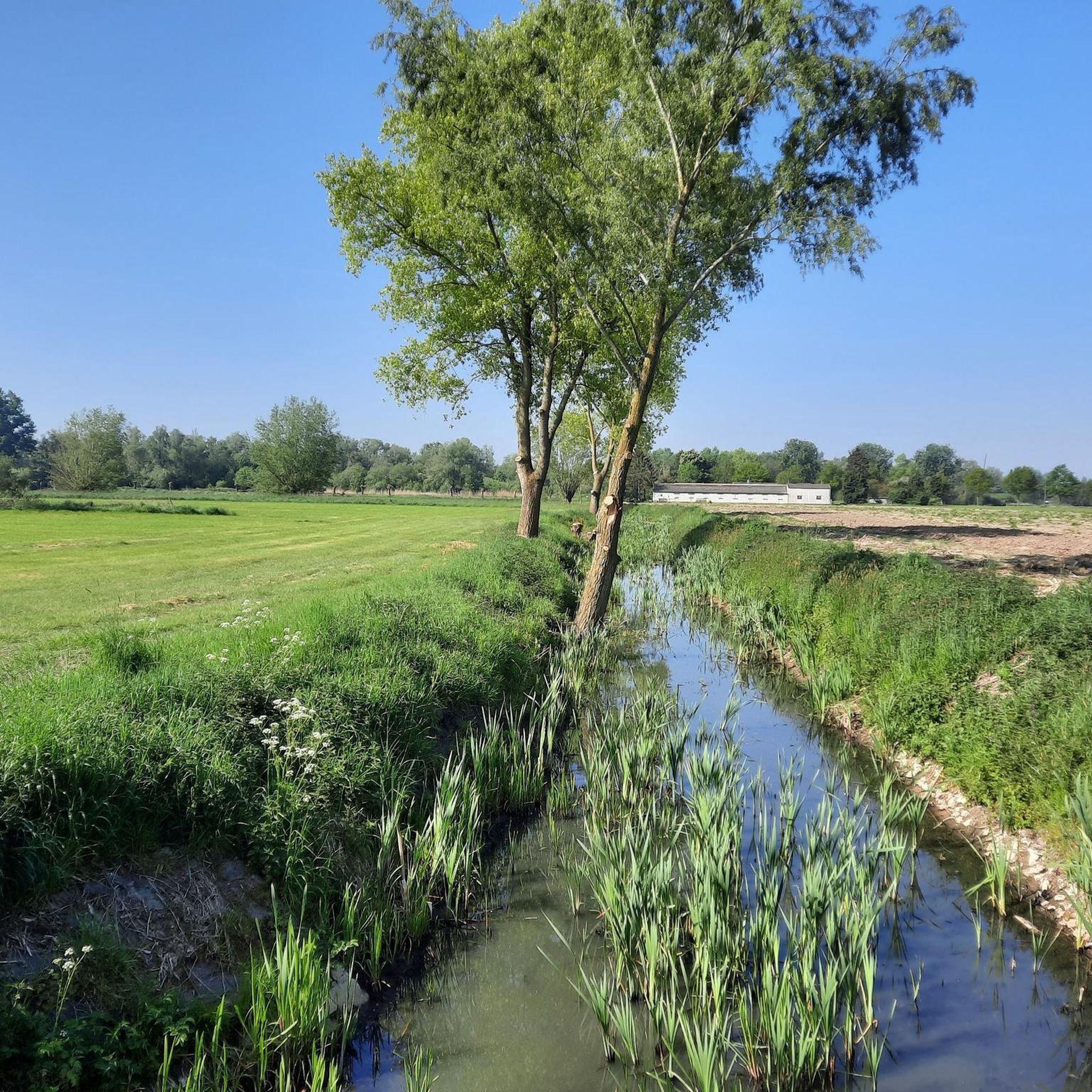
The two nature reserves, Grootmeers and Kleinmeers, are located along the Scheldt. Grootmeers is approximately 19 ha in size. Kleinmeers is close to the Asper lock and is a relatively small area. The area is freely accessible to walkers from sunrise to sunset. Boots are often necessary in wet periods. In winter, when the water level is high, the path through the Grootmeers (even with boots) is often difficult to walk. Dogs (even those not on a leash) are not allowed, partly because of the free-roaming grazers. Make sure you do not walk between the cows or get too close to the calves. (Natuurpunt)
11
0

Since 1654, the castle domain, located along the Kasteelstraat in Lozer, has been owned by the della Faille d’Huysse family. The beautiful castle was called ‘’t Goed Uplosere’ in the 17th century. The block-shaped castle acquired its current neoclassical appearance during renovations in the 18th century. From the Kasteelstraat you can see the symmetrical rear facade. From the Appelhoekstraat you have a view of the front facade. The 19th century park in English landscape style consists of ponds, winding paths, bridges and appurtenances such as a walled vegetable garden, caretaker’s house, dog kennel, coach house, tower-shaped garden pavilion, farmyard and gatehouse. From the castle domain, a double avenue leads to the O.-L.-Vrouw van Bijstandkerk.
4
0

good route without busy points
1
0

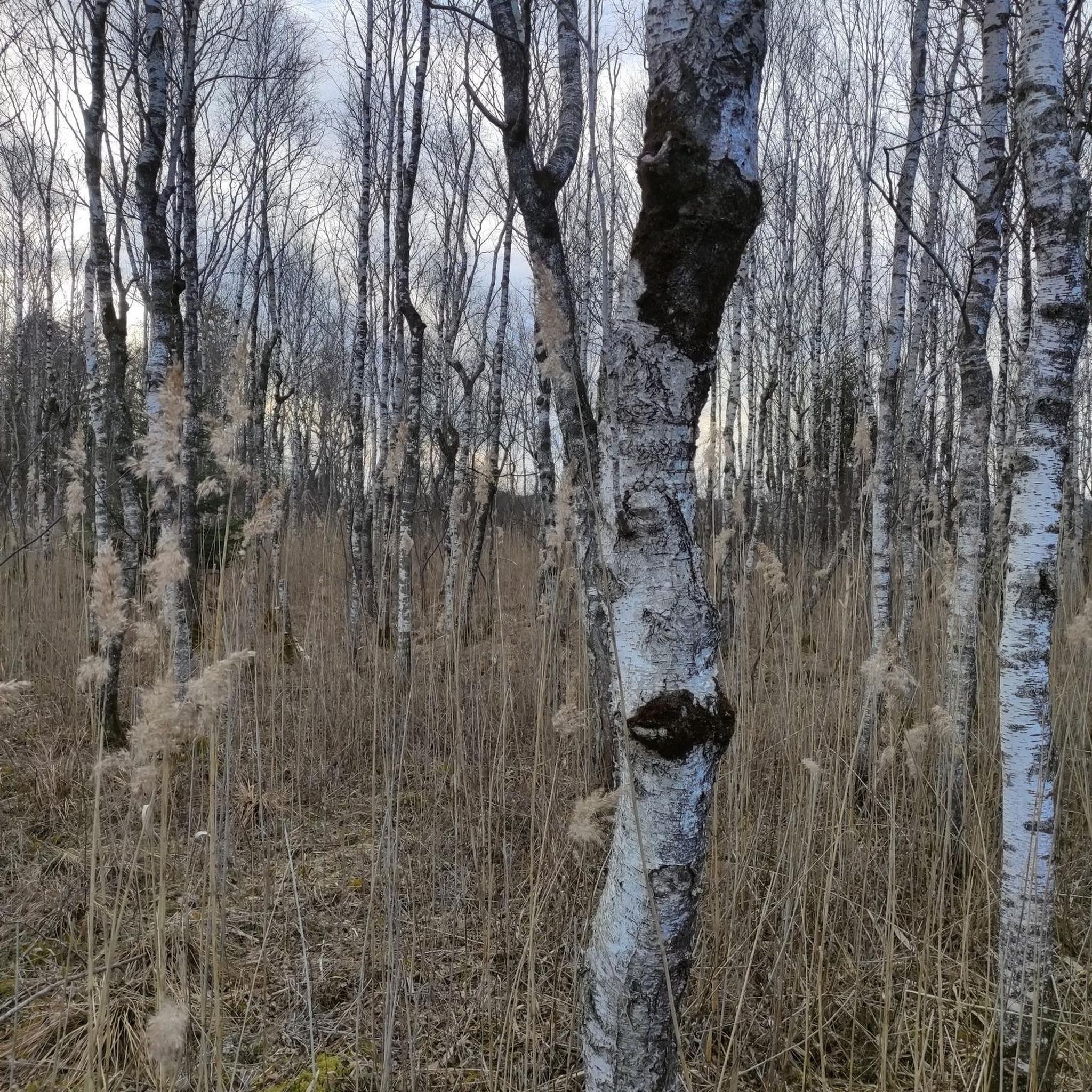
The Aelmoeseneiebos (or Aalmoezenijebos) is a nature reserve on the territory of the municipalities of Melle (Gontrode) and Oosterzele (Landskouter). The forest is 28.5 hectares in size and is owned by the University of Ghent. The forest area is now managed by the university Lab for Forest & Nature. The railway line Ghent-Geraardsbergen divides the forest in two. The Aelmoeseneiebos is an old forest area that already appeared on the Ferraris map in 1775. The forest was owned by the Saint Bavo's Abbey of Ghent for centuries. During the French period (1794-1815) it was transferred to the public poor relief of the city of Ghent. In 1967-1968 the Belgian State bought the forest so that the University of Ghent could use it as a test forest. The most important tree species are summer oak and beech, with ash and maple in the stream valleys. The Aelmoeseneiebos is known for its spring flora such as wood anemone, slender primrose, yellow dead-nettle and small periwinkle. During the First World War, the forest was largely cut down but replanted in 1920. Adjacent to the western part of the Aelmoeseneiebos, 10 hectares of plots of land belonging to Natuurpunt, Oosterzele department, are located in the valley of the Gondebeek. With the 'Rodeland landscape project' [1], the aim is to connect the Aelmoeseneiebos with the Makegemse forests through afforestation in the valleys of the Gondebeek, Kerkesbeek and Driesbeek[2][3]. In 2021, 5 amphibian tunnels were constructed in the Gondebeek valley[4]. Inventories and research in the Aelmoeseneiebos found 1329 different species: including 64 tree and shrub species and 599 species of invertebrates. The Aelmoeseneiebos is protected in Europe as part of the Natura 2000 area (habitat directive area) 'Forests of the south-east of the Zandleemstreek' (BE2300044). The forest is freely accessible on the footpaths.
1
0

This nature reserve is a remnant of an extensive forest area that gradually had to make way for agriculture in the 18th century. The surrounding land and the forest were owned for centuries by the Aalmoezenij, the poor relief of the Ghent Saint Bavo's Abbey. The production of wood was the main function at that time. The forest was purchased by the Belgian state in 1967-1968 so that the University of Ghent could use it as a test forest. In the early years, it was mainly used for studies on the growth and management of forests with a view to wood production. It also had a recreational and educational function. Railway line 122 Melle-Geraardsbergen divides the forest in two. In the western part (where we walked) an arboretum was created in 1973. With the 'Rodeland landscape project', the aim is to connect the Aelmoeseneiebos with the Makegemse forests through further afforestation of a number of stream valleys.
4
0

A true hiking paradise. Bourgoyen-Ossemeersen is famous for its rich bird population and is an important bird reserve. While hiking, you can spot various bird species, especially in the winter months, when the area is a refuge for numerous migratory birds. Species that you can encounter include grey herons, ducks, sea eagles and birds of prey such as the hawk and buzzard. In spring and summer, the area is also rich in breeding birds, such as the redstart and the common teal.
1
1

The Bourgoyen-Ossemeersen Urban Nature Reserve in Ghent is a vast and water-rich nature reserve, ideal for nature lovers who want to escape the hustle and bustle of the city. This unique marshland offers a beautiful landscape of grasslands, reed beds and ponds, where numerous water birds breed and forage. With well-maintained hiking trails and viewpoints, it is a wonderful place to walk and spot birds, in the middle of nature.
2
1
Frequently Asked Questions
What types of lakes and water features can I explore around Nazareth, Belgium?
The region around Nazareth, East Flanders, offers a diverse range of water features, including vast marshlands, serene ponds, and forest streams. You'll find water-rich nature reserves, historical castle domains with associated lakes, and riverine areas, providing a mix of natural beauty and historical sites.
Are there any significant nature reserves with lakes near Nazareth?
Yes, the Bourgoyen-Ossemeersen Nature Reserve is a prominent water-rich marshland known for its rich bird population, making it an important bird reserve. Another notable area is The Grootmeers Nature Reserve, located along the Scheldt, which features a swamp zone with rich vegetation.
Which lakes are suitable for family outings?
Several locations are family-friendly. The Bourgoyen-Ossemeersen Nature Reserve has well-maintained hiking trails and viewpoints. Aelmoeseneiebos Stream and Wooden Bridge features an arboretum accessible to walkers. Additionally, the Pond at Residence Het Leeuwenhof offers a peaceful setting with natural play stimuli and walking routes.
Can I visit historical sites with lakes in the Nazareth area?
Absolutely. Lozer Castle is a beautiful historical site with a lake. The castle domain, owned by the della Faille d'Huysse family since 1654, showcases neoclassical architecture from the 18th century. While the castle and park are private property, a B&B operates there, and the domain has been opened for events like VTT trips.
What kind of wildlife can I expect to see around the lakes?
The Bourgoyen-Ossemeersen Nature Reserve is particularly renowned for its birdlife. You can spot various species, including grey herons, ducks, sea eagles, hawks, buzzards, redstarts, and common teals, especially during winter when it serves as a refuge for migratory birds.
Are there good places for walking or hiking near the lakes?
Yes, the region offers numerous walking opportunities. The Bourgoyen-Ossemeersen Nature Reserve has well-maintained hiking trails. The Aelmoeseneiebos Stream and Wooden Bridge is freely accessible for walkers. For more structured routes, you can explore the 5 walking routes starting from the Pond at Residence Het Leeuwenhof, which connects to the Vinderhoutse Bossen.
What outdoor activities can I do near these lakes?
Beyond walking and birdwatching, the area around Nazareth is excellent for cycling. You can find various road cycling routes and mountain biking trails. For dedicated hiking, explore the hiking guide for Nazareth, which includes trails like the Peace Path and routes through the Hospice Woods.
Are dogs allowed on trails around the lakes?
Rules vary by location. For example, in The Grootmeers Nature Reserve, dogs are generally not allowed, even on a leash, due to the presence of free-roaming grazers. Always check local signage or specific reserve guidelines before bringing your dog.
What should I know about visiting The Grootmeers Nature Reserve?
The Grootmeers Nature Reserve is freely accessible to walkers from sunrise to sunset. Be aware that boots are often necessary during wet periods, and the path can be difficult to walk in winter due to high water levels. Dogs are not permitted, partly because of free-roaming grazers.
Where can I find an arboretum with native tree species?
The Aelmoeseneiebos Stream and Wooden Bridge area features an arboretum planted in 1973. It contains over 60 tree species, including all native trees of Flanders, and is freely accessible to walkers.
How far is the Pond at Residence Het Leeuwenhof from Ghent city center?
The Pond at Residence Het Leeuwenhof is located approximately 5 km west of the historic city center of Ghent. It serves as one of the official access zones to the Vinderhoutse Bossen green area.
What makes Bourgoyen-Ossemeersen Nature Reserve special for birdwatching?
Bourgoyen-Ossemeersen is a vast marshland with a rich bird population, recognized as an important bird reserve. Its diverse landscape of grasslands, reed beds, and ponds provides ideal breeding and foraging grounds for numerous water birds, especially during the winter months when it hosts many migratory species.
Most popular routes around Nazareth
Most popular attractions around Nazareth

Get inspired with the komoot mobile app


Explore more
Still not found your perfect lake around Nazareth? Check out the guides of these regions to see even more beautiful places.
