Top 18 Castles around Harelbeke
Castles around Harelbeke provide insight into the region's historical significance and varied architecture. The area, situated in West Flanders, Belgium, features a landscape shaped by waterways like the Leie river, which historically influenced the placement of defensive structures. Harelbeke and its surroundings are home to 18 castles, reflecting centuries of development from medieval strongholds to more refined residences. These historical sites are often nestled within green spaces, offering opportunities for exploration.
Best castles around Harelbeke
- The most popular castles is…
Last updated: June 30, 2026
Rumbeke Castle
Highlight • Castle
Translated by Google •
Tip by

Ingelmunster Castle
Highlight • Castle
The castle was built on the ruins of a seventh-century monastery.
In 740, the monastery …
Translated by Google •
Tip by

Sign up now to discover places like this
Get recommendations on the best single tracks, peaks, & plenty of other exciting outdoor places.
Sign up for free
Te Lake Castle
Highlight • Castle
Translated by Google •
Tip by
Beukenhof Castle
Highlight • Castle
In the middle of the park is a neo-Renaissance castle from 1876, which Mayor Karel Vlieghe commissioned to build. Next to the castle house is a porter's house …
Translated by Google •
Tip by

Ooigem Castle
Highlight • Castle
On an information board on site you will …
Translated by Google •
Tip by
Sign up for free to discover even more castles around Harelbeke.
Sign up for free
Already have an account?
Start today with a free account
Your next adventure awaits.
Login or Signup

Tips from the Community

A miniature version of the castle to give visually impaired people a tangible image of the castle. Equipped with Braille.
0
0

Nice restaurant, pleasant terrace in summer.
0
0

In the 20th century, the castle was successively owned by the Oblate Fathers (1910-1920), who set up a dairy there, by the Versele family (of the Anglo-Belge brewery), who rented it to J. De Clerck, for, among other things, a horse breeding farm and the refurbishment of the "Leiedal" dairy. In 1989-90, the castle was completely restored. Nowadays, the castle serves as a banquet hall for wedding parties, with room for 200 to 500 people. Source: Inventory of Immovable Heritage
3
0
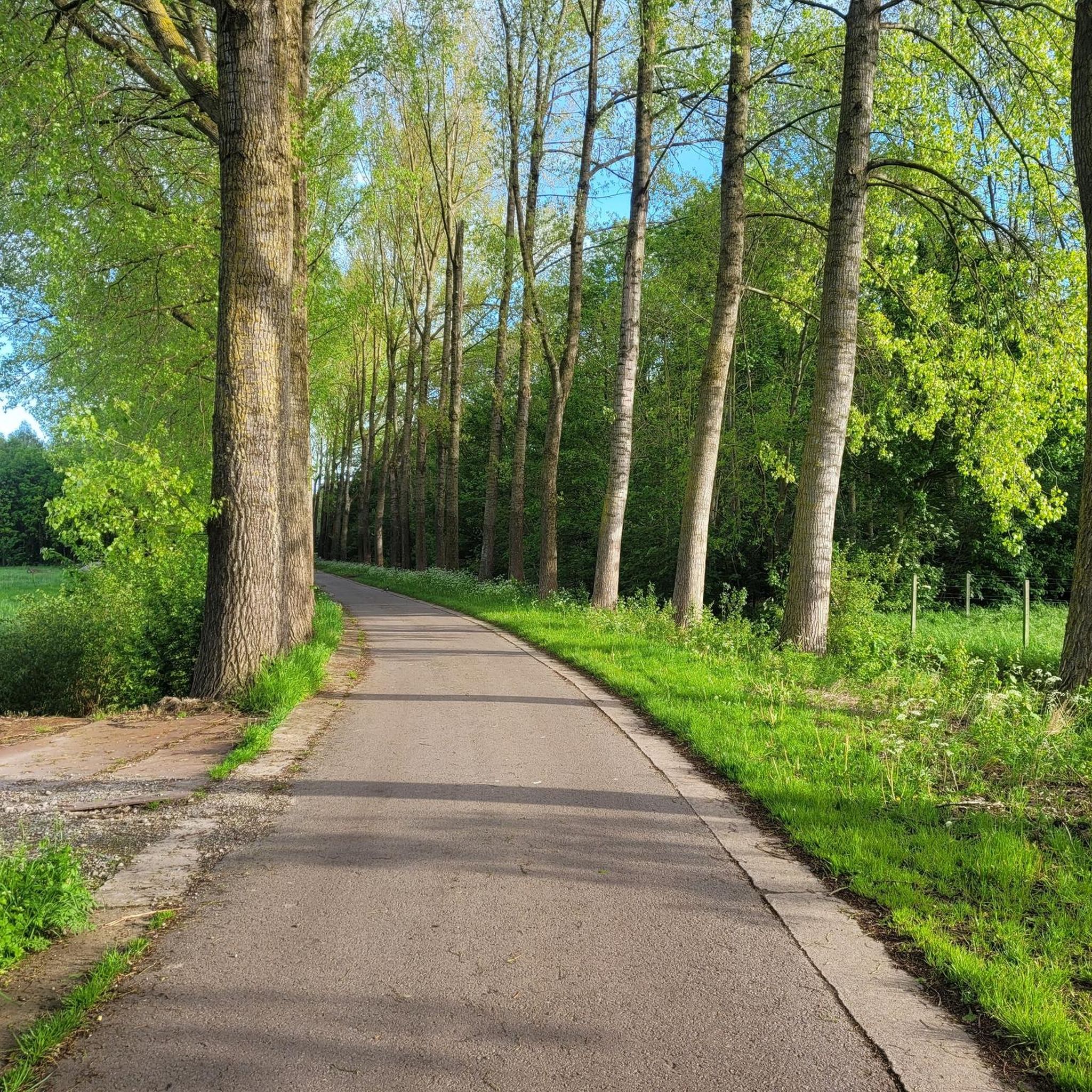
Walking along the old Leie meander you can see the castle (Te Lake and not 'Te Meer',... the absurd result of an automatic translation, reported to Komoot, but apparently difficult to correct) from afar, albeit through the trees. The castle was built in 1748 on the old site with moat of the lordship "Te Lake" whose history goes back to the 13th century. The lordship, named after the Van Lake family, was a fief of the fiefdom "de Stenen Man" of Oudenaarde. At the end of the 15th and in the 16th century in the possession of the family van Gavere, also called van Liedekerke and from 1592 of the Basta family. Baron de Beer sells the lordship in 1715 to J.S. Limnander, lord of the lordship "ter Werft" in Zulte. His son will have the old castle demolished and a new, more comfortable castle built with stables, a gardener's house and gardens. The straight lane leading to the castle is still named after the Limnander family. Until the construction of the Leie Canal (1972), it connected the castle to the village centre. Source: Inventory of Immovable Heritage
3
0
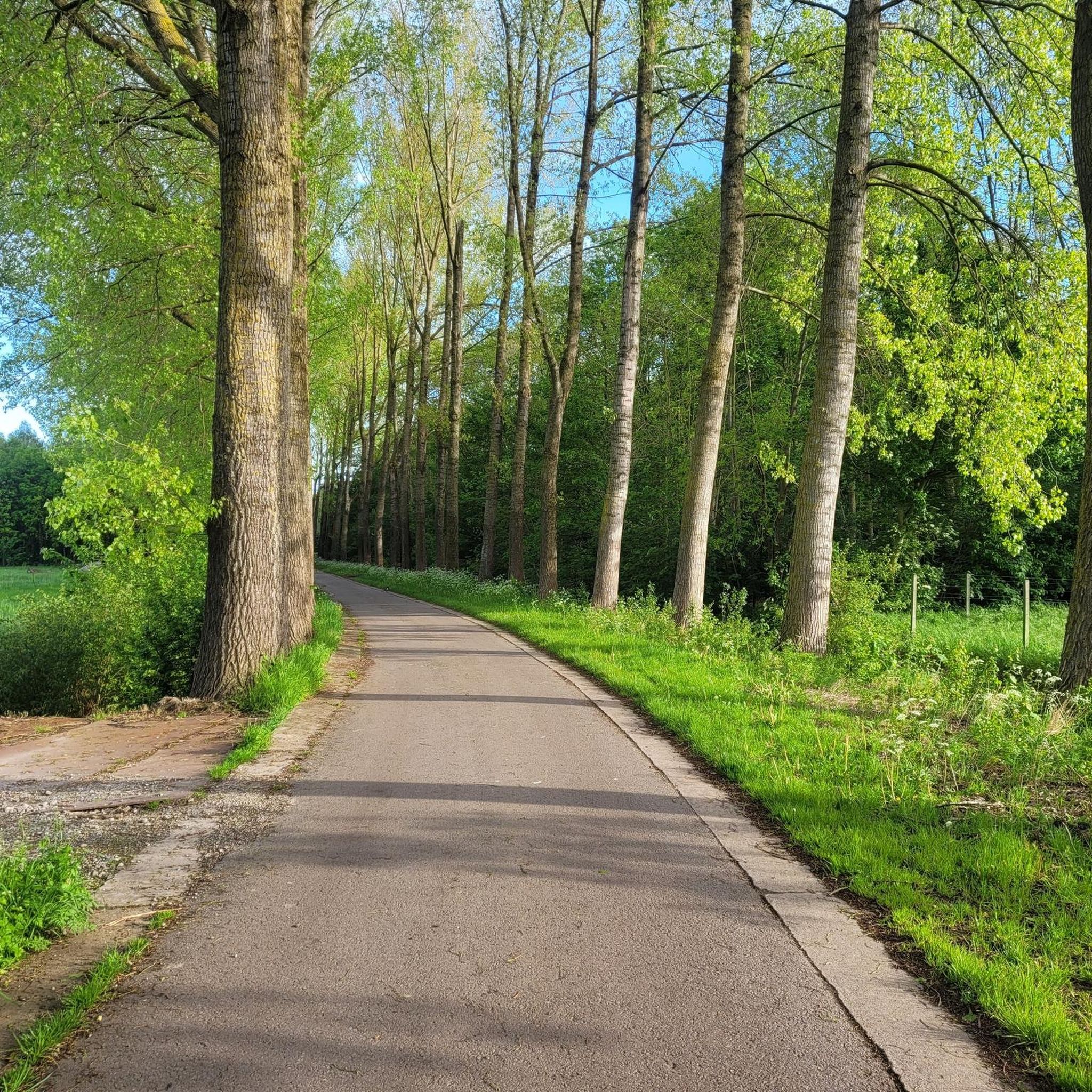
You can see the side and back of Ooigem Castle from the Oude Leie; the front from the entrance gate on Desselgemsestraat. On an information board on site you will find this explanation: A castle was possibly built here in the 9th century to protect Harelbeke. The oldest known lord was mentioned in 1080 as Lambertus de Odenghem. Around 1260, the castle came into the possession of the lords of Luxembourg. They probably had a stone castle built in the 13th century. At the end of the 14th century, a fire is said to have raged and in the course of the 15th century the castle fell into disrepair. In 1510, the lordship was sold to the De Gros family, who made it habitable again. In 1576, however, the castle was plundered by iconoclasts and fell into disrepair again. During the 17th century, the castle was rebuilt on the old foundations, probably by order of Charles de Gros, the first regular resident. In 1693, the castle came into the hands of the De Lens family as an inheritance. A chapel and a Louis XV-style staircase were added, the salons were redecorated, new stables and coach houses appeared in the farmyard. The park was laid out. Petrus Verhaeghe, mayor of Ooigem, lived in the castle after the French Revolution and in 1889 Bernard Verhaeghe, who was mayor of Ooigem at the time, bought the castle. His son Alfons Verhaeghe was visited several times by Oscar Wilde. 'Op het kasteel', the story by Stijn Streuvels from 1904, is also set in this castle. In 1937, a number of farm buildings in the farmyard were demolished, but the dovecote remained. The garden was redesigned, on a smaller scale than before. According to literature, the domain once housed prisons, storage areas for payments in kind, courtrooms and council chambers.
5
0
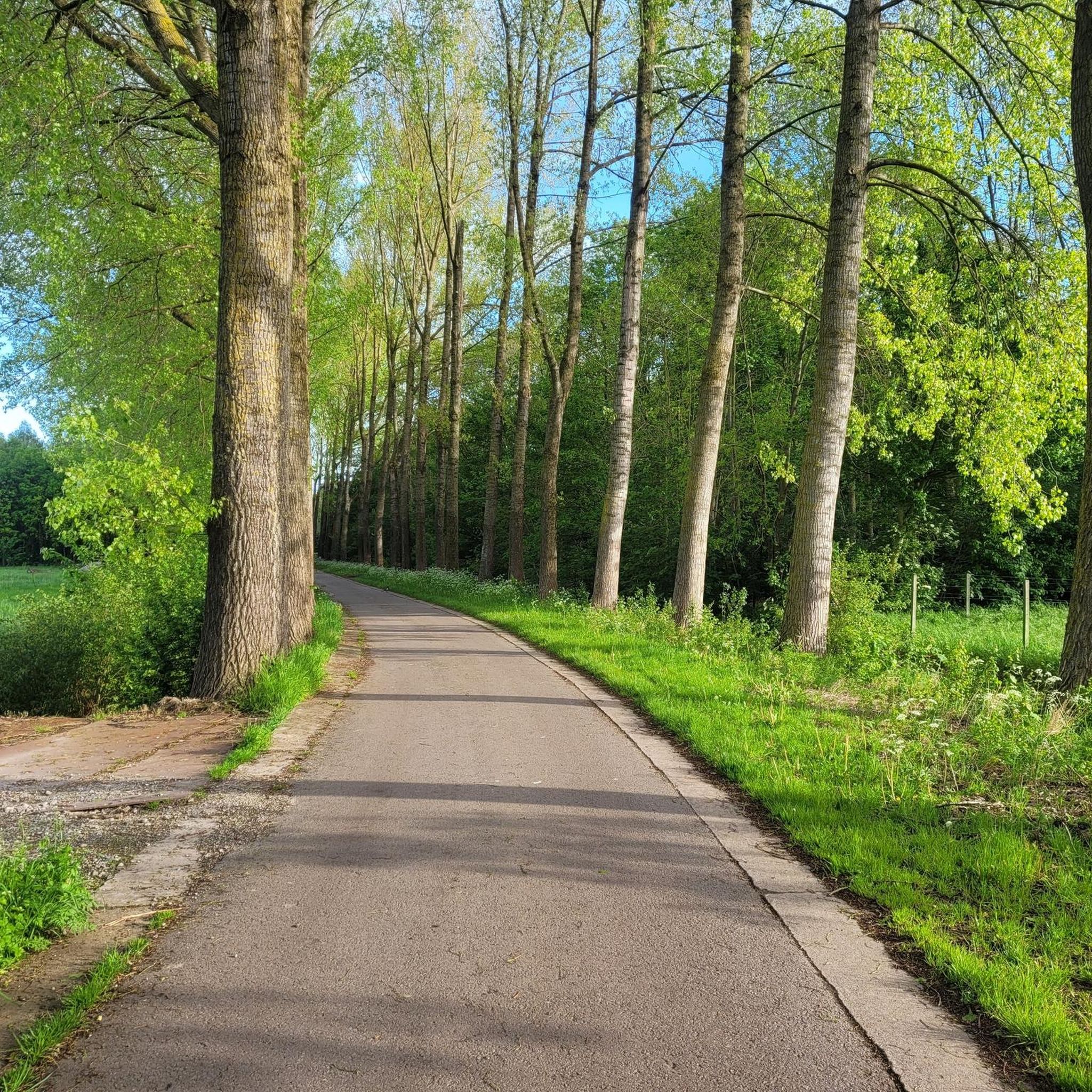
Today, parts of the castle are rented out as a venue for corporate events, seminars, parties, and more. Extensive work has been carried out for this purpose over the past quarter century. Mr. Marc Van Honsebrouck, who died last year at the age of 89, had lived in the castle with his family since 1986, and had already commissioned renovations around the turn of the century. But disaster struck shortly afterward. On September 20, 2001, at 1:45 a.m., a fire broke out. Fortunately, Mr. Marc and his family managed to escape, but the entire left wing, both the ground floor and the upper floor, was completely destroyed. Although the fire department arrived very quickly, many priceless works of art were lost in the fire. The building itself suffered greatly, but the skill of the firefighters managed to stop the all-consuming flames. The grief over this terrible event was palpable far beyond the castle grounds. In 2012, Mr. Marc Van Honsebrouk decided to take over the castle's entire care and bought out his brother, who had been co-owner until then. His plan was to breathe new life into the castle, which had only been made wind- and watertight after the fire. The result of the past few years is the magnificent halls that shine again. Sources: https://kasteelvaningelmunster.be/ https://www.nieuwsblad.be/cnt/dmf20230824_96366895
5
1
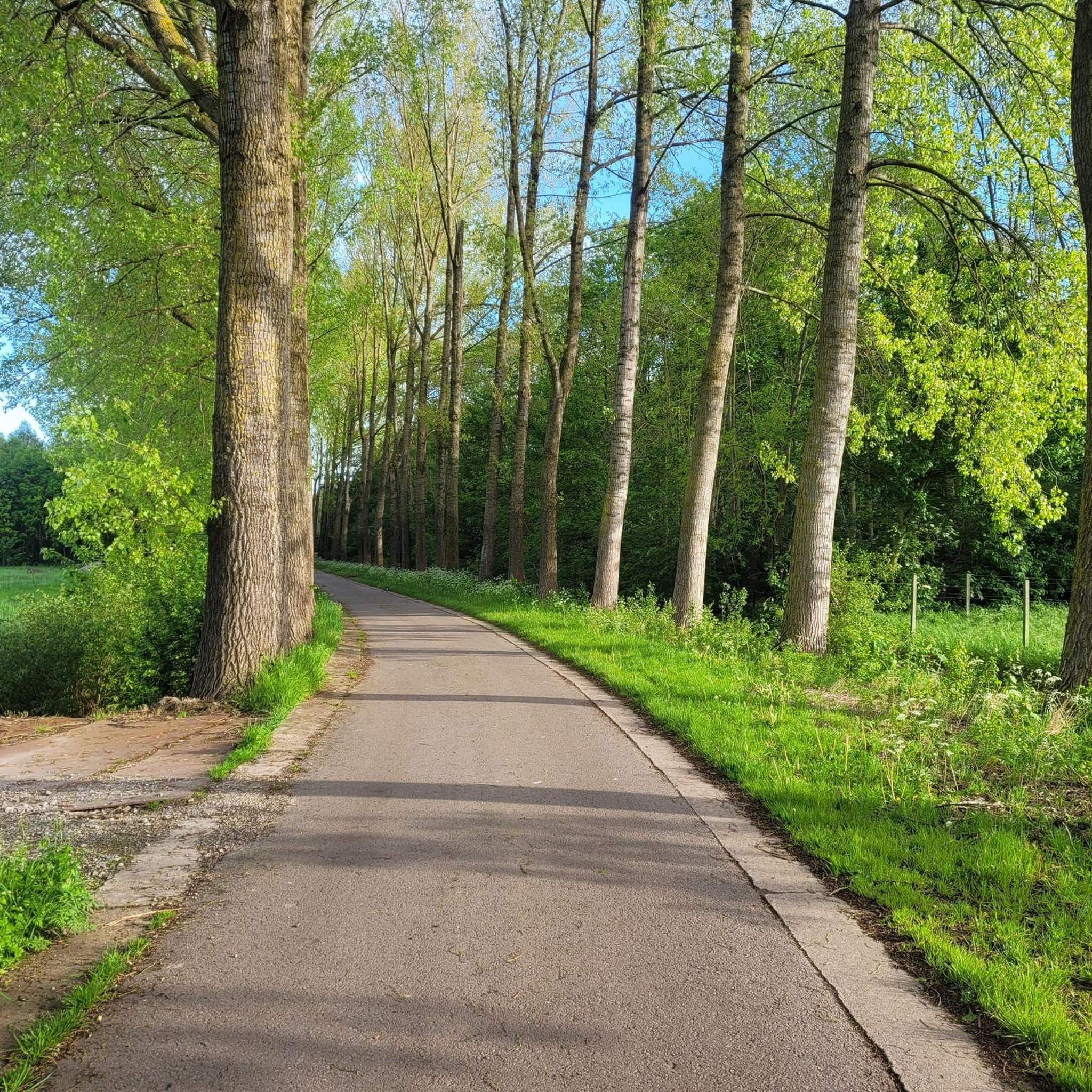
The origin of the name "Ingelmunster" most likely lies in the history of this castle. The castle was built on the ruins of a seventh-century monastery. In 740, the monastery was reportedly inhabited by English monks, who gave it their name: Anglo Monaterum, Engelmunster, or Ingelmunster, meaning "Monastery of the Angels." In 855, the monastery fell prey to the Normans, the feared rulers of the sea. They plundered and burned the monastery. Little more than a ruin remained of the "Monastery of the Angels." The first Flemish ruler to establish a political presence in West Flanders was Robert I the Frisian, the tenth Count of Flanders. His reign lasted from 1071 to 1093, and he had the fortified castle built on the site of the ruins. Ingelmunster's location, on the doorstep of West Flanders and along the waterway that crossed the military route between Kortrijk and Bruges, was of such strategic importance that it was called the "Key to Flanders." Ingelmunster Castle, which at that time was still a veritable "lock," offered the key to unlocking a tactical advantage. Source: https://kasteelvaningelmunster.be/historiek-kasteel/
5
1
Frequently Asked Questions
Which castles around Harelbeke are most popular with visitors?
Among the most popular castles are Rumbeke Castle, known for its classical style and historical significance within the provincial domain Sterrebos, and Ooigem Castle, which has ancient origins and literary connections. Visitors also appreciate Te Lake Castle, a restored historical site visible from the Oude Leie.
Are there family-friendly castles to visit near Harelbeke?
Yes, Rumbeke Castle, located within the provincial domain Sterrebos, is considered family-friendly. The domain offers a variety of landscapes and natural features for exploration. Beukenhof Castle is also family-friendly, situated in a public domain with a bistro/tea room.
What kind of outdoor activities can I do near the castles?
The region offers various outdoor activities. You can find numerous hiking routes, such as the 'Leie Meander – Old Leie near Ooigem loop' which is a moderate 9.7 km hike. For cycling enthusiasts, there are road cycling routes like the 'Koutermolen Harelbeke – Broel Towers loop' (45.5 km, moderate) and gravel biking options. Explore more routes in the Hiking around Harelbeke or Road Cycling Routes around Harelbeke guides.
Can I visit Ooigem Castle, and what are its historical highlights?
Ooigem Castle has ancient origins, possibly built in the 9th century to protect Harelbeke. It has a turbulent history of destruction and reconstruction, with notable residents and literary connections, including being featured in a story by Stijn Streuvels. While access to the interior is restricted, you can observe its historical significance from the outside, particularly from the Oude Leie or the entrance gate on Desselgemsestraat. For more historical context, you can refer to its Wikipedia page: Kasteel van Ooigem.
Are there any castles near Harelbeke that offer dining or event facilities?
Yes, Te Lake Castle has been fully restored and now serves as a banquet hall for events. Beukenhof Castle houses a bistro/tea room, offering a pleasant spot for refreshments. Additionally, parts of Ingelmunster Castle are rented out as a venue for corporate events, seminars, and parties.
What is the historical significance of Ingelmunster Castle?
Ingelmunster Castle, also known as the 'Key to Flanders,' holds significant historical importance. It was built on the ruins of a 7th-century monastery and later fortified by Robert I the Frisian, the tenth Count of Flanders, due to its strategic location along a military route. The castle has endured various historical events, including a devastating fire in 2001, but has since been extensively renovated.
Are there any castles with public parks or green spaces for visitors?
Yes, Rumbeke Castle is located within the provincial domain Sterrebos, a 27-hectare park with a well-thought-out layout offering variety in landscape. Beukenhof Castle is also situated in a public domain, making its surrounding park accessible to visitors.
What do komoot users appreciate most about the castles around Harelbeke?
Komoot users appreciate the historical significance and varied architecture of the castles. They enjoy the opportunities for exploration within the green spaces surrounding many of these sites. The community has shared 71 photos and given 142 upvotes across the various castle highlights, indicating a strong appreciation for the region's historical and natural beauty.
Are there any specific trails that feature castles along the route?
Yes, the 'Leie Meander – Old Leie near Ooigem loop' hiking route, starting from Harelbeke, allows you to see Ooigem Castle from the Oude Leie. Many other routes in the area pass by or near these historical sites, offering scenic views. You can find more details in the Hiking around Harelbeke guide.
What is the best time of year to visit the castles around Harelbeke?
While specific seasonal information for each castle varies, visiting during spring or early autumn generally offers pleasant weather for exploring the castle grounds and surrounding parks. These seasons often provide comfortable temperatures for outdoor activities and vibrant natural scenery.
Are the castles around Harelbeke accessible by public transport or do they have parking?
Many castles in the region, especially those within public domains like Rumbeke Castle (Sterrebos), typically offer parking facilities. For specific public transport options to individual castles, it's advisable to check local transport schedules, as accessibility can vary. The region is generally well-connected, but some castles might require a short walk from the nearest stop.
Are there any castles that are particularly suitable for dog owners?
While specific dog policies for each castle's interior or immediate grounds can vary, the provincial domain Sterrebos, where Rumbeke Castle is located, is generally welcoming to dogs, especially on its extensive trails and park areas. Always ensure dogs are kept on a leash and follow any posted regulations.
Most popular routes around Harelbeke
Most popular attractions around Harelbeke

Get inspired with the komoot mobile app


Explore more
Looking for the best castles somewhere else? Discover other guides around Harelbeke:
