Top 5 Waterfalls around Firenze
Best waterfalls around Firenze offers a diverse landscape, from the historic city center with its artistic fountains to the natural cascades in the surrounding Tuscan and Apennine regions. While natural waterfalls are less common directly within Florence, the area provides opportunities for day trips to impressive natural sites. The region features a mix of natural waterfalls, some with significant drops, and historical water features. These locations are often found within lush forests and dramatic landscapes, providing varied outdoor experiences.
Best…
Last updated: June 30, 2026
Poggio All'Aia (Third Peak)
Highlight • Summit
Translated by Google •
Tip by

Mulinaccio of the Borro di Ribuio
Highlight • Monument
Tip by

Sign up now to discover places like this
Get recommendations on the best single tracks, peaks, & plenty of other exciting outdoor places.
Sign up for free
Borro Waterfall and Pond
Highlight • Waterfall
Translated by Google •
Tip by

Waterfall of Torrente Terzolle
Highlight • Waterfall
Translated by Google •
Tip by

Three-Arched Stone Bridge and Waterfall of Baroncoli
Highlight • Bridge
Translated by Google •
Tip by

Sign up for free to discover even more waterfalls around Firenze.
Sign up for free
Already have an account?
Start today with a free account
Your next adventure awaits.
Login or Signup
Popular around Firenze
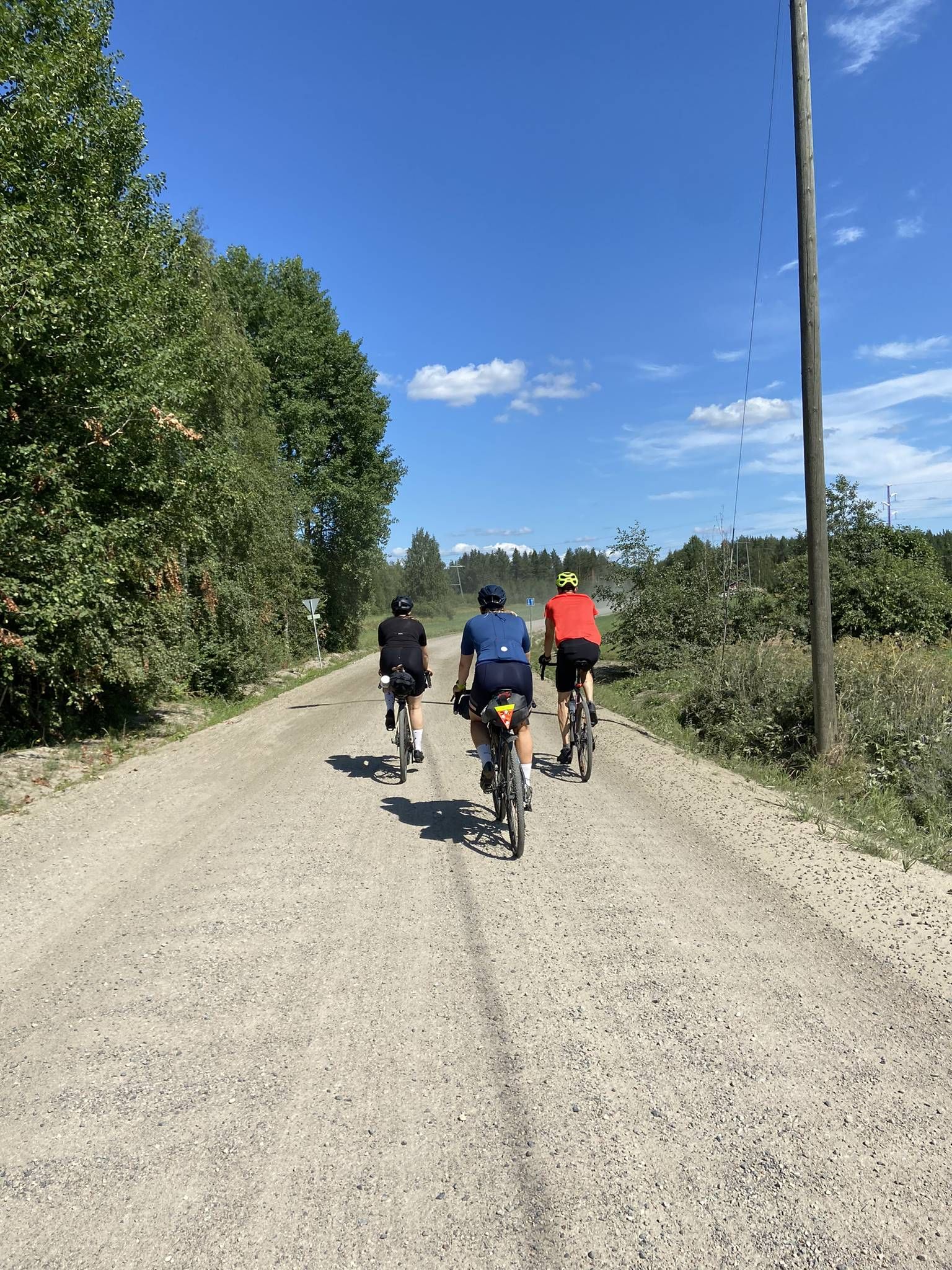
Naples to North Cape — Two friends, one purpose and many scoops of ice-cream
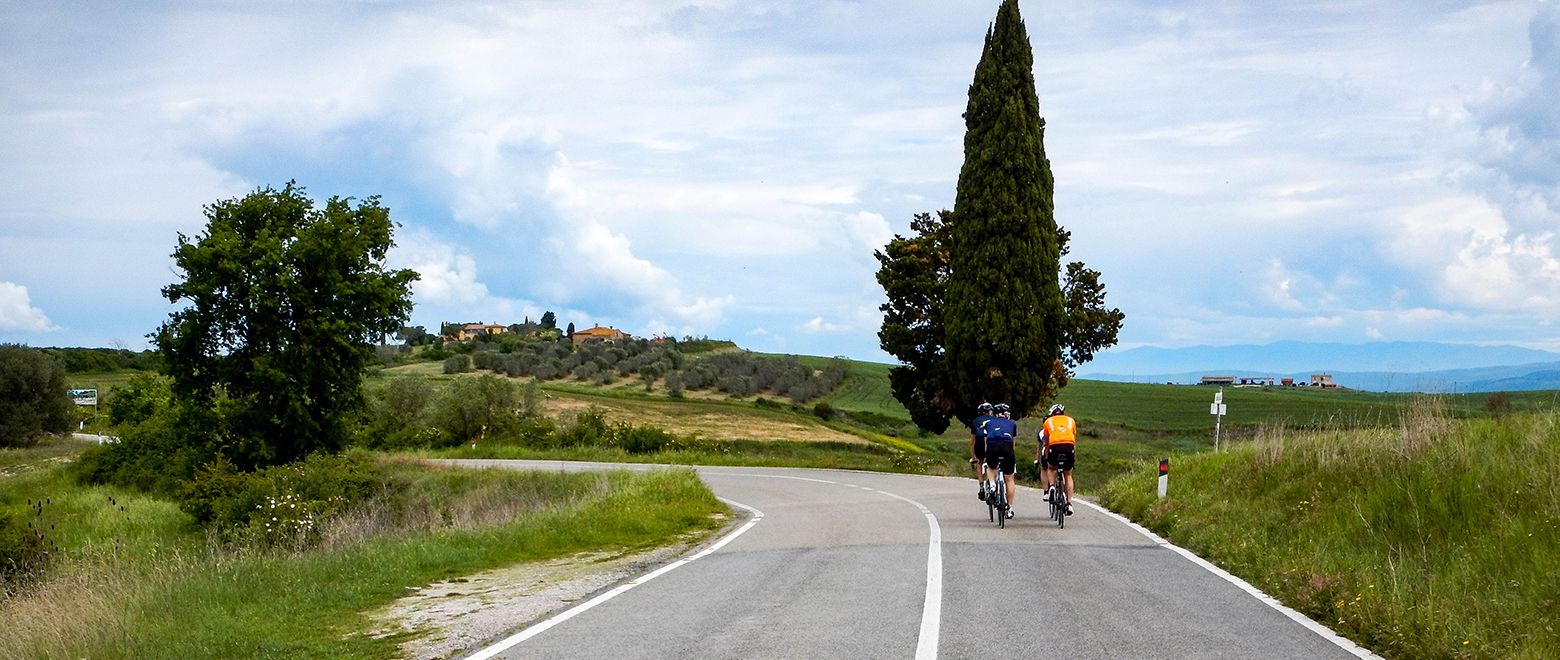
A heavenly week cycling in Tuscany
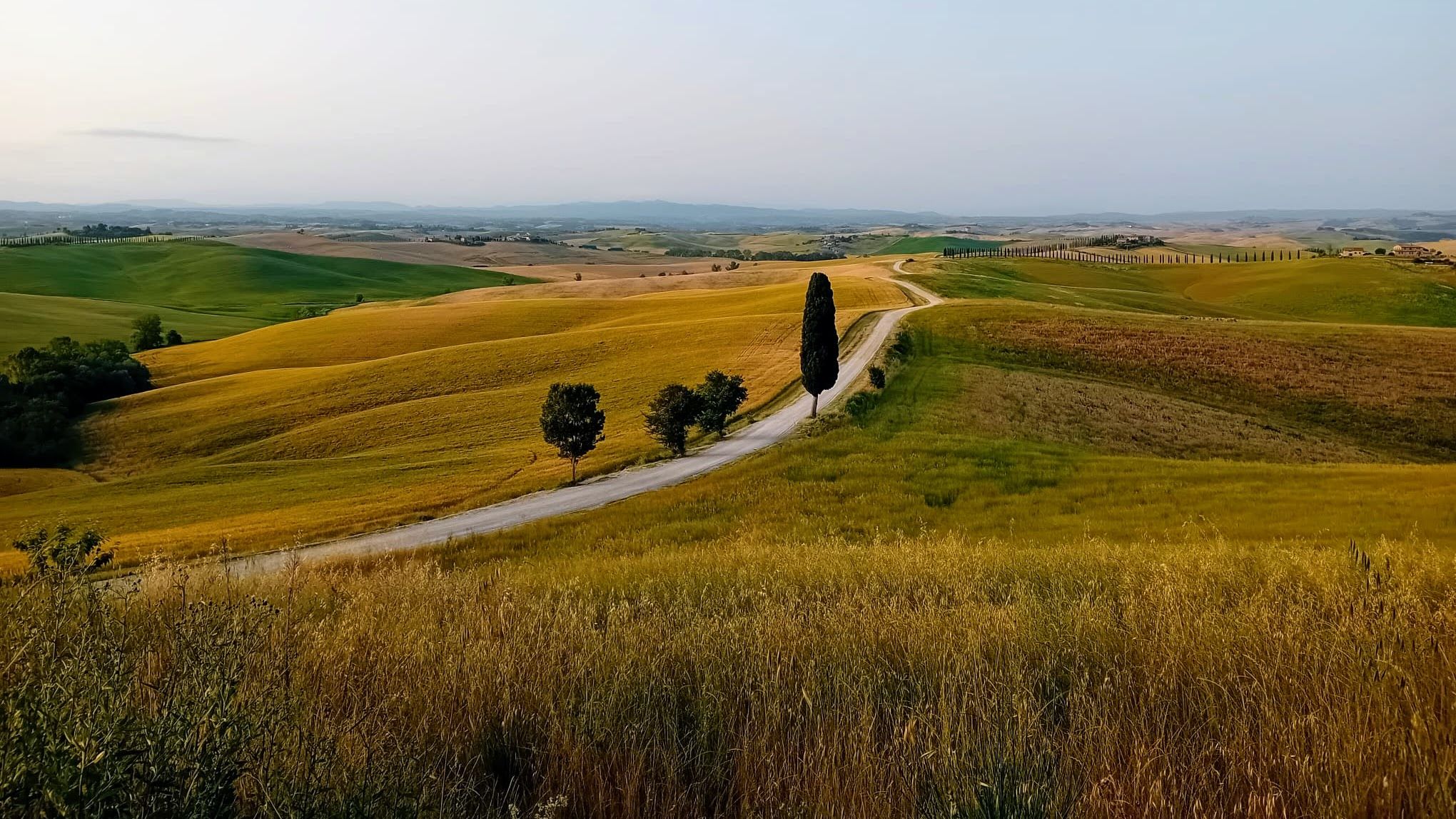
Tuscany by bike – history, cypresses and the Strade Bianche
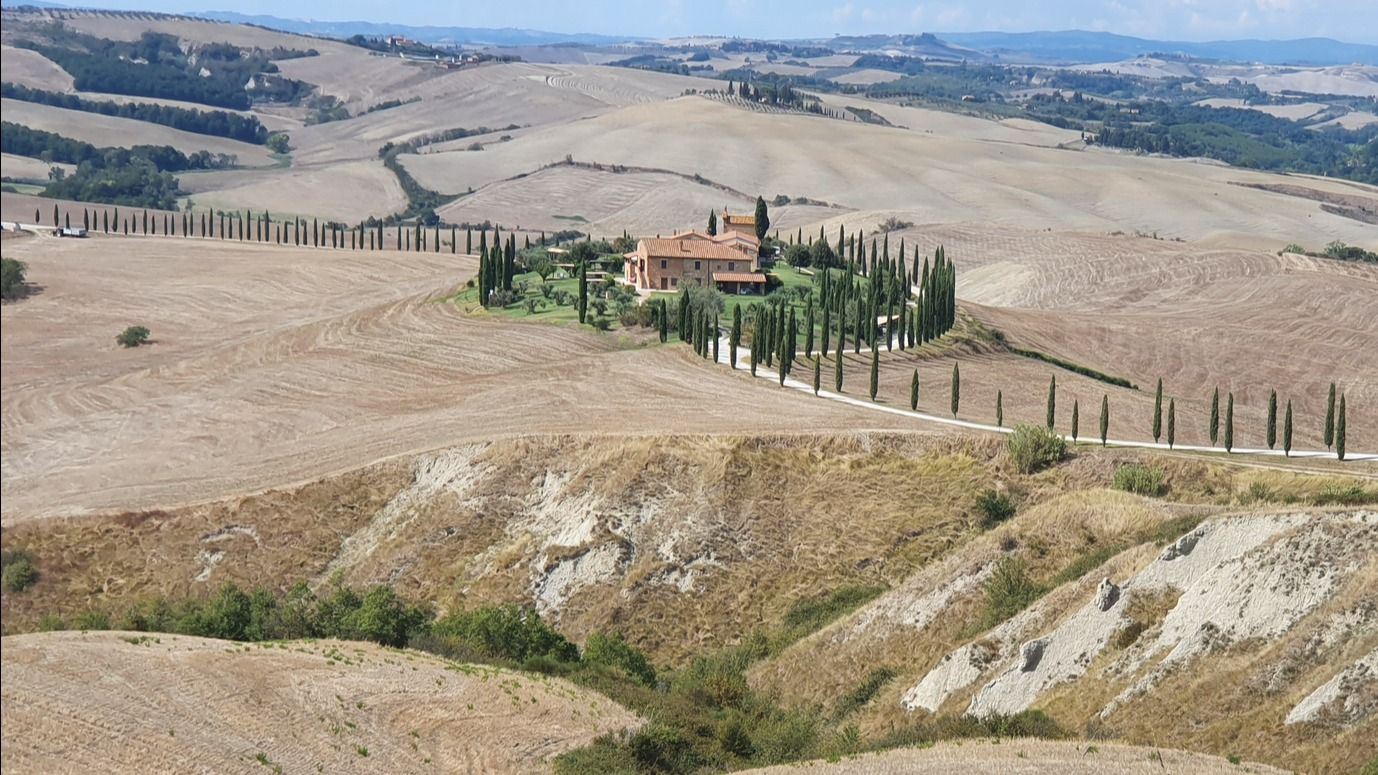
A Grand Tour of Italy – Rome to Milan by bike
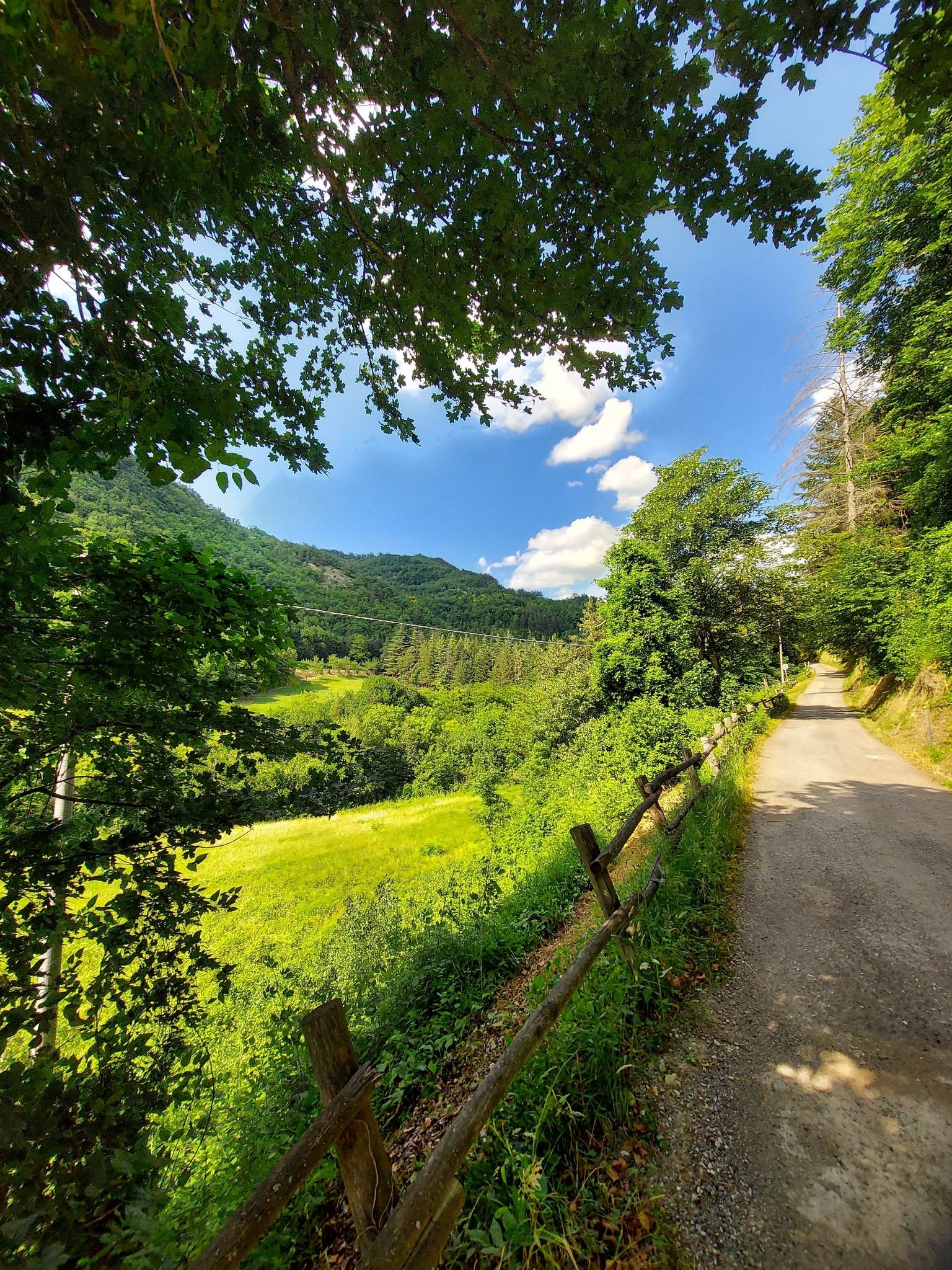
Cesenatico to Tirrenia – Italy Coast to Coast
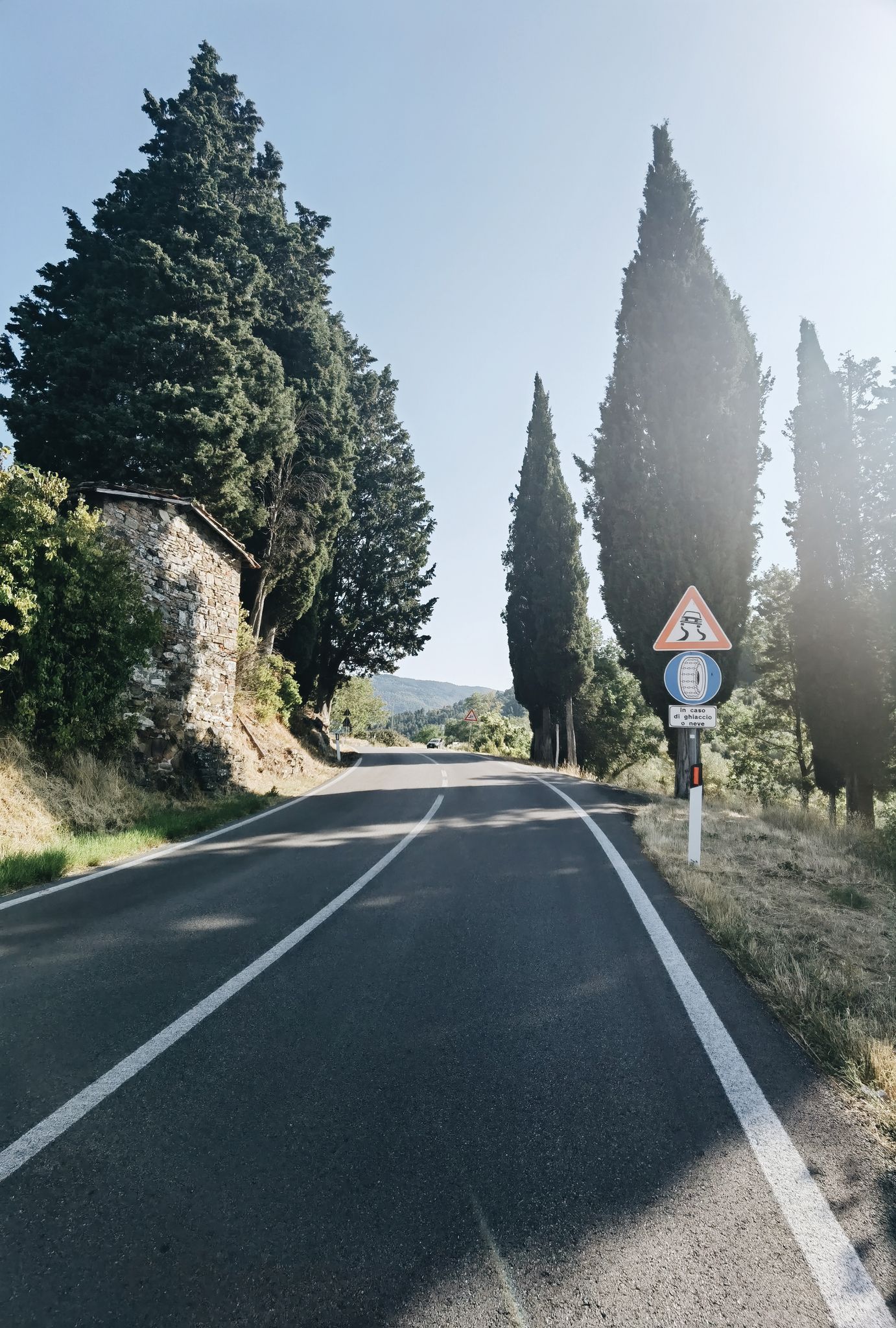
Pedal through olive groves – Setteponti road between Florence and Arezzo
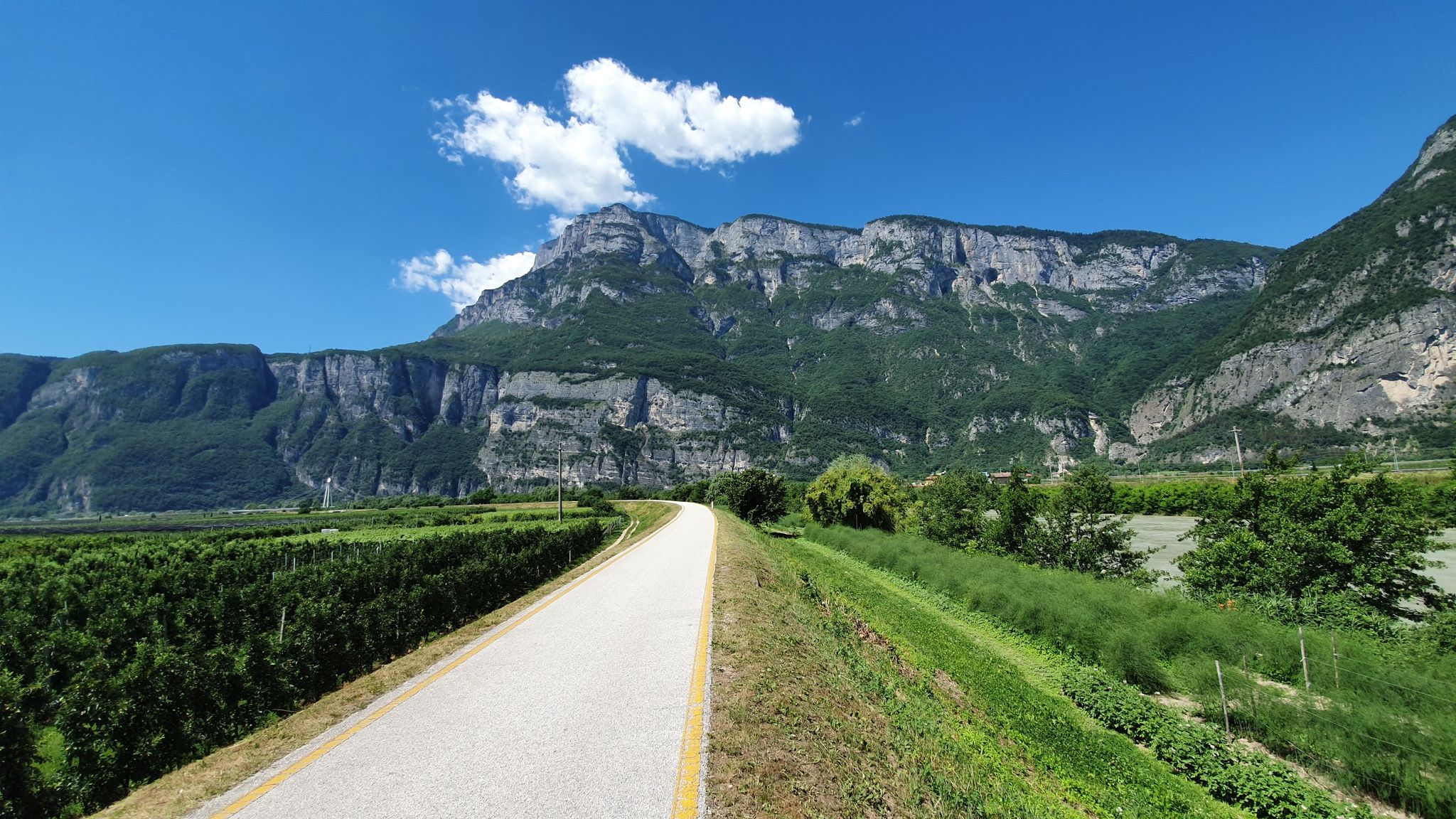
Florence to Bolzano – from the heart of Italy to the foot of the Dolomites
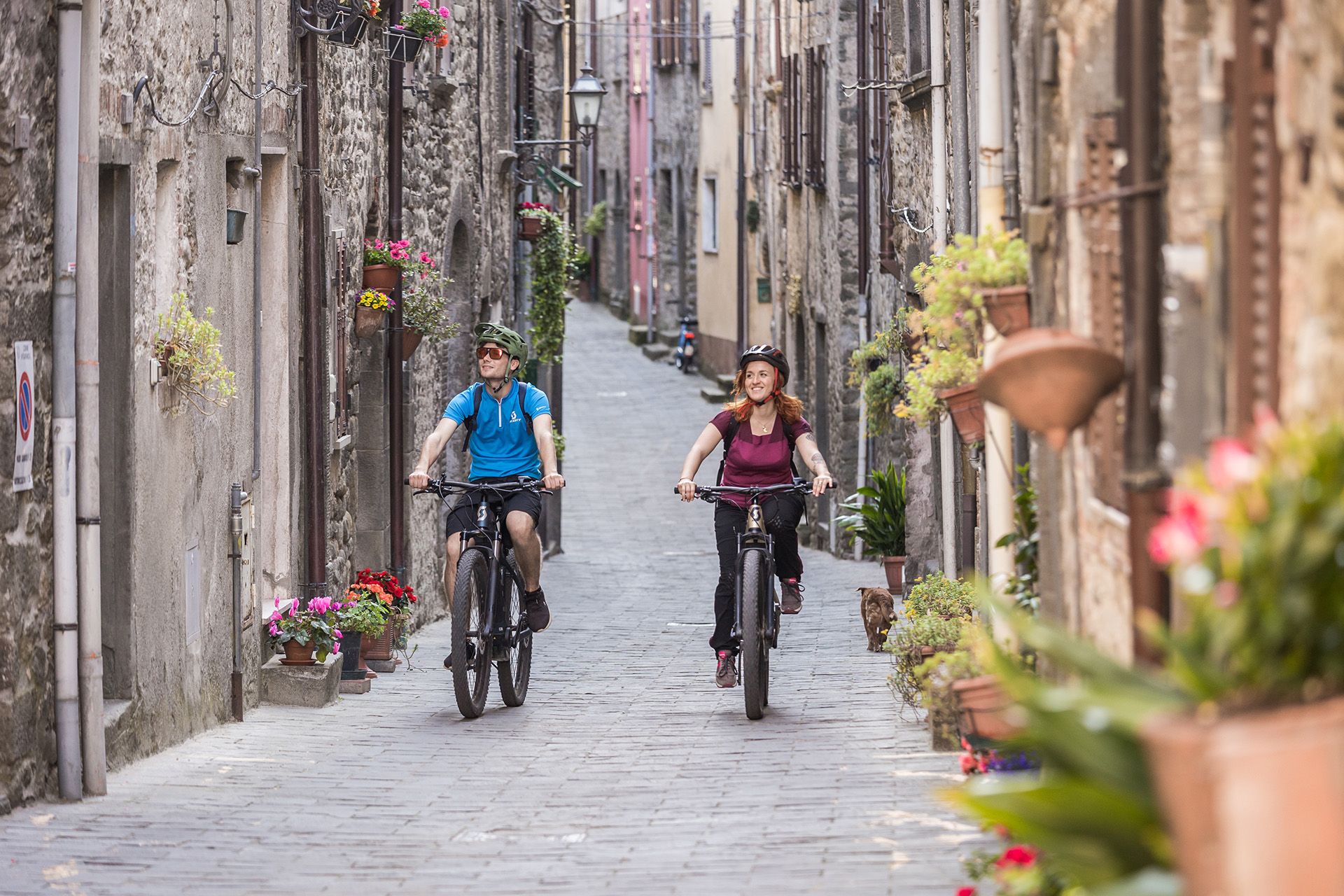
Tuscany by bike — nine Tours for every taste

Gravel biking around Firenze
Other adventures around Firenze


Tips from the Community

The highest peak of Monte Morello. Getting there requires a bit of effort, but once at the top you are rewarded with a beautiful view of the Florentine plain. Here you can stop to rest, enjoy the view and meditate.
0
0

At the moment, December '24, the whole area around the mill is cordoned off and access is not permitted
0
0

Right now the entire approach from all sides is blocked with steel barriers and signs indicating Private Property and Danger. These have, in the italian way, all been bypassed by visitors so that the site is still accessible. Nonetheless it IS a dangerous place, you MUST watch your step or potentially fall through holes in the structure.
1
0

It is the highest peak of Monte Morello or third point as the Florentines call it! Beautiful panorama, to get to the top of the Selletta I had to push for the most part.
1
0

Reachable on foot or by mountain bike
3
1
Ruins of a small three-arched bridge. A little further up there is also a beautiful waterfall
4
0

Located on the road that descends from Cercina towards Montorsoli. When it is not particularly dry you can also admire a beautiful waterfall.
3
0

Poggio all'Aia is the summit of Monte Morello, the only relief worthy of note (about 100 meters) around Florence. Source: https://www.lanostratoscana.eu/2021/01/05/poggio-allaia-monte-morello/
1
0
Frequently Asked Questions
What types of waterfalls and water features can I find around Florence?
Around Florence, you'll discover a mix of natural waterfalls in the surrounding Tuscan and Apennine regions, and magnificent artistic fountains within the city itself. Natural cascades like the Acquacheta Waterfall and Diborrato Waterfall offer scenic escapes, while historical water features such as the Mulinaccio of the Borro di Ribuio and the iconic Fountain of Neptune in Piazza della Signoria showcase the region's rich history and artistry.
Are there any natural waterfalls accessible as day trips from Florence?
Yes, several impressive natural waterfalls are within an hour or two's drive from Florence, perfect for a day trip. The Acquacheta Waterfall in the Apennines is known for its 70-meter drop and literary connection to Dante. Another option is the Diborrato Waterfall near Lucignano, featuring two cascades, the lower one plunging over 196 feet into a ravine. Both offer rewarding hikes through beautiful landscapes.
Which waterfalls near Florence are good for hiking?
Many natural waterfalls around Florence are best reached via hiking trails. The Acquacheta Waterfall involves a rewarding hike through lush forests. The area around the Diborrato Waterfall also offers trails for hiking and mountain biking. Within the immediate vicinity of Florence, you can explore areas like the Waterfall of Torrente Terzolle or Cascata del Fosso Cucina, which are often found along forest paths.
Are there any historical water features or old mills with waterfalls near Florence?
Absolutely. The Mulinaccio of the Borro di Ribuio is a notable historical man-made monument with a waterfall, dating back to 1653. Within Florence, the city's artistic fountains, such as the Fountain of Neptune in Piazza della Signoria, are centuries-old masterpieces with cascading water and intricate designs, reflecting Florence's rich history.
What are some popular natural waterfalls or water features appreciated by the komoot community?
The komoot community appreciates several spots. Borro Waterfall and Pond is a natural monument featuring a waterfall and a lake, often retaining water even when the flow varies. The Waterfall of Torrente Terzolle and Cascata del Fosso Cucina are also popular, especially for their forest settings and scenic views.
Can I find waterfalls with viewpoints around Florence?
Yes, some locations offer waterfalls alongside scenic viewpoints. Poggio All'Aia (Third Peak), the highest point of Monte Morello, offers beautiful panoramas and is associated with a waterfall. The Cascata del Fosso Cucina also provides a viewpoint. Additionally, the Fountain of the Rampe, located along the path to Piazzale Michelangelo, offers cascades with a scenic foreground to one of Florence's most beloved panoramic spots.
Are there any waterfalls near Florence that are suitable for families?
While specific 'family-friendly' categories aren't always listed, many natural areas around waterfalls offer pleasant walks. The Agliena River Waterfalls and Path, with its barrages forming small waterfalls and ponds, provides a shaded and attractive landscape that can be enjoyable for families. For those willing to venture further, the trails around Diborrato Waterfall can be explored, though some sections might be more challenging.
What outdoor activities can I do near the waterfalls around Florence?
Beyond visiting the waterfalls themselves, the region offers various outdoor activities. You can find gravel biking routes around Firenze, such as the 'Medieval Village of Artimino – Arno River Cycle Path loop' or the 'Upper Via Turbone Trail – Arno River Cycle Path loop'. These routes provide opportunities for cycling through the beautiful Tuscan landscape. For more details on these and other routes, you can explore the Gravel biking around Firenze guide.
What is the best time to visit waterfalls near Florence?
The best time to visit natural waterfalls often depends on recent rainfall. Generally, spring (April-May) and autumn (September-October) offer pleasant weather for hiking and ensure better water flow after seasonal rains. During dry summers, some smaller waterfalls, like the Borro Waterfall, might have reduced flow, though the pond may still contain water.
Are there any waterfalls near Florence that are less known or more secluded?
Yes, for those seeking a quieter experience, the Diborrato Waterfall near Lucignano is a less-known natural wonder. Its secluded location within a nature reserve often makes it less crowded. The Piscino di Sassoli Waterfall, formed by a landslide, is another option that, while potentially challenging to reach, is considered well worth the effort for its unique setting.
Can I find any waterfalls with lakes or ponds nearby?
Yes, several waterfalls around Florence are associated with lakes or ponds. The Borro Waterfall and Pond is a natural monument featuring both a waterfall and a lake. The Acquacheta Waterfall has the nearby Lavane waterfall which flows into a deep, bright green, almost circular pool. Additionally, the Cascata del Fosso Cucina also features a pond.
What are the most significant artistic water features within Florence itself?
Florence is home to many significant artistic water features. The most famous is the Fountain of Neptune in Piazza della Signoria, a monumental 16th-century work. Other notable fountains include the elegant Fontana dello Sprone in the Oltrarno district, the unique Fountains of the Sea Monsters, and numerous historic fountains within the Boboli Gardens, such as another Fountain of Neptune and the Island Basin.
Most popular attractions around Firenze

Get inspired with the komoot mobile app


Explore more
Happy to travel a little further afield? Then browse these guides for the best waterfalls around Firenze:
