Top 4 Castles around Bitonto
Best castles around Bitonto include a mix of medieval fortresses and significant historical structures. The region features defensive towers and Renaissance palaces that showcase its rich architectural heritage. Bitonto's historical landscape is characterized by remnants of ancient city walls and noble residences. These sites offer insights into the area's past, from military defense to civic grandeur.
Best castles around Bitonto
- The most popular castles is Norman-Swabian Castle of Bari, a castle that is an imposing fortress dating back to…
Last updated: June 30, 2026
Norman-Swabian Castle of Bari
Highlight • Castle
Translated by Google •
Tip by

Norman-Swabian Castle of Sannicandro di Bari
Highlight • Castle
Translated by Google •
Tip by

Sign up now to discover places like this
Get recommendations on the best single tracks, peaks, & plenty of other exciting outdoor places.
Sign up for free
Casino Pappalettere
Highlight • Historical Site
Translated by Google •
Tip by

Medieval Village of Balsignano
Highlight • Historical Site
Translated by Google •
Tip by

Start today with a free account
Your next adventure awaits.
Login or Signup

Tips from the Community

I came to hang around while waiting for the boat to Albania
0
0

It is accessed via the S.S. 16 for Santo Spirito, turning right onto the Palmeto della Sete road, you pass the level crossing and following the railway you reach the Pappalettere road, which leads to the complex.
0
0
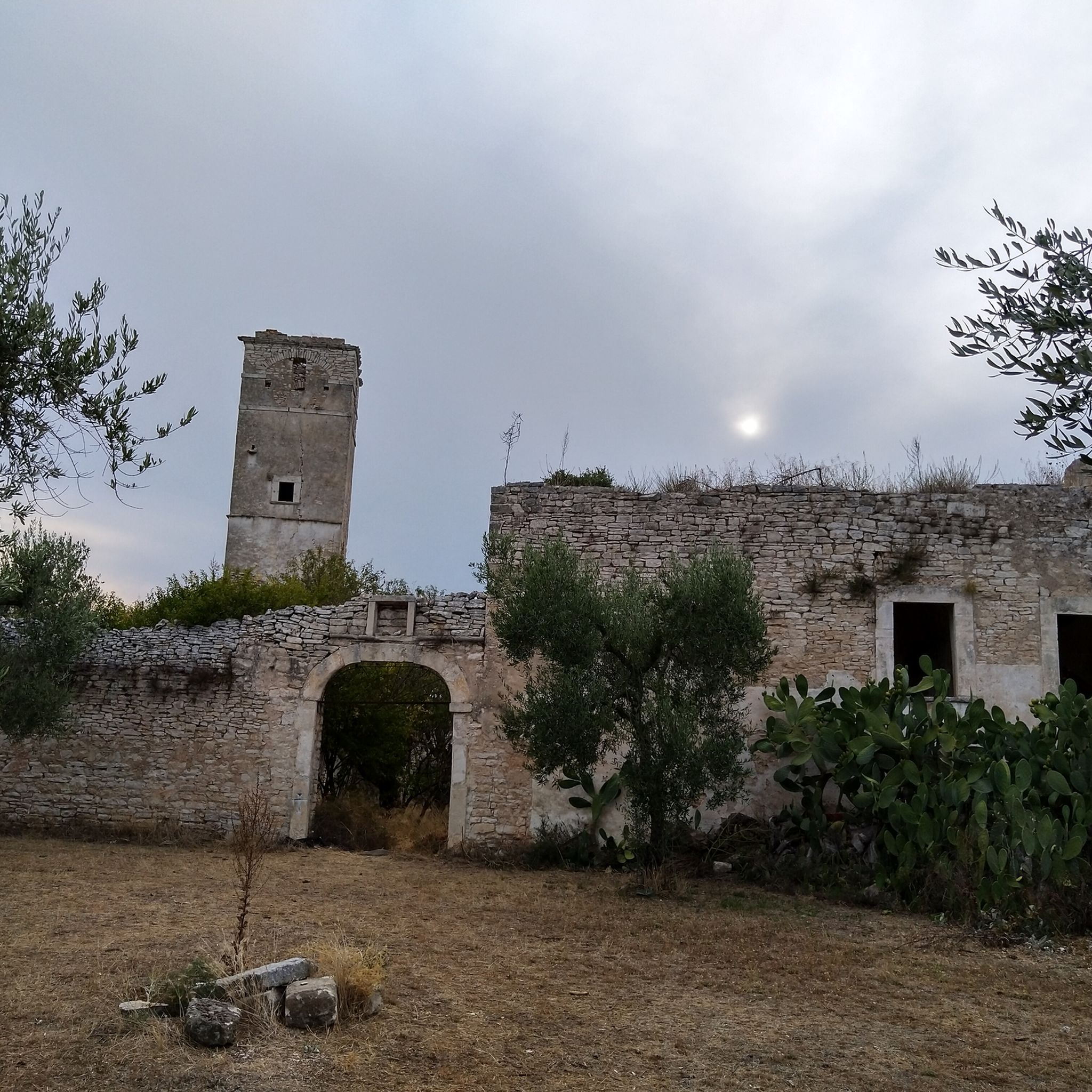
In the aforementioned locality, the majestic shape of a large building almost in the shape of a castle still stands, to which the ruins of the small church dedicated to S. Francesco da Paola adhere. Until not long ago, a stone inscription located in the entrance architrave overlooking state road 16 towards Bari was legible and visible. The complex built on two floors dates back to the 17th century. There are other buildings used as stables or warehouses. The church has a neoclassical style facade, inside there is a fresco that served as an outline for a sacred image that was on the altar, both of which do not exist today. At the corners of the main building there are the cats that held the sentry boxes. An external stone staircase gives access to the first floor. At the back of the complex there are two buildings with gable roofs and chiancarelle roofs. Everything, including the garden, is fenced. The church was built in the mid-seventeenth century and perhaps intended as a convent for the Minimum Friars of S. Francesco da Paola. The name of the place "Pappalettere" recalls one of the owners who succeeded over time. The lapidary inscription indicates that the entire private building was built by the rich man from Giovinazzo, Mariano de Cicco.
0
0

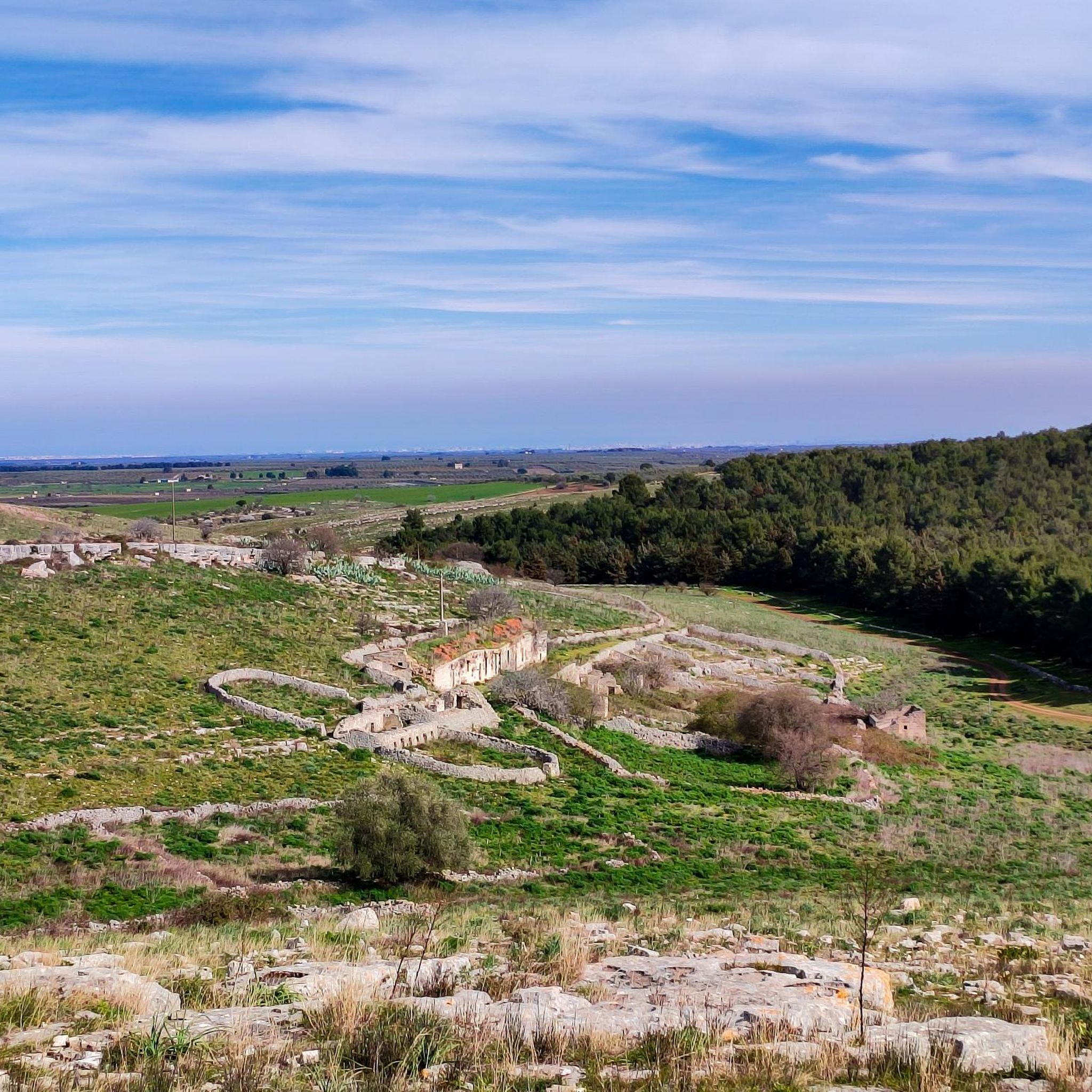
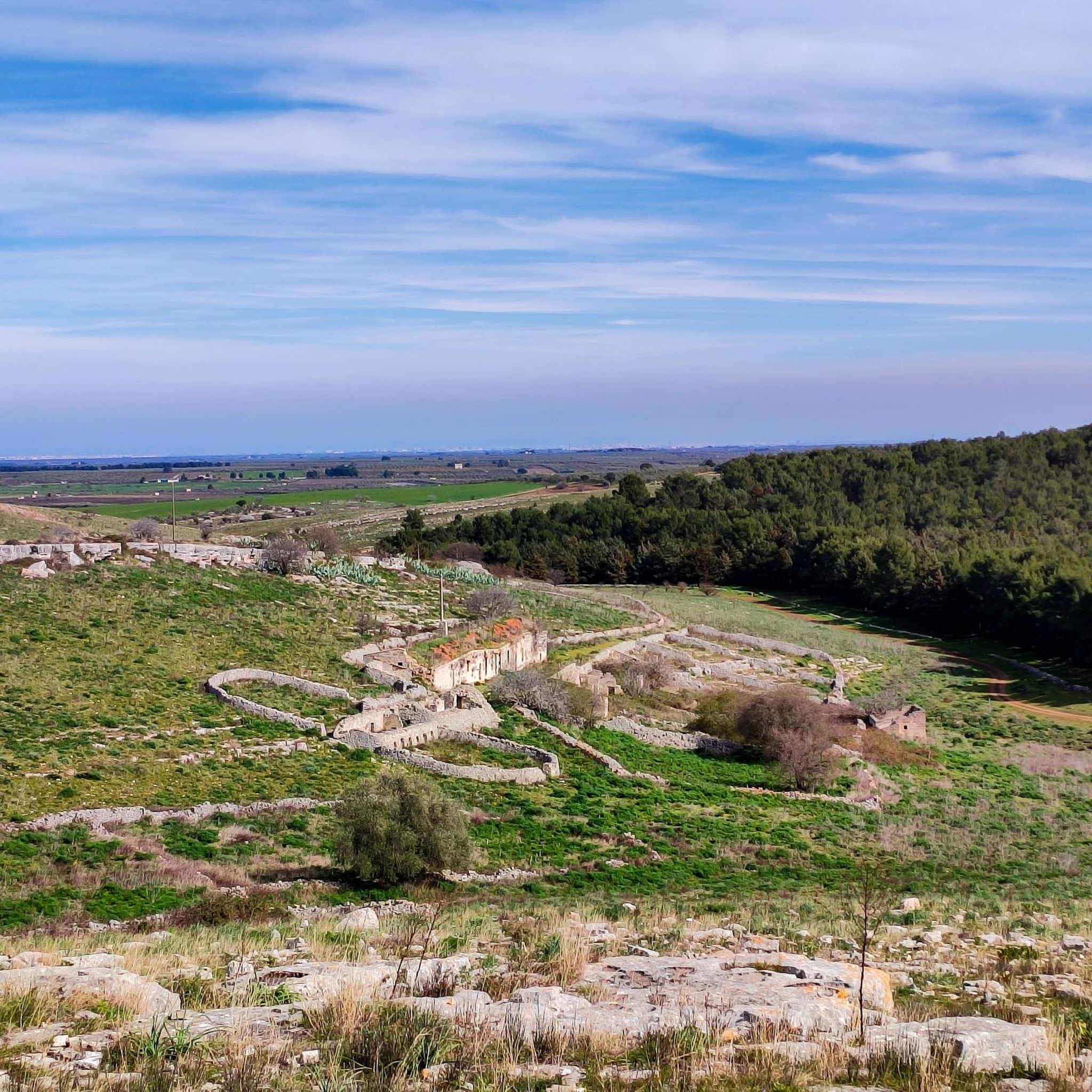
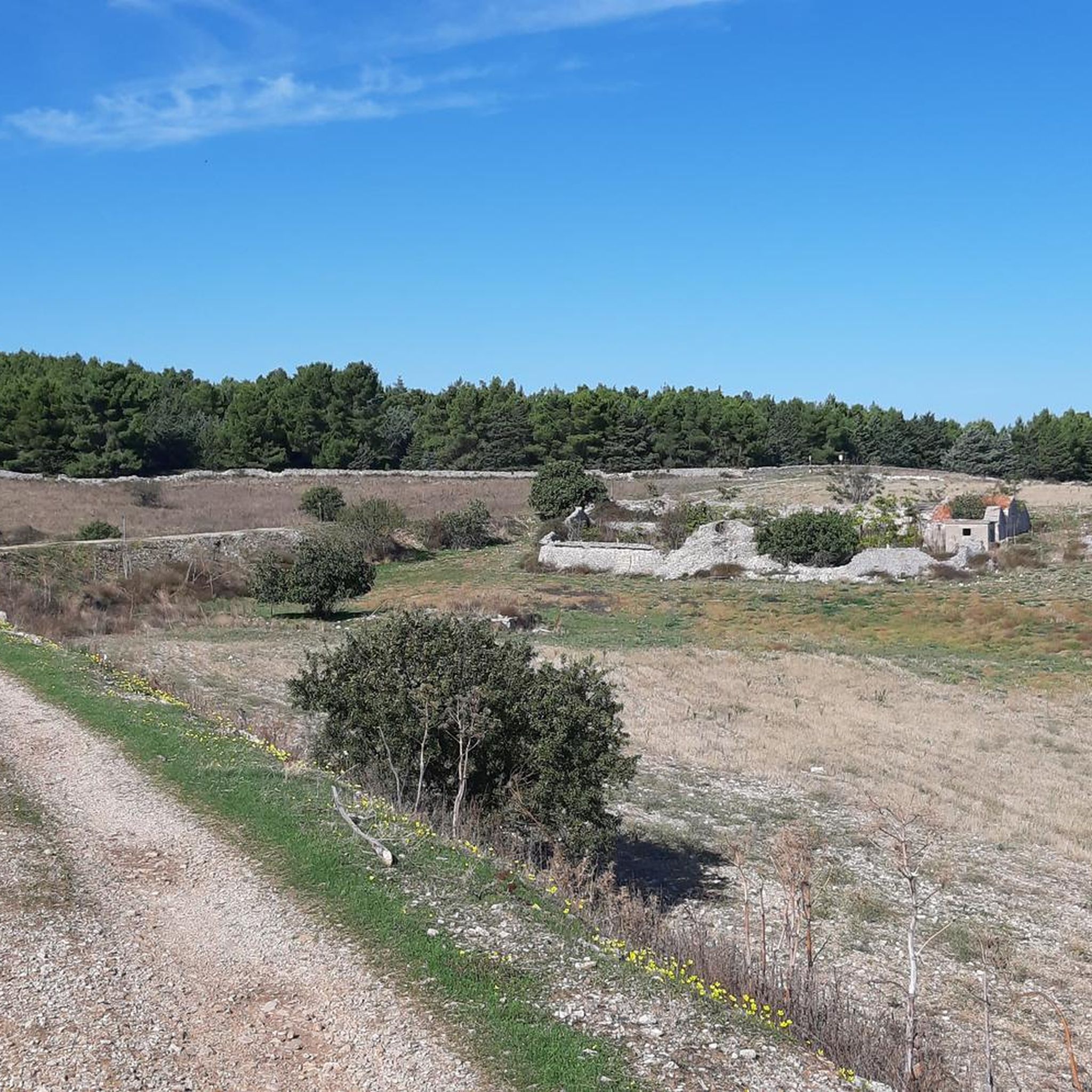
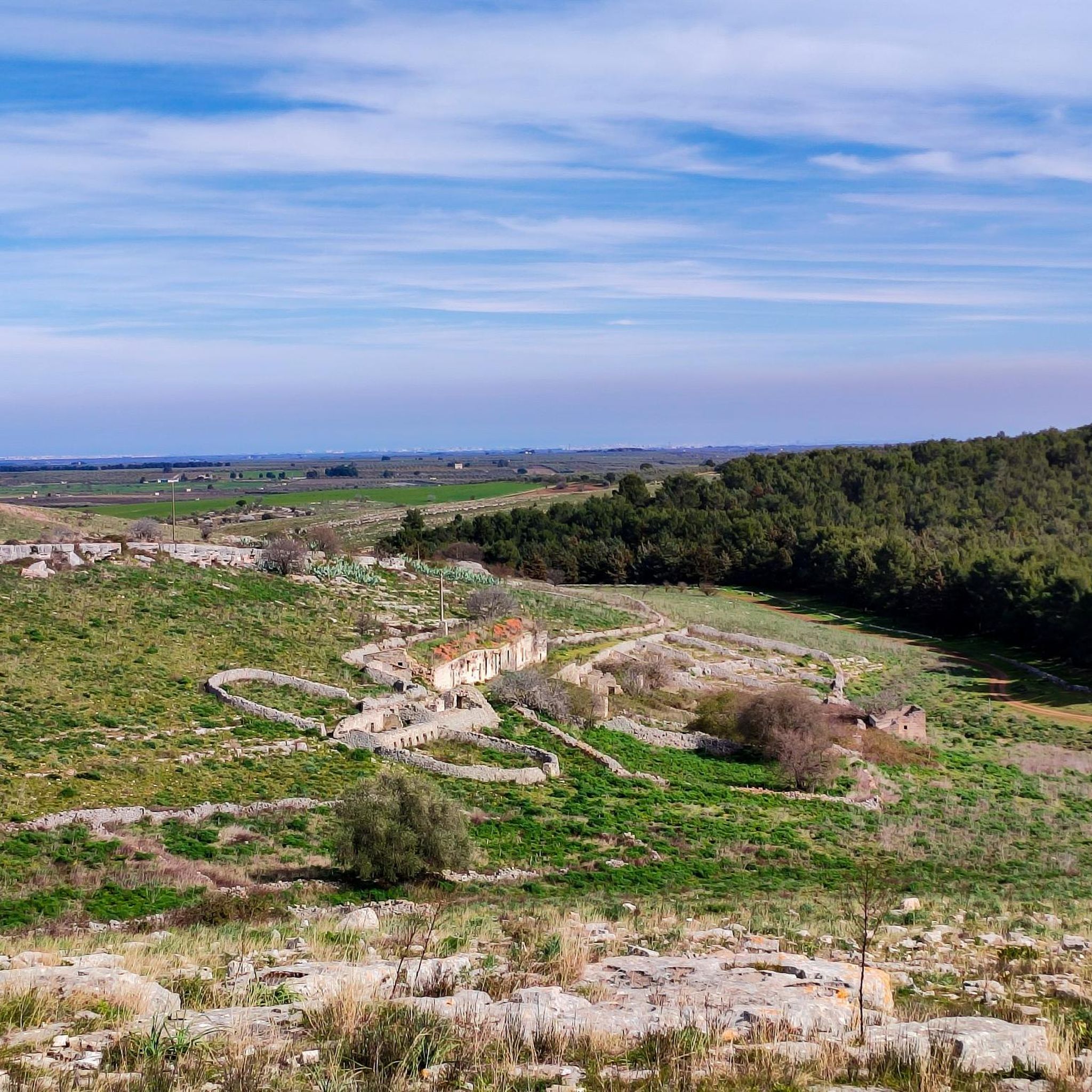
Precious evidence of the numerous rural villages which, since the period of Byzantine domination, populated the Bari area between the 10th and 11th centuries. This village was built on the edge of the Balsignano blade, a depression in the land caused by karst phenomena. Easily identifiable along the Matera road. The area is fenced and can only be accessed for a fee at set times (in the morning from 9.30 to 13).
0
0

Make sure to include a trip to pasta alley in the old town to see the locals making pasta by hand.
0
0


The visit to the imposing fortress surrounded by the moat that dominates the historic center of Bari is a millennium-long walk in the company of great emperors and queens. The central nucleus is of Byzantine-Norman origin, but was completely transformed by Frederick II between 1233 and 1240, restored by Charles of Anjou in the following century, while the escarpment bulwarks with corner towers were added in the Aragonese period during the XVI century. When the Aragonese donated it to the ducal Sforza family, the fortress was enlarged and embellished by the intervention of two women, mother and daughter: Isabella of Aragon, widow of Gian Galeazzo Sforza, Duchess of Bari and Bona Sforza. The castle became the seat of a court that had nothing to envy to those of the lordships of the North. We owe them the spectacular double flight of stairs that connects the ground floor to the halls of the main floor. During the Bourbon domination, however, the castle began a long period of decline and abandonment, during which it was used as a prison and barracks. Only recently, in 2017, after long restoration and enhancement works, the castle was opened to the public as a museum.
1
0

The Swabian Castle of Bari is an imposing fortress dating back to the thirteenth century, now used as a museum. Located on the edge of the historic center, near the port area and the Cathedral, with its bulk it represents one of the most important and well-known monuments of the city.
3
0
Frequently Asked Questions
What are the most historically significant defensive structures directly in Bitonto?
While Bitonto is not home to many traditional castles, its most prominent defensive structure is the Torrione Angioino. This impressive 15th-century cylindrical tower was part of the city's ancient fortifications and now hosts Bitonto's Civic Gallery of Contemporary Art and the Tourist Information Point. You can learn more about its history and features on Wikipedia.
Are there any Renaissance palaces in Bitonto worth visiting?
Yes, Bitonto boasts several beautiful Renaissance palaces that showcase significant architectural grandeur. Notable examples include Palazzo Sylos-Labini, a 15th-century noble residence with a splendid internal courtyard and bas-reliefs, and Palazzo Sylos-Calò, known for its upper gallery adorned with sculptures of the four cardinal virtues. Palazzo Sylos-Labini is considered a national monument and you can find more details on Wikipedia.
Which castles around Bitonto are family-friendly?
The Norman-Swabian Castle of Bari is a great option for families. This imposing 13th-century fortress, now a museum, offers a fascinating journey through history. Its location near the historic center and port makes it easily accessible for a family outing.
What kind of historical sites can I explore near Bitonto?
Beyond castles, the region offers diverse historical sites. You can visit the Medieval Village of Balsignano, a precious remnant of rural villages from the Byzantine domination period, or explore Casino Pappalettere, a large fortified farm from the 17th century with well-kept gardens. For a unique experience, Torre Mino, an 11th-century tower, offers panoramic views and insights into medieval defense systems.
Are there opportunities for outdoor activities near these castles?
Absolutely! The area around Bitonto offers various outdoor activities. You can find numerous routes for cycling and hiking. For example, there are several easy to moderate hiking trails around Bitonto, including loops from Santo Spirito and Murgia del Ceraso. If you prefer cycling, explore traffic-free bike rides like the Torre di Santo Spirito loop or the Villa Guaccero loop.
What is special about the Norman-Swabian Castle of Sannicandro di Bari?
The Norman-Swabian Castle of Sannicandro di Bari is a unique fortification located in the medieval heart of the town. It's notable for its composition of two distinct parts, Norman and Swabian, built in different periods. The castle was once surrounded by an ancient moat and archaeological findings confirm its continuous presence since the 9th century, offering a deep dive into medieval military architecture.
Can I find viewpoints or scenic spots near the castles?
Yes, Torre Mino, an 11th-century tower, is strategically located 150 meters above sea level and offers a vast panorama that stretches all the way to the Adriatic Sea. Its height and location made it ideal for coastal defense and now provide visitors with excellent scenic views of the surrounding countryside.
What should I know about visiting the Medieval Village of Balsignano?
The Medieval Village of Balsignano is a significant historical site built on the edge of the Balsignano blade. It's a fenced area and access is typically for a fee at set times, usually in the morning from 9:30 to 13:00. It's a fascinating glimpse into the rural villages that populated the Bari area during the Byzantine domination.
Are there mountain biking trails in the Bitonto surroundings?
Yes, for mountain biking enthusiasts, there are several trails available. You can explore traffic-free MTB routes around Bitonto, such as the Scoparella Forest loop from Ruvo di Puglia or the Acquedotto Pugliese Pathway loop from Sannicandro di Bari. These routes offer varying difficulty levels, from moderate to difficult.
What makes the Norman-Swabian Castle of Bari a significant monument?
The Norman-Swabian Castle of Bari is considered one of the most important and well-known monuments in the city. Its central nucleus is of Byzantine-Norman origin, transformed by Frederick II and later restored by Charles of Anjou. The castle also features impressive escarpment bulwarks from the Aragonese period. After extensive restoration, it reopened as a museum, allowing visitors to explore its millennium-long history.
Most popular routes around Bitonto
Most popular attractions around Bitonto

Get inspired with the komoot mobile app


Explore more
Looking for the best castles somewhere else? Discover other guides around Bitonto:
