Top 9 Caves around Montecorvino Pugliano
Best caves around Montecorvino Pugliano are found within the natural landscapes of the Salerno province, offering a blend of geological formations and historical significance. The region features various natural monuments and sites of cultural importance. Montecorvino Pugliano itself is situated in an area known for its diverse terrain, including mountains and valleys. These caves provide insights into both natural history and local traditions.
Best caves around Montecorvino Pugliano
- The most popular caves is Hermitage of San Magno, a religious…
Last updated: June 30, 2026
Hermitage of San Magno
Highlight • Religious Site
Translated by Google •
Tip by

The cave of San Michele and Nardantuono
Highlight • Cave
Translated by Google •
Tip by
Sign up now to discover places like this
Get recommendations on the best single tracks, peaks, & plenty of other exciting outdoor places.
Sign up for free
Translated by Google •
Tip by

Grotta di Nuccio
Highlight • Cave
it.wikipedia.org/wiki/Monte_Accellica
Translated by Google •
Tip by

View of the Grotta di San Michele from trail 110
Highlight • Viewpoint
Translated by Google •
Tip by
Sign up for free to discover even more caves around Montecorvino Pugliano.
Sign up for free
Already have an account?
Start today with a free account
Your next adventure awaits.
Login or Signup
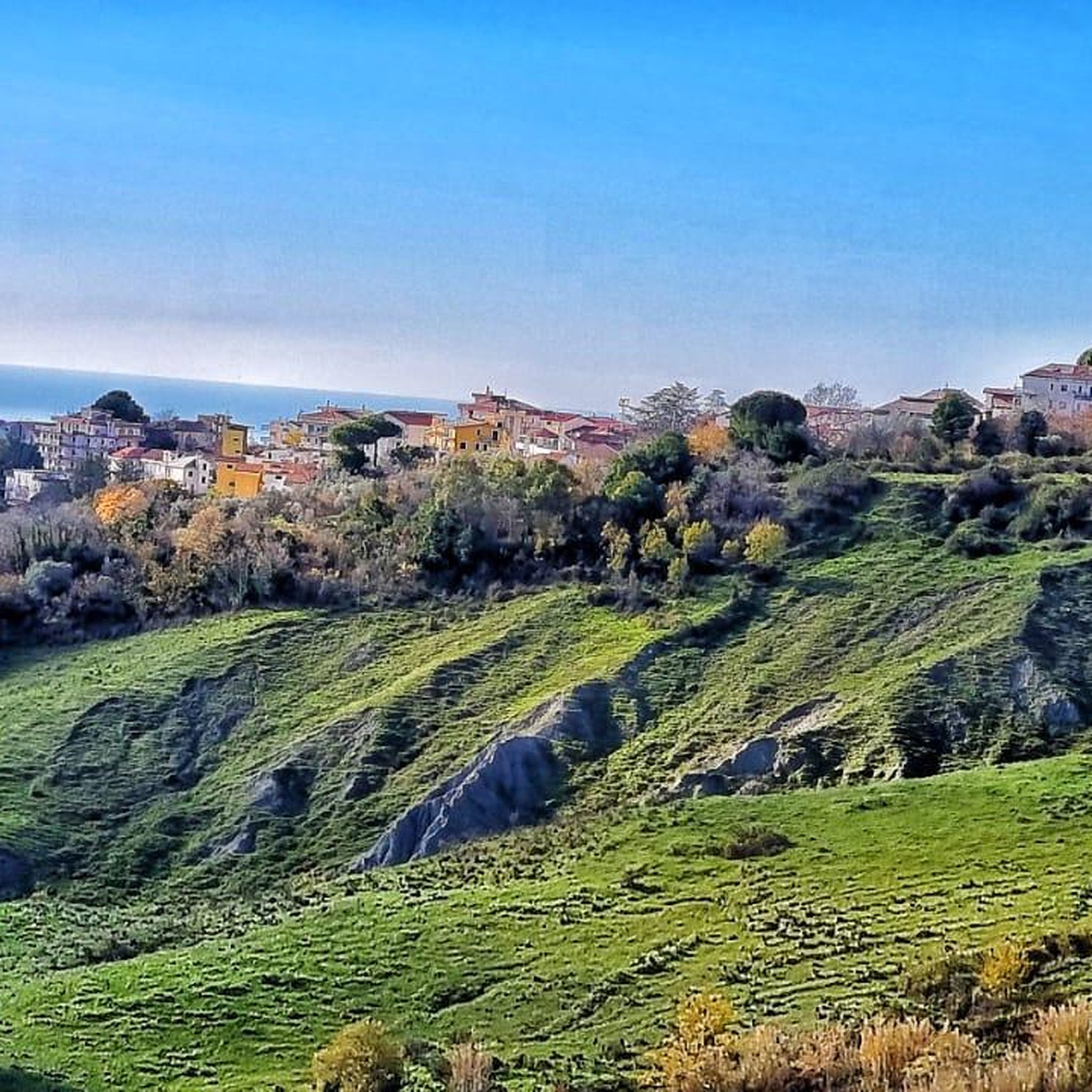
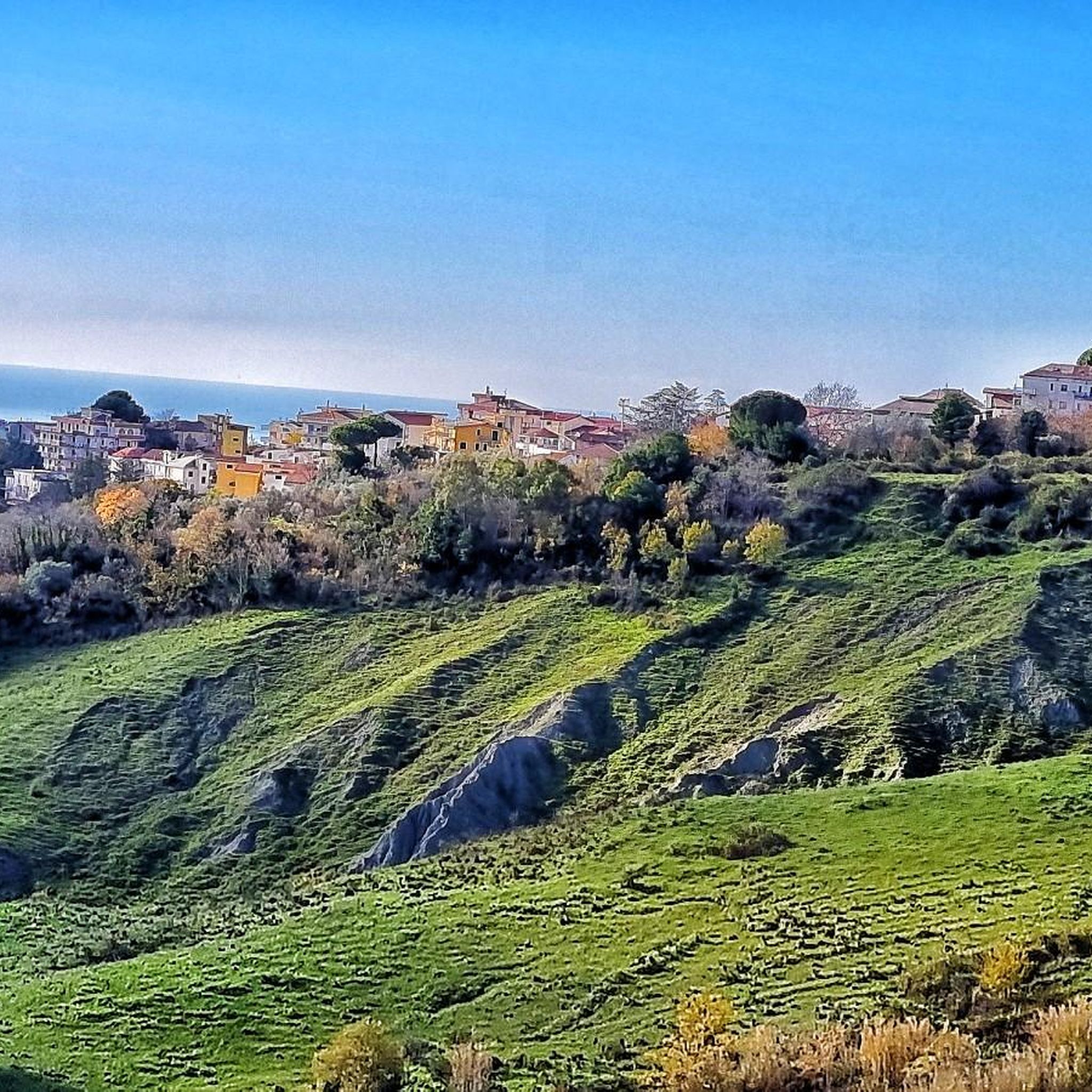
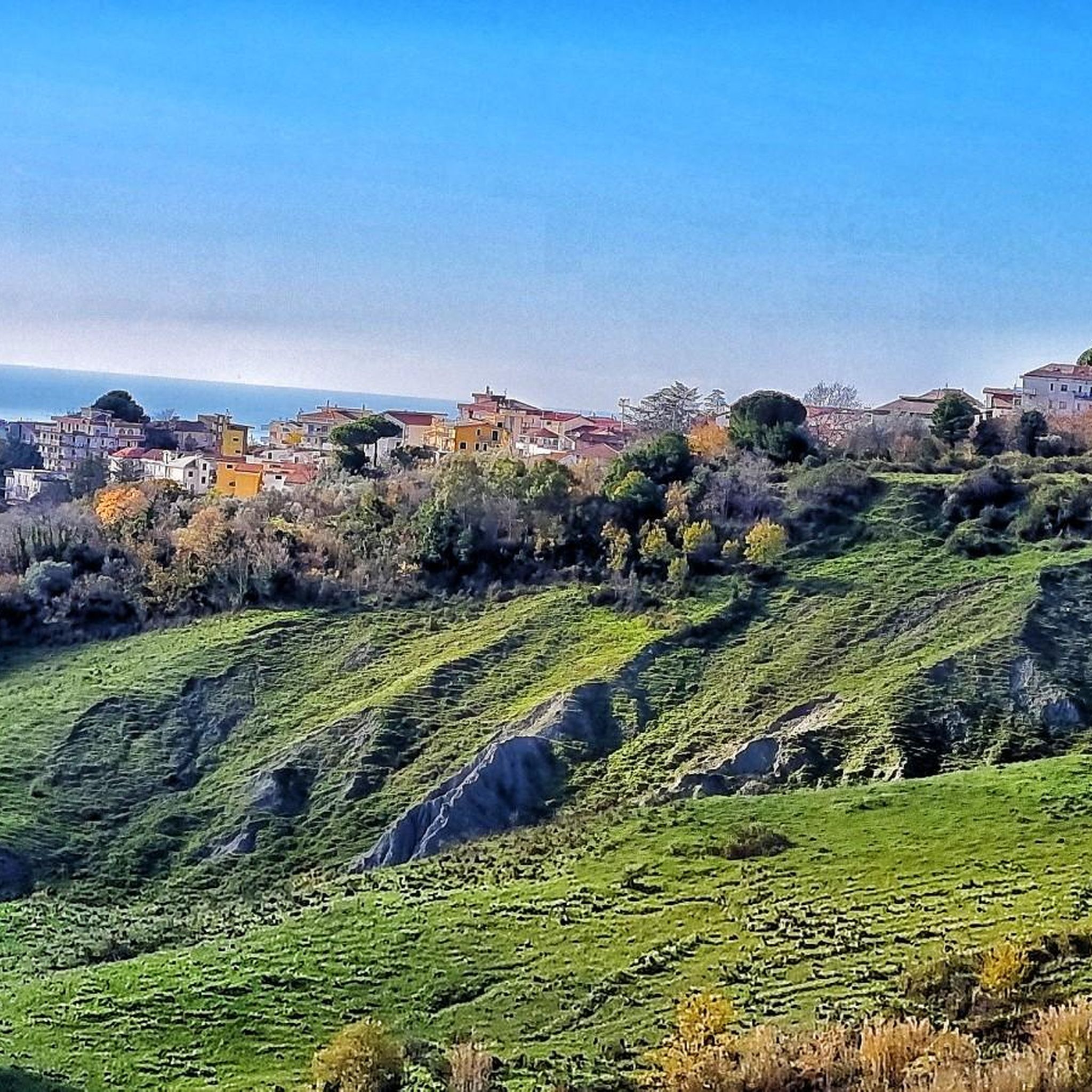
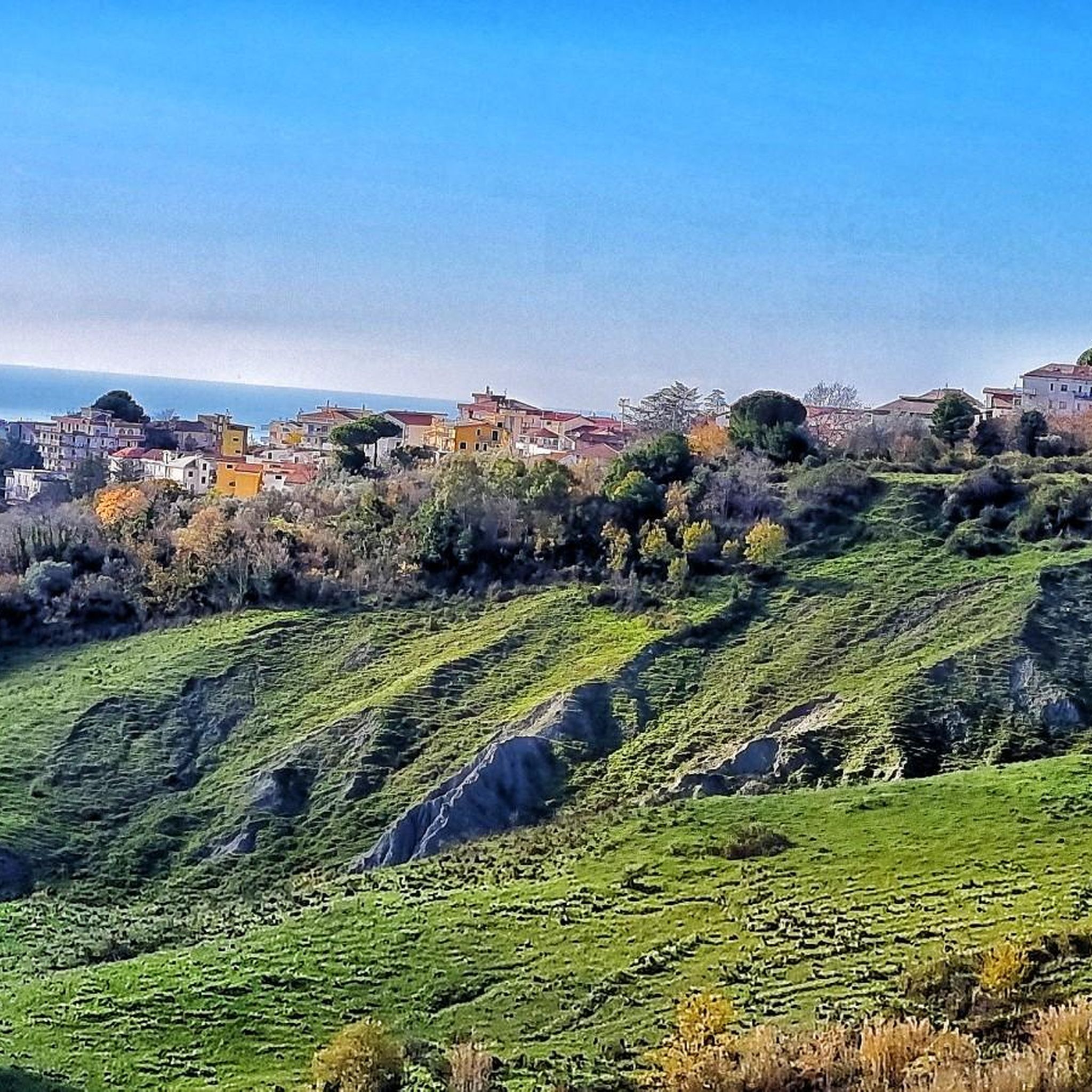

Tips from the Community

Climbing the southern Accellica you come across the cave of Nuccio. https://it.wikipedia.org/wiki/Monte_Accellica
3
0

Beautiful hike, I recommend equipment, sturdy shoes
0
0
The Hermitage of San Magno is an ancient natural cave located on the mountain of the same name, in which - according to a deep-rooted tradition - the Bishop of Trani San Magno took refuge during his escape from the persecutions of Decius. In fact, it would seem that during his long pilgrimage from Trani to Rome, he stopped at this hermitage which today bears his name, from 220 to 230 AD. Here he would have done the work of catechising the local population, to whom he would have appeared after his death in 251 AD, asking them to build a hermitage in the cave where he had lived. An image of the Saint, believed to be miraculous, is frescoed on the rock wall and dated 1541.
3
0

route with a considerable but not difficult slope
0
0
While walking along path 110, if you pay attention, you can see the Grotta di San Michele e Nardantuono, nestled in the side of Mount Raione.
5
0

The cave of San Michele Arcangelo is a natural cavity located on the western slope of Monte Raione in the municipality of Olevano sul Tusciano in the province of Salerno. Inside there is a religious complex of the IX-X century. The entrance to the cavity is located on a limestone ridge of the mountain, close to the Tusciano river. It is accessed via two paths: one starts from the hamlet of Ariano and the other starts from the hamlet of Salitto. The two paths join just before the cave, ending with a stairway. The peculiarity of the site is the presence within it of a complex religious structure of particular historical significance, made up of five buildings of considerable value called martyrion, a single hall basilica with frescoes from the Lombard era, two votive aedicules with courtyard, a church and an oratory.
16
0
The Hermitage of San Magno is an ancient natural cave located on the homonymous mountain, in which - according to a deep-rooted tradition - the Bishop of Trani San Magno would have taken refuge during his escape from the persecutions of Decius. In fact, it would seem that during his long pilgrimage from Trani to Rome, he stopped on this hermitage that today bears his name, from 220 to 230 AD. Here he would have catechized the local population, to whom he would have appeared after his death in 251 AD, asking to erect a hermitage in the cave where he had lived. An image of the saint, believed to be miraculous, is frescoed on the rock wall and dated 1541.
17
0

The cave of San Michele Arcangelo is a natural cavity located on the western side of Monte Raione in the municipality of Olevano sul Tusciano in the province of Salerno. Inside there is a religious complex of the IX-X century.
14
0
Frequently Asked Questions
What kind of caves can I expect to find around Montecorvino Pugliano?
The caves around Montecorvino Pugliano are primarily a blend of natural formations and sites of significant historical and religious importance. Many are ancient natural cavities that have been adapted or used for religious purposes over centuries, offering insights into both geology and local traditions.
Are there any significant historical or religious caves in the area?
Yes, the region is rich in such sites. You can visit the Hermitage of San Magno, an ancient natural cave where Bishop San Magno is said to have taken refuge, featuring a 1541 fresco. Another notable site is the San Michele Gorges and Cave of Saint Michael the Archangel (Olevano sul Tusciano), which houses a religious complex from the 9th-10th century. Similarly, The cave of San Michele and Nardantuono features a complex religious structure with Lombard-era frescoes.
What natural features can I see in the caves near Montecorvino Pugliano?
Beyond their historical significance, these caves are natural cavities often nestled within scenic landscapes. For example, the Travertine Cave of Olevano showcases unique geological formations. Many are located in gorges or on mountain slopes, offering views of the surrounding natural environment.
How challenging are the caves to access or explore?
Access to some caves can be challenging. For instance, reaching The cave of San Michele and Nardantuono requires good physical preparation and trekking clothing, as it involves paths that join before a final stairway. Other sites, like the Hermitage of San Magno, are considered intermediate in difficulty.
Are there any caves suitable for beginners or those looking for an easier experience?
While many of the prominent caves involve intermediate to challenging access, the overall experience can vary. For those seeking less strenuous options, focusing on viewpoints like the View of the Grotta di San Michele from trail 110 might be a good starting point, allowing you to appreciate the caves from a distance without extensive exploration inside.
Do I need a reservation or permit to visit these caves?
For some of the more historically significant and protected sites, like The cave of San Michele and Nardantuono, it is necessary to make an appointment and be accompanied to visit. It's always advisable to check specific access requirements for each cave before planning your trip.
What outdoor activities can I do near the caves around Montecorvino Pugliano?
The area offers a variety of outdoor activities. You can explore numerous hiking trails, including routes like 'Along the Tusciano river' or 'From Ariano along the Tusciano following the CAI 110'. There are also extensive road cycling routes and MTB trails for those looking for more adventurous options.
What should I bring when visiting the caves?
Given the natural and sometimes challenging terrain, sturdy shoes are highly recommended. For sites requiring more extensive exploration or hiking, trekking clothing and appropriate gear are essential. It's also wise to bring water and any personal necessities.
Are there any local legends or unique stories associated with the caves?
Yes, the region is rich in local lore. For instance, the Hermitage of San Magno is tied to the tradition of Bishop San Magno taking refuge there during persecutions. While not directly accessible, local legends also speak of a 'Devil's Cave' in Mount Nebulano, associated with tales of hidden treasure, adding a mystical layer to the area's history.
What do visitors enjoy most about the caves around Montecorvino Pugliano?
Visitors appreciate the unique combination of natural beauty and profound historical and religious significance. The opportunity to explore ancient sites nestled within stunning natural landscapes, often with frescoes and religious complexes inside, provides a deeply enriching experience. The community has shared over 30 photos and 10 upvotes, highlighting the visual appeal and cultural value of these locations.
Is there parking available near the cave sites?
Specific parking information varies by site. For some locations, like the Travertine Cave of Olevano, you might find parking near nearby parks such as 'Parco San Michele'. However, for more remote or challenging-to-access caves, parking might be further away, requiring a walk to the entrance.
Can I find cafes or restaurants near the caves?
While the caves themselves are often in natural or secluded settings, Montecorvino Pugliano and nearby towns offer various cafes and restaurants where you can refresh yourself before or after your exploration. It's recommended to check local listings for options closest to your chosen cave destination.
Most popular routes around Montecorvino Pugliano
Most popular attractions around Montecorvino Pugliano

Get inspired with the komoot mobile app


Explore more
Extend your search for the best caves by checking out these guides of the top ones around Montecorvino Pugliano:
