Top 13 Castles around Otranto
Best castles around Otranto are found in a region rich in history and strategic importance, situated on Italy's easternmost coast. The area is characterized by its coastal landscape and historical settlements, which have played a significant role in Mediterranean history. Otranto's past is marked by various dominations, leaving behind a legacy of fortifications and ancient structures. The city and its surroundings offer a blend of cultural heritage and natural beauty.
Best castles around Otranto
- The most popular castles is Historic Centre of Otranto, a historical site that features the fortress Castello Aragonese and is surrounded by a mighty city wall. It is known for its historical significance and panoramic views.
- Another must-see spot is Castro Castle, a castle that once served as a fortress of strategic importance for coastal defense. This Aragonese castle is a well-preserved example of military architecture.
- Visitors also love Piazza del Popolo, Muro Leccese, a historical site where the Palazzo dei Principi, built on an old medieval structure, stands out. This area showcases ancient origins dating back to the Bronze Age and Messapian era.
- Otranto is known for its Aragonese castles, medieval fortifications, and historical palaces. These structures reflect centuries of defensive architecture and noble residences.
- The castles around Otranto are appreciated by the komoot community, with more than 40 highlights and over 40 photos shared by visitors.
Last updated: August 24, 2026
Castro Castle
Highlight • Trail
Tip by

Historic Centre of Otranto
Highlight • Settlement
Above all, the old town, surrounded by a mighty city wall, is a major attraction in summer; on Saturday evening, it is the meeting place of the whole environment of Otranto. On Sunday afternoons the coast road from the Porta Terra is closed to through traffic and reserved for pedestrians (Passeggio).
Translated by Google •
Tip by

Sign up now to discover places like this
Get recommendations on the best single tracks, peaks, & plenty of other exciting outdoor places.
Sign up for free
Guarini Castle of Poggiardo
Highlight • Castle
Translated by Google •
Tip by

Piazza del Popolo, Muro Leccese
Highlight • Historical Site
Translated by Google •
Tip by

Village of Roca Nuova
Highlight • Historical Site
Tip by
Sign up for free to discover even more castles around Otranto.
Sign up for free
Already have an account?
Start today with a free account
Your next adventure awaits.
Login or Signup
Popular around Otranto
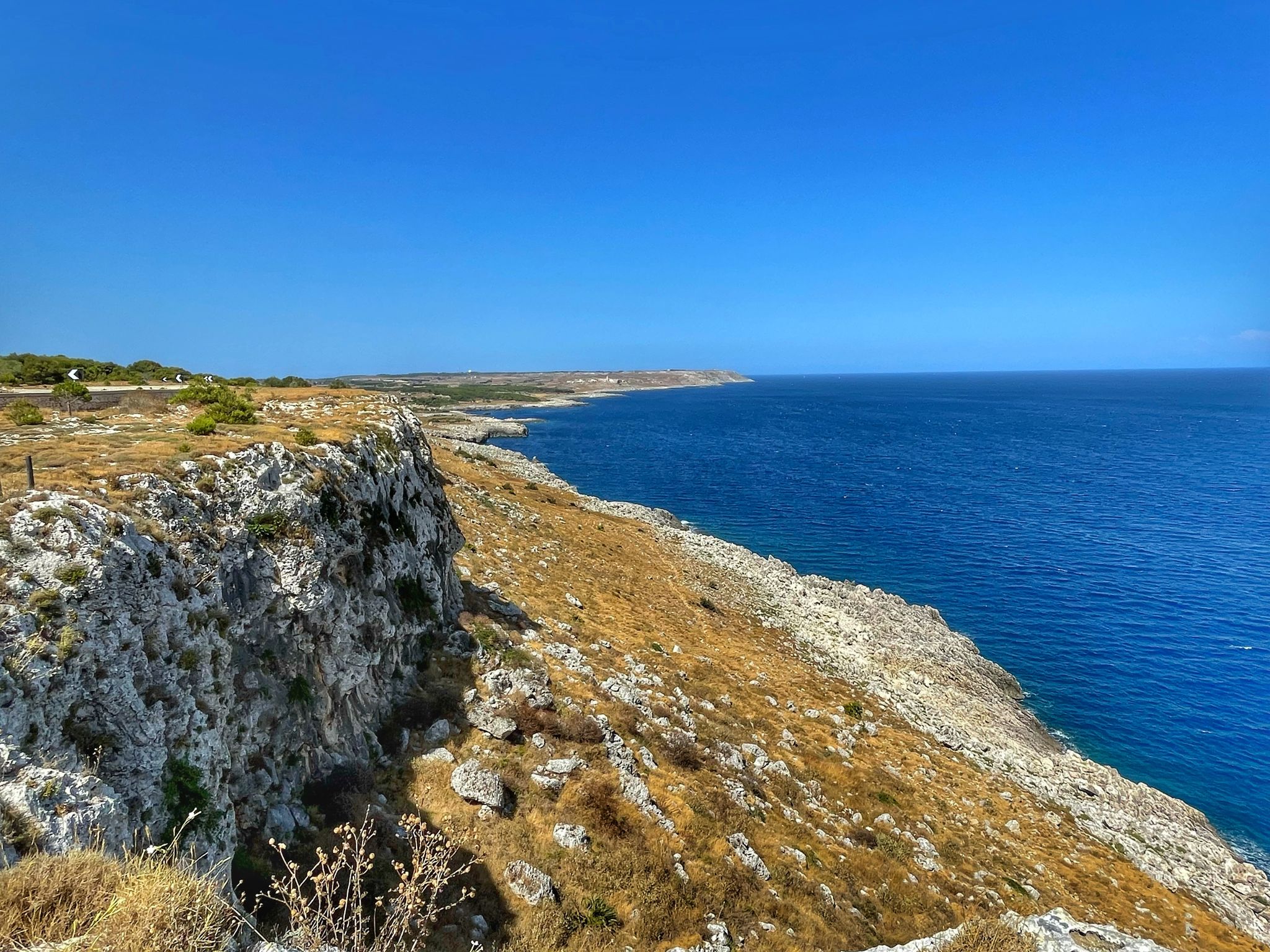
Triangle of Wonders – Salento Ring from Gallipoli
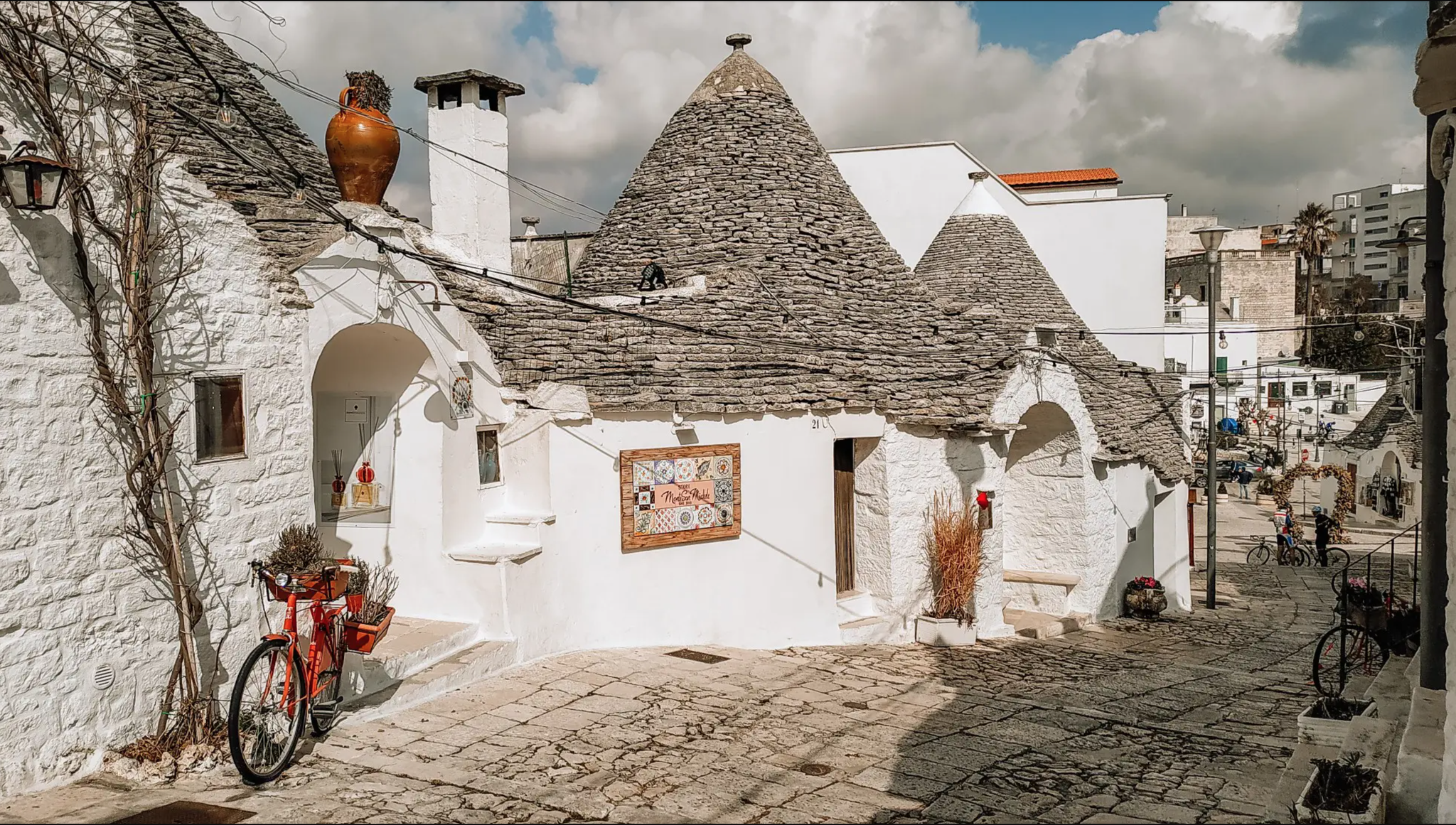
Cycle through the painted blue – a journey of discovery in Puglia
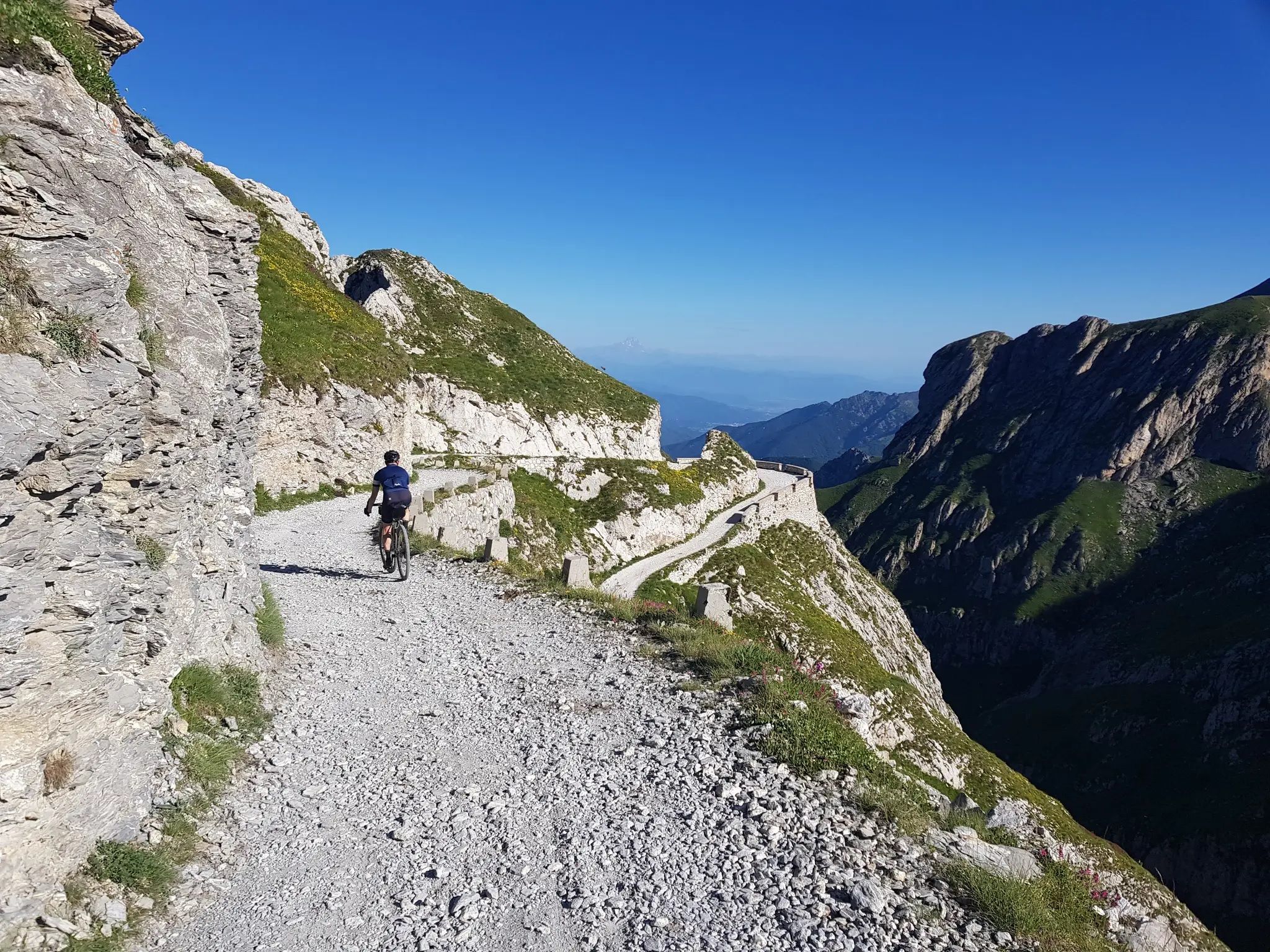
From the boot’s toe to the heel – the most beautiful cycling Tours in Italy
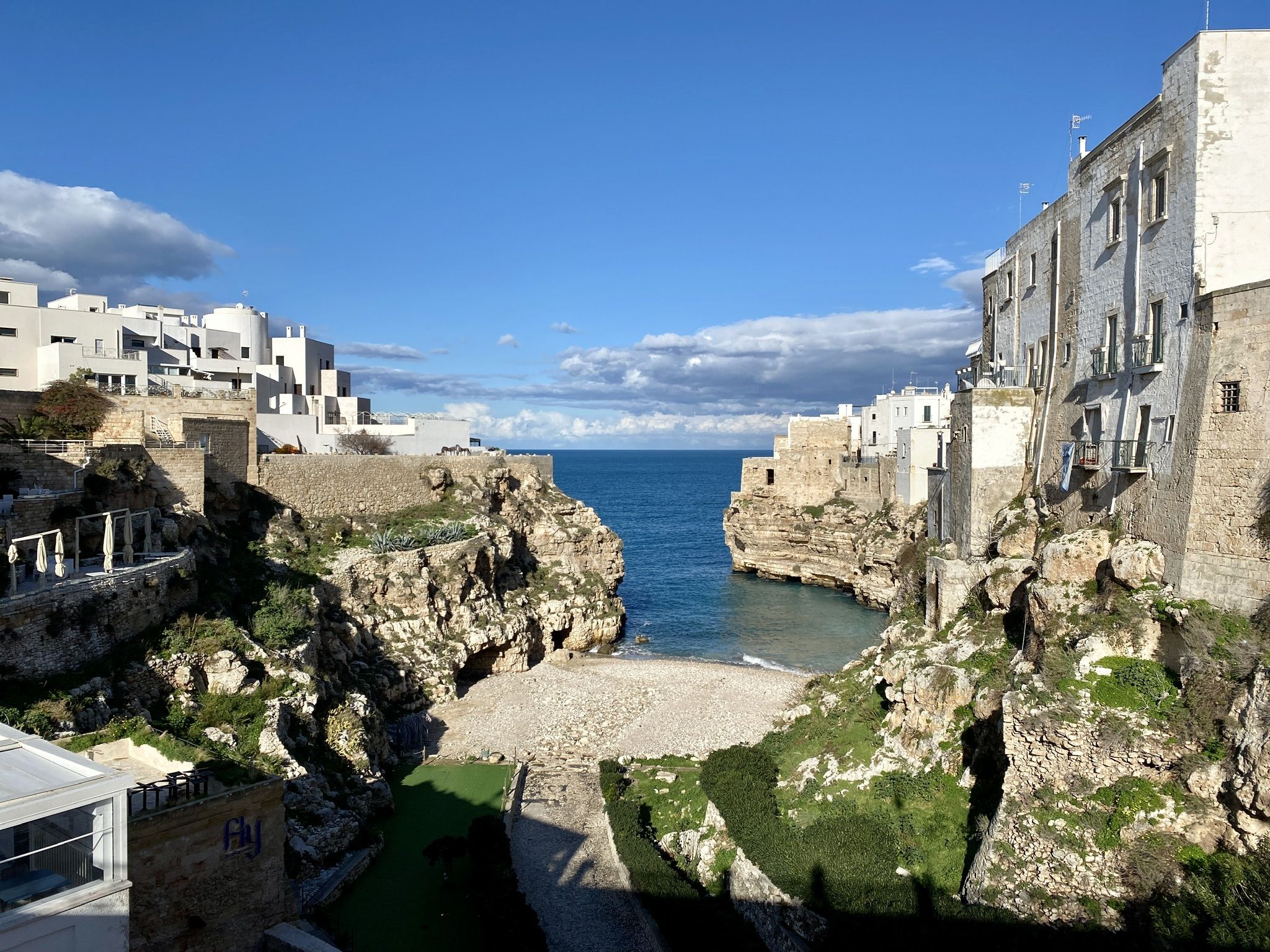
Sea, culture, taste and nature — Italy’s Puglia by bike
Italy’s Puglia from Bari to Santa Maria di Leuca — all the way south
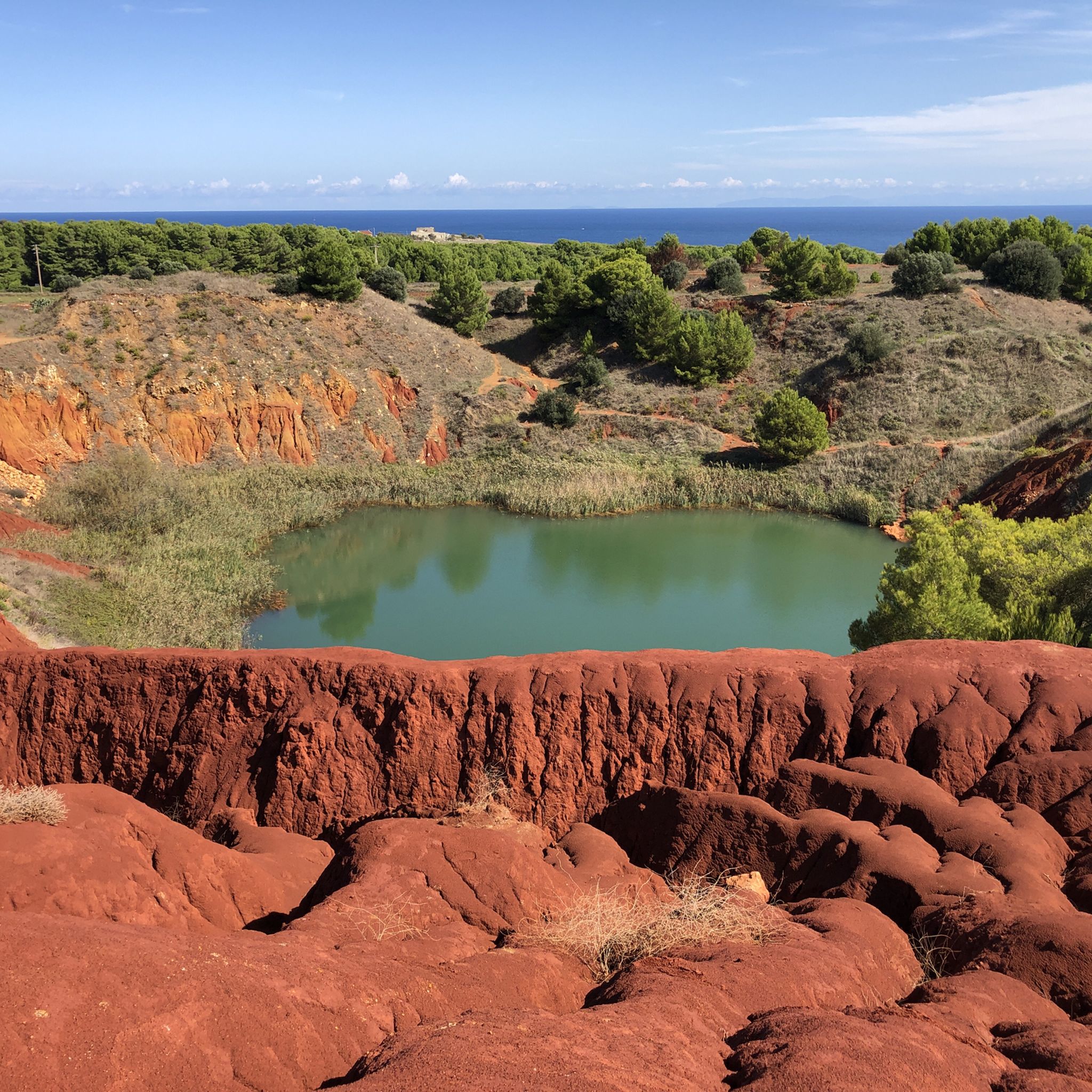
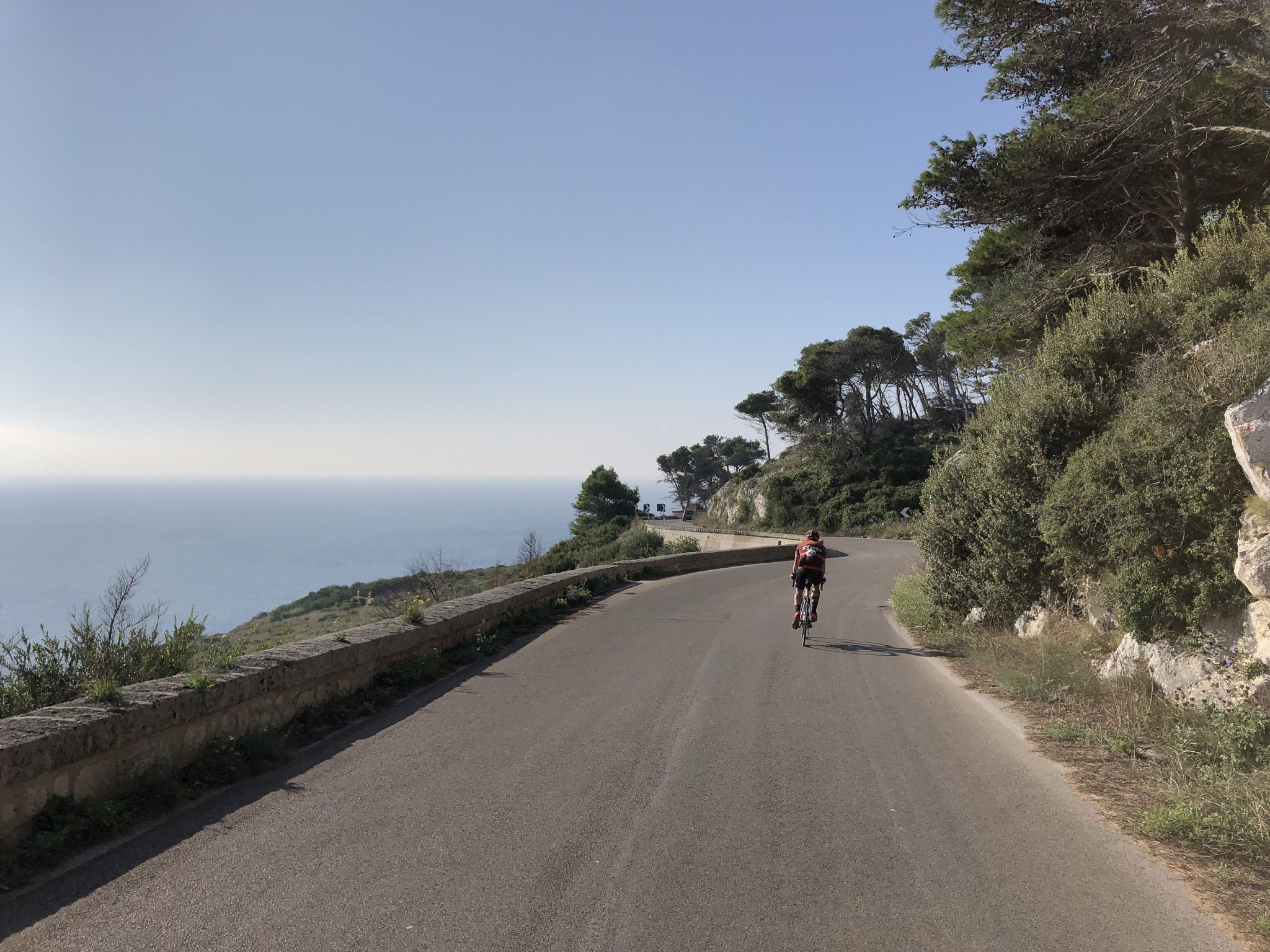
Hiking around Otranto
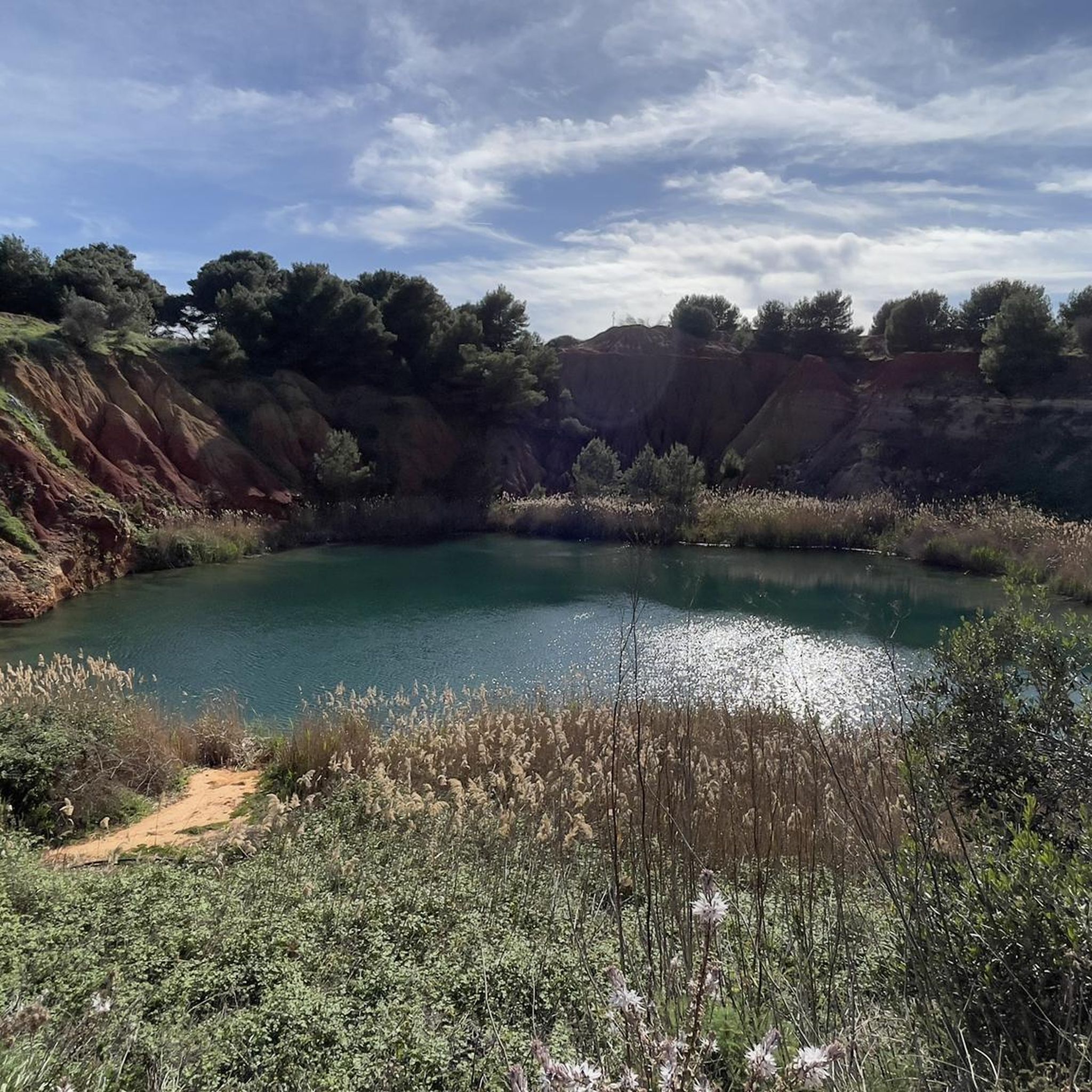
Road Cycling Routes around Otranto
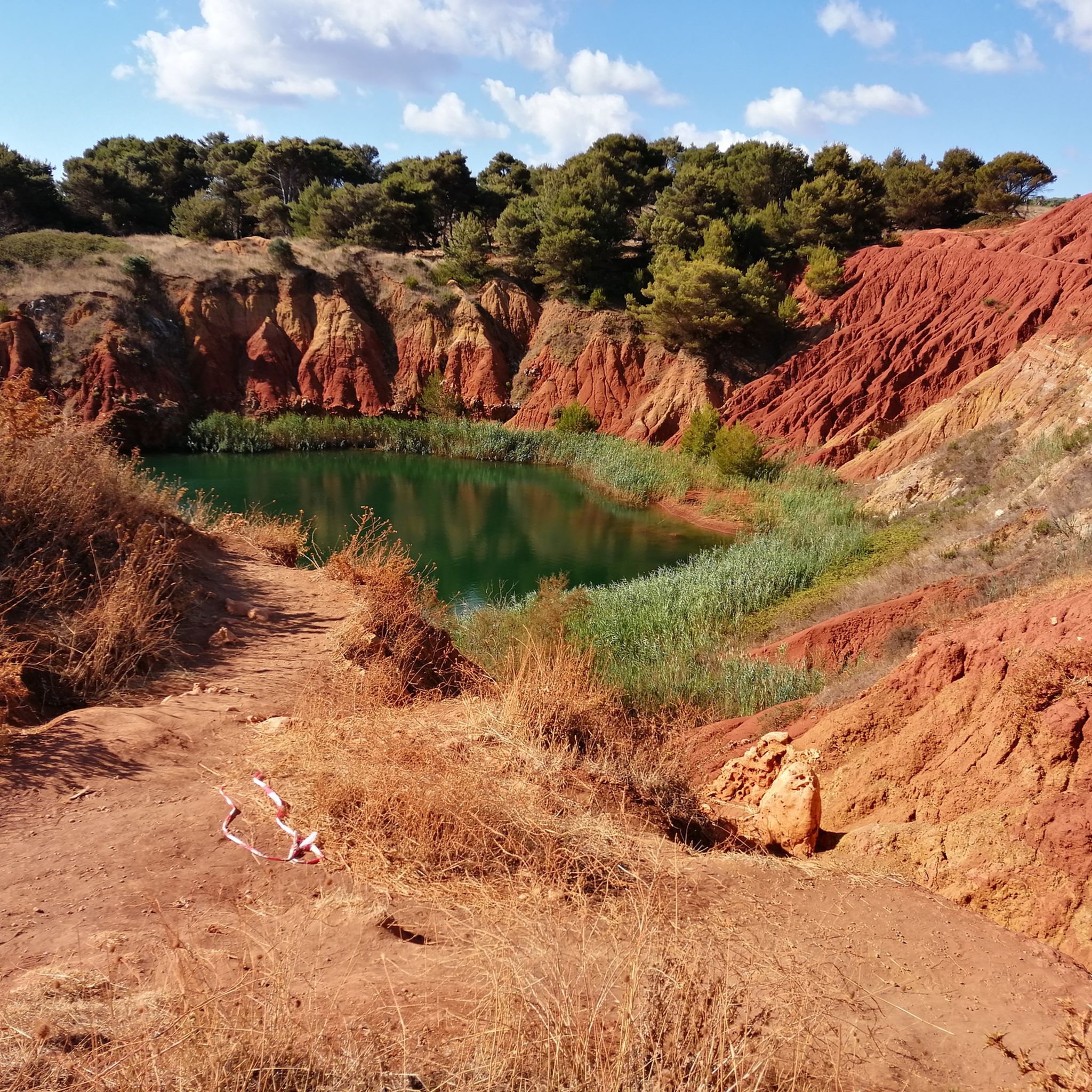
Cycling around Otranto
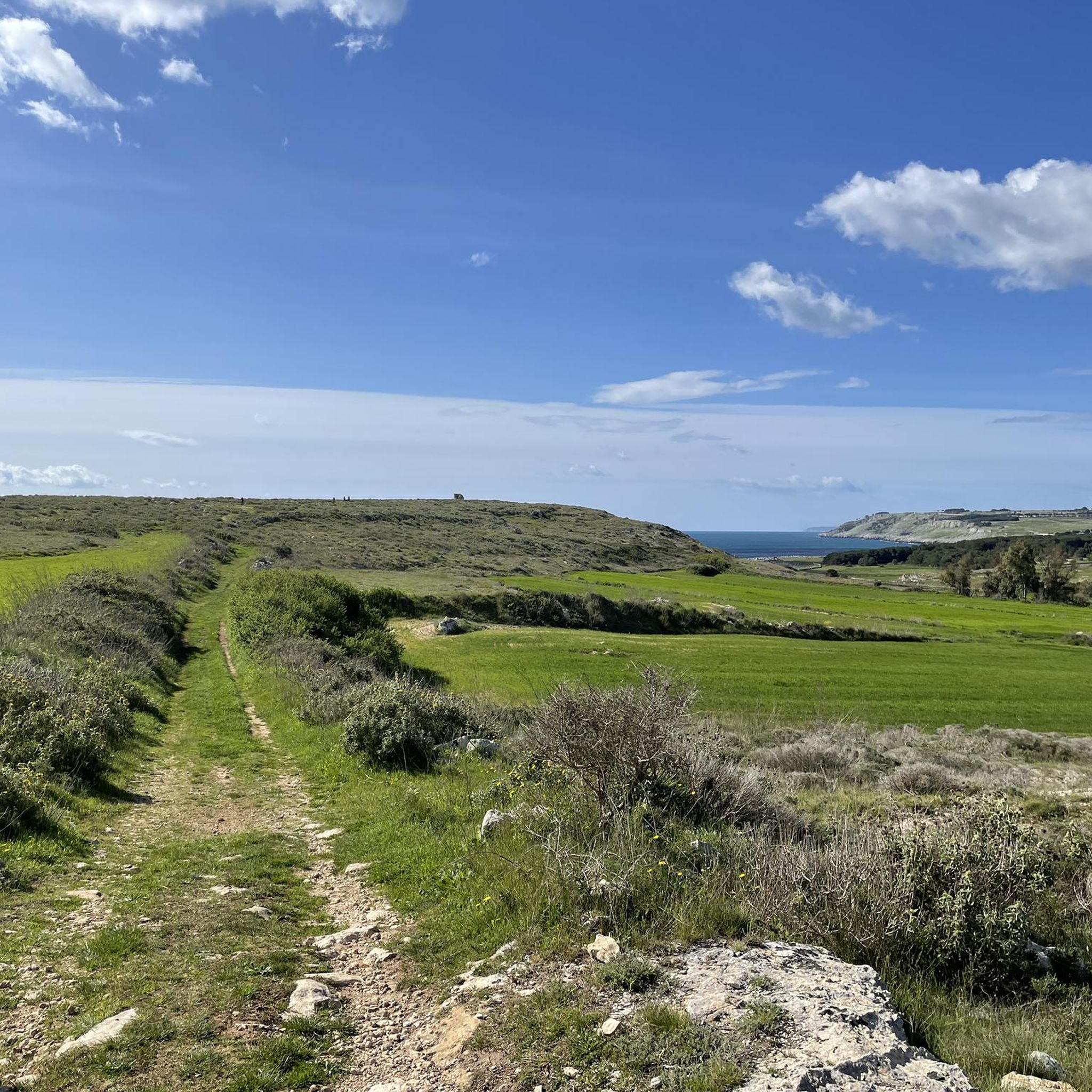
Running Trails around Otranto
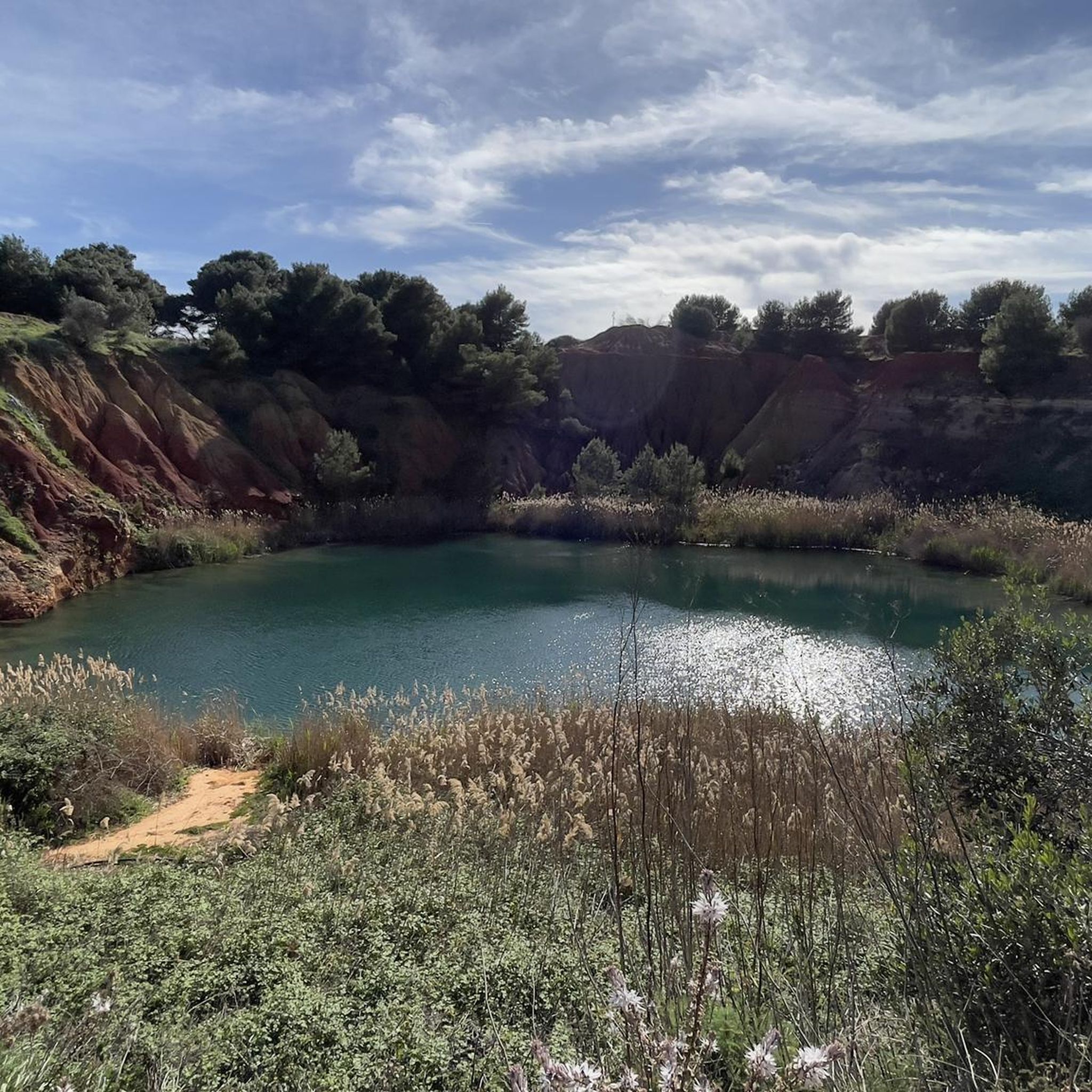
MTB Trails around Otranto
Other adventures around Otranto


Tips from the Community

Dominating the historic center of Poggiardo, which is definitely worth a visit.
1
0

in front of the castle there is a balcony overlooking the sea
0
0

Reachable from Lecce with road bike, mountain bike and gravel. 3 fascinating routes
0
0

The easternmost geographical point of Italy, known for the sea channel in front of the city that separates Italy from Albania.
0
0

Beautiful, perfectly preserved example of an Aragonese castle. Very close there are two viewpoints
0
0

Posted in Salento Fortificazioni collection komoot.it/collection/1396951/-salento-fortificazioni. History has it that in the year 1480 the inhabitants of Roca Vecchia were put to flight by the Saracen raids who shortly afterwards left it to its fate. In 1544 the governor of Terra d’Otranto Ferrante Loffredo, by order of Charles V, had it razed to the ground. Because? Because, according to him, it has become a den of pirates dedicated to attacks and raids towards the hinterland ... This is a key to reading history. The other key has it that Roca vecchia was destroyed by the Spanish "faction" of Charles V because it was guilty of being in league with the enemies of the French "faction" of Francis I ...
0
0
Posted in Salento Fortifications collection https://www.komoot.it/collection/1396951/-salento-fortificazioni - The most ancient structure of the current Aragonese castle dates back, in all probability, to the XII-XIII century and was built on the remains of the Byzantine fortress. In the second half of the 13th century, Charles I of Anjou defines it as a fortress of strategic importance for the defense of the kingdom. The castle, numbered together with the fortresses of Ostuni, Taranto, Ugento and Torremaggiore, is considered of national importance and considered among the most functional, combining together natural defenses and military architecture [source: https://it.m.wikipedia.org / wiki / Castello_di_Castro]
0
0
Frequently Asked Questions
What are the most historically significant castles around Otranto?
The most prominent is the Aragonese Castle, located within the Historic Centre of Otranto. Its current form largely dates from 15th-century Aragonese modifications, crucial for defending Otranto after the Ottoman invasion. Another significant site is Castro Castle, which served as a vital coastal defense fortress, with origins dating back to Byzantine structures.
Are there family-friendly castles to visit near Otranto?
Yes, several castles and historical sites around Otranto are suitable for families. The Historic Centre of Otranto, including the Aragonese Castle, offers exploration opportunities for all ages. Castro Castle and Piazza del Popolo, Muro Leccese, which features the Palazzo dei Principi, are also considered family-friendly historical sites.
What outdoor activities can I combine with visiting castles near Otranto?
The region around Otranto offers various outdoor activities. You can find numerous routes for gravel biking, running, and mountain biking. For example, explore routes like the "Otranto's Aragonese Castle – Sentiero Orte Coastal Views loop" for running, or the "Mouth of the Alimini Lakes – Torre dell'Orso cliff viewpoint loop" for gravel biking. You can find more details on these activities in the Gravel biking around Otranto, Running Trails around Otranto, and MTB Trails around Otranto guides.
What natural features can I explore near Otranto's castles?
Many castles, especially those along the coast, offer stunning views of the Adriatic Sea. For instance, from the Historic Centre of Otranto, you can enjoy panoramic views of the harbor and sea. Castro Castle also provides excellent viewpoints overlooking the coast. The surrounding area features coastal trails and natural landscapes, perfect for combining history with nature.
What is the best time of year to visit the castles around Otranto?
While the guide doesn't specify, generally, spring (April-May) and autumn (September-October) offer pleasant weather for exploring the castles and their surroundings, avoiding the peak summer heat and crowds. The Baronial Palace (Aragonese Castle) of Martano, for instance, is noted to be quiet and ideal for cycling in winter, suggesting a year-round appeal depending on your preference for atmosphere.
Are there any hidden gem castles or historical villages worth visiting?
Beyond the main attractions, consider visiting the Village of Roca Nuova. This medieval village, built in the 16th century to protect against pirate raids, is known for its well-preserved walls and offers a glimpse into a thousand-year history. It features a central square, a well, and a defensive watchtower, providing a unique historical experience.
Can I find viewpoints overlooking the castles in the Otranto area?
Yes, many castles themselves offer excellent viewpoints. The Historic Centre of Otranto, with its city walls and the Aragonese Castle, provides magnificent panoramic views of the city, its harbor, and the Adriatic Sea. Similarly, Castro Castle is situated with two nearby viewpoints offering stunning coastal vistas.
What kind of history do the castles around Otranto represent?
The castles around Otranto primarily showcase centuries of defensive architecture and noble residences, reflecting the region's strategic importance. They span periods from Norman and Byzantine origins to extensive Aragonese modifications, particularly after the Ottoman invasion of 1480. Structures like the Baronial Palace (Aragonese Castle) of Martano also illustrate transformations from fortresses into noble palaces over time, with influences from various ruling families.
Are there any castles or historical sites with archaeological significance?
Yes, Piazza del Popolo, Muro Leccese, is built on ancient origins dating back to the Bronze Age and Messapian era. It was one of the most important Messapian centers, with archaeological finds and visible sections of ancient walls. The Aragonese Castle in Otranto also houses a museum with Roman artifacts and archaeological finds.
What are some unique architectural features of the castles in this region?
The castles in the Otranto region exhibit distinctive military architecture. The Aragonese Castle in Otranto, for example, features an irregular pentagonal layout, a wide moat, three robust cylindrical towers, and a unique lance-shaped bastion facing the sea, designed to withstand cannon fire. Castro Castle also showcases a circular tower and a lanceolate bastion, reflecting its strategic coastal defense role.
Can I find cafes or restaurants near the castles around Otranto?
Yes, especially in the more populated areas. The Historic Centre of Otranto is a vibrant hub, particularly in the evenings, offering numerous cafes and restaurants within easy reach of the Aragonese Castle. Similarly, towns like Muro Leccese and Martano, where castles are located, will have local establishments for refreshments and meals.
How can I learn more about the history of the Aragonese Castle in Otranto?
The Aragonese Castle offers a deep dive into centuries of history. Guided tours are highly recommended to gain a comprehensive understanding of its complex history, architectural evolution, and the pivotal events that shaped it, including its defensive role against Ottoman invasions and its literary fame as the namesake for Horace Walpole's "The Castle of Otranto."
Most popular routes around Otranto
Most popular attractions around Otranto

Get inspired with the komoot mobile app


Explore more
Looking for the best castles somewhere else? Discover other guides around Otranto:
