Top 5 Caves around Grado
Caves around Grado, while not directly in the coastal town, are abundant in the nearby Karst plateau of the Friuli Venezia Giulia region. This area is known for its extensive network of natural and historical underground formations. The region's geological makeup has created a rich underground heritage, offering various cave exploration opportunities. These sites provide insight into both natural geology and historical events.
Best caves around Grado
- The most popular caves is Grotta Vergine Entrance, a cave that was…
Last updated: August 24, 2026
Mithraeum Cave
Highlight • Cave
archeocartafvg.it
because the cave …
Translated by Google •
Tip by

Grotta Vergine Entrance
Highlight • Cave
The fortuitous …
Translated by Google •
Tip by

Sign up now to discover places like this
Get recommendations on the best single tracks, peaks, & plenty of other exciting outdoor places.
Sign up for free
Underground Bunker Beneath the New Castle
Highlight • Historical Site
Large and spacious facility.
Translated by Google •
Tip by

Start today with a free account
Your next adventure awaits.
Login or Signup



Tips from the Community

Unique example of the cult of the god Mithras in a cave, dating back to Roman times, with interesting finds. Open on Saturday mornings from 10 am to 12 pm, it is best to go with guides for explanations that are otherwise not easy to find.
0
0

It's a shame it's closed and you can't get very close.
0
0


Karst cave dedicated by the Romans to the cult of the god Mithras. There are altars and sculptures of the time.
0
0

During the excavation by Italian soldiers of the Joffre trench in Monfalcone, in the first moments of the Great War, an underground cave without any outlet was discovered. The fortuitous discovery allowed the Italian troops to gain shelter against enemy cannon fire and was named “Virgin” Cave. The cave has two entrances 12 meters apart and access is facilitated by stairways carved into the rock and above the main entrance there is a plaque with a female figure holding a palm branch in her hand.
4
0

nice bunker system, especially at 40°C in the shade it is very pleasantly cool down there🥶 Large and spacious facility.
1
0

Unfortunately not publicly accessible
0
0

Something spooky. Be sure to have a flashlight with you. Very impressive.
1
0
Frequently Asked Questions
What are the most notable caves to visit near Grado?
The nearby Karst plateau offers several remarkable caves. Two of the most prominent are Grotta Gigante, known for being the world's largest single-chamber tourist cave, and Grotta delle Torri di Slivia, celebrated for its abundant and diverse geological formations. Other historically significant sites include the Grotta Vergine Entrance, a WWI shelter, and the Hermada Mountain Cave.
How far is Grotta Gigante from Grado and how long does a visit take?
Grotta Gigante is located just a few kilometers from Trieste, making it easily accessible from Grado. Guided tours typically last about an hour. The cave maintains a constant temperature of 11°C (51.8°F) year-round.
What unique features does Grotta Gigante offer?
Grotta Gigante holds a Guinness World Record as the world's largest single-chamber tourist cave. Its main chamber is immense, measuring 98.5 meters high, 167.60 meters long, and 76.30 meters wide. You'll see impressive stalactites and towering stalagmites, some reaching up to 12 meters, including distinctive 'stack of dishes' formations. It's also a site for scientific research on terrestrial tides.
What can I expect when visiting Grotta delle Torri di Slivia?
Grotta delle Torri di Slivia is renowned for its incredible richness of stalactites, stalagmites, and other concretions, including the famous 'Towers of Slivia' which give the cave its name. Some stalagmites are up to 8 meters high. The visit includes a unique 'agribus' ride from the ticket office to the cave's entrance, and the guided tour lasts approximately 75 minutes.
Are there any historical underground sites near Grado?
Yes, the region has several historical underground sites. The Grotta Vergine Entrance was discovered during WWI and used as a shelter, featuring stairways carved into the rock. The Underground Bunker Beneath the New Castle is a large and spacious historical bunker system. Additionally, the Hermada Mountain Cave is part of the Mount Hermada open-air museum.
Is the Mithraeum Cave accessible to visitors?
The Mithraeum Cave, dedicated by the Romans to the cult of the god Mithras, is unfortunately not publicly accessible at this time. It is a significant archaeological site with altars and sculptures from that era.
What should I wear when exploring caves in the Grado region?
Caves generally maintain a cool, constant temperature. For Grotta Gigante, it's 11°C (51.8°F) year-round. It's advisable to wear comfortable walking shoes and bring a light jacket or sweater, even on warm days. For some caves like Grotta Vergine Entrance, a flashlight is recommended for further exploration.
Are there family-friendly cave options near Grado?
Both Grotta Gigante and Grotta delle Torri di Slivia offer guided tours suitable for families. Grotta Gigante provides a virtual tour at its visitor center for those unable to navigate the steps, and Grotta delle Torri di Slivia's 'agribus' ride adds a fun element for children. Always check specific accessibility and age recommendations directly with the cave operators.
What outdoor activities can I do near the caves around Grado?
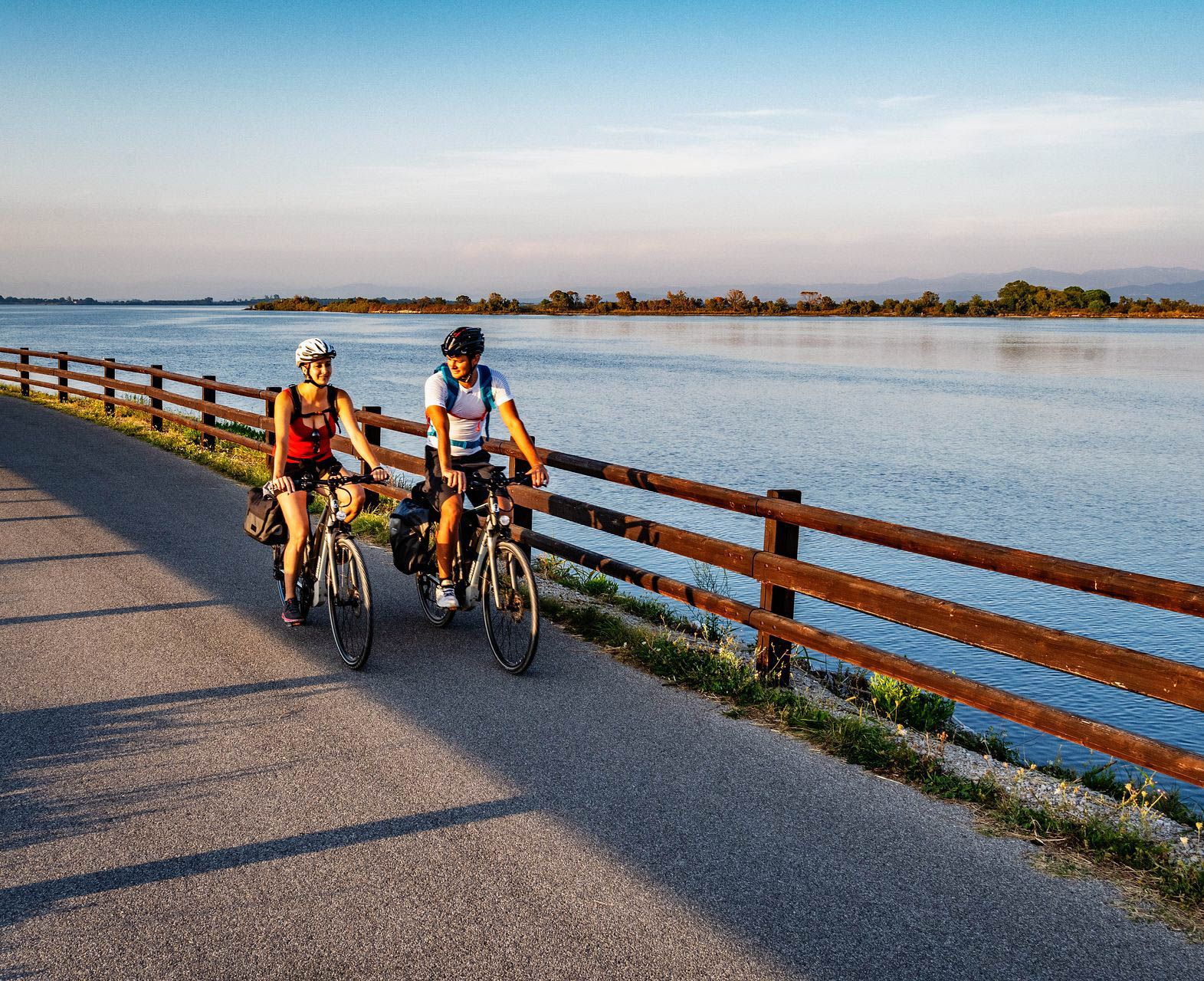
The Grado region offers various outdoor activities. You can explore MTB Trails, enjoy Gravel biking, or go Cycling. Many routes offer views of the lagoon, historical sites, and natural landscapes.
What do visitors appreciate most about the caves in this region?
Visitors frequently highlight the impressive scale and unique geological formations of caves like Grotta Gigante. The historical significance of sites such as the Grotta Vergine Entrance and the cool, spacious environment of the Underground Bunker Beneath the New Castle are also highly appreciated. The region's blend of natural wonder and historical context makes for a captivating experience.
What is the best time of year to visit the caves near Grado?
The interior of caves like Grotta Gigante maintains a constant temperature of 11°C (51.8°F) throughout the year, making them a suitable destination in any season. However, visiting during spring or autumn might offer more pleasant weather for travel to and from the cave sites, as well as for combining your visit with other outdoor activities in the region.
Most popular attractions around Grado

Get inspired with the komoot mobile app


Explore more
Extend your search for the best caves by checking out these guides of the top ones around Grado:
