Top 5 Castles around Jesolo
Castles around Jesolo primarily refer to historical fortifications and archaeological sites, as the area's past, dating back to Roman times, is best explored through its excavated ruins. Jesolo is situated in the Venetian Lagoon, a region historically significant for its strategic coastal defenses. While traditional medieval castles are less common within Jesolo proper, the area features remnants of ancient walls and 19th-century military forts. These sites offer insights into the region's early Christian era and its role in protecting the…
Last updated: August 24, 2026
Punta Sabbioni Ferry Terminal and Fort Treporti
Highlight (Segment) • Rest Area
Translated by Google •
Tip by

Fort Treporti
Highlight • Historical Site
Translated by Google •
Tip by

Sign up now to discover places like this
Get recommendations on the best single tracks, peaks, & plenty of other exciting outdoor places.
Sign up for free
Ca' Pasquali Historic Tower and Brick Walls
Highlight • Historical Site
Start today with a free account
Your next adventure awaits.
Login or Signup
Popular around Jesolo
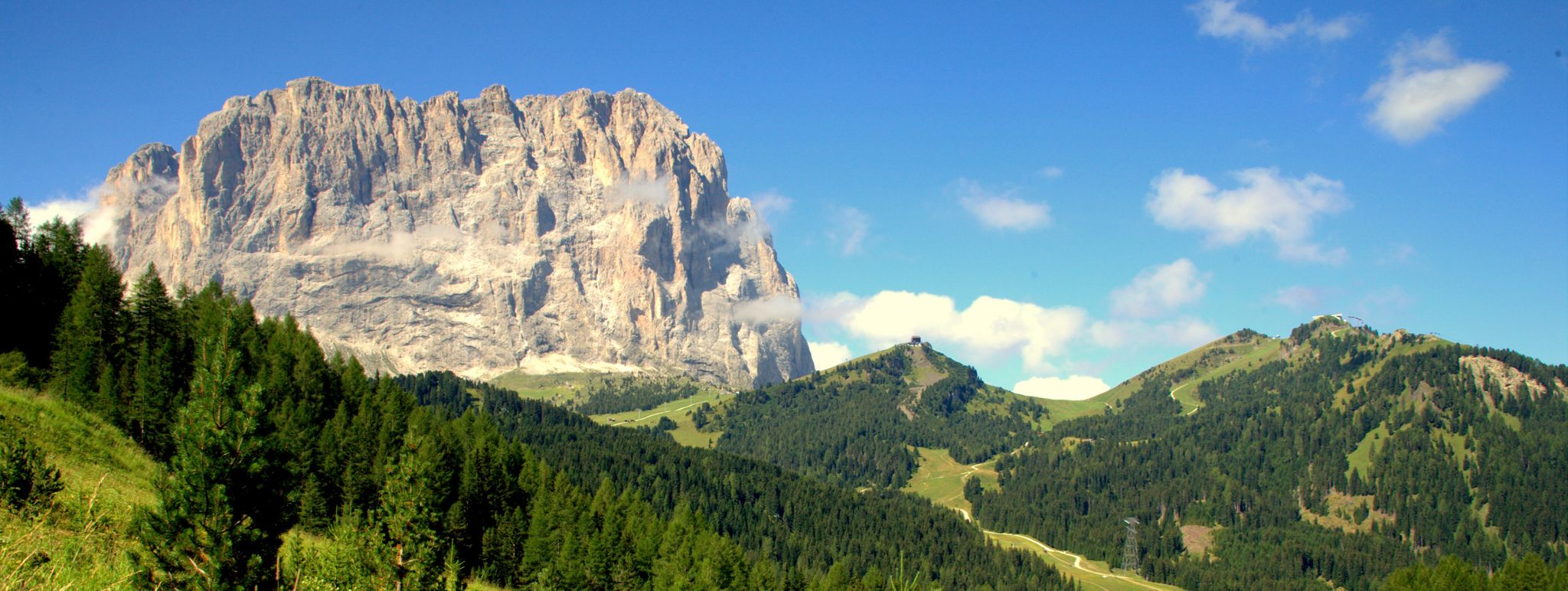
Via Venezia Alpina – hiking across the Alps to the Adriatic Sea
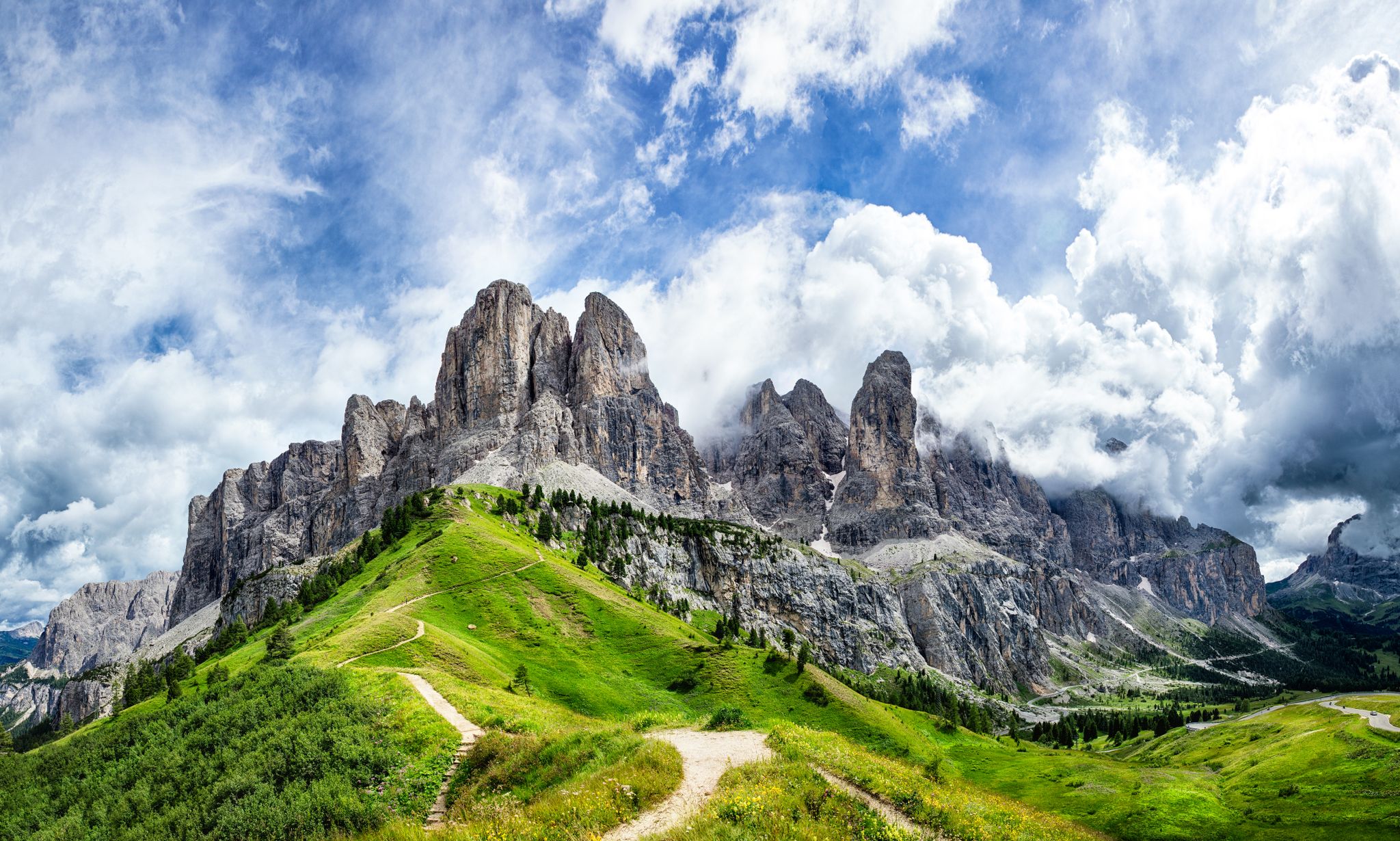
The "Dream Path" hiking trail – From Munich to Venice in 28 stages
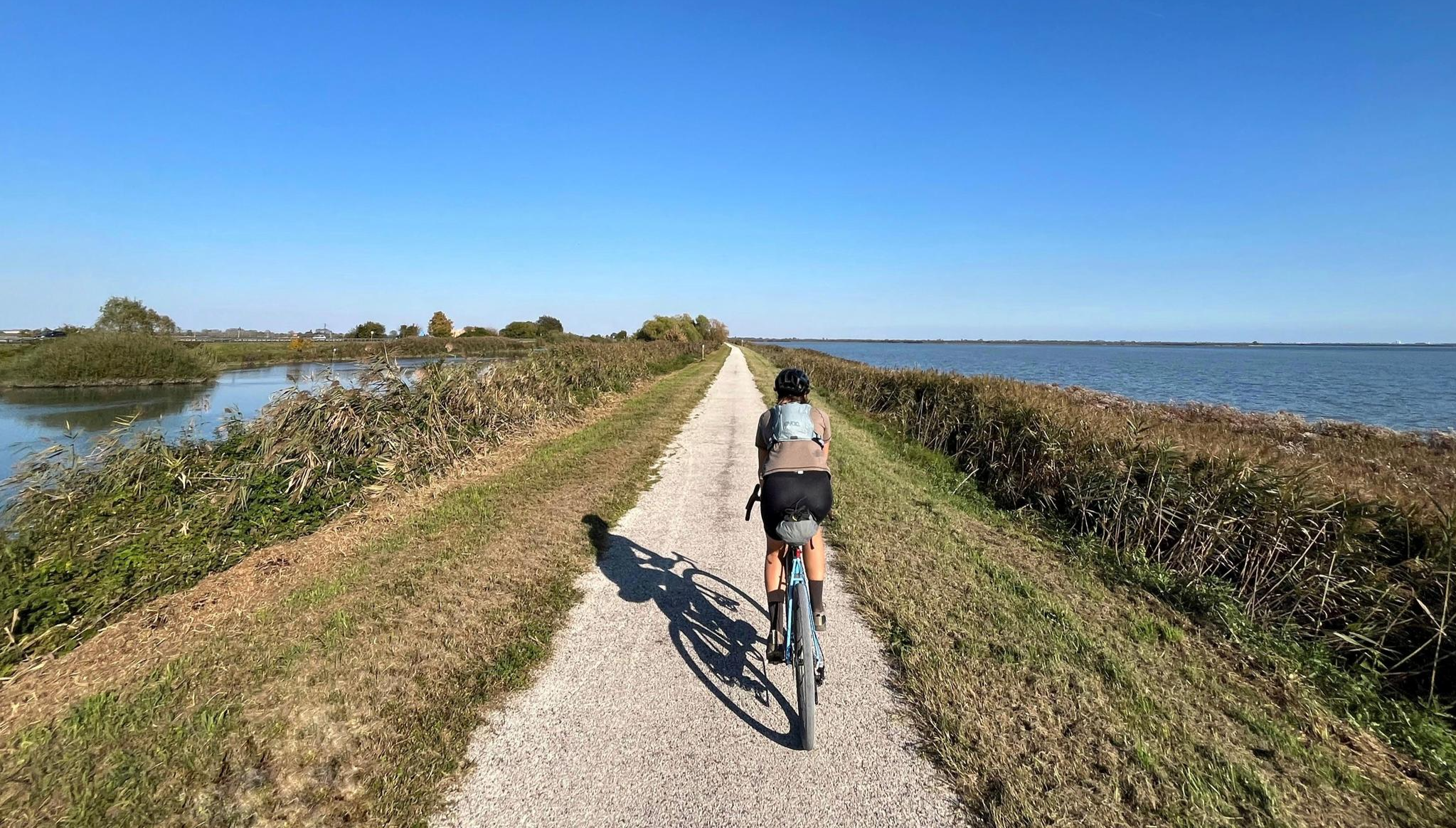
Jesolo Gravel Loop – between sandbanks and archaeology
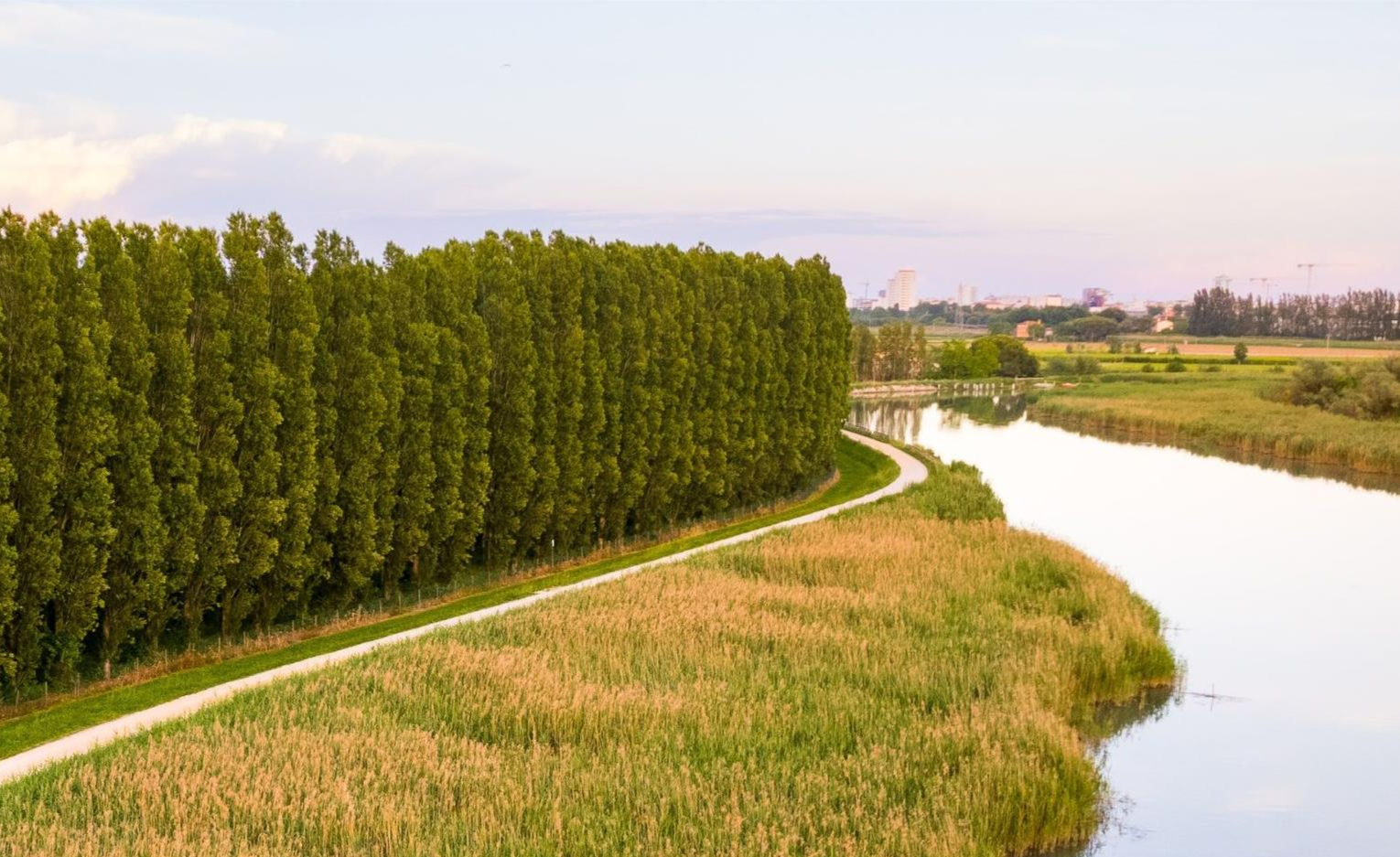
Cycling around Jesolo – between Sile, Piave and lagoon
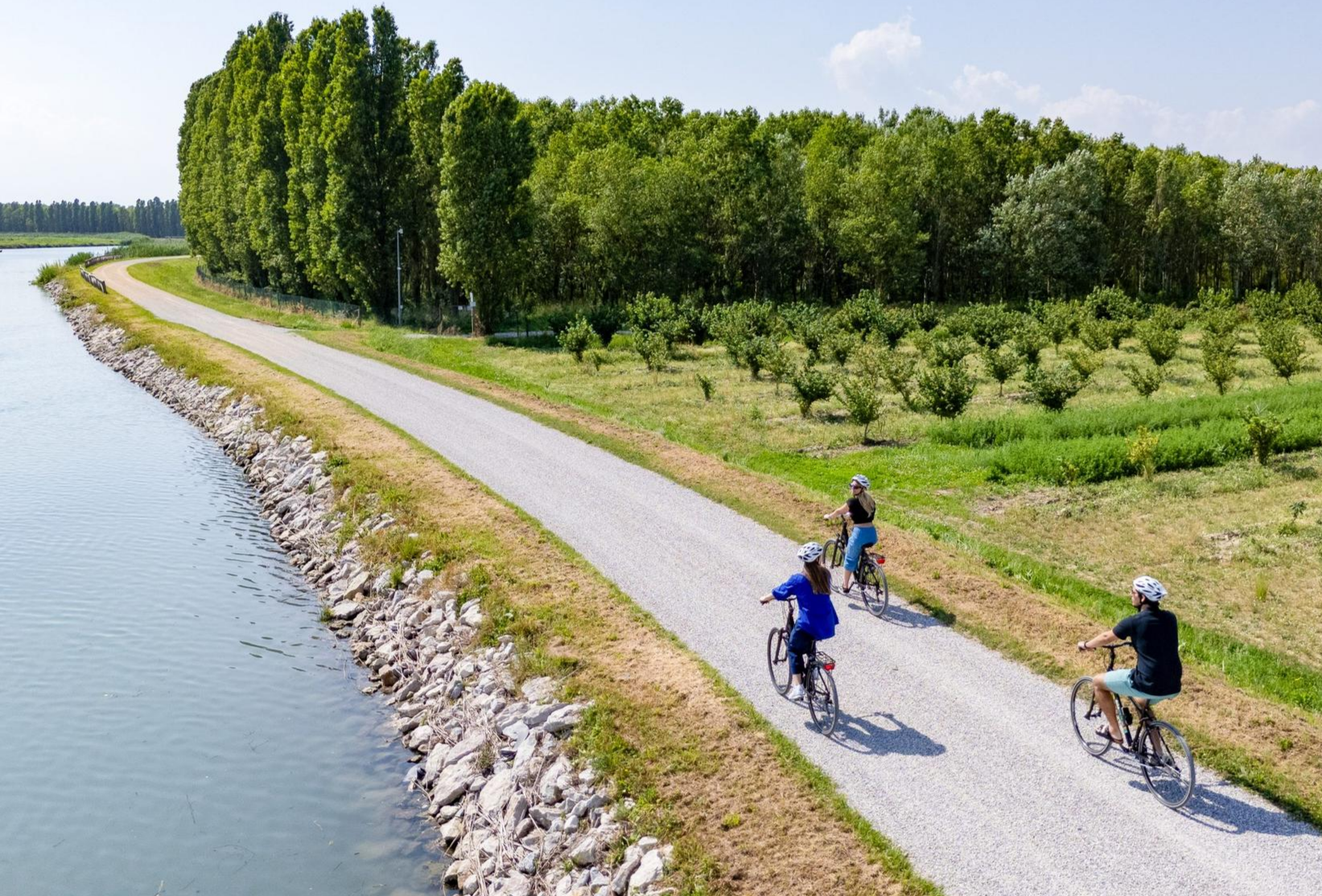
Exploring Jesolo by bike – two wheels, a thousand discoveries
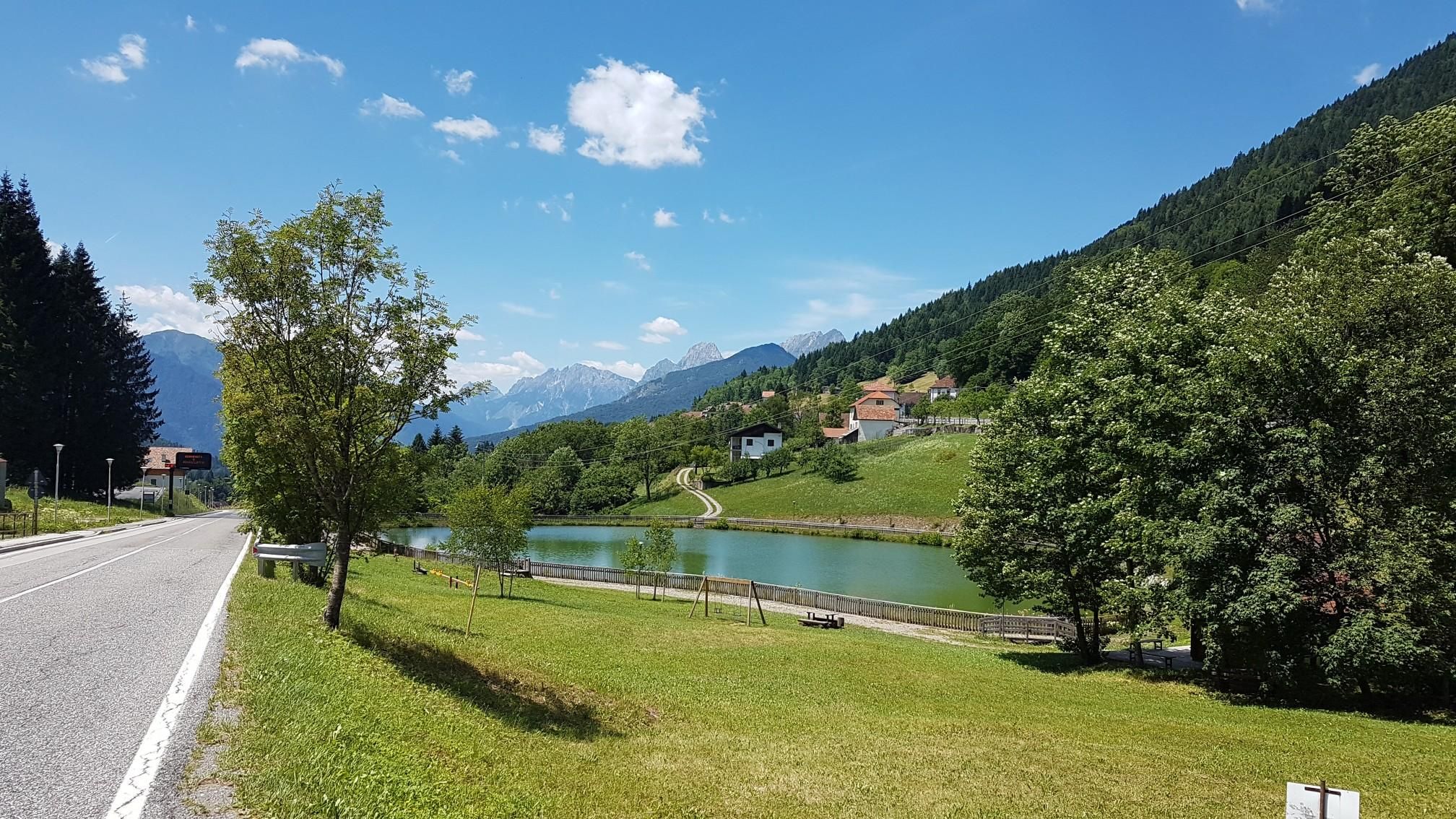
Betrayal of Sappada – the Jesolo-Sappada of 1987
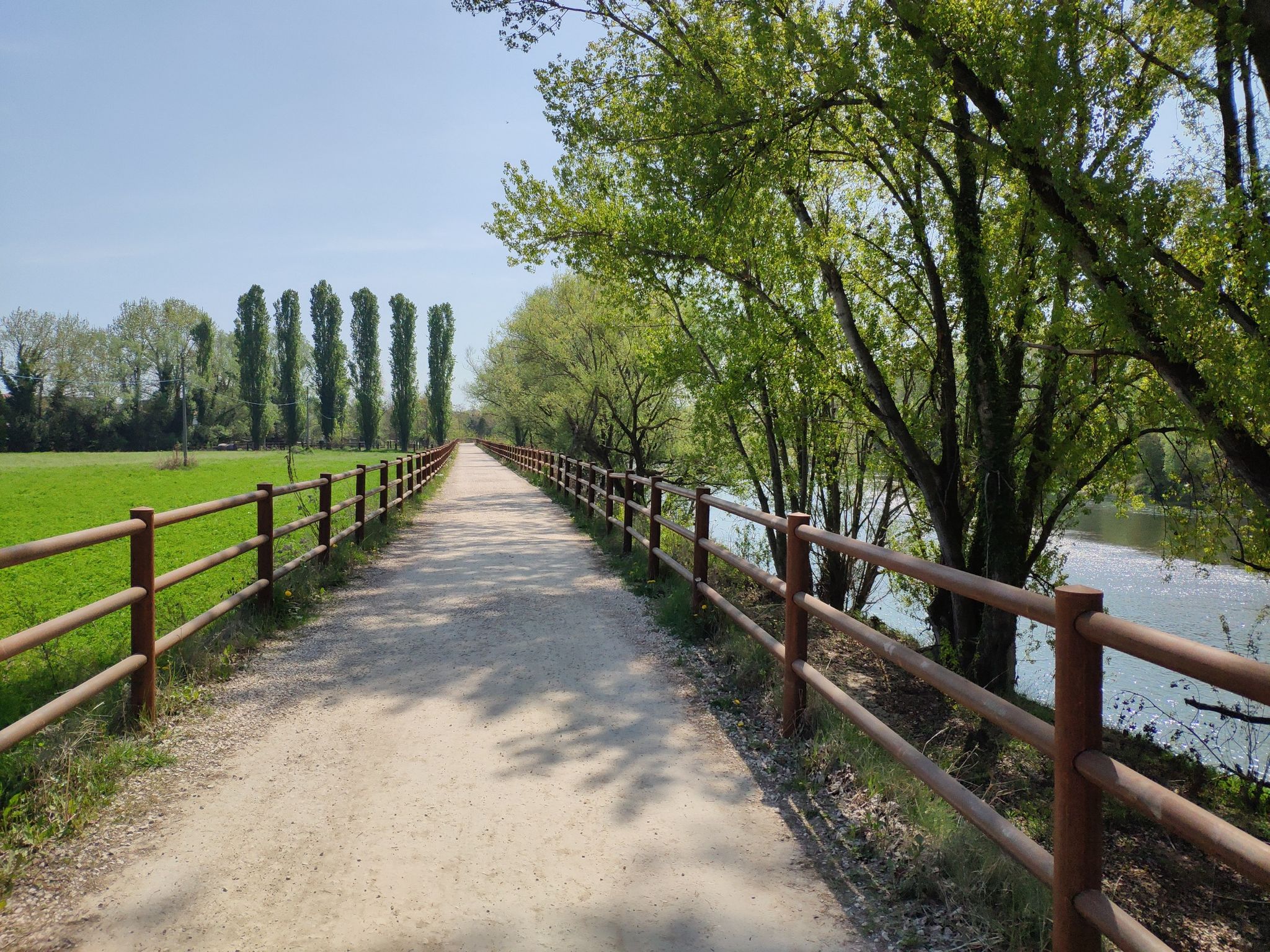
From the sea to the mountains – Veneto Gravel 2023
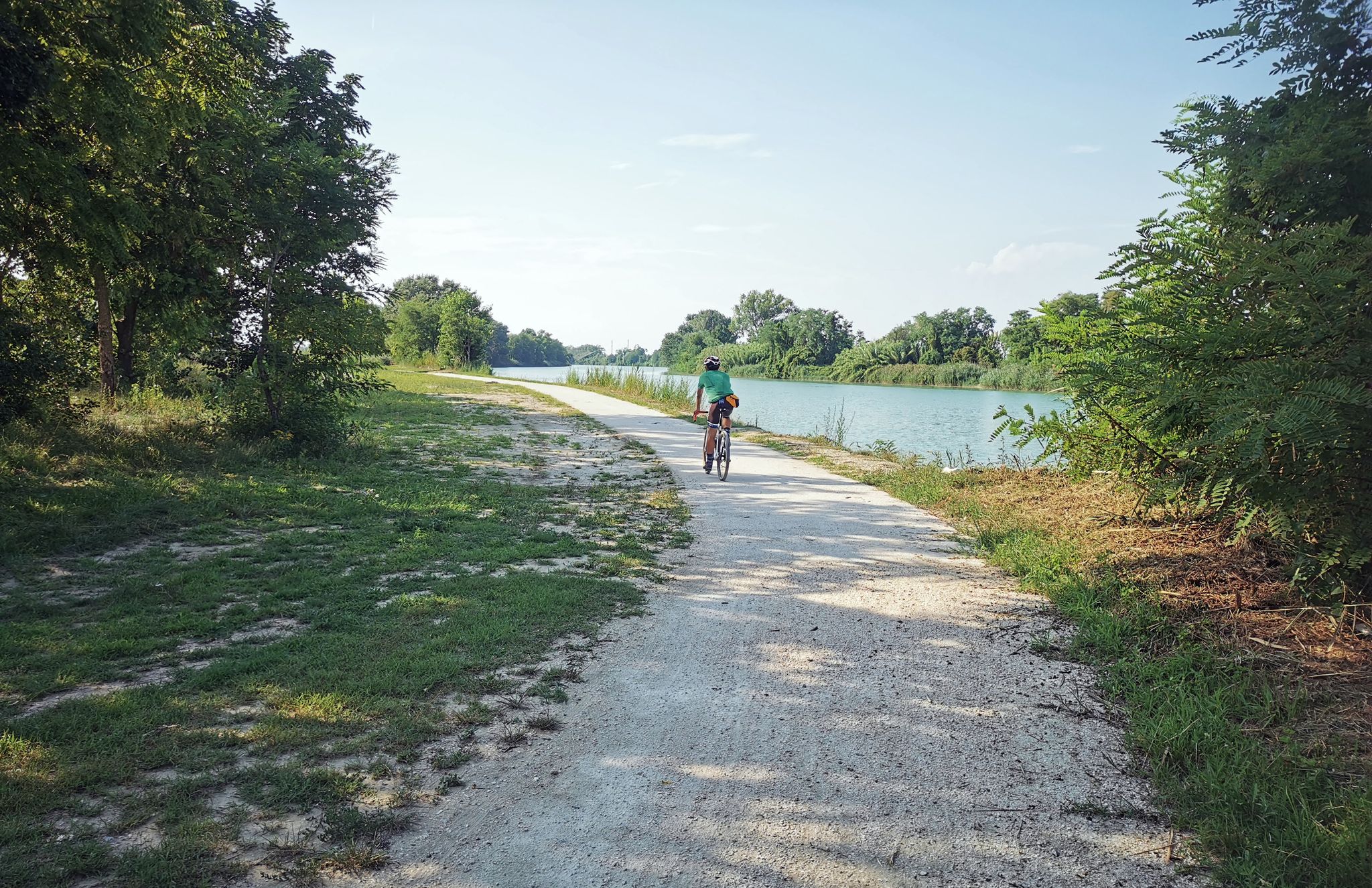
Italian Gravel – up and down dirt roads in Veneto
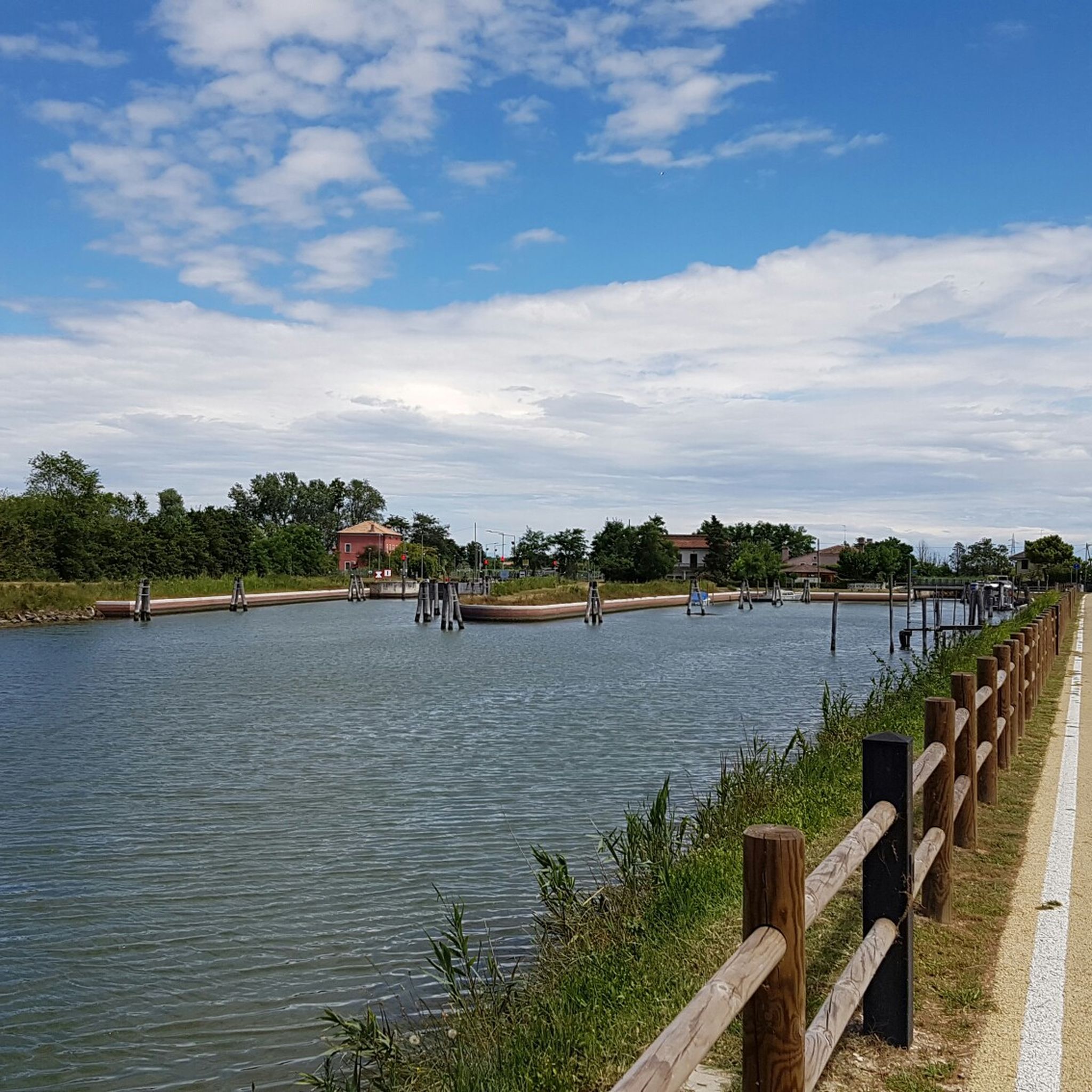
Cycling around Jesolo
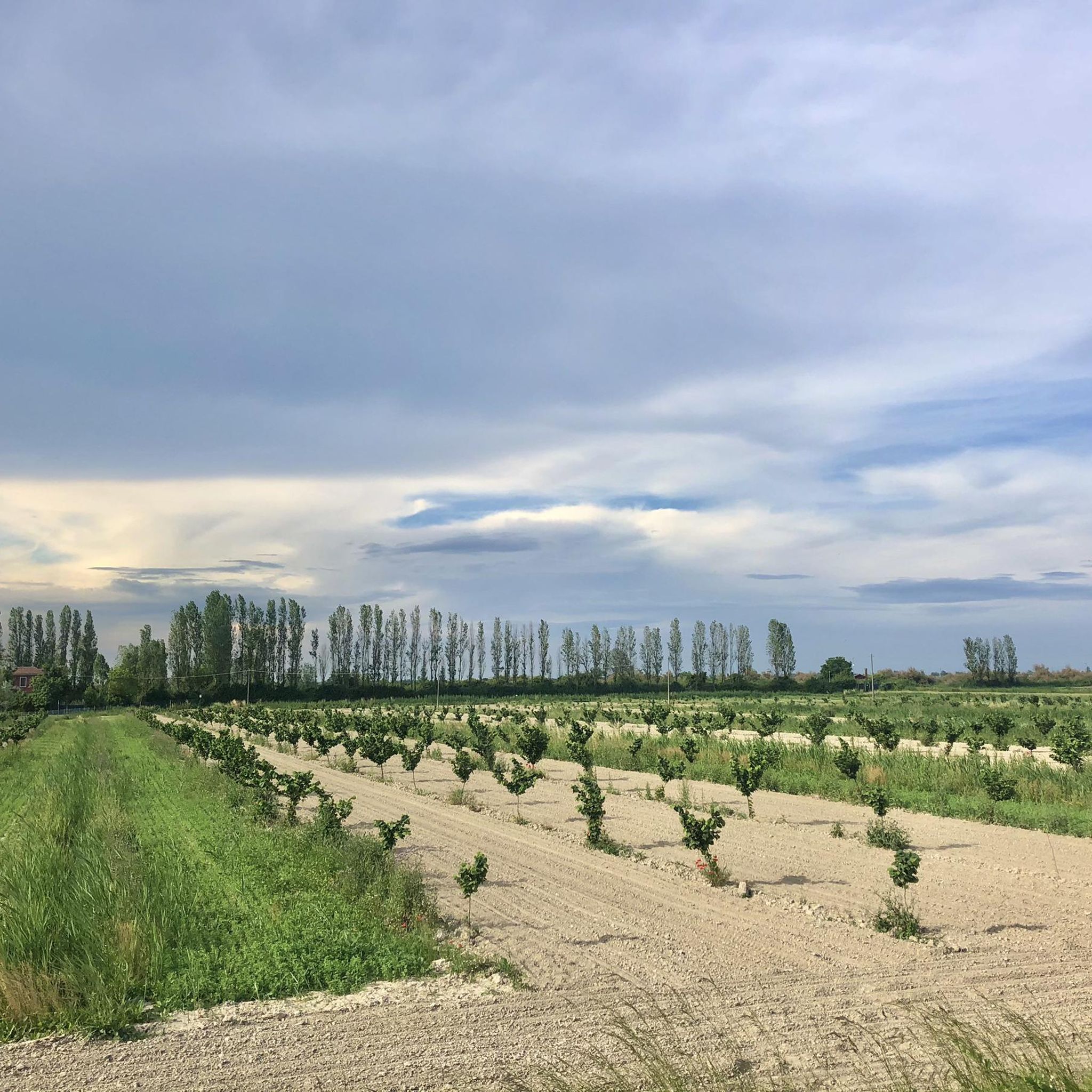
Running Trails around Jesolo
Other adventures around Jesolo


Tips from the Community

The beach of Punta Sabbioni The beach of Punta Sabbioni stretches for about 2 kilometers and, due to its width and the gentle slope into the sea, as well as the nature that characterizes the entire Cavallino coast, it is one of the favorite beaches of many families. This area, together with the pine forest behind it, hosts a protected biotope called “Dunes and Forests of Punta Sabbioni”. Here you will find the little ringed plover, an endangered small wading bird that has found its ideal habitat on the Cavallino-Treporti coast, and a dense and fragrant pine forest with tamarisk and various species of pine, an ideal place for a nature walk to everyone Season. Text / Source: ca‘savio.com https://www.casavio.com/de/blog/punta-sabbioni-strand-parking-and-ships-to-venice-and-the-islands/
21
0
Ships to Venice and the islands Punta Sabbioni offers many water connections to Venice, Lido di Venezia and the lagoon islands, available all year round. From the campsite you can easily reach the port of Punta Sabbioni by car (5 km), by bus (5 minutes) or by bike along the cycle path along Via Fausta. Once you reach the port of Punta Sabbioni, you'll be spoiled for choice: discover Venice and its museums on your own or join a fascinating guided tour, stroll to the quiet island of Lido and admire the typical Art Nouveau villas or visit the picturesque islands of Burano, Murano and Torcello. It's your choice! Text / Source: ca‘savio.com https://www.casavio.com/de/blog/punta-sabbioni-strand-parking-and-ships-to-venice-and-the-islands/
22
1
Punta Sabbioni - ships to Venice Punta Sabbioni: beach, parking and ships to Venice and the islands Text / Source: ca‘savio.com https://www.casavio.com/de/blog/punta-sabbioni-strand-parking-and-ships-to-venice-and-the-islands/
20
0
Treporti Fortress built between 1845 and 1851 In the direction of Lio Grando there is Fort Treporti, better known here as Fort Vecchio. Built on the remains of a small French fort, the structure was built by the Austrians in the second half of the 19th century. Century (1845 - 1851) built to monitor the lagoon area and the harbor mouth of Punta Sabbioni. Since it was located quite a distance from Venice, it was equipped with appropriate anti-landing protection directly on the sea front, but it also had passive defense artillery facing the Venice lagoon. The main front on the western side, facing the lagoon, has two entrances: one facing a rear area, while the larger and more significant entrance, which had a portal and originally a drawbridge, faces a courtyard. During the First World War, two telemetric towers were built, one cylindrical and one square, which were intended for sighting the enemy and calculating the direction of fire. Today Fort Treporti is partially inhabited and several sports and cultural associations have their headquarters in its premises. Text / Source: IAT Cavallino, Via Fausta, 406/a, Cavallino https://www.visitcavallino.com/deu/entdecken-sie-den-parco/arte/fort-treporti
24
0
Fort Treporti, built 1845–1851 Towards Lio Grando lies Fort Treporti, better known locally as Fort Vecchio. Built on the remains of a small French fort, it was constructed by the Austrians in the second half of the 19th century (1845–1851) to monitor the lagoon area and the harbor entrance of Punta Sabbioni. Given its considerable distance from Venice, it was equipped with appropriate anti-landing defenses directly on the seaward frontage, but it also possessed passive defensive artillery facing the Venetian Lagoon. The main western frontage, overlooking the lagoon, has two entrances: one opens onto a rear area, while the larger and more significant entrance, featuring a portal and originally a drawbridge, overlooks a courtyard. During the First World War, two telemetry towers were built, one cylindrical and one rectangular, designed for spotting the enemy and calculating firing directions. Today, Fort Treporti is partially inhabited and houses several sports and cultural associations.
18
0

Beautiful building typical of the Venetian lagoon, located in a unique landscape.
5
2


Punta Sabbioni and the center of Jesolo are connected by one of the most suggestive cycle paths in Europe, with a panoramic view of the North Lagoon. A section of the cycle path overhangs the lagoon directly. It is possible to reach Punta Sabbioni from the Lido of Venice thanks to the ferry connection provided by the ACTV.
15
6
Frequently Asked Questions
What kind of historical sites and fortifications can I expect to find around Jesolo?
While Jesolo doesn't feature traditional medieval castles, its historical landscape is rich with archaeological sites and ancient fortifications. You'll find remnants of early Christian and medieval religious structures, as well as 19th-century military forts built to protect the Venetian Lagoon.
What are the most significant historical sites or fortifications near Jesolo?
Key sites include the Punta Sabbioni Ferry Terminal and Fort Treporti, a 19th-century Austrian-built fort that monitored the lagoon. Another notable site is Ca' Pasquali Historic Tower and Brick Walls, offering a glimpse into the area's architectural past. Additionally, the Antiche Mura (Ancient Walls) in Jesolo Paese reveal ruins of religious buildings like the Cathedral of Santa Maria Assunta and the Church of San Mauro, dating back to the early Christian era.
How can I reach the fortifications and historical sites near Jesolo?
Many sites, like Punta Sabbioni and Fort Treporti, are accessible by car, bus, or even by bike along scenic cycle paths from Jesolo. Punta Sabbioni also serves as a ferry terminal with connections to Venice and other lagoon islands.
Are there any historical sites in Jesolo that are free to visit?
Yes, the Antiche Mura (Ancient Walls) in Jesolo Paese, which showcase the remains of early Christian and medieval religious structures, are free to visit. These archaeological excavations offer a deep dive into Jesolo's historical roots.
What outdoor activities can I do near these historical sites?
The area around Jesolo offers various outdoor activities. You can explore road cycling routes, including the suggestive cycle path connecting Jesolo to Punta Sabbioni with panoramic lagoon views. There are also running trails, often along the beach, and MTB trails that take you through diverse landscapes.
Are there family-friendly historical sites around Jesolo?
Sites like Punta Sabbioni Ferry Terminal and Fort Treporti are considered family-friendly. The fort itself offers an interesting historical context, and the surrounding area provides opportunities for boat trips to Venice or exploring the cycle paths, making it suitable for families.
What is the best time of year to visit the historical sites near Jesolo?
The spring and autumn months generally offer pleasant weather for exploring historical sites and fortifications, avoiding the peak summer heat and crowds. These seasons are ideal for cycling and walking around the outdoor archaeological areas and forts.
What do visitors enjoy most about the fortifications and historical sites in the Jesolo area?
Visitors appreciate the unique blend of history and natural beauty. Many enjoy the historical context of sites like Fort Treporti, which offers a glimpse into 19th-century military architecture. The scenic cycle paths connecting these sites, especially those with lagoon views, are also highly praised.
Can I combine a visit to these historical sites with a trip to Venice?
Absolutely. Punta Sabbioni Ferry Terminal, located near Fort Treporti, offers frequent water connections to Venice, Lido di Venezia, and other lagoon islands. This makes it convenient to explore the fortifications and then take a short ferry ride to the historic city.
Are there any viewpoints near the historical sites?
Yes, the cycle path connecting Jesolo to Punta Sabbioni offers panoramic views of the North Lagoon, especially a section that overhangs the lagoon directly. This provides excellent opportunities for scenic vistas while exploring the area around Fort Treporti.
What is the historical significance of the fortifications around Jesolo?
The fortifications, particularly those like Fort Treporti, played a crucial role in defending the Venetian Lagoon. Built by the Austrians in the mid-19th century, they were strategically positioned to monitor the harbor mouth and were equipped with anti-landing protection and defensive artillery, highlighting the region's strategic importance.
Most popular attractions around Jesolo

Get inspired with the komoot mobile app


Explore more
Looking for the best castles somewhere else? Discover other guides around Jesolo:
