Top 16 Gorges around Valdagno
Best canyons around Valdagno are characterized by picturesque gorges and ravines integrated into popular walking routes. The area, located in Italy's Veneto region, offers natural beauty and geological interest. These features provide charming natural experiences for hikers. Valdagno's landscape includes stream-carved passages and evocative geological areas, ideal for immersive walks.
Best canyons around Valdagno
- The most popular canyons is Arroccamento Trail of Sengio Alto (SAT/CAI 149), a trail that follows an historical route from World War I. This challenging route climbs between jagged crests and gullies, offering panoramic views in the heart of the Little Dolomites.
- Another must-see spot is Buso del Bao Bridge, a bridge within a forest. Visitors can expect a suggestive passage in the woods where a stable wooden bridge crosses a stream in a small but fascinating gorge.
- Visitors also love Val dei Molini, a gorge featuring a surprisingly unspoiled and wild environment. This area is special for its series of small valleys, lively waterfalls, and deep ravines, with lush moss covering rocks and tree trunks.
- Valdagno is known for its gorges, ravines, and stream-carved passages. The area offers a variety of natural features to see and explore, from historical trails to pristine valleys with waterfalls.
- The canyons around Valdagno are appreciated by the komoot community, with more than 35 upvotes and over 60 photos shared by visitors.
Last updated: June 30, 2026
Arroccamento Trail of Sengio Alto (SAT/CAI 149)
Highlight (Segment) • Trail
Possible detour via a very short 20m via ferrata to reach the top of Cornetto (1899m).
Translated by Google •
Tip by

Val del Boia
Highlight (Segment) • Gorge
It is essentially the outward journey of the Braggion Trail, which runs as a loop from/to Campotamaso. It can be treacherous due to the damp and wet terrain, although the most difficult sections are equipped with steel cables, steps, and small bridges.
Many documents refer to it as the "Enchanted Valley" for its fairytale appearance, populated by anguàne and salbanèi. "Val del Boja" takes its name from a legend with horror overtones... A solitary family lived here: father, mother, and son, but the young woman died of illness; The man raised his son, named Mattia, with love, earning a living by working as a woodcutter, woodcarver, and herder. He always kept him with him, fearing something would happen to him; but one day, when the boy was eighteen, he sent him alone to sell the fruits of their labor in the village. Just on the way home, the young man was attacked and killed by bandits. When his father learned of this, he went mad and began killing anyone he encountered along the paths with an axe... a hangman, indeed! Until, one stormy night, he died, crying out the name of his beloved son for the last time.
Translated by Google •
Tip by

Sign up now to discover places like this
Get recommendations on the best single tracks, peaks, & plenty of other exciting outdoor places.
Sign up for free
Buso del Bao Bridge
Highlight • Bridge
Translated by Google •
Tip by

Val dei Molini
Highlight (Segment) • Gorge
The name reflects how the stream was once exploited: the remains of man-made structures, such as stone masonry and building foundations, bear witness to this.
Obviously, the valley is at its best after days of rain.
Translated by Google •
Tip by
Vajo di Passo Risterle
Highlight (Segment) • Gorge
Accessing it from above and descending it is also very impressive, perhaps even more so: the view from the pass is impressive, with the steep trail seemingly ending in the void!
The trail originated as a military mule track during World War I, part of the Italian defense system that controlled the border with the Austro-Hungarian Empire (now the border with Trentino).
Translated by Google •
Tip by
Sign up for free to discover even more gorges around Valdagno.
Sign up for free
Already have an account?
Start today with a free account
Your next adventure awaits.
Login or Signup

Tips from the Community

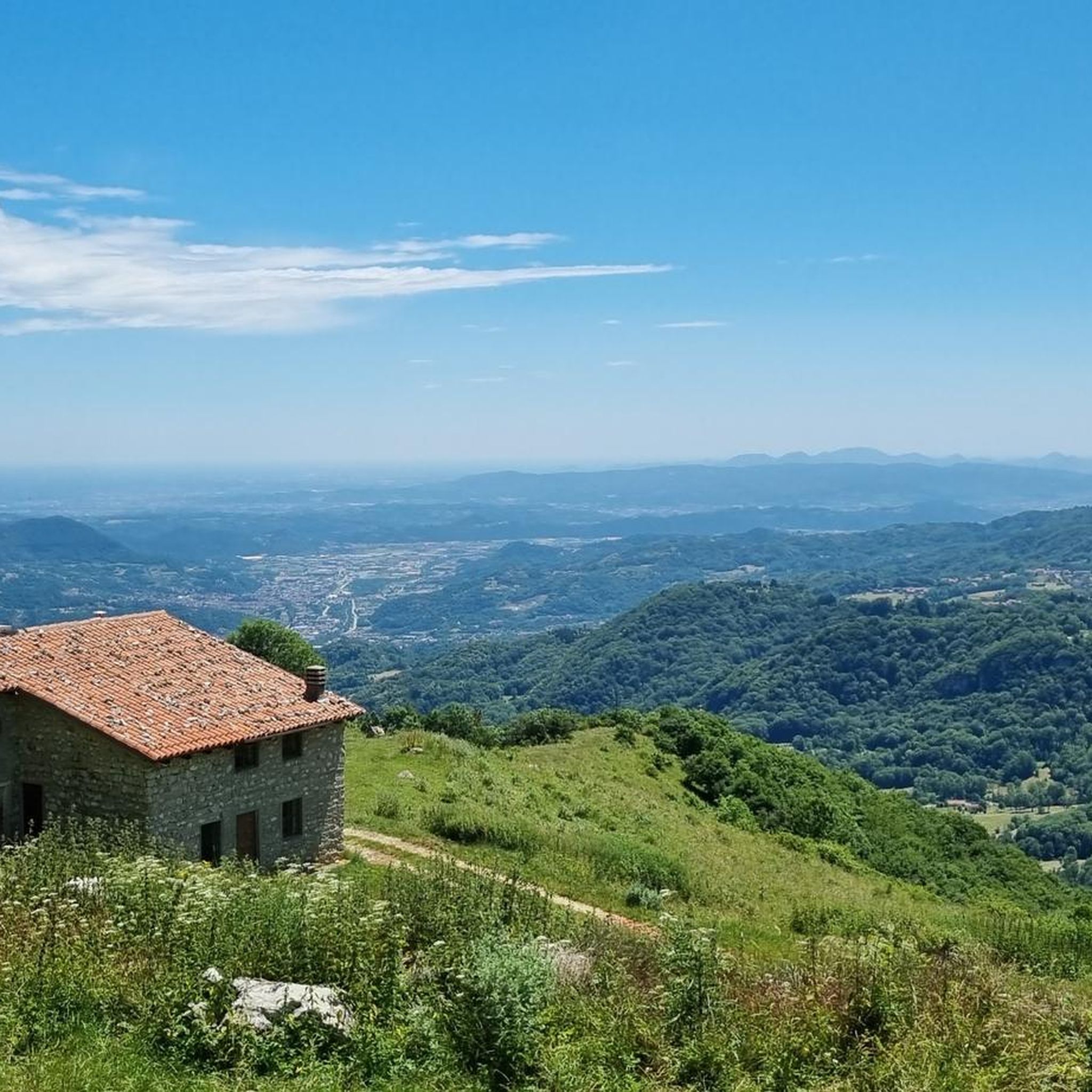
Trail 121 is a beautiful route for climbing the Tre Croci chain in one go. It begins in the woods, but as it climbs, it becomes increasingly rugged, rocky, and technical, passing rocky spires and panoramic vantage points. It ends with frequent switchbacks on a spectacular, increasingly narrow ravine, all the way to the Rìstele Pass. Accessing it from above and descending it is also very impressive, perhaps even more so: the view from the pass is impressive, with the steep trail seemingly ending in the void! The trail originated as a military mule track during World War I, part of the Italian defense system that controlled the border with the Austro-Hungarian Empire (now the border with Trentino).
0
0
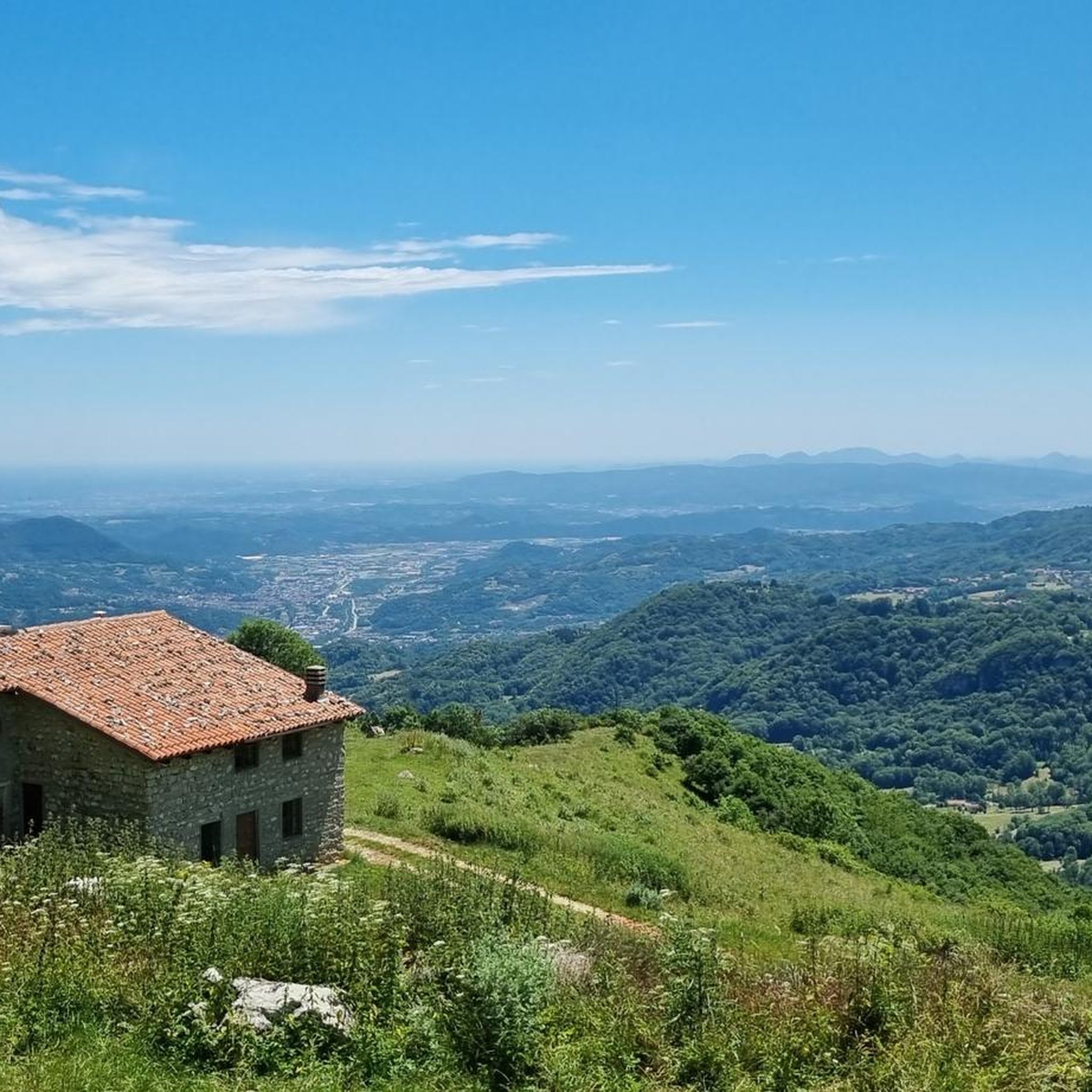
Buso del Bao is a suggestive passage in the woods: a stable wooden bridge (built by the Castelvecchio Alpine Group in 2019) crosses the stream of the same name, in correspondence with a small but fascinating gorge. The path beyond the bridge is also very beautiful, which goes up towards Contrà Urbani di Sopra, characterized by dark basaltic stones of volcanic origin.
2
0

Valle del Boia, a very fresh valley near the town of Campotamaso
0
0

Magnificent Braggion path all along the valley and the river, a path that leads to the Castiglieri cross, one of the most beautiful routes for those who live in the area. Campotamaso, Valdagno.
0
0
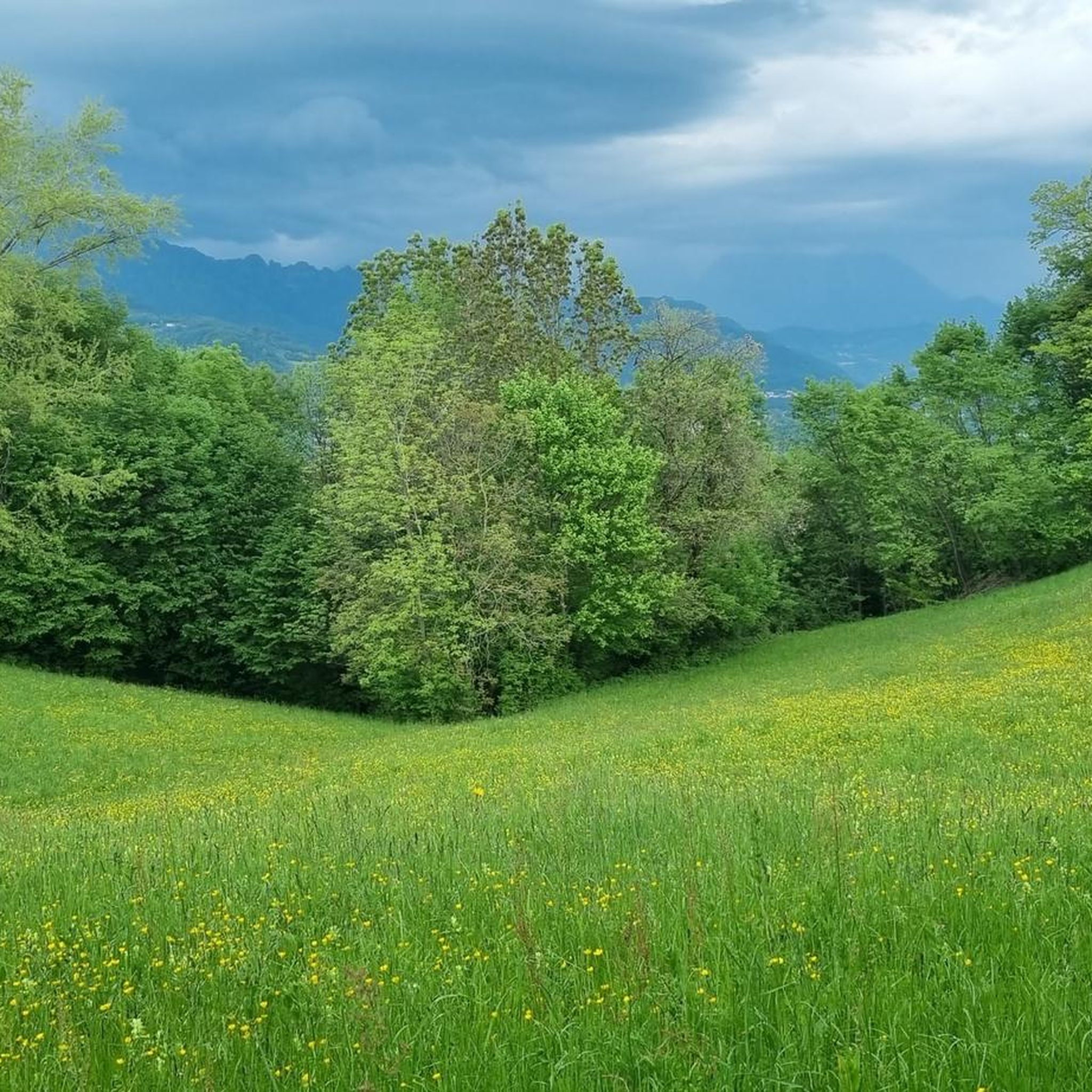
The deep, shady Boja Valley is a captivating and pristine environment: wild, humid, lush, captivating, and abundant with water. It flows alongside the rushing stream and encounters spectacular and unexpected waterfalls. It is, of course, at its best after days of heavy rain. It is essentially the outward journey of the Braggion Trail, which runs as a loop from/to Campotamaso. It can be treacherous due to the damp and wet terrain, although the most difficult sections are equipped with steel cables, steps, and small bridges. Many documents refer to it as the "Enchanted Valley" for its fairytale appearance, populated by anguàne and salbanèi. "Val del Boja" takes its name from a legend with horror overtones... A solitary family lived here: father, mother, and son, but the young woman died of illness; The man raised his son, named Mattia, with love, earning a living by working as a woodcutter, woodcarver, and herder. He always kept him with him, fearing something would happen to him; but one day, when the boy was eighteen, he sent him alone to sell the fruits of their labor in the village. Just on the way home, the young man was attacked and killed by bandits. When his father learned of this, he went mad and began killing anyone he encountered along the paths with an axe... a hangman, indeed! Until, one stormy night, he died, crying out the name of his beloved son for the last time.
2
0
The Val dei Molini is a surprisingly unspoiled and wild environment, where you enter a mysterious and evocative forest: water dominates, forming lively waterfalls and deep ravines; everywhere, lush moss covers rocks and tree trunks. You cross a series of small valleys (Val Sesura, Valle Arlene, Val dell'Asino, Val del Gambero, Val Smiderle, Val Bisele) and ford several streams that eventually flow into the Refosco stream. The Val d'Asino is particularly evocative, where two streams join in an enchanting clearing, forming waterfalls and a deep, winding ravine. The name reflects how the stream was once exploited: the remains of man-made structures, such as stone masonry and building foundations, bear witness to this. Obviously, the valley is at its best after days of rain.
2
0
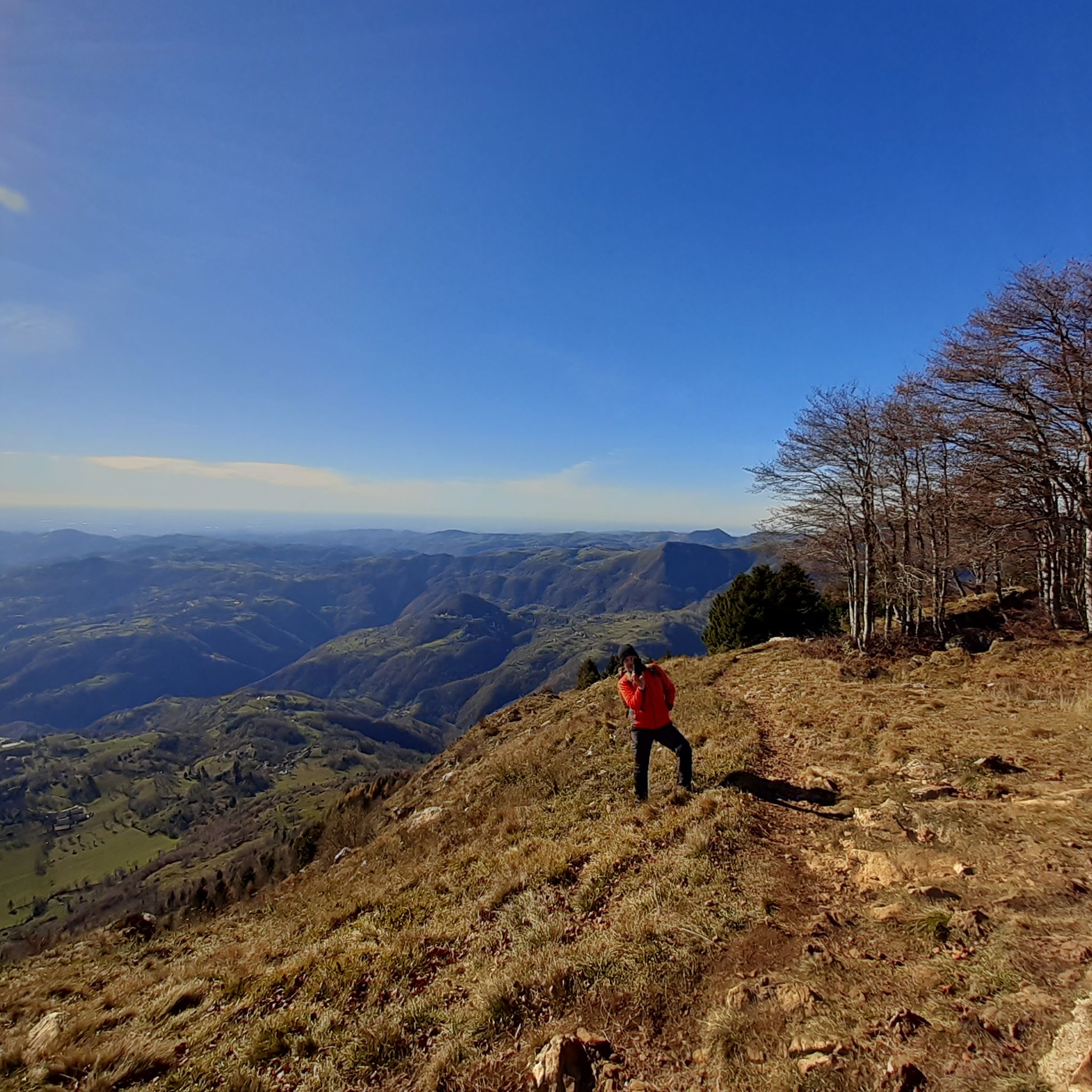
Truly magnificent! An Italian mule track from the Great War that winds along the rugged and spectacular Sengio Alto mountain range, in the heart of the Little Dolomites, among spires and towers, gorges and tunnels, with beautiful views of the valleys. After the Strafexpedition of 1916, the Austrian invasion of the Italian front, the Army Corps of Engineers built a series of routes to connect and supply the various observation and artillery positions at high altitude, complete with tunnels and shelters. The Sengio Alto offered a strategic natural barrier, dominating the enemy's possible invasion routes from the Vallarsa toward the Val Leogra and the Agno Valley. https://it.wikipedia.org/wiki/Catena_del_Sengio_Alto
2
0

The panoramic route is a succession of tunnels and remains of military posts. The challenging route develops in an alpine environment that should not be underestimated! Nothing to envy the path of the 52 Galleries!
1
1
Frequently Asked Questions
What kind of natural features can I expect to see in the gorges around Valdagno?
The gorges around Valdagno offer a variety of natural beauty. You can find picturesque ravines, stream-carved passages, and areas of geological interest. For example, Val dei Molini features lively waterfalls, deep ravines, and lush moss covering rocks. The Buso del Bao Bridge area is known for its dark basaltic stones of volcanic origin, while the Val del Boia boasts a wild, humid environment with spectacular waterfalls.
Are there any challenging canyon trails for experienced hikers near Valdagno?
Yes, for experienced hikers seeking a challenge, the Arroccamento Trail of Sengio Alto (SAT/CAI 149) is a demanding route. It follows a historical WWI path, climbing between jagged crests and gullies with constant changes in direction and elevation, offering exceptional panoramic views in the heart of the Little Dolomites. Another challenging option is the Vajo di Passo Risterle, which becomes increasingly rugged, rocky, and technical as it ascends.
What is the best time of year to visit the gorges around Valdagno?
The gorges and ravines around Valdagno are particularly captivating after days of heavy rain, as this is when the waterfalls and streams are at their most lively and impressive. This applies especially to areas like Val del Boia and Val dei Molini. Generally, spring and autumn offer pleasant temperatures for hiking, while summer can be refreshing near the water.
Are there family-friendly options for exploring the gorges near Valdagno?
While some trails can be challenging, there are options suitable for families. The area around Buso del Bao Bridge is described as manageable for children aged six or seven, offering a suggestive passage in the woods and a fascinating small gorge. The Fosse di Novale also provides a short, educational loop through an evocative geological area that can be enjoyed by families.
What other outdoor activities can I do near the gorges of Valdagno?
Beyond exploring the gorges, Valdagno offers a range of outdoor activities. You can find numerous running trails, cycling routes, and mountain hikes. For running, consider routes like the 'Agno – Torrente Agno loop from Valdagno'. Cyclists can enjoy tours such as 'On the hills of Valgonde'. For mountain hiking, there are challenging routes like the 'Rifugio Cesare Battisti – Monte Zevola loop'. You can find more details on these activities in the Running Trails around Valdagno, Cycling around Valdagno, and Mountain Hikes around Valdagno guides.
What kind of historical significance do some of the canyon trails have?
Several trails in the Valdagno area have significant historical importance, particularly from World War I. The Arroccamento Trail of Sengio Alto (SAT/CAI 149) is an Italian mule track from the Great War, winding through the Little Dolomites with tunnels and shelters. Similarly, the Vajo di Passo Risterle originated as a military mule track, part of the Italian defense system controlling the border with the Austro-Hungarian Empire.
Are there any specific tips for hiking in the Val del Boia?
The Val del Boia is a deep, shady, and often wet environment. While captivating, the terrain can be treacherous due to dampness. The most difficult sections are equipped with steel cables, steps, and small bridges to aid passage. It's part of the Braggion Trail, a loop from Campotamaso, and is best visited after heavy rains to see its spectacular waterfalls.
What should I know about the terrain when visiting the Buso del Bao Bridge?
When visiting the Buso del Bao Bridge, be prepared for a somewhat challenging ascent, especially if starting from Contrà Visonà, which involves a 200-meter altitude gain. Trekking shoes or shoes with good grip are recommended as the terrain is mountainous and can be humid. The path beyond the bridge is notable for its dark basaltic stones of volcanic origin.
What makes Val dei Molini a unique place to visit?
The Val dei Molini stands out for its surprisingly unspoiled and wild environment. It's a mysterious forest where water dominates, creating lively waterfalls and deep ravines. Lush moss covers rocks and tree trunks, and you'll cross a series of small valleys and ford several streams. The name itself reflects its history, with remains of old man-made structures hinting at how the stream was once utilized.
Are there any educational or geological points of interest in the Valdagno gorges?
Yes, the Fosse di Novale area near Valdagno offers a short educational loop through an evocative geological area. Here, hikers can explore shady woods, gorges, and outcrops that are rich in marls and fossils, providing insight into the region's geological past. The basaltic stones near the Buso del Bao Bridge also offer a geological point of interest.
What do visitors particularly enjoy about the gorges around Valdagno?
Visitors appreciate the serene natural environments, the geological interest, and the accessibility for hikers of varying skill levels. They enjoy immersive walks amidst diverse landscapes, from historical trails with panoramic views to pristine valleys with waterfalls. The community has shared over 60 photos and given more than 35 upvotes to these natural attractions, highlighting their appeal for outdoor enthusiasts.
Most popular routes around Valdagno
Most popular attractions around Valdagno

Get inspired with the komoot mobile app


Explore more
Already discovered everything in this region? See additional gorges around Valdagno for your next adventure:
