Top 10 Caves around Ispica
Best caves around Ispica are primarily located within the Cava d'Ispica, a 13-kilometer-long canyon between Modica and Ispica. This valley features archaeological and natural wonders, including rock-cut structures and ancient dwellings. The area served as a center for various civilizations from prehistoric times through the Middle Ages. It offers an open-air museum showcasing millennia of human presence and adaptation to the natural landscape.
Best caves around Ispica
- The most popular caves is Cava d'Ispica, a gorge featuring prehistoric caves…
Last updated: June 30, 2026
Cava d'Ispica
Highlight • Gorge
Translated by Google •
Tip by

Museum in Caves – Water Mill and Cave Museum
Highlight • Historical Site
Translated by Google •
Tip by

Sign up now to discover places like this
Get recommendations on the best single tracks, peaks, & plenty of other exciting outdoor places.
Sign up for free
Catacomb of Larderia
Highlight • Cave
Translated by Google •
Tip by

Rock Walls and Cave in Cava d'Ispica
Highlight • Cave
Translated by Google •
Tip by

Castello di Castelluccio
Highlight • Castle
Translated by Google •
Tip by

Sign up for free to discover even more caves around Ispica.
Sign up for free
Already have an account?
Start today with a free account
Your next adventure awaits.
Login or Signup
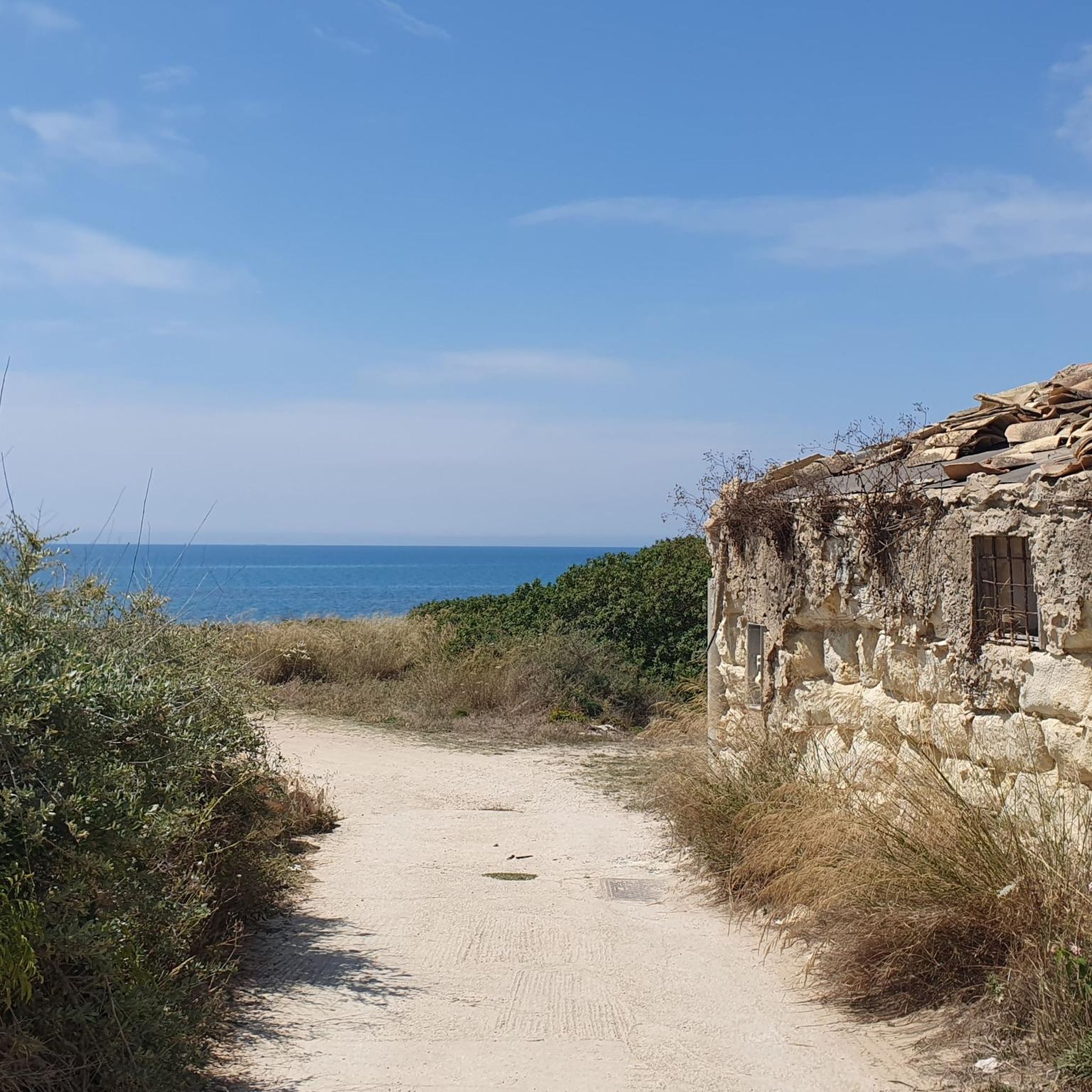
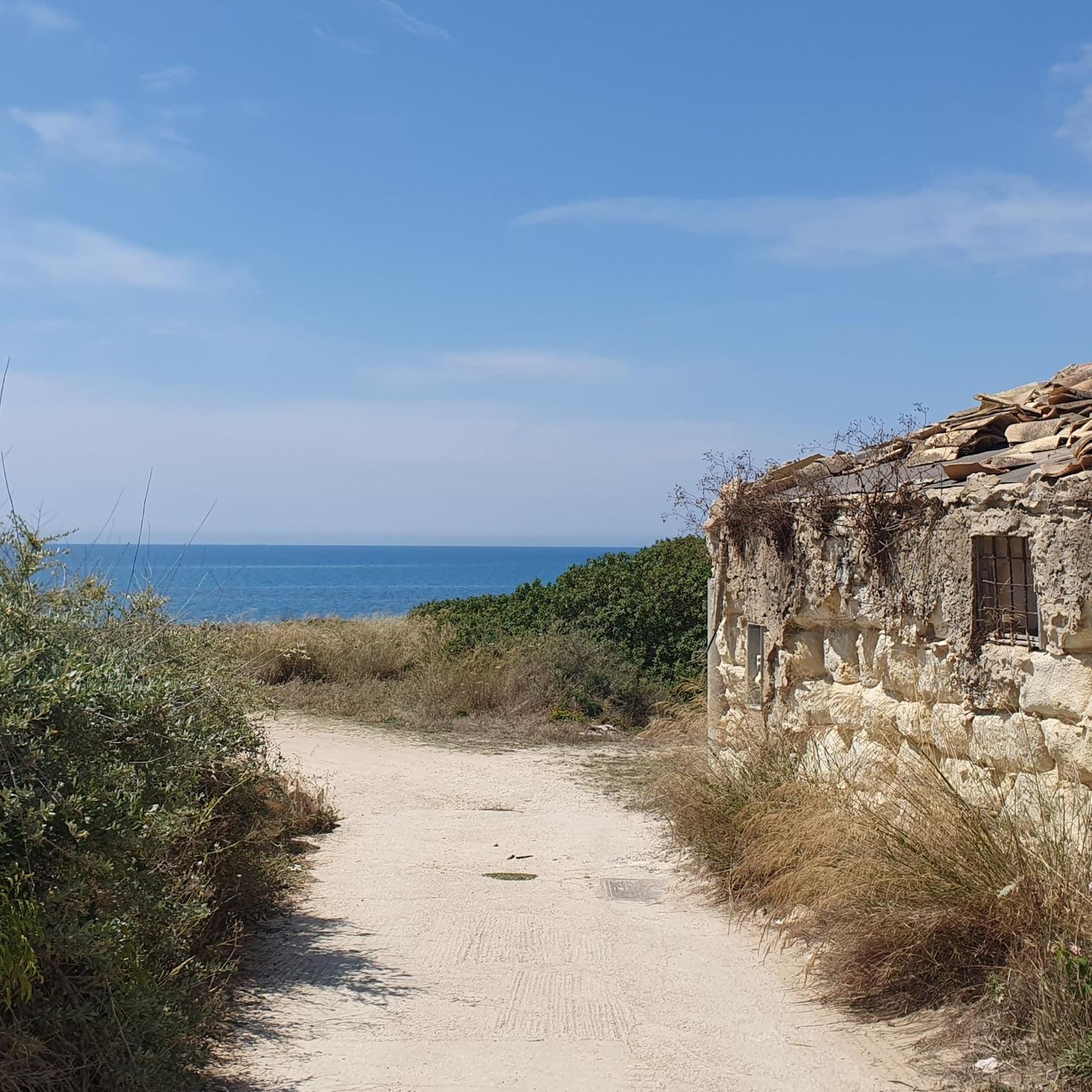
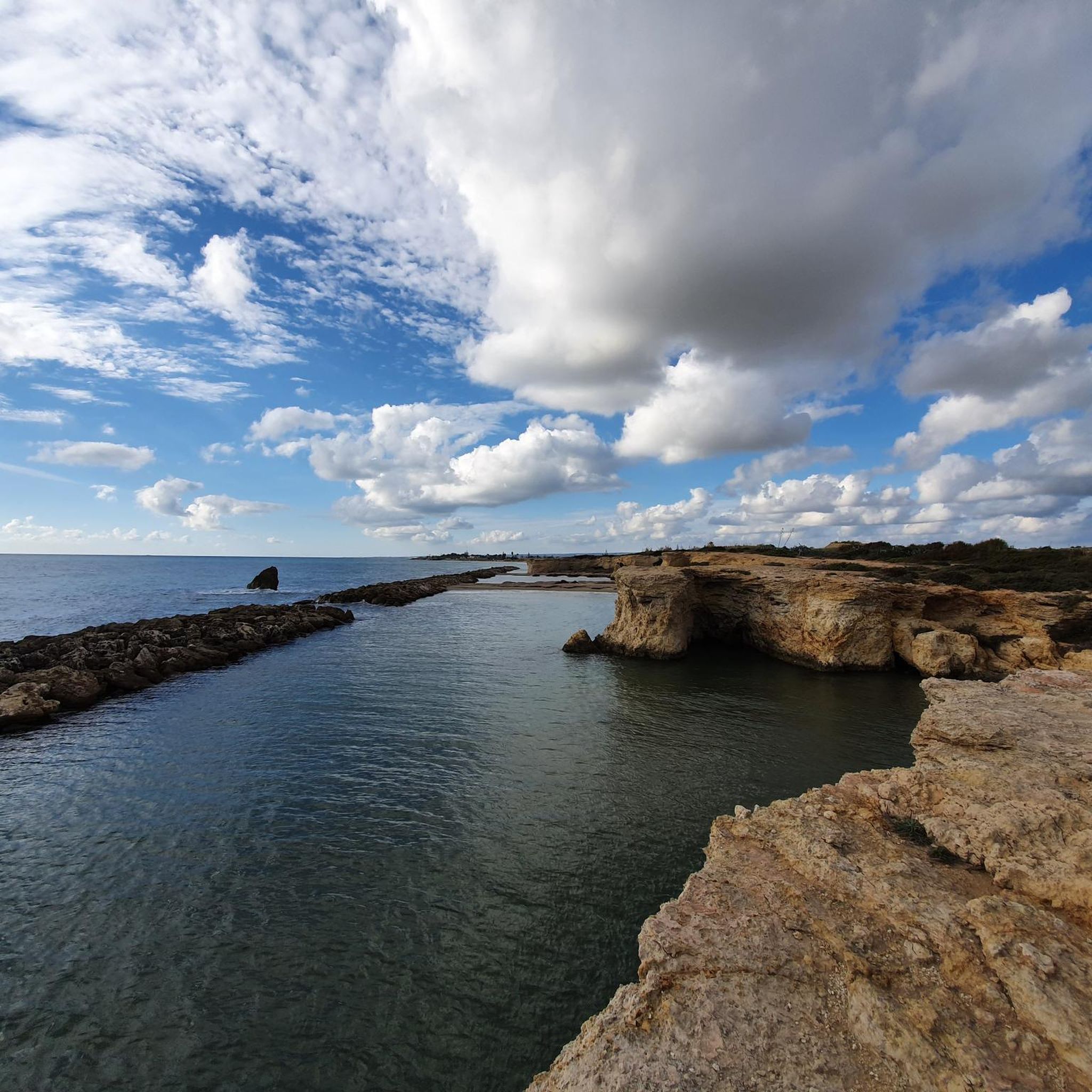
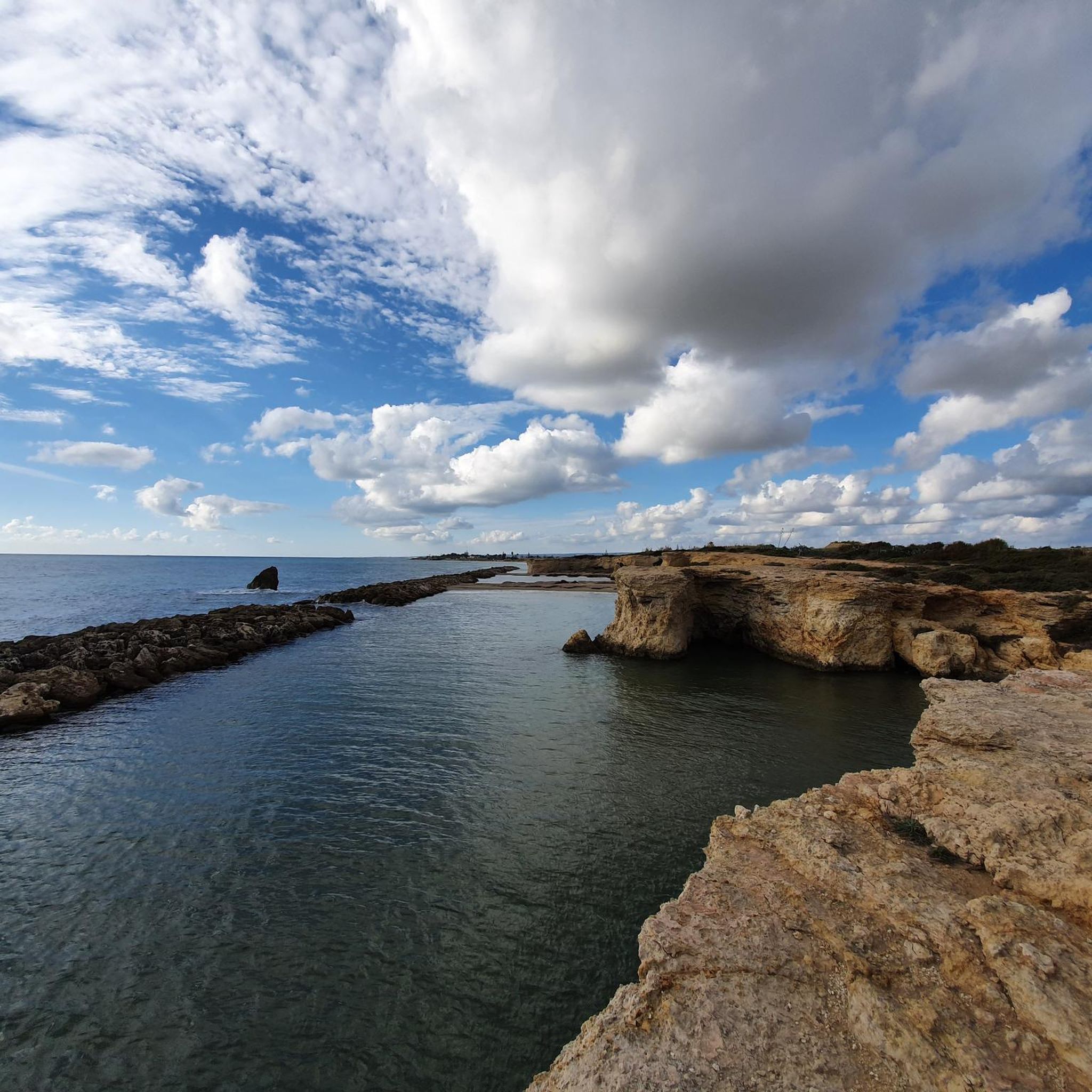
Tips from the Community

The hiking trail runs entirely through a riverbed, making it heavier than normal. The caves are shielded within a tourist attraction and are not accessible. On Tuesdays in late April, it is also not open and few people are seen, so probably still closed in the early season. All in all, not an attractive part to walk either. A little bit for the experience is nice, but then it's quickly over, because you only have to look down where you can place your feet.
0
0

Harnessing the power of moving water to drive a mill wheel is an ancient invention, documented as early as pre-Christian times. Thanks to such a design, a watercourse – natural or artificial – could easily replace human or animal muscle power, for example, to grind grain into corn. There are essentially two drive variants for watermills: Either the water simply hits the blades of the water wheel from below to set it in motion; or the water is guided above the wheel and falls onto the blades. This design utilizes natural gravity to achieve greater efficiency.
2
0

Over three floors you will find houses, stables and cisterns hewn into the rock. There are information panels and a paved path. In the castle itself you can climb around and enjoy the rooms and the view. The last residents left in the 1950s.
0
0
Entrance fee 5€. There is also an audio guide in different languages
0
0
Hiking shoes recommended. The gorge is partly overgrown, especially in spring. But you can hike through the entire gorge.
0
0
The deeper you go into the gorge, the more difficult the paths become. At the gorge entrance, sneakers are also sufficient; if you hike further, you will need hiking shoes.
0
0

The rock church of the saints, even with the partially collapsed hearse, is worth it.
1
0

beautiful hike through the gorge
0
0
Frequently Asked Questions
What kind of historical sites can I explore in the caves around Ispica?
The caves within the Cava d'Ispica are rich in history, serving as an open-air museum. You can explore sites ranging from prehistoric necropolises and early Christian catacombs to medieval dwellings and rock churches. Notable examples include the monumental Catacomb of Larderia, the ancient dwellings of Lady's Cave, and the Byzantine-era Grotta dei Santi with its frescoes.
Are there any specific rock-cut churches or religious sites in the Cava d'Ispica?
Yes, the Cava d'Ispica features several significant rock-cut religious sites. You can find the Museum in Caves – Water Mill and Cave Museum which includes a rock church of the saints, and the Grotta dei Santi with its frescoes depicting 36 saints. Other examples include the Rock Church of Santa Maria and the Church of San Nicola, both with remnants of ancient frescoes, and the early Christian Catacombs of San Marco.
What are the main natural features of the Cava d'Ispica?
The Cava d'Ispica is a 13-kilometer-long canyon carved out of limestone, offering dramatic views and a lush natural environment. It features impressive rock walls, a stream, and diverse vegetation. The canyon itself provides a scenic backdrop for exploring the historical cave structures, making it a blend of natural beauty and archaeological significance.
What is the Cava d'Ispica and what makes it unique?
The Cava d'Ispica is a 13-kilometer-long canyon that served as a vital center for various civilizations from prehistoric times until the Middle Ages. Its uniqueness lies in its role as an 'open-air museum,' showcasing millennia of human presence through rock-cut structures like dwellings, tombs, and churches, all integrated into a striking natural landscape.
Are there hiking opportunities within the Cava d'Ispica?
Yes, the Cava d'Ispica offers excellent hiking opportunities. You can enjoy a beautiful hike through the canyon, exploring its natural and archaeological wonders. For some sections, especially deeper into the gorge, hiking shoes are recommended as paths can become more challenging or overgrown. The Rock Walls and Cave in Cava d'Ispica is a popular spot for a scenic hike.
What kind of ancient dwellings can be found in the Ispica caves?
The caves around Ispica contain diverse ancient dwellings, showcasing how past civilizations adapted to the natural landscape. Examples include the multi-level structures of Grotte Cadute, which were used as dwellings during the medieval age, and the Lady's Cave, believed to have provided shelter during Saracen raids. The Castello di Castelluccio also features houses, stables, and cisterns hewn into the rock across three floors.
What other outdoor activities can I do near the caves of Ispica?
Beyond exploring the caves, the region around Ispica offers various outdoor activities. You can find numerous routes for hiking, including a challenging ring tour of Cava San Lazzaro and Cava d'Ispica. There are also dedicated running trails and extensive cycling routes, such as the EuroVelo 7 loop, allowing you to experience the diverse landscapes of the area.
Is there an entrance fee to visit the Cava d'Ispica or its main sites?
While the Cava d'Ispica itself is an open canyon, some specific archaeological sites within it may require tickets. For instance, visiting the Catacomb of Larderia requires a ticket. It's advisable to check local information for specific sites you plan to visit.
What is the Necropolis of Calicantone?
The Necropolis of Calicantone is an important archaeological site within the Cava d'Ispica. It features a complex of rock-cut tombs dating back to the protohistoric age, offering insight into the burial practices and ingenuity of the early inhabitants of the region.
What is the Spezieria (Apothecary) in Cava d'Ispica?
The Spezieria is a unique quadrangular room found within the Cava d'Ispica. It is notable for having dozens of grooves carved into its walls, which scholars believe were used as shelves and closets for storing pots, ointments, creams, and herbal potions. This suggests it functioned as an ancient pharmacy, providing a glimpse into the daily life and medicinal practices of its past inhabitants.
What do visitors enjoy most about the caves around Ispica?
Visitors particularly appreciate the unique blend of history and nature. They enjoy the opportunity to travel through time by exploring ancient dwellings, catacombs, and rock churches carved into the landscape. The scenic beauty of the Cava d'Ispica gorge itself, with its lush vegetation and dramatic views, also makes for a memorable experience, often described as an 'open-air museum'.
Most popular attractions around Ispica

Get inspired with the komoot mobile app


Explore more
Extend your search for the best caves by checking out these guides of the top ones around Ispica:
