Top 10 Caves around Castello Tesino
Best caves around Castello Tesino are primarily karstic cave systems, notably the Grotte di Castello Tesino, also known as "Bus de la Lora." This region in Trentino features underground formations sculpted by water over millennia, creating diverse geological features. The caves hold archaeological significance, with traces of prehistoric life, including cave bear markings. As the only cave system in Trentino equipped for tourist visits, it offers an accessible way to explore a subterranean environment.
Best caves around Castello Tesino
- The…
Last updated: June 30, 2026
Grotta dell'acqua nera
Highlight • Cave
Translated by Google •
Tip by

Cima Caldiera Logistics Base Caves (World War I)
Highlight • Historical Site
Translated by Google •
Tip by

Sign up now to discover places like this
Get recommendations on the best single tracks, peaks, & plenty of other exciting outdoor places.
Sign up for free
Bus de la Bela
Highlight • Cave
Translated by Google •
Tip by

Quota 2093 / Biancardi Gallery WW1
Highlight • Historical Site
Translated by Google •
Tip by
Old Road of the Cismon Gorge
Highlight • Gorge
Translated by Google •
Tip by

Sign up for free to discover even more caves around Castello Tesino.
Sign up for free
Already have an account?
Start today with a free account
Your next adventure awaits.
Login or Signup
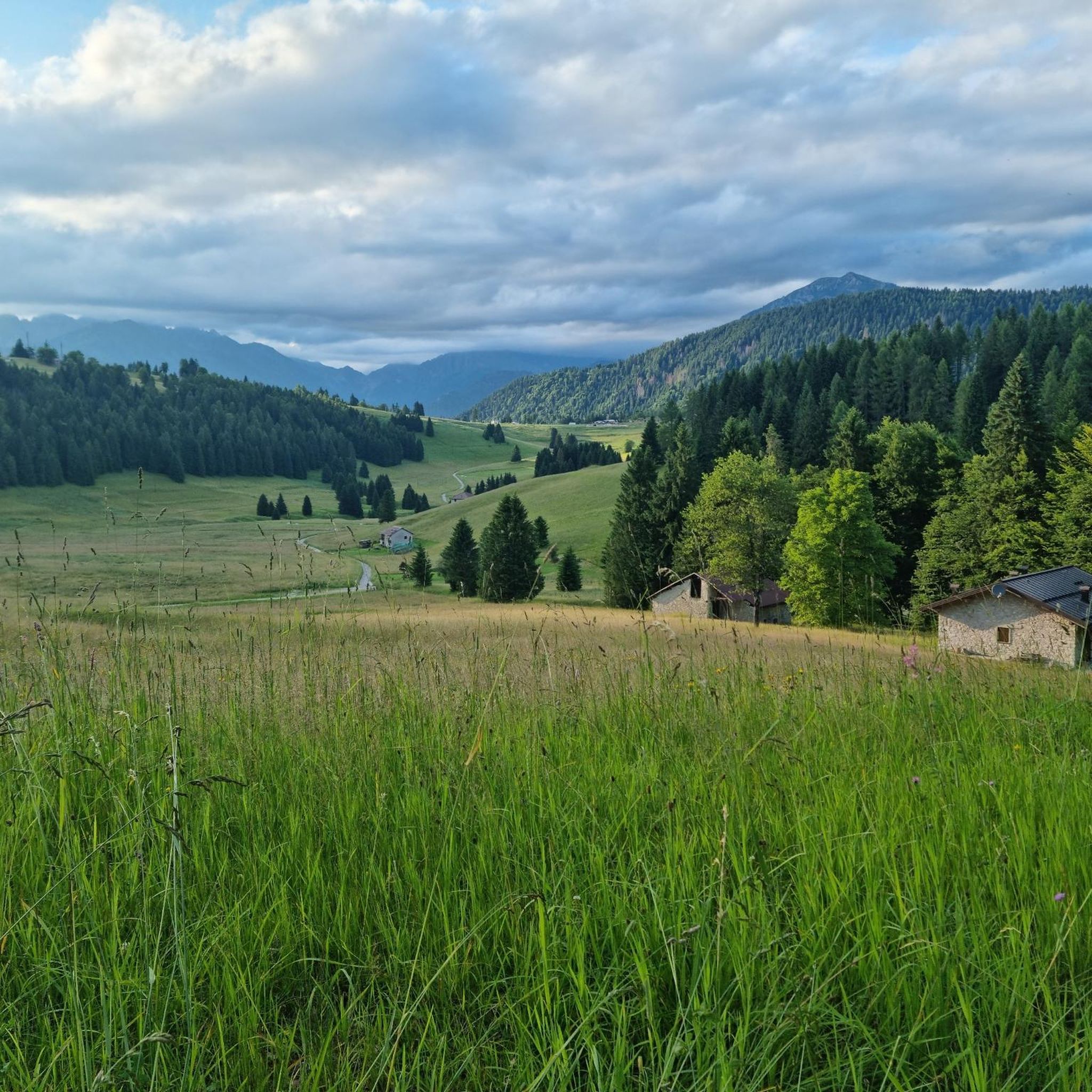
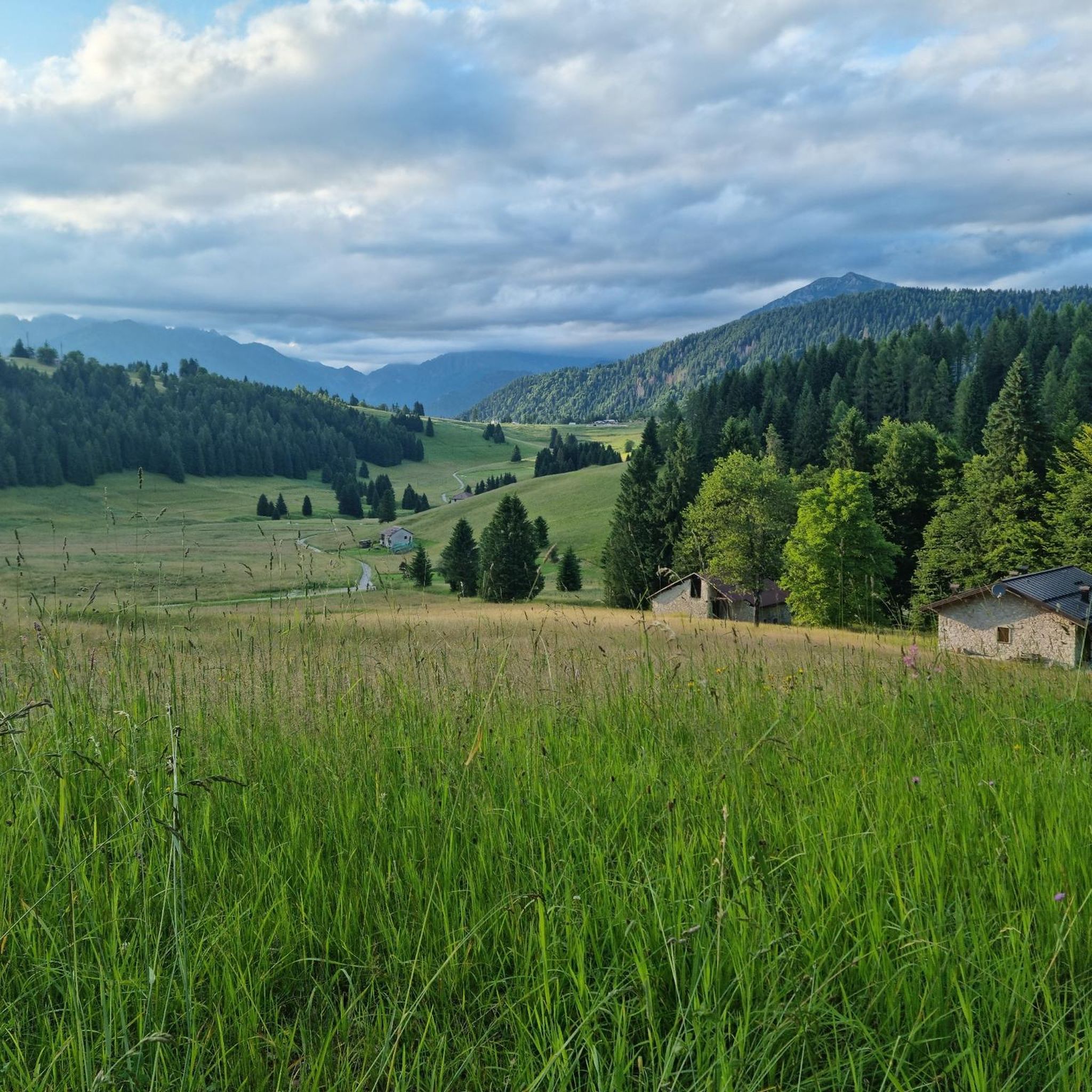
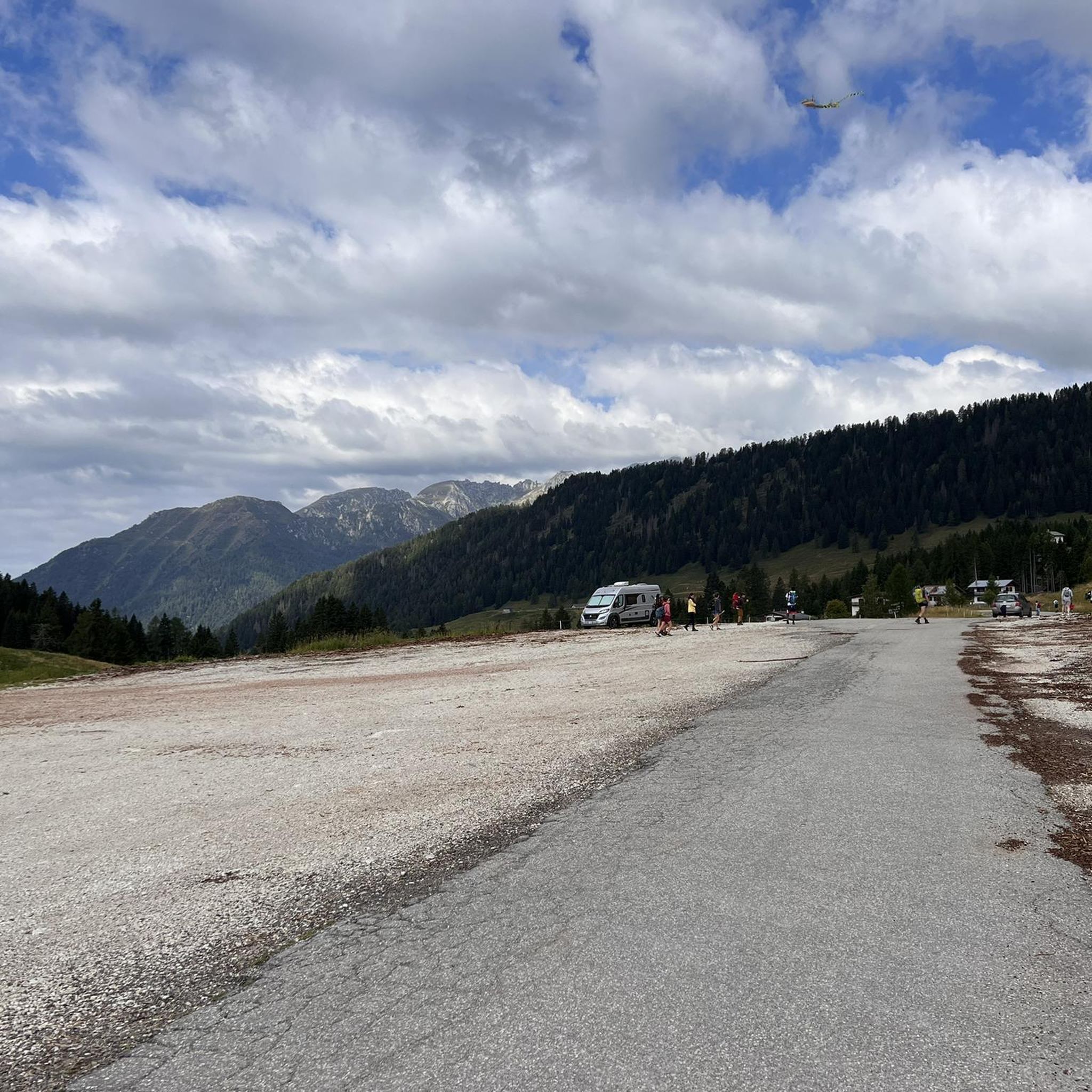

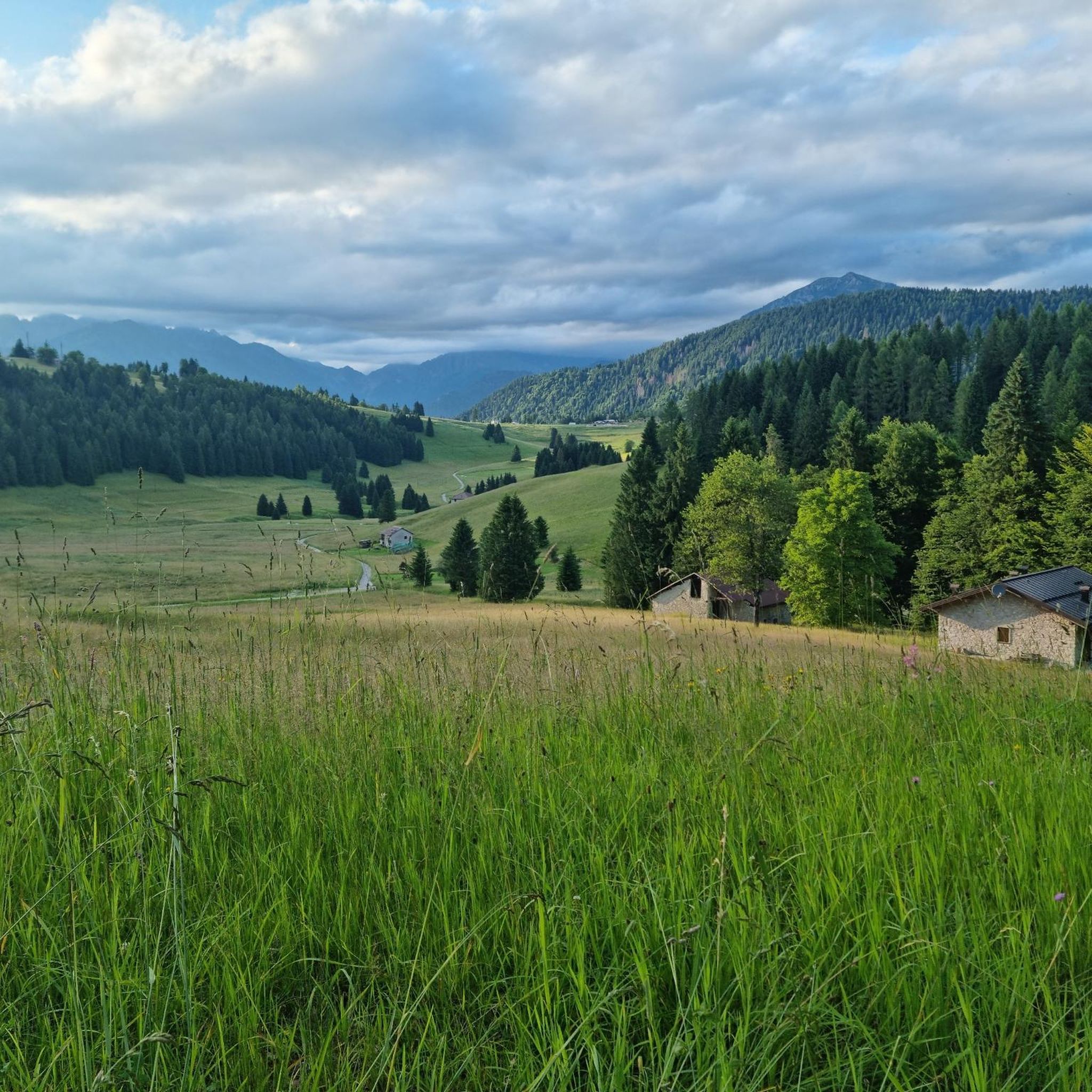
Tips from the Community

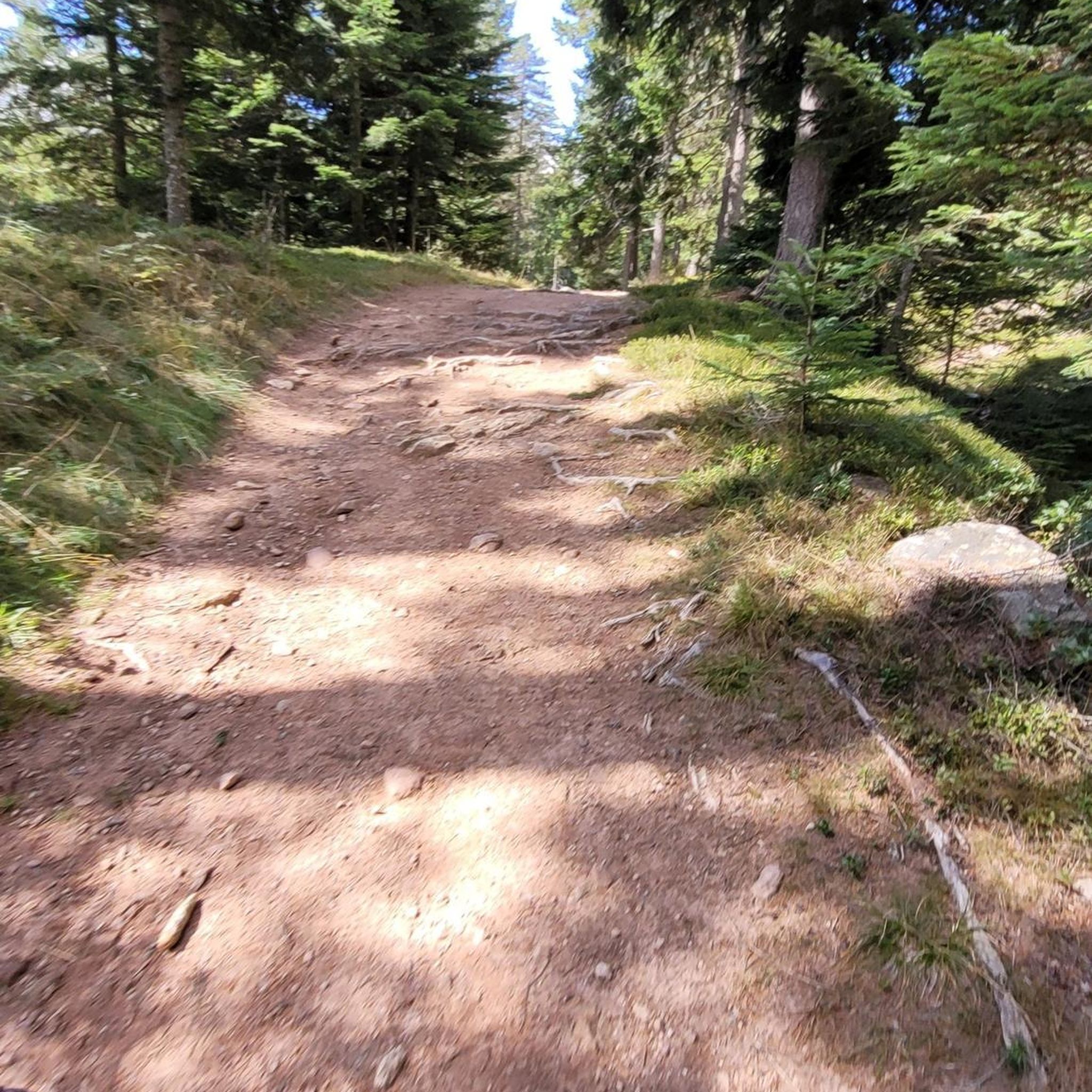
Very steep section that leads to the top of Ortigara, it is useful to have a headlamp with you
1
0

The tunnel was initially an Austro-Hungarian machine gun emplacement (2093 m), designed to defend the overlooking 2101 m of Mount Ortigara. It was later captured by the Alpine troops during the first attack on June 10, 1917, becoming the headquarters of the Italian command of Colonel Pietro Biancardi, from whom it takes its current name. A must-see on the trail connecting the summit of Mount Ortigara to the Agnella Pass: fascinating, steep, and facilitated by steps and ropes. The imperial emplacements are accessed by descending into a shaft using metal supports (technical descent, only for experts).
1
0
During the First World War, in view of the Battle of Ortigara in 1917, the area on the eastern slopes of Cima Caldiera was transformed into an Italian logistics base of enormous tactical importance: one of the main storage centers for food, ammunition, tools and materials needed for combat and the sustenance of the troops. It was located on the slope sheltered from enemy fire, but close to the front line, to which it was connected by a web of walkways; it was accessible via a wide and comfortable road from Piazzale Lozze, which is now used as a path; the six tunnels dug one after the other, connected internally by a single corridor, served as warehouses and were hidden from view by external wooden barracks that, leaning against the rock, covered the entrances. Two interesting tables show the inventory of the goods stored: food for the soldiers, daily rations and materials for the Engineers.
0
0

Suggestive place: with little sun!
0
0
The large entrance hall of this cave conceals a deep, dark mouth, filled by an underground stream that is always well-fed, even in dry periods. This is the entrance—reserved for cave divers—to a vast and intricate network of cavities deep within the mountain. The water is actually clear, and it is thought that the name derives from the dark moss-covered floor, over which the stream flows before flowing into the Senaiga. Due to the cave's complex morphology and technical difficulties, exploration began only in the 1970s, and so far, cave divers have discovered a 1,600-meter stretch of siphons and difficult passages. In the 1930s, dye injections proved that this cave communicates with the Castello Tesino Caves, a few kilometers away. Furthermore, an examination of the fine sand found inside, rich in granite crystals, testifies to a significant contribution of water coming from the Cima d'Asta group, much higher and much more distant!
2
0
This large cave has various names: Bus de la Bela, Bus de la Vecia, Bus de la Tosa, Grotta di San Donato, and Grotta dell'Orso. The skeleton of an Ursus Spalaeus (Cave Bear) was found there, a prehistoric animal of imposing size that surpassed that of today's grizzly bear: 3.5 meters (standing) and weighing almost 1 ton. Three explanatory panels at the entrance tell its story. The skeleton is visible free of charge at the Lamon Town Hall. The remains of this mammal have been found in numerous caves across Europe, an environment they used as a dwelling and for hibernation. They often competed with prehistoric humans for ownership of the cave, and one theory suggests they became extinct precisely because of predation by our ancestors. In ancient times, the bones found were attributed to dragons or griffins! Opposite the cave, climbing a short, exposed ramp equipped with a cable leads to a beautiful waterfall. https://it.wikipedia.org/wiki/Ursus_spelaeus
0
0

Road that overlooks a deep gorge of the Cismon torrent. The old asphalt road is currently closed for works and it is very difficult to cross the torrent on the dam wall
0
1

Old road that runs alongside the infamous "strada statale 50 del Grappa e del Passo Rolle" and reaches the border with Trentino-Alto Adige. It is one of the most well-known and appreciated mountain roads in the Alps, especially for the suggestive scenarios and natural landscapes in which its route winds.
3
0
Frequently Asked Questions
What types of caves can I explore around Castello Tesino?
The region around Castello Tesino features primarily karstic cave systems, such as the Grotte di Castello Tesino, also known as "Bus de la Lora." You can also find historical caves, including World War I logistics bases, and sites with significant archaeological findings like prehistoric animal remains.
What unique natural formations can I see in the caves of Castello Tesino?
The karstic caves are known for their 'fairy-tale landscape' sculpted by water, featuring a variety of stalactites, stalagmites, columns, and other concretions. You can also observe basins and ponds formed by underground water flows. The Grotta dell'acqua nera, for example, conceals an underground stream.
Are there any caves with historical significance in the area?
Yes, several caves have historical importance. The Quota 2093 / Biancardi Gallery WW1 was an Austro-Hungarian machine gun emplacement that later served as an Italian command headquarters during World War I. Similarly, the Cima Caldiera Logistics Base Caves (World War I) were Italian logistics bases for troops during the war.
What archaeological discoveries have been made in the caves?
The Grotte di Castello Tesino hold rare traces of prehistoric life, including markings believed to be from the *Ursus Speleus Ros*, or cave bear, from the Quaternary age. The Bus de la Bela is another significant site where remains of the *Ursus spelaeus* (Cave Bear) were found.
Is the Grotte di Castello Tesino suitable for families?
The Grotte di Castello Tesino offers an educational and adventurous experience for families. It is the only cave system in Trentino equipped for tourist visits, making it accessible. However, visitors must be at least 110 cm (or 1.20m) tall, and the tour requires trekking gear.
What is the typical duration of a visit to the Grotte di Castello Tesino?
The internal guided tour of the Grotte di Castello Tesino lasts approximately 1.5 hours. The entire activity, including walks to and from the cave entrance, typically takes about 3 to 3.5 hours.
What should I wear when visiting the Grotte di Castello Tesino?
Trekking gear is mandatory for visiting the Grotte di Castello Tesino. This includes walking boots, a windbreaker, and a backpack. The internal temperature of the cave remains a constant 8 degrees Celsius (46.4 degrees Fahrenheit) year-round, so dress warmly.
Do I need to book my visit to the Grotte di Castello Tesino in advance?
Yes, visiting the Grotte di Castello Tesino requires advance reservation, typically by 12 p.m. (noon) the day prior to your visit. You can find more information on booking at Visit Trentino or Visit Valsugana.
What kind of wildlife can be found in the caves of Castello Tesino?
Despite limited terrestrial fauna, the Grotte di Castello Tesino is home to interesting arthropod species. A unique crustacean called *Niphargus galvagnii Ruffo, 1953* has been found exclusively in this cave.
Are there hiking trails near the caves around Castello Tesino?
Yes, there are numerous hiking opportunities in the area. Popular routes include the Trodo dei Fiori botanical trail to Forcella Cavallara, Monte Coppolo Summit Trail, and the Monte Cauriol Loop. You can find more details on these and other trails in the Hiking around Castello Tesino guide.
Can I go cycling near the caves of Castello Tesino?
Absolutely. The region offers various cycling routes, such as the Five Crosses Pass – Forcella Pass loop or the Castello Tesino – Passo Brocon loop. For more cycling options, explore the Cycling around Castello Tesino guide or the Road Cycling Routes around Castello Tesino guide.
Most popular routes around Castello Tesino
Most popular attractions around Castello Tesino

Get inspired with the komoot mobile app


Explore more
Extend your search for the best caves by checking out these guides of the top ones around Castello Tesino:
