Top 12 Caves around Trissino
Best caves around Trissino are found in a region characterized by its karst landscape and geological formations. The area, particularly around the Faedo-Casaron plateau, features numerous underground systems shaped by water erosion over millions of years. These natural features contribute to the area's appeal for outdoor exploration. The landscape offers a variety of natural monuments and historical sites for visitors to discover.
Best caves around Trissino
- The most popular caves is Buso della Rana Cave, a natural monument and…
Last updated: October 17, 2026
Papalini Waterfall
Highlight • Waterfall
Translated by Google •
Tip by

Buso della Rana Cave
Highlight • Cave
Translated by Google •
Tip by

Sign up now to discover places like this
Get recommendations on the best single tracks, peaks, & plenty of other exciting outdoor places.
Buso delle Anguane Cave
Highlight • Cave
Translated by Google •
Tip by
Le Priare di Montecchio Underground Complex
Highlight • Cave
Translated by Google •
Tip by


Sign up for free to discover even more caves around Trissino.
Already have an account?
Start today with a free account
Your next adventure awaits.
Tips from the Community

The Buso della Rana is the largest cave in the Veneto region and one of the most extensive in Italy, with a network of caves stretching almost 30 km in total (40 km including the Pissatèla complex above, to which it is connected). Located beneath the Faedo-Casaròn Plateau, it is an intricate karst system that collects and channels the plateau's waters into the Rio Rana, which flows at the entrance. It was formed when rainwater seeps into the permeable limestone surface layer and, encountering the underlying impermeable basalt (volcanic rock), flows laterally, eroding the rock. Over millions of years, this has created a complex labyrinth of horizontal tunnels, chambers, chimneys, siphons, and small lakes traversed by underground streams. Because it drains the plateau's waters, the cave is subject to flash floods, making exploration treacherous. Inside, the temperature remains constant between 10 and 12°C year-round. It is freely accessible through the monumental entrance and by proceeding along the Main Branch for about fifty meters, until reaching the first flooded corridor or Siphon, a horizontal constriction that requires crawling. From there, it is the preserve of speleologists or exciting and adventurous guided tours organized by associations like Biosphera (see link). The internal branches are not marked, and one must know the way. The name of the cave has nothing to do with the amphibian, but is an Italianized term from the Cimbrian word "roan," meaning "rocky wall," referring to the cliff at the entrance. https://www.busodellarana.it https://esplora.biosphaera.it/luoghi/buso-della-rana/
0
0
The Buso delle Anguane is a fascinating cave in the rock with a natural balcony overlooking the Chiampo Valley: a place of mystery and legends, in ancient folk tales it was the home of the anguane, evil creatures that attracted men with their comely appearance. https://it.wikipedia.org/wiki/Anguana The path to reach the cave is quite impervious and challenging, not very visible and not signposted along the asphalt road.
0
0
The Cascata dei Papalini suddenly appears in a small clearing in the heart of the forest, along the path: over time the falling water has formed a columnar deposit of gray limestone that descends like a drape and that partly acts as a springboard for the jet. But the peculiarity and spectacular nature of this waterfall is the possibility of seeing it even from behind the scenes: in fact, by climbing to the left on a short but steep path, you reach a natural roof of the rock from which you can observe the forest below through the curtain of water, without getting wet! The passage is not protected and is wet, so you need to pay particular attention. Like all torrential waterfalls, it is not always full and active: you need to look for the right period, perhaps after heavy rains, to visit it in all its thunderous splendor.
1
0

Point quite easy to reach unless it has rained recently, in which case I would advise caution. Very suggestive view from inside the "Buso"
0
0

Beautiful waterfall, it looks like a face with one eye, a big nose and teeth😊
1
0

The Papalini waterfall is a small waterfall in the middle of the woods, it deserves to be seen
0
0
An extremely evocative and interesting site, hidden and unexpected, almost surreal: it surprises with its vastness and the slender square columns supporting the titanic ceiling... it feels like being inside a temple in ancient Mesopotamia or in the mines of Moria from Tolkien's memory! The Priàre (from 'pria', meaning stone in the Venetian dialect) are a complex of underground quarries and tunnels for the extraction of the renowned "soft Vicenza stone," active from Roman times until the mid-20th century. During the bombings of World War II, the quarries were used by the inhabitants of Montecchio as a refuge; between 1972 and 1985, they were exploited as a mushroom farm, thanks to the humidity and constant temperature throughout the year; Afterwards, they were abandoned until their redevelopment and safety measures in 2000. Vicenza Stone is a highly prized material, always highly appreciated and sought after in architecture and construction: beyond its aesthetic appeal, it is soft and malleable when freshly quarried, but upon contact with air, it "seasons," hardening and becoming extremely resistant over time. This rock was used to build the Montecchio fortresses and by Andrea Palladio for his works. It has always been quarried strictly by hand, using the same technique for millennia, in square blocks; this is why the quarries have such a geometric appearance. Open Sunday afternoon; entry is only possible with a (very interesting) guided tour lasting about 40 minutes; admission is €3. Please note that payment by POS is not possible due to the lack of signal. https://www.prolocoaltemontecchio.it/cosa-vedere/le-priare/
2
0

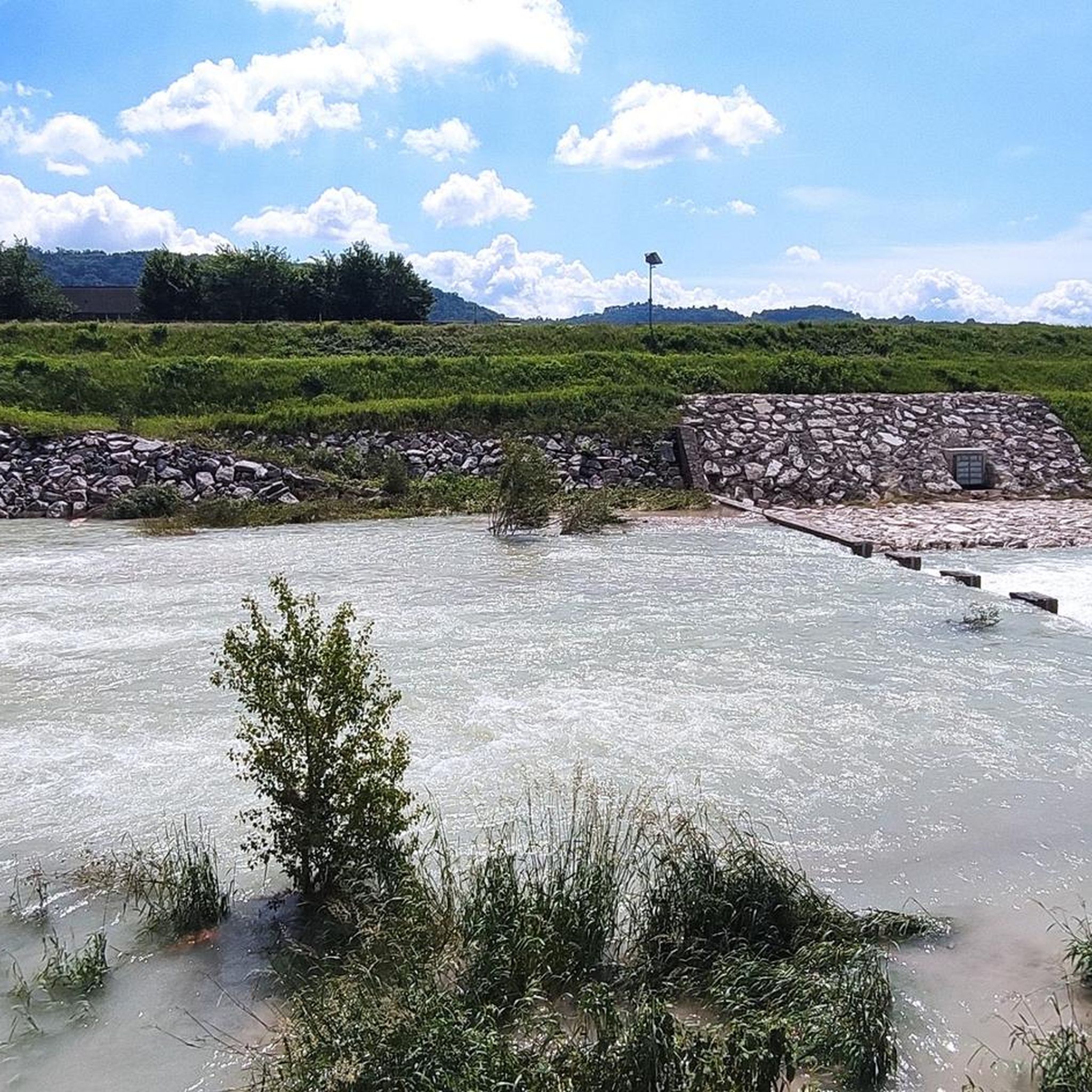
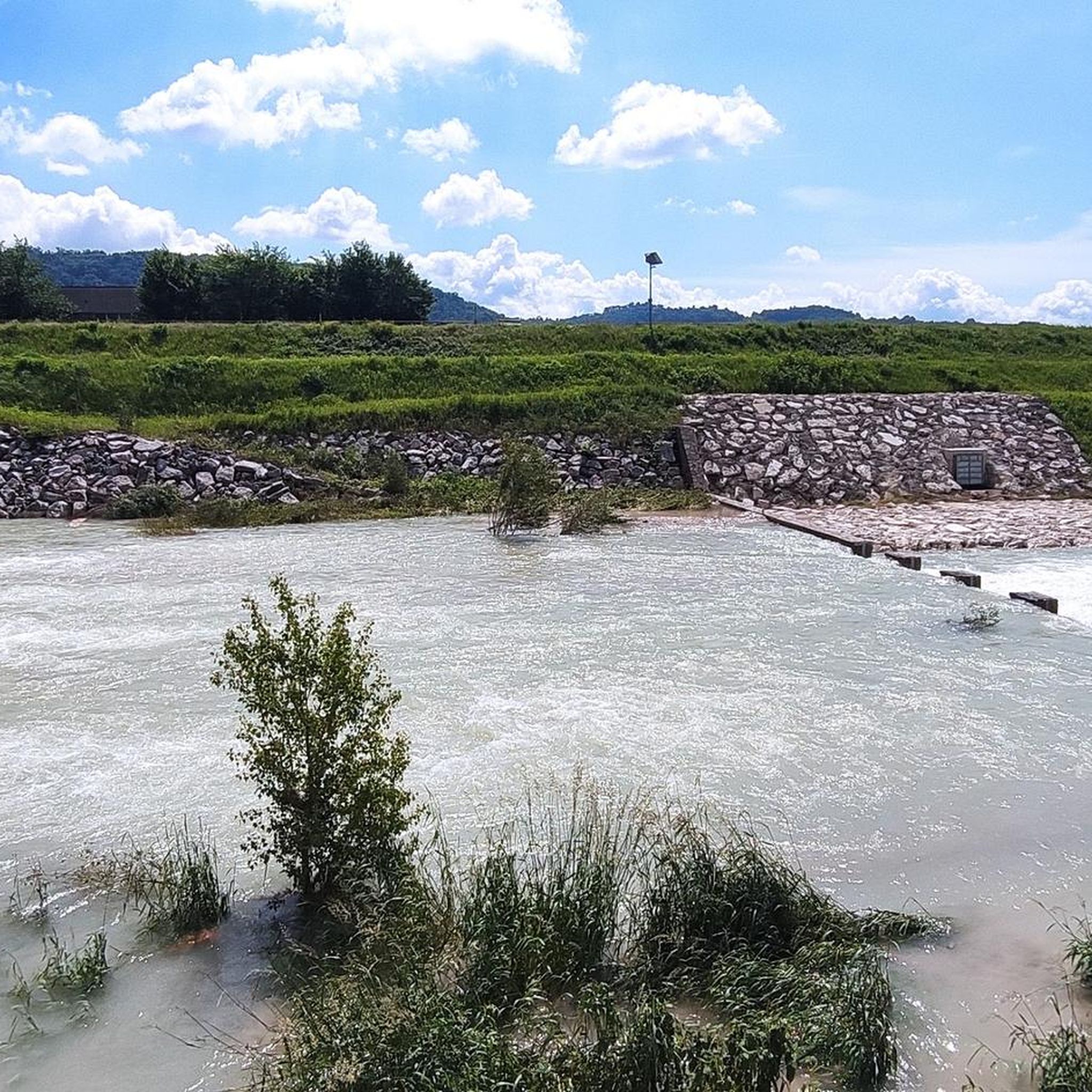
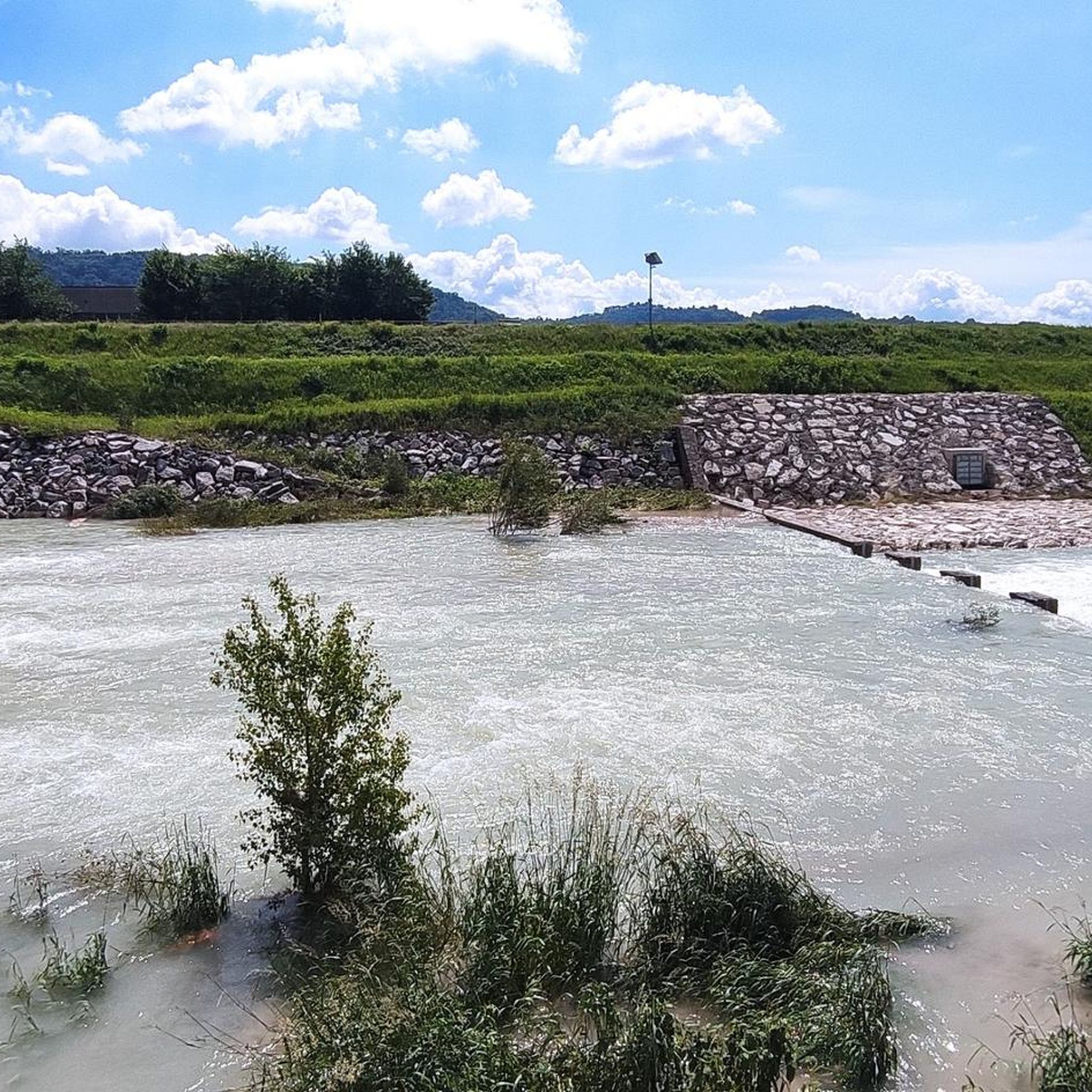
beautiful waterfall of the Rana stream
0
0
Frequently Asked Questions
What are the most significant caves to explore around Trissino?
The region around Trissino is known for its karst landscape. The most significant is the Buso della Rana Cave, the largest cave system in the Veneto region, offering an extensive network of tunnels. Another notable site is the Buso delle Anguane Cave, which provides impressive views of the surrounding valleys from its two open sides.
Are there any historical or man-made underground sites near Trissino?
Yes, the Le Priare di Montecchio Underground Complex is a significant historical site. These are ancient underground quarries, active from Roman times until the mid-20th century, used for extracting "soft Vicenza stone." They also served as a refuge during WWII and later as a mushroom farm.
What kind of natural features can I expect to see in the caves around Trissino?
The caves around Trissino, particularly the Buso della Rana Cave, are active karst systems. You can expect to see intricate passages, chambers, underground streams, small lakes, chimneys, and siphons. Inside, unique formations like stalactites and stalagmites are present. The Lucio's Hole is a karst cavity known for emitting fresh air, creating an audible 'dragon's breath' effect.
Is it possible to walk behind a waterfall near Trissino?
Yes, at Papalini Waterfall, you can walk behind the veil of water. This small waterfall in the woods offers a distinct experience and a unique photo opportunity.
What are the physical demands for exploring the caves in the Trissino area?
Caving in the region, especially in active systems like the Buso della Rana Cave, can be moderately strenuous. It involves navigating rocky, slick, and uneven terrain, and potentially water that can reach waist-high levels. Some parts may require crawling or scrambling over boulders. Paths to caves like Buso delle Anguane Cave can also involve quite challenging and impervious steps.
What equipment is needed for caving in the Trissino area?
For exploring caves like the Buso della Rana Cave, it is essential to be well-equipped and accompanied by expert speleologists. Visitors are typically outfitted with helmets, headlamps, and harnesses. You should bring warm clothes you are willing to get dirty and wet, hiking boots or closed-toe shoes, and a complete change of clothes. Backpacks are generally not recommended in tight spaces.
What is the best time to visit the caves around Trissino?
The constant temperature inside caves like Buso della Rana Cave (around 10-15°C) makes them accessible year-round. However, as it is an active cave, water levels can be abundant, particularly during spring. Safety is paramount, and guides monitor water levels, especially during bad weather when flash floods can occur.
Are there guided tours available for the caves?
Yes, guided speleological and naturalistic excursions are available for caves like the Buso della Rana Cave. Booking is recommended. For the Le Priare di Montecchio Underground Complex, entry is only possible with a guided tour, which lasts about 40 minutes and is typically available on Sunday afternoons.
What outdoor activities can I do near the caves around Trissino?
The area around Trissino offers various outdoor activities. You can find numerous running trails, gravel biking routes, and cycling routes that allow you to explore the diverse landscape surrounding the cave systems.
What do visitors enjoy most about the caves around Trissino?
Visitors appreciate the unique underground landscapes and the sense of adventure. The Buso della Rana Cave is praised for its extensive network and dynamic environment, while the Buso delle Anguane Cave is loved for its impressive views. The historical significance and evocative atmosphere of the Le Priare di Montecchio Underground Complex also receive high regard.
Is the Buso della Rana Cave suitable for beginners?
The Buso della Rana Cave is freely accessible for about fifty meters from its monumental entrance. Beyond this point, it requires specific knowledge and equipment, making it the preserve of speleologists or suitable for exciting and adventurous guided tours. Inexperienced individuals should not attempt to explore deeper sections without expert guidance.
Most popular routes around Trissino
Most popular attractions around Trissino

Get inspired with the komoot mobile app


Explore more
Extend your search for the best caves by checking out these guides of the top ones around Trissino:
