Top 6 Castles around Massa E Cozzile
Castles around Massa E Cozzile provide insight into the region's historical fortified structures. This area in the province of Pistoia, Italy, features historical fortified villages such as Massa and Cozzile. These settlements display ancient Roman origins, medieval fortifications, and later architectural influences. An ancient Roman road connects the two main villages, offering a route through the Tuscan landscape.
Best castles around Massa E Cozzile
- The most popular castles is Cozzile Castle and the Clock Tower, a castle that was…
Last updated: June 30, 2026
Cozzile Castle and the Clock Tower
Highlight • Castle
Translated by Google •
Tip by

Rocca del Cerruglio, Montecarlo
Highlight • Castle
Translated by Google •
Tip by
Sign up now to discover places like this
Get recommendations on the best single tracks, peaks, & plenty of other exciting outdoor places.
Sign up for free
Cozzile Medieval Village
Highlight • Settlement
Translated by Google •
Tip by

Porta Nuova, Cozzile
Highlight • Historical Site
Translated by Google •
Tip by
Cecina village (Larciano)
Highlight • Settlement
Translated by Google •
Tip by

Sign up for free to discover even more castles around Massa E Cozzile.
Sign up for free
Already have an account?
Start today with a free account
Your next adventure awaits.
Login or Signup

Tips from the Community

a village definitely worth visiting!
0
0

very intimate and typical village, with a beautiful view of the reserve.
0
0

Fantastic village with a view and a place to stop; there is also public water with fountains.
0
0

I was lucky enough to stay right below the fortress of this wonderful town.
3
0

Montecarlo is a charming medieval village located in the province of Lucca, in Tuscany. It stands on a hill overlooking the Valdinievole and the Lucca plain, offering breathtaking panoramic views. The town is famous for its fortress, the Rocca del Cerruglio, built in the 14th century to defend against external attacks, and for its well-preserved walls.
0
0

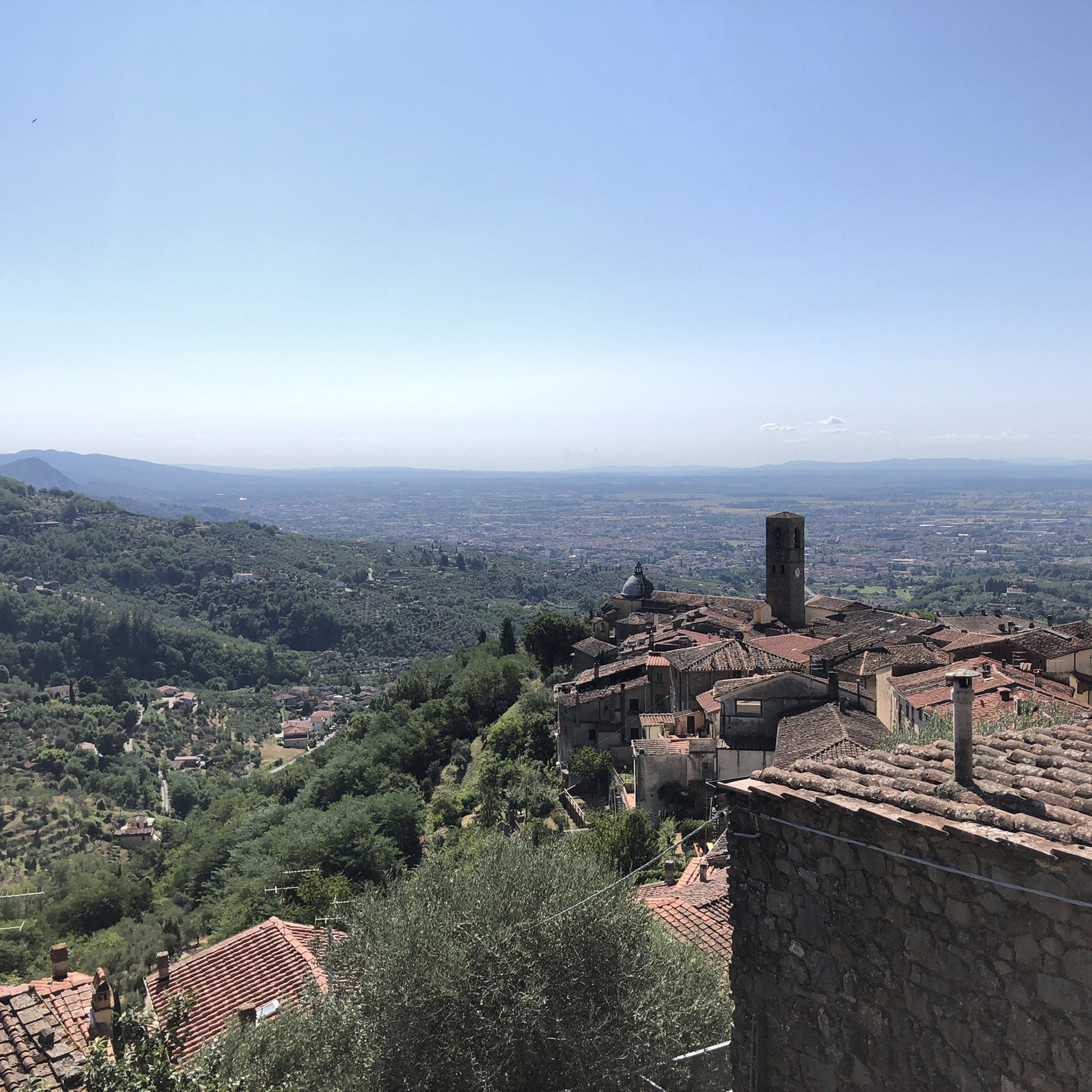
Cozzile was probably founded at the end of the 12th century around fortification works with lookout and extreme defense functions. Even at the beginning of the 14th century they hosted a castellan and a small garrison on behalf of the people of Lucca. Around the fortress a fortified town arose with a structure similar to that of Massa, organized in a "fishbone" pattern on both sides of the road that crossed it and which, exiting at the other end of the town, led towards the Apennines and towards Modena. The houses were grouped into two neighborhoods or "deeds" (Volata to the East, and Cessana to the West of the main road) with the square located to the north and the church to the south. In the city walls, of which important remains are still visible incorporated into the houses built above them, three doors opened: one to the east, corresponding to the entrance to the town of the medieval road from Massa (gate to Massa), one to the west , on the diametrically opposite side (Porta Vecchia)
0
0
Cozzile was probably founded at the end of the 12th century around fortification works with lookout and extreme defense functions. Even at the beginning of the 14th century they housed a castellan and a small garrison on behalf of the people of Lucca. Around the fortress a fortified town arose with a structure similar to that of Massa, organized in a "fishbone" pattern on both sides of the road that crossed it and which, exiting at the other end of the town, led towards the Apennines and towards Modena. The houses were grouped into two neighborhoods or "deeds" (Volata to the East, and Cessana to the West of the main road) with the square located to the north and the church to the south. In the city walls, of which important remains are still visible incorporated into the houses built above them, three doors opened: one to the east, corresponding to the entrance to the town of the medieval road from Massa (gate to Massa), one to the west , on the diametrically opposite side (Porta Vecchia)
0
0
Cozzile was probably founded at the end of the 12th century around fortification works with lookout and extreme defense functions. Even at the beginning of the 14th century they housed a castellan and a small garrison on behalf of the people of Lucca. Around the fortress a fortified town arose with a structure similar to that of Massa, organized in a "fishbone" pattern on both sides of the road that crossed it and which, exiting at the other end of the town, led towards the Apennines and towards Modena. The houses were grouped into two neighborhoods or "deeds" (Volata to the East, and Cessana to the West of the main road) with the square located to the north and the church to the south. In the city walls, of which important remains are still visible incorporated into the houses built above them, three doors opened: one to the east, corresponding to the entrance to the town of the medieval road from Massa (gate to Massa), one to the west , on the diametrically opposite side (Porta Vecchia)
0
0
Frequently Asked Questions
What are the main historical sites to explore in Massa E Cozzile?
The region features the fortified villages of Massa and Cozzile. In Cozzile, you can explore the ancient city walls, three gates (including Porta Vecchia), and the Palazzo de Gubertanis within what is known as Cozzile Castle and the Clock Tower. Massa offers Roman origins, medieval fortifications like 'Porta al Campo' and 'Porta Fontana', the Romanesque church of Santa Maria Assunta, and a 19th-century neo-Gothic structure.
Are there any castles with notable architectural features in the area?
Yes, the fortified village of Cozzile, often referred to as Cozzile Castle, features a unique 'fishbone' layout and a 16th-century fortress that underwent a radical neo-Gothic renovation in the 19th century. Massa also boasts a distinct 'New Castle' from around 1100 with classic castle-village architecture, and a small neo-Gothic masterpiece from the late 19th century.
What kind of views can I expect from the castles in Massa E Cozzile?
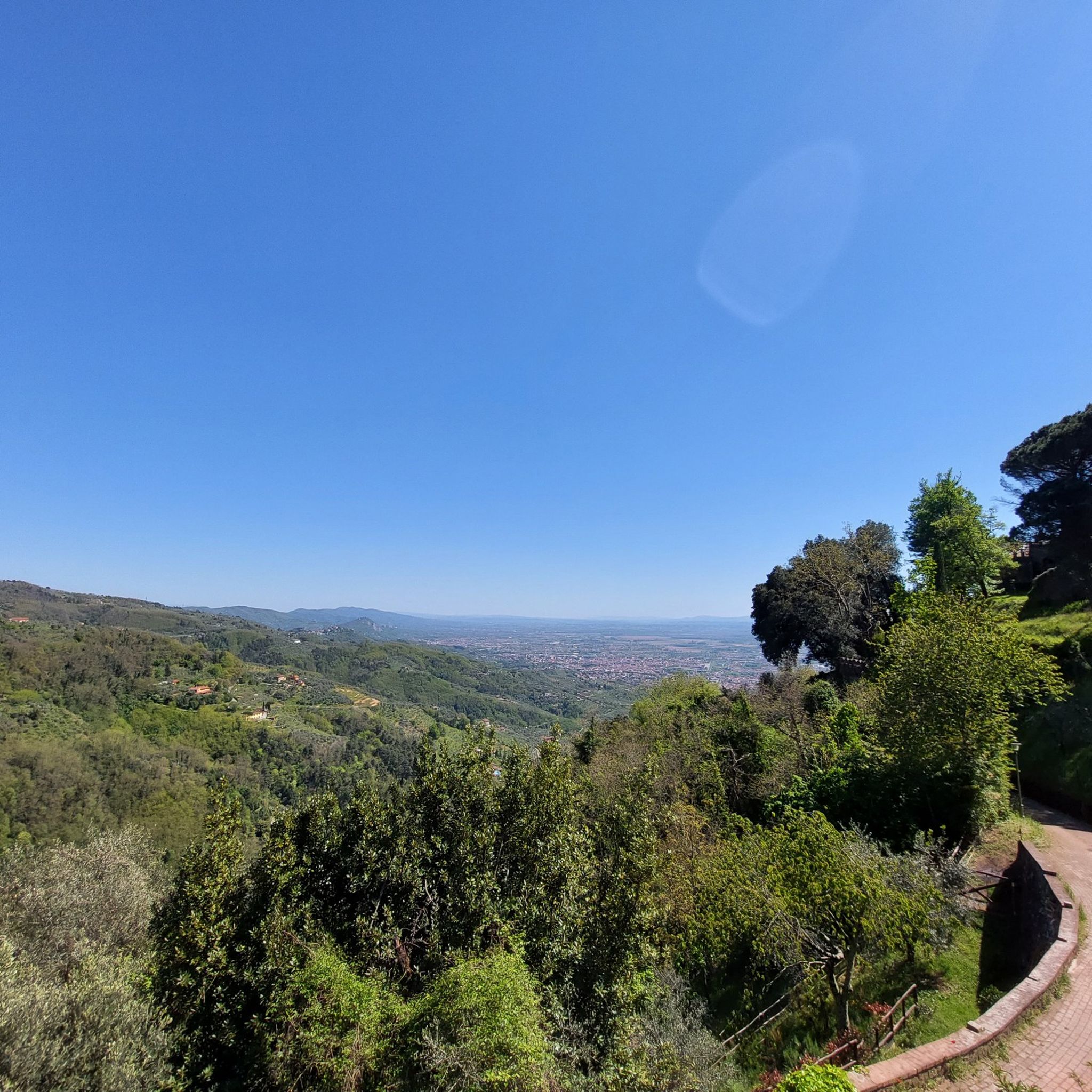
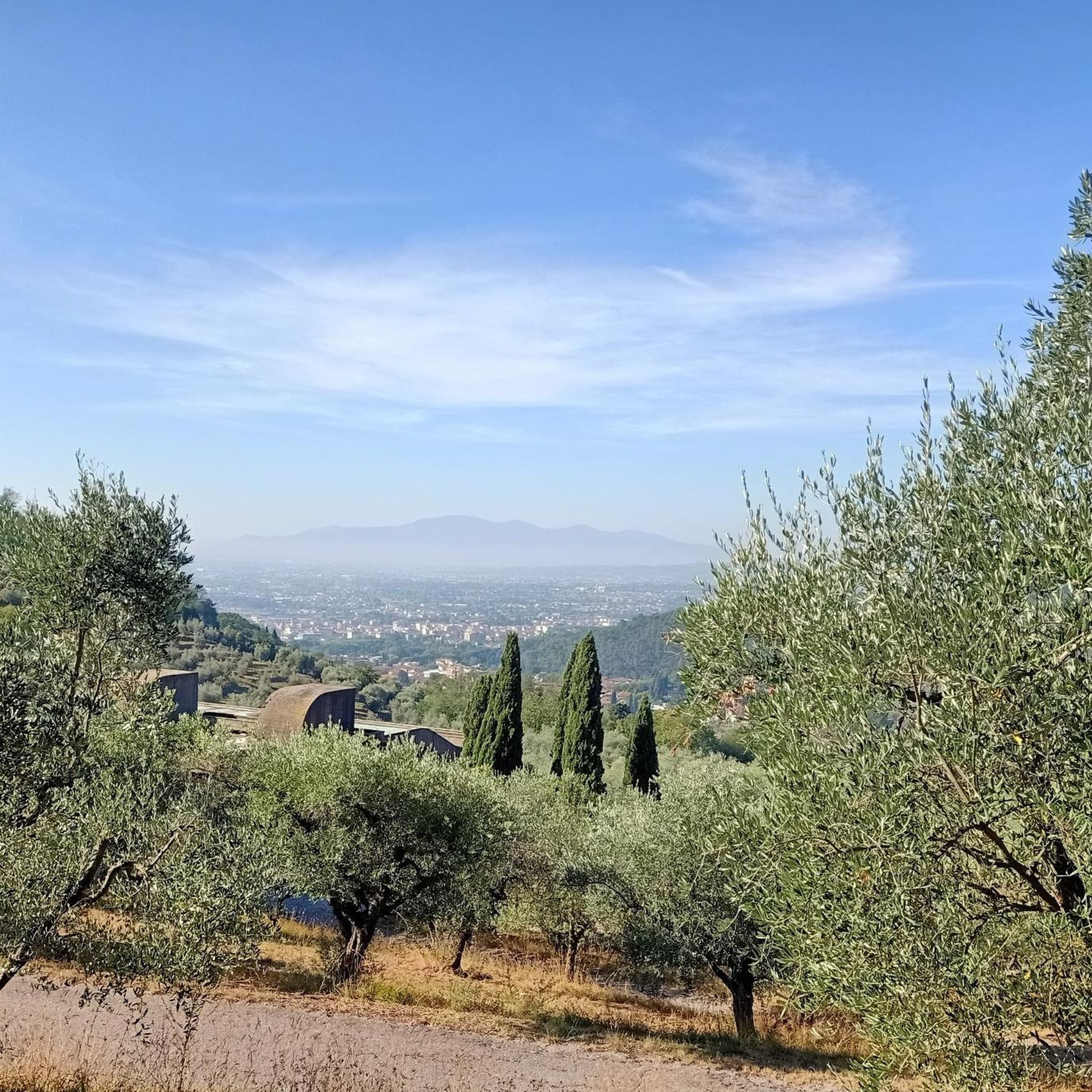
From the fortified village of Cozzile, you can enjoy breathtaking panoramic views of Tuscany. Cozzile Medieval Village offers a vast panorama towards the south over the Valdinievole and all of Tuscany. Additionally, Rocca del Cerruglio, Montecarlo, located in a nearby medieval village, provides stunning views overlooking the Valdinievole and the Lucca plain.
Can I walk between the fortified villages of Massa and Cozzile?
Yes, an ancient Roman road connects the two centers of Massa and Cozzile. This scenic walk allows you to appreciate the historical relationship between these fortified settlements and the beautiful Tuscan landscape.
What outdoor activities are available near the castles?
The area around Massa E Cozzile is excellent for various outdoor activities. You can find numerous hiking trails, including routes like the 'View of the Castello di Cozzile loop from Massa'. For cycling enthusiasts, there are options for gravel biking and road cycling, such as the 'Great Valdinievole Loop'. You can explore more routes in the Hiking around Massa E Cozzile, Gravel biking around Massa E Cozzile, and Road Cycling Routes around Massa E Cozzile guides.
What is the best time of year to visit the castles in Massa E Cozzile?
The best time to visit Massa E Cozzile for exploring its castles and enjoying the Tuscan landscape is typically during the spring (April to June) and autumn (September to October). During these seasons, the weather is pleasant for walking and sightseeing, and the natural beauty of the region is at its peak.
Are there any family-friendly activities or walks around the castles?
Exploring the fortified villages of Massa and Cozzile can be a family-friendly experience. The walk between the two villages on the ancient Roman road is suitable for families. Children might enjoy discovering the old city walls, gates like View of the gate of Cozzile Castle., and imagining medieval life within these historic settlements.
What do visitors appreciate most about the castles in Massa E Cozzile?
Visitors frequently appreciate the well-preserved medieval atmosphere and the incredible panoramic views offered by the fortified villages, especially Cozzile. The blend of ancient Roman roots, medieval fortifications, and later architectural influences, including neo-Gothic designs, also makes the area unique. The komoot community has shared over 20 photos and given more than 45 upvotes for these sites.
Is parking available at the villages of Cozzile and Massa?
While specific parking details can vary, both Cozzile and Massa are historic villages with narrow streets. It is generally advisable to look for designated parking areas just outside the main historic centers. In Cozzile, you may find parking options near the village entrance, allowing for a short walk into the fortified area.
Are the trails around the castles suitable for dogs?
Many of the outdoor trails and walks in the Tuscan countryside, including those connecting Massa and Cozzile, are generally dog-friendly. However, it's always recommended to keep dogs on a leash, especially in populated areas or near livestock, and to be mindful of local regulations. Always carry water for your pet.
What is the difficulty level of walks around Massa E Cozzile castles?
Walks around Massa E Cozzile, such as the path connecting the two villages, are generally considered moderate. They involve some elevation changes typical of Tuscan hill towns but are manageable for most visitors. Longer hiking routes in the broader region can range from moderate to difficult, as detailed in the Hiking around Massa E Cozzile guide.
Are there any less crowded castles or historical sites to visit nearby?
While Massa and Cozzile offer a genuine historical experience, the nearby Rocca del Cerruglio, Montecarlo, located in a charming medieval village, might offer a different atmosphere. Its triangular plan fortress and well-preserved walls provide a unique glimpse into the region's past, often with fewer crowds than more famous Tuscan destinations.
Most popular routes around Massa E Cozzile
Most popular attractions around Massa E Cozzile

Get inspired with the komoot mobile app


Explore more
Looking for the best castles somewhere else? Discover other guides around Massa E Cozzile:
