Top 7 Gorges around Muggia
Best canyons around Muggia are primarily found within the nearby Val Rosandra Nature Reserve, a significant natural and historical site. This reserve features a canyon-like depression carved by the Rosandra River, characterized by deep gorges and dramatic limestone cliffs. The area showcases unique geological features, including Palaeocene and Eocene limestones, and a blend of Mediterranean and alpine plant species. It also holds historical importance with archaeological sites and remnants of Roman aqueducts.
Best canyons around Muggia
- The most popular canyons…
Last updated: June 30, 2026
Rosandra Valley
Highlight • Gorge
Translated by Google •
Tip by

Grotta Nera
Highlight • Cave
Translated by Google •
Tip by

Sign up now to discover places like this
Get recommendations on the best single tracks, peaks, & plenty of other exciting outdoor places.
Sign up for free
Val Rosandra Trail
Highlight (Segment) • Trail
Tip by

Giordano Cottur Cycle and Pedestrian Path – Val Rosandra Section
Highlight (Segment) • Cycleway
(About 6/7 hours on foot, path suitable for everyone, you can start the path in various sections of the path)
Translated by Google •
Tip by

Stream in the Val Rosandra Nature Reserve
Highlight • River
Translated by Google •
Tip by
Sign up for free to discover even more gorges around Muggia.
Sign up for free
Already have an account?
Start today with a free account
Your next adventure awaits.
Login or Signup

Other adventures around Muggia

Tips from the Community

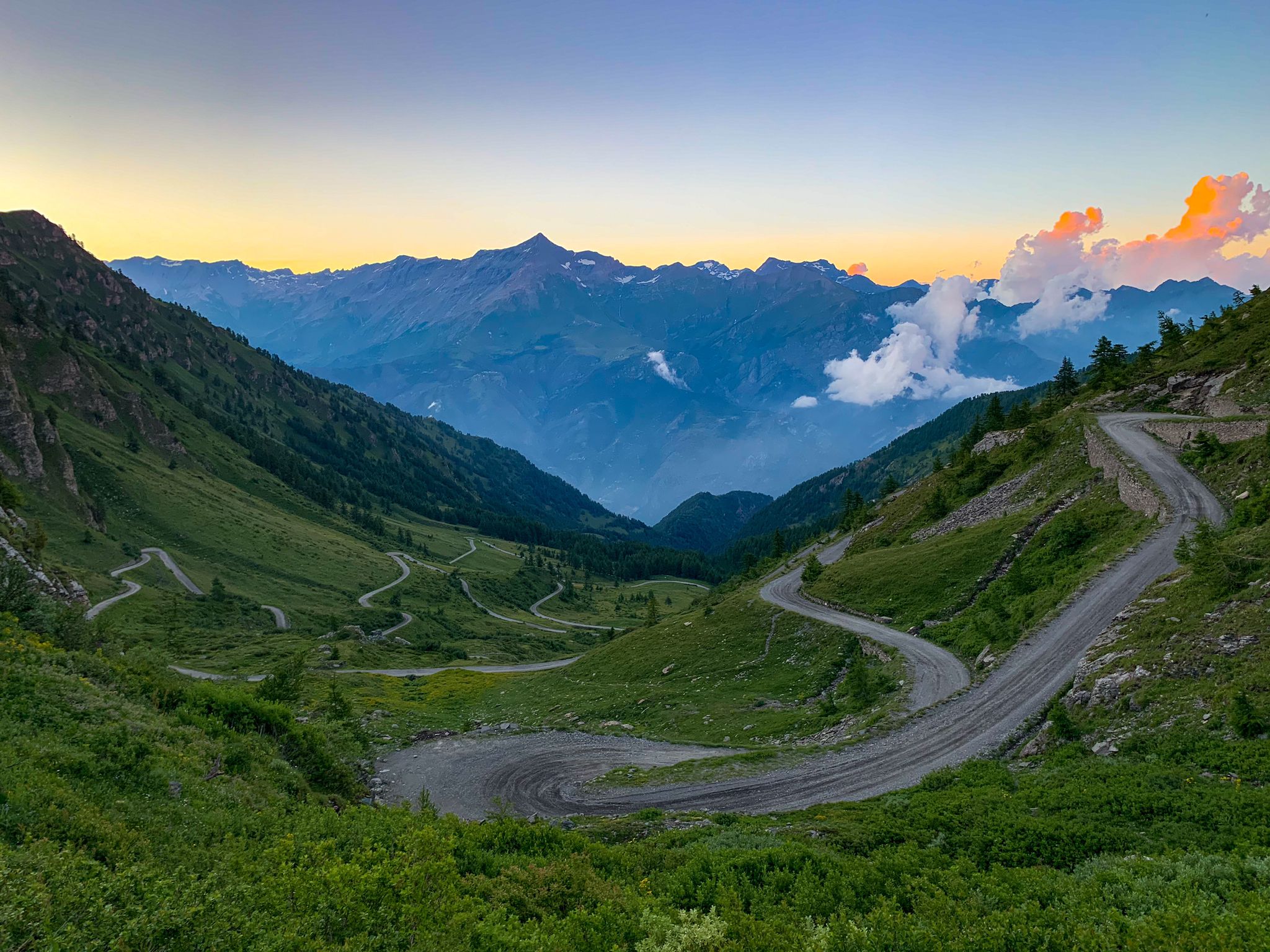
Located behind Trieste, Val Rosandra is a unique nature reserve where the homonymous stream has carved the only deeply incised valley of the Trieste Karst. The landscape is dominated by rugged limestone cliffs, white scree slopes, and vegetation that blends Mediterranean and continental species. Famous for its 36-meter-high waterfall, the valley is a sanctuary of biodiversity and history: it hosts the remains of a 1st-century AD Roman aqueduct and the ancient church of Santa Maria in Siaris. A prime location for Trieste's mountaineering, its cliffs were the school of Emilio Comici. Between arduous trails and views of the Gulf, Val Rosandra represents a concentration of wild nature and millennia-old testimonies, suspended between the Karst plateau and the Adriatic Sea.
0
0
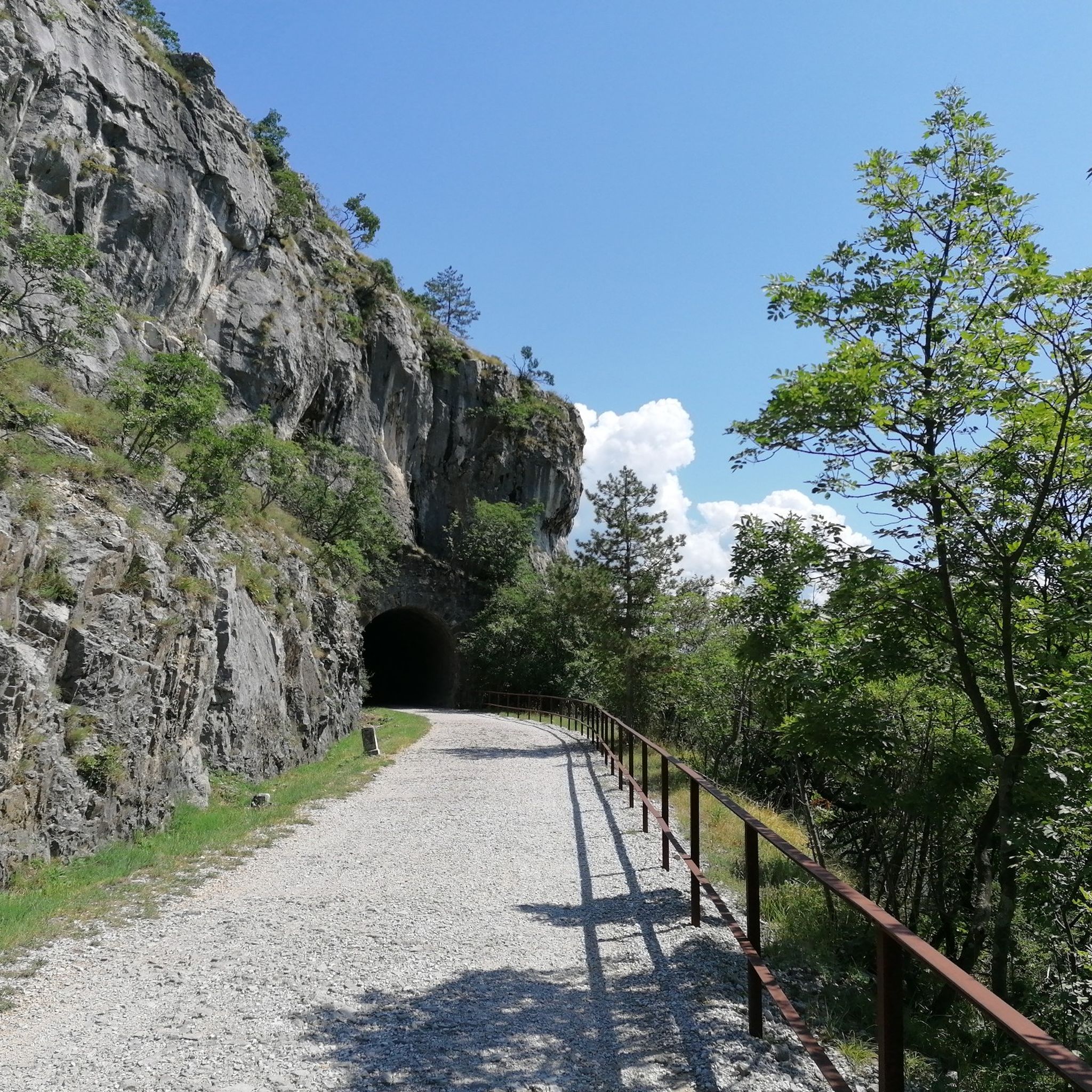
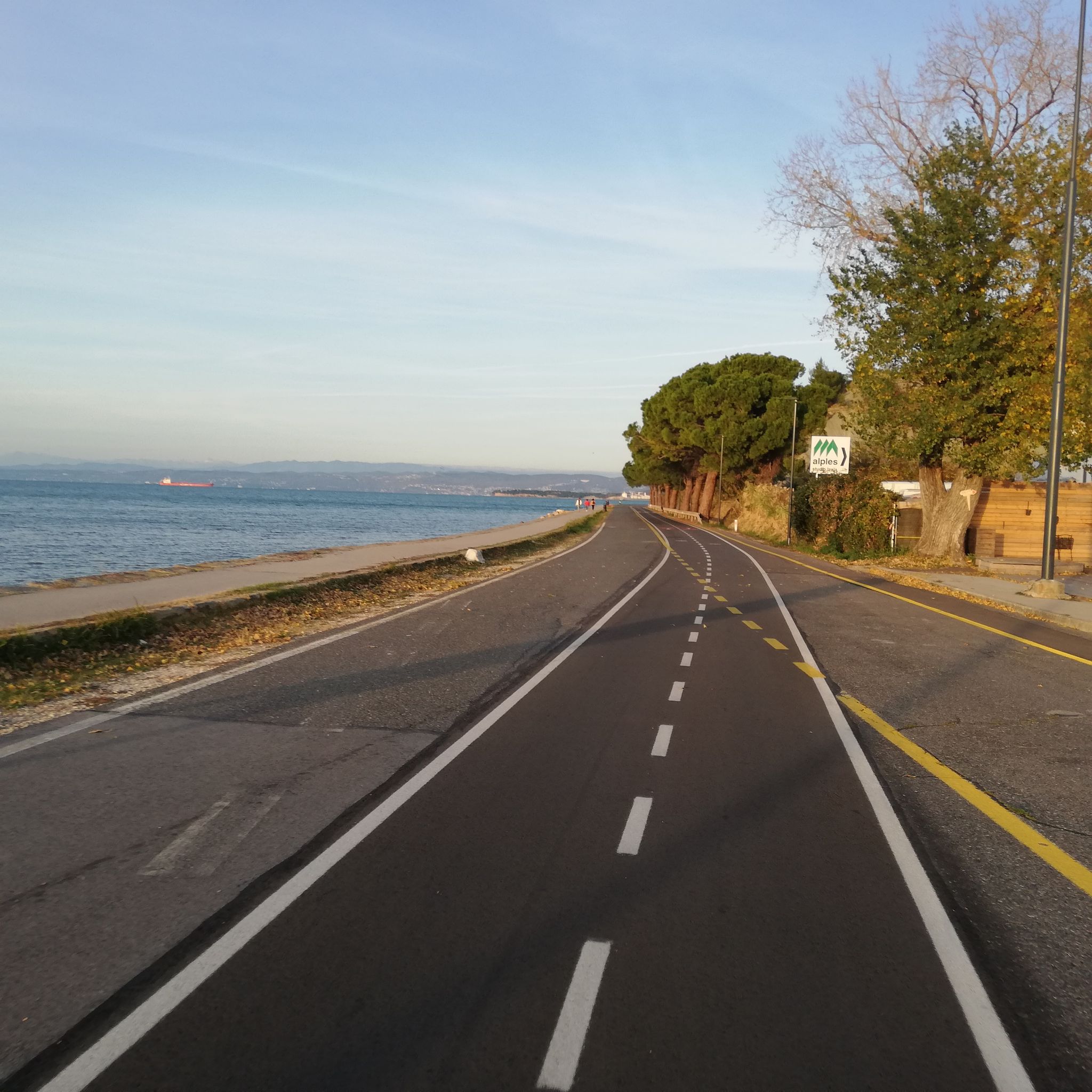
The path of the old Trieste-Kozina railway, today named after Giordano Cottur, is a cycle-pedestrian route that follows the railway track inaugurated in 1887. Characterized by a constant and moderate gradient, the path winds along the edge of the Val Rosandra, offering spectacular views of the limestone walls and the sea. The route passes through tunnels dug into the rock and majestic viaducts, testaments to 19th-century engineering that challenged the morphology of the Karst. Along the way, the ruins of the railway houses and former stations, such as Draga Sant'Elia, tell of a past of exchanges between the Trieste emporium and the Istrian hinterland. It is a green corridor that unites Italy and Slovenia, transforming a former railway barrier into a space of freedom and historical memory.
0
0

This former railway is now the gateway to discovering Slovenia.
0
0

The little church of Mihele above the Cottur cycle path after the S.Elia station
0
0

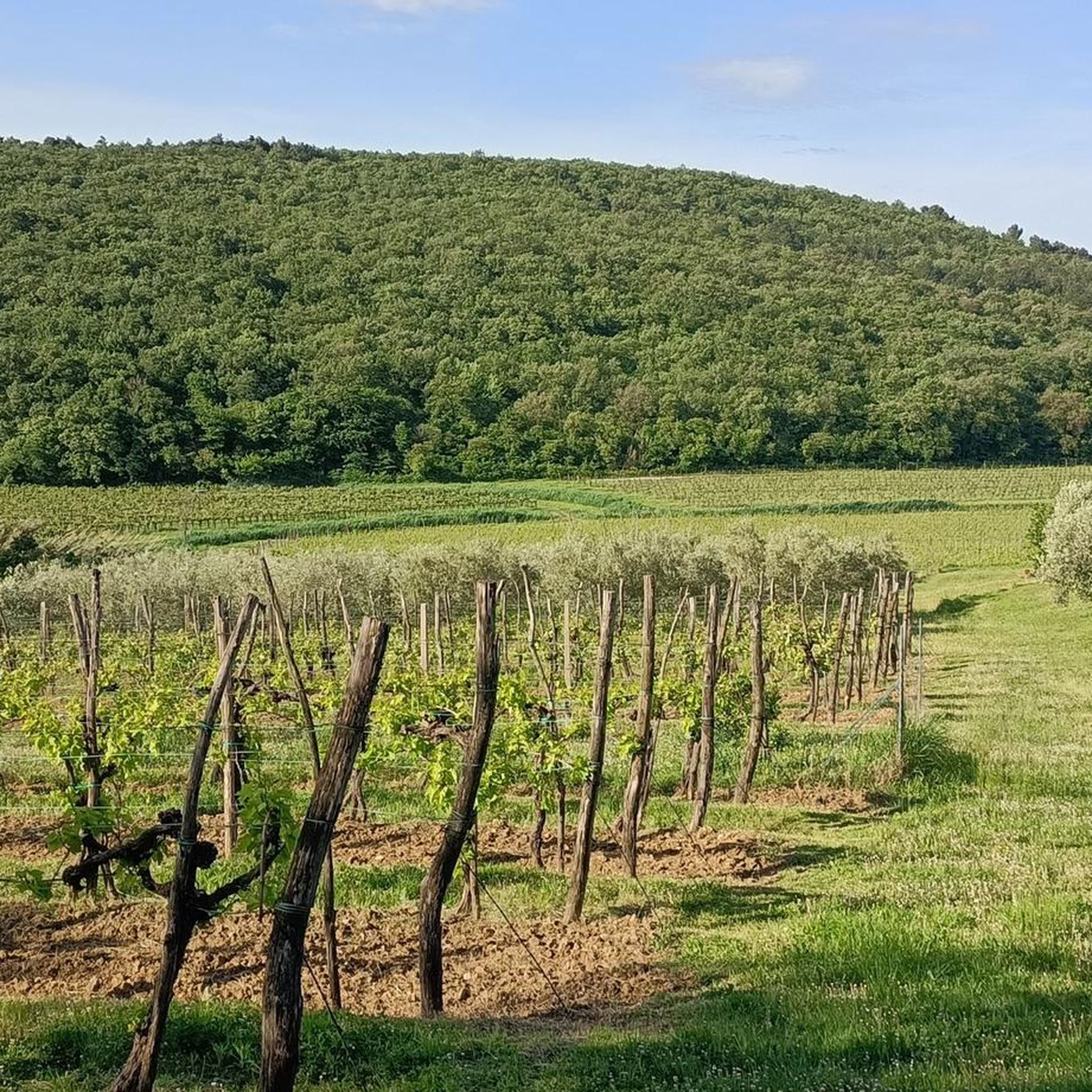
The cave is closed indefinitely due to major damage. Nevertheless, it's worth a visit because of the surrounding forest botanical garden, which offers a good overview of the tree species planted in the forest and the (natural) vegetation on the ground.
2
0

One of the most popular places for trekking enthusiasts in Trieste. It offers numerous routes to reach the waterfall of over 40 m, the heart of the valley, of different lengths and difficulties, from the "Sentiero dell'Amicizia" to the more complex "Via delle Acque"
0
0
Frequently Asked Questions
What kind of natural landscape can I expect in the canyons near Muggia?
The primary natural attraction is the Val Rosandra Nature Reserve, which features a dramatic canyon-like depression carved by the Rosandra River. You'll find deep gorges, striking limestone cliffs, and a rugged, almost alpine environment close to the coast. It's a unique blend of wild landscapes and diverse ecosystems.
Are there any notable waterfalls or rivers in the canyons around Muggia?
Yes, within the Val Rosandra Nature Reserve, you can find the impressive 40-meter (130 ft) Supet Falls near the village of Botazzo. The Rosandra River itself, also known as Glinščica, is a significant feature, and you can explore the Stream in the Val Rosandra Nature Reserve, which offers equipped picnic areas and potential swimming spots.
What unique geological features can be found in the Val Rosandra area?
The Val Rosandra showcases significant geological features, including Palaeocene and Eocene limestones and Eocene flysch sandstones and marls. These formations provide insight into the area's tectonic evolution and the history of the Tethys Sea, creating a distinct natural charm.
What kind of biodiversity can I observe in the Val Rosandra Nature Reserve?
The Val Rosandra boasts extraordinary biodiversity, including over 1,000 fungi, nearly a thousand vascular plants, and numerous lichens and bryophytes. It's a unique blend of Mediterranean and alpine plant species, some of which are rare or have disappeared from surrounding areas.
What hiking opportunities are available in the canyons near Muggia?
The Val Rosandra Nature Reserve offers numerous hiking trails, including the popular Val Rosandra Trail. The area is also part of the Alpe Adria Trail, with a stage running from Val Rosandra to Muggia. For more hiking options, explore the Hiking around Muggia guide.
Can I go rock climbing in the canyons around Muggia?
Yes, the steep rock walls of the Rosandra Valley have historically been used as a climbing school and continue to attract climbers. It's a recognized rock gym and study site for karst phenomena.
Are there other outdoor activities besides hiking near the canyons?
Absolutely. Besides hiking, you can find various cycling and mountain biking routes. Check out the Cycling around Muggia guide for road cycling options or the MTB Trails around Muggia guide for mountain biking adventures.
Are there any wild swimming spots in the Val Rosandra area?
Yes, the Rosandra River features hidden pools and natural slides that are popular for swimming during warmer months. The Stream in the Val Rosandra Nature Reserve is a great spot, and visitors often bring towels for a refreshing dip.
What historical or archaeological sites can I find near the canyons?
The Glinščica valley (Val Rosandra) has been continuously inhabited since prehistoric times. You can find archaeological sites and remnants of Roman aqueducts that once supplied water to Trieste. The valley also holds historical importance as a former trade route.
Is the Val Rosandra Nature Reserve suitable for families?
Yes, the Val Rosandra Nature Reserve is generally considered family-friendly. Many paths are well-maintained, and spots like the Stream in the Val Rosandra Nature Reserve offer picnic areas, making it suitable for a day out with children.
What is the best time to visit the canyons around Muggia?
The Val Rosandra Nature Reserve is beautiful year-round. Spring and autumn offer pleasant temperatures for hiking and exploring the rich flora. Summer is ideal for enjoying the river's swimming spots, while winter hiking can provide a unique, tranquil experience, though some paths might be more challenging.
Are there good viewpoints to see the canyons and surrounding area?
Absolutely. The View of Val Rosandra and the Gulf of Trieste is a highly recommended spot. From here, you can enjoy panoramic views of the Rosandra Valley's natural features, the Carso Mount, and the eastern Gulf of Trieste.
What do visitors enjoy most about the canyons near Muggia?
Visitors particularly appreciate the wild, natural aspect of the Rosandra Valley, with its cliffs, scree, and overhanging walls. The stunning panoramic views, the opportunity for exploration, and the unique blend of geological and biological diversity are frequently highlighted. The area is also loved for its well-maintained paths and the chance to discover hidden natural gems.
Most popular attractions around Muggia

Get inspired with the komoot mobile app


Explore more
Already discovered everything in this region? See additional gorges around Muggia for your next adventure:
