Top 20 Caves around Tricase
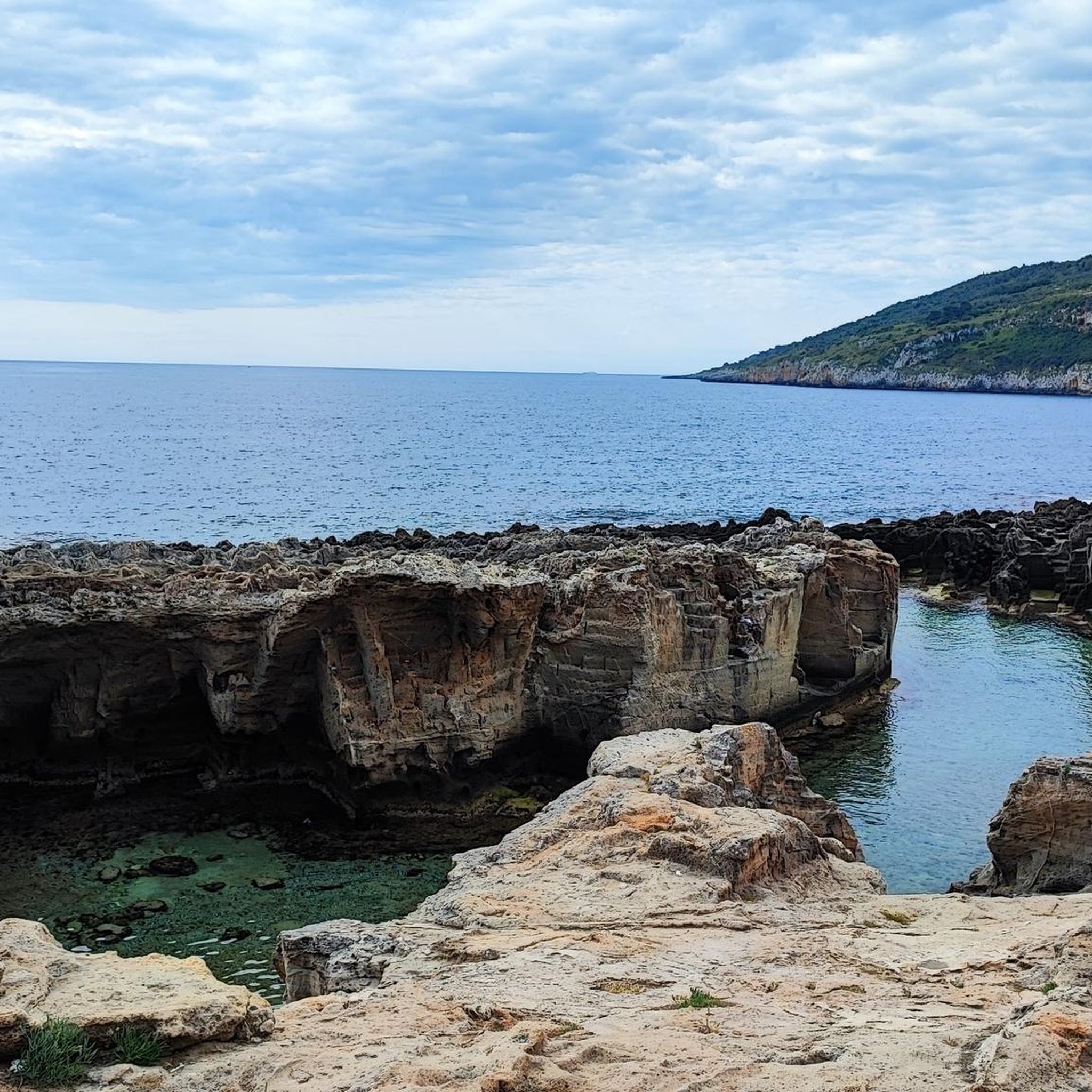
Best caves around Tricase are found along a coastline rich in natural beauty, part of Italy's Salento region. This area features low cliffs and hidden coves, with Mediterranean vegetation covering promontories that drop directly into the sea. The wider coastal area between Otranto and Santa Maria di Leuca is renowned for its numerous small coves and spectacular caves. These sites offer unique geological features and historical significance, making them notable for exploration.
Best caves around Tricase
- The most popular caves…
Last updated: October 3, 2026
Ciolo Bridge
Highlight • Bridge
Translated by Google •
Tip by

Cipolliane Cave
Highlight • Cave
Translated by Google •
Tip by

Sign up now to discover places like this
Get recommendations on the best single tracks, peaks, & plenty of other exciting outdoor places.
Crypt of the Madonna della Grotta of Ortelle
Highlight • Religious Site
The construction of the crypt dates back …
Translated by Google •
Tip by

Cipolliane Trail
Highlight (Segment) • Trail
Translated by Google •
Tip by
Madonna dell'Attarico Chapel
Highlight • Religious Site
Translated by Google •
Tip by

Sign up for free to discover even more caves around Tricase.
Already have an account?
Start today with a free account
Your next adventure awaits.
Tips from the Community

point with a nice view
0
0

Reopened on April 24, 2024, after renovations and refurbishments. There are now separate pedestrian lanes alongside the road. In the evening, the bridge is illuminated with rainbow colors—haha, just kidding 😅—thankfully, they're the colors of the Italian flag 🇮🇹.
1
0


The Ciolo bridge is the perfect destination for those who love diving from great heights. The bridge connects the canyon and below is a beach. 40 meters high, there is a breathtaking panorama occasionally interrupted by the "splash" of those who dive. Near the bridge there are many caves including the Ciolo cave. The name “Ciolo” derives from the Salento word “Ciole”, to indicate the numerous magpies that nested along the coast.
2
0

August 2023 unfortunately currently closed due to construction work.
0
0
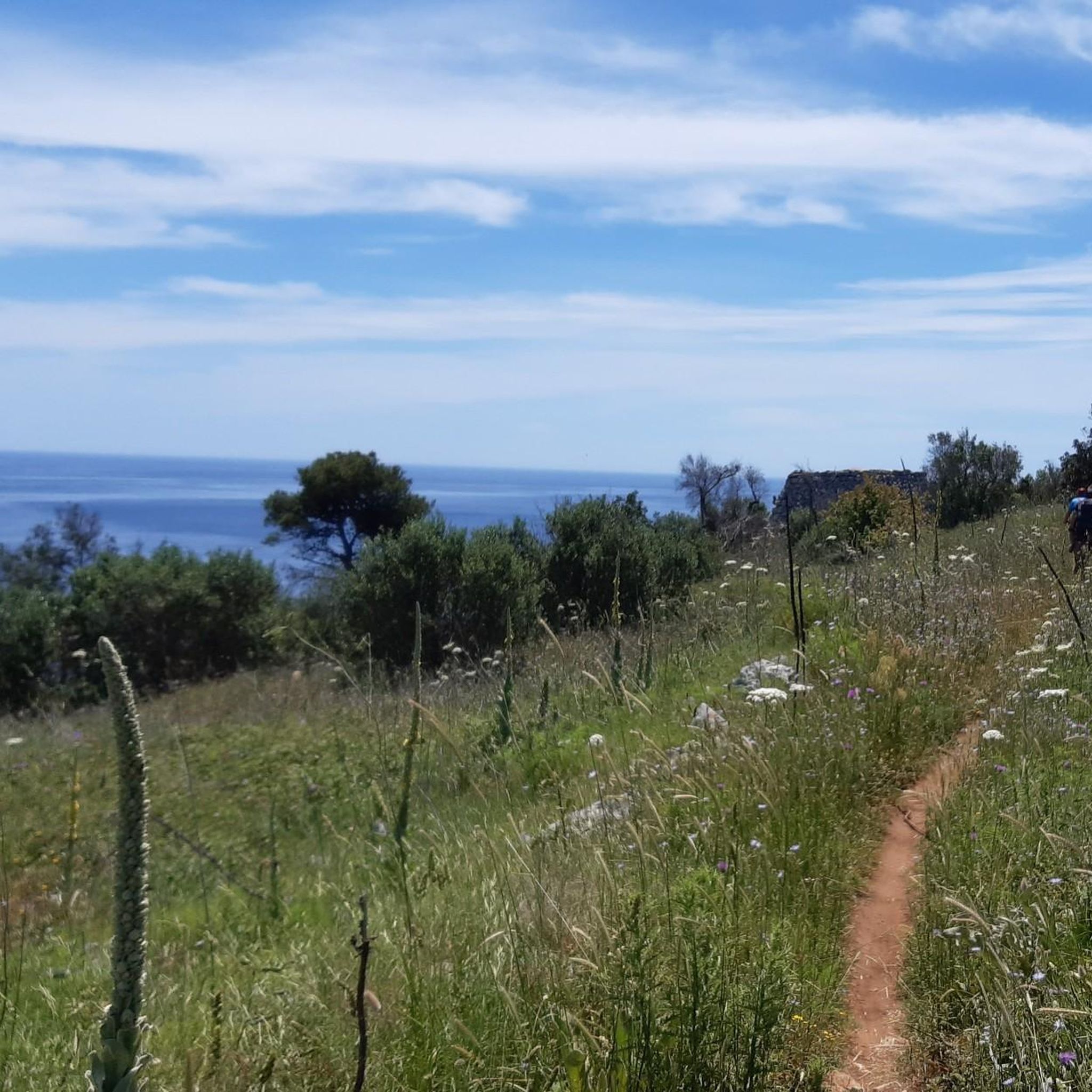
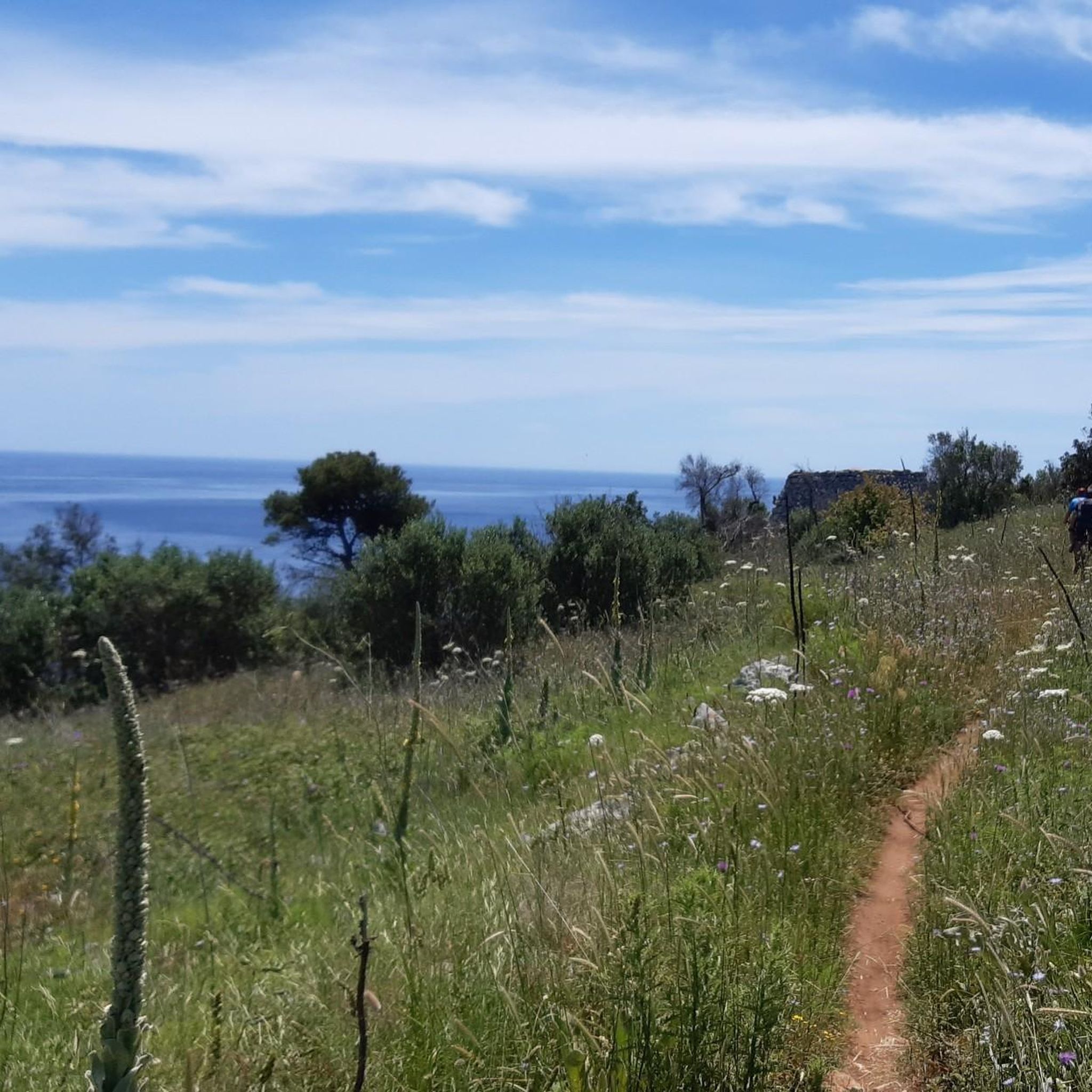
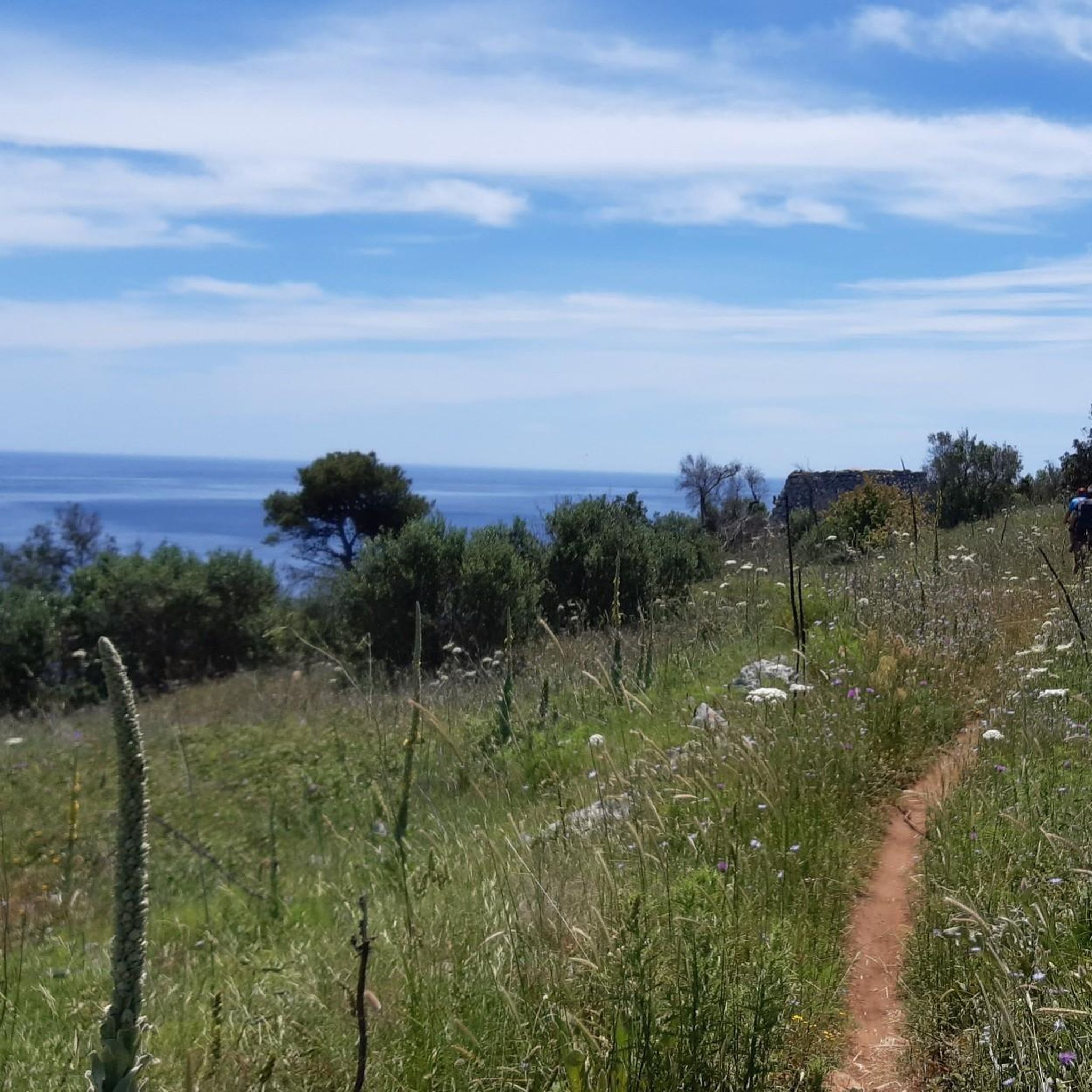
Beautiful spot. I think it is also the starting point for a nice walk.
1
0

Uno dei sentieri più belli nel sud Salento. Rocky path that offers great views of the sea. Absolutely worth it. Bring enough time.
1
1
Frequently Asked Questions
What are some of the most notable caves to explore around Tricase?
The Tricase area, part of Italy's Salento region, is rich in captivating caves. Among the most notable are the Cipolliane Trail, which leads to several caves near the Ciolo, and the Cipolliane Cave itself, known for its huge natural cavities and historical traces. Other significant sites include Grotta del Carmine and Grotta dei Monaci in Marina Serra, both celebrated for their natural beauty and serene atmosphere.
Are there historical or cultural sites related to caves in the Tricase area?
Yes, the region offers several sites with historical significance. The Cipolliane Cave contains traces left by ancestors, including pebbles with particular engravings. Additionally, the Crypt of the Madonna della Grotta of Ortelle and the Madonna dell'Attarico Chapel are underground rock churches with historical importance, dating back to the 13th century and offering insights into Byzantine Salento.
What kind of natural features can I expect to see in the caves around Tricase?
The caves around Tricase showcase diverse natural beauty. You'll find spectacular views, crystal-clear waters, and unique geological formations. For instance, Grotta del Carmine is known for its deep blue waters and enchanting green light effects from sunlight filtering through fissures. Grotta dei Monaci features an impressive natural arch and calcareous formations, with stunning light displays as sun rays penetrate the cavity.
Are there family-friendly options for exploring caves in Tricase?
While direct cave access might vary, the Madonna dell'Attarico Chapel is considered family-friendly and offers a panoramic view of the Adriatic coast. For general outdoor activities, many coastal paths and trails offer accessible ways to view the cave entrances and surrounding natural beauty, suitable for families.
What is the best time of year to visit the caves in Tricase?
The coastal caves of Tricase, particularly sea caves like Grotta del Carmine and Grotta dei Monaci, are best enjoyed during warmer months when sea conditions are calm, allowing for boat access or comfortable swimming. Spring and early autumn also offer pleasant weather for exploring coastal paths and enjoying the natural light effects within the caves.
Can I find hiking trails that incorporate cave exploration near Tricase?
Absolutely. The Cipolliane Trail is a country route that starts from the rocks overlooking the Ciolo and leads to several caves. This area is part of a wider network of trails. For more hiking options, you can explore routes like the Torre del Sasso Trail or the Serra del Mito Trail, which offer challenging and scenic walks along the coast. Find more details on these routes in the Hiking around Tricase guide.
Are there opportunities for other outdoor activities near the Tricase caves?
Yes, the region around Tricase is excellent for various outdoor activities. Besides hiking, you can find numerous routes for running and cycling. Popular running trails include loops around Torre di Andrano or Tricase itself, while cycling routes offer scenic rides along the coast, such as the Ciolo Bridge – View of the Otranto Coast loop. Discover more in the Running Trails around Tricase and Cycling around Tricase guides.
What is the significance of La Rena e le Sette Bocche in Tricase Porto?
La Rena e le Sette Bocche (The Sand and the Seven Mouths) in Tricase Porto is a historically significant complex. It represents an ancient landing site that included a beach and both natural and man-made caves. These caves were crucial for commerce, serving as storage for goods and housing a surveillance office, particularly flourishing in the 15th century. Today, it's a site for cultural initiatives and a museum focused on traditional maritime arts, offering a glimpse into the region's past as a commercial hub.
What makes the Ciolo Bridge area special for cave enthusiasts?
The Ciolo Bridge, a 40-meter-high structure connecting a canyon, is a gateway to several caves, including the Ciolo cave itself. The surrounding area is renowned for its dramatic gorge and clear, blue-green waters, making it a spectacular corner of Salento. It's also the starting point for the Cipolliane Trail, which leads to more cave explorations.
Are there any hidden grottoes or lesser-known cave spots in the Tricase region?
The wider coastal area between Otranto and Santa Maria di Leuca, which includes Tricase, is part of the Regional Natural Coastal Park "Costa Otranto - Santa Maria di Leuca e Bosco di Tricase." This stretch is known for its numerous small coves and spectacular caves carved into low, rugged cliffs. While specific 'hidden' grottoes are often discovered by local exploration, the entire coastline offers many less-frequented natural marine landscapes to appreciate beyond the main highlights.
What kind of wildlife might I encounter near the caves in Tricase?
The coastal areas around Tricase, including the cliffs and vegetation surrounding the caves, are part of a rich Mediterranean ecosystem. You might observe various species of flora, such as the cornflower of Leuca and wild orchids. The name 'Ciolo' itself derives from a local word for magpie, indicating the presence of these birds. Marine life is also abundant in the clear waters, making it a good spot for observing coastal biodiversity.
Most popular attractions around Tricase

Get inspired with the komoot mobile app


Explore more
Extend your search for the best caves by checking out these guides of the top ones around Tricase:
