Top 6 Castles around Camino
Best castles around Camino offer a glimpse into the rich history of the Monferrato region in Piedmont, Italy. This area is characterized by rolling hills and historical settlements, providing a scenic backdrop for these ancient fortifications. The castles here served various purposes, from defensive strongholds to stately residences, reflecting centuries of regional development.
Best castles around Camino
- The most popular castles is Camino Castle, a castle equipped with crenellated walls and towers. It is known for its legends, including…
Last updated: August 24, 2026
Camino Castle
Highlight • Castle
As with many ancient buildings in Italy, there are many legends about the castle of …
Translated by Google •
Tip by

Cereseto Castle
Highlight • Castle
The castle was built in the …
Translated by Google •
Tip by
Sign up now to discover places like this
Get recommendations on the best single tracks, peaks, & plenty of other exciting outdoor places.
Sign up for free
Climb to Castello di Gabiano
Highlight (Segment) • Climb
Translated by Google •
Tip by
San Genuario (hamlet of Crescentino VC)
Highlight • Settlement
Translated by Google •
Tip by

Desana Gravel Route and Castle
Highlight (Segment) • Cycleway
In Desana, next to the Church, a small fountain useful for refilling water
Translated by Google •
Tip by

Start today with a free account
Your next adventure awaits.
Login or Signup
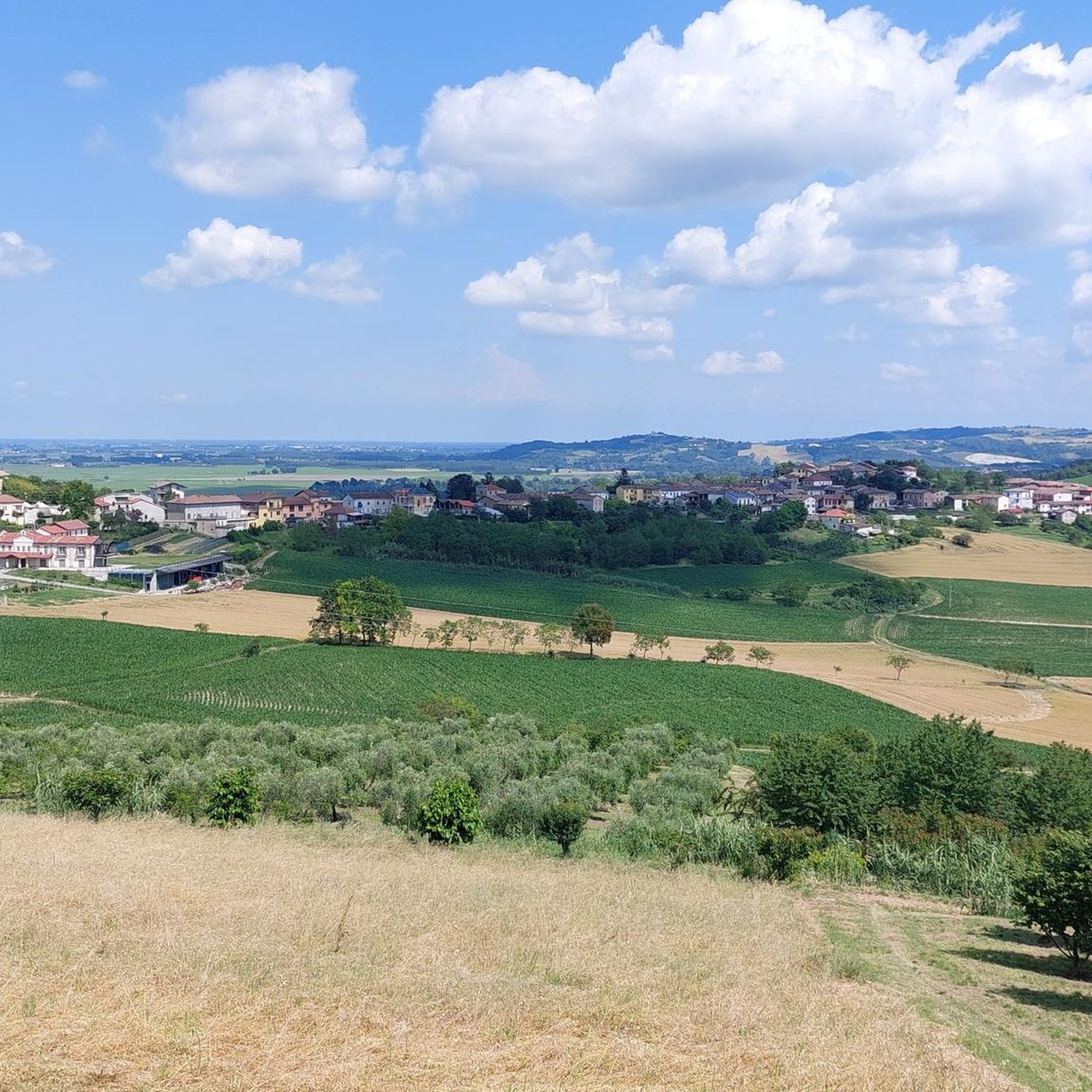
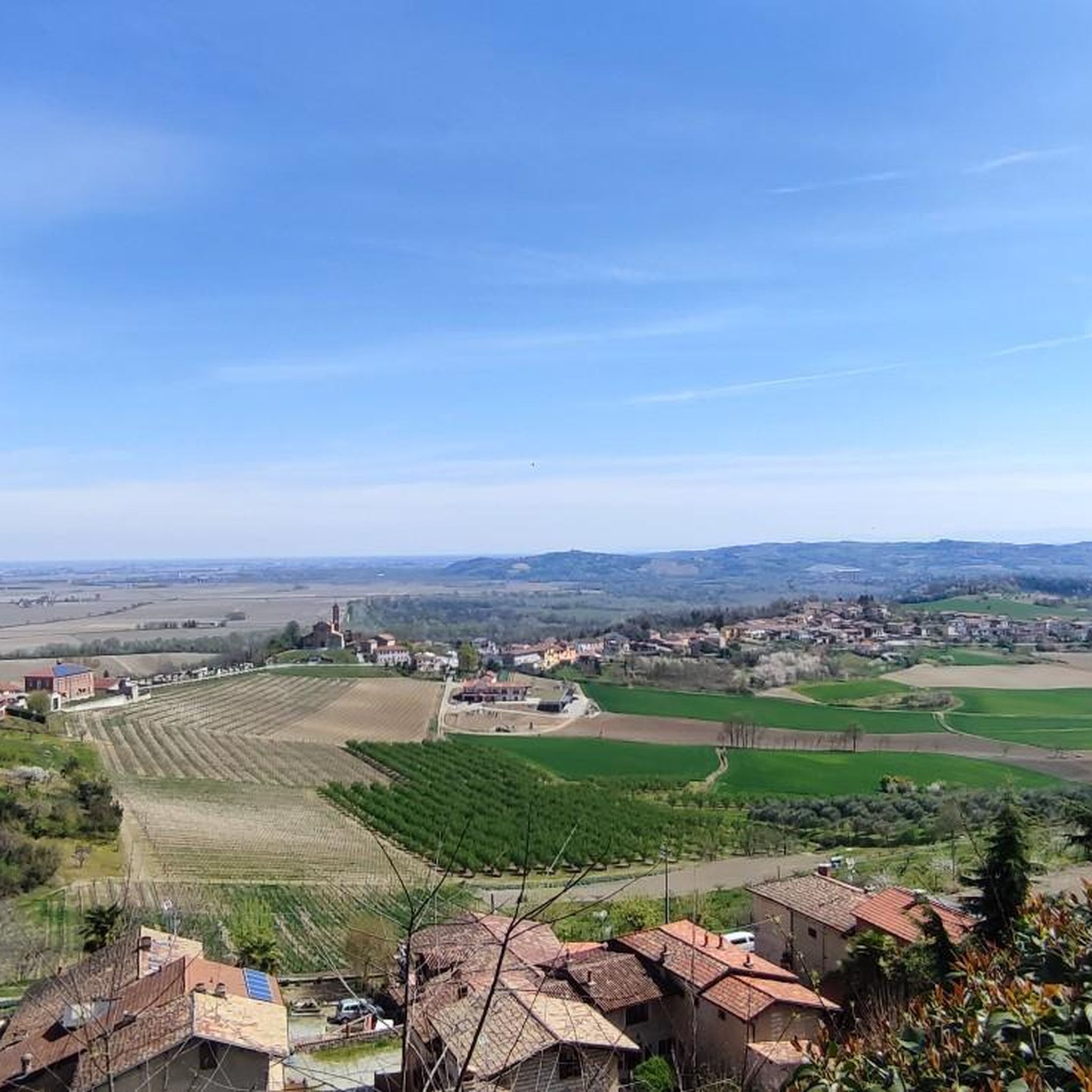
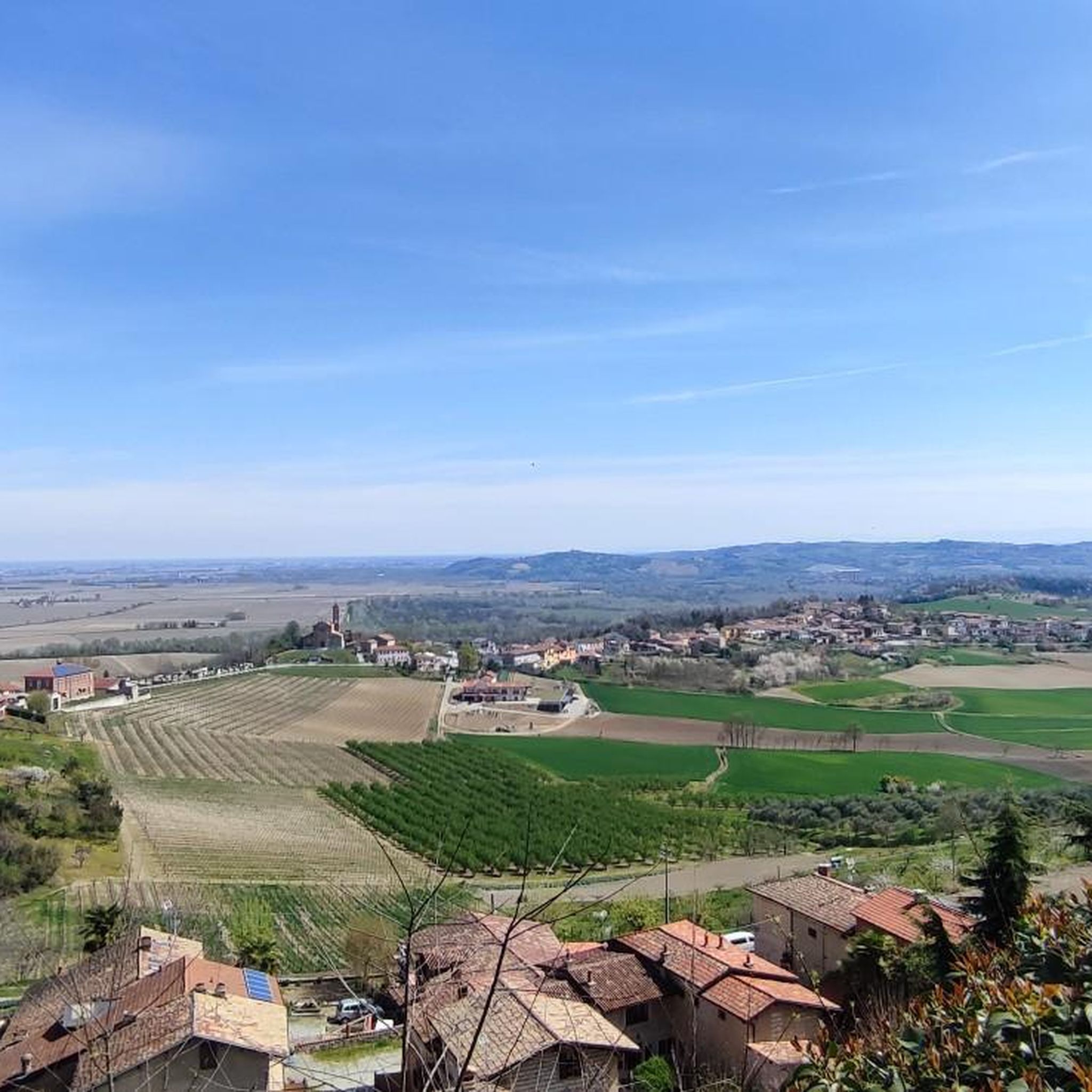
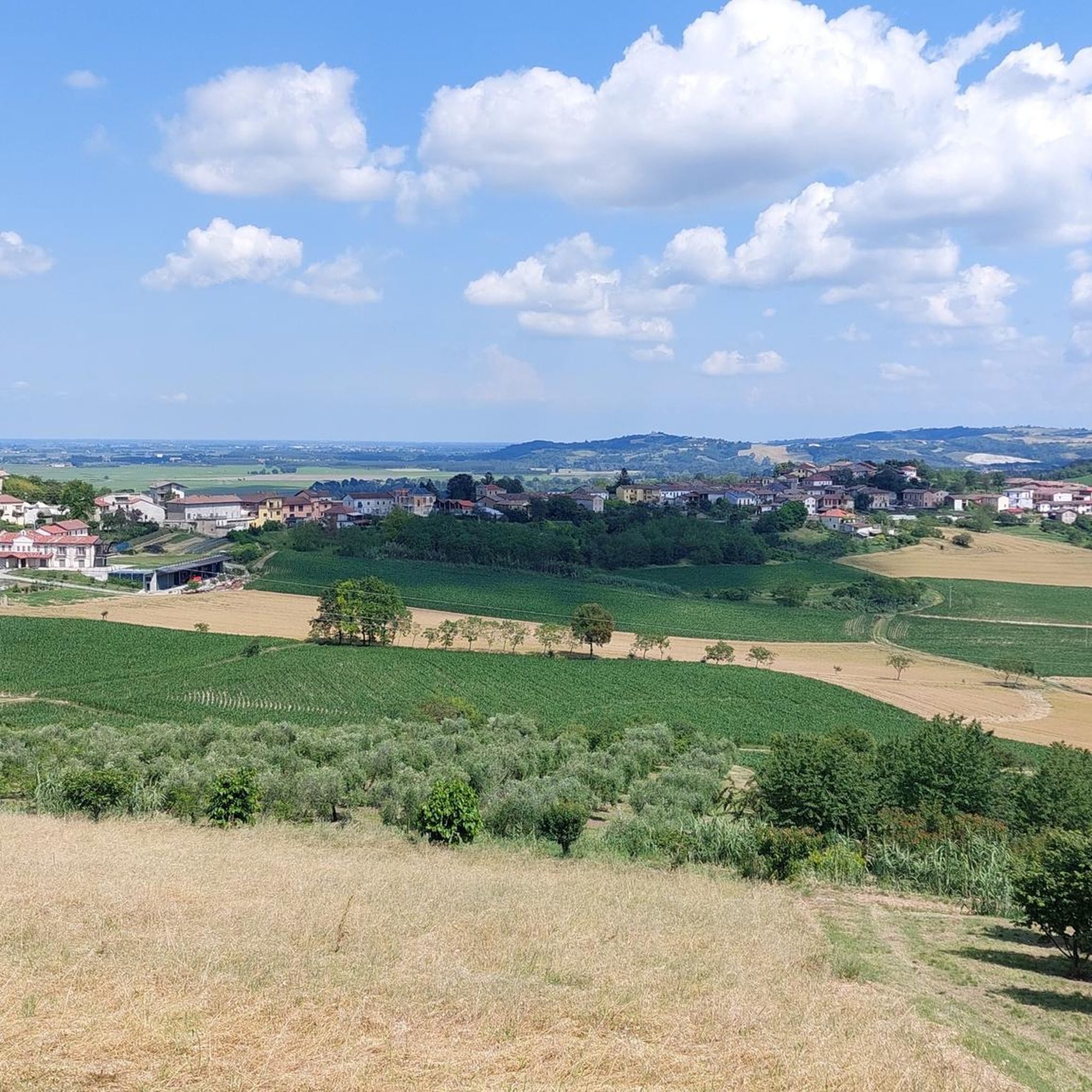

Tips from the Community

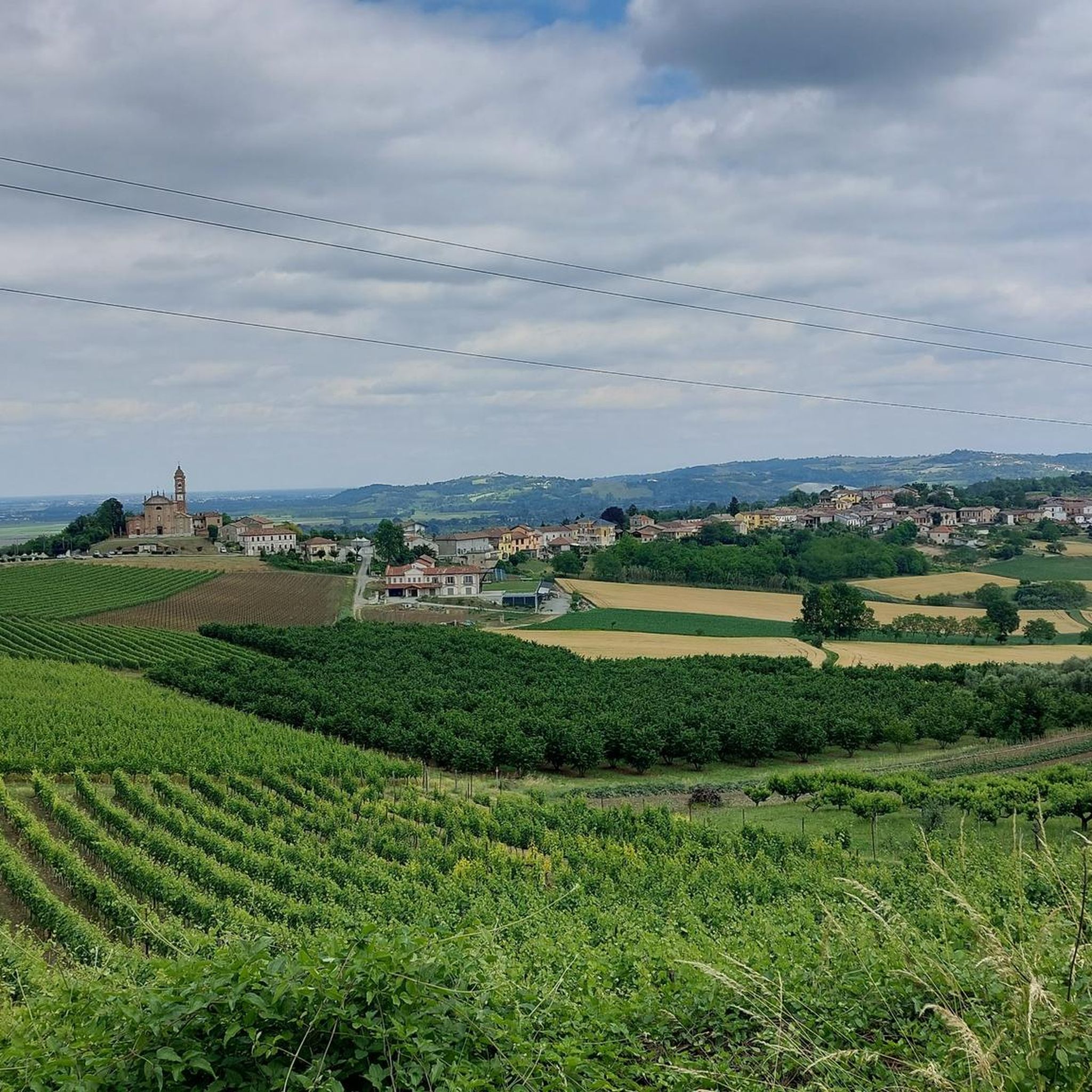
Nestled among centuries-old trees, Camino Castle dominates the ancient village from above and contributes to one of the most easily recognizable hilltop profiles of the Lower Monferrato.
0
0

Around 1900, the extremely wealthy entrepreneur, financier, art collector and patron Riccardo Gualino (1879–1964) began building a neo-Romanesque-neo-Gothic castle in a commanding position over the town. The architect of the building was the engineer Vittorio Tornielli. In 1918, the Castello di Cereseto became one of the residences of the Turin family, where lavish parties were celebrated with guests from the Piedmontese business and financial world, from the Agnelli to the Sella. The fort was inhabited by the family until the second half of the 20th century and is therefore well preserved.
6
0

The detour to Desana allows for a route up to the village on a gravel road. Very nice. In Desana, next to the Church, a small fountain useful for refilling water
1
0

Strategically important for to its position on the border between the ancient Marquisate of Monferrato and the possessions of the Diocese of Vercelli, the castle still retains an impressive appearance.
0
0

Micro rural hamlet in which there is an interesting concentration of churches, stately buildings and even a castle with a cylindrical tower. One of those things that you would never expect to find and that instead the Vercelli plain offers (...and often too)!
0
0

Nice climb with a nice view.
18
0
It looks like a castle straight out of a fairy tale.It is one of the castles of Monferrato with the best preserved external walls. The castle was built in the early twentieth century. Unfortunately, today the interior of the castle cannot be visited, but many people go to the village to see the imposing Cereseto castle from the outside and immortalize its beauty in their photographs.
9
0
One of the most spectacular castles in Monferrato and equipped with crenellated walls and towers. As with many ancient buildings in Italy, there are many legends about the castle of Camino. One of the most recurrent narrates that in the year 1494, Count Scarampo Scarampi, feudal lord of the Marquis of Monferrato, was accused of making forays into neighboring villages causing problems such as thefts and fires. After a long siege of the castle, which lasted two months, it was captured by the militias of Costantino Aranite, prefect of Casale. His wife, the Marquise Camilla, managed to escape from a secret passage and reach Casale to ask for a safe conduct for her husband's life. Scarampo Scarampi, however, had already been beheaded by those who had imprisoned him. When she learned of her husband's sad fate, out of desperation, the Marquise Camilla threw herself from the tower. Now, she walks around the battlements of the castle crying, while her husband walks around the manor with his head in his hand. Legend aside, in the inner courtyard of the castle of Camino there is the sarcophagus of the noble Scarampo, depicted at rest holding his head with his left hand.
14
0
Frequently Asked Questions
What are the most notable castles to visit in the Camino region of Monferrato?
The most popular castle is Camino Castle, known for its crenellated walls, towers, and local legends. Another must-see is Cereseto Castle, which looks like it's straight out of a fairy tale with its well-preserved external walls. For a scenic experience, consider the Climb to Castello di Gabiano, offering beautiful views of Monferrato and the Alps.
Are there any family-friendly castles to visit in the Monferrato region?
Yes, Cereseto Castle is categorized as family-friendly, offering an impressive exterior that captivates visitors. Additionally, the hamlet of San Genuario, with its castle and historical buildings, is also considered family-friendly.
What kind of historical significance do the castles in Camino hold?
The castles in the Monferrato region, such as Camino Castle and the castle in San Genuario, served various purposes from defensive strongholds to stately residences. They reflect centuries of regional development and were strategically important, often situated on borders or in commanding positions.
Can I explore the interiors of these castles?
While many castles offer impressive exteriors, the interior of Cereseto Castle, for example, is currently not open to visitors. However, its well-preserved external walls are a significant attraction. For Camino Castle, visitors can appreciate its crenellated walls and towers, and learn about its legends.
Are there any legends associated with the castles in this area?
Yes, Camino Castle is particularly rich in legends. One popular tale recounts the tragic story of Marquise Camilla and Count Scarampo Scarampi, whose spirits are said to still roam the castle grounds after a dramatic siege in 1494.
What outdoor activities can I do near the castles in Camino?
The Camino region offers a variety of outdoor activities. You can find numerous MTB trails, cycling routes, and hiking paths. For example, there are several MTB trails around Camino, cycling routes like the 'Panoramas of Basso Monferrato - Ring Tour', and hiking trails such as the 'Monferrato countryside trail to Big Bench viewpoint'.
Are there hiking trails that incorporate castle views or visits?
Absolutely. You can find several hiking routes that offer views of or lead to castles. For instance, the 'Camino Castle loop from Camino' and the 'View of the Hills and Valley – Camino Castle loop from Camino' are moderate hiking trails that allow you to experience Camino Castle. You can explore more options in the Hiking around Camino guide.
What kind of views can I expect from the castles or nearby areas?
The castles and their surroundings offer picturesque views of the Monferrato region. From the Climb to Castello di Gabiano, you can enjoy expansive panoramas of Monferrato and even the Alps on clear days. Camino Castle itself dominates the ancient village from above, contributing to one of the most recognizable hilltop profiles in Lower Monferrato.
Are there any unique architectural features among these castles?
Camino Castle is notable for its crenellated walls and towers. Cereseto Castle, built in the early 20th century, stands out for its neo-Romanesque-neo-Gothic style and remarkably preserved external walls. The castle in the hamlet of San Genuario features an impressive cylindrical tower.
What do visitors enjoy most about the castles around Camino?
Visitors frequently appreciate the historical atmosphere and the stunning views. The 'fairy tale' appearance of Cereseto Castle and the 'spectacular' nature of Camino Castle are often highlighted. The suggestive location and panoramic views from the Climb to Castello di Gabiano are also highly praised.
Are there any cycling routes that pass by castles?
Yes, several cycling routes in the area offer views of castles. For example, the 'View of Monferrato and Trino – Castello di Gabiano loop from Camino' is a difficult cycling route that takes you past Castello di Gabiano. You can find more options in the Cycling around Camino guide.
Is there a castle that is particularly well-preserved?
Cereseto Castle is noted for having some of the best-preserved external walls in Monferrato. While its interior is not accessible, its exterior offers a clear glimpse into its original grandeur.
Most popular attractions around Camino

Get inspired with the komoot mobile app


Explore more
Looking for the best castles somewhere else? Discover other guides around Camino:
