Top 9 Caves around Valgreghentino
Best caves around Valgreghentino are found within a region characterized by the Prealpi Comasche and Monte Cornizzolo, offering a mix of natural geological formations and historical sites. This area features subterranean attractions shaped by millions of years of water erosion on sedimentary rock. The landscape provides a setting for exploring both natural caverns and historically significant underground structures. The caves here offer insights into geology, archaeology, and local history.
Best caves around Valgreghentino
- The most popular caves is Sanctuary of Cornabusa, a religious site within a cave that is an impressive sanctuary located in a natural cave where a source of water flows. It enjoys an excellent view of the Imagna valley.
- Another must-see spot is Passata Mines, a historical cave and mine. This site features a mine from which galena (Lead Sulfide) was extracted, located at 1225 meters above sea level, with some entrances to the mine on three levels.
- Visitors also love Grotto of Our Lady of Lourdes, a religious grotto. This well-known Marian pilgrimage site depicts the Mother of God from Lourdes, with similar grottos built by believers in various locations.
- Valgreghentino is known for natural caves, historical mines, and religious grottos. The region offers a variety of subterranean experiences, from geological formations to sites of historical and spiritual significance.
- The caves around Valgreghentino are appreciated by the komoot community, with more than 110 photos and over 60 upvotes.
Last updated: June 30, 2026
Sanctuary of Cornabusa
Highlight • Religious Site
Translated by Google •
Tip by

Grotto of Our Lady of Lourdes
Highlight • Religious Site
The church's memorial day for "Our Lady of Lourdes" is on February 11th, the anniversary of the apparition of the Virgin Mary (1858), when the Mother of God appeared to 14-year-old Bernadette Soubirous in a rock grotto very close to Lourdes. Bernadette later became a nun and died at the age of just 35. On December 8th (the Feast of the Immaculate Conception of Mary) 1933, she was canonized by Pope Pius XI.
The commemoration of the Madonna of Lourdes is also World Day of the Sick.
Translated by Google •
Tip by

Sign up now to discover places like this
Get recommendations on the best single tracks, peaks, & plenty of other exciting outdoor places.
Sign up for free
Passata Mines
Highlight • Cave
Located at 1225 meters above sea level, the mine is also known as "della Rolla".
Translated by Google •
Tip by

Buco della Sabbia Cave
Highlight • Cave
It is a funerary cave with traces of bones, a series of tools and some graffiti, consisting of three successive rooms, the last of which is equipped with a vertical ventilation chimney.
Translated by Google •
Tip by

Funzi Cave
Highlight • Cave
In this case the shelter is inside a cave, in other cases they are small artificial constructions made with stones found on the spot.
Translated by Google •
Tip by

Sign up for free to discover even more caves around Valgreghentino.
Sign up for free
Already have an account?
Start today with a free account
Your next adventure awaits.
Login or Signup


Tips from the Community

Recommended reading: https://www.ecodibergamo.it/stories/eppen/outdoor/lanello-del-resegone-un-trekking-con-vista-tra-bergamo-e-lecco-o_3409562_11/
0
0

it is found on the path to Sasso di Preguda
0
0

The Mother of God depicted and venerated here is the one from Lourdes. This well-known Marian pilgrimage site is located in the French Pyrenees and is visited by many people every year, including many sick people who hope for healing. The devotional image of the Mother of God has become widespread - not only in France - and believers have built Lourdes chapels and grottos everywhere. The church's memorial day for "Our Lady of Lourdes" is on February 11th, the anniversary of the apparition of the Virgin Mary (1858), when the Mother of God appeared to 14-year-old Bernadette Soubirous in a rock grotto very close to Lourdes. Bernadette later became a nun and died at the age of just 35. On December 8th (the Feast of the Immaculate Conception of Mary) 1933, she was canonized by Pope Pius XI. The commemoration of the Madonna of Lourdes is also World Day of the Sick.
0
0

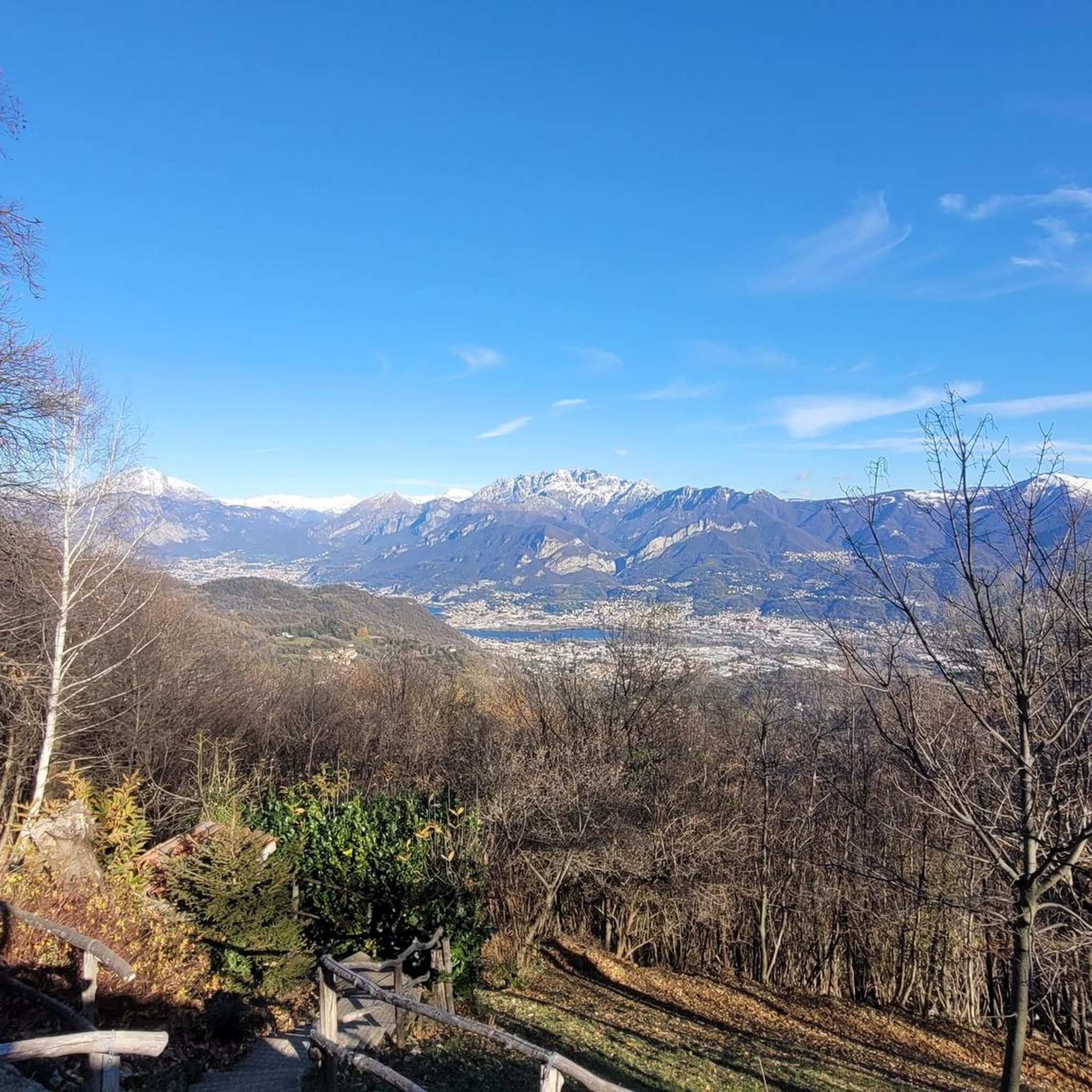
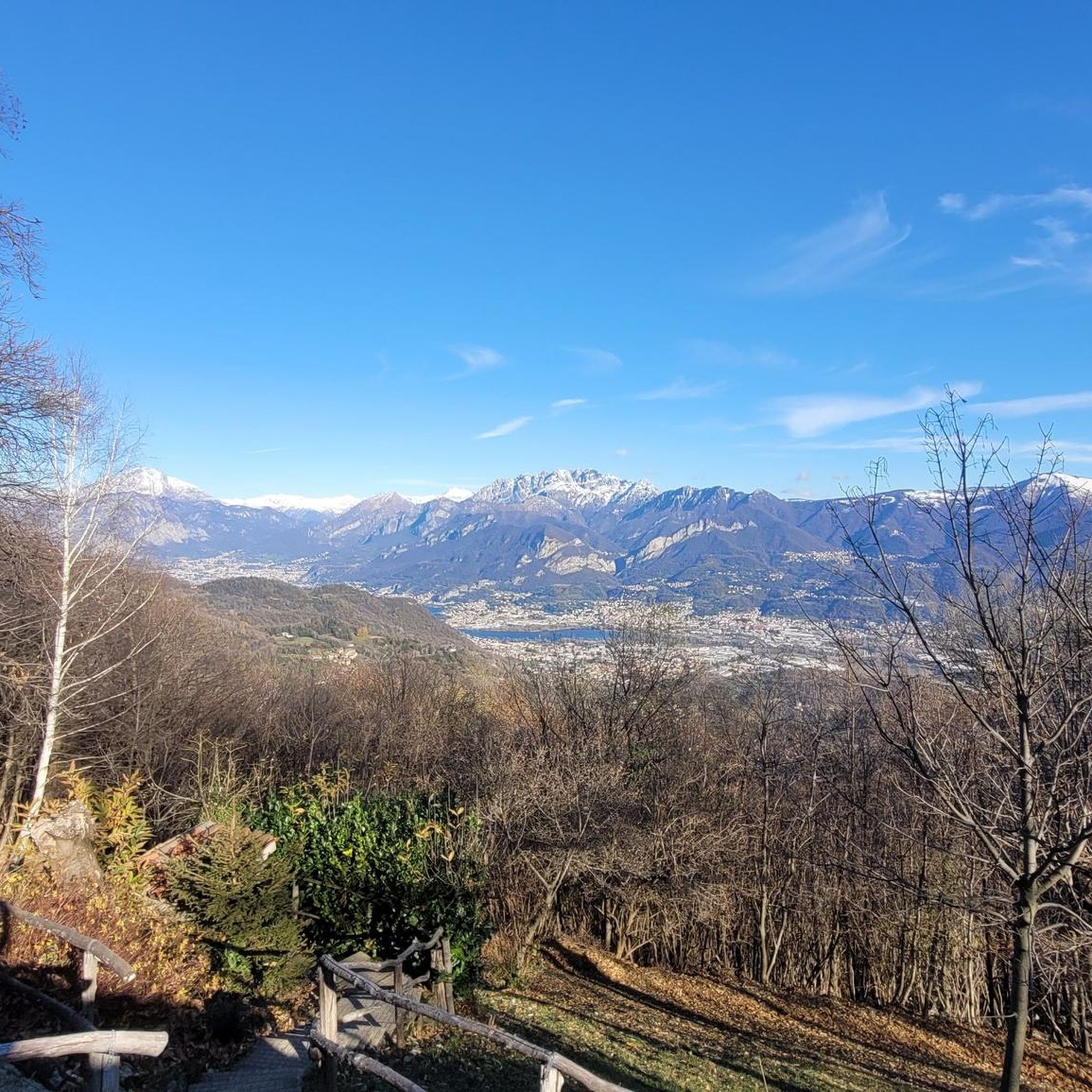
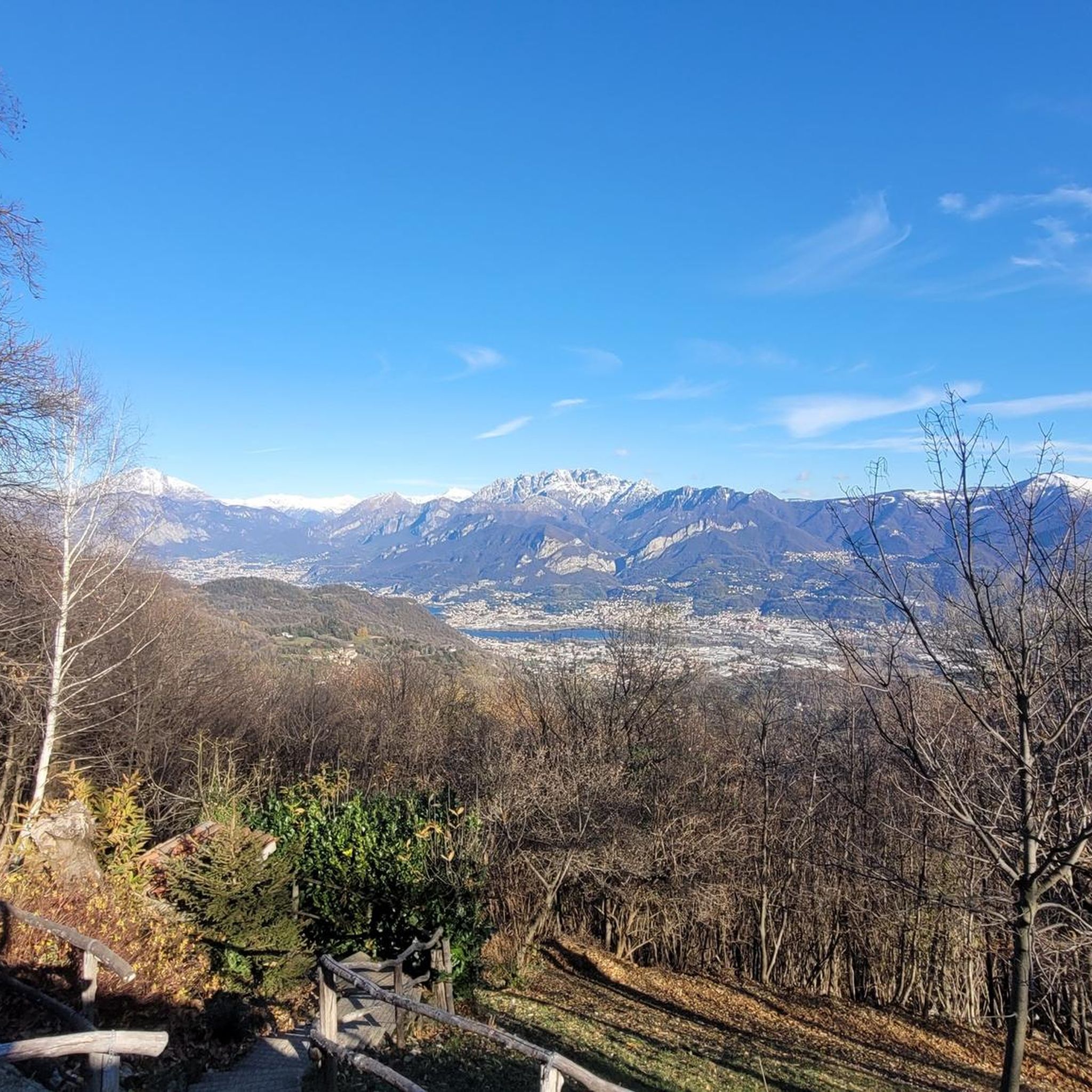
The Cornabusa Sanctuary, located in the heart of the Imagna Valley, is one of the most evocative sanctuaries in Lombardy. Built inside a natural cave, the sanctuary is dedicated to Our Lady of Sorrows, venerated in this place since the 16th century. The church has been expanded over the years, while maintaining the charm of the original place of worship carved into the rock. The sanctuary is a destination for pilgrimages and is appreciated for its spiritual atmosphere and spectacular panoramic view of the surrounding valley.
0
0


Mine from which galena (Lead Sulfide) was extracted. It is located 20 minutes from the Alpinisti Monzesi refuge, at the foot of Mount Resegone, where you can observe some entrances to the mine, located on three levels (one collapsed). On the way there are some structures in ruins. Located at 1225 meters above sea level, the mine is also known as "della Rolla".
0
0

it belongs to the so-called CASOTA .. typical name used in the area to indicate the species of shelters used in the periods in which one had to stay in the mountains to look after the flocks and did not go down to the valley for several days. In this case the shelter is inside a cave, in other cases they are small artificial constructions made with stones found on the spot.
0
0

The oldest evidence of the Civate settlement dates back to the third millennium BC. and precisely they can be identified in the remains of five individuals buried inside the so-called Sand Hole. It is a funerary cave with traces of bones, a series of tools and some graffiti, consisting of three successive rooms, the last of which is equipped with a vertical ventilation chimney.
1
0
Frequently Asked Questions
What are the most notable caves to visit around Valgreghentino?
The region around Valgreghentino features several significant subterranean sites. Among the most prominent are the majestic Buco del Piombo, known for its vast Jurassic cavern and geological formations, and the archaeologically rich Buco della Sabbia, which holds evidence of ancient human activity. Other notable sites include the Sanctuary of Cornabusa, a religious site within a natural cave, and the historical Passata Mines.
What kind of natural features can I expect to see in the caves?
The caves around Valgreghentino offer diverse natural features. The Buco del Piombo, for instance, is renowned for its impressive entrance (45 meters high, 38 meters wide) and intricate interior adorned with stalactites, stalagmites, and other concretions formed over millions of years. The Sanctuary of Cornabusa is also set within a natural cave where a source of water flows.
Are there any historical or archaeological sites within the caves?
Yes, several caves in the area boast significant historical and archaeological importance. The Buco del Piombo has yielded paleontological remains of *Ursus Spelaeus* (cave bears) and Paleolithic tools. The Buco della Sabbia is crucial for its Copper Age burials and Roman artifacts, which led to the identification of the 'Civate culture'. Additionally, the Passata Mines are historical sites where galena (Lead Sulfide) was extracted, and the Funzi Cave served as a traditional shepherd's shelter.
What is the difficulty level for exploring the caves?
Difficulty varies by cave. The Buco del Piombo involves a short trek to its entrance and approximately 160 uphill rock steps inside. The Buco della Sabbia has two easily accessible chambers, but a third is darker and requires a torch; it might also be challenging for those with claustrophobia or a fear of bats. The Buco della Sabbia Cave highlight is specifically categorized as 'challenging'.
Are there family-friendly caves to visit around Valgreghentino?
For families, the Buco del Piombo offers guided tours, providing an accessible way to explore its vast chambers and learn about its rich past. The Buco della Sabbia also has two easily accessible chambers, making parts of it suitable for a family visit, though a torch is recommended for deeper exploration.
What outdoor activities can I do near these caves?
The region around Valgreghentino offers a variety of outdoor activities. You can find numerous running trails, mountain biking routes, and road cycling routes. These range from moderate loops around the Adda River and Lake Garlate to more challenging climbs towards Monte Canto or the Hermitage of San Genesio.
What is the best time to visit the caves around Valgreghentino?
While specific opening hours or seasonal recommendations for all caves are not universally available, generally, the spring and autumn months offer pleasant weather for exploring the surrounding trails and accessing the cave entrances. For guided tours, such as those at Buco del Piombo, it's advisable to check their specific operating schedules.
What should I bring when visiting the caves?
For caves like the Buco della Sabbia, bringing a torch is essential for exploring its darker chambers. Comfortable walking shoes are recommended for all cave visits, especially for sites like the Buco del Piombo which involves a trek and steps. Depending on the cave, a light jacket might also be useful due to cooler underground temperatures.
Are there religious sites among the caves?
Yes, the area features significant religious sites within or near caves. The Sanctuary of Cornabusa is an impressive sanctuary located in a natural cave, dedicated to Our Lady of Sorrows. Another well-known Marian pilgrimage site is the Grotto of Our Lady of Lourdes, a devotional grotto depicting the Mother of God from Lourdes.
What makes the Buco del Piombo unique?
The Buco del Piombo is unique for its immense size, often compared to the Duomo of Milan, with an entrance measuring 45 meters high and 38 meters wide. It's a 'Jurassic cavern' carved into Maiolica limestone, featuring stunning stalactites and stalagmites. Beyond its geology, it's a site of significant archaeological interest, having yielded remains of cave bears and Paleolithic tools, and historically served as a refuge.
How long does it typically take to explore the main caves?
The time required to explore varies. For the Buco del Piombo, guided tours typically cover about 400 meters of galleries. The Buco della Sabbia, with its two easily accessible chambers and a third darker one, can be explored in a shorter timeframe, perhaps 30-60 minutes, not including the 25-minute walk to reach it from the Pozzo district.
What do visitors enjoy most about the caves around Valgreghentino?
Visitors appreciate the diverse experiences offered by the caves, from the spiritual atmosphere and panoramic views at the Sanctuary of Cornabusa to the geological wonders and archaeological insights of the Buco del Piombo and Buco della Sabbia. The historical significance of sites like the Passata Mines also draws interest, offering a blend of natural beauty and rich history.
Most popular routes around Valgreghentino
Most popular attractions around Valgreghentino

Get inspired with the komoot mobile app


Explore more
Extend your search for the best caves by checking out these guides of the top ones around Valgreghentino:
