Top 7 Caves around Segusino
Best caves around Segusino are found within the Veneto region, offering a mix of natural formations and historically significant subterranean sites. The area, particularly near the Monte Grappa massif, features karst caves and man-made tunnels. These sites provide insight into both natural geology and human history, including World War I military structures and ancient quarries.
Best caves around Segusino
- The most popular caves is Blue Grotto, a cave that offers a beautiful itinerary to see a spectacle of nature. The path is an easy walk, suitable for families, though some sections on the riverbed can be slippery.
- Another must-see spot is Old Lignite Mine of Mostaccin, a historical man-made site. Visitors can explore the old lignite mine in the Mostaccin valley, featuring artificial drains, a waterfall, and a cave, with picnic facilities available.
- Visitors also love Bus de Refos Cave, a karst gorge. This site is notable for water flow during rainy periods and is accessible by mountain bike for most of its length.
- Segusino is known for natural karst caves, historical man-made sites, and enlarged natural hollows. The region offers a variety of subterranean experiences, from geological formations to sites with historical significance.
- The caves around Segusino are appreciated by the komoot community. With more than 27 upvotes and 7 photos, these locations are well-regarded.
Last updated: June 30, 2026
Blue Grotto of Mel
Highlight • Cave
Translated by Google •
Tip by

Bus de Refos Cave
Highlight (Segment) • Cave
Translated by Google •
Tip by

Sign up now to discover places like this
Get recommendations on the best single tracks, peaks, & plenty of other exciting outdoor places.
Sign up for free
Old Lignite Mine of Mostaccin
Highlight • Structure
Translated by Google •
Tip by

Landrel Cave
Highlight • Cave
Translated by Google •
Tip by

Santa Barbara Cave
Highlight • Cave
You can get to the cave by walking up a stone staircase and inside you can admire the stone altar and the Statue of Santa Barbara, protector of miners, set in a niche in the rock.
Parking adjacent with a picnic table.
From this point some paths start for the surrounding mountains.
Translated by Google •
Tip by

Sign up for free to discover even more caves around Segusino.
Sign up for free
Already have an account?
Start today with a free account
Your next adventure awaits.
Login or Signup
Tips from the Community

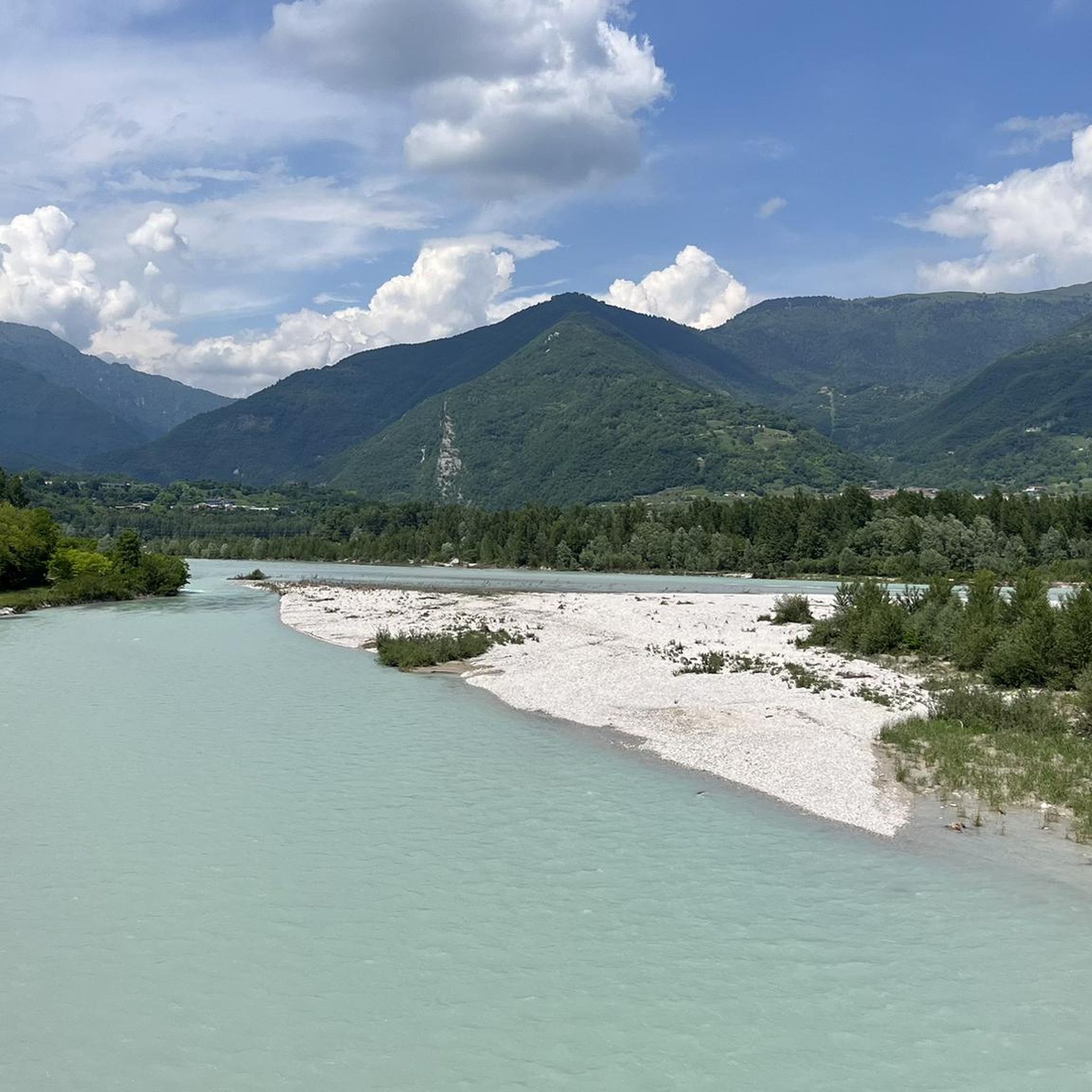
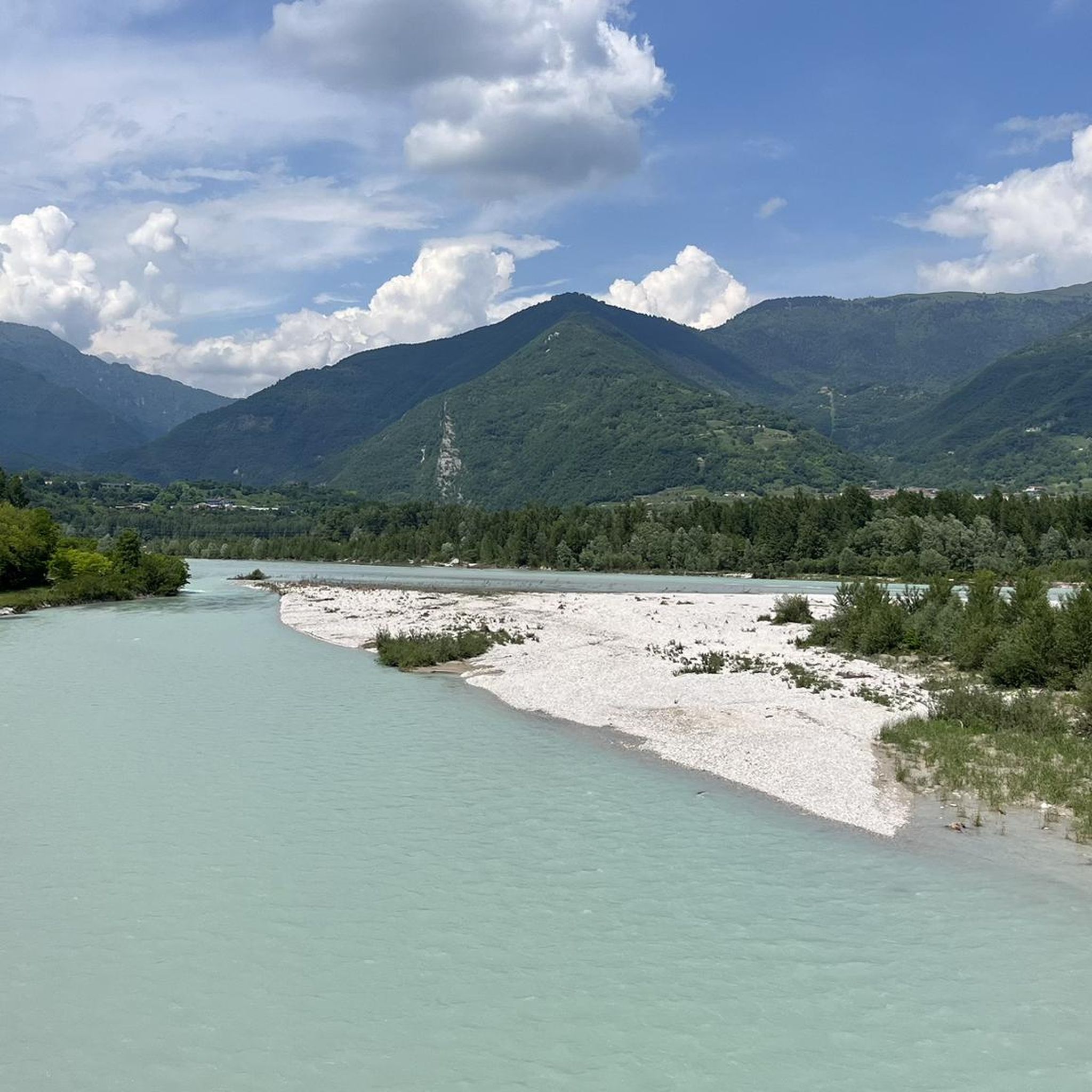
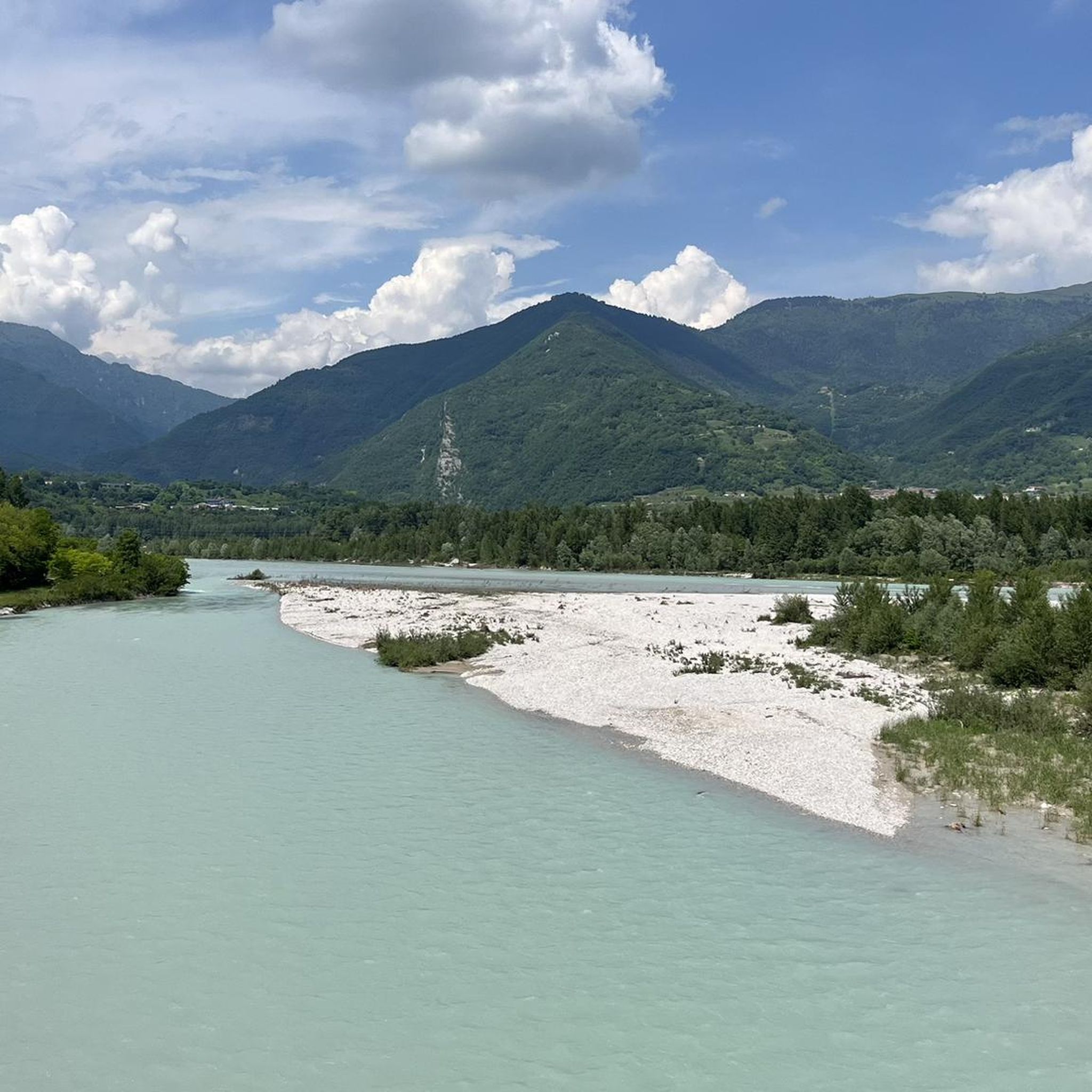
Karst gorge from which, in rainy periods, water flows. It can be reached by MTB except for the last 100m.
0
0

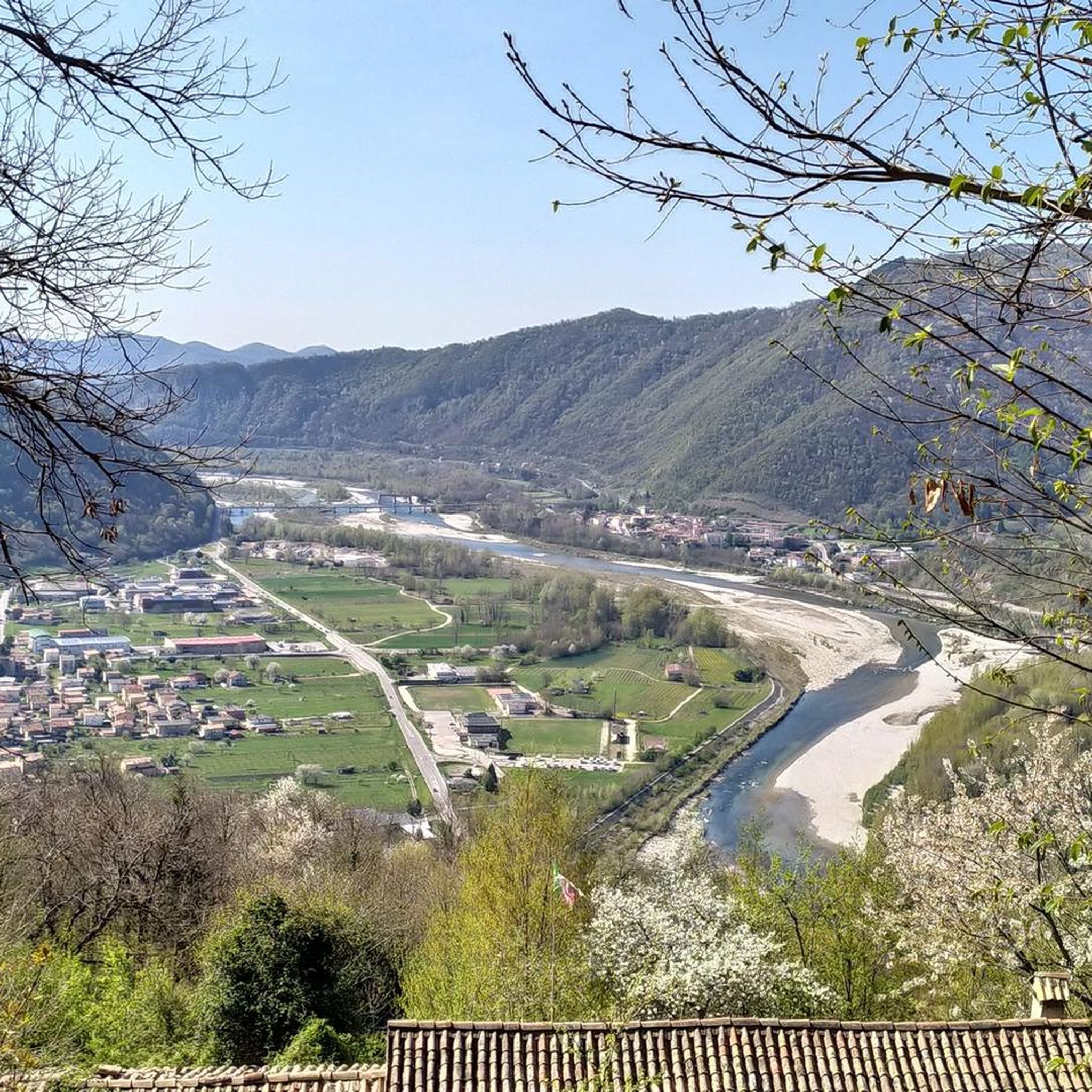
Blue Grotto of Mel It is an arch carved into the rock with a waterfall that flows into clear natural basins and then continues the path giving rise to the Rui stream. Zumelle Castle, an ancient fortification that dominates the Piave Valley. The start of the route is near the Zumelle castle. It is the only castle in Val Belluna that survived the destruction by the Serenissima in the 1400s to ensure total control of the territory
0
1

Natural cave particularly interesting due to the green/blue color assumed by the waters of the stream that crosses it
1
0

Natural spectacle, a color that is indescribable and leaves you speechless
1
0
Suggestive cave with blue/green water fed by a small waterfall whose waterfall can be admired from the end of the path
2
0

Beautiful place but the path that leads to the cave is not very simple!
3
0


The Grotta di Santa Barbara located at the end of the town of Schievenin, is an enlarged natural hollow with more than 400 mines, built by the inhabitants of the Valley and completed in 1924. You can get to the cave by walking up a stone staircase and inside you can admire the stone altar and the Statue of Santa Barbara, protector of miners, set in a niche in the rock. Parking adjacent with a picnic table. From this point some paths start for the surrounding mountains.
4
0
Frequently Asked Questions
What types of subterranean sites can I explore around Segusino?
The area around Segusino offers a mix of natural karst caves and historically significant man-made underground sites. You can find geological formations, World War I military tunnels, and ancient quarries repurposed for various uses.
Which caves are suitable for families with children?
The Blue Grotto is an excellent choice for families. It offers a beautiful itinerary with an easy walk, though some sections on the riverbed can be slippery. The Old Lignite Mine of Mostaccin also has picnic facilities, making it suitable for a family outing.
What historical underground sites can I visit near Segusino?
Beyond natural formations, the region is rich in historical subterranean sites. You can explore the Old Lignite Mine of Mostaccin, which features artificial drains and a cave. Additionally, the Santa Barbara Cave is an enlarged natural hollow with historical significance, built by valley inhabitants and featuring a stone altar. Further afield, the Monte Grappa massif contains extensive World War I tunnels, such as the Gallery Vittorio Emanuele III, offering a profound historical experience.
Are there natural karst caves to explore?
Yes, the region features natural karst caves. The Bus de Refos Cave is a notable karst gorge, known for water flow during rainy periods. The Landrel Cave also has karst origins, nestled in a picturesque landscape.
What makes the <a href="https://www.komoot.com/highlight/3931564" target="_blank" rel="noopener">Blue Grotto</a> a popular destination?
The Blue Grotto is highly regarded for its natural beauty, offering a spectacular visual experience. It's considered an easy walk, making it accessible for many visitors, including families, despite some potentially slippery sections on the riverbed.
Can I visit World War I tunnels in the Veneto region?
Yes, the Monte Grappa massif, located in the Venetian Prealps, is home to approximately 5 kilometers of World War I tunnels, bunkers, and trenches. The main tunnel, the Gallery Vittorio Emanuele III, is about 1500 meters long. These sites offer a unique historical insight into the war. You can find more information about the Sacrario Militare del Monte Grappa on Atlas Obscura.
What are the difficulty levels for exploring caves around Segusino?
Many of the accessible sites, like the Blue Grotto, are considered easy walks, suitable for beginners and families. However, some paths, especially those on riverbeds or leading to karst gorges like Bus de Refos Cave, may have slippery sections or require a moderate level of fitness. Always check specific highlight details for tips on terrain.
What outdoor activities can I do near these caves?
The area around Segusino offers various outdoor activities. You can find numerous running trails, including routes like the 'Milies – Stramare Village loop', detailed in the Running Trails around Segusino guide. For mountain biking enthusiasts, there are trails such as the 'Milies (Municipality of Segusino) – Fontana di Milies loop', available in the MTB Trails around Segusino guide. Gravel biking routes are also present, like the 'Molinetto della Croda – San Salvatore Castle loop', found in the Gravel biking around Segusino guide.
Is there parking available near the caves?
For some sites, like the Santa Barbara Cave, parking is conveniently adjacent to the site. For other locations, it's advisable to check specific access information or local signage upon arrival, as parking conditions can vary.
What do visitors enjoy most about the caves around Segusino?
Visitors particularly appreciate the blend of natural beauty and historical significance. The 'spectacle of nature' at the Blue Grotto and the 'very suggestive place' of the Old Lignite Mine of Mostaccin are frequently highlighted. The historical and religious aspects of sites like Landrel Cave and Santa Barbara Cave also resonate with many.
Are there any ancient quarries or man-made caves in the wider Veneto region?
Yes, further west in Veneto, near Montecchio Maggiore, you can find the extensive 'Priare Caves' (Covoli dei Castelli). These are not natural caves but vast underground quarries from which 'pietra tenera' (soft stone) was extracted, with archaeological evidence suggesting Roman use. They offer a glimpse into ancient quarrying techniques and their connection to local fortified complexes.
What should I wear when visiting caves in this region?
Given that some paths can be slippery, especially on riverbeds or after rain, sturdy, non-slip footwear is recommended. Layers of clothing are also advisable as temperatures inside caves can be cooler than outside. For historical sites like the WWI tunnels, a flashlight might be useful.
Most popular routes around Segusino
Most popular attractions around Segusino

Get inspired with the komoot mobile app


Explore more
Extend your search for the best caves by checking out these guides of the top ones around Segusino:
