Top 9 Castles around Ispra
Castles around Ispra, a town on the Lombardy shore of Lake Maggiore, offer glimpses into its historical past. The area features medieval ruins, significant architectural structures, and fortified sites. These locations provide insights into the region's strategic importance and aristocratic heritage. Visitors can explore various historical sites that reflect different eras of construction and purpose.
Best castles around Ispra
- The most popular castles is Shell Grottos of the Palazzo Borromeo, Isola Bella, a historical site that features six underground…
Last updated: October 3, 2026
Isola Bella Palace and Gardens
Highlight • Historical Site
Today Isola Bella is one of the most important sights on Lake Maggiore, which can be reached by boat from Baveno or …
Translated by Google •
Tip by

Shell Grottos of the Palazzo Borromeo, Isola Bella
Highlight • Historical Site
The magnificent Palazzo Borromeo, the Palazzo Borromeo is like a huge museum
Do not miss the opportunity to enter the sacred halls of the huge baroque …
Translated by Google •
Tip by
Sign up now to discover places like this
Get recommendations on the best single tracks, peaks, & plenty of other exciting outdoor places.
Borromean Fortress of Arona
Highlight • Castle
Translated by Google •
Tip by

Visconti Castle of San Vito
Highlight • Castle
Translated by Google •
Tip by

Orino Fortress
Highlight • Castle
Translated by Google •
Tip by

Sign up for free to discover even more castles around Ispra.
Already have an account?
Start today with a free account
Your next adventure awaits.
Tips from the Community

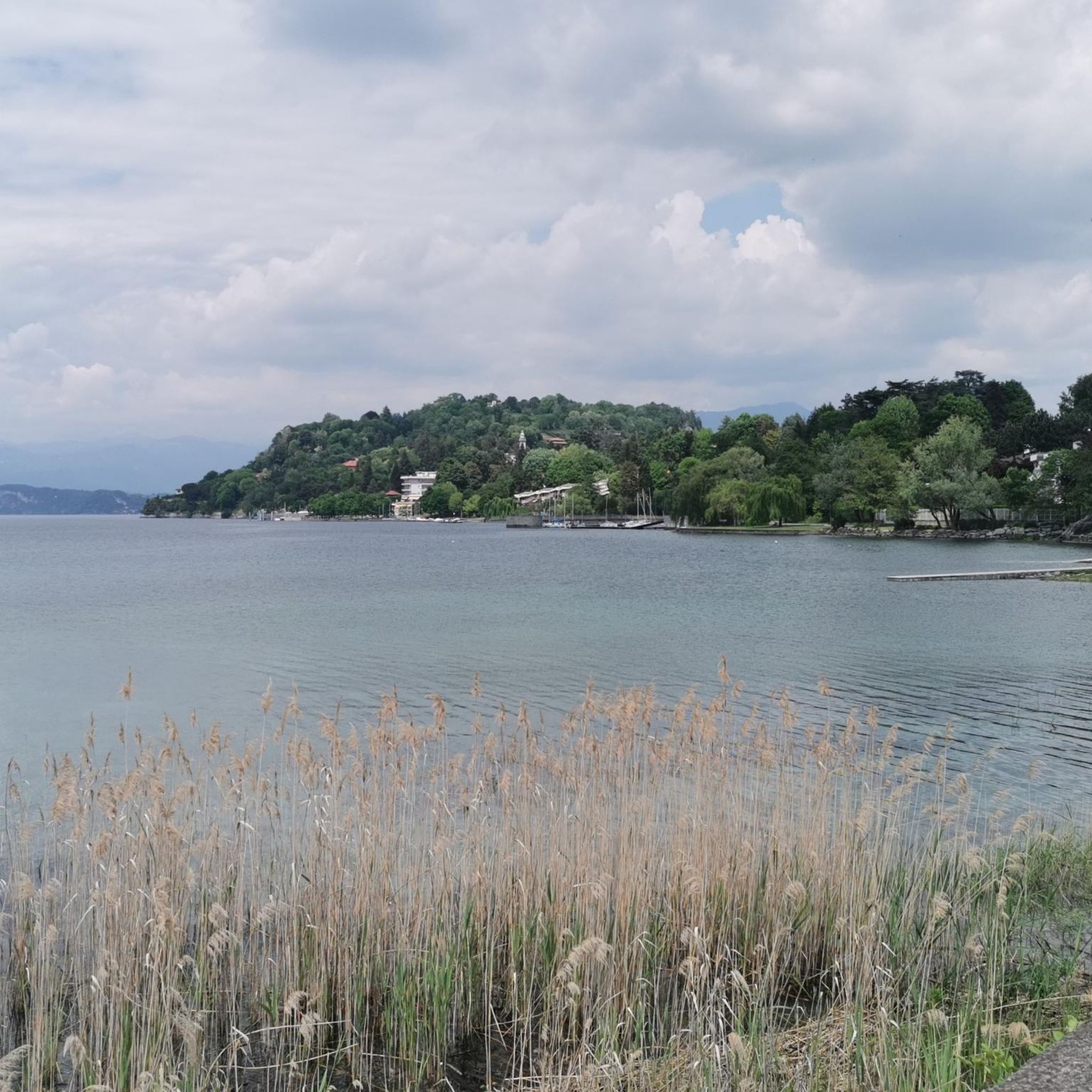
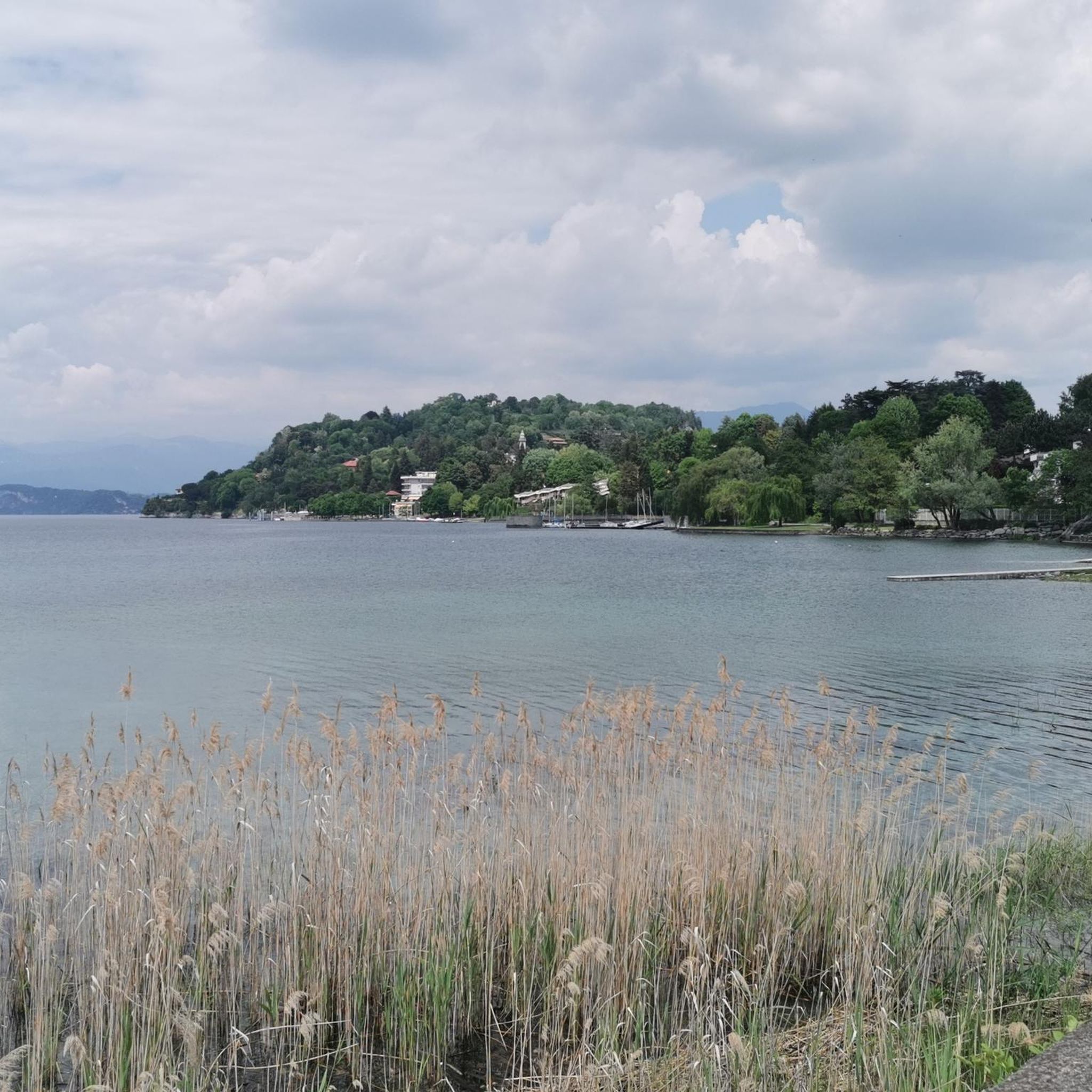
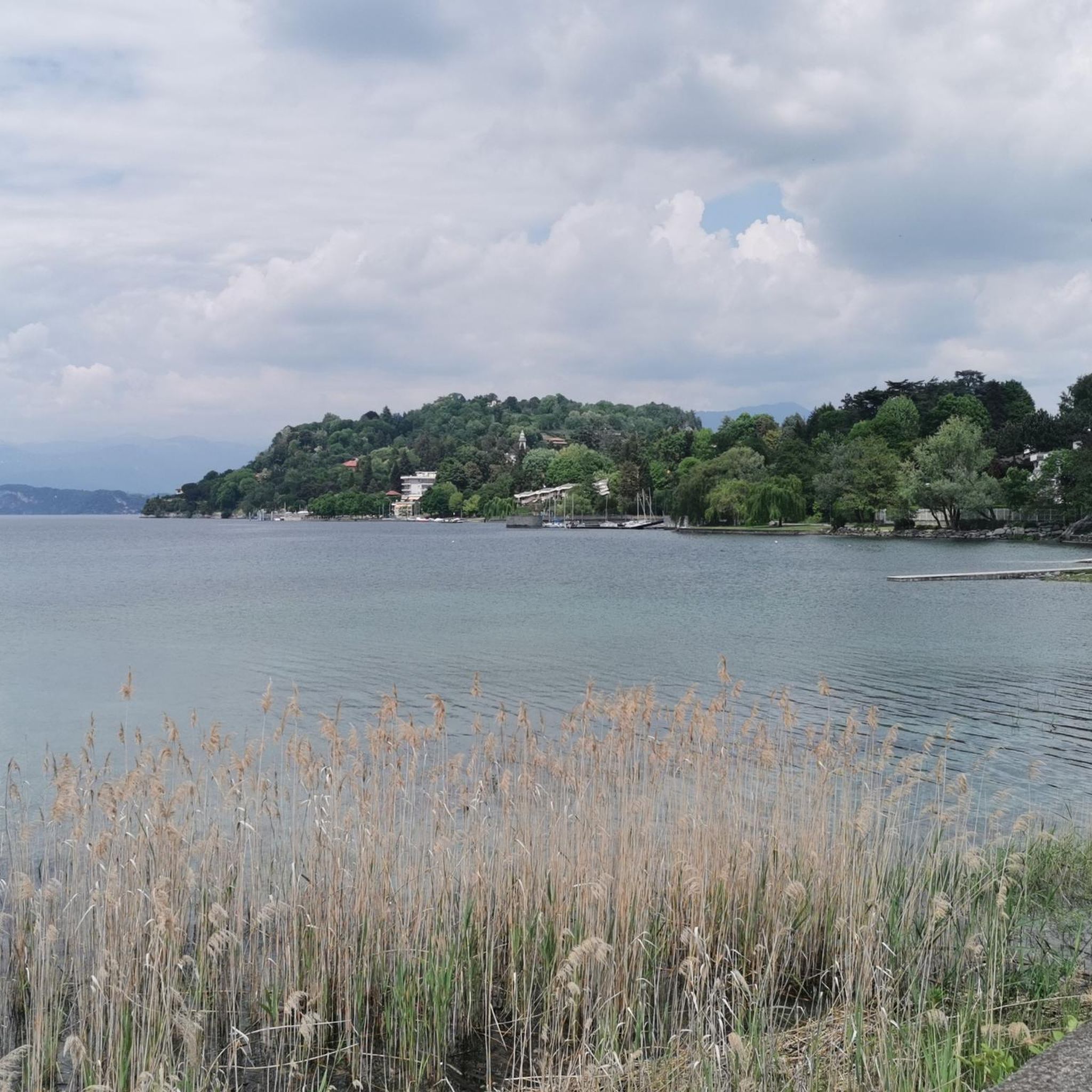
Spectacular view of the city of Arona and Lake Maggiore
0
0

It's a shame that you have to pay for every extra and every nice thing, but that's just the way it is - but of course it's definitely worth it; perhaps you should consider before your trip which sights are so important that you're "happy" to pay for them.
3
0

You should definitely plan enough time to visit the palace, because it is really worth it.
0
0

The Palazzo Borromeo is very impressive. It feels like you've stepped back in time. https://terreborromeo.it/de/palazzo-borromeo
0
0

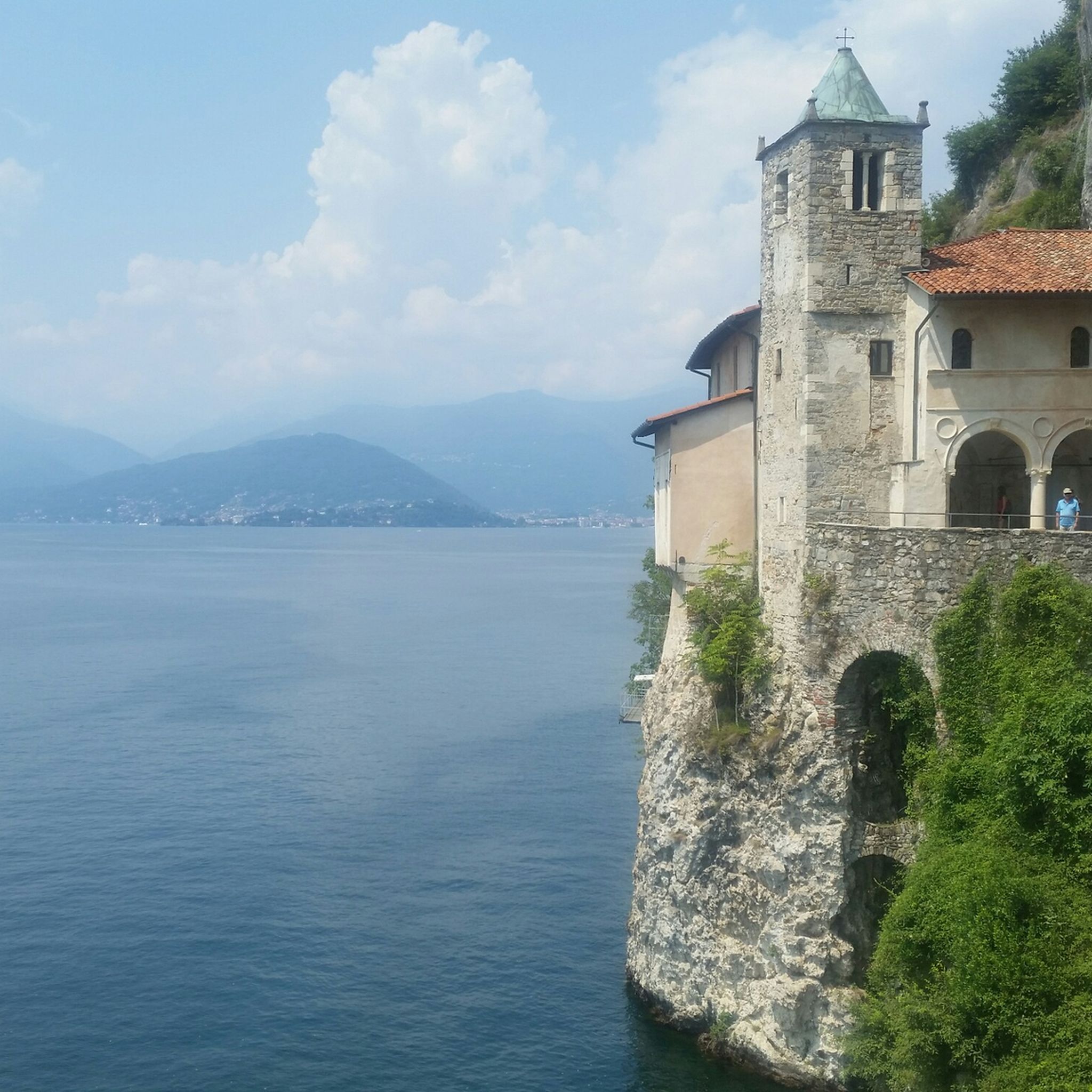
Once you arrive in Arona, walk along the lakeside and have an ice cream, go up to visit the statue of S. Carlone but... don't forget to visit the Rocca too! Founded in a period shortly before the year 1000 under the control of the Lombards, for four centuries the Rocca remained in the hands of the Borromeo family, giving birth to Cardinal San Carlo Borromeo in 1538; the history of the Rocca di Arona ends in 1800 when the Napoleonic army received the order to destroy some fortifications occupied by the Austrians; from that moment on only a few ruins of the Rocca di Arona remain. From above you can also enjoy a spectacular view of Arona below, of Angera opposite and of this entire stretch of lake!
0
0


The Church of the Purification of the Virgin Mary is the parish church of Massino Visconti in the Province and Diocese of Novara. It is part of the Vergante pastoral unit. The first mention of a Catholic church in Massino dates back to 887. The new church was built in the second half of the 16th century with three naves and was given the title of parish church during the same period, after the Church of San Michele was severely damaged by a landslide. In the first half of the 19th century, the old Romanesque bell tower was demolished and replaced with a new tower. The church's striking, west-facing façade consists of three volumes interrupted by pilasters: the main body, characterized by the main portal, is preceded by a small portico opening into a serliana in the center, while the two side wings have secondary entrances. Attached to the parish church is the stone bell tower with a square floor plan. Its cell has a single-lancet window on each side, protected by a balustrade, and is crowned by a pyramidal spire resting on a drum with an octagonal base. The interior of the building is divided into three naves, overlooking which the side chapels face. Pillars and columns support round arches, above which runs the molded and projecting entablature, upon which the vaults rest. At the end of the hall is the presbytery, raised a few steps, bordered by balustrades and housing the main altar. Several valuable works have been preserved here, including the 16th-century frescoes depicting Saint Mary of the Assumption and the Coronation of Mary, as well as the paintings on the vaults depicting the Doctors of the Church and the symbols of the Evangelists. it.wikipedia.org/wiki/Chiesa_della_Purificazione_di_Maria_Vergine_(Massino_Visconti)
0
0

Until 1632, Isola Bella was a rocky outcrop on which a small fishing village stood. Carlo III Borromeo began leveling the rock and building a palace on the island for his wife, Isabella D'Adda. The Palazzo Borromeo and its gardens are a prime example of Baroque art. The palace features salons with views of the lake, numerous paintings by famous artists, precious furniture, marble, neoclassical stucco, ancient sculptures, armor, and Flemish tapestries made of silk with gold thread. The basement contains several shell grottoes with light and dark stone and shell decorations. The gardens are staircased and pyramid-shaped, based on ancient models, and are bordered by balustrades, on which numerous statues of mythological heroes and animals are scattered. Source: Wikipedia
3
0
Frequently Asked Questions
What kind of historical sites can I explore around Ispra?
Beyond traditional castles, Ispra and its surroundings offer a variety of historical sites. You can visit the impressive Isola Bella Palace and Gardens, known for its Baroque architecture and terraced gardens, or the unique Shell Grottos of the Palazzo Borromeo, designed to mimic natural caves. The area also features medieval ruins like the Castle of San Cristoforo, offering a glimpse into Ispra's strategic past, and the architecturally significant Castelbarco Mausoleum.
Are there any castles with great panoramic views near Ispra?
Yes, several historical sites offer stunning views. The Rocca di Angera provides panoramic views over Lake Maggiore and the surrounding area. Similarly, the ruins of the Castle of San Cristoforo, located atop Monte del Prete, offer sweeping vistas of the central basin of Lake Maggiore and the mountainous landscapes. The Borromean Fortress of Arona is also known for its breathtaking panoramic views.
Which castles around Ispra are suitable for families?
For families, the Shell Grottos of the Palazzo Borromeo, Isola Bella are a great choice, featuring unique underground halls. The Rocca di Angera is also family-friendly, housing a doll museum with over 1,000 pieces that children often enjoy, alongside its historical appeal.
Can I combine a castle visit with outdoor activities like hiking or biking?
Absolutely. Many historical sites are situated in areas perfect for outdoor activities. For instance, the Castle of San Cristoforo is accessible via a hike up Monte del Prete. You can find various hiking trails around Ispra, including easy loops like the 'Sentiero delle Fornaci di Ispra' or the 'Historic Lime Kilns Loop'. For cycling enthusiasts, there are MTB trails such as the 'Lake Comabbio Loop' or the 'Lake Maggiore Trail: Ispra - Sesto Calende Stage' that can be explored near these historical locations.
What is the best time of year to visit the castles around Ispra?
The best time to visit is generally during the spring (April-June) and autumn (September-October) months. During these periods, the weather is pleasant for exploring historical sites and enjoying outdoor activities like hiking, and the natural scenery around Lake Maggiore is particularly beautiful. Summer can be warm, but also offers opportunities for boat trips to island castles.
Are there any unique architectural sites besides traditional castles?
Yes, Ispra offers unique architectural insights. The Castelbarco Mausoleum, erected between 1856 and 1865, is a prime example of neoclassical architecture, built with gray and pink Baveno granite. Its polygonal plan and domed structure make it a significant and beautiful sepulchral monument, showcasing refined 19th-century craftsmanship.
What historical features can I expect to see within the castles and palaces?
You can expect to see a rich array of historical features. At Isola Bella Palace, you'll find Baroque architecture, paintings, furniture, sculptures, and tapestries. The Rocca di Angera features 14th-century frescoes in the Sala di Giustizia and a notable doll museum. The Visconti Castle of San Vito, originally a convent, was transformed into an elegant country residence with a single tower and a small balcony where the Visconti family addressed villagers.
Are there any lesser-known historical sites worth visiting near Ispra?
Beyond the more prominent castles, the ruins of the Church of San Crescenzo in Ispra offer a poignant glimpse into medieval religious history. Situated on a promontory overlooking the lake, its remaining structures provide a picturesque and historically rich site for exploration, connecting visitors to Ispra's past.
What do visitors particularly enjoy about the castles and historical sites in the Ispra area?
Visitors frequently praise the breathtaking panoramic views offered by sites like the Rocca di Angera and the Castle of San Cristoforo. The unique architectural beauty of places like the Castelbarco Mausoleum and the intricate designs of the Shell Grottos are also highly appreciated. Many enjoy the blend of history with the stunning natural setting of Lake Maggiore.
Are there specific walking trails that include castle ruins or historical points of interest?
Yes, several walking trails in the area incorporate historical elements. For example, the ascent to the Castle of San Cristoforo ruins is a rewarding walk. You can also explore the 'Sentiero delle Fornaci di Ispra' loop trail or the 'Historic Lime Kilns Loop', which pass by historical industrial sites. For more options, check out the hiking guide for Ispra.
Where can I find information about parking near these historical sites?
Parking availability varies by site. For the Borromean Fortress of Arona, there are parking options in the town below, with a somewhat steep footpath leading up to the fortress. For other sites, it's advisable to check local signage or specific attraction websites upon arrival, as dedicated parking might be limited, especially for ruins or less developed sites.
Are there any castles that offer insights into the region's aristocratic past?
The Rocca di Angera, once a Visconti stronghold and now owned by the Borromeo family, offers deep insights into the region's aristocratic history. Similarly, the Visconti Castle of San Vito, transformed into an elegant country residence by the Visconti family, and the Isola Bella Palace and Gardens, a creation of the Borromeo family, are excellent examples of the enduring legacy of local aristocratic families.
Most popular attractions around Ispra

Get inspired with the komoot mobile app


Explore more
Looking for the best castles somewhere else? Discover other guides around Ispra:
