Top 7 Castles around San Rocco Al Porto
Best castles around San Rocco Al Porto are found in the surrounding areas, offering a glimpse into the region's rich architectural and historical heritage. While San Rocco al Porto itself does not feature prominent castles, nearby Piacenza hosts significant historical sites. The area is characterized by historical structures and fortified towns, providing diverse exploration opportunities.
Best castles around San Rocco Al Porto
- The most popular castles is Torre del Guado, a man-made monument that served as a tower of…
Last updated: June 30, 2026
Palazzo Farnese
Highlight • Historical Site
Translated by Google •
Tip by

Torre del Guado
Highlight • Monument
A square tower crowned by battlements, in the spring of 1525, …
Translated by Google •
Tip by

Sign up now to discover places like this
Get recommendations on the best single tracks, peaks, & plenty of other exciting outdoor places.
Sign up for free
Maccastorna and its castle
Highlight • Castle
Translated by Google •
Tip by

Castello Maccastorna
Highlight • Castle
Translated by Google •
Tip by

Villa Trivulzio Pallavicino
Highlight • Historical Site
Translated by Google •
Tip by

Sign up for free to discover even more castles around San Rocco Al Porto.
Sign up for free
Already have an account?
Start today with a free account
Your next adventure awaits.
Login or Signup

Tips from the Community

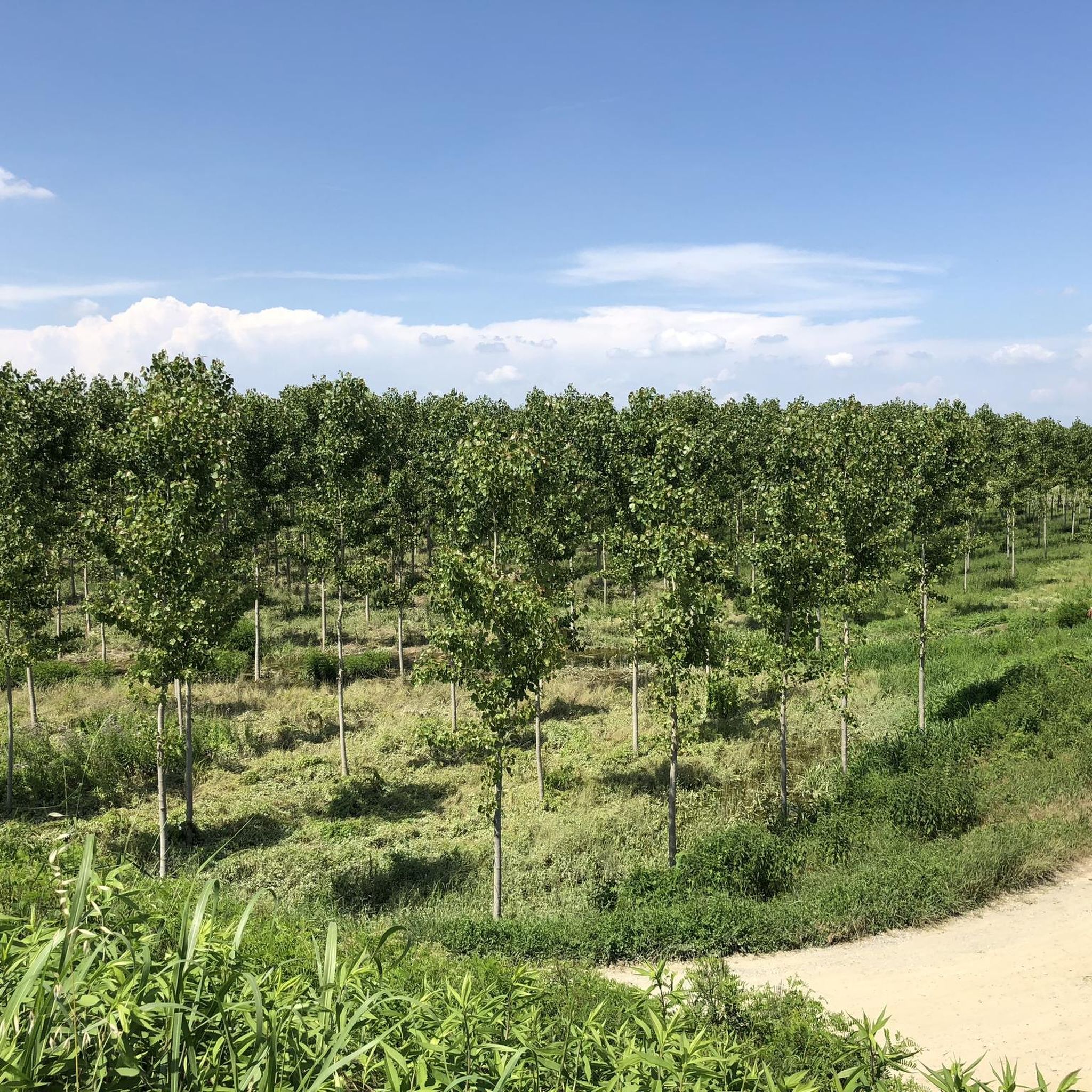
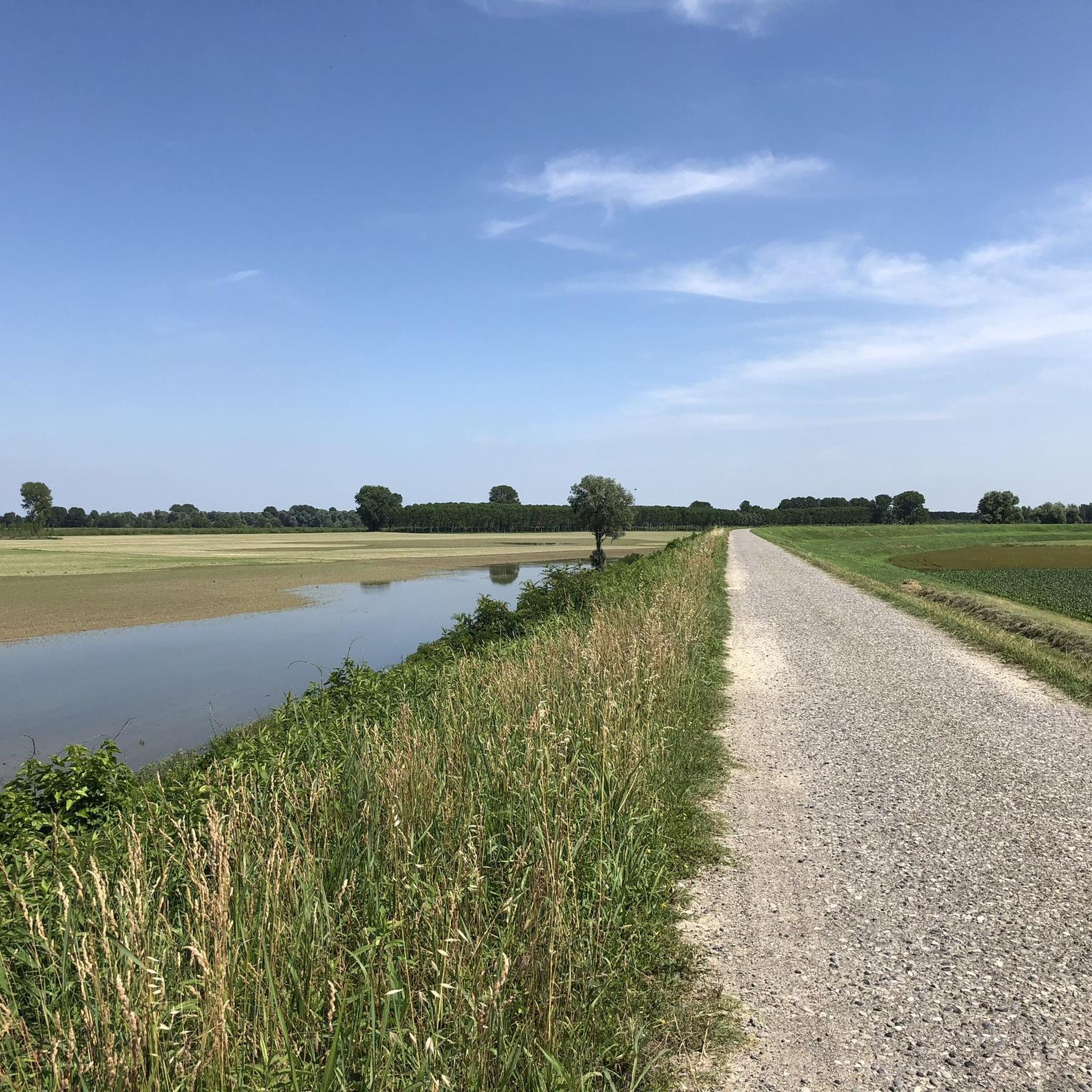
Pizzighettone is an ideal starting point for exploring both the banks of the Adda and for heading to Cremona along the cycle path of the Milan-Cremona canal
0
0

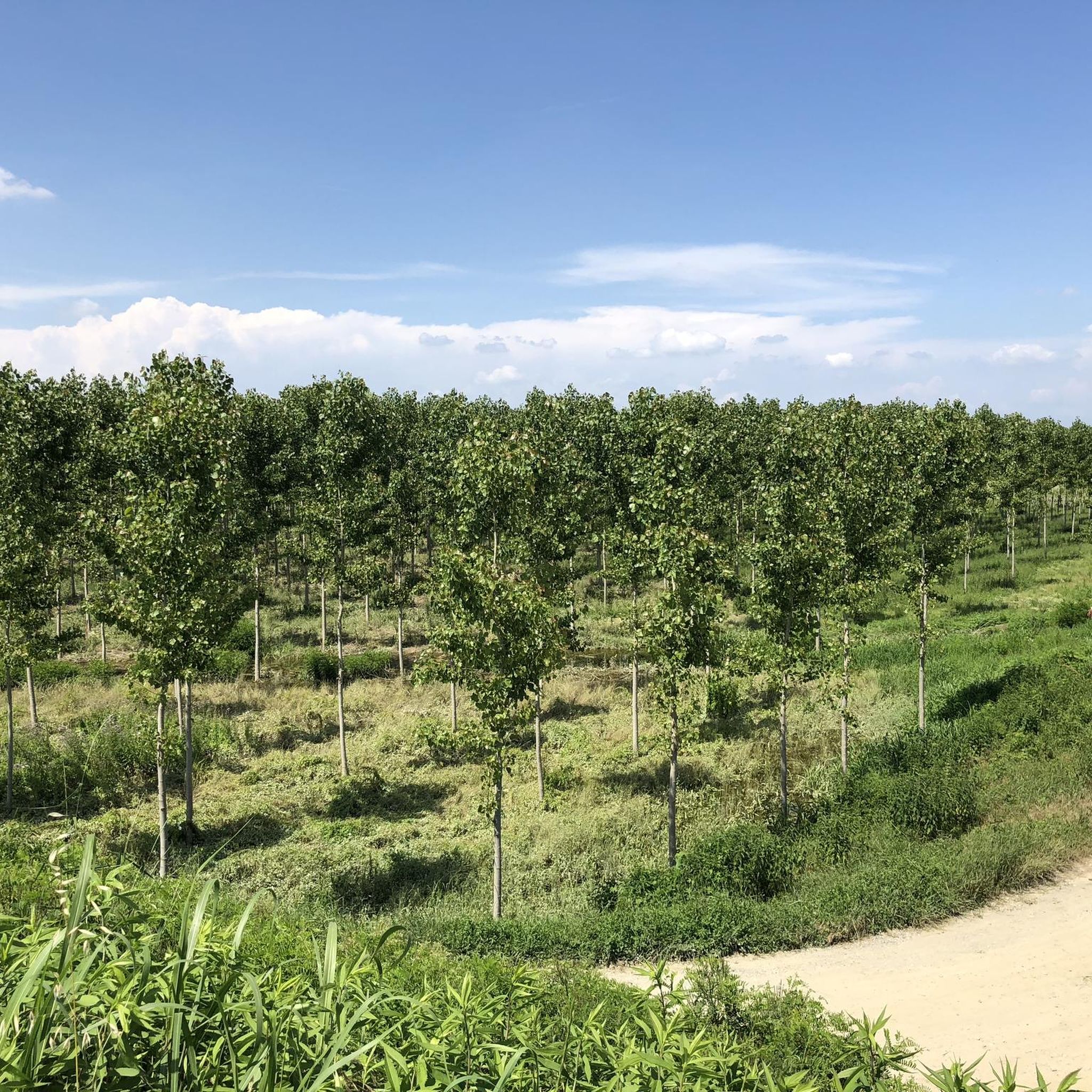
The tower is located near the Trento and Trieste bridge on the Adda river
1
0

Definitely worth it, there is a lot to explore, plan about 2 hours
1
0

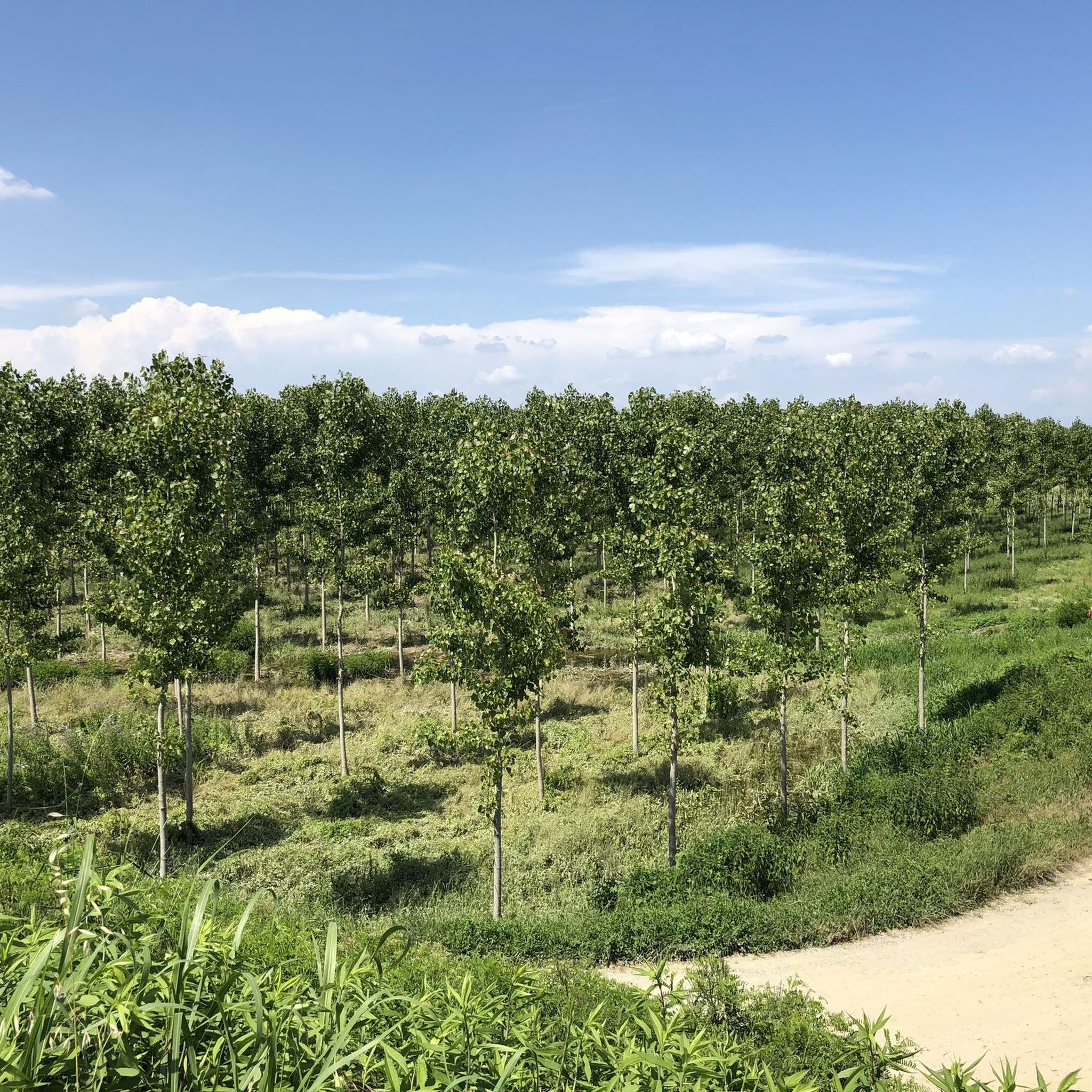
Very beautiful, old castle!
3
0

Palazzo Farnese, built in the second half of the 1500s under the direction of the architect Jacopo Barozzi, known as Vignola. After various events, this imposing building - which hosted many homeless people during the Second World War - is now home to the City's Civic Museums. Inside, the Madonna adoring the Child with the infant Saint John (known as Botticelli's Tondo) in the Pinacoteca stand out; the Sala dei Fasti Farnesiani, the room that more than any other exalts the Farnese family through pictorial representations; the curious Carriage Museum, one of the most prestigious in Italy on the subject; and the Archaeological Museum of the city and the territory which among its collections houses the famous Liver of Piacenza, an Etruscan find linked to the practices of the haruspic priests.
5
0

A small town of few inhabitants with a beautiful castle still intact, I leave you a link to learn more about architectural and historical details. https://www.lombardiabeniculturali.it/architetture/schede/LO620-00041/
1
0

Villa Trivulzio was built in the first half of the nineteenth century on the initiative of the noble Giorgio Pallavicino Trivulzio on the remains of a seventeenth-century feudal palace which in turn was built on the foundations of the ancient castle of San Fiorano.
0
0

Tower of an ancient castle, built in the municipal era by the Cremonese to defend the border towards Lodi. A square tower crowned by battlements, in the spring of 1525, for about fifty days, it was the prison of the King of France Francis I, captured by the Spanish in the battle of Pavia. In the rooms on the ground floor, fragments of frescoes dating back to the early periods of the castle are preserved. The second floor room, where according to tradition the "forced stay" of the King of France took place, houses some relics: a copy of the king's armour, a chest and various paintings on the walls.
3
0
Frequently Asked Questions
Where can I find castles and historical sites near San Rocco Al Porto?
While San Rocco al Porto itself doesn't have prominent castles, the surrounding areas, particularly near Piacenza and Pizzighettone, offer significant historical sites. Notable locations include Torre del Guado, Palazzo Farnese in Piacenza, and Maccastorna and its castle.
What historical sites are there besides traditional castles?
Beyond traditional castles, the region boasts several significant historical sites. In Piacenza, you can explore the Gothic Palace, a 13th-century building in Piazza Cavalli. Pizzighettone is another highlight, known for its well-preserved medieval walled city, including casemates and an old prison. Palazzo Farnese in Piacenza, originally a grand palace, now houses civic museums and state archives.
Are there any hidden gem castles or lesser-known historical sites to discover?
Pizzighettone, a medieval village on the Adda River, is a compelling destination for those interested in medieval fortifications. Its preservation by the Volontari delle Mura Group makes it a unique and perhaps lesser-known spot compared to more prominent sites. Maccastorna and its castle is also situated in a small town with few inhabitants, offering a charming, less crowded experience.
Are there family-friendly castles or historical sites to visit?
Yes, several sites are suitable for families. Torre del Guado, Palazzo Farnese, and Maccastorna and its castle are all categorized as family-friendly. Palazzo Farnese, for example, houses civic museums that can be engaging for various ages, including a Carriage Museum and an Archaeological Museum.
What outdoor activities can I do near these castles and historical sites?
The area around San Rocco Al Porto offers various outdoor activities. You can find numerous cycling routes, such as the 'Gothic Palace (Piacenza) – Statto Castle loop' or the 'Po Bridge of Piacenza – Left Bank of the Po Cycle Path loop'. For mountain biking, consider trails like the 'Trebbia River – Rivalta Castle loop'. Running enthusiasts can explore routes like the 'Trebbia Cycle Route'. You can find more details on these activities in the cycling, MTB, and running guides for the region.
What do visitors particularly enjoy about the castles and historical sites in this region?
Visitors appreciate the rich history and architectural beauty of the sites. For instance, Palazzo Farnese is praised for its extensive collections, including Botticelli's Tondo and the Carriage Museum, with visitors recommending at least two hours to explore. The well-preserved nature of sites like Maccastorna and its castle also receives positive feedback.
What is the best time of year to visit the castles and historical sites?
While specific seasonal tips for castles are not provided, generally, spring and autumn offer pleasant weather for exploring historical sites in Italy, avoiding the peak heat of summer and the colder, potentially wetter days of winter. However, sites like Palazzo Farnese, being largely indoors, can be enjoyed year-round.
Is public transport available to reach these sites?
Information on specific public transport routes to each castle is not detailed. However, major historical sites like Palazzo Farnese are located in Piacenza, a city generally accessible by public transport. For more remote sites like Maccastorna, personal transport might be more convenient.
Are there parking options near the castles?
For sites located within cities like Piacenza (home to Palazzo Farnese), you can typically find public parking facilities within walking distance. For smaller villages or more rural locations, parking availability may vary, often including street parking or small designated areas.
Are the castles and historical sites wheelchair accessible?
Accessibility varies greatly between historical sites. Modern museums within structures like Palazzo Farnese may offer some accessibility features, but older fortifications and castles, such as Torre del Guado or Maccastorna and its castle, often have stairs, uneven surfaces, and narrow passages that can limit wheelchair access. It's advisable to check with individual sites directly for specific accessibility information.
Can I visit these historical sites with my dog?
Policies regarding dogs vary by site. Outdoor areas around castles and historical villages might be dog-friendly, especially if dogs are kept on a leash. However, indoor sections of museums, palaces, or protected historical buildings typically do not permit pets, with the exception of service animals. Always check the specific rules of each location before visiting with your dog.
What should I wear for a castle tour?
For exploring castles and historical sites, comfortable walking shoes are highly recommended, as you may encounter uneven terrain, stairs, and cobblestones. Layered clothing is also advisable, as temperatures can vary between indoor and outdoor sections, and depending on the season. If visiting during cooler months, a jacket or coat will be necessary.
Are there cafes or places to eat near the castles and historical sites?
Yes, especially in larger towns like Piacenza, where Palazzo Farnese is located, you will find numerous cafes, restaurants, and eateries. Even smaller villages like Pizzighettone or Maccastorna often have local establishments where you can enjoy a meal or a coffee.
Most popular routes around San Rocco Al Porto
Most popular attractions around San Rocco Al Porto

Get inspired with the komoot mobile app


Explore more
Looking for the best castles somewhere else? Discover other guides around San Rocco Al Porto:
