Top 10 Castles around Butera
Best castles around Butera offers a journey through historical fortifications in Sicily. The region features a mix of coastal and city-center castles, providing insights into different historical periods and architectural styles. These structures served various purposes, from defense against invasions to noble residences, and are set within diverse landscapes. The area's castles reflect its strategic importance and rich cultural heritage.
Best castles around Butera
- The most popular castles is Castelluccio di Gela, a castle that was originally an impenetrable…
Last updated: August 24, 2026
Licata
Highlight • Settlement
Translated by Google •
Tip by

Castelluccio di Gela
Highlight • Castle
Translated by Google •
Tip by

Sign up now to discover places like this
Get recommendations on the best single tracks, peaks, & plenty of other exciting outdoor places.
Sign up for free
Mazzarino Castle
Highlight • Castle
Translated by Google •
Tip by

Sant'Angelo Castle (Licata)
Highlight • Castle
Translated by Google •
Tip by

Arab-Norman Castle of Butera
Highlight • Castle
Translated by Google •
Tip by

Sign up for free to discover even more castles around Butera.
Sign up for free
Already have an account?
Start today with a free account
Your next adventure awaits.
Login or Signup
Tips from the Community

The castle of Sant'Angelo enjoys a fantastic view of the sea
0
0

The coves of the Nicolizia district offer small isolated beaches, and various areas with rocks.
0
0

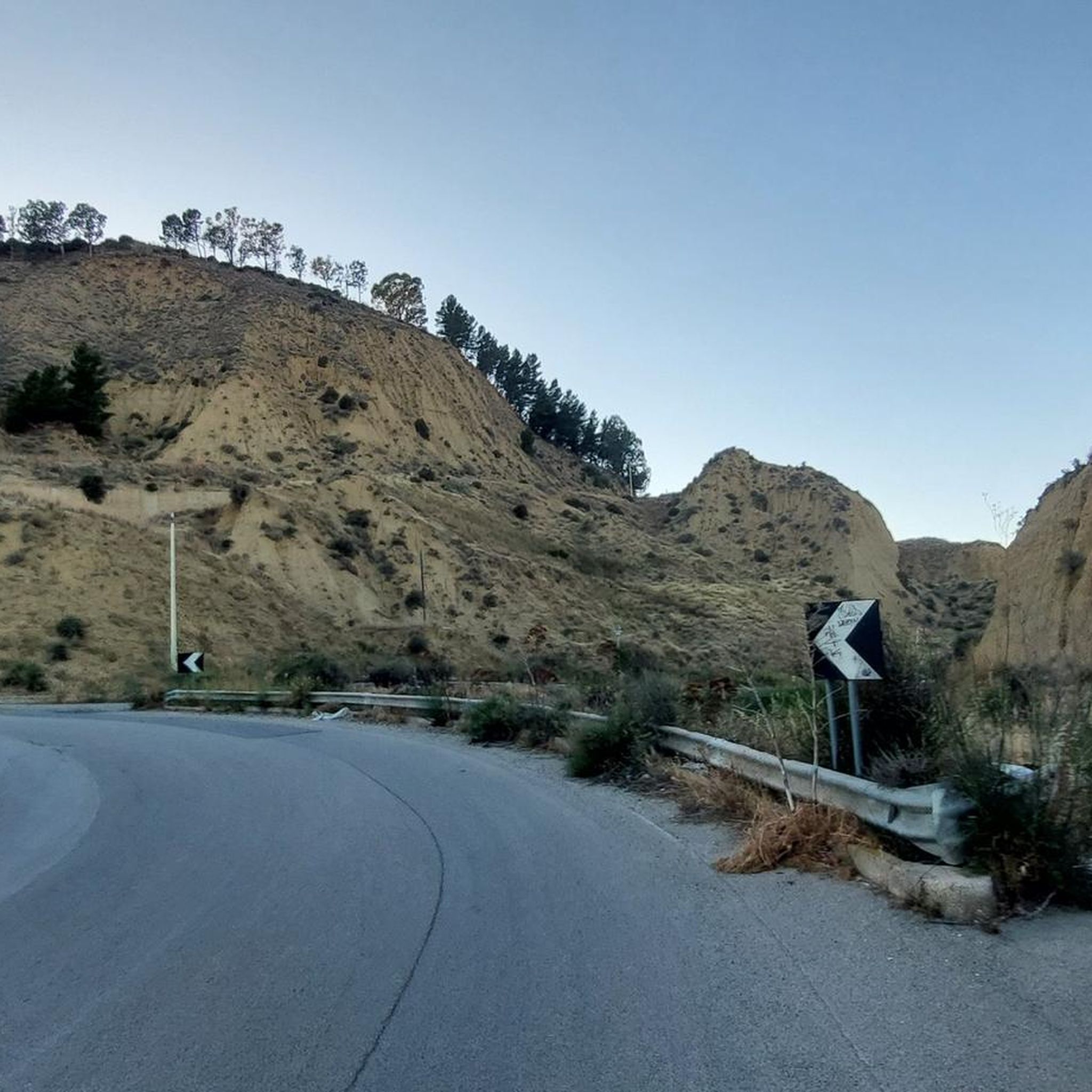
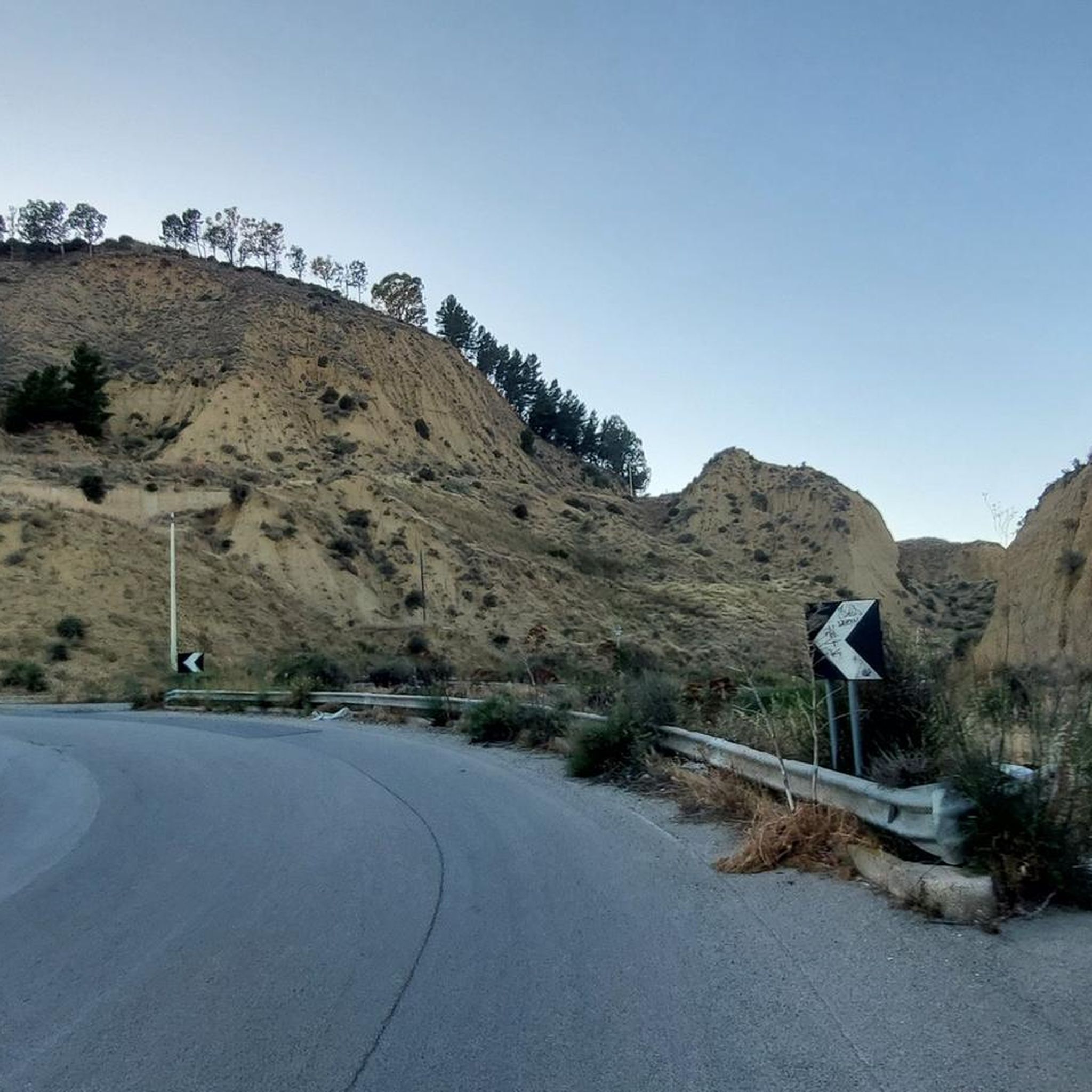
Romanesque-Norman castle from the 12th century AD It is normally closed, but to the left of the entrance gate, a fence allows access.
1
0

Located in the middle of the southern coast of Sicily, Licata is a seaside resort also famous for its Baroque style churches and the Castel Sant'Angelo castle also in Baroque style. In addition to culture, you can relax on the Maraniello beach.
2
0

Small hamlet rich in history with a characteristic church and a small Arab-Norman castle. Worth a visit!
0
0

Whether you are a curious visitor or a soul in search of roots, let Castelluccio di Gela envelop you in its emotions. Breathe in the ancient air, listen to the whispers of the wind in its ruins and feel the heartbeat of a city that lives on through the ages.
1
0
In a distant time, in an era of great enterprises and adventures, the Greeks founded the majestic city of Gela. On a mighty and imposing hill, Castelluccio arose, an impenetrable fortress that dominated the city and the surrounding plain. Imagine the power of its defensive walls and the high majesty of the towers that soared towards the sky. The city prospered, its heart pounding with commerce and culture. Gela became a beacon of light and wisdom in the Mediterranean, and Castelluccio was its bulwark, protector of its wonders and its people. But the darkness of the shadow made its way to its gates. The Greco-Punic Wars brought destruction and pain with them. The Carthaginians invaded Gela and Castelluccio was severely hit. Its walls collapsed, the towers fell into disrepair. The majesty and glory that had once characterized the fortress were shattered by the fire and terror of war. But Gela's pride could not be broken. The Romans came to rebuild what had been destroyed. With love and dedication, they restored Castelluccio to its former greatness. It was still there, proud and imposing, ready to defend the city from attack. Centuries passed, and fate played its role. Castelluccio di Gela, once a symbol of power and hope, slowly fell into silence. Wars, abandonment and neglect reduced it to ruins. Its stones, once vibrant with life and battle, were left to their fate. But time cannot erase the beauty of the past. With the wind of change, archaeologists dug to bring to light the traces of the glorious past of Castelluccio di Gela. There, among the ancient stones, the fragments of history recomposed, like a faded memory that comes back to life. Today, as you climb the hills surrounding Gela, you can still hear the echoes of past deeds. The remains of Castelluccio stand out against the sky, a silent testimony of the vicissitudes and emotions he experienced. Looking beyond its collapsed walls, you can imagine the strength and pride of those who ardently defended it. Castelluccio di Gela is a reminder of our humanity, a symbol of our struggles and our hopes. Its ancient stones remind us that we are part of a greater story, that we are shaped by the past and that our present is a bridge to the future.
1
0

In an elevated position with respect to Licata, from here you can enjoy an excellent view of the city. its construction dates back to 1630.
1
0
Frequently Asked Questions
What are some notable castles to visit in and around Butera?
Beyond the well-known sites, you can explore Castelluccio di Gela, an ancient Swabian castle strategically built on a chalk hill, once an impenetrable fortress. Another significant site is Mazzarino Castle, a Norman military fortress with uncertain origins, where you can still see a cylindrical tower and some original walls.
Are there family-friendly castles to visit near Butera?
While specific family activities vary, the area around Licata, which includes Sant'Angelo Castle, is noted as family-friendly. The coastal setting and views from Sant'Angelo Castle can be enjoyable for all ages.
What historical insights do the castles of Butera offer?
The castles provide a deep dive into Sicily's past. The Castello di Butera, located in the town center, is an Arab-Norman castle from the 11th century, which even served as a prison until the 1970s. Today, it's an exhibition space for local artifacts. The Castello di Falconara, on the coast, dates back to the 14th century and was crucial for defense against pirate raids, showcasing rich interiors and historical furnishings.
What kind of views can I expect from the castles?
Many castles offer excellent panoramic views. From Sant'Angelo Castle (Licata), you can enjoy an excellent view of the city and the sea. Similarly, the Castello di Falconara boasts a 19th-century wing with a terrace offering stunning panoramic sea views.
Are there outdoor activities or routes near the castles around Butera?
Yes, the region offers various outdoor activities. You can find several cycling routes, such as the 'Via Fabaria Castelli: Butera Loop' for mountain biking, or longer touring bicycle routes like 'From Riesi to Ravanusa between archaeological sites and ancient mines'. For running, there are loops from nearby towns like Licata. You can explore more options on the Cycling around Butera, MTB Trails around Butera, and Running Trails around Butera guide pages.
What is the best time of year to visit the castles around Butera?
Sicily generally enjoys a Mediterranean climate. Spring (April-May) and autumn (September-October) are often ideal, offering pleasant temperatures for exploring historical sites without the intense heat of summer. This allows for comfortable walks around the castle grounds and enjoying the views.
How much time should I allocate for visiting the castles?
To fully appreciate the history and features of each castle, plan to spend at least 1-2 hours at each site. For castles like Castello di Butera, which serves as an exhibition space, or Castello di Falconara with its intricate interiors and coastal park, you might want to allow more time, especially if you wish to explore the surrounding areas or enjoy the views.
What makes Castello di Falconara unique?
Castello di Falconara is unique for its stunning coastal location and its blend of historical defense and modern use. Originally a 14th-century defensive structure with a large central tower used for breeding hunting falcons, it now serves as a temporary residence and a popular venue for events. Its rich interior, valuable collections, and panoramic sea views make it a picturesque and engaging site.
Can I learn about the architecture of the castles?
Yes, the castles showcase diverse architectural styles. Castelluccio di Gela, for example, is a Swabian castle with a simple, sober rectangular plan, thick walls, and two large towers, built with yellow and white calcarenite. The Castello di Butera is an Arab-Norman structure, while Sant'Angelo Castle (Licata) dates back to 1630, reflecting Baroque influences.
What do visitors enjoy most about the castles around Butera?
Visitors appreciate the rich history and strategic locations of these castles. Many enjoy the panoramic views, especially from coastal sites like Sant'Angelo Castle, and the opportunity to step back in time. The variety, from ancient fortresses to noble residences, offers a comprehensive historical experience.
Are there any castles that were originally military fortresses?
Yes, several castles in the region served as military fortresses. Castelluccio di Gela was an impenetrable fortress, strategically positioned to sight enemies. Mazzarino Castle was also a military fortress of Norman origin before being transformed into a residence. The Castello di Falconara maintained its defensive function against pirate raids until the late 18th century.
Most popular attractions around Butera

Get inspired with the komoot mobile app


Explore more
Looking for the best castles somewhere else? Discover other guides around Butera:
