Top 6 Castles around San Martino Valle Caudina
Best castles around San Martino Valle Caudina are situated in the Caudina Valley, a region known for its historical significance and mountainous landscape. The area is characterized by the slopes of the Partenio mountains, offering a blend of natural scenery and historical sites. This municipality features ancient defensive structures that have evolved over centuries, reflecting various historical periods. The region provides opportunities to explore historical architecture set within a natural environment.
Best castles around San Martino Valle Caudina
- The most…
Last updated: June 30, 2026
Montesarchio
Highlight • Settlement
Translated by Google •
Tip by

Ruins of Mercogliano Castle
Highlight • Castle
Translated by Google •
Tip by

Sign up now to discover places like this
Get recommendations on the best single tracks, peaks, & plenty of other exciting outdoor places.
Sign up for free
Macedonio Castle of Grottolella
Highlight • Castle
Translated by Google •
Tip by
Avella Castle and Roman Ruins
Highlight • Castle
Translated by Google •
Tip by

Capocastello of Mercogliano
Highlight • Castle
Translated by Google •
Tip by

Sign up for free to discover even more castles around San Martino Valle Caudina.
Sign up for free
Already have an account?
Start today with a free account
Your next adventure awaits.
Login or Signup
Tips from the Community

The municipality of Avella is famous for the cultivation of hazelnuts, the name of the city derives from this peculiarity since in Latin the fruit of the hazelnut is called nux avellana.
1
0

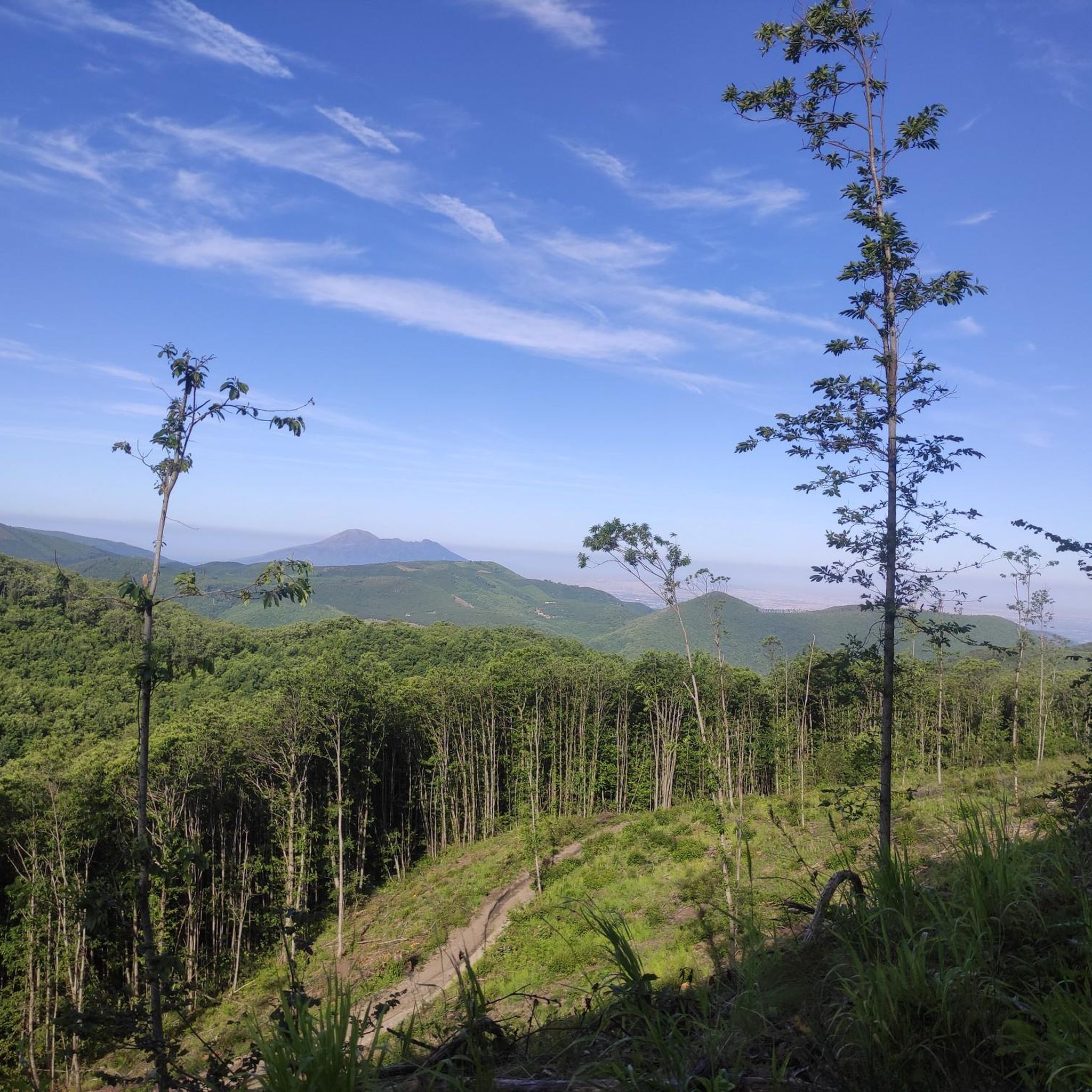
Montesarchio stands on a hill on the slopes of Monte Taburno, in the Caudina Valley, and is one of the entrances to the Taburno Camposauro Regional Park. It has ancient origins from the Samnites and the Romans, and is famous for its medieval castle that stands out in the panorama.
1
0

Capocastello is located in the municipality of Mercogliano and is a typical medieval village. In the past it was surrounded by stone walls to protect the town and above all the ancient castle that overlooked the town.
1
0

Ruins of the Castle of the hamlet of Mercogliano "Capocastello"
1
0

The castle of Grottolella built in 1083 on a pre-existing Lombard stronghold in control of the old village of Grottolella
1
0
The Castle dominates the old village over the valley crossed by the San Giulio stream, built on a pre-existing Lombard stronghold in the second half of the 11th century, it was besieged and destroyed by the troops led by Ruggiero II the Norman.
0
0
The ancient "Castle of Mercogliano", which dominated the town on the ancient Via del Partenio, was mainly intended to defend and prevent the passage on the western side, to reach Mugnano and Quadrelle.
4
0
Frequently Asked Questions
What kind of historical sites can I expect to find among the castles in San Martino Valle Caudina?
The region offers a rich blend of history, from ancient defensive structures to aristocratic residences. You'll find medieval fortresses like the Montesarchio castle, which has Samnite and Roman origins, and the Ruins of Mercogliano Castle, originally built for defense. The Avella Castle and Roman Ruins even allows you to explore both medieval and Roman history in one location.
Are there any castles in the area that offer insights into aristocratic life or unique architectural details?
Yes, the Castello Pignatelli Della Leonessa in San Martino Valle Caudina, originally a 9th-century defensive structure, evolved into an aristocratic residence. It largely preserves its medieval manor appearance, including a well-preserved keep and palace. Inside, you can find a large hall with frescoed walls, vaults adorned with friezes and coats of arms, and decorations from the 17th and 18th centuries depicting the Della Leonessa family's history.
What outdoor activities can I combine with a visit to the castles around San Martino Valle Caudina?
The mountainous landscape of the Partenio mountains provides excellent opportunities for outdoor activities. You can find numerous hiking trails, including the 'Alta Via del Partenio Loop' and the 'Ceppaloni Loop'. There are also running routes and cycling tours that pass by scenic viewpoints and historical sites.
Are there any castles that offer scenic viewpoints of the surrounding region?
Many castles in the area are strategically located on hills or rocky outcrops, offering panoramic views. For instance, the medieval castle of Montesarchio stands out in the panorama of the Caudina Valley. Similarly, Ceppaloni castle dominates the Sabato valley, and Macedonio Castle of Grottolella overlooks the old village and the valley crossed by the San Giulio stream.
What is the best time of year to visit the castles in San Martino Valle Caudina?
While specific opening hours vary by castle, the region's mild climate generally makes spring and autumn ideal for exploring. These seasons offer pleasant temperatures for walking and enjoying the natural scenery around the historical sites without the intense heat of summer or the chill of winter.
Are there family-friendly options for visiting castles in this region?
Exploring the castles can be a great family activity, offering a chance to learn about history in an engaging way. Many sites, like the Avella Castle and Roman Ruins, provide open spaces for children to explore. When planning, consider the terrain and accessibility for younger visitors, as some castle ruins might involve uneven paths.
How long should I allocate for visiting a castle in San Martino Valle Caudina?
The time needed can vary significantly. For a site like the Ruins of Mercogliano Castle, you might spend an hour or two exploring the ruins and enjoying the views. For more extensive sites, especially those with preserved interiors or associated Roman ruins like Avella, you might want to dedicate half a day to fully appreciate the history and surroundings.
What are some unique historical facts about the castles in the San Martino Valle Caudina area?
The castles here have seen centuries of change. For example, the Macedonio Castle of Grottolella was built in 1083 on a pre-existing Lombard stronghold and was later besieged and destroyed by Ruggiero II the Norman. The Castello Pignatelli Della Leonessa, initially a defensive fort, was sold in 1347 and became the seat of the Della Leonessa family for centuries, showcasing a shift from military to aristocratic use.
Can I find any natural landmarks or features near the castles?
Yes, the castles are often nestled within or near the Partenio mountains, offering natural beauty. For instance, Montesarchio is one of the entrances to the Taburno Camposauro Regional Park. You can also find routes that lead to natural features like the Acquaserta Waterfall or the Tre Castagni Area, providing a scenic backdrop to your historical exploration.
Are there any castles that are particularly well-regarded by the komoot community?
The castles around San Martino Valle Caudina are appreciated by the komoot community, with 12 upvotes and 3 photos shared across the various highlights. Specific highlights like Ruins of Mercogliano Castle and Montesarchio are frequently visited and highlighted for their historical significance and scenic appeal.
What kind of terrain should I expect when visiting these castles?
Given their historical defensive purposes, many castles are situated on elevated positions, meaning you can expect some uphill walking or uneven terrain. Sites like Montesarchio and Ceppaloni are on hills or rocky outcrops. Comfortable walking shoes are recommended, especially if you plan to explore the ruins or surrounding natural areas.
Most popular routes around San Martino Valle Caudina
Most popular attractions around San Martino Valle Caudina

Get inspired with the komoot mobile app


Explore more
Looking for the best castles somewhere else? Discover other guides around San Martino Valle Caudina:
