Top 5 Castles around Rocca Priora
Best castles around Rocca Priora are situated in the Castelli Romani region, an area characterized by volcanic hills and panoramic views of the Lazio countryside. This town is known for its historical structures, including those that evolved from medieval fortresses. The landscape offers a mix of natural beauty and ancient sites, providing a historical context to the region. Rocca Priora's elevated position provides extensive vistas, making it a notable point for exploring the surrounding area.
Best castles around Rocca Priora
…Last updated: October 17, 2026
Castel San Pietro Romano
Highlight • Settlement
Translated by Google •
Tip by

Maschio di Ariano
Highlight • Summit
Translated by Google •
Tip by

Sign up now to discover places like this
Get recommendations on the best single tracks, peaks, & plenty of other exciting outdoor places.
Rocca di Papa Fortress
Highlight • Castle
Translated by Google •
Tip by

Rocca dei Colonna
Highlight • Castle
Translated by Google •
Tip by

Palazzo Barberini – National Archaeological Museum of Palestrina
Highlight • Historical Site
The museum holds the Nile Mosaic of Palestrina, sculpture and jewelry from the temple and antiquity.
Tip by

Sign up for free to discover even more castles around Rocca Priora.
Already have an account?
Start today with a free account
Your next adventure awaits.

Other adventures around Rocca Priora

Tips from the Community

The Rocca dei Colonna was erected on the highest point of the acropolis in 970 AD. The initial building had a square plan with corner towers also with a square base, and housed a cylindrical tower used as a prison. Some famous people were imprisoned there, including San Berardo, bishop of the Marsi, Jacopone da Todi and Corradino di Svevia. Over the centuries, the fortress was destroyed several times; in 1482, the fortress was renovated and the event is remembered by the inscription on the turret of the small bridge "magnificus dominus Stephanus Columna readificavit civitatem cum monte et arte MCDLXXXII".
0
0

At 891 metres between the municipalities of Rocca di Papa and Lariano, the peak of Maschio di Ariano is part of the Alban Hills and owes its name to an ancient castle, whose construction is attributed to the Roman gens Aria (or Arria), and whose destruction probably dates back to the 14th century.
3
1

The Barberini palace is on top of the temple and hosts the National Archeological Museum of Palestrina. The museum holds the Nile Mosaic of Palestrina, sculpture and jewelry from the temple and antiquity.
0
0

Rocca di Papa is a town of about 20,000 inhabitants and is part of the Castelli Romani Park. It boasts splendid views over the Roman countryside and a fortress.
1
0

amazing view at the top of Rocca di Papa
1
0

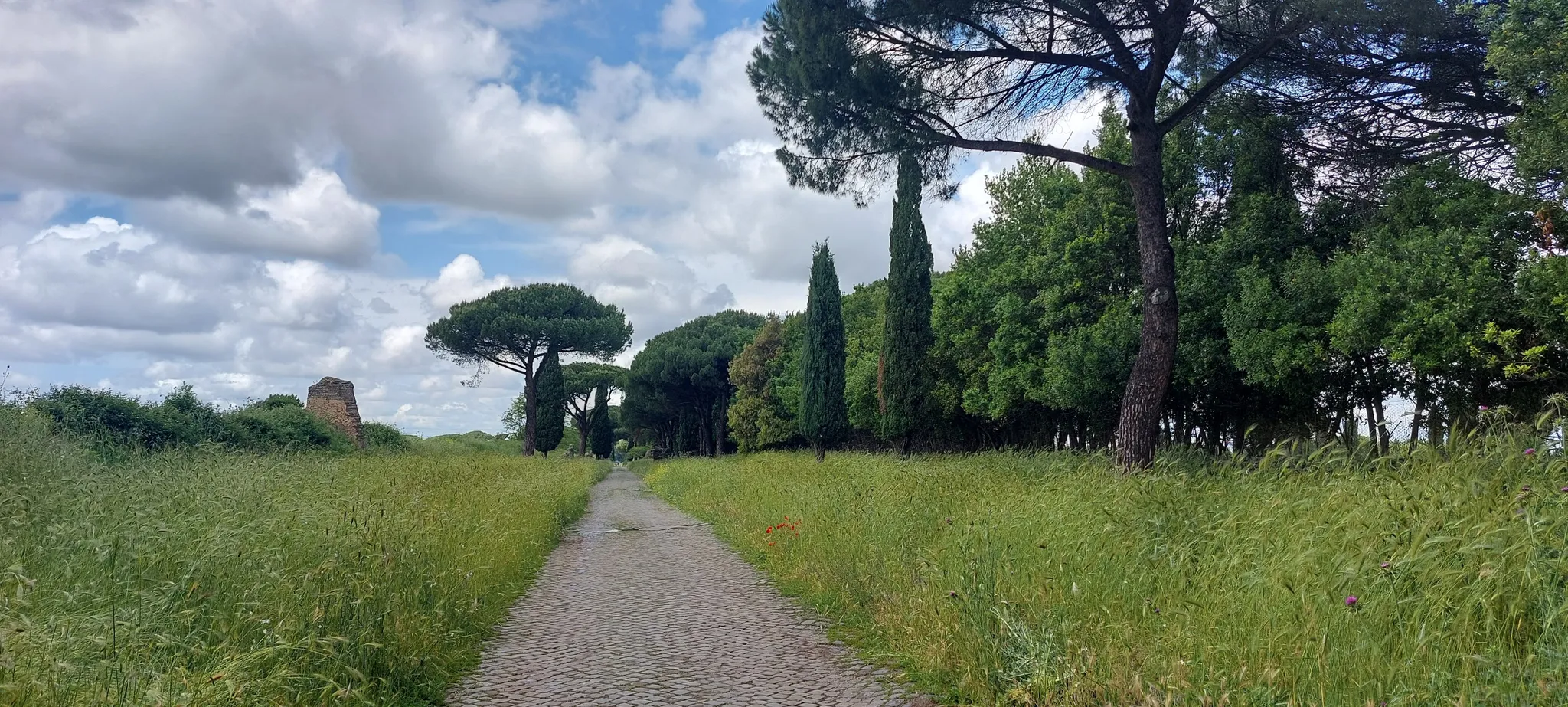
Perched on the top of Mount Ginestro (763 meters above sea level), 40 km from Rome, the village has a long history, which begins in the late Bronze Age (15th-14th century BC), as evidenced by the ceramics recently found in the upper part of the mountain, referable to the first inhabited nucleus. From it in the following centuries originated the city of Praeneste, the current Palestrina, famous in Roman times for the sanctuary of Fortuna Primigenia. The top of the mountain became the seat of the acropolis and the cult of Jupiter Arkanus. The rites related to the augurium and auspicium practices were also held there. The ring of polygonal walls of the sixth century BC that surrounds the acropolis, is part of the entire circuit of fortifications, about 4.5 km long, which also encloses the underlying city of Palestrina. In the 6th century AD the site became the seat of a Benedictine monastery, where Pope Gregory the Great stayed. In the twelfth century the territory entered the fiefs of the Colonna family who built a castrum here with a strategic-military function, destroyed in the clash with the papacy, a first time in 1298 under Boniface VIII and a second time with Eugenio IV in 1436-37. The reconstruction of the fortress in 1482 led to the development of the village and the use of the ancient castrum for civil and administrative activities. In the seventeenth century, with the sale of the fief to the Barberinis, the town underwent substantial urban transformations. Where the Benedictine monastery once stood, the Barberinis rebuilt the church of San Pietro Apostolo, placing its entrance on the new square in front. On what is now the main square of the village, a century later the Mocci family built the family palace. In the 1950s Castel San Pietro Romano became famous thanks to the cinema. Its mayor Adolfo Porry Pastorel, father of Italian photojournalism, convinced Luigi Comencini to set Pane, amore e fantasia (1953) there. Still starring Vittorio De Sica, scenes of Bread, love and jealousy were shot in 1954, while in 1958 it was Carlo Ludovico Bragaglia who continued the fresco of the Italian province after the war with Tuppe tuppe, Marescià! Just outside the center, the Cannuccete Valley is a protected natural area that extends for about twenty hectares. The park is home to the typical flora and fauna of the Lazio hilly and submontane landscape. Inside you can see the remains of the pre-Roman aqueduct coeval with the polygonal walls (6th century BC), built by Greek labor, as evidenced by some letters of the Greek alphabet on the walls of the conduit.
2
0
Frequently Asked Questions
What historical sites can I explore near Rocca Priora?
Beyond the castles, the region is rich in history. For example, Castel San Pietro Romano is a historic settlement with a castle, featuring polygonal walls from the 6th century BC and a castrum built by the Colonna family. You can also find the Palazzo Barberini – National Archaeological Museum of Palestrina, which houses the famous Nile Mosaic.
Are there family-friendly castles or historical sites around Rocca Priora?
Yes, Castel San Pietro Romano is noted as a family-friendly highlight. Its historic village setting and ancient walls can be an engaging experience for visitors of all ages.
What kind of views can I expect from the castles in this area?
Many of the castles and historical sites offer splendid panoramic views. From Rocca di Papa Fortress, you can enjoy vistas over the Roman countryside. Similarly, the site of Palazzo Savelli in Rocca Priora, which evolved from a medieval fortress, provides breathtaking views of the surrounding Lazio countryside, including Rome and the Alban Hills.
What outdoor activities can I do near these castles?
The area around Rocca Priora is excellent for outdoor activities. You can find numerous cycling, mountain biking, and running trails. For instance, there are challenging cycling routes like the 'Passo della Madonnella – Monte Artemisio Trail Entrance loop' and MTB trails such as 'Parco dei Castelli Romani da Rocca Priora'. Explore more options on the Cycling around Rocca Priora, MTB Trails around Rocca Priora, and Running Trails around Rocca Priora guide pages.
Are there hiking trails that incorporate castle ruins or historical sites?
Yes, the region offers trails that lead to historical sites and castle ruins. For example, the peak of Maschio di Ariano, part of the Alban Hills, is home to ancient castle ruins and can be reached via hiking routes. The historic settlement of Castel San Pietro Romano is also accessible via trails.
What is the history behind Rocca Priora's main historical structure?
Rocca Priora's main historical structure is the Palazzo Savelli, which now serves as the town hall. It originated as an 11th-century fortress built by the Annibaldi family and was later transformed into a residential palace by the Savelli family in the 15th century. While largely reconstructed in the 19th century, it retains elements of its fortress past and offers a glimpse into centuries of local history.
What makes <a href="https://www.komoot.com/highlight/2947528" target="_blank" rel="noopener">Maschio di Ariano</a> a notable site?
Maschio di Ariano is a summit in the Alban Hills, standing at 891 meters. It is significant for its ancient castle ruins, believed to have been built by the Roman gens Aria. Its elevated position provides extensive views between the municipalities of Rocca di Papa and Lariano.
Can I visit the interior of Palazzo Savelli in Rocca Priora?
The Palazzo Savelli primarily functions as Rocca Priora's town hall. While the exterior, with its two turrets and historical architecture, is visible, the interior is generally not open for public tours beyond official municipal business.
What is the best time of year to visit the castles and explore the area around Rocca Priora?
The Castelli Romani region, including Rocca Priora, is beautiful in spring and autumn. These seasons offer pleasant temperatures for exploring the outdoor historical sites and engaging in hiking or cycling activities, with vibrant foliage in autumn and blooming nature in spring.
What do visitors enjoy most about the castles and historical sites near Rocca Priora?
Visitors frequently appreciate the stunning panoramic views from elevated sites like Rocca di Papa Fortress and the historical depth of places like Castel San Pietro Romano. The combination of natural beauty, ancient ruins, and the charm of the historic towns is a major draw.
Is there a castle known for its strategic importance in the region's history?
The Rocca dei Colonna, located in nearby Genazzano, was erected on the highest point of the acropolis in 970 AD. It served a crucial strategic role and was destroyed and renovated multiple times throughout history, even housing famous prisoners like Jacopone da Todi.
Are there any specific tips for visiting <a href="https://www.komoot.com/highlight/4375359" target="_blank" rel="noopener">Rocca di Papa Fortress</a>?
Rocca di Papa Fortress is known for its splendid views over the Roman countryside. Visitors should prepare for an ascent to reach the fortress, but the panoramic vistas from this town in the Castelli Romani Park are well worth the effort.
Most popular routes around Rocca Priora
Most popular attractions around Rocca Priora

Get inspired with the komoot mobile app


Explore more
Looking for the best castles somewhere else? Discover other guides around Rocca Priora:
