Top 10 Castles around Castri Di Lecce
Castles around Castri Di Lecce offer insight into the region's historical evolution and defensive architecture. The town of Castri Di Lecce features the Palazzo Baronale, a noble residence that originated as a fortified structure in the 15th century, later undergoing significant modifications in the 16th and 18th centuries. This area of Salento is characterized by a blend of ancient settlements and structures that reflect centuries of change and various noble families. These historic buildings around Castri Di Lecce provide a…
Last updated: June 30, 2026
Acaya Castle
Highlight • Castle
Translated by Google •
Tip by

Village of Roca Nuova
Highlight • Historical Site
Tip by

Sign up now to discover places like this
Get recommendations on the best single tracks, peaks, & plenty of other exciting outdoor places.
Sign up for free
Baronial Palace (Aragonese Castle) of Martano
Highlight • Castle
Tip by
Melendugno Castle
Highlight • Castle
Translated by Google •
Tip by

Bastion of the Urban Walls
Highlight • Historical Site
Tip by
Sign up for free to discover even more castles around Castri Di Lecce.
Sign up for free
Already have an account?
Start today with a free account
Your next adventure awaits.
Login or Signup

Tips from the Community

In the hamlet of the same name in the municipality of Vernole, in the Lecce area, Acaya Castle was built in the 16th century by Gian Giacomo of the Acaya family, on behalf of Charles V, the famous sovereign on whose empire "the sun never set".
0
0

Martano, one of the symbolic places of Salento Greece, also widely known internationally, in winter turns out to be a quiet Salento village immersed in its silence and slow rhythms without the lively coming and going of people that swarm the historic core of the summer periods. Early in the morning this state of calm is even more emphasized and is probably the ideal time to cycle through its alleys and enjoy this state of affairs.
0
0

Melendugno Castle dates back to the 1500s and is the symbol of the feudal society which, under the D'Amely family, resisted until the end of the Second World War. It is located in the center of the town but it is not possible to visit the inside.
1
0

Beautiful medieval village still surrounded by walls
1
0
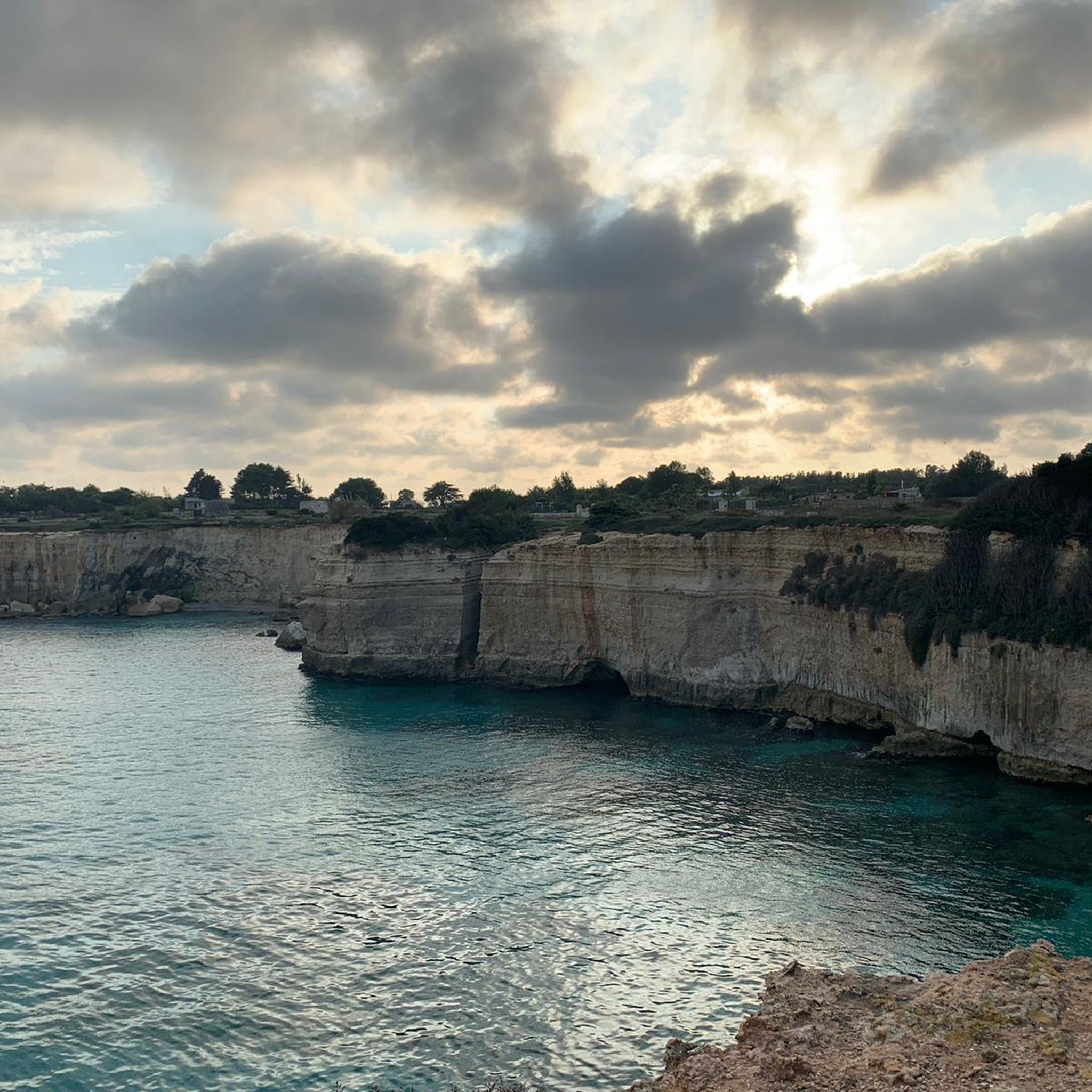
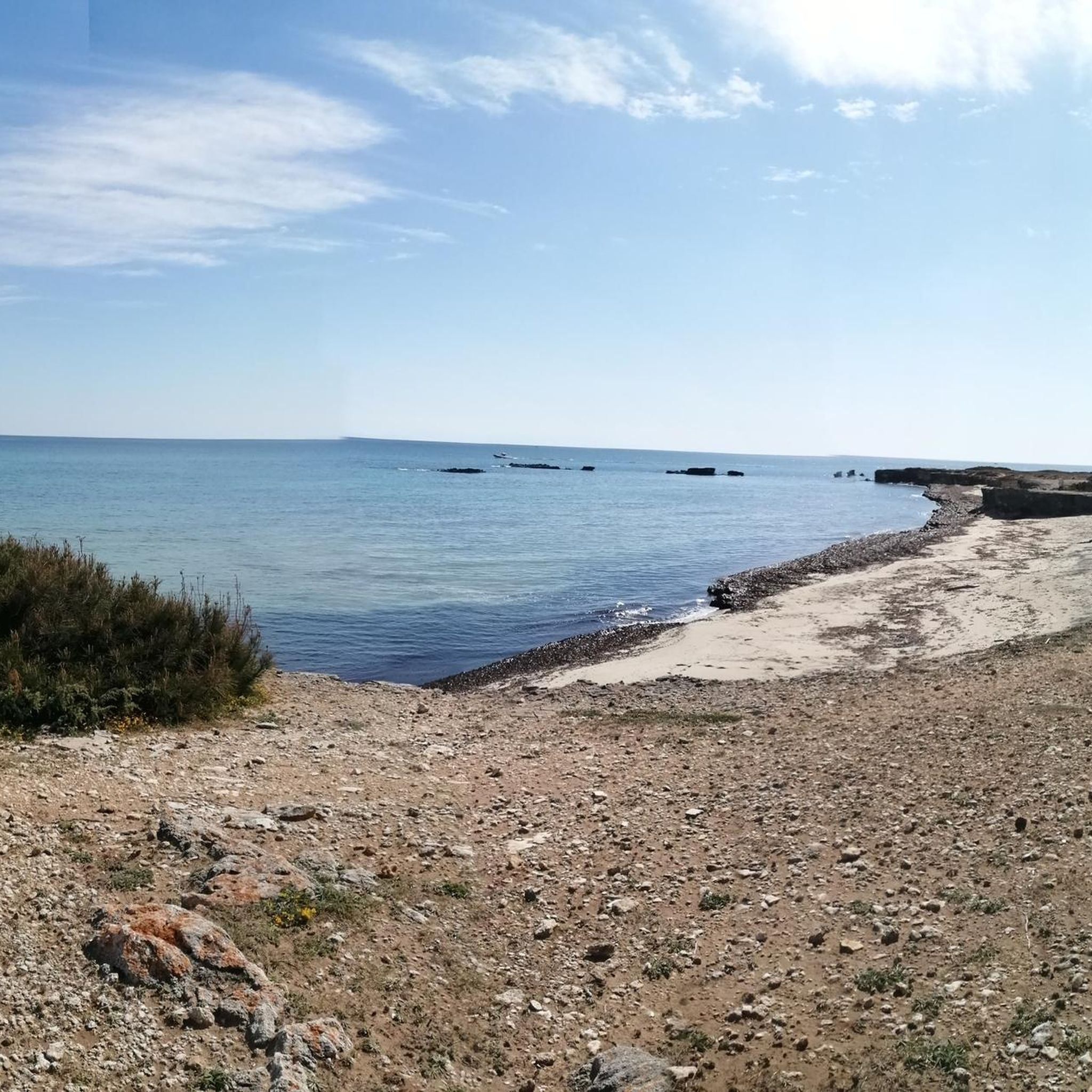
Posted in Salento Fortificazioni collection komoot.it/collection/1396951/-salento-fortificazioni. History has it that in the year 1480 the inhabitants of Roca Vecchia were put to flight by the Saracen raids who shortly afterwards left it to its fate. In 1544 the governor of Terra d’Otranto Ferrante Loffredo, by order of Charles V, had it razed to the ground. Because? Because, according to him, it has become a den of pirates dedicated to attacks and raids towards the hinterland ... This is a key to reading history. The other key has it that Roca vecchia was destroyed by the Spanish "faction" of Charles V because it was guilty of being in league with the enemies of the French "faction" of Francis I ...
0
0
Posted in Salento Fortifications collection https://www.komoot.it/collection/1396951/-salento-fortificazioni - Acaya fortified city of the sixteenth century, a rare survivor of its kind in southern Italy. Ideal starting point to immerse yourself in the history of this part of the south-east of Salento.
2
0
Included in the Salento Fortifications collection https://www.komoot.it/collection/1396951/-salento-fortificazioni - Built in the 16th century to the current date (May 2022) under full renovation [Source: https://it.m.wikipedia .org/wiki/Castello_di_Melendugno]
2
0

Frequently Asked Questions
What types of historical structures can I explore around Castri di Lecce?
Around Castri di Lecce, you'll find a mix of Renaissance fortresses, baronial palaces, and fortified medieval structures. While Castri di Lecce itself features the Palazzo Baronale, which evolved from a 15th-century fortified building, other notable sites include the Renaissance fortress of Acaya Castle and the Baronial Palace (Aragonese Castle) of Martano, which also began as a medieval castle.
Are there any castles in Castri di Lecce itself?
In Castri di Lecce, the most significant historical structure is the Palazzo Baronale. While it now appears as a noble residence, its origins trace back to a 15th-century fortified building, with military architectural elements like side towers still visible. It served as the residence for feudal lords over centuries.
Which castles are recommended for history enthusiasts near Castri di Lecce?
History enthusiasts will appreciate Acaya Castle, a Renaissance fortress built between 1521 and 1535 by Gian Giacomo dell'Acaya. Another excellent choice is the Baronial Palace (Aragonese Castle) of Martano, whose origins date to the late 13th century and was rebuilt in 1481.
What is the best time of year to visit castles in the Castri di Lecce area?
The Salento region, where Castri di Lecce is located, generally experiences pleasant weather for exploring historical sites from spring (April-May) through early autumn (September-October). These periods offer comfortable temperatures for walking and sightseeing, avoiding the peak heat of summer.
Are there family-friendly castles to visit near Castri di Lecce?
Yes, several castles in the area are suitable for families. Acaya Castle and the Baronial Palace (Aragonese Castle) of Martano are both listed as family-friendly and offer insights into the region's history that can be engaging for all ages.
What outdoor activities can I do near these castles?
The area around Castri di Lecce offers various outdoor activities. You can find excellent cycling routes, including those around Acaya Castle. For more options, explore the Cycling around Castri Di Lecce guide, the MTB Trails around Castri Di Lecce guide, or the Gravel biking around Castri Di Lecce guide.
How long should I plan for a visit to the castles near Castri di Lecce?
For a comprehensive visit to a major site like Acaya Castle or the Baronial Palace (Aragonese Castle) of Martano, allow at least 1-2 hours. If you plan to visit multiple sites or combine it with exploring the surrounding villages, a full day trip would be ideal.
Can I visit the Village of Roca Nuova, and what is its historical significance?
Yes, the Village of Roca Nuova is a medieval settlement with a thousand-year history. It was built around the 16th century to protect inhabitants from pirate raids, featuring well-preserved walls, a central market square, and a defensive watchtower. Its history is tied to the destruction of Roca Vecchia by Saracen raids or political conflicts.
What is the significance of Melendugno Castle?
Melendugno Castle, dating back to the 1500s, stands as a symbol of the feudal society that once governed the area under the D'Amely family. While its interior is not typically open to visitors, its distinctive four-pointed star plan and historical presence make it a notable landmark in the town center.
Are there any viewpoints or natural features near the castles?
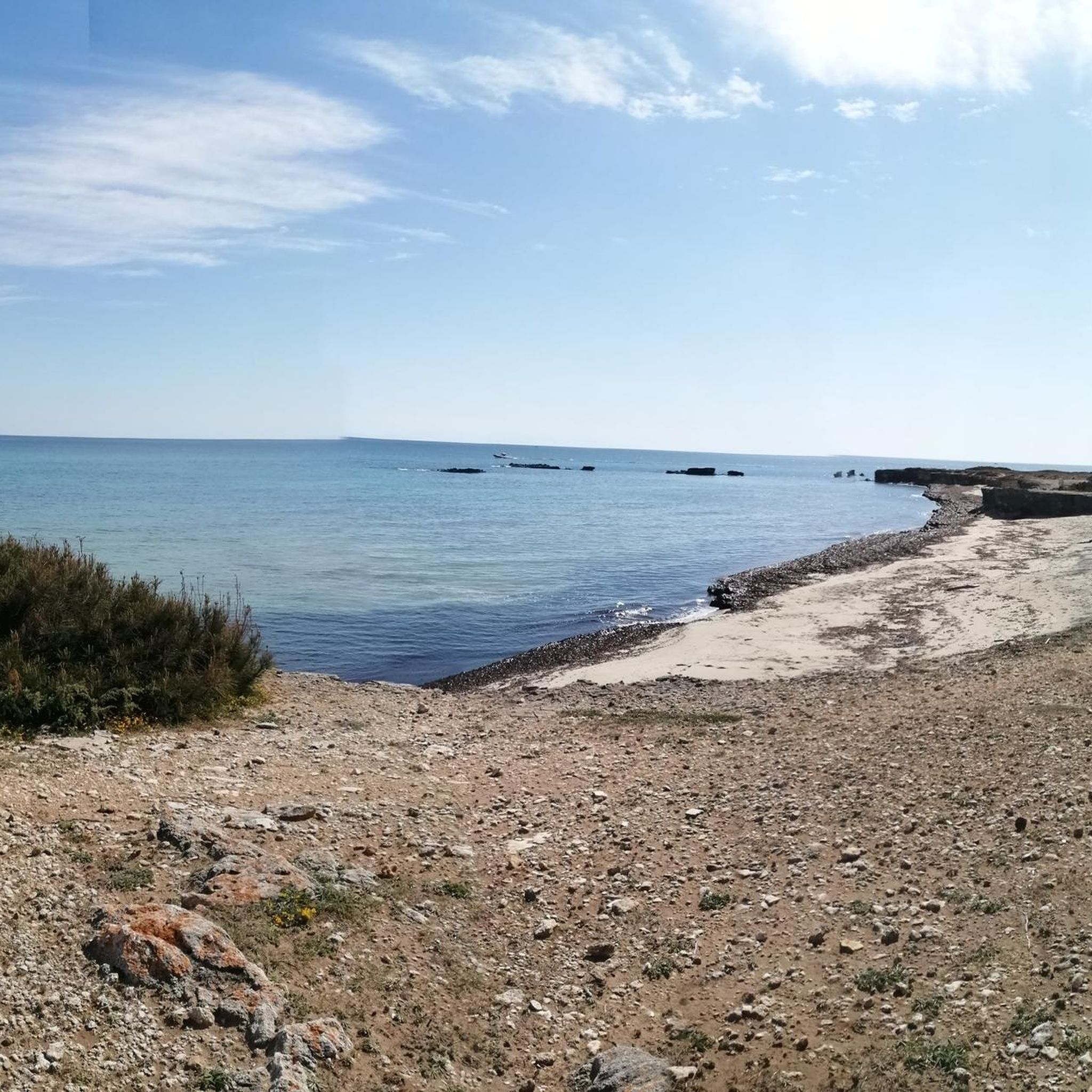
While the castles themselves are historical structures, the Salento peninsula offers beautiful natural landscapes. For example, some cycling routes near Acaya Castle extend towards coastal areas, offering views of the Adriatic Sea. The region is known for its diverse terrain, from olive groves to rocky coastlines.
What is the Bastion of the Urban Walls, and where is it located?
The Bastion of the Urban Walls is an imposing 16th-century fortification, part of the defensive interventions implemented by Emperor Charles V to counter Turkish invasions. It was adapted by architect Gian Giacomo dell’Acaya and features bulwarks designed to withstand contemporary weaponry. Its exact location would be within a historical urban center, showcasing its defensive purpose.
Most popular routes around Castri Di Lecce
Most popular attractions around Castri Di Lecce

Get inspired with the komoot mobile app


Explore more
Looking for the best castles somewhere else? Discover other guides around Castri Di Lecce:
