Top 4 Gorges around Morciano Di Leuca
Best canyons around Morciano Di Leuca are primarily defined by the region's karstic landscape, which has created distinctive geological features. This area offers a blend of deep sinkholes and coastal gorges, providing varied natural environments. The terrain includes ancient river beds and dramatic cliffs, shaped by natural erosion over time. These formations present opportunities for exploring the unique geology of Salento.
Best canyons around Morciano Di Leuca
- The most popular canyons is Ciolo Bridge, a bridge that spans a…
Last updated: June 30, 2026
Ciolo Bridge
Highlight • Bridge
Translated by Google •
Tip by

Cipolliane Cave
Highlight • Cave
Translated by Google •
Tip by

Sign up now to discover places like this
Get recommendations on the best single tracks, peaks, & plenty of other exciting outdoor places.
Sign up for free
Fani Canal
Highlight • Gorge
Translated by Google •
Tip by

Dance of the Waves Poem at Ponte del Ciolo
Highlight • Bridge
Translated by Google •
Tip by

Ciolo Gorge and Sea Caves
Highlight • Gorge
Translated by Google •
Tip by

Start today with a free account
Your next adventure awaits.
Login or Signup
Tips from the Community

Reopened on April 24, 2024, after renovations and refurbishments. There are now separate pedestrian lanes alongside the road. In the evening, the bridge is illuminated with rainbow colors—haha, just kidding 😅—thankfully, they're the colors of the Italian flag 🇮🇹.
1
0

Route followed to arrive at the Ciolo bridge which surmounts a high rocky inlet with some sea caves.
0
0

The Ciolo bridge is the perfect destination for those who love diving from great heights. The bridge connects the canyon and below is a beach. 40 meters high, there is a breathtaking panorama occasionally interrupted by the "splash" of those who dive. Near the bridge there are many caves including the Ciolo cave. The name “Ciolo” derives from the Salento word “Ciole”, to indicate the numerous magpies that nested along the coast.
2
0

August 2023 unfortunately currently closed due to construction work.
0
0

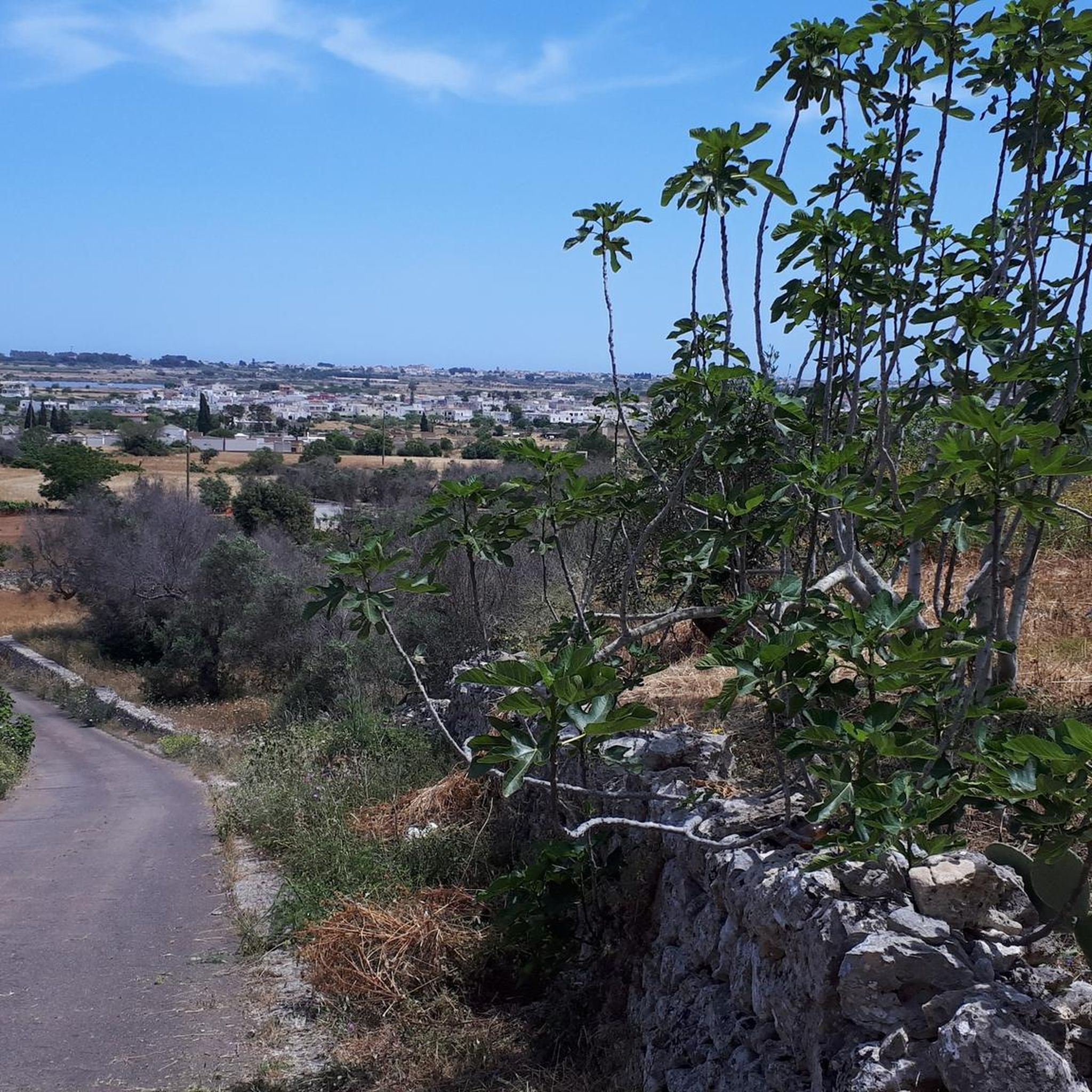
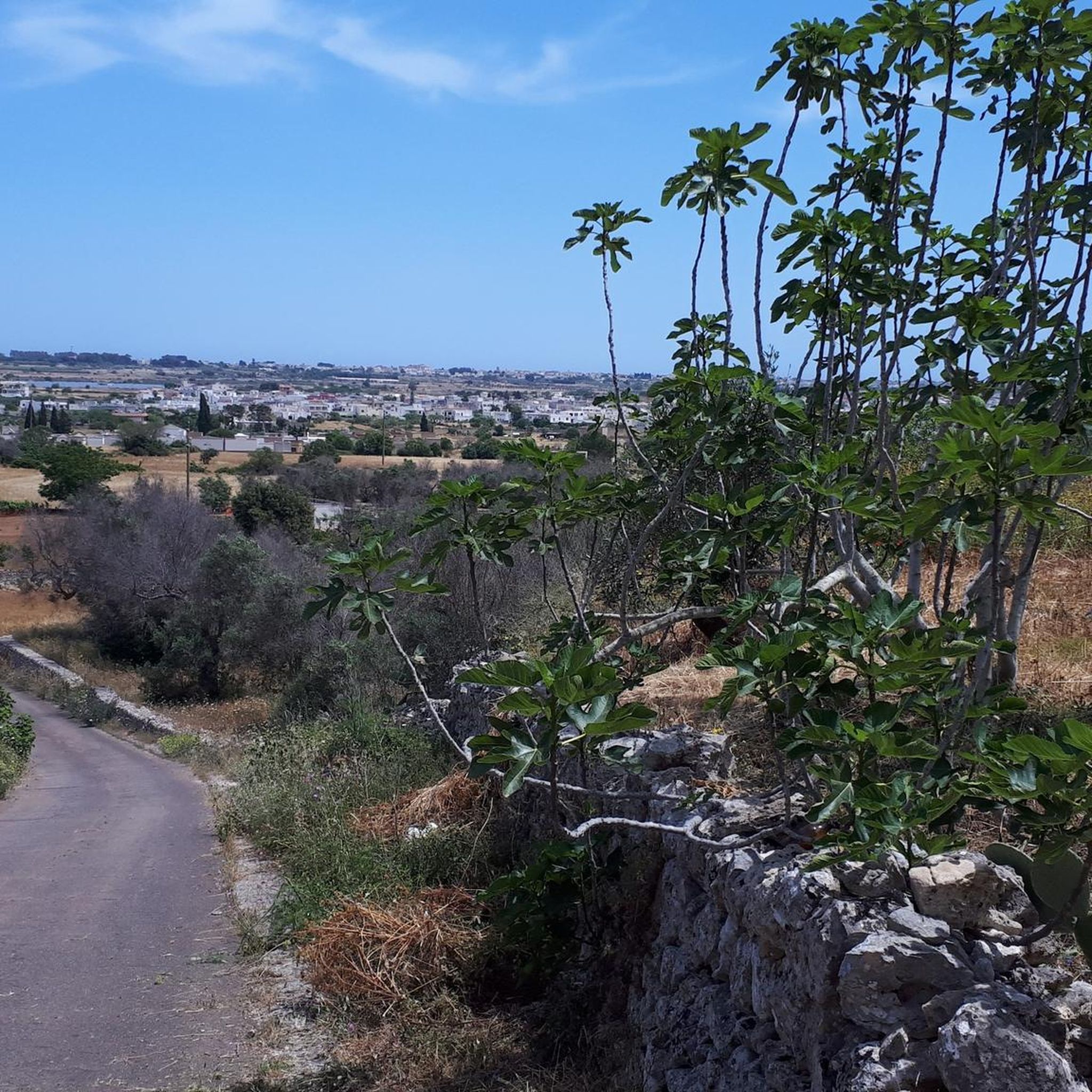
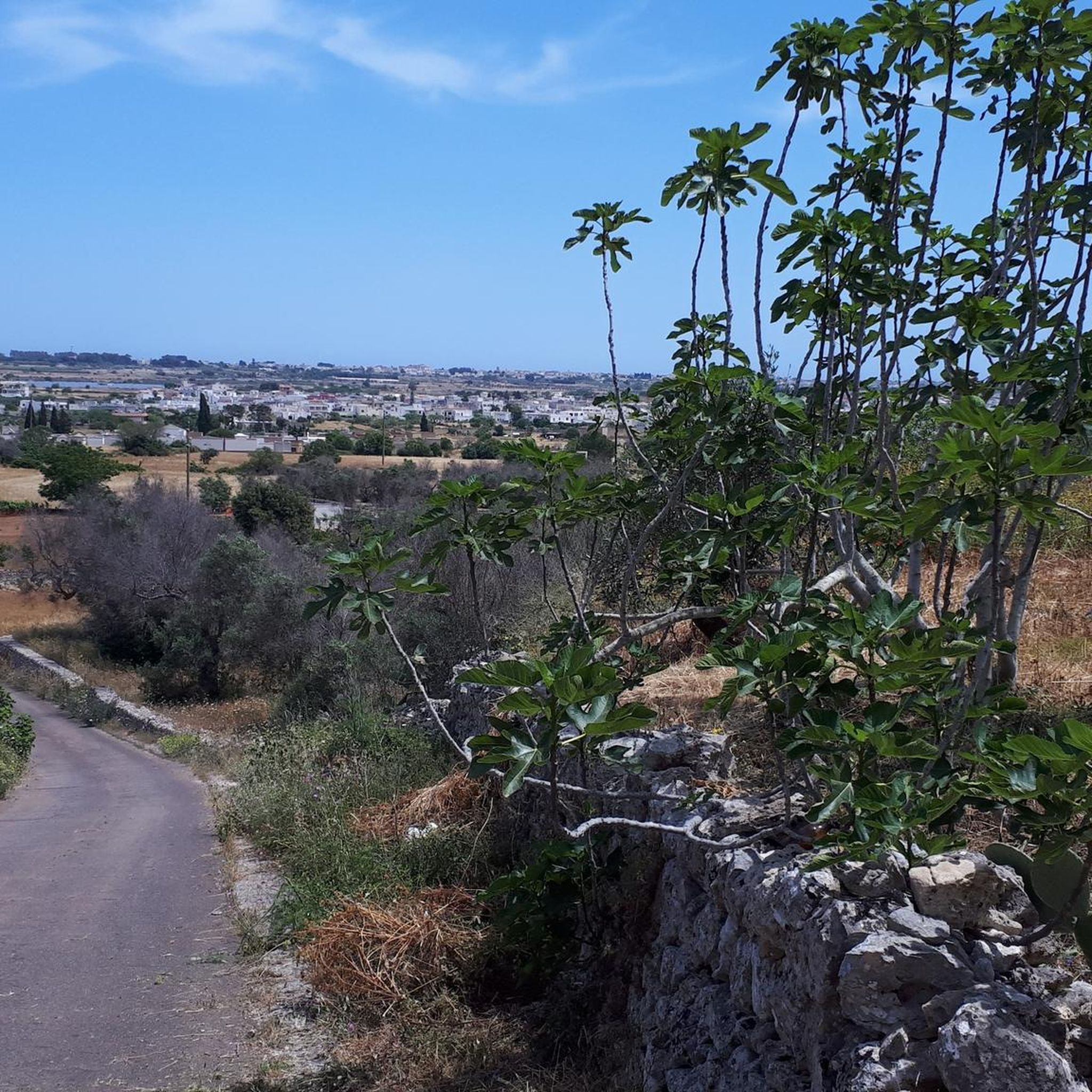
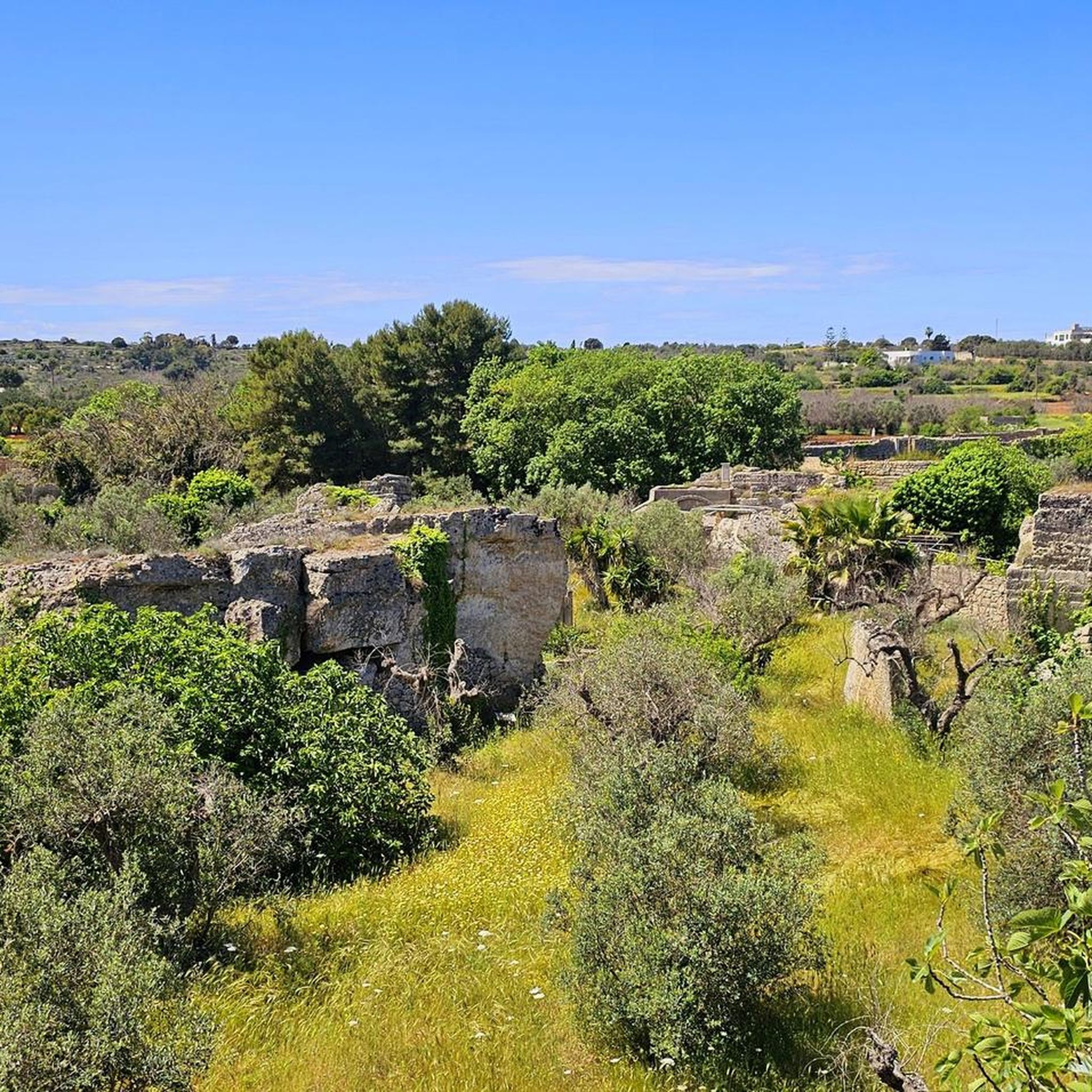
Canale dei Fani is a karstic valley located between Pescoluse and Torre Pali. It is an ancient river bed, now dry, which was formed by the erosion of the limestone rock. The canal is rich in Mediterranean vegetation and historical remains, and is a suggestive and fascinating place, perfect for an excursion on foot or by mountain bike.
1
0
Beautiful spot. I think it is also the starting point for a nice walk.
1
0

one of the classics... but how scary to jump from there
1
2
Frequently Asked Questions
What unique geological features can I explore around Morciano Di Leuca?
The region is known for its karstic landscape, featuring deep sinkholes and coastal gorges. You can explore the dramatic cliffs and clear waters around Ciolo Bridge, or venture into the ancient riverbed of Fani Canal. Additionally, the Vore di Barbarano del Capo offer a glimpse into mystical underground chambers.
Are there any caves to visit near the canyons?
Yes, the Cipolliane Cave is a must-see. It features huge natural cavities with friable stone, containing traces left by ancient ancestors, including pebbles with engravings. The Ciolo area also has numerous caves, including the Ciolo cave itself.
What is the difficulty level of trails around the canyons?
Many trails, such as the Ciolo Gorge Trail, are generally considered intermediate. They offer breathtaking views and diverse flora but can involve steep and downhill sections, especially when accessing caves like Cipolliane. Wooden protections are available on some paths for assistance.
What outdoor activities can I do near these canyons?
Beyond exploring the canyons themselves, you can enjoy various cycling activities. There are options for gravel biking, general cycling, and road cycling with routes that pass by landmarks like the Ciolo Bridge and offer views of the Otranto Coast.
Is the Ciolo area suitable for swimming or diving?
The Ciolo area is known for its clear, blue-green waters beneath the bridge, making it ideal for enjoying the sea. While diving from the 40-meter-high Ciolo Bridge has been banned due to danger, you can still access the sea from the cove below and dive from surrounding rocks.
Are there family-friendly options for exploring the canyons?
While specific 'family-friendly' designations aren't always explicit, many areas offer accessible viewpoints and shorter walks. The general exploration of the Ciolo area, with its beach and caves, can be enjoyable for families, though some paths to caves might be steep. Always assess the specific trail conditions for younger children.
What is the best time of year to visit the canyons around Morciano Di Leuca?
The region's Mediterranean climate makes spring and autumn ideal for hiking and exploring, with pleasant temperatures. Summer offers warm weather perfect for swimming in the clear waters of places like Ciolo, but trails might be hotter. Winter is milder but some facilities might have reduced hours.
Where can I find parking near Ciolo Canyon?
Parking is generally available near the Ciolo Bridge. Given its popularity, especially during peak season, it's advisable to arrive early to secure a spot. Specific parking areas are usually signposted.
What kind of flora and fauna can I expect to see?
The canyons and gorges are rich in Mediterranean vegetation. Around Ciolo, you can find important specimens of flora like the cornflower of Leuca and wild orchids. The name 'Ciolo' itself comes from the local word for magpies, indicating the presence of these birds along the coast.
Are there any historical or cultural points of interest in the canyons?
Yes, the Cipolliane Cave holds historical significance with traces left by ancient ancestors, including engraved pebbles. The Fani Canal, an ancient riverbed, also contains historical remains amidst its Mediterranean vegetation.
What do visitors enjoy most about the canyons around Morciano Di Leuca?
Visitors frequently praise the breathtaking panoramic views, especially from the Ciolo Bridge. The clear, blue-green waters, unique rock formations, and the opportunity to explore natural caves are also highly appreciated. The dramatic cliffs and the blend of natural beauty with historical elements make it a memorable experience.
Can I bring my dog on the trails in the canyon areas?
While specific regulations for every trail may vary, many outdoor areas in Salento are generally dog-friendly. It's always recommended to keep dogs on a leash, especially in protected natural areas or on narrow paths, and to clean up after them. Check local signage for any specific restrictions.
Most popular routes around Morciano Di Leuca
Most popular attractions around Morciano Di Leuca

Get inspired with the komoot mobile app


Explore more
Already discovered everything in this region? See additional gorges around Morciano Di Leuca for your next adventure:
