Top 5 Gorges around Casalgrande
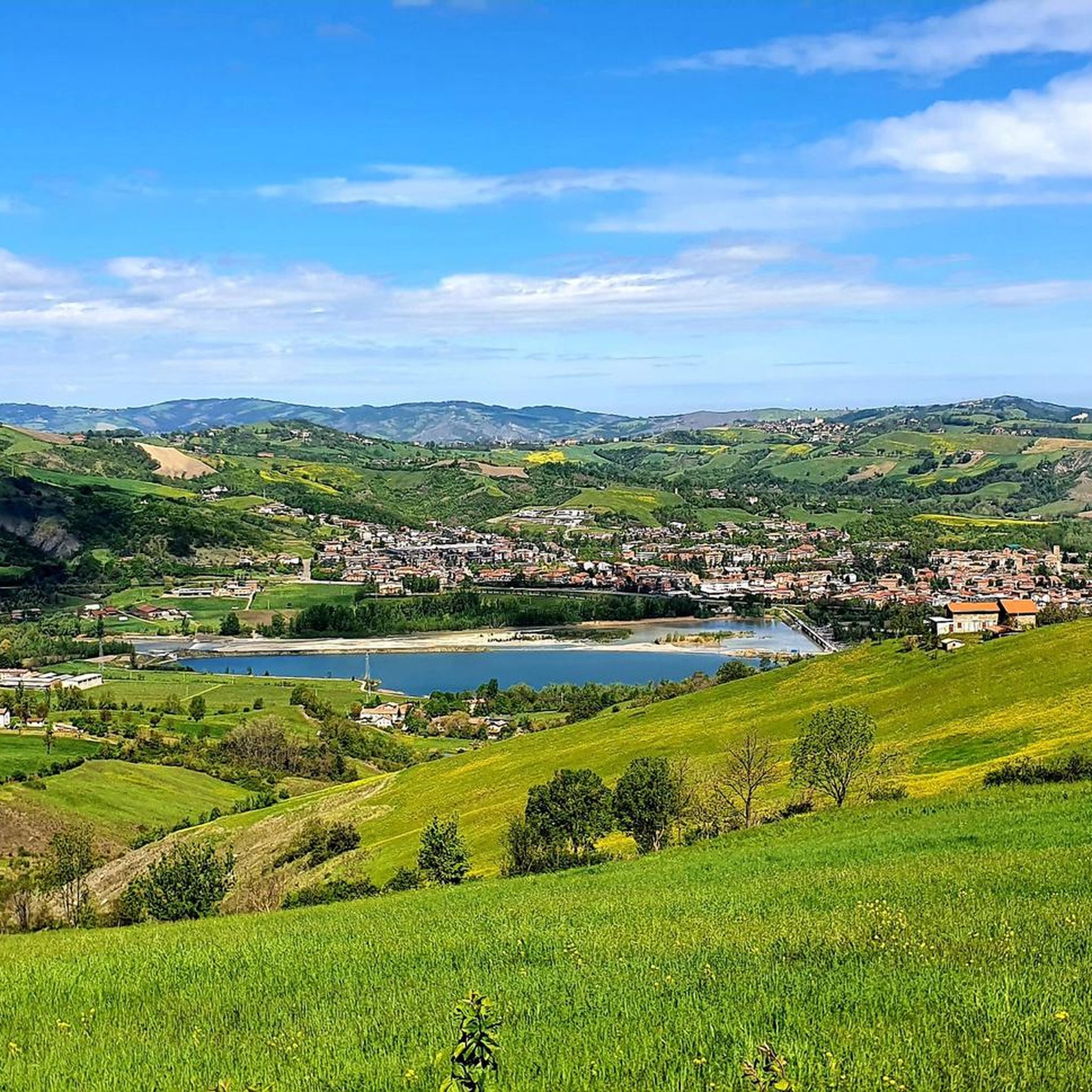
Best canyons around Casalgrande are characterized by unique geological formations within the broader Reggio Emilia Apennines region. This area features several notable canyon-like landscapes and badlands, shaped by significant erosion. These natural features include dramatic gullies, polychrome clay formations, and ancient geological outcrops. The region offers striking natural scenery and insights into its geological history.
Best canyons around Casalgrande
- The most popular canyons is Calanche di Gozzano Trail, a trail that can be challenging due to shaded sections retaining…
Last updated: June 30, 2026
Calanche di Gozzano Trail
Highlight • Trail
Translated by Google •
Tip by

Tasso Trail and Calanchi of Sassuolo
Highlight (Segment) • Trail
.
Length: 450m
Difference in altitude: 45m
.
Pay …
Translated by Google •
Tip by

Sign up now to discover places like this
Get recommendations on the best single tracks, peaks, & plenty of other exciting outdoor places.
Sign up for free
Rio Spigone Trail
Highlight (Segment) • Trail
Translated by Google •
Tip by

Start today with a free account
Your next adventure awaits.
Login or Signup
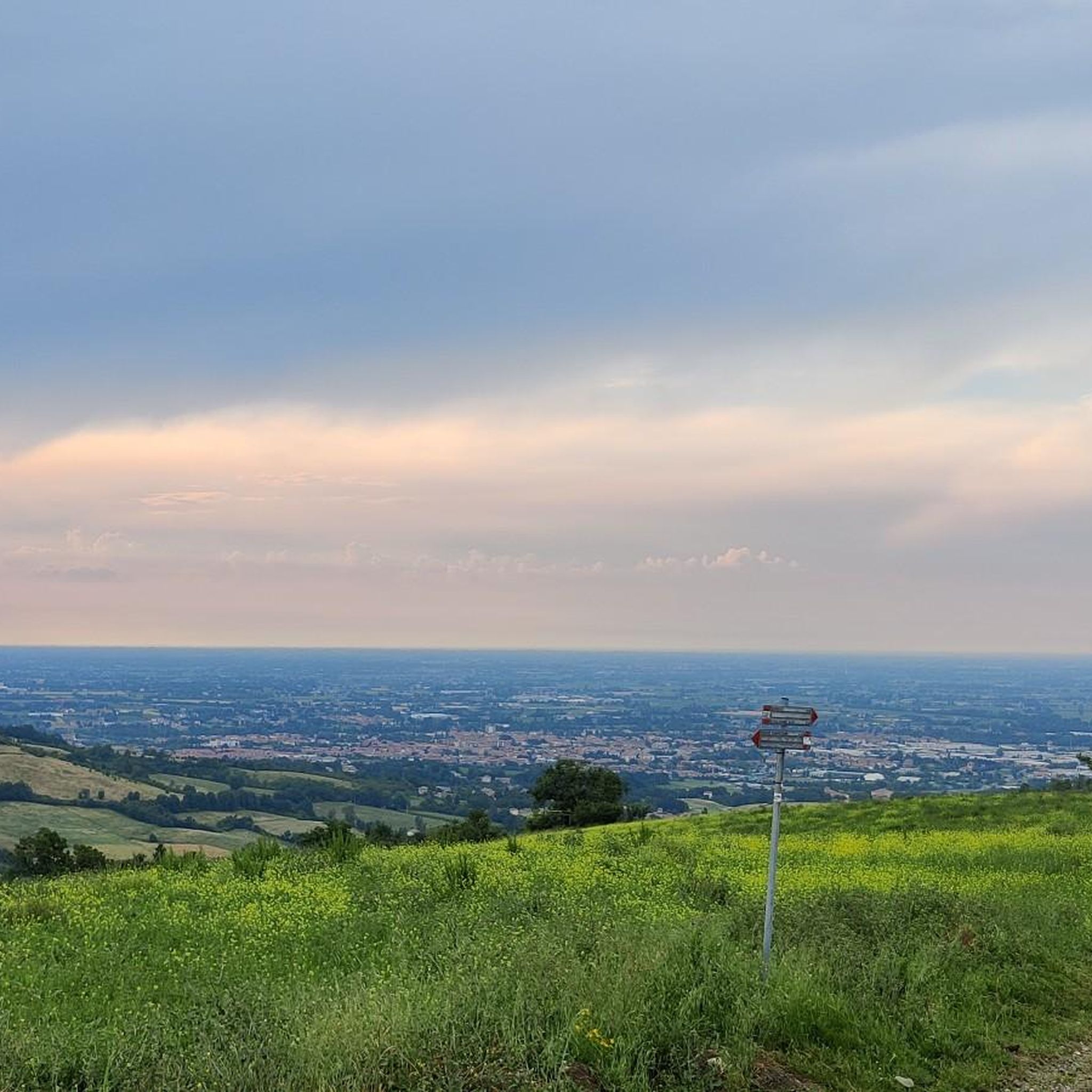
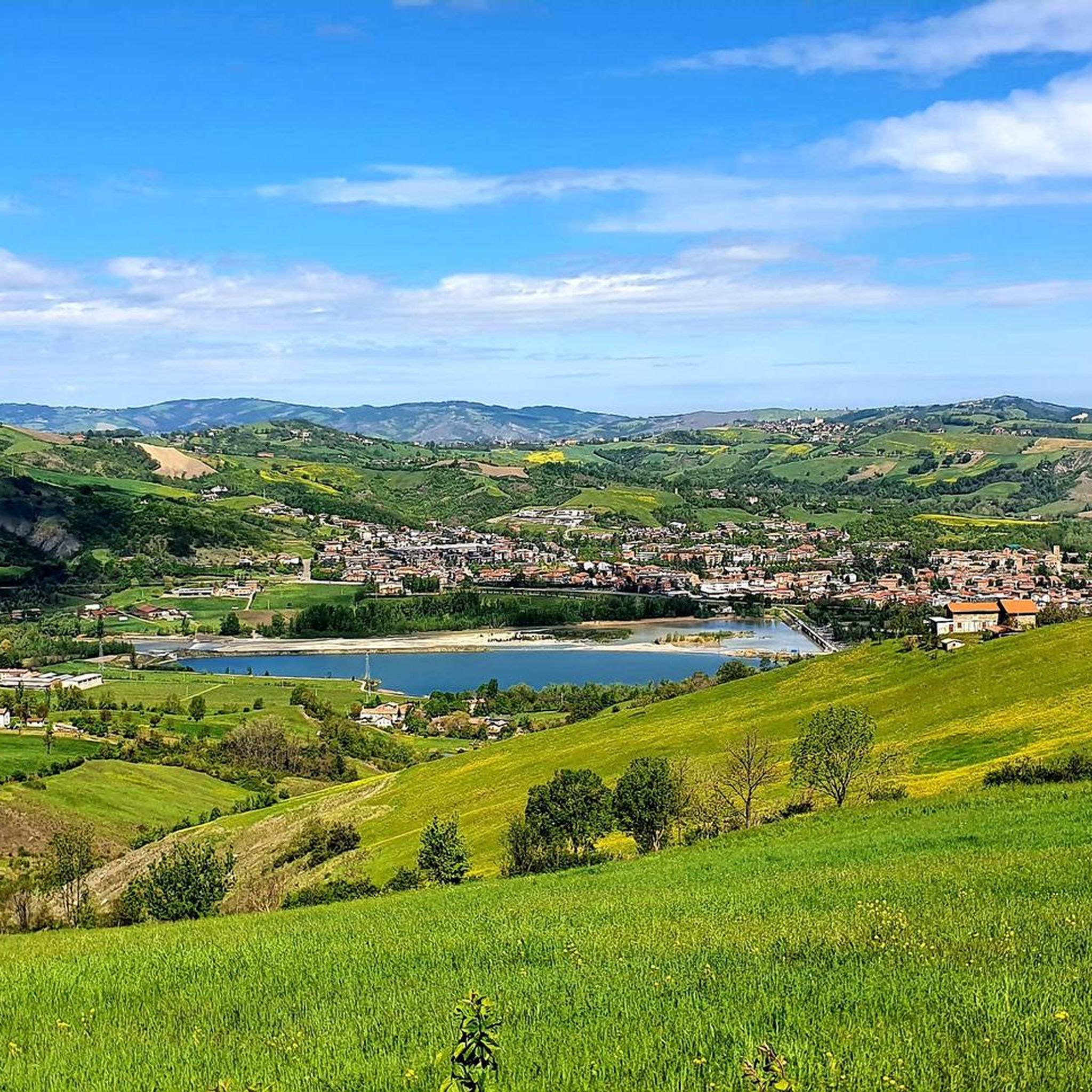
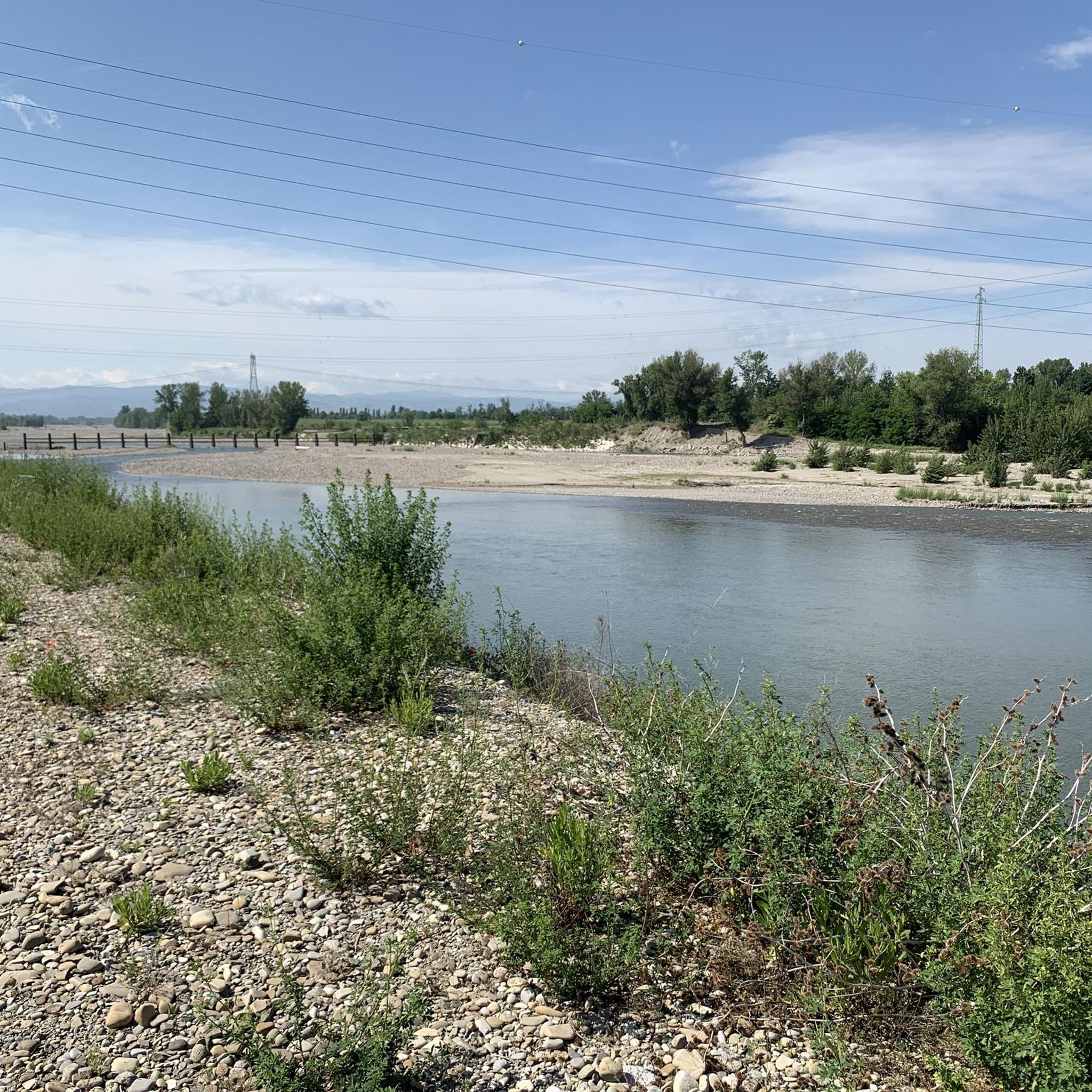
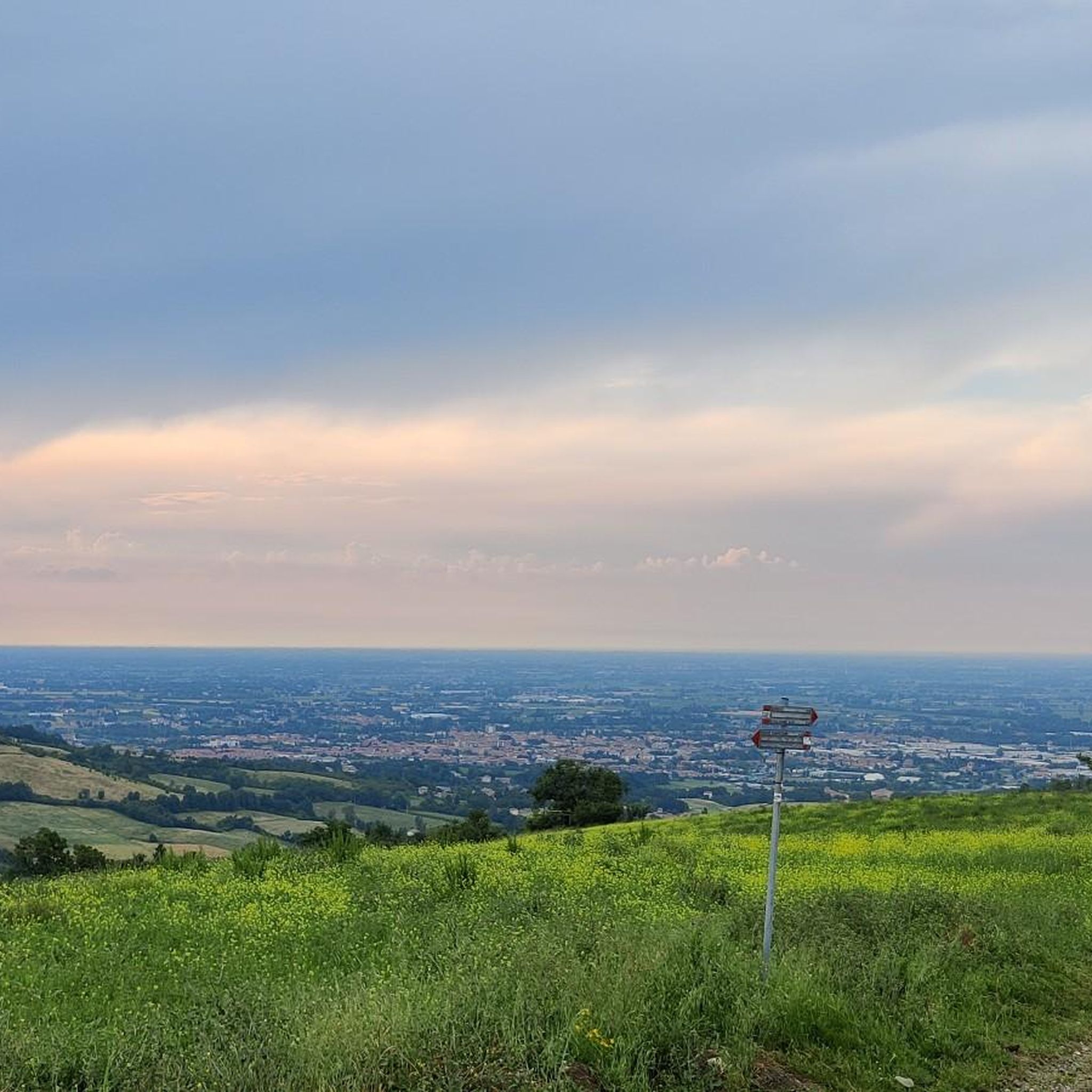

Tips from the Community

suitable for MTB and Gravel
0
0

the gullies of Sassuolo
0
0

Quite flowy rio Spigone descent, possible to find mud in the gorge
0
0

stretch of well-trodden path with some somewhat challenging slopes. downhill is definitely fun. Pay attention only to some traits that there is emptiness on the sides 😅
0
0

Beware of winter days. The part at the end of the descent remains in the shade almost all day and is therefore a lake of mud even after a long time without rain. You will find yourself bogged down to the saddle.
2
0

Path with a slight slope, on the edge of woods and grassy formations, with the finish line at C. Monte Pietro. . Length: 450m Difference in altitude: 45m . Pay attention because the transit of bicycles would be prohibited. Make your assessments and possibly push the bike if there are a lot of people.
0
0

It can also be done uphill
0
0
Frequently Asked Questions
What kind of natural landscapes characterize the canyons around Casalgrande?
The region around Casalgrande, within the broader Reggio Emilia Apennines, is known for its unique geological formations rather than traditional massive canyons. You'll find dramatic landscapes sculpted by significant erosion, including badlands, river gorges, and ancient geological outcrops. These areas feature eroded clay layers forming amphitheaters of gullies, and even rare Triassic Chalks with twisted patterns and sinkholes.
Are there any particularly striking geological formations to visit near Casalgrande?
Yes, several areas offer unique geological sights. Near Atticola, you can find a small canyon with striking red and white iron clay outcrops, often compared to an alien planet. The badlands of Canossa and Baiso feature polychrome gullies ranging from yellow and pink to brown and green. Additionally, the Triassic Gypsum Valley of the Secchia River showcases 200-million-year-old twisted chalk formations.
What are some popular trails that explore these canyon-like areas?
Visitors often explore trails like the Calanche di Gozzano Trail, which can be challenging due to muddy sections after rain. Another popular spot is Stretto di Pescale, a river gorge accessible via a walking path after a cycle path. The Path of the Calanchive Clays is also a challenging route, significantly shaped by rains.
What are the typical conditions of the trails in these areas?
Many trails, such as the Calanche di Gozzano Trail, can be challenging, especially after rain, with shaded sections retaining mud. The Path of the Calanchive Clays is noted for being difficult, with deep sections requiring careful navigation due to terrain shaped by rains. Some trails, like the Rio Spigone Trail, offer well-trodden paths but can have challenging slopes and muddy stretches in the gorge.
Are there opportunities for hiking near the canyons around Casalgrande?
Yes, the area offers various hiking opportunities. You can find routes like the easy "Forest trail to Castello di Casalgrande (via CAI Trail 612)" or the moderate "Secchia River Canyon – Castellarano Dam loop from Veggia." For more options, explore the Hiking around Casalgrande guide.
Can I go mountain biking or road cycling near these geological formations?
Absolutely. For mountain biking, consider routes like the "Castellarano Dam – View of the Secchia River loop from Dinazzano" or the "View of the Secchia River – Castellarano Dam loop from Veggia." Road cyclists can enjoy routes such as the "Secchia River Cycle Path – View of Prignano sul Secchia loop from Dinazzano." More details are available in the MTB Trails around Casalgrande and Road Cycling Routes around Casalgrande guides.
What do visitors particularly enjoy about the canyons and badlands near Casalgrande?
Visitors appreciate the unique geological characteristics and the dramatic landscapes sculpted by natural erosion. The striking visual contrasts of the polychrome gullies, the ancient twisted gypsum formations, and the unexpected 'alien planet' scenery near Atticola are often highlighted as captivating features. The komoot community has shared more than 6 photos and given over 17 upvotes to these areas.
Are there any specific tips for navigating the trails in these areas?
When visiting trails like the Calanche di Gozzano Trail, be aware that shaded sections can remain muddy for extended periods after rain. For the Path of the Calanchive Clays, careful navigation is advised due to deep sections carved by rains. On the Rio Spigone Trail, some slopes can be challenging, and there might be drops on the sides, so pay attention.
Are the canyon-like areas around Casalgrande suitable for families?
While some trails can be challenging, the broader region offers diverse landscapes. Areas with less strenuous paths or viewpoints might be suitable for families. It's recommended to check the difficulty ratings of specific routes or highlights before visiting with children. For instance, the transition from a cycle path to a walking path at Stretto di Pescale might be manageable for active families.
What is the best time of year to visit the canyons and badlands near Casalgrande?
While specific seasonal advice isn't provided, generally, spring and autumn offer pleasant temperatures for exploring the outdoors. During these seasons, the vibrant colors of the polychrome gullies might be particularly striking. Be mindful that trails can be muddy after rain, so checking weather conditions is always a good idea, especially in wetter months.
Are there any specific regulations or permits needed to visit these geological sites?
The provided information does not indicate any specific permits required for general access to these natural geological formations. However, it's always good practice to respect local signage, stay on marked paths, and be aware of any protected area regulations. For example, the Tasso Trail and Calanchi of Sassuolo notes that bicycle transit might be prohibited in certain sections.
Most popular routes around Casalgrande
Most popular attractions around Casalgrande

Get inspired with the komoot mobile app


Explore more
Already discovered everything in this region? See additional gorges around Casalgrande for your next adventure:
