Top 6 Castles around Tarvisio
Castles near Tarvisio offer a glimpse into the region's strategic past as a historic mountain village in Val Canale. The area, situated at a crossroads, features remnants of defensive structures and World War I military forts rather than traditional grand castles. These sites reflect its historical significance and strategic border location. The landscape around Tarvisio is characterized by its mountainous terrain and historical fortifications.
Best castles around Tarvisio
- The most popular castles is Kluže Fortress, a historical site that was originally built in 1472 for defense against the Turks. The current fort was constructed by the Austrians in the late 19th century and stands as a monument bearing witness to an eventful past.
- Another must-see spot is Arnoldstein Monastery Ruins, a historical site. This former Benedictine monastery, built on the ruins of an old castle, was devastated by fire in the 19th century and has since been restored by volunteers, offering impressive views of the mountains.
- Visitors also love Fort Hensel, a historical site that was a crucial part of the Austro-Hungarian defense system, built in 1809 near Malborghetto. Designed during the Napoleonic era, it played a significant role in the Great War, enduring extensive bombardment.
- Tarvisio is known for its historical forts, military fortifications, and castle ruins. These sites provide insight into the region's defensive history and strategic importance over centuries.
- The castles around Tarvisio are appreciated by the komoot community, with more than 190 upvotes and 95 photos shared by visitors.
Last updated: June 30, 2026
Kluže Fortress
Highlight • Historical Site
The original fortress was built in 1472 near Bovec on the road between Cave del Predil and Carinthia. Its likely original purpose was defence of Friuli against the Turks. In the course of the 16th century Bovec came under Austrian authority as a result of the wars between Venice and the Habsburgs. However, for the time being it remained as an ecclesiastical dependence of Cividale and Aquileia. At the end of the 18th century it was entirely under Austria's administration, and remained so until 1918. In 1796 and 1797 fighting took place around the fort, as Napoleon's army pushed through the Koritnica gorge. Napoleon's forces took the fort in 1797 by placing artillery at a higher elevation (where Fort Hermann now stands). The fortress was then destroyed. The current fort was built upon the site by the Austrians in the late 19th century. Fort Hermann, covering the higher elevation, was built at the same time. The two are linked by a trail and a tunnel. Fort Hermann was heavily damaged and rendered unusable by Italian artillery bombardment in 1915.
In 1903 part of Bovec was destroyed by a fire. What remained standing was ravaged in World War I, when the Italian-Austrian front (Battles of the Isonzo) crossed through the valley as the battle cut from north to south.
From wikipedia : en.wikipedia.org/wiki/Kluže_Fortress
Opening hours :
July, August - Daily, 9.00–20.00
June, September - Sunday to Friday, 10.00–17.00; Saturdays, 10.00– 8.00
May, October - Saturdays and Sundays, 10.00– 17.00
other - Open for larger groups by agreement
Admission prices
adults: EUR 3
secondary school and university students, pensioners: EUR 2
groups of over 20 adults: EUR 2
groups of over 20 secondary school or university students or pensioners: EUR 1.5
* There is a 50% discount on admission to the permanent exhibition for audience members of Društvo 1313 performances.
Tip by

Arnoldstein Monastery Ruins
Highlight • Historical Site
Today, the former ruins are Arnoldstein's cultural center, where civil weddings, celebrations, conferences and various cultural events such as concerts, readings and exhibitions also take place.
Translated by Google •
Tip by

Sign up now to discover places like this
Get recommendations on the best single tracks, peaks, & plenty of other exciting outdoor places.
Sign up for free
Fort Hensel
Highlight • Historical Site
At the end of the Napoleonic period, the fortress was restored in the middle of the warring century and again in 1884, when the Kingdom of Italy had to keep an eye on the border. The building was restored, modernized and converted into a major fortress capable of 18 guns and a 360-degree defense package. It was named Hensel for its attachment, died defending it in May 1809. It remained inactive for 30 years, then was reactivated during the Great War, garrisoning 21 officers and 567 soldiers.
The fortress was formed by two buildings 50 meters apart: the first, higher up, would house a barracks, two howitzer batteries and a two-storey bastion with four guns, while the second building consisted of two towers connected by a battery with a total of eight guns. Being equipped with good guns and also accommodating lower caliber guns, Fort Hensel became one of the main targets of the Italian artillery from the tops of the Dogna Valley, along the former frontier. More than two thousand high-caliber shells were fired in the summer of 1915 alone, while about 4,500 shells were counted during the war, destroying the fortress in a heap of rubble.
Today, among the dense growth of the cape, we can still see the ruins of such buildings. The visit starts from the small parking lot on the SS13 road, past the village of Malborghetto. The monument of the "Hensel Lion" is clearly visible on the rock face of the cape.
If you climb all the way up you can see the gun emplacements, from where you can carefully descend and visit some of the tunnels and chambers.
Triggered? Click through to www-turismofvg
Translated by Google •
Tip by

Predel Fortress Ruins
Highlight • Historical Site
Tip by

Schloss Wasserleonburg
Highlight • Castle
Translated by Google •
Tip by

Sign up for free to discover even more castles around Tarvisio.
Sign up for free
Already have an account?
Start today with a free account
Your next adventure awaits.
Login or Signup
Popular around Tarvisio
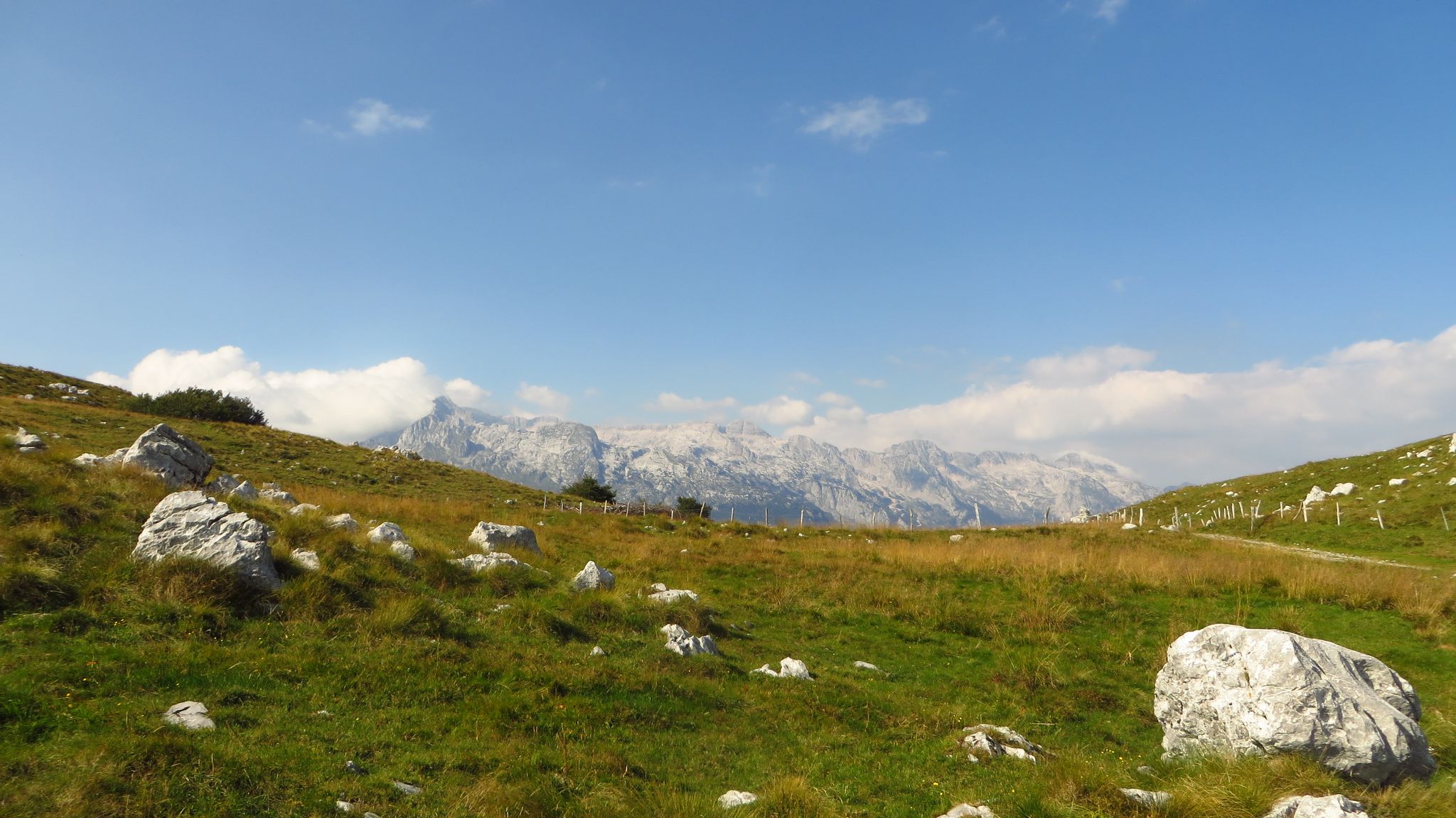
Alpe Adria – MTB Transalp through Slovenia to the Mediterranean Sea
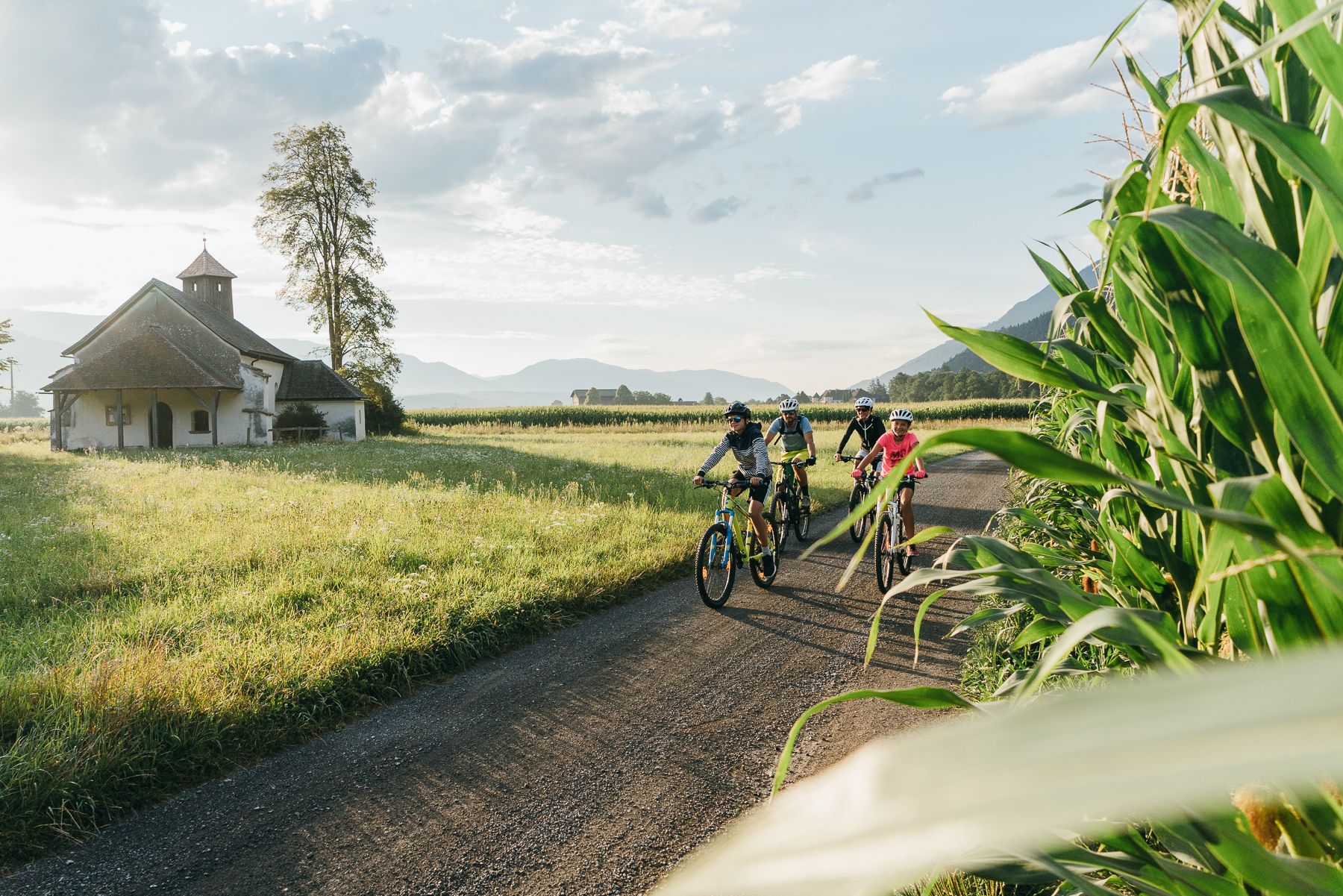
Pure enjoyment – over the Alps on the Alpe Adria cycle path
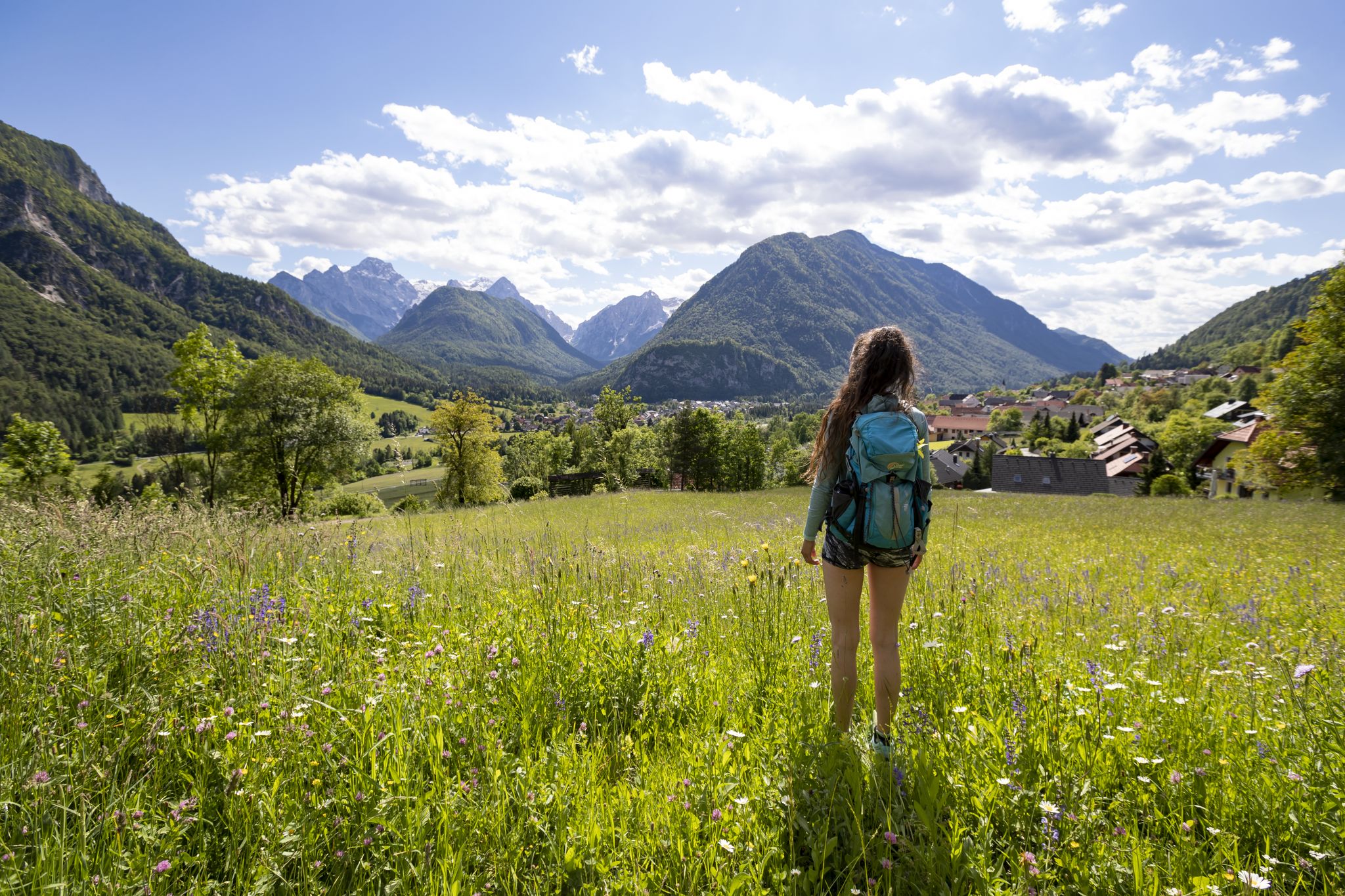
Uniquely secluded - long-distance hiking on Slovenia's Juliana Trail
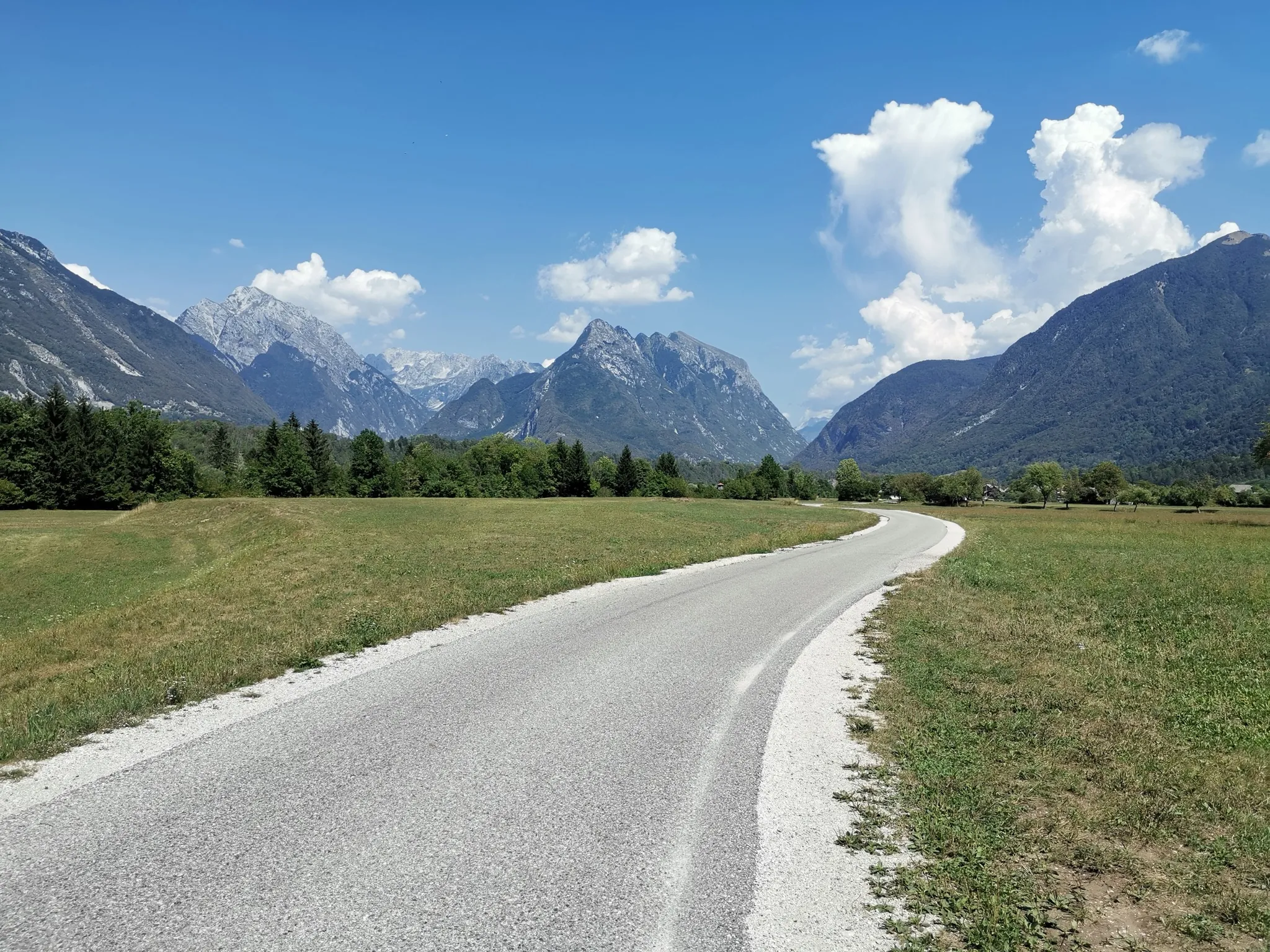
Tarvisio to Cividale del Friuli – discovering the Julian Alps
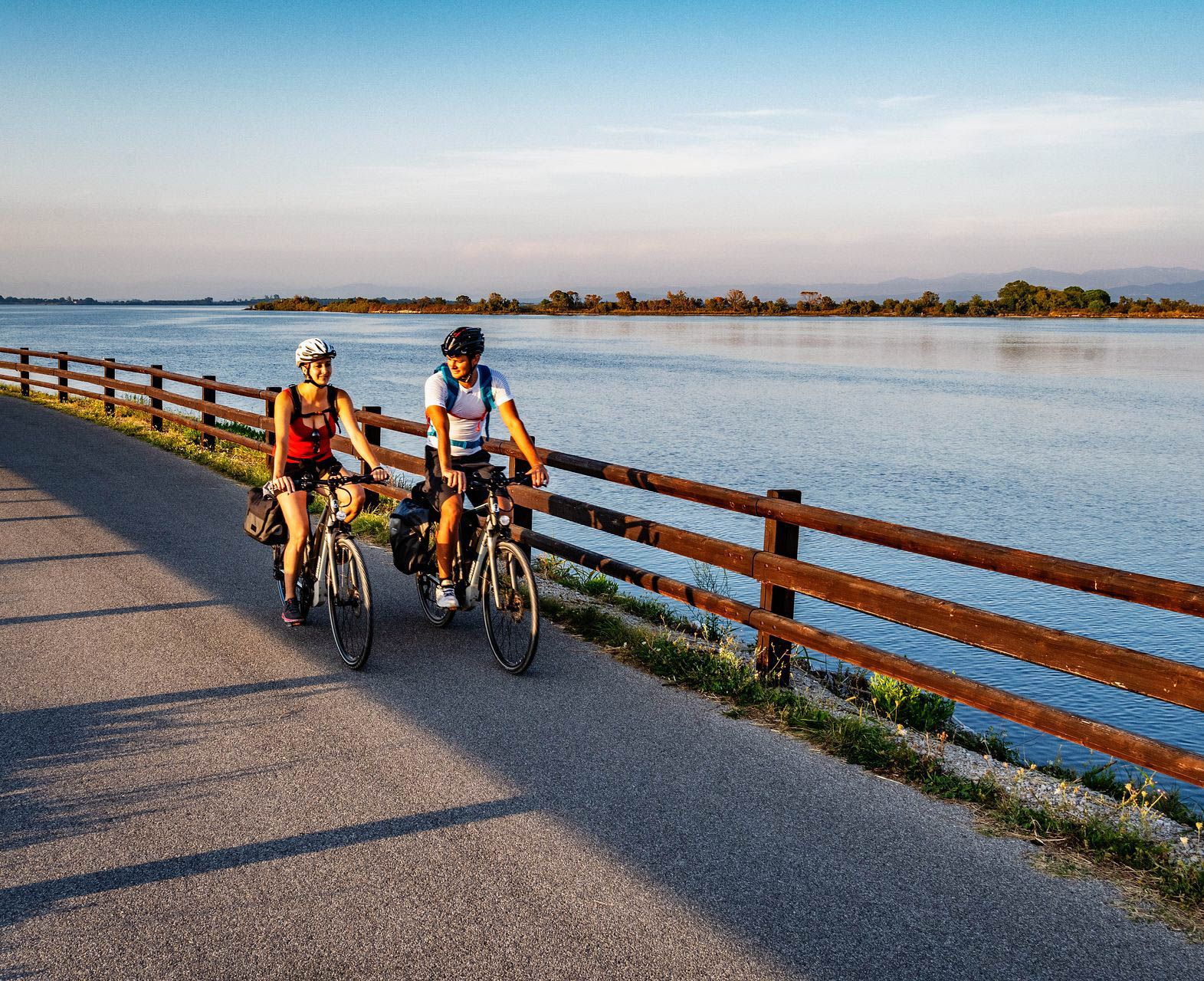
Cycling between sea and mountains in Italy’s Friuli Venezia Giulia
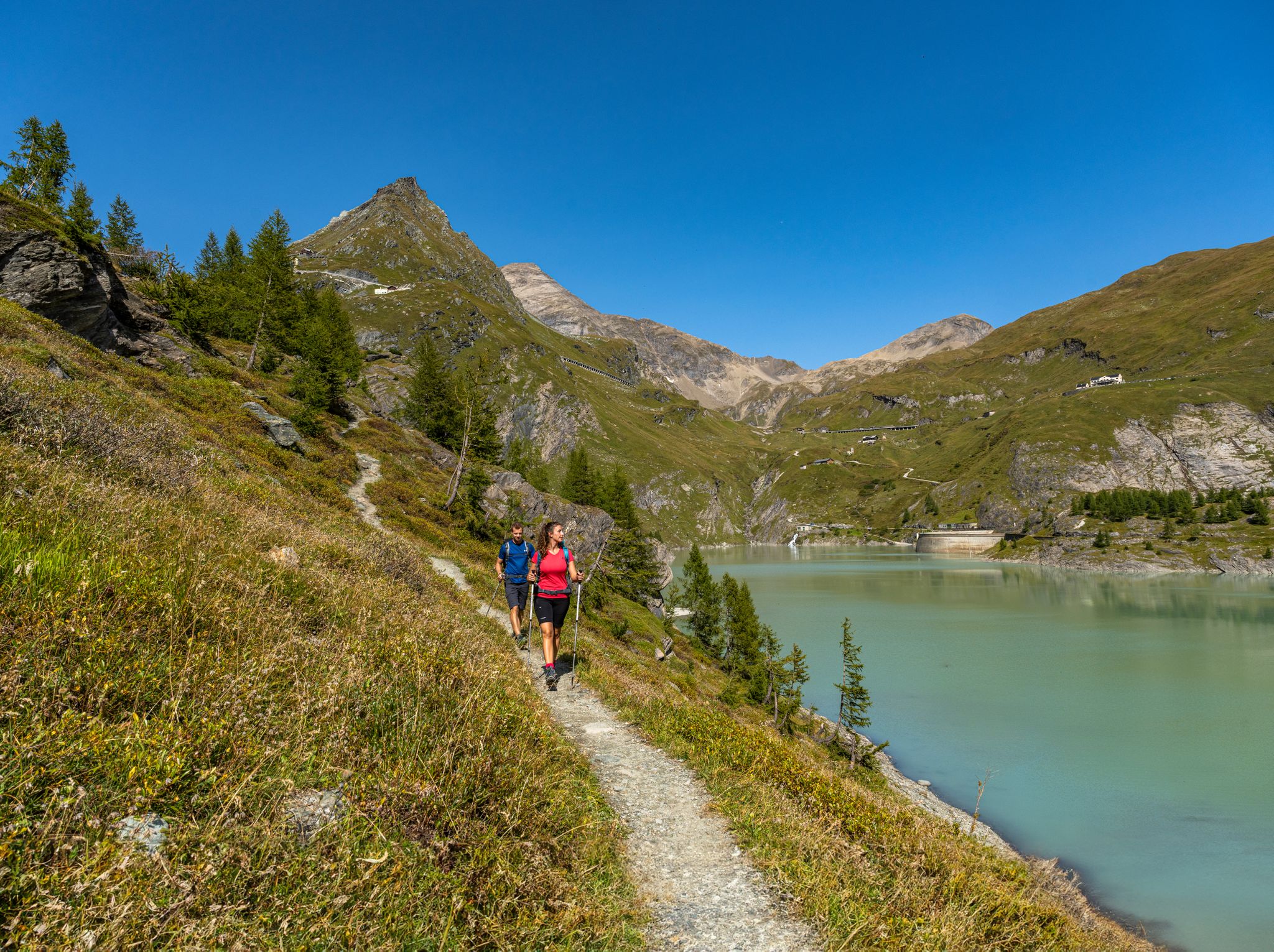
From the Grossglockner to the sea on the Alpe Adria Trail
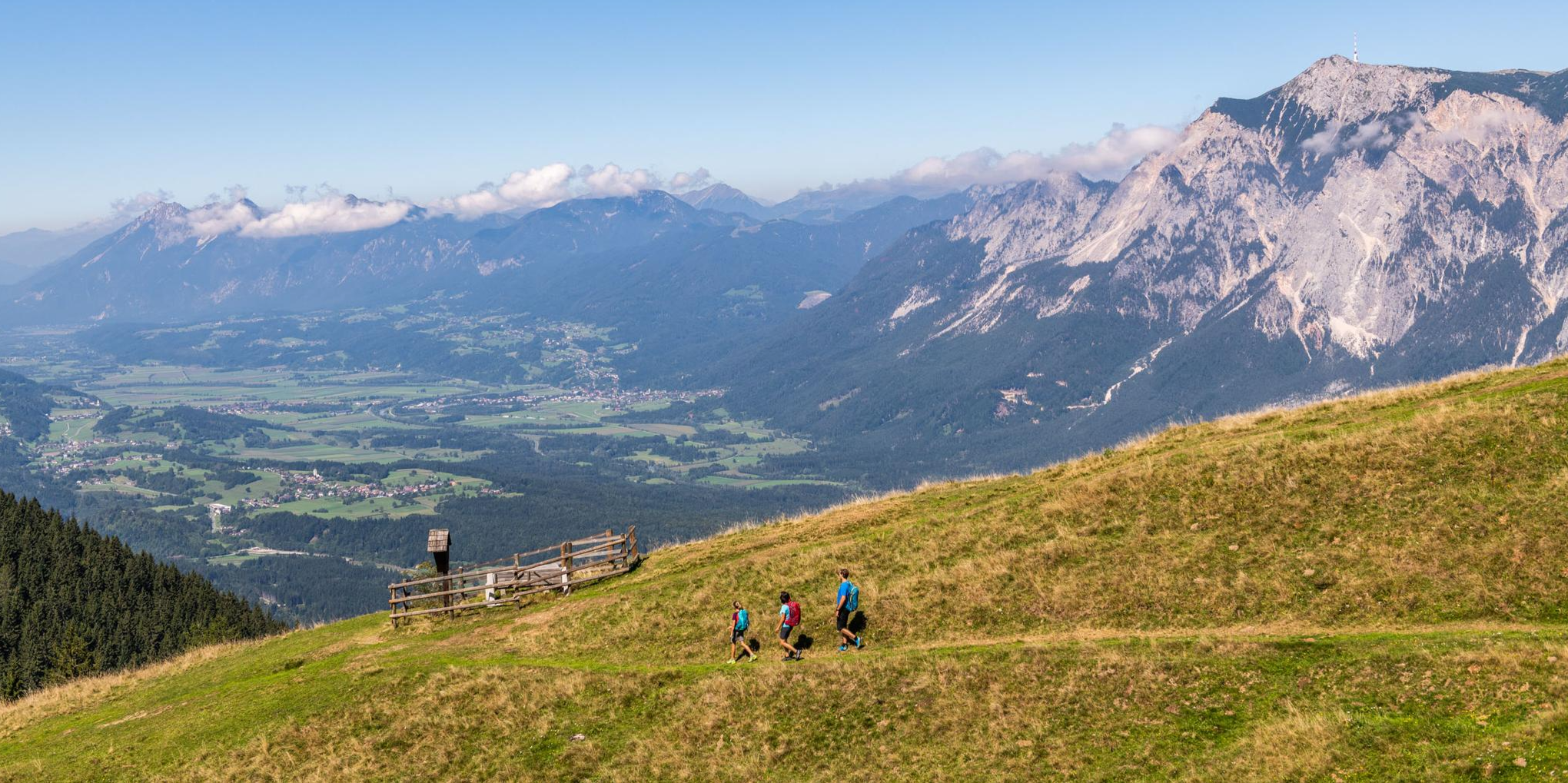
Grenzenlos unterwegs am Drei.Länder.Eck
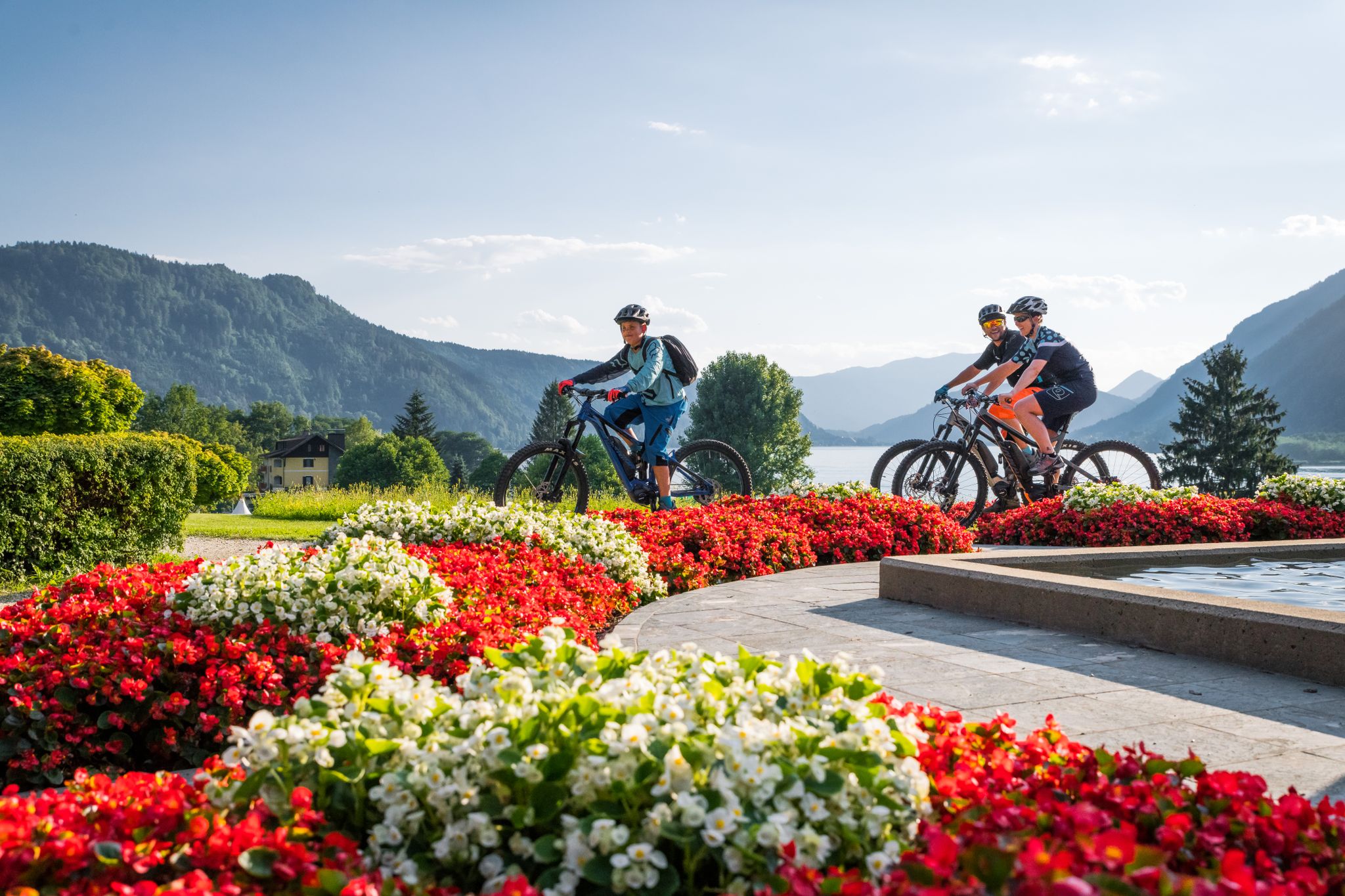
Wunderbar radlbar! Genussradeln in der Urlaubsregion Villach
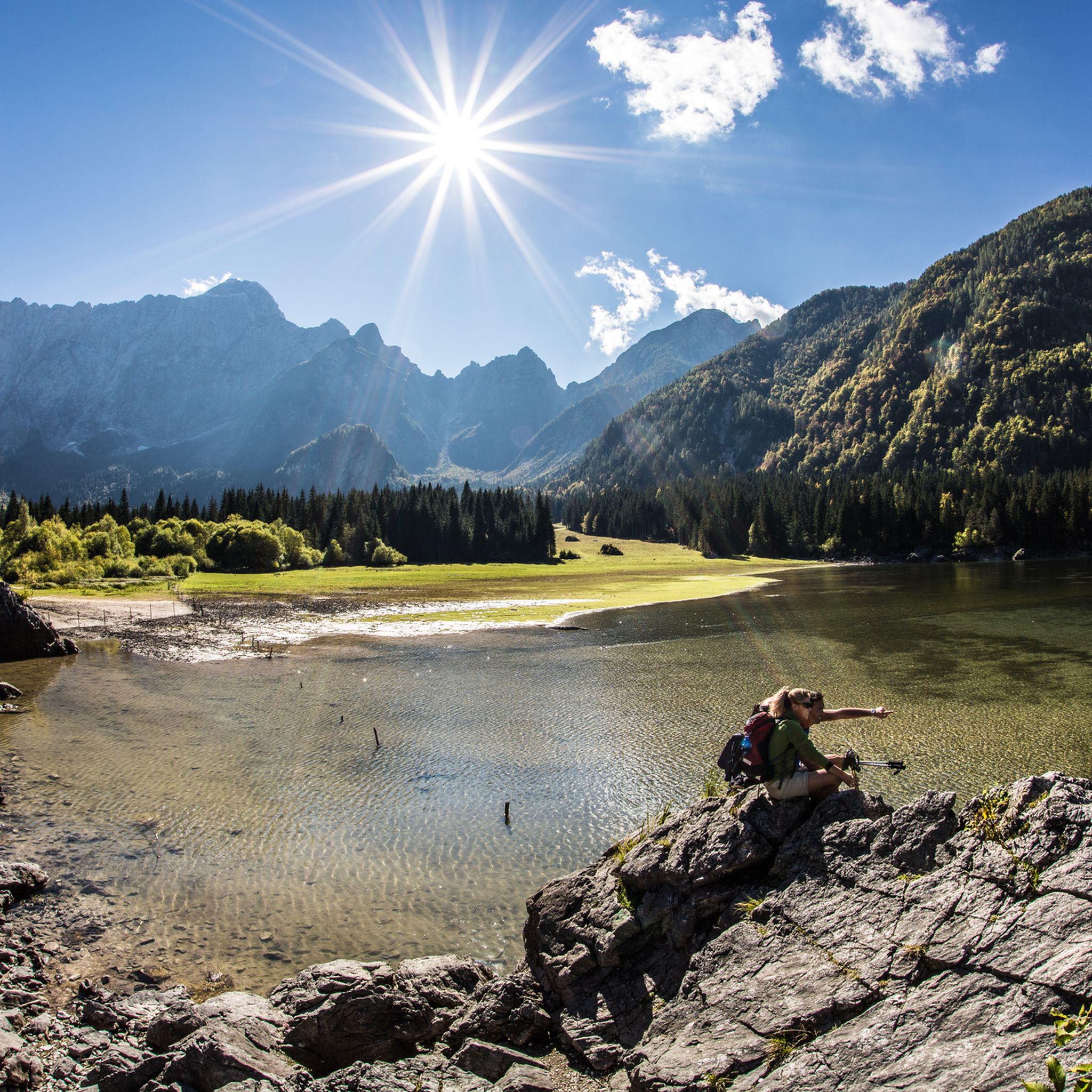
Hiking around Tarvisio
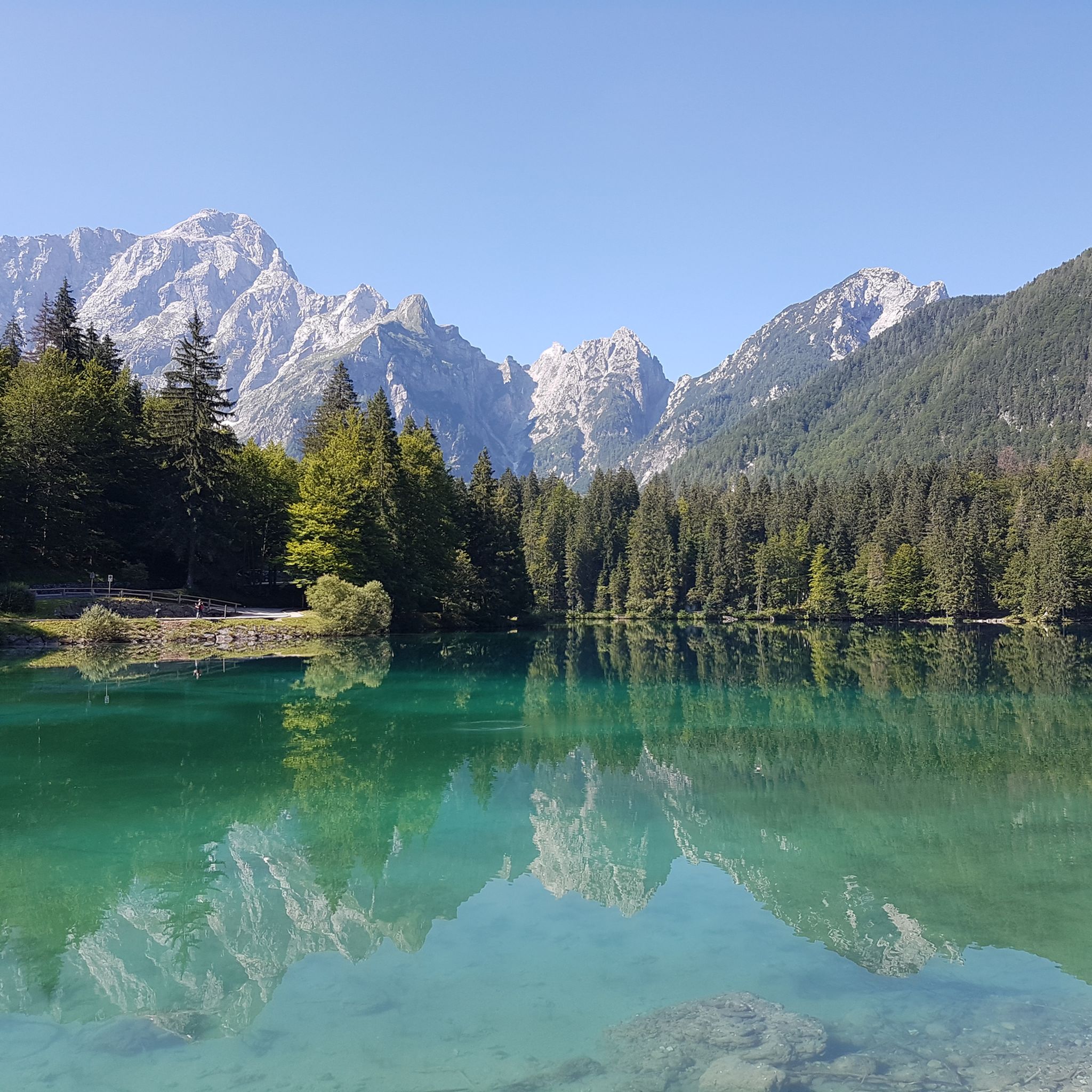
Cycling around Tarvisio
Other adventures around Tarvisio


Tips from the Community

The remains of the fortress below the pass and the Predel/Predil pass date back to the second half of the 19th century. It was in the same place that, as early as 1808, the Austrians began to build a log fortification on stone foundations. The work was interrupted due to the harsh winter, which, in May 1809, when the French army penetrated and was advancing in the Soča (Isonzo) river valley and the Kanalska dolina/Kanaltal valley, did not play in their favor.
0
0

I would not have expected to stand in front of such a tunnel
0
0

Very beautiful and well-maintained grounds with a magnificent view https://www.klosterruine.at/
1
0

Plant A with a howitzer battery and a roundabout (Upper Fortress) Armament: 4 machine guns in a battery Howitzer battery: 2 x 10 cm M 5 tank mortars Roundabout: 4 x 9 cm M 4 casemate cannons
0
0
Plant B (Lower Fortress) 4 x 12 cm M 80 minimal embrasure cannons in 2 Gruson tank turrets 4 x 12 cm M 80 minimal embrasure cannons in a Gruson tank battery
0
0

The castle, which dates back to the 13th century, was badly damaged by an earthquake in 1348. A new building was constructed in the second half of the 14th and early 15th centuries. The oldest part of the current complex is the keep in the east wing. The castle is now privately owned. Holiday homes can be rented there.
1
0


The story of the Kluža fortress is caught in the extraordinary nature, between the steep slopes of Rombon, Slemena and the emerald green, 70 m deep Koritnica riverbed. Here you will feel and admire the drafts of the past that marked this important strategic position, also called Bovška vrata. The Kluže fortress is located 4 km from Bovec in the direction of the Predel pass.
2
0
Frequently Asked Questions
What kind of historical fortifications can I expect to find around Tarvisio?
The Tarvisio area is rich in history, primarily featuring remnants of defensive structures and World War I military forts, rather than traditional grand castles. These sites reflect its strategic border location. Notable examples include the Kluže Fortress and Fort Hensel, alongside the ancient Predel Fortress Ruins. The town of Tarvisio itself has the Torre di Tarvisio, which consists of ancient defensive walls and towers.
Which historical sites are most popular with visitors?
Among the most popular sites are Kluže Fortress, known for its strategic history against the Turks and later the Napoleonic forces, and the Arnoldstein Monastery Ruins, a former Benedictine monastery offering impressive mountain views. Fort Hensel, a crucial Austro-Hungarian defense system from the Napoleonic era, is also highly appreciated.
What is the history behind Kluže Fortress?
Kluže Fortress, located near Bovec, was originally built in 1472 to defend against the Turks. It saw significant fighting during the Napoleonic Wars, being taken by Napoleon's army in 1797. The current fort was constructed by the Austrians in the late 19th century and played a role in World War I. It stands as a monument to a long and eventful past.
Can you tell me more about Fort Hensel?
Fort Hensel was a vital part of the Austro-Hungarian defense system, built in 1809 near Malborghetto during the Napoleonic era. It was designed by Captain Friedrich Hensel and played a significant role in the Great War, enduring extensive bombardment. Today, you can explore the ruins and gun emplacements, offering a glimpse into its military past.
Are there any monastery ruins to visit near Tarvisio?
Yes, the Arnoldstein Monastery Ruins are a significant historical site. This former Benedictine monastery, built on the ruins of an old castle, was devastated by fire in the 19th century. It has since been restored by volunteers and now serves as a cultural center, offering impressive views of the mountains.
What is the significance of Predel Fortress Ruins?
The Predel Fortress Ruins were part of the Carinthian fort system, originally erected during the Napoleonic Wars. It was rebuilt in 1848 and served as a military warehouse until the end of World War I. Although largely collapsed, its well-preserved walls still offer a powerful insight into the region's military history.
Are there any traditional castles in the broader region around Tarvisio?
While Tarvisio itself is known for its forts and defensive structures, the broader region does feature some traditional castles. For instance, Schloss Wasserleonburg, dating back to the 13th century, is a privately owned castle where holiday homes can be rented. It offers a different perspective on the region's historical architecture.
What is the best time of year to visit the historical sites around Tarvisio?
The best time to visit is generally from late spring to early autumn (May to October) when the weather is mild and most sites are fully accessible. Some sites, like Kluže Fortress, have extended opening hours during July and August. Visiting in winter can be challenging due to snow and colder temperatures, though some sites might still be accessible for larger groups by arrangement.
Are there family-friendly historical sites near Tarvisio?
Yes, several historical sites are considered family-friendly. Kluže Fortress and the Arnoldstein Monastery Ruins are both categorized as family-friendly, offering engaging experiences for all ages. Exploring these sites can be an educational adventure for children.
Are the historical sites around Tarvisio dog-friendly?
The Arnoldstein Monastery Ruins are noted as dog-friendly, making it a good option if you're traveling with your canine companion. For other sites, it's advisable to check specific regulations beforehand, as policies can vary.
What outdoor activities can I combine with a visit to these historical sites?
The mountainous terrain around Tarvisio is ideal for various outdoor activities. You can find numerous road cycling routes, mountain hikes, and MTB trails. For example, explore the 'Between Italy and Slovenia through the Predil Pass' road cycling route, or embark on a mountain hike to 'Monte Lussari Summit Cross'. You can find more details on these activities in the Road Cycling Routes around Tarvisio, Mountain Hikes around Tarvisio, and MTB Trails around Tarvisio guides.
Are there hiking trails near the historical sites?
Yes, many historical sites are situated amidst beautiful natural landscapes with nearby hiking opportunities. For instance, the area around Kluže Fortress and Predel Fortress Ruins offers trails that connect to other points of interest. You can explore various routes in the Mountain Hikes around Tarvisio guide, such as the 'Upper Fusine Lake – Luigi Zacchi Alpine Hut loop'.
Can I find cafes or restaurants near these historical sites?
While some historical sites might have limited facilities, the towns and villages nearby, such as Malborghetto (near Fort Hensel) and Tarvisio itself, offer various cafes and restaurants where you can enjoy local cuisine and refreshments after your visit.
Most popular routes around Tarvisio
Most popular attractions around Tarvisio

Get inspired with the komoot mobile app


Explore more
Looking for the best castles somewhere else? Discover other guides around Tarvisio:
