Top 8 Castles around Mercogliano
Best castles around Mercogliano are found in a town in the province of Avellino, known for its historical significance. The area features the Medieval Castle of Mercogliano, situated at the summit of the Capocastello village. This location highlights the region's past strategic importance and its integration with the charming medieval hamlet. Visitors can explore historic architecture, narrow streets, and ancient churches within the village.
Best castles around Mercogliano
- The most popular castles is San Pantaleone Sanctuary and the Lombard Castle…
Last updated: October 16, 2026
Castelletto Parise
Highlight • Castle
Translated by Google •
Tip by

San Pantaleone Sanctuary and the Lombard Castle of Montoro
Highlight • Historical Site
Translated by Google •
Tip by

Sign up now to discover places like this
Get recommendations on the best single tracks, peaks, & plenty of other exciting outdoor places.
Monteforte Irpino Castle
Highlight • Castle
But the history of Monteforte …
Translated by Google •
Tip by
Ruins of Mercogliano Castle
Highlight • Castle
Translated by Google •
Tip by
Feudal Castle
Highlight • Castle
Translated by Google •
Tip by
Sign up for free to discover even more castles around Mercogliano.
Already have an account?
Start today with a free account
Your next adventure awaits.
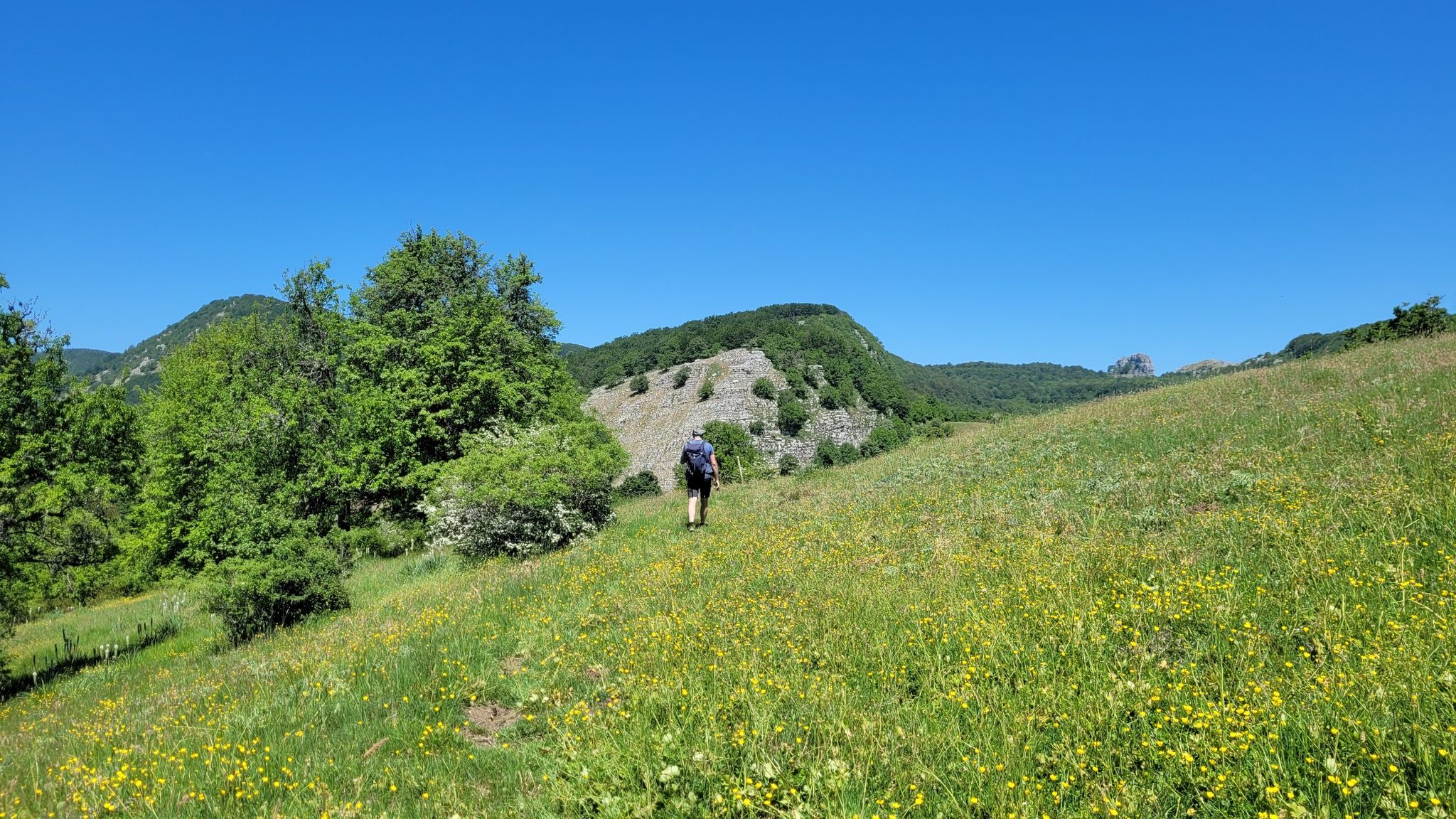
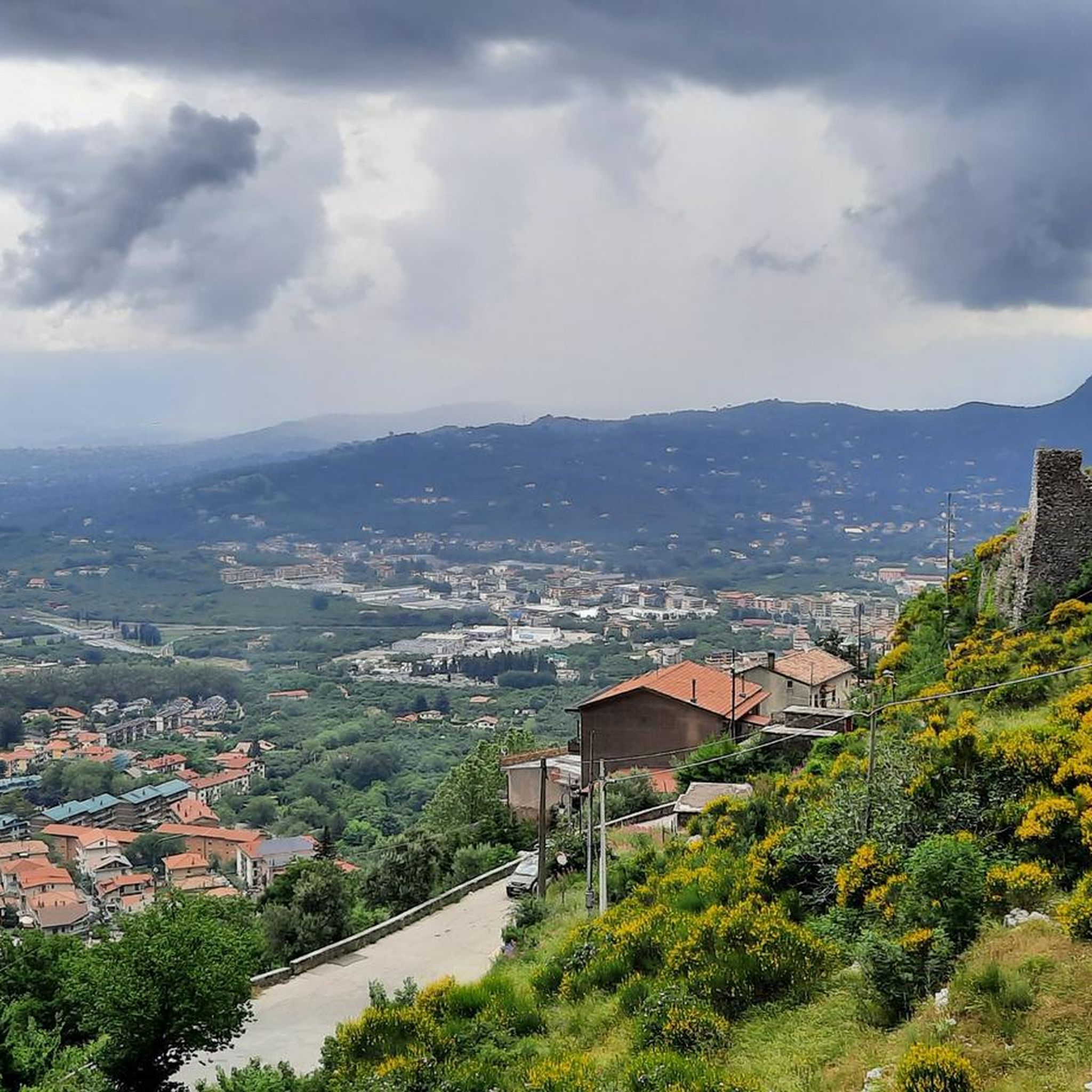
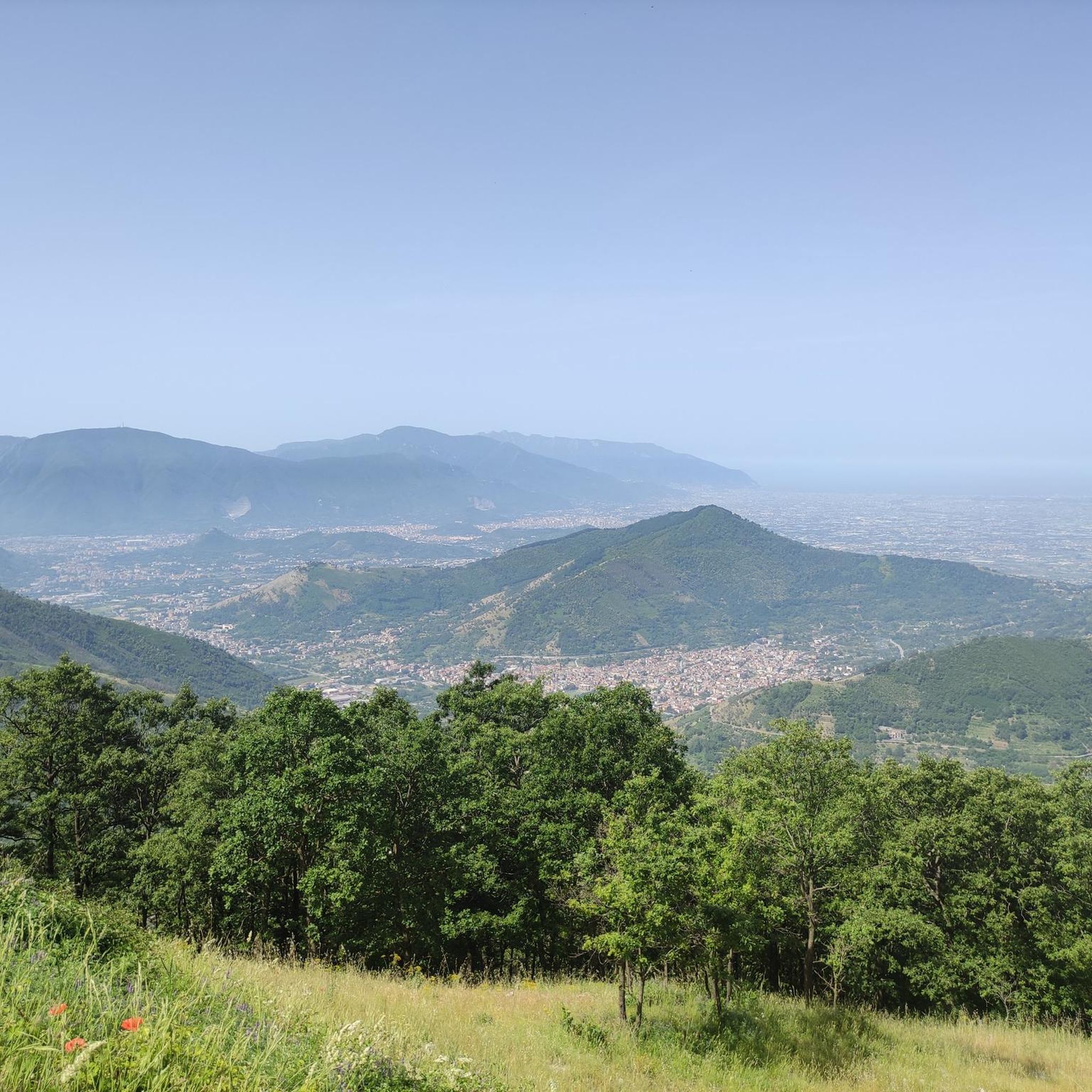
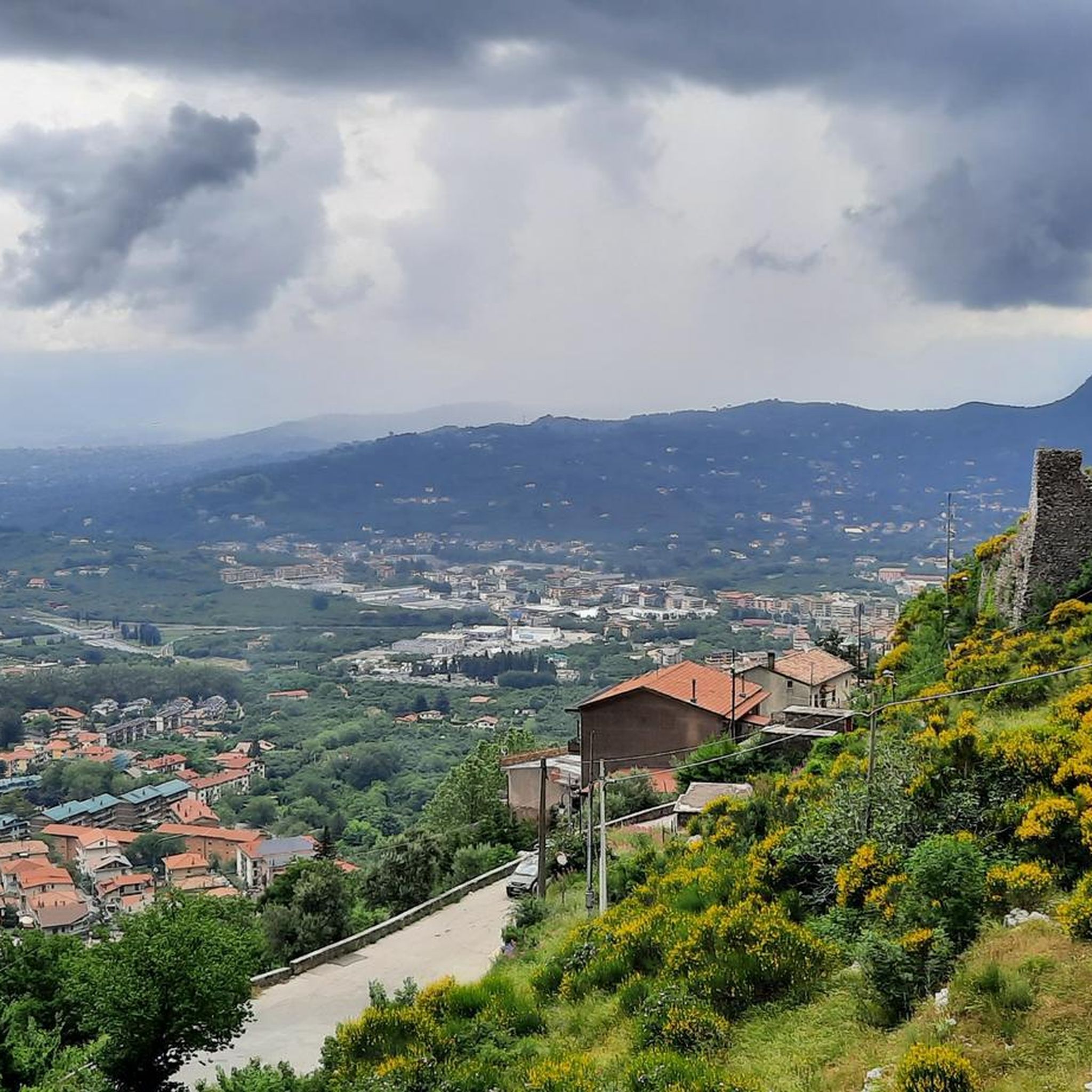

Other adventures around Mercogliano

Tips from the Community

the park/green area is located next to the castle. there is parking, with a picnic area
0
0

The Castle of Monteforte was probably an ancient Roman castrum, on which a real castle was probably built by the Lombards in the 7th-8th century. But the history of Monteforte is very ancient: traces of its existence can be found already during the Second Punic War (fought between Rome and Carthage from 218 BC to 202 BC), when Annibale Barca passed through it on his way back from Capua towards Cannae, where he prepared the historic trap against the Romans. The first certain information we have about the village is contained in a document from 1102 preserved in the Montevergine Archives. In the Angevin period, it passed to the Princes of Montfort and Count Guido de Monfort lived there, who killed Prince Henry of England in 1271 in the cathedral of Viterbo. Having committed the crime, he was deprived of his possessions which passed to the Orsini family, whose lineage they remained in until 1806. The Castle was renovated and transformed into a summer residence by Charles of Anjou who lived there several times from 1271 to 1280. It was abandoned to itself from the 16th century; legend has it that who knows what treasures were buried in it, unfortunately this gave greedy hands the opportunity to complete its destruction.
11
0

Remains of the feudal castle of Serino, complete with boundary walls and access arch. Very suggestive place!
6
0
On the top of a hill full of vegetation, in the locality of Toppola, are the ruins of the Feudal Castle of Serino which, together with the Castle of Orano, constitutes the group of fortifications present in the territory of the municipality. Of the original structure, only the perimeter walls and the ancient chapel, now restored, are visible. According to some sources, the castle was built around 839 AD, as a defensive bulwark for the local inhabitants threatened by the raids of the militias engaged in the dynastic struggles for the succession to the throne of Benevento. However, the current conformation of the castle should date back to 1159, the year in which Costanza Saracena, belonging to the Sanseverino family, elected Serino as the capital of her feud. The structure is accessed through two suggestive arched doors that mark the passage along the three short ramps that once led to the main entrance. After the last door, you come across the Sanctuary dedicated to the Madonna delle Grazie which today includes the private chapel with a bell tower, once located near the residence of the feudal lord. With the loss of its defensive function, the castle suffered the neglect of time and was gradually abandoned. The ruins of the building, with the adjoining restored church, are now well kept, inserted within a highly suggestive natural setting, in which the centuries-old linden tree in front of the church makes a fine show.
18
0

The Feudal Castle is located on top of the Serino hill. It is inserted in a wooded environment, very luxuriant. Unfortunately a large part of the fortress is in a state of abandonment.
1
0
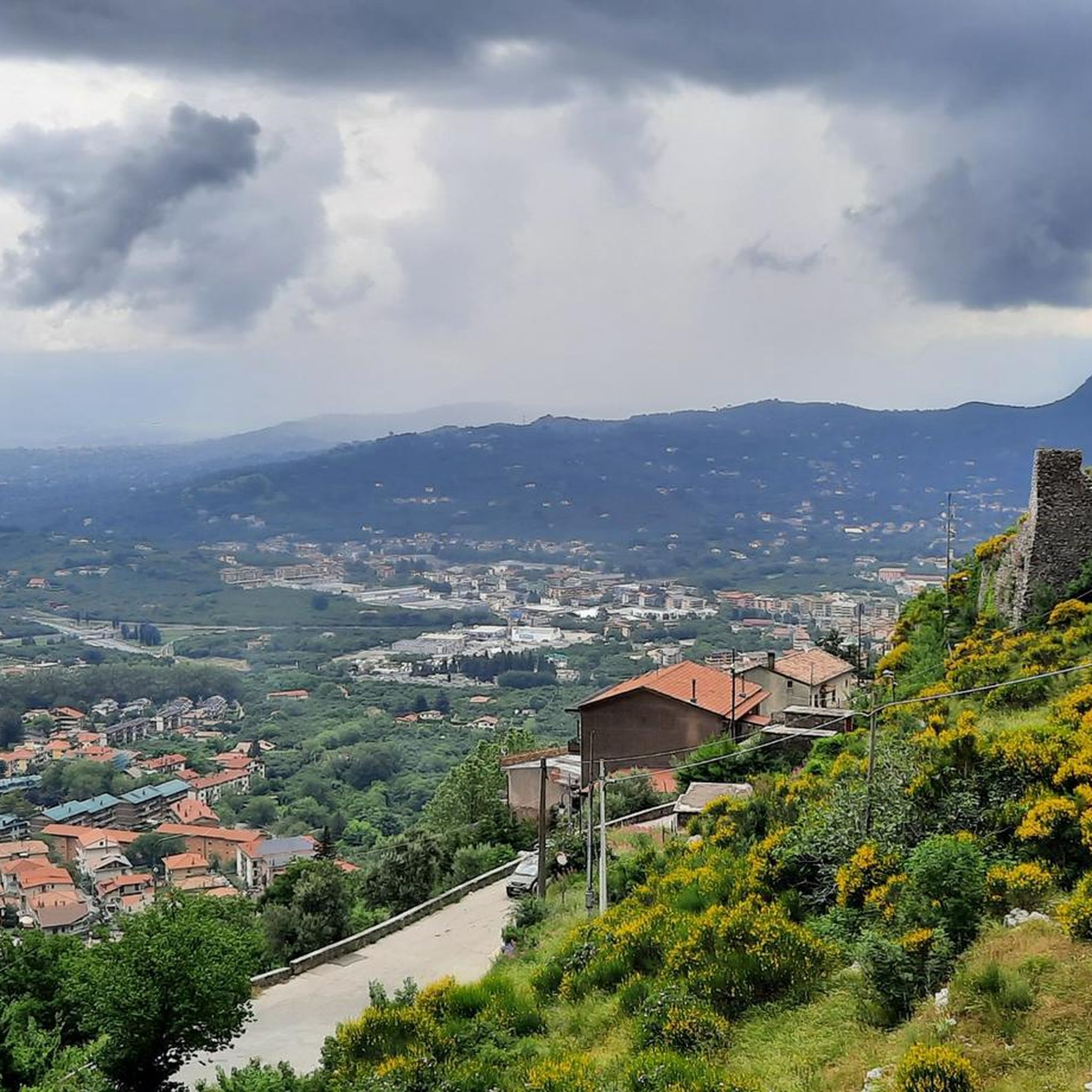
Ruins of the Castle of the hamlet of Mercogliano "Capocastello"
1
0
Antico Castelletto belonged precisely to the Parise family as the name suggests, it is a pity that it is in a state of total abandonment, because, seen up close it is very beautiful and is characterized by the arches of the windows and the portal, very characteristic, too bad that be left to himself !!
3
0
Castelletto built by the Parise family that despite the passing of the years and the lack of care still retains its splendor.
16
0
Frequently Asked Questions
What historical castles can I explore around Mercogliano?
The region around Mercogliano offers several historically significant castles. The Medieval Castle of Mercogliano, also known as the Ruins of Mercogliano Castle, is a key site at the summit of Capocastello village, dating back to Norman/Lombard times. You can also visit the San Pantaleone Sanctuary and the Lombard Castle of Montoro, which includes ruins of a Lombard Castle. Further historical sites include Monteforte Irpino Castle, with origins as an ancient Roman castrum, and the Feudal Castle in Serino, dating back to around 839 AD.
Which castles offer the best panoramic views of the region?
For breathtaking panoramic views, the Medieval Castle of Mercogliano (the Ruins of Mercogliano Castle) provides extensive vistas of the valley from its elevated position. The San Pantaleone Sanctuary and the Lombard Castle of Montoro also offers beautiful views of the hamlets Borgo and Piano Preturo. Additionally, Monteforte Irpino Castle is noted as a panoramic point, and the Feudal Castle in Serino is set within a highly suggestive natural landscape.
Are there any castles with significant historical events associated with them?
Yes, the Medieval Castle of Mercogliano (Ruins of Mercogliano Castle) witnessed numerous battles and was even used to imprison Matilde, the wife of Count Rainulfo, by Roger II in 1137. Monteforte Irpino Castle has a deep history, with traces from the Second Punic War and connections to the Angevin period, where Charles of Anjou renovated it and Count Guido de Monfort resided there.
Can I visit the medieval village of Capocastello when exploring castles in Mercogliano?
Absolutely. The Medieval Castle of Mercogliano (Ruins of Mercogliano Castle) is an integral part of the charming medieval village of Capocastello. A visit to the castle naturally extends to exploring this historic hamlet, characterized by its narrow streets, winding staircases, small squares, ancient churches, and traditional houses.
What outdoor activities can I do near these castles?
The area around Mercogliano offers various outdoor activities. You can find numerous routes for road cycling, mountain biking, and running. For example, there are challenging road cycling loops like the 'Liberty Square, Avellino – Ponte dei Santi loop' and 'Montevergine Sanctuary – Forcetelle Hut loop'. Mountain bikers can explore trails such as the 'Montevergine Funicular – Sanctuary of Montevergine loop'. Runners have options like the 'Fountain of Bellerophon loop'. You can find more details on these activities in the Road Cycling Routes around Mercogliano, MTB Trails around Mercogliano, and Running Trails around Mercogliano guides.
Are there any lesser-known or 'hidden gem' castles worth visiting?
While not entirely hidden, Castelletto Parise, built by the Parise family in 1753, is a unique spot. Despite its current state of neglect, it retains elements of its original design and is considered a 'treasure in the midst of nature' by visitors, offering a different kind of charm compared to more preserved sites.
How long should I plan for a visit to the castles around Mercogliano?
The time needed varies depending on the castle. For the Medieval Castle of Mercogliano (Ruins of Mercogliano Castle), you might spend an hour or two exploring the ruins and the surrounding Capocastello village. Other sites like San Pantaleone Sanctuary and the Lombard Castle of Montoro or Monteforte Irpino Castle could also take a similar amount of time. If you plan to visit multiple castles or combine it with hiking, a full day trip would be more appropriate.
What is the best time of year to visit the castles in Mercogliano?
The best time to visit the castles around Mercogliano is generally during the spring (April-June) and autumn (September-October) months. During these periods, the weather is typically mild and pleasant, ideal for exploring historical sites and enjoying the panoramic views without the intense heat of summer or the chill of winter. This also makes it comfortable for combining castle visits with nearby outdoor activities.
Are there any castles that are particularly suitable for families or children?
While specific 'family-friendly' categories aren't listed, exploring the ruins of the Medieval Castle of Mercogliano (Ruins of Mercogliano Castle) and the charming Capocastello village can be an engaging experience for children, sparking their imagination about history. The panoramic views from various castle sites can also be enjoyable for all ages.
What kind of remnants can still be seen at the Medieval Castle of Mercogliano?
Despite significant damage over centuries, the Medieval Castle of Mercogliano (Ruins of Mercogliano Castle) still retains visible remnants of its past. Visitors can observe one tower, sections of the curtain walls, and a distinctive loophole that once offered extensive views for defense. Of the five original gates to the medieval village, two, the Porta dei Santi and the Porta dell'Acqua, are still present.
Are there any castles that are easily accessible or have good parking facilities?
Information on specific parking facilities for each castle is not detailed, but the Medieval Castle of Mercogliano is located at the summit of the historic Capocastello village, which can be accessed. For other castles, it is advisable to check local signage or inquire locally upon arrival for the most convenient parking options, as many are situated in historical or elevated areas.
Most popular attractions around Mercogliano

Get inspired with the komoot mobile app


Explore more
Looking for the best castles somewhere else? Discover other guides around Mercogliano:
