Top 7 Castles around Chions
Castles around Chions, Italy, provide a historical perspective on the region's medieval past and strategic significance. The area, located in the Province of Pordenone, features remnants of ancient fortifications and historical settlements. These sites offer a tangible connection to the area's history, including its role in defending against invasions and its noble lineages. The landscape around Chions is characterized by its rural nature, with historical landmarks integrated into the local environment.
Best castles around Chions
- The most popular castles is…
Last updated: May 2, 2026
Gate of Sesto al Reghena
Highlight • Monument
it.m.wikipedia.org/wiki/Sesto_al_Reghena
Translated by Google •
Tip by

San Vito al Tagliamento
Highlight • Settlement
Translated by Google •
Tip by
Sign up now to discover places like this
Get recommendations on the best single tracks, peaks, & plenty of other exciting outdoor places.
Sign up for free
Zoppola Castle
Highlight • Castle
Translated by Google •
Tip by

Castello di Torre and Archaeological Museum of Western Friuli
Highlight • Castle
Translated by Google •
Tip by

Castello di Cordovado
Highlight • Monument
Translated by Google •
Tip by

Sign up for free to discover even more castles around Chions.
Sign up for free
Already have an account?
Start today with a free account
Your next adventure awaits.
Login or Signup
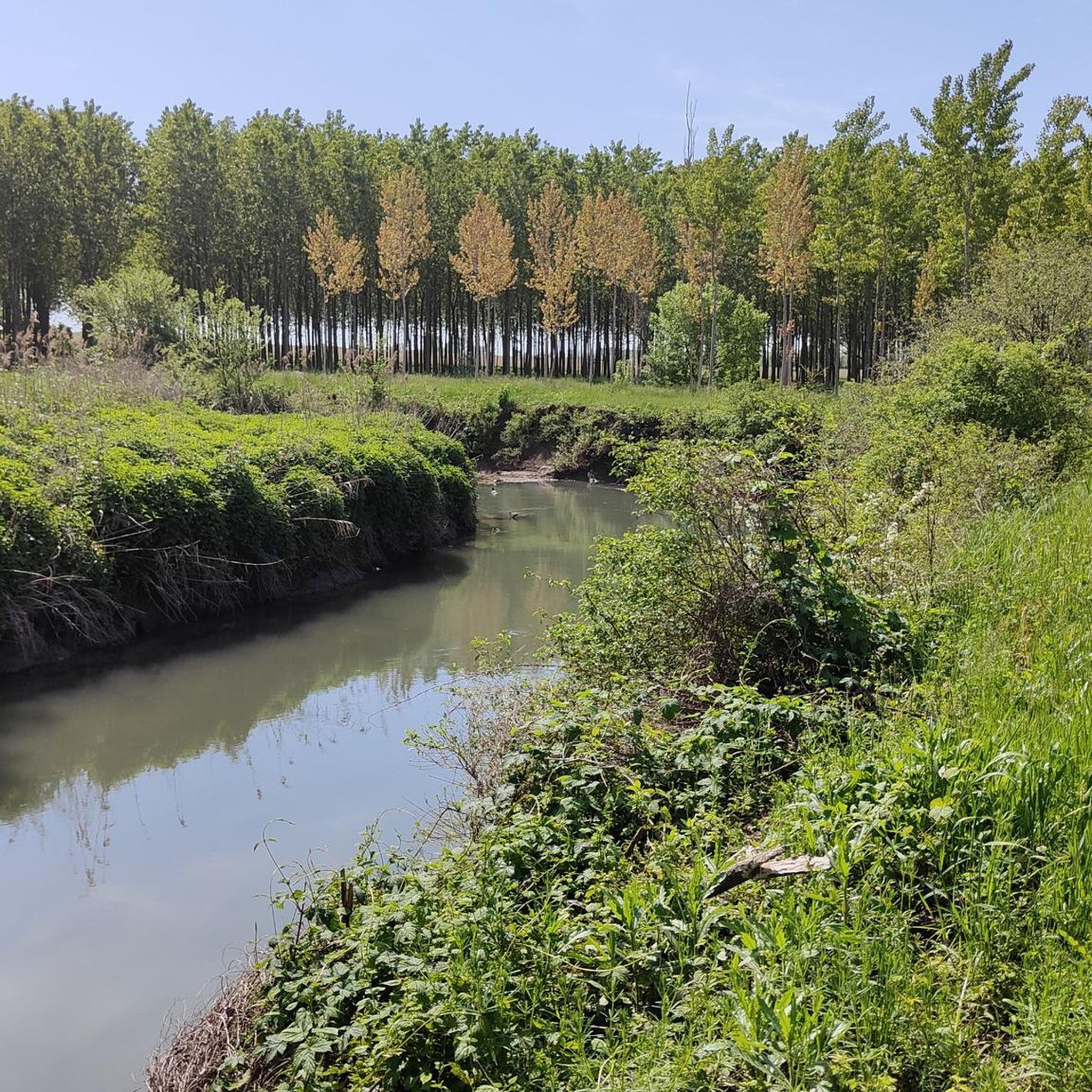
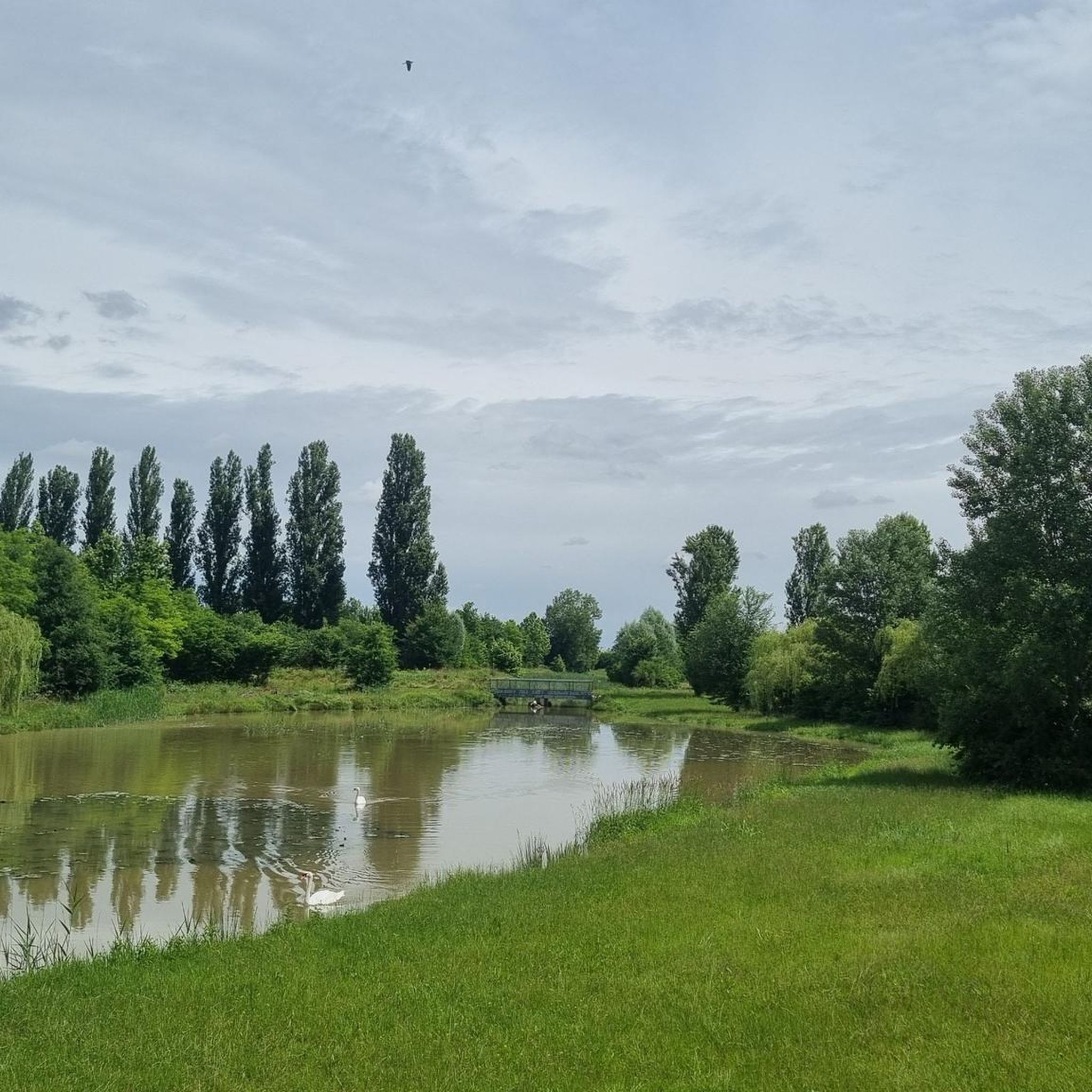

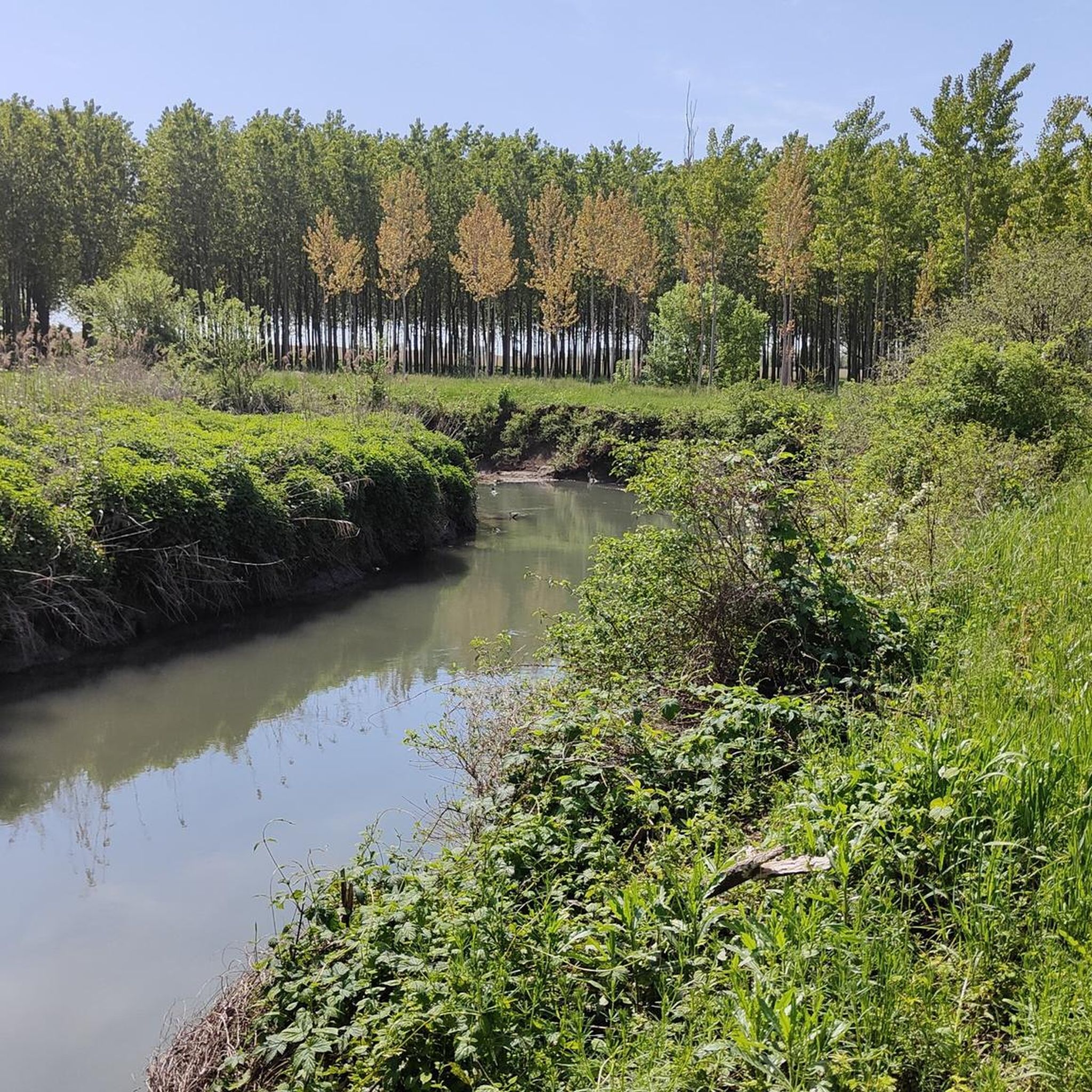
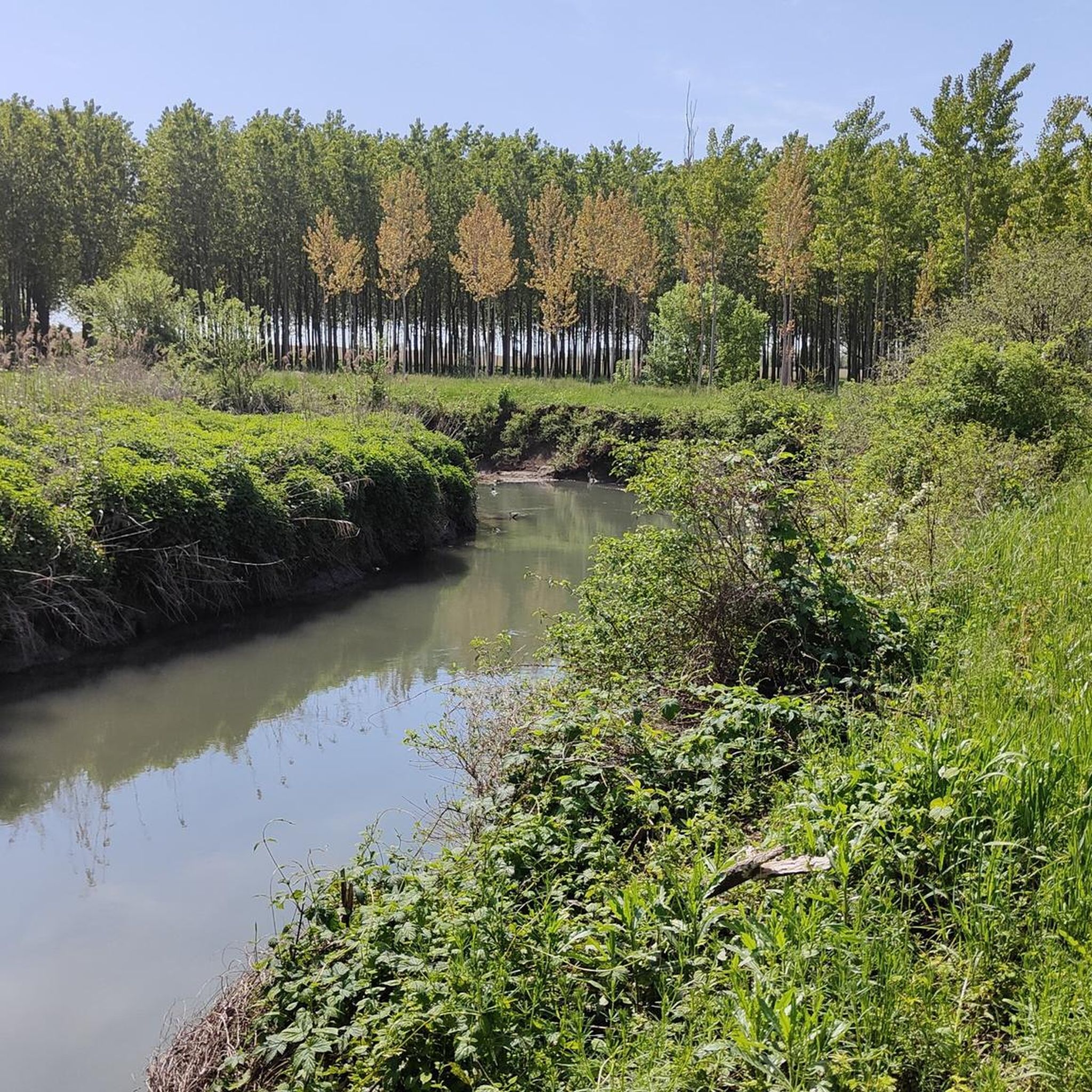
Tips from the Community

Beautiful castle in Zoppola in the direction of Grava
0
0

A medieval village straight out of a picture book - just look and enjoy.
1
0
The Castello di Zoppola is a castle originally built in the 11th century and still owned by the Panciera family. It was surrounded by three walls and moats, some of which are still preserved, and over the centuries has housed aristocratic families such as the Habsburgs, the Valvasones, and the Pancieras. The castle is known for its rich history, including its importance as a strategic base and its frescoes by artists such as Pomponio Amalteo and Giovanni da Udine.
1
0

The castle of Torre was built in the Middle Ages where the complex of the large Roman villa once stood. The oldest part of the fortification is represented by a square-based tower, characterized by mighty walls, probably built in the second half of the 13th century by the Patriarch of Aquileia, who initially entrusted it to the ancient House of the Lords of Prata. Long the object of contention between the nobles of Porcia, the Count of Gorizia and the Carraresi, in 1391 the Patriarch of Aquileia, Giovanni di Moravia, granted the castle of Torre to Giovannino di Ragogna. After the first half of the 15th century, with the Venetian conquest of Friuli, the castle was transformed into a noble residence and was involved in a vast program of architectural and artistic interventions including the fresco decoration with the Annunciation on the ground floor, attributed to Gianfrancesco da Tolmezzo (1450-1511). The staircase leading to the main floor and the loggia were probably built during the second half of the seventeenth century. Between the end of the seventeenth century and the beginning of the eighteenth century, the fresco depicting the main protagonists of the defense of Vienna from the siege of the Turks in 1683 was created in the vault of the ground floor of the tower-keep, probably to commemorate the participation of a member of the Ragogna family in the clash. Various additions and structural modifications were made to the building during the eighteenth and nineteenth centuries. At the end of the nineteenth century, in the southern sector of the castle, the old loggia building was demolished and a new building was built, which was placed against the northern wall of the main tower. In 1926, the building was replaced with the one that still exists today. In 1970, the Count of Ragogna died, leaving the Castello di Torre as an inheritance to the Friuli Venezia Giulia Region; in the end, after various testamentary events, the building came to the Municipality of Pordenone. After a careful restoration that took place in the early 2000s, since 2006 it has been home to the Archaeological Museum of Western Friuli.
0
0

The beautiful main square of San Vito al Tagliamento.
14
0
Beautiful city with historical and cultural value, absolutely worth a visit.
20
0
San Vito al Tagliamento is a city rich in history and natural and artistic beauty that is definitely worth a visit.
21
0
Abbey and village absolutely worth visiting for the historical importance and the charm of the small village.
15
0
Frequently Asked Questions
What is the historical significance of castles around Chions?
The castles around Chions, such as the remnants of the Castello di Torrate, primarily served defensive purposes against invasions, particularly from the Hungarians, dating back to around the year 1000. They also highlight the region's noble lineages and strategic importance, with sites like the Gate of the Castle of Cordovado and Zoppola Castle showcasing centuries of architectural evolution and historical events.
Are there any specific medieval castles worth noting in Chions itself?
Within Chions, the most notable site is the Castello di Torrate, represented by the Torrate highlight. While much of the original structure was demolished in the 19th century, a single square tower remains, offering a tangible connection to its medieval past. It was historically held by the Sbrojavacca family and includes the adjacent Church of San Giuliano, dating back to 1332.
Which castles near Chions offer unique historical features or stories?
Several castles boast unique histories. Zoppola Castle, built around 1000, is still owned by the Panciera family and features a large park and frescoes by notable artists. The Gate of the Castle of Cordovado stands on a prehistoric 'castelliere' and a Roman settlement, with its current palace built after the 1511 earthquake, retaining two shielded towers and parts of its walls. The Gate of Sesto al Reghena is part of a beautiful village known for its fortified abbey, founded in the 8th century and later fortified against Hungarian invasions.
Are there family-friendly castles to visit near Chions?
Yes, several sites are considered family-friendly. These include the Gate of Sesto al Reghena, the historical settlement of San Vito al Tagliamento, the remnants at Torrate, and the Gate of the Castle of Cordovado. These locations offer historical exploration in settings suitable for all ages.
What outdoor activities can I combine with a castle visit near Chions?
The region around Chions offers various outdoor activities. You can find numerous cycling routes, including easy and moderate options like the 'Country Trail – Gate of Sesto al Reghena loop from Chions' or the 'Motta di Livenza Town Center – Belfiore Mill loop from Fagnigola / Fagnigule'. For hiking, there are easy trails such as the 'Torrate Park loop from Savorgnano' or moderate options like the 'Chapel – Church of Saint Thomas loop from Sesto al Reghena / Siest'. Gravel biking routes are also available. You can explore more options on the Cycling around Chions, Hiking around Chions, and Gravel biking around Chions guide pages.
Are there hiking trails near the castles around Chions?
Yes, there are several hiking trails. For example, near the Torrate site, you can find the easy 'Torrate Park loop from Savorgnano'. Near Sesto al Reghena, you can explore moderate trails like the 'Chapel – Church of Saint Thomas loop' or the 'Chapel – Stalis Mills loop'. These routes allow you to experience the rural landscape while visiting historical sites. Find more details on the Hiking around Chions guide page.
What natural features can I see around the castles near Chions?
The landscape around Chions is characterized by its rural nature, with historical landmarks integrated into the environment. Near the Torrate site, you can enjoy a beautiful oasis of history and nature, with fields and waters, suitable for a picnic. The region is also near the Tagliamento and Livenza rivers, offering scenic views and natural settings for outdoor activities.
What is the best time of year to visit the castles around Chions?
While specific opening hours vary, the spring and autumn months generally offer pleasant weather for exploring the castles and the surrounding rural landscape. These seasons avoid the peak heat of summer and the colder, potentially wetter conditions of winter, making outdoor exploration more comfortable.
Are there any castles near Chions that are easily accessible?
Many of the historical sites and settlements, such as Gate of Sesto al Reghena and San Vito al Tagliamento, are integrated into villages and towns, making them generally accessible. The remaining tower at Torrate is also part of a rural setting that can be reached. For specific accessibility needs, it's advisable to check individual site details.
What do visitors enjoy most about the castles and historical sites near Chions?
Visitors appreciate the tangible connection to the region's medieval past and the historical context these sites provide. The beautiful village of Sesto al Reghena, with its fortified abbey, is particularly popular. People also enjoy the rich history and cultural value of settlements like San Vito al Tagliamento, and the impressive Sbrojavacca tower at Torrate, which offers a glimpse into ancient fortifications.
Can I find cafes or restaurants near the castles in the Chions area?
As many of the historical sites are located within or near towns and villages like Sesto al Reghena and San Vito al Tagliamento, you will find local cafes and restaurants in these areas. These establishments offer opportunities to enjoy local cuisine and refreshments during your visit.
Most popular attractions around Chions

Get inspired with the komoot mobile app


Explore more
Looking for the best castles somewhere else? Discover other guides around Chions:
