Top 4 Castles around Contessa Entellina
Best castles around Contessa Entellina are found in a village in the Sicilian hinterland, offering a glimpse into a rich historical past. The area features notable castle ruins and historical sites, providing significant archaeological and historical interest. Contessa Entellina is known for its rural landscapes and unique Arbëreshë culture, enriching the visitor experience. These sites are appealing for those interested in archaeology, ancient civilizations, and medieval history.
Best castles around Contessa Entellina
- The most popular castles is ruins of Salaparuta, a historical site that represents the remains of an old inhabited center destroyed by an earthquake. It preserves the memory of a dramatic event and features the base of the Paruta castle's square tower.
- Another must-see spot is Giuliana Castle, an imposing Frederickian castle. This monument, commissioned by Frederick II, dominates the wide Sicilian valley.
- Visitors also love Alcamo-Gibellina new, a castle located about 30 km between hills and vineyards. It offers a route through historical sites and landscapes.
- Contessa Entellina is known for its castle ruins, historical sites, and medieval castles. The area offers a variety of structures, from ancient fortifications to more recent historical remnants, to see and explore.
- The castles around Contessa Entellina are appreciated by the komoot community, with 6 upvotes and 40 photos shared by visitors.
Last updated: June 30, 2026
ruins of Salaparuta
Highlight (Segment) • Historical Site
Translated by Google •
Tip by

Giuliana Castle
Highlight • Castle
Translated by Google •
Tip by

Sign up now to discover places like this
Get recommendations on the best single tracks, peaks, & plenty of other exciting outdoor places.
Sign up for free
Castello di Gristia
Highlight • Castle
Translated by Google •
Tip by

Alcamo-Gibellina new
Highlight (Segment) • Castle
Translated by Google •
Tip by

Start today with a free account
Your next adventure awaits.
Login or Signup

Tips from the Community

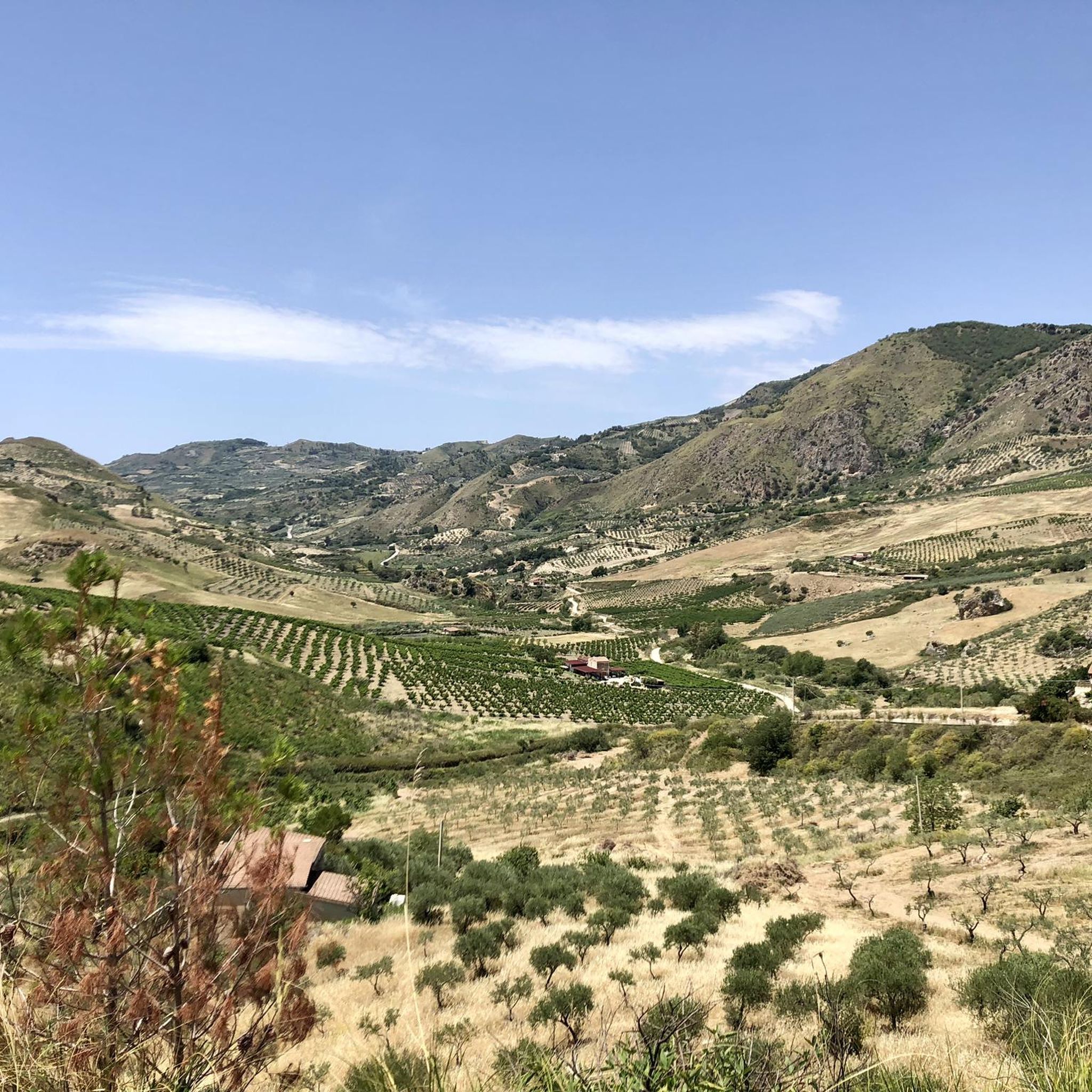
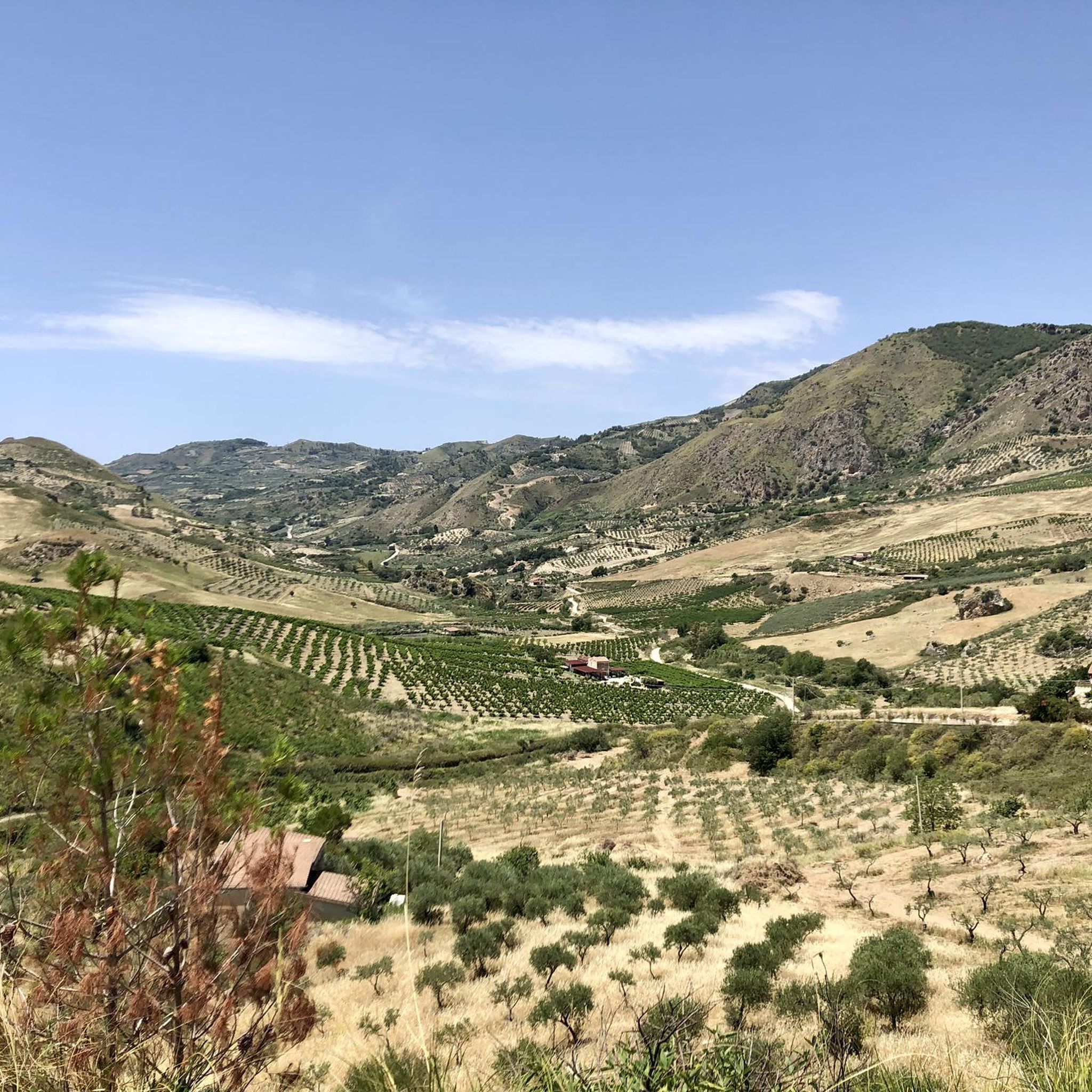
Giuliana, located in the province of Palermo, boasts an imposing Frederickian castle, restored in 1997. This monument, commissioned by Frederick II for its strategic value, dominates the wide Sicilian valley.
1
0

The former Capuchin convent of the 18th century. They were built at the end of the 18th century, on land purchased by Prince Fabrizio Alliata and at his expense, who endowed the friars with income for worship, food and the maintenance of the structures. The church, inserted in the body of the convent, had a single nave which was accessed through the beautiful portal crowned by a robust mixtilinear frame. The convent consisted of sixteen rooms on the ground floor, some of which had a real vault and thirty-one on the first floor, connected by long corridors. From 1927 to 1963 it was used as a hospital and later as a school; it has recently been restored and consolidated also with the insertion of new metal structures.
12
0
The ruins of Salaparuta, a small Sicilian town, are the historical testimony of the serious earthquake that struck the Belice valley in 1968. The ruins are what remained of the old inhabited center of the Trapani municipality and keep alive the memory of one of the most dramatic events that it hit Sicily and all of Italy.
16
0

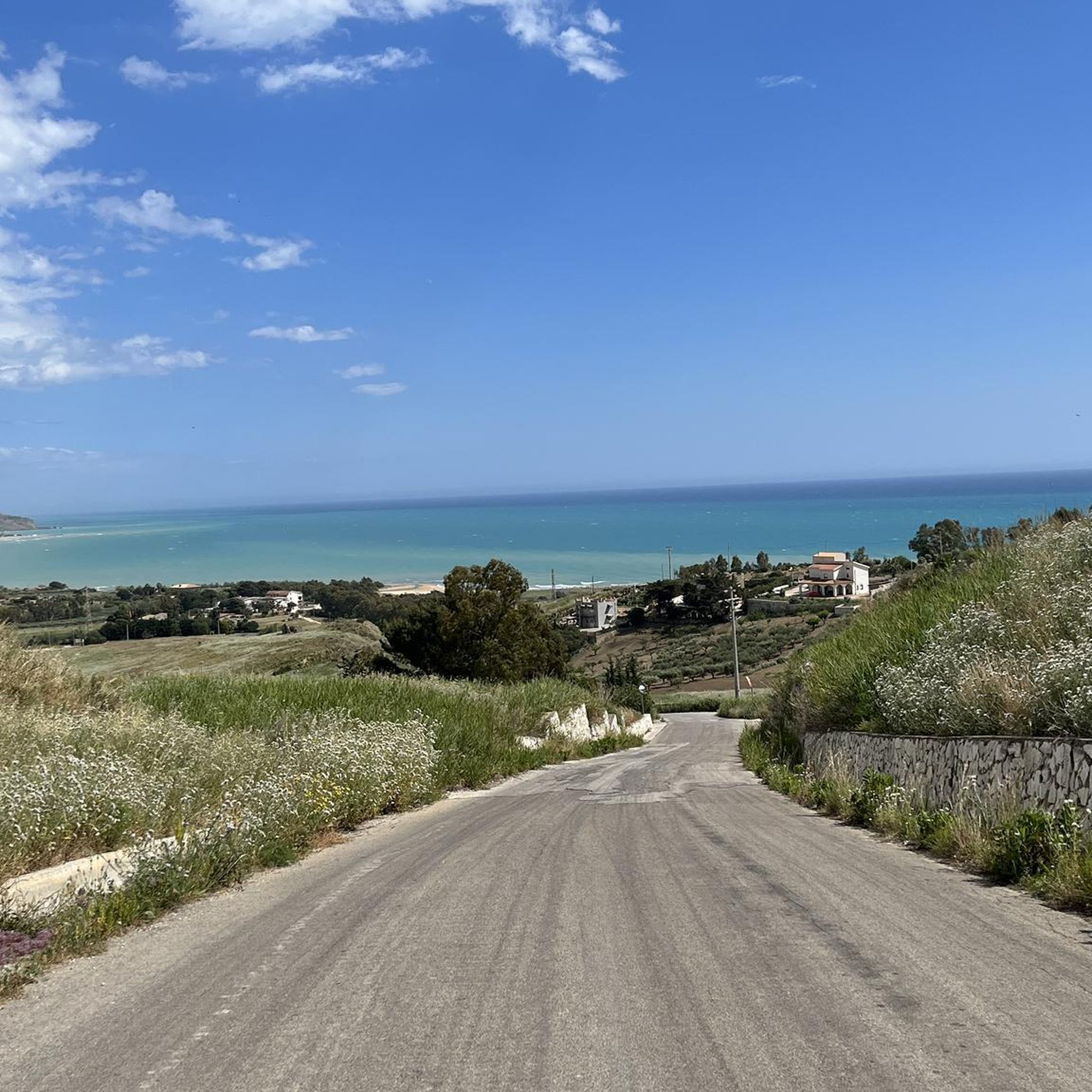
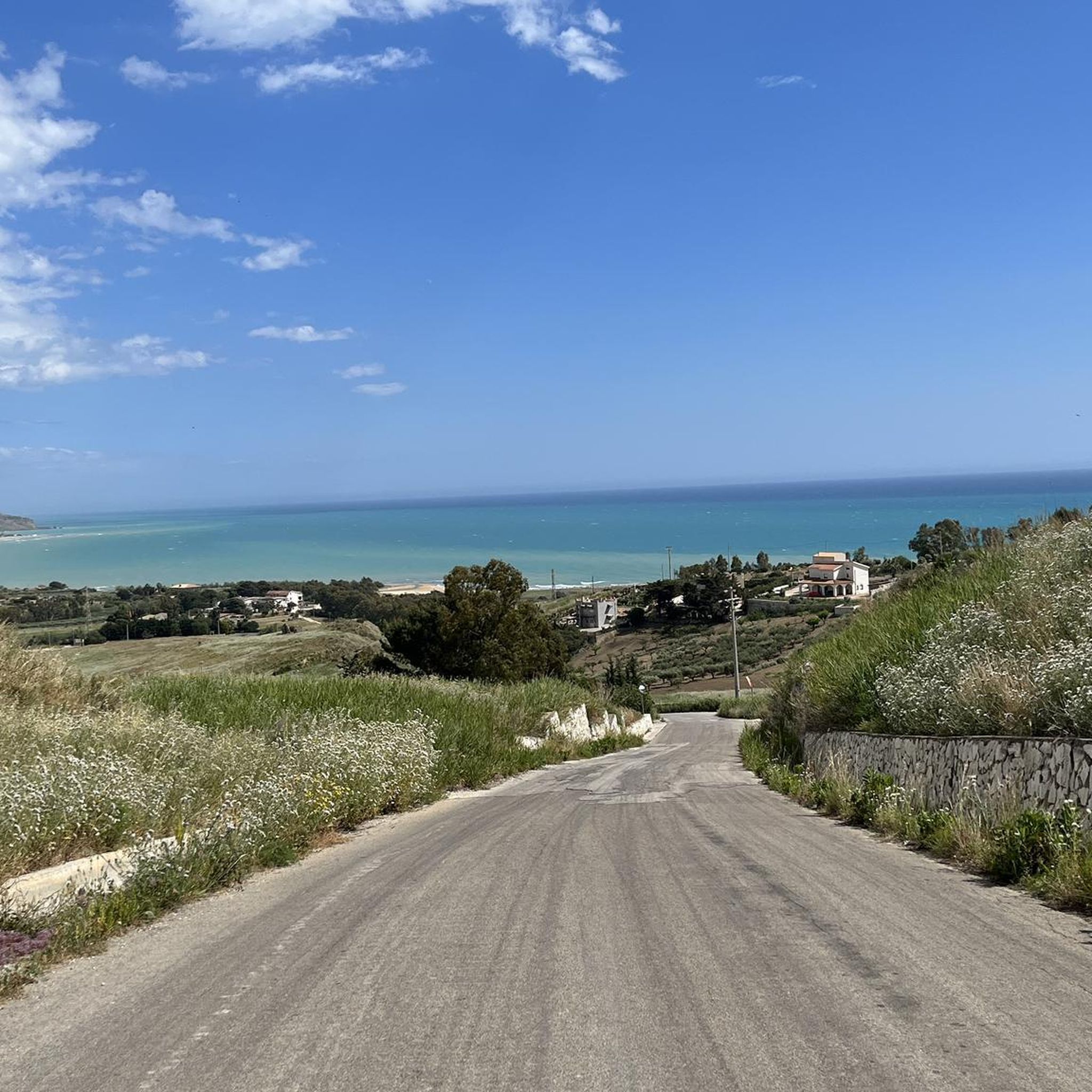
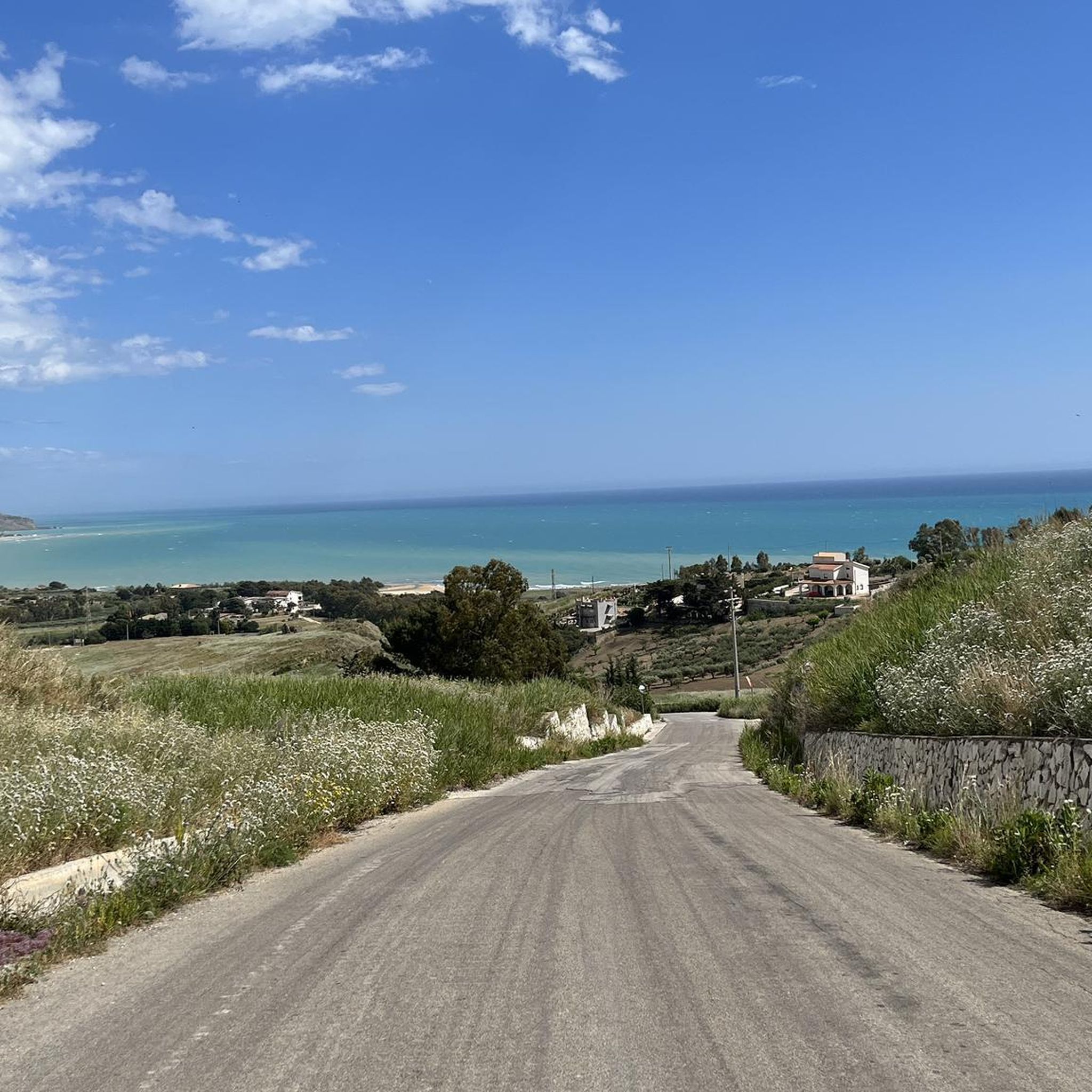
about thirty km between hills, vineyards and Sergio Leone landscapes, on an almost perfect road surface
6
0
What remains of the old inhabited center of Salaparuta, destroyed by the earthquake of 1968, is a mass of ruins among which the ruins of houses emerge, the base of the square tower of the Paruta castle, the lower part of the perimeter walls of the Mother Church, with the bases of the pillars of the naves and the structures of the side altars. A basilica with three naves, a transept and a high dome, it had a very slender facade in the middle part, typical of the best examples of Sicilian Baroque. On the external wall of the Sancetta house, a small shrine remembers the place where the miraculous tearing of a plaster bedside, depicting the Sacred Heart of Jesus, took place in January 1957. Recent restorations have restored the 18th century Capuchin convent.
16
0

On an isolated cliff there are the remains of the ancient manor, whose origins date back to the beginning of the fourteenth century by Francesco Ventimiglia.
1
0

Salaparuta was one of the most affected villages during the 1968 earthquake that affected the entire Belice valley. The town was later rebuilt after a few kilometers. What remains of the old historic center are some ruins of houses and public buildings, including the Mother Church and the Paruta castle of which only the perimeter walls can be guessed. The earthquake spared almost nothing, but the statue of the White Queen of Navarre was found in the rubble of the Mother Church (now preserved in one of the churches of Salaparuta Nuova), considered one of the first examples of Sicilian sculpture of the fifteenth century.
6
0
Frequently Asked Questions
What kind of historical sites can I expect to find around Contessa Entellina?
The region is rich in archaeological and historical sites. You can explore the ruins of the mythical city of Entella, including the remains of an Arab-Norman castle and an ancient agora atop the Rocca di Entella. Another significant site is the medieval Castle of Calatamauro, which played a historical role in the area before the founding of Contessa Entellina.
What is unique about the ruins of Salaparuta?
The ruins of Salaparuta are a poignant historical testimony to the devastating 1968 earthquake that struck the Belice valley. What remains are the ruins of the old inhabited center, including the base of the Paruta castle's square tower and parts of the Mother Church, preserving the memory of this dramatic event. Recent restorations have also brought back the 18th-century Capuchin convent.
Where can I find an imposing medieval castle in the area?
The Giuliana Castle, located in the province of Palermo, is an imposing Frederickian castle. Commissioned by Frederick II for its strategic value, it dominates the wide Sicilian valley and was restored in 1997.
Are there any castles that offer scenic routes through vineyards?
Yes, the area around Alcamo-Gibellina new features a castle located about 30 km between hills and vineyards, offering a route through historical sites and beautiful landscapes reminiscent of Sergio Leone films.
What outdoor activities can I do near the castles around Contessa Entellina?
The region offers various outdoor activities. For running, you can explore routes like the 'Monte Genuardo Loop' or 'From Chiusa Sclafani to Bisacquino – loop tour'. Gravel biking enthusiasts can try routes such as 'Cretto di Burri – Overview of the Belice loop'. Road cyclists have options like the 'Sambuca di Sicilia and Lake Arancio Loop'. You can find more details on these and other routes in the Running Trails, Gravel Biking, and Road Cycling Routes guides for Contessa Entellina.
Are there family-friendly castle sites in the Contessa Entellina area?
While many sites are historical ruins, the area around Alcamo-Gibellina new is categorized as family-friendly, offering a blend of historical interest and scenic routes that can be enjoyed by families.
What is the best time to visit the castles and historical sites in Contessa Entellina?
The region's climate makes spring and autumn ideal for visiting, offering pleasant temperatures for exploring the outdoor ruins and landscapes. Summers can be quite hot, while winters might be cooler and potentially wetter, though still offering a unique atmosphere for those interested in quieter visits.
Can I find viewpoints overlooking the historical sites?
Yes, the Giuliana Castle, for instance, is strategically located to dominate the wide Sicilian valley, offering impressive views. The Rocca di Entella also provides impressive landscapes alongside its historical ruins.
What kind of history is represented by the Rocca di Entella?
The Rocca di Entella represents a deep dive into history, from the mythical city founded in the 6th century BC by Trojan War survivors to its role as the last stronghold of Muslim resistance. You'll find Elymian, Arab-Norman, and medieval history intertwined, with remnants of an Arab-Norman castle and the city's agora, dating back to the 5th century BC.
Are there any specific cultural aspects to experience in Contessa Entellina?
Beyond the castles, Contessa Entellina is known for its unique Arbëreshë culture. This adds another layer of cultural richness to the visitor experience, complementing the historical and archaeological interests of the castle sites.
Where can I find more information about the region's history and culture?
For additional context on the broader region and its offerings, you might find information on the official tourism portal for Sicily. For example, you can visit visitsicily.info for more details on Contessa Entellina.
Most popular routes around Contessa Entellina
Most popular attractions around Contessa Entellina

Get inspired with the komoot mobile app


Explore more
Looking for the best castles somewhere else? Discover other guides around Contessa Entellina:
