Top 7 Castles around Gravellona Lomellina
Best castles around Gravellona Lomellina are found within the Lomellina plain, a region characterized by its historical fortified architecture. Gravellona Lomellina is known as a "town of art" due to its widespread street art, including frescoes and murals. While the local Castello di Gravellona Lomellina is a private residence and not publicly accessible, the surrounding area offers several historical castle sites. These structures often feature exposed brickwork and reflect various periods of modification.
Best castles around Gravellona Lomellina
- The most…
Last updated: June 30, 2026
Villanova, a small hamlet of Cassolnovo
Highlight • Settlement
Translated by Google •
Tip by

Castello Sforzesco
Highlight • Castle
Translated by Google •
Tip by

Sign up now to discover places like this
Get recommendations on the best single tracks, peaks, & plenty of other exciting outdoor places.
Sign up for free
Nibbiola Castle
Highlight • Castle
Translated by Google •
Tip by

Leonardiana
Highlight • Historical Site
Translated by Google •
Tip by
Villanova Castle
Highlight • Castle
Translated by Google •
Tip by

Sign up for free to discover even more castles around Gravellona Lomellina.
Sign up for free
Already have an account?
Start today with a free account
Your next adventure awaits.
Login or Signup
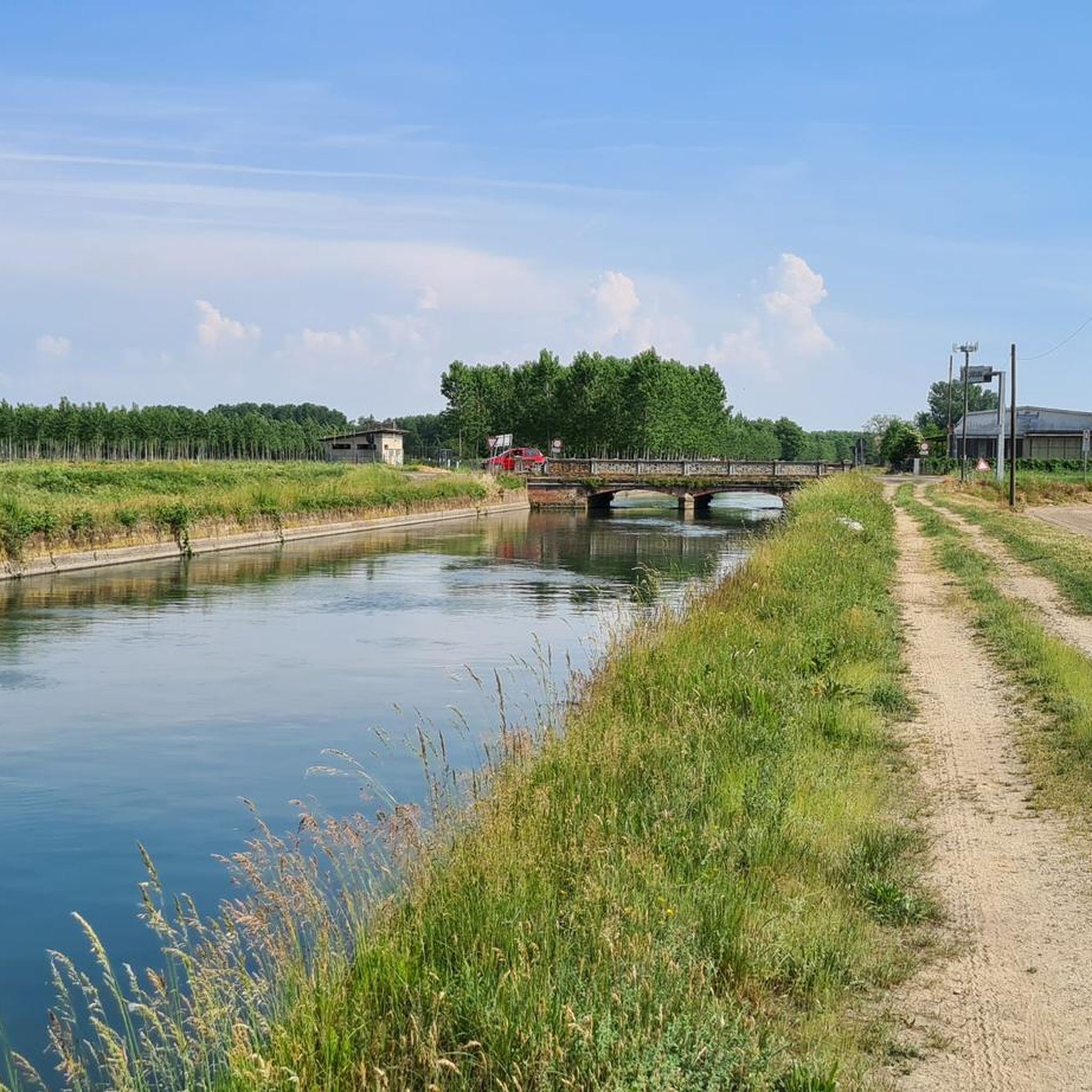
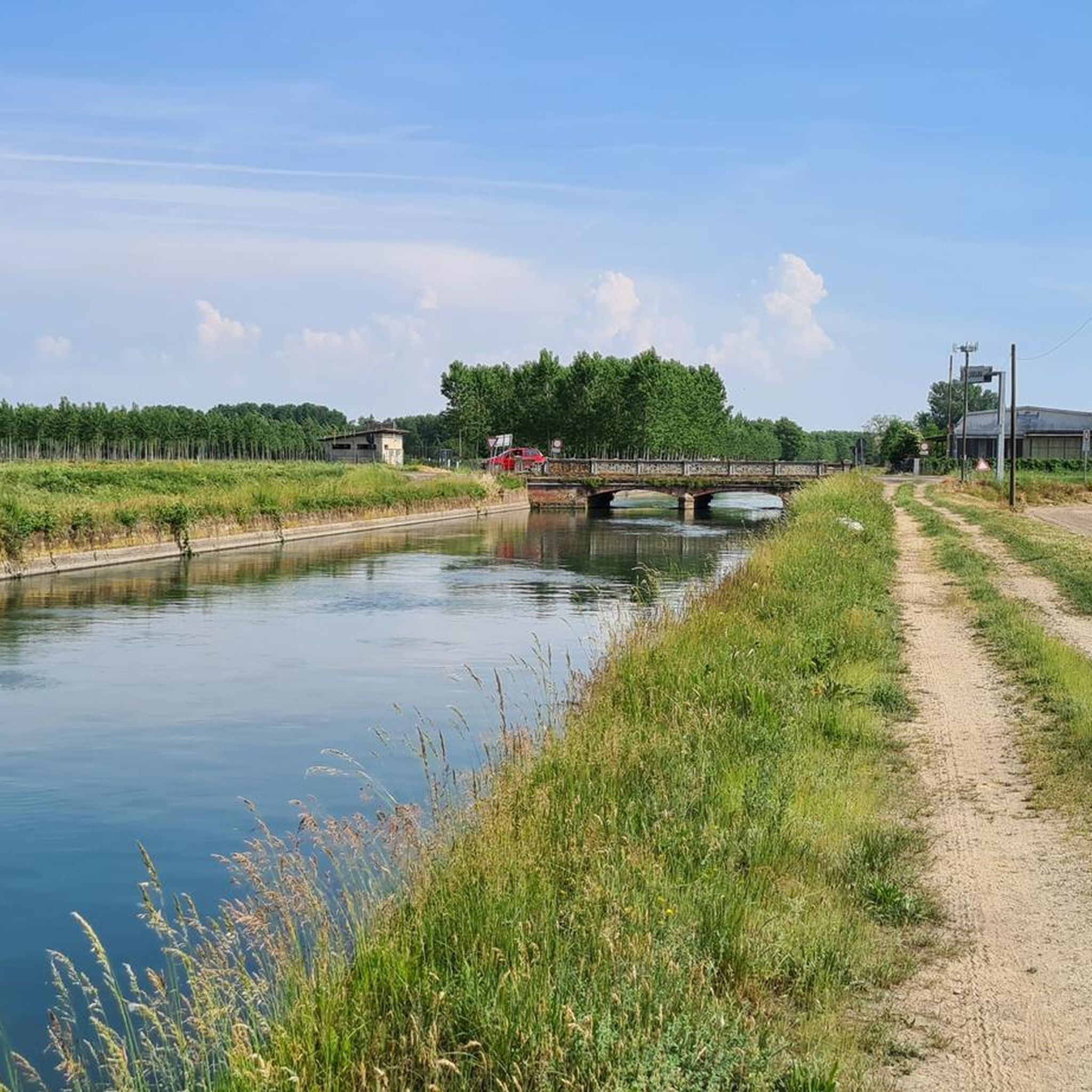
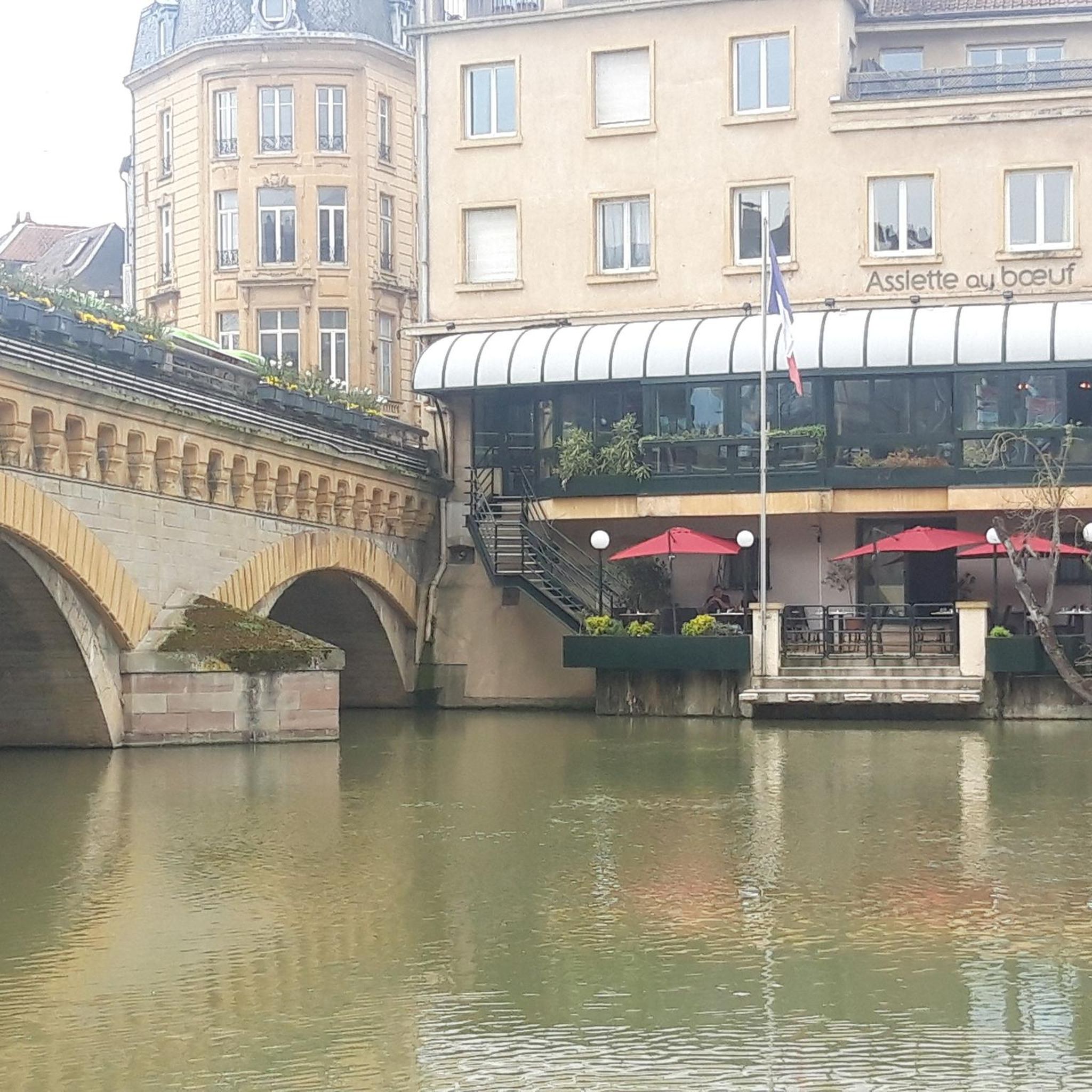
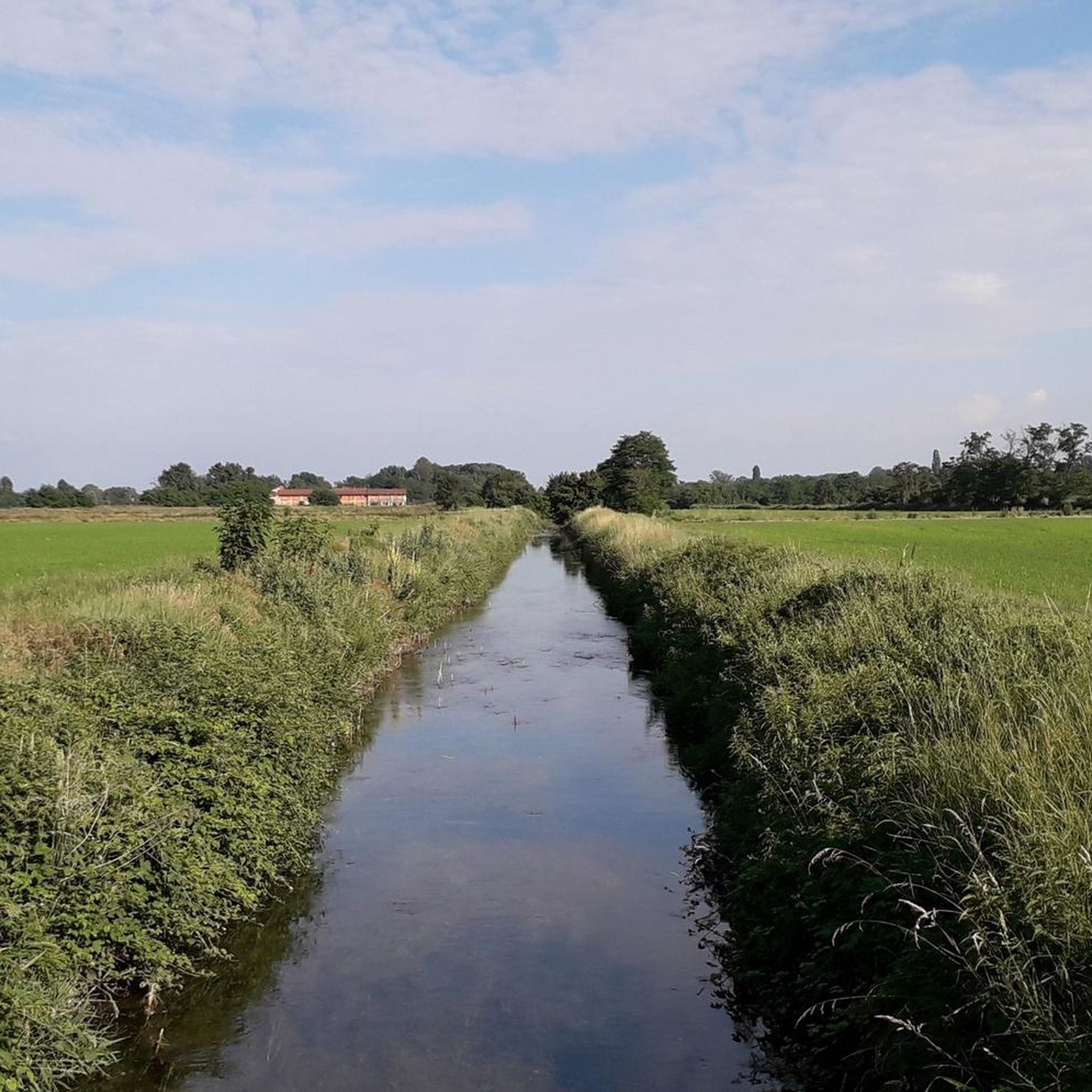
Tips from the Community

From April to October: weekdays (09:00 - 19:00); Saturdays, Sundays and holidays (09:00 - 20:00). From November to March: weekdays (09:00 - 18:00); Saturdays and Sundays (09:00 - 19:00).
0
0

Beautiful castle, very large and with large spaces. Home of the Palio di Vigevano on the second weekend of May and October!
1
0

Place of cultural, historical, architectural and tourist interest Via del Castello, 5, 27023 Villanova PV
1
0
Place of historical, cultural, architectural and tourist interest Via Giacomo Matteotti, 3, 28070 Nibbiola NO https://www.comune.nibbiola.no.it/it-it/vivere-il-comune/cosa-vedere/castello-dei-tornielli-sec-xvi-1508-1-7e9642c99f50bcd94c59251ea96c529b
1
0

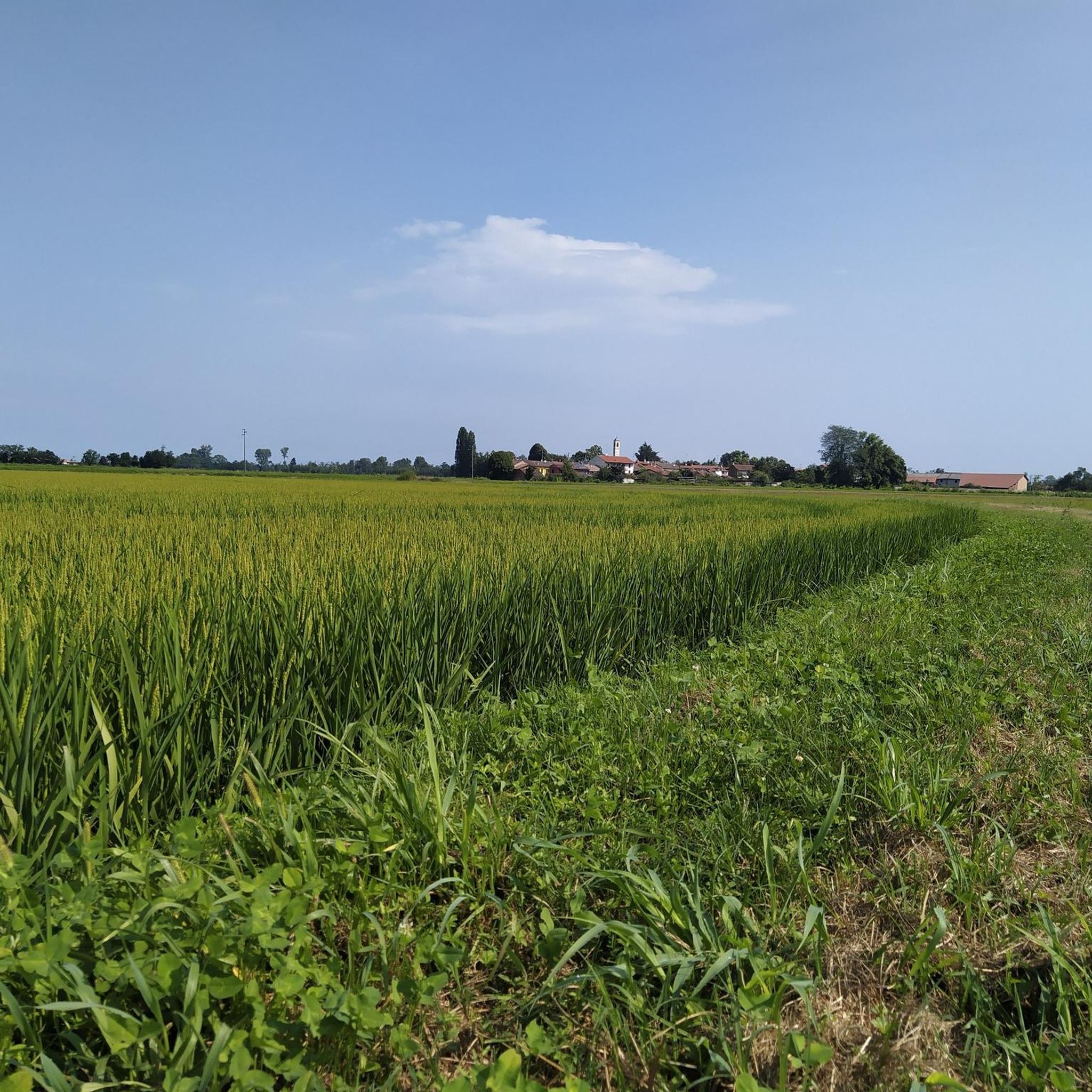
Small, very quiet hamlet, characterised by an ancient castle!
0
0

There is evidence of the presence of a fortification in the village of Nibbiola as early as 1198. Located in the center of the village, in a slightly elevated position, the current castle dates back to the 15th century and shows traces of partial renovations carried out in the 18th century. It is entirely built of brick and after the radical renovation in the 18th century it was transformed into a private residence.
1
0

Villanova is a small fraction of the Municipality of Cassolnovo. In addition to this church there is also the castle where Ludovico il Moro is said to have been born. L? building dates back to the century. XIV subsequently restored in 1455 and rearranged by the Gonzagas of Mantua in the sec. XVI, typical rural fortification of the Visconti-Sforza period, with a square layout with a central courtyard, four towers on the corners and an entrance tower with a drawbridge. While the towers and the bodies of buildings have no crenellations, perhaps removed in the arrangement carried out by the Gonzagas, the entrance tower still retains the crenellations and traces of the drawbridge. Even on one of the four corner towers there are remains of a drawbridge. The facades have lowered arch windows and decorations with a geometric motif painted in red and white vertical diamonds. There are wooden balconies on the facade towards the courtyard. Behind the town of Villanova there is also a cemetery in a complete state of abandonment.
0
0

The museum displays all the works that Leonardo conceived and created during his life: the drawings that are now kept in dozens of museums and libraries around the world, the notebooks that accompanied his days, full of thoughts and brilliant intuitions, the codices who died after his death from his friends and heirs
6
0
Frequently Asked Questions
Can I visit the Castello di Gravellona Lomellina?
The Castello di Gravellona Lomellina is a private residence and is not generally open to the public for tours. Its current state of preservation is described as "decidedly mediocre." For specific inquiries, you would need to contact the private entities managing it directly.
What are some notable castles to visit in the Gravellona Lomellina area?
While the local castle is private, the region offers several historical castle sites. You can explore Nibbiola Castle, a 15th-century structure with fortifications dating back to 1198. Another significant site is Villanova Castle, known for its cultural, historical, and architectural interest. Further afield, the impressive Castello Sforzesco in Vigevano, a former ducal seat of the Sforza dynasty, is also a must-see.
Are there family-friendly castles or activities near Gravellona Lomellina?
Yes, several castles in the area are considered family-friendly. Nibbiola Castle and Castello Sforzesco are both listed as suitable for families. Additionally, Gravellona Lomellina itself is known as a "town of art" with widespread street art, frescoes, and murals, offering an open-air museum experience that can be engaging for all ages.
What historical insights can I gain from visiting castles in this region?
The castles around Gravellona Lomellina offer a glimpse into centuries of history. Structures like Nibbiola Castle show evidence of fortifications from as early as 1198, while Villanova Castle provides insights into the region's past. The Castello Sforzesco in Vigevano, for instance, was a significant ducal seat for the Sforza dynasty during the Renaissance, reflecting the power and influence of the time.
What outdoor activities can I do near the castles in Gravellona Lomellina?
The area around Gravellona Lomellina offers various outdoor activities. You can find numerous routes for hiking, running, and mountain biking. For example, there are moderate hiking trails like 'From Molino del Conte to the Mora Bassa ecomuseum – loop tour' and 'Witches' Branch of the Ticino – Naviglio Sforzesco loop'. If you prefer cycling, there are MTB trails such as 'Conti Canal Cycle Path – Lanca del Lupo loop'.
Are there any museums or cultural sites related to the castles?
Yes, within the Castello Sforzesco in Vigevano, you can find Leonardiana, a museum dedicated to the entire work of Leonardo da Vinci. Leonardo stayed in the region for a long time, and this museum presents an engaging route through his life and work, including his time in Vigevano.
What is the best time of year to visit the castles around Gravellona Lomellina?
While specific castle opening times vary, generally, spring (April-June) and autumn (September-October) offer pleasant weather for exploring the region's castles and enjoying outdoor activities. These seasons avoid the peak heat of summer and the colder, potentially wetter conditions of winter, making for a more comfortable visit.
What architectural styles can I expect to see in the castles of the Lomellina region?
The castles in the Lomellina region, including those near Gravellona Lomellina, showcase various architectural styles and historical periods. Many feature exposed brickwork and have undergone modifications over centuries. For instance, the Castello di Gravellona Lomellina itself was constructed between the 14th and 15th centuries, with ground floor rooms covered by vaults, indicative of its original noble design. Nibbiola Castle is entirely built of brick and reflects 15th-century construction with 18th-century renovations.
What do visitors say about the castles in this area?
Visitors appreciate the historical and architectural significance of the castles. For example, Nibbiola Castle is noted as a place of historical, cultural, architectural, and tourist interest. The Castello Sforzesco is described as a beautiful, very large fortification with extensive spaces, and is known for hosting events like the Palio di Vigevano.
Are there any specific events or festivals associated with the castles?
Yes, the Castello Sforzesco in Vigevano is home to the Palio di Vigevano, which takes place on the second weekend of May and October. This event adds a vibrant cultural dimension to a visit to the castle.
How can I get to Gravellona Lomellina and its surrounding castles using public transport?
While specific public transport routes to individual castles can vary, Gravellona Lomellina is accessible. For detailed information on public transport options to Gravellona Lomellina and the broader Pavia province, you may consult local transport authorities or resources like Visit Pavia for general guidance on reaching the region.
Most popular routes around Gravellona Lomellina
Most popular attractions around Gravellona Lomellina

Get inspired with the komoot mobile app


Explore more
Looking for the best castles somewhere else? Discover other guides around Gravellona Lomellina:
