Top 7 Caves around Cagli
Caves around Cagli offer diverse natural formations within the Marche region of Italy. The area is characterized by its mountainous terrain, including Monte Nerone, which features various geological structures. Cagli itself is a historic town situated in a valley, providing access to these natural sites. The landscape includes gorges, rock arches, and ancient cave systems, shaped by natural erosive processes over time.
Best caves around Cagli
- The most popular caves is Balza Forata (Madonna's Arch), a natural monument that…
Last updated: June 30, 2026
Fondarca Arch
Highlight • Natural Monument
The entrance to path no. 20 is found at the entrance to …
Translated by Google •
Tip by

Sanctuary of Santa Maria in Val d'Abisso
Highlight • Religious Site
very hard path if not trained like me, follow the track because although Nero has paths of all possible and imaginable types and wonderful views it is very …
Translated by Google •
Tip by

Sign up now to discover places like this
Get recommendations on the best single tracks, peaks, & plenty of other exciting outdoor places.
Sign up for free
Balza Forata (Madonna's Arch)
Highlight • Natural Monument
Translated by Google •
Tip by

Grain Cave
Highlight • Cave
Translated by Google •
Tip by

Grotta del Borghetto
Highlight • Cave
Tip by

Sign up for free to discover even more caves around Cagli.
Sign up for free
Already have an account?
Start today with a free account
Your next adventure awaits.
Login or Signup
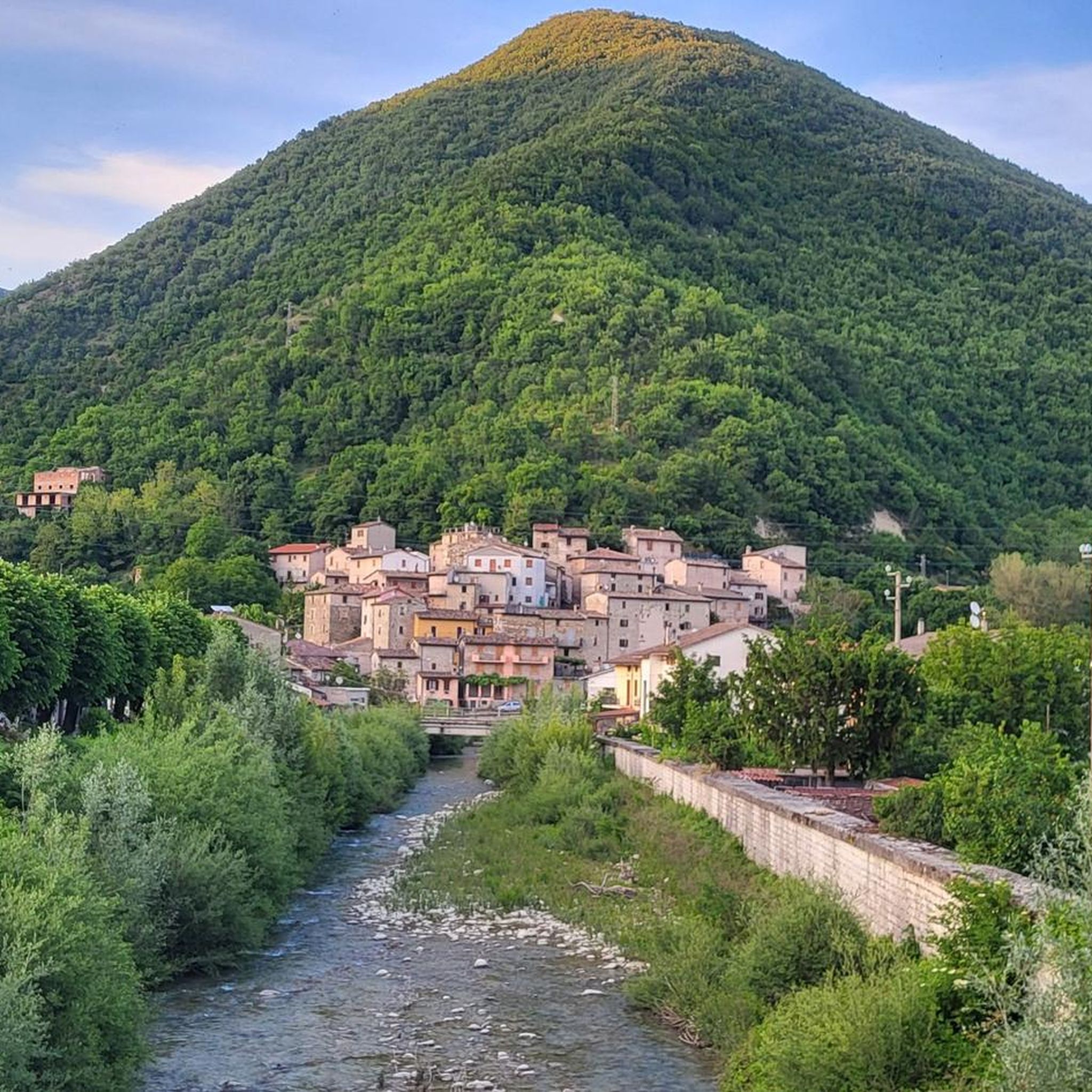
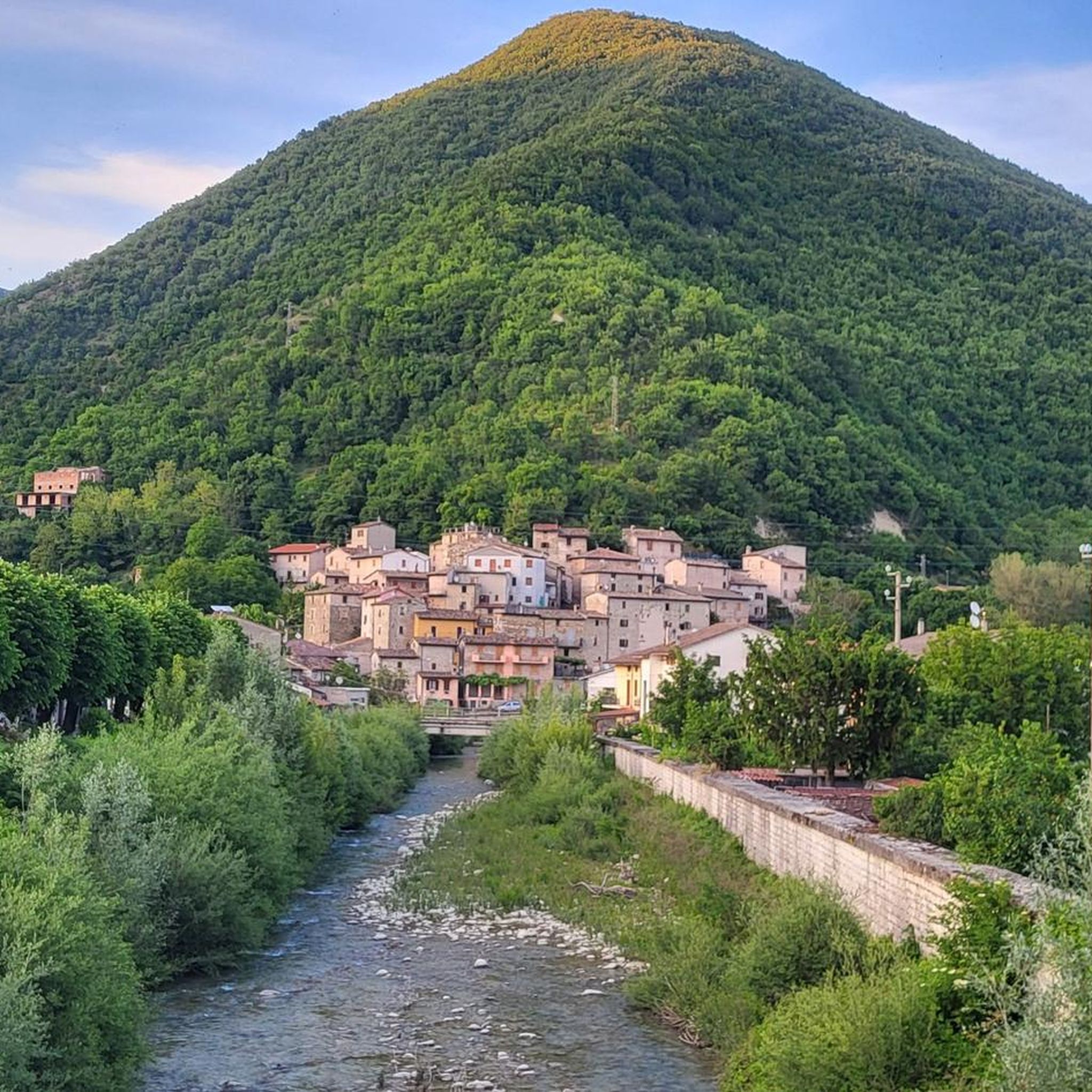
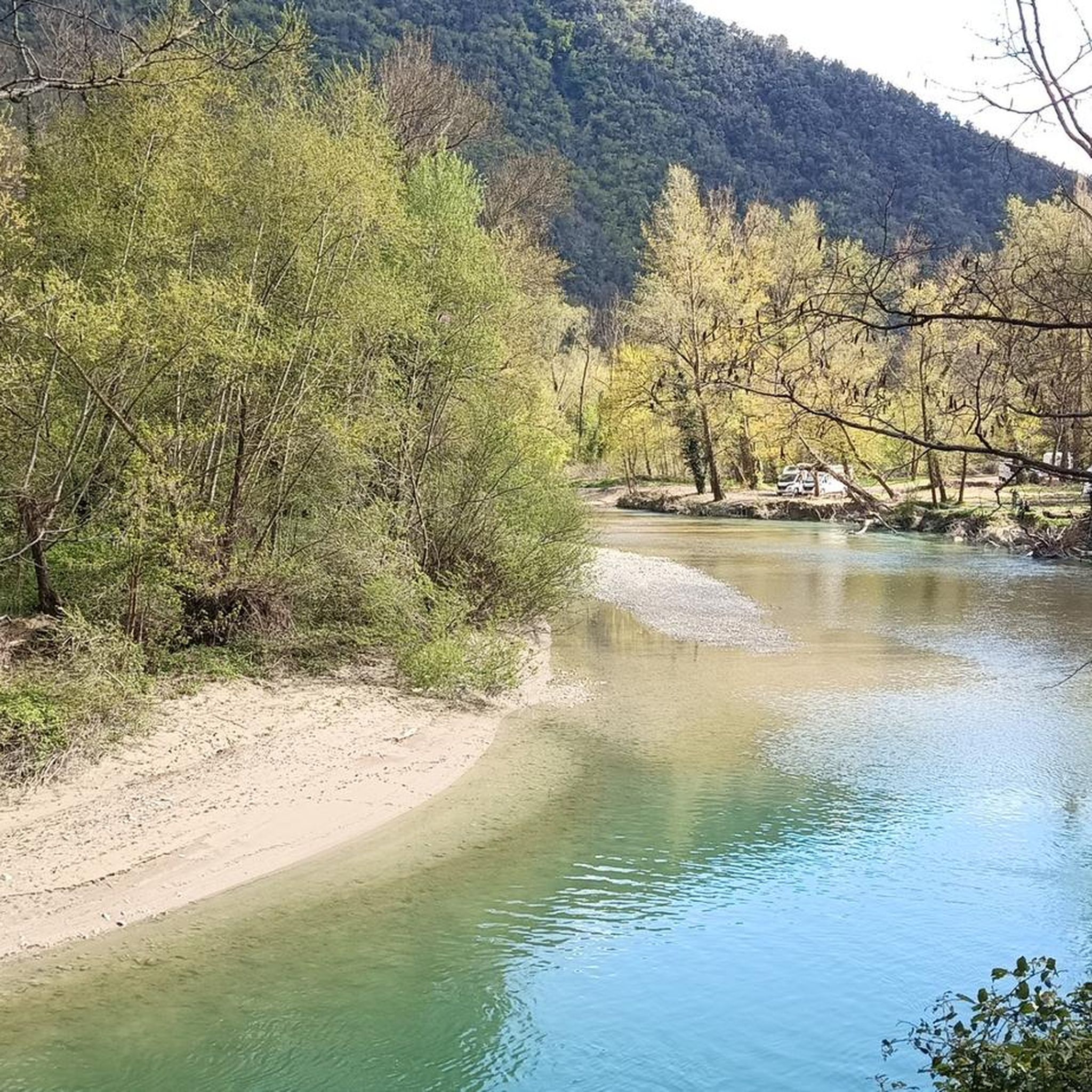
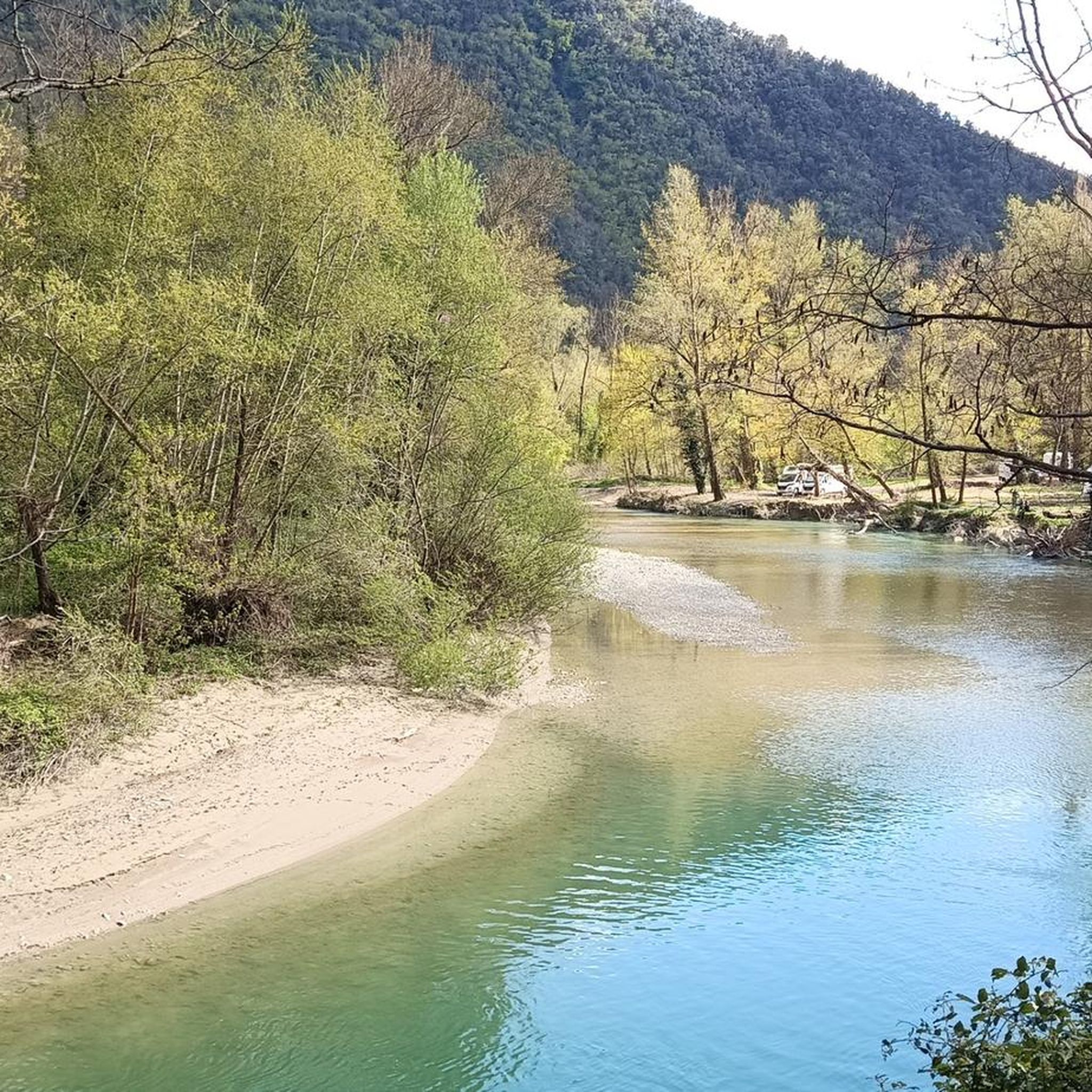

Tips from the Community

Cave that sweats on you if there is water. Nice garno
0
0

The Grotta del Grano is located on the left of the Gola del Furlo and is marked by an explanatory sign. It is a fascinating place for nature and history lovers, and offers breathtaking views of the rock walls and the Candigliano river.
0
0
The Balza Forata, also called Foro della Madonna, represents a classic itinerary of Monte Nerone.
1
0
The Sanctuary of Santa Maria in Val d'Abisso is a Catholic place located near Piobbico, at the foot of Monte Nerone. According to tradition, shepherds found an image of the Madonna and Child in a cave on Mount Nero, perhaps left by one of the hermits who lived in the area.
0
0


Spectacular window along the rock face, it represents a classic stopping point along the demanding climb of the Infernaccio gorge, being about halfway along the route that leads to the summit of Monte Nerone
0
0

End start very hard path if not trained like me, follow the track because although Nero has paths of all possible and imaginable types and wonderful views it is very poorly marked or not at all, in certain points without a map you risk finding nothing and being forced to return backwards. Effective time 8h 50m
1
0
Hard path to get from the sanctuary, very steep climb.
0
2
Frequently Asked Questions
What natural formations can I expect to see when visiting caves around Cagli?
The area around Cagli is rich in diverse natural formations. You'll find impressive natural rock arches, such as Fondarca Arch, which was once the entrance to a large cave that collapsed. Another notable arch is Balza Forata (Madonna's Arch), offering spectacular views along the rock face of Monte Nerone. The landscape also features gorges and ancient cave systems shaped by natural erosive processes.
Are there historical or religious sites associated with the caves in the Cagli region?
Yes, the region combines natural beauty with historical and religious significance. For example, the Sanctuary of Santa Maria in Val d'Abisso is a religious building located near Piobbico, at the foot of Monte Nerone. Tradition holds that an image of the Madonna and Child was found in a cave on Mount Nero, linking the site to the area's natural caves.
What are the difficulty levels for exploring caves and their surrounding trails near Cagli?
The difficulty varies. Some sites, like the path to Fondarca Arch, start flat and shaded before becoming uphill, rated as intermediate. The climb to Balza Forata is described as challenging, especially along the Infernaccio gorge. Always check route details for specific difficulty ratings before you go.
Are there hiking trails to reach the caves around Cagli?
Yes, many caves and natural arches are accessible via hiking trails. For instance, the Fondarca Arch is reached via path no. 20 from Pieia. The Balza Forata is a classic itinerary on Monte Nerone. You can find more hiking opportunities in the region, including routes around Monte Nerone and the Gola del Furlo.
What outdoor activities can I do near the caves around Cagli?
Beyond exploring the caves, the Cagli area offers various outdoor activities. You can find extensive options for cycling, including gravel biking, mountain biking, and road cycling routes. These routes often pass through scenic landscapes near the caves and gorges, such as the Gola del Furlo and Monte Nerone.
Is parking available near the caves in the Cagli area?
For some locations, parking is available. For example, to visit Fondarca Arch, you can drive to the small village of Pieia and park near the entrance to path no. 20. It's advisable to check specific highlight details or local information for parking at other cave sites.
What should I wear for caving or exploring cave areas around Cagli?
Given the varied terrain and potential for challenging paths, wear appropriate outdoor clothing and sturdy footwear. Layers are recommended as temperatures can change. For more demanding routes, such as those leading to Balza Forata, ensure you have gear suitable for climbing and uneven surfaces.
Are there any less-known or 'hidden' caves to explore near Cagli?
While the guide focuses on more accessible and known sites, the region is full of geological features. The Grain Cave (Grotta del Grano), located on the left of the Gola del Furlo, is a fascinating spot marked by an explanatory sign, offering views of rock walls and the Candigliano river. The area also contains numerous cracks, rock shelters, and smaller caves carved by natural phenomena.
What makes the Grotta del Borghetto unique among the caves near Cagli?
The Grotta del Borghetto is noted for being a beautiful cave found along a walking trail. Visitors describe it as a place where water can be present, creating a unique atmosphere. It's an intermediate-level cave experience within a gorge setting.
What do visitors enjoy most about the caves and natural monuments around Cagli?
Visitors frequently appreciate the spectacular views and the unique geological formations. The natural arches like Balza Forata are highlighted as classic itineraries and offer breathtaking windows along the rock face. The combination of natural beauty and historical context, as seen at the Sanctuary of Santa Maria in Val d'Abisso, also draws significant interest.
What is the best time of year to visit the caves and natural arches around Cagli?
The Marche region generally experiences pleasant weather in spring and autumn, making these seasons ideal for outdoor exploration. Summers can be warm, but the cooler temperatures inside caves or in shaded gorges can offer relief. Winters might present challenges with colder weather and potentially slippery trails, especially at higher elevations like Monte Nerone.
Most popular attractions around Cagli

Get inspired with the komoot mobile app


Explore more
Extend your search for the best caves by checking out these guides of the top ones around Cagli:
