Top 5 Castles around Bagni Di Lucca
Best castles around Bagni Di Lucca offer a glimpse into the region's historical past, complementing its thermal springs and picturesque villages. The area features various historical fortified structures, including medieval castles and fortified palaces. These landmarks are often situated in strategic positions, providing historical context and views of the surrounding natural landscape. Exploring these sites reveals the rich heritage of Bagni Di Lucca.
Best castles around Bagni Di Lucca
- The most popular castles is Bargiglio Tower, a historical site…
Last updated: June 30, 2026
Bargiglio Tower
Highlight • Historical Site
Translated by Google •
Tip by

Cozzile Castle and the Clock Tower
Highlight • Castle
Translated by Google •
Tip by
Sign up now to discover places like this
Get recommendations on the best single tracks, peaks, & plenty of other exciting outdoor places.
Sign up for free
Cozzile Medieval Village
Highlight • Settlement
Translated by Google •
Tip by

Porta Nuova, Cozzile
Highlight • Historical Site
Translated by Google •
Tip by
Rocca di Roccapelago
Highlight • Castle
Translated by Google •
Tip by

Sign up for free to discover even more castles around Bagni Di Lucca.
Sign up for free
Already have an account?
Start today with a free account
Your next adventure awaits.
Login or Signup


Tips from the Community

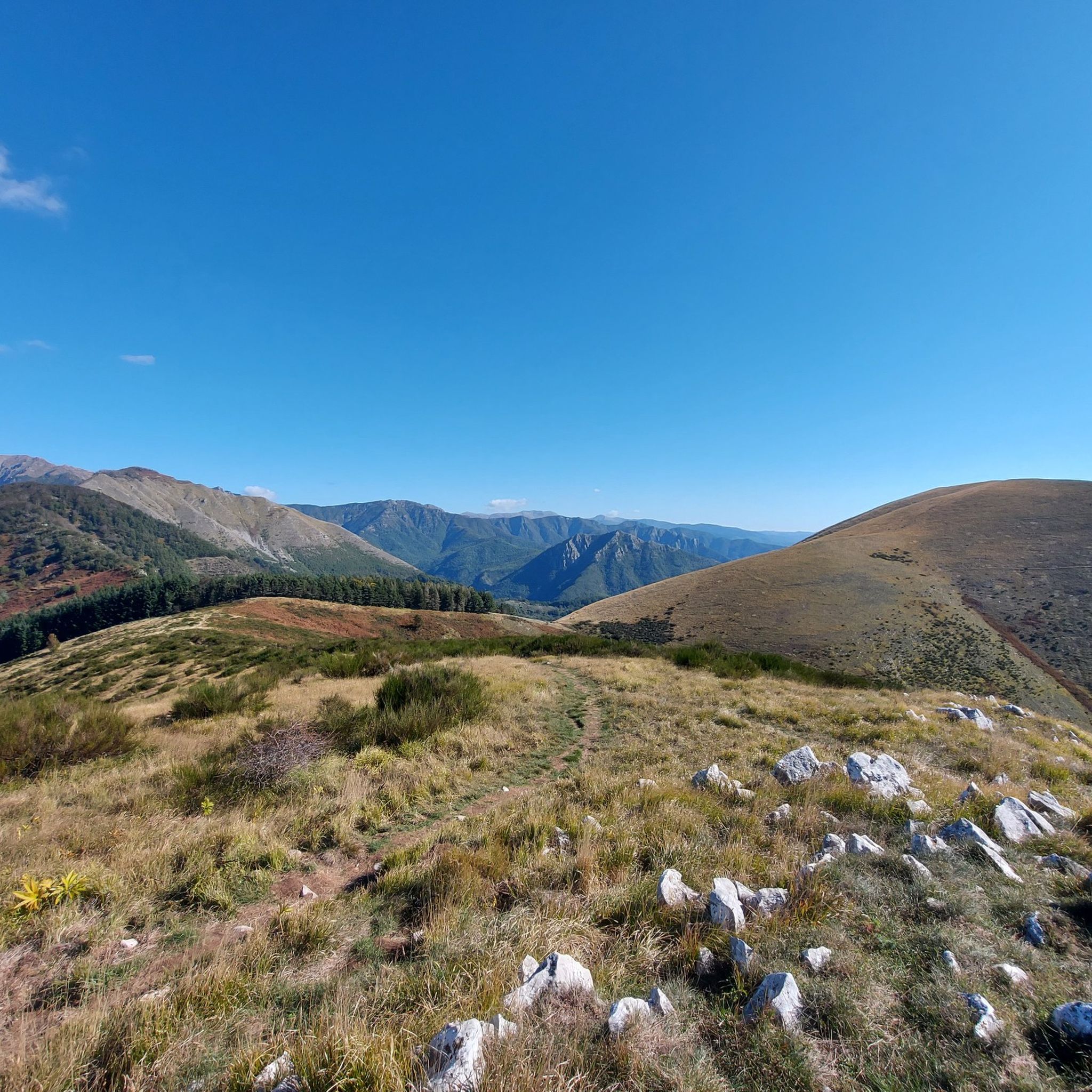
A beautiful hike. Some trails are a bit abandoned and lack signage, but following the trail is fine. From the top of the tower, there would be a beautiful view, but we missed it due to fog and a myriad of flying ants.
0
0

The ruins of the Tower, or Rocca, of Bargiglio stand on the top of the mountain of the same name at 866 meters above sea level at the gates of Garfagnana and the Media Valle del Serchio. Once you arrive at the Tower, it is clear why it has always been called the "Eye of Lucca": the view is panoramic at 360 degrees and offers a perfect view from the peaks of the Apuan Alps, with the Pania di Corfino clearly visible, to the numerous castles and fortresses of Garfagnana, such as the Castiglione Castle and the Mont'Alfonso Fortress. From here you can also dominate the entire Serchio Valley below, from the walls of Barga and Coreglia Antelminelli to Bagni di Lucca, up to the many towns in the Municipality of Pescaglia. And finally, in the distance to the south, the Lucca plain and then the Tyrrhenian coast. The origin of the fortification dates back to an unknown era, probably built by the Suffredinghi, one of the three potentates of Lombard origin who controlled the Serchio Valley who distinguished themselves for their tenacious resistance to the expansionism of the Municipality of Lucca, being bordered by the Este dominions of Garfagnana. It consisted of only one tower, used as an observation and control point of the vast territory, of the road that passed a little further down and of the small community that lived in the farmhouses surrounding the fortification and the ancient Hermitage of S. Bartolomeo.
0
0

It is believed that the rocky block on which Roccapelago stands was an ancient prehistoric castle. The first mention of a "Castrum Pelago" is found in a document dated 753. Roccapelago probably belonged to the Gualandelli family since the 12th century, and was subsequently a fiefdom of the Montegarullo family from 1240, whose warlike politics it suffered, especially under Obizzo da Montegarullo. In 1393, Obizzo having rebelled against the Este family, Roccapelago was besieged by the Lucchese allies of the house of Este, who took possession of the castle. In 1396 Obizzo managed to regain possession of it and Roccapelago remained with the Montegarullo family until 1408 when a powerful military contingent, under the command of Uguccione dei Contrari, managed to capture it and take it prisoner to Ferrara. In 1586, the new church of Roccapelago was built on the perimeter of the now abandoned castle. The square, massive shape, without arches, without columns and without vaults suggests that its room had been the hall of the Obizzo manor. The bell tower was built at the expense of the population in 1765, using a tower from the old castle. Other restoration works were carried out in 1925 due to damage from an earthquake. Four ancient rooms have recently been recovered which currently house the "In the footsteps of Obizzo da Montegarullo" and "The Mummies of Roccapelago" museums. From the site: http://www.roccapelago.it/
0
0

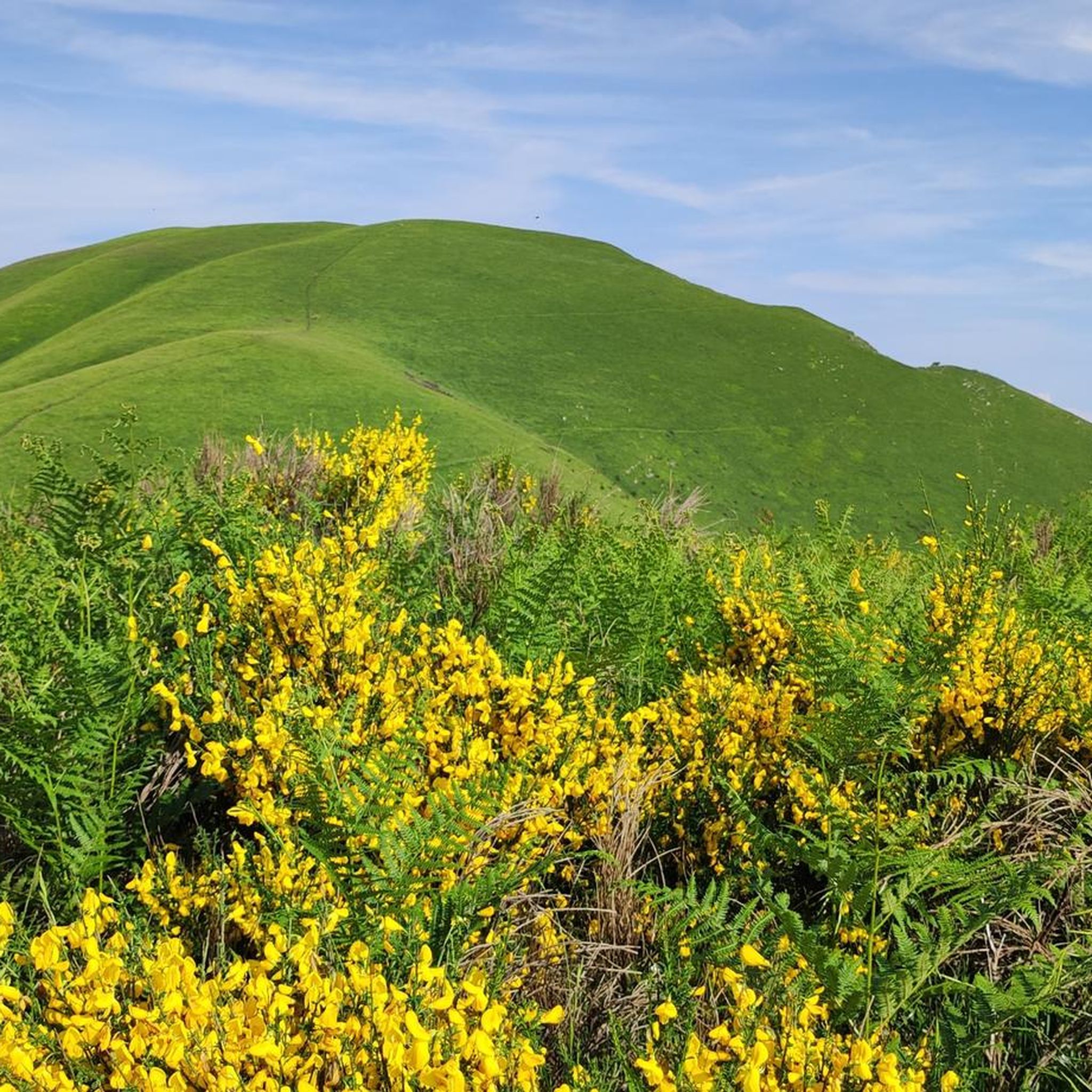
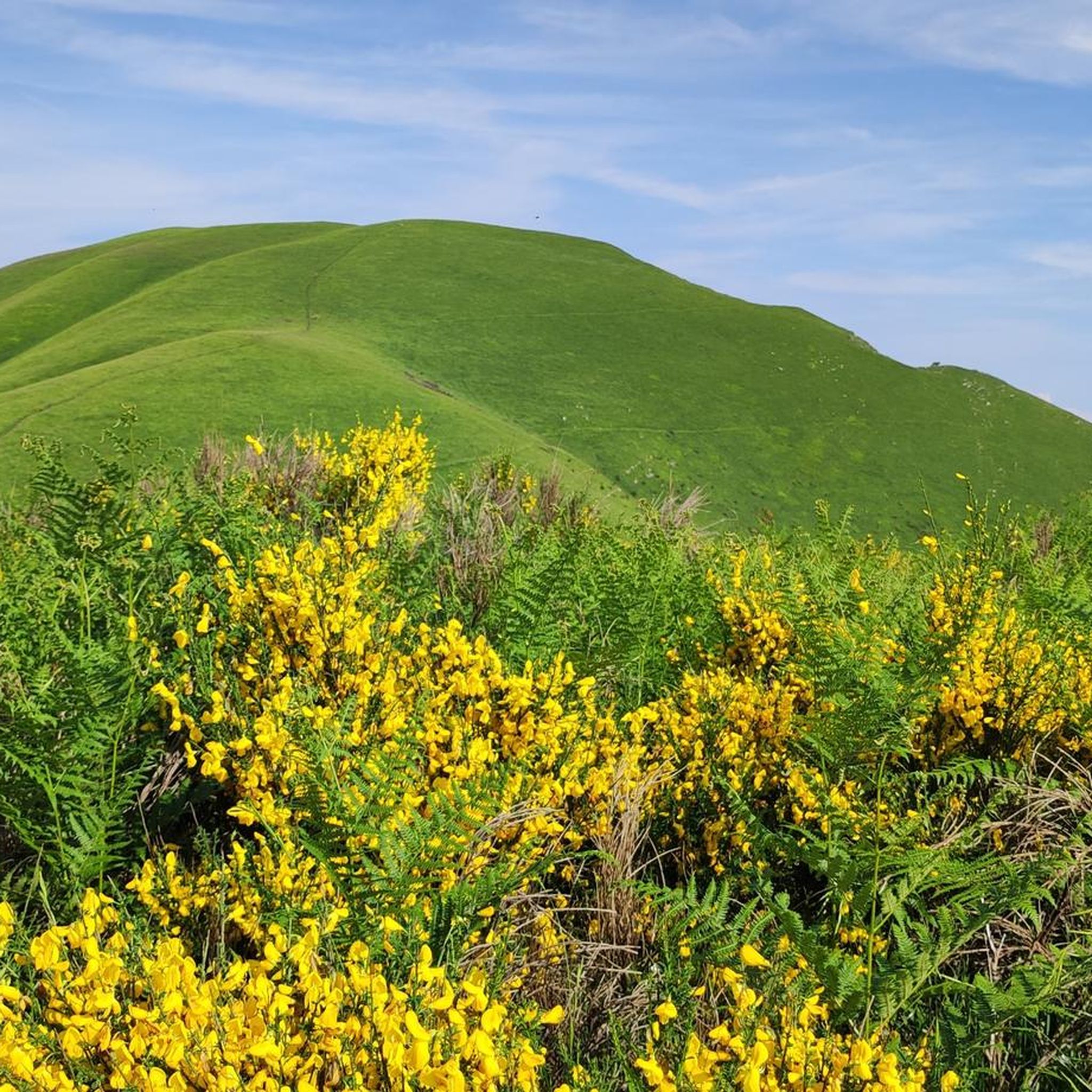
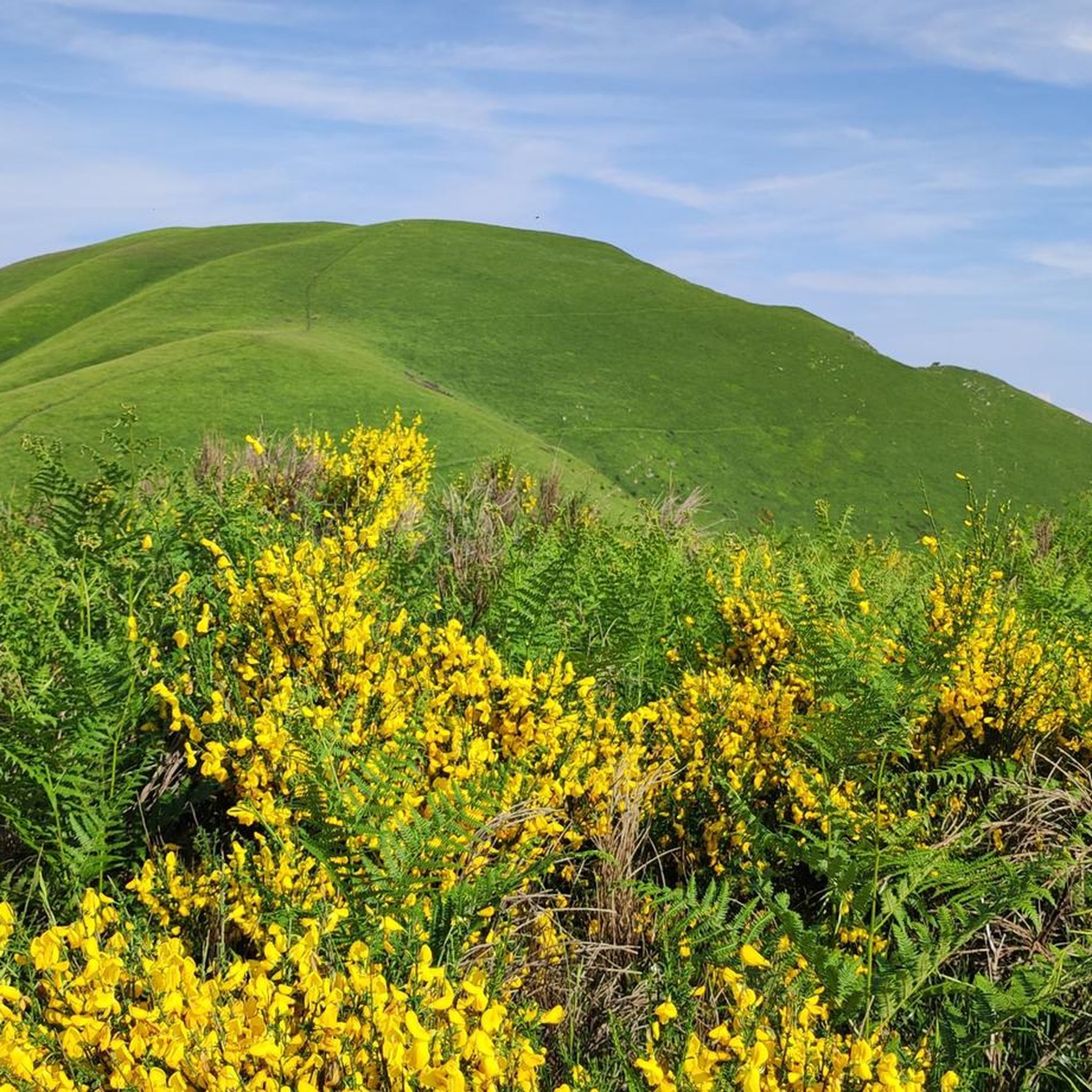
Cozzile was probably founded at the end of the 12th century around fortification works with lookout and extreme defense functions. Even at the beginning of the 14th century they hosted a castellan and a small garrison on behalf of the people of Lucca. Around the fortress a fortified town arose with a structure similar to that of Massa, organized in a "fishbone" pattern on both sides of the road that crossed it and which, exiting at the other end of the town, led towards the Apennines and towards Modena. The houses were grouped into two neighborhoods or "deeds" (Volata to the East, and Cessana to the West of the main road) with the square located to the north and the church to the south. In the city walls, of which important remains are still visible incorporated into the houses built above them, three doors opened: one to the east, corresponding to the entrance to the town of the medieval road from Massa (gate to Massa), one to the west , on the diametrically opposite side (Porta Vecchia)
0
0
Cozzile was probably founded at the end of the 12th century around fortification works with lookout and extreme defense functions. Even at the beginning of the 14th century they housed a castellan and a small garrison on behalf of the people of Lucca. Around the fortress a fortified town arose with a structure similar to that of Massa, organized in a "fishbone" pattern on both sides of the road that crossed it and which, exiting at the other end of the town, led towards the Apennines and towards Modena. The houses were grouped into two neighborhoods or "deeds" (Volata to the East, and Cessana to the West of the main road) with the square located to the north and the church to the south. In the city walls, of which important remains are still visible incorporated into the houses built above them, three doors opened: one to the east, corresponding to the entrance to the town of the medieval road from Massa (gate to Massa), one to the west , on the diametrically opposite side (Porta Vecchia)
0
0
Cozzile was probably founded at the end of the 12th century around fortification works with lookout and extreme defense functions. Even at the beginning of the 14th century they housed a castellan and a small garrison on behalf of the people of Lucca. Around the fortress a fortified town arose with a structure similar to that of Massa, organized in a "fishbone" pattern on both sides of the road that crossed it and which, exiting at the other end of the town, led towards the Apennines and towards Modena. The houses were grouped into two neighborhoods or "deeds" (Volata to the East, and Cessana to the West of the main road) with the square located to the north and the church to the south. In the city walls, of which important remains are still visible incorporated into the houses built above them, three doors opened: one to the east, corresponding to the entrance to the town of the medieval road from Massa (gate to Massa), one to the west , on the diametrically opposite side (Porta Vecchia)
0
0

Early medieval castle still inhabited today, which is preserved in excellent condition and offers a vast panorama towards the south over the Valdinievole and all of Tuscany
0
0

Beautiful views from the most important defence tower of the Lucca Republic
2
1
Frequently Asked Questions
Which castles offer the best panoramic views around Bagni Di Lucca?
For breathtaking panoramic views, consider visiting Bargiglio Tower, historically known as the 'Occhio di Lucca' (Eye of Lucca) for its strategic vantage point. It offers extensive views from the summit of Monte Bargiglio. Additionally, the Cozzile Medieval Village provides a vast panorama over the Valdinievole and Tuscany.
Are there any medieval villages or fortified towns to explore near Bagni Di Lucca?
Yes, the Cozzile Medieval Village is an excellent example. It's an early medieval castle still inhabited today, preserved in excellent condition. The village of Ghivizzano, near Bagni di Lucca, also features the historic Palazzo Buonvisi, a fortified palace integrated into the medieval wall.
What historical significance do the castles in the Bagni Di Lucca area hold?
The castles in this region played crucial roles in controlling strategic routes and borders. For instance, Cozzile Castle and the Clock Tower served as a 12th-century lookout and defense point for Lucca. The Castle of Lucchio, though now in ruins, was strategically positioned to dominate the main road between Pistoia and Garfagnana, following the Lima river.
Can I combine a castle visit with outdoor activities like hiking or cycling?
Absolutely. Many castles are situated in scenic areas perfect for outdoor adventures. For example, the Castle of Lucchio is perched dramatically on a mountain, offering breathtaking landscapes for hikers. You can find various MTB trails, running trails, and cycling routes around Bagni Di Lucca that can be combined with visits to these historical sites.
Are there any castles with museums or unique historical exhibits?
Yes, Rocca di Roccapelago is notable for housing two museums: 'In the footsteps of Obizzo da Montegarullo' and 'The Mummies of Roccapelago'. This site has a rich history, with a church built on the perimeter of the abandoned castle and a bell tower utilizing an old castle tower.
What are some lesser-known or 'hidden gem' castles in the area?
The Castle of Lucchio is often considered one of Tuscany's hidden treasures. Its dramatic integration with natural rock formations makes the village and fortress appear fused together, offering a unique and less crowded experience. The ruins of the Lupari family castle in Benabbio also offer an archaeological insight into the area's past.
What is the best time of year to visit the castles around Bagni Di Lucca?
The spring and autumn months are generally ideal for visiting the castles. The weather is milder, making it comfortable for exploring the sites and enjoying any associated hikes. Summer can be quite warm, while winter might present challenges with colder temperatures and potentially less accessible paths, especially for castles in higher elevations like Lucchio.
Are there any castles that are easy to access or suitable for a quick visit?
While many castles involve some walking, the Cozzile Medieval Village is still inhabited and well-preserved, making it relatively accessible for exploration. Palazzo Buonvisi in Ghivizzano, being a restored fortified palace, also offers a more comfortable visit experience.
What kind of natural features can I expect to see near these castles?
The castles are often nestled within stunning natural landscapes. The Castle of Lucchio, for instance, is dramatically integrated with natural rock formations and offers views of the Lima river valley. Many sites provide excellent viewpoints over the surrounding mountains, valleys, and forests, characteristic of the Bagni Di Lucca region.
Are there any specific historical gates or fortifications worth seeing?
Yes, within the Cozzile area, you can explore Porta Nuova, Cozzile. This gate is part of the ancient fortifications of the medieval town, which was organized in a 'fishbone' pattern with three main gates, offering a glimpse into its defensive architecture.
What do visitors enjoy most about the castles in Bagni Di Lucca?
Visitors frequently appreciate the historical depth and the stunning views offered by these ancient structures. The strategic locations of castles like Bargiglio Tower and the preserved charm of places like Cozzile Medieval Village are often highlighted. The opportunity to step back in time and experience the region's rich heritage is a major draw.
Are there options for accommodation near the castles?
Yes, the region offers various accommodation options. For a unique historical stay, Palazzo Buonvisi in Ghivizzano, a restored fortified palace, is available for rent and provides a luxurious experience with centuries-old furnishings and modern amenities.
Most popular routes around Bagni Di Lucca
Most popular attractions around Bagni Di Lucca

Get inspired with the komoot mobile app


Explore more
Looking for the best castles somewhere else? Discover other guides around Bagni Di Lucca:
