Top 7 Castles around Badia - Abtei
Castles around Badia - Abtei offer a journey through the region's rich history and architectural heritage within the Dolomites. This area is characterized by its mountainous landscape and historical significance, with structures dating back centuries. The castles provide insights into medieval life, strategic importance, and cultural evolution. Visitors can explore various types of fortifications, from ancient ruins to well-preserved residences and cultural centers.
Best castles around Badia - Abtei
- The most popular castles is Castello di Andraz, a castle…
Last updated: August 24, 2026
Ruins of Wolkenstein Castle
Highlight • Castle
Translated by Google •
Tip by

Fischburg Castle (Ciastel de Gherdëina)
Highlight • Castle
Showing Translation
Tip by

Sign up now to discover places like this
Get recommendations on the best single tracks, peaks, & plenty of other exciting outdoor places.
Sign up for free
Castello di Andraz
Highlight • Castle
Translated by Google •
Tip by

Model of Fischburg Castle
Highlight • Structure
Translated by Google •
Tip by

Forte Tre Sassi
Highlight • Historical Site
Translated by Google •
Tip by
Sign up for free to discover even more castles around Badia - Abtei.
Sign up for free
Already have an account?
Start today with a free account
Your next adventure awaits.
Login or Signup
Popular around Badia - Abtei
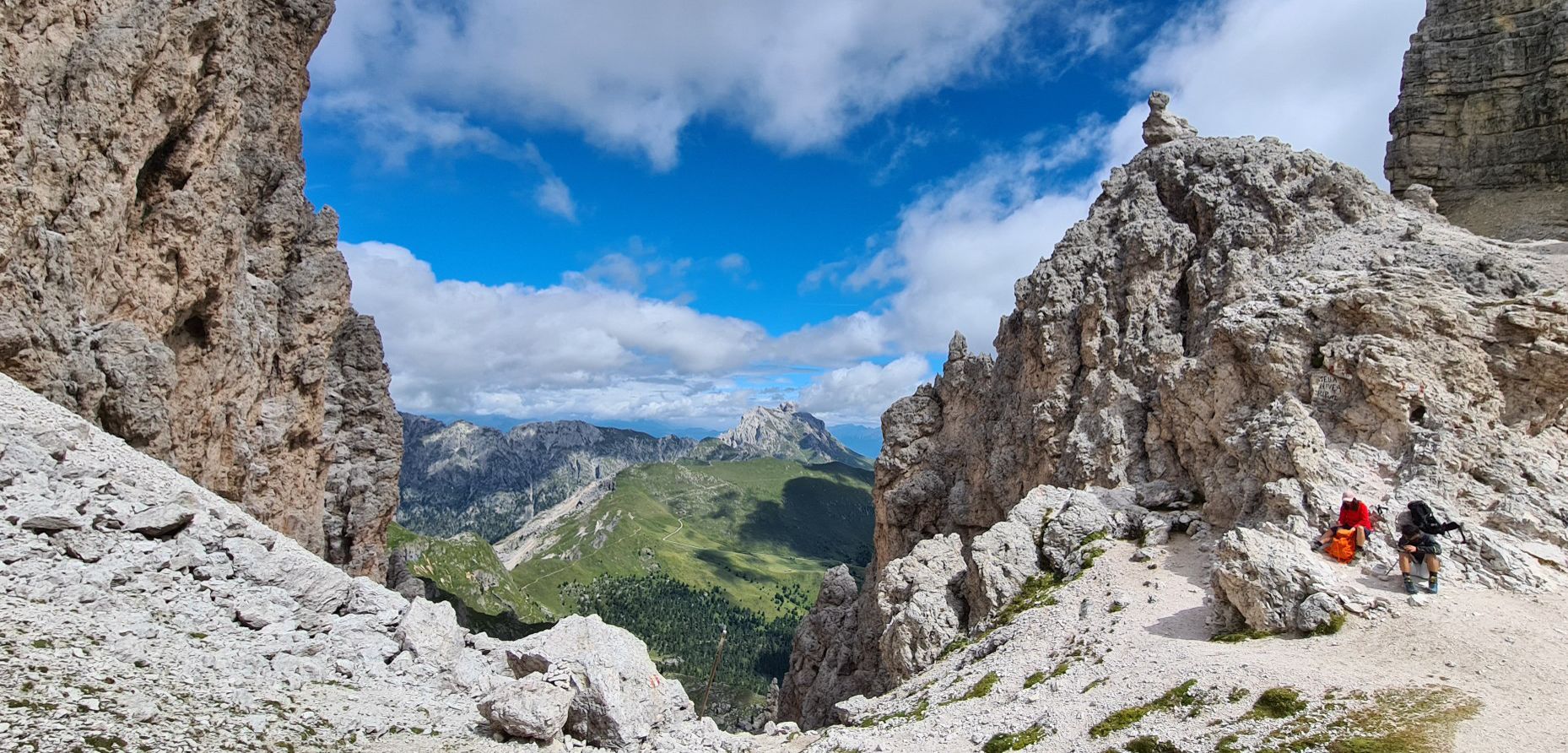
Puez-Odle Nature Park – Hike the Italian Dolomites
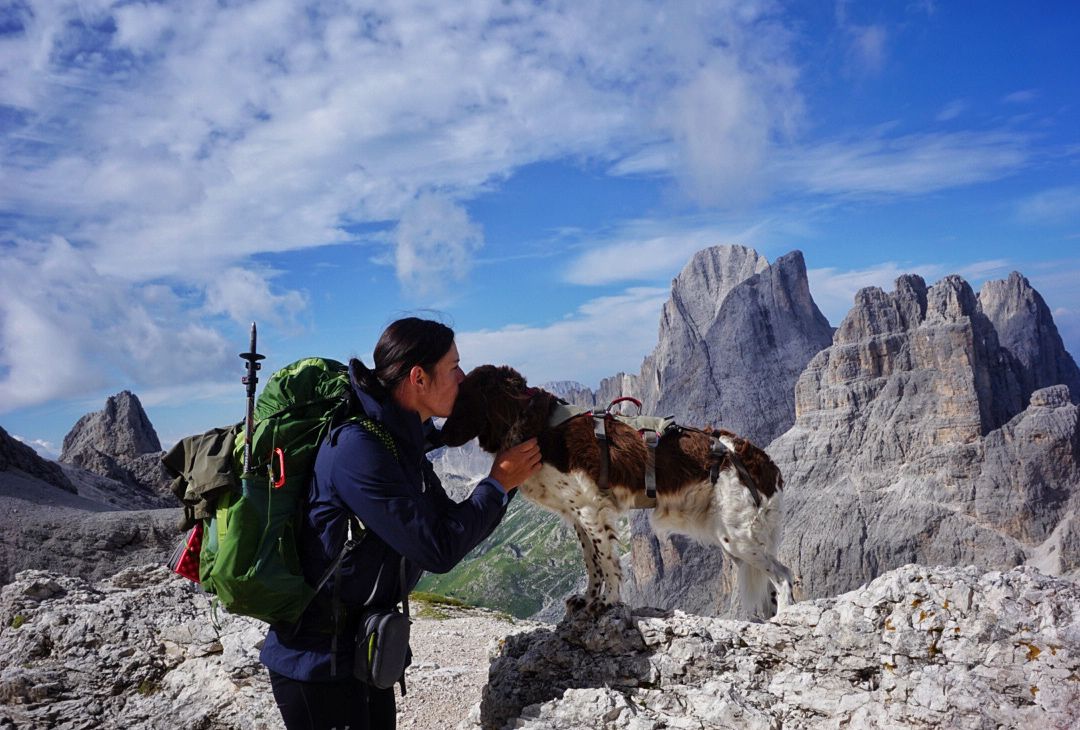
The extra-large Dolomites round – an out-of-this-world hiking adventure
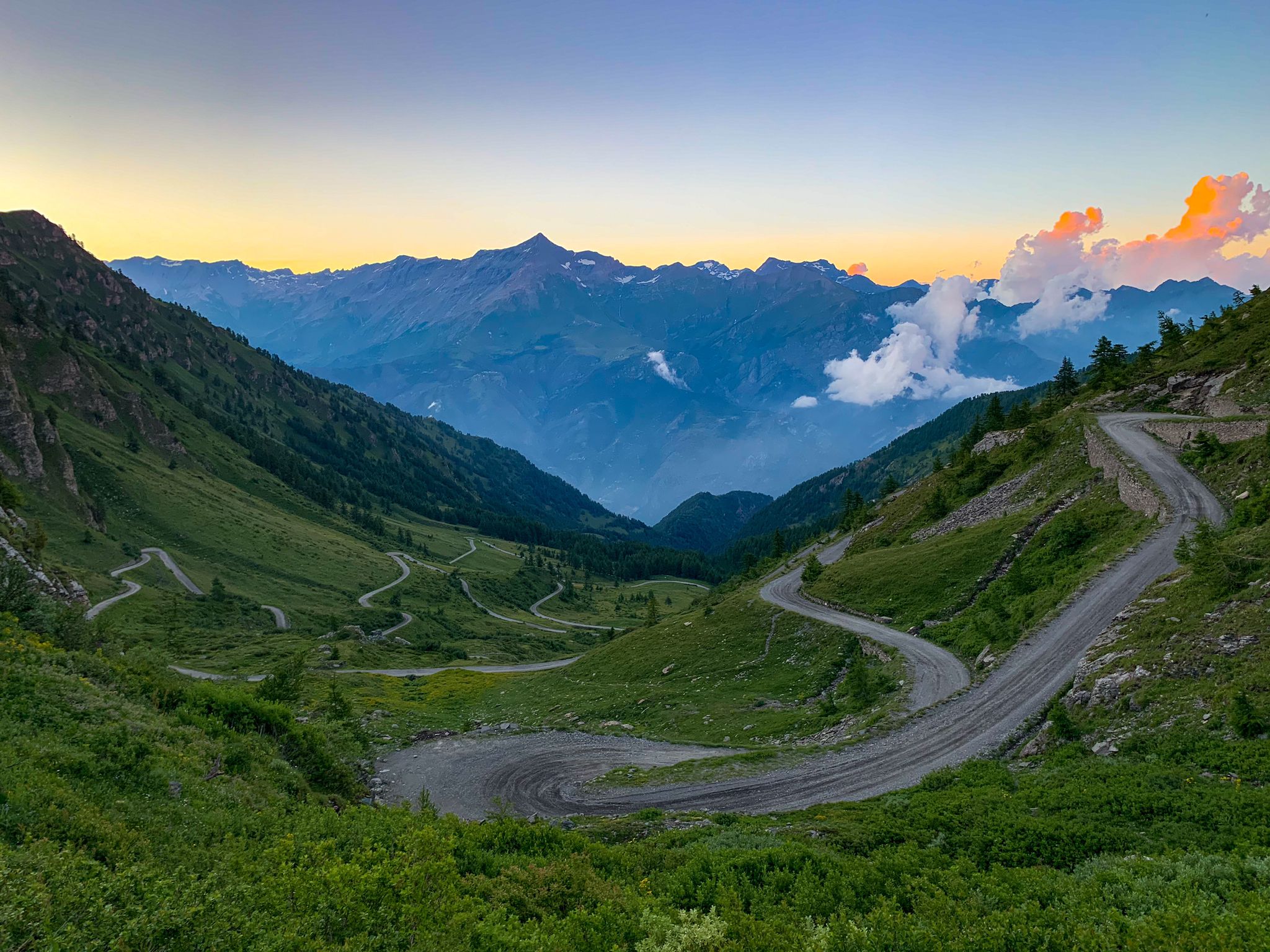
Chasing the sun across the Alps — unsupported solo
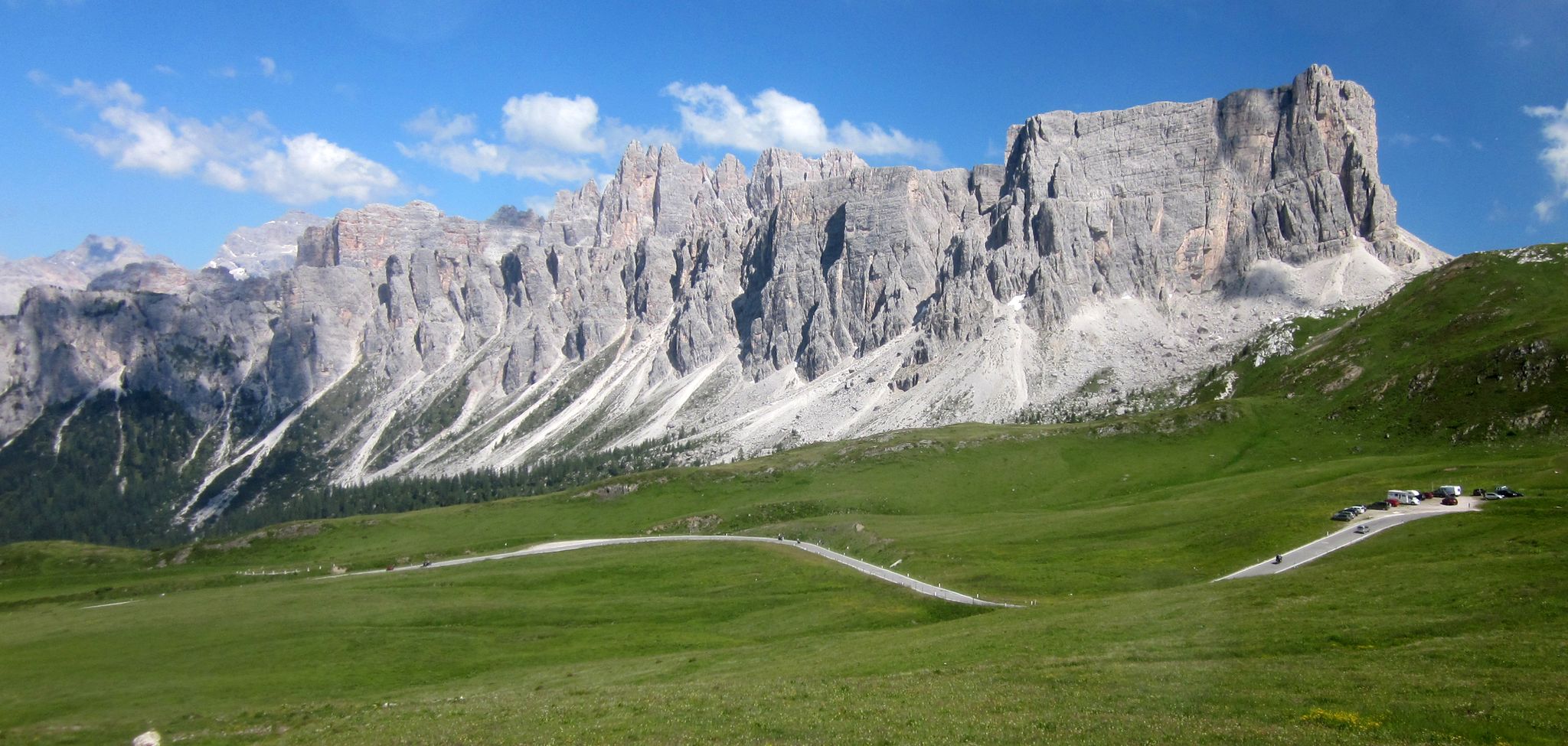
Traversing the Dolomites — the world's most beautiful mountain range
Cycle and climb from the Dolomites to the Balkans
The rugged peaks of Trentino - Hiking in South Tyrol
Between gorges and peaks – Dolomites UNESCO Geotrail
Discover the Dolomites – hut hikes in Italy’s Alta Badia
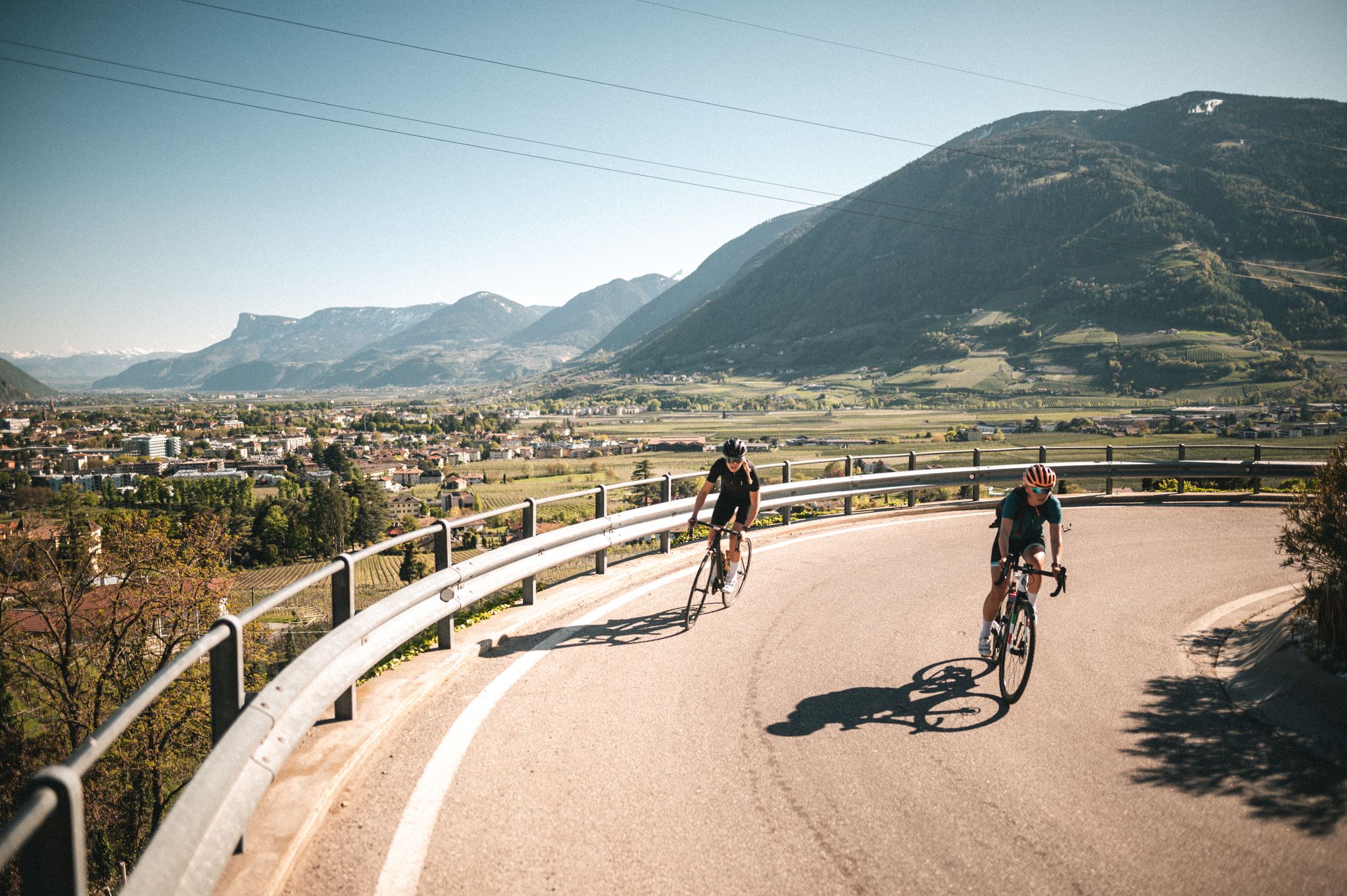
So much variety, so much South Tyrol

Alta Badia: the land of cycling in the Dolomites
Other adventures around Badia - Abtei


Tips from the Community

Beautiful romantic 🏰. Some scenes from Roman Polanski's "Dance of the Vampires" were even filmed here.
12
0

From the outside, Andraz castle is beautiful, even though it is in ruins. It rises directly from the rock and integrates very well with the surrounding landscape, looking like a small Dolomite mountain itself. The entrance fee is 7 euros to walk on iron beams that make no effort to reconstruct the old atmosphere of the castle. A guide is not included. It is not worth investing time and money to climb steel stairs when you can freely walk on the Sentiero del Respiro and see the castle from above with all the surrounding panorama.
0
0

In the Middle Ages, Buchenstein Castle housed an ore smelting furnace behind its walls. It also indirectly protected the nearby Fursil mines near Colle Santa Lucia from Venetian attacks. The profits from Buchenstein were claimed by the Diocese of Brixen—so aggressively, in fact, that the driving bishop, Nicholas of Cusa, had to be removed from office and compensated in Rome. https://t1p.de/hs51z
3
0

Here, someone has spent decades painstakingly collecting artifacts and documenting this man-made madness...and the guys haven't learned anything from it, except how to make a fortune (the Krupp family). $10 admission.
0
0

Andraz Castle, a defensive bastion for controlling the Alpine passes and the populations.
0
0

The ruins are located at the confluence of the Vallunga and Val Gardena valleys, over 1,600 meters high in the Stevia rock face, in the Puez Group of the Dolomites. The small castle served an important strategic function, guarding the crossing over the Gardena Pass into Val Badia.
13
0

On the left side of the Val Gardena stream, between Selva and St. Christina, the Fischburg (Ladin Ciastel de Gherdëina) stands enthroned, surrounded by numerous fish ponds, which gave the castle its name. The castle was built between 1622 and 1641 by Engelhard Dietrich von Wolkenstein-Trostburg as a summer residence and hunting lodge, even though the monumental building exudes medieval defensiveness. The castle was equipped more with hunting weapons than with military weapons. Fishing equipment was also found - obvious, considering the nearby fish ponds. At the end of the 18th century, the castle gradually fell into disrepair, and in 1826 part of the inventory was auctioned off. In the middle of the 19th century, Count Leopold von Wolkenstein-Trostburg donated the Fischburg to the municipality of St. Christina, which wanted to build a home for the elderly and the poor here. In 1926, the castle was sold to Baron Carlo Franchetti from Venice, who renovated the castle inside and out and equipped it with furnishings purchased in South Tyrol and Val Gardena. The castle is still owned by this Venetian family today and is not accessible. https://www.valgardena-groeden.com/de/highlights/burgen-schloesser/fischburg/
3
0

On the left side of the Val Gardena stream, between Selva and St. Christina, the Fischburg (Ladin Ciastel de Gherdëina) stands enthroned, surrounded by numerous fish ponds, which gave the castle its name. The castle was built between 1622 and 1641 by Engelhard Dietrich von Wolkenstein-Trostburg as a summer residence and hunting lodge, even though the monumental building exudes medieval defensiveness. The castle was equipped more with hunting weapons than with military weapons. Fishing equipment was also found - obvious, considering the nearby fish ponds. At the end of the 18th century, the castle gradually fell into disrepair, and in 1826 part of the inventory was auctioned off. In the middle of the 19th century, Count Leopold von Wolkenstein-Trostburg donated the Fischburg to the municipality of St. Christina, which wanted to build a home for the elderly and the poor here. In 1926 the castle was sold to Baron Carlo Franchetti from Venice, who renovated the castle inside and out and equipped it with furnishings purchased in South Tyrol and Val Gardena. Today the castle is still owned by this Venetian family and is not accessible.
0
0
Frequently Asked Questions
What are some of the most notable castles in the Badia - Abtei region?
The region features a mix of historical sites. You can explore the strategic Castello di Andraz, which guarded the border between Tyrol and Venice. Another significant site is Castel Gardena (Fischburg), a 17th-century summer and hunting lodge. The Ruins of Wolkenstein Castle offer a glimpse into medieval fortifications high in the Dolomites. Additionally, the area is home to Castel Colz, a 16th-century Gothic-Renaissance residence, and Ćiastel de Tor, which houses the Museum Ladin.
Are there any castles in the region that offer cultural insights or museums?
Yes, Ćiastel de Tor, also known as Badia Castle, in San Martino in Badia, houses the Museum Ladin Ćiastel de Tor. This museum provides extensive insights into the history, language, culture, legends, and crafts of the Ladin valleys in the Dolomites. Its courtyard also hosts special exhibitions and concerts.
What kind of historical significance do the castles around Badia - Abtei hold?
These castles offer a rich tapestry of history. For example, Castello di Andraz was crucial for securing the valley and its mines. Castel Colz is a rare example of noble Gothic-Renaissance architecture. Ćiastel de Tor dates back to the 13th century and served as an administrative center. Castel Badia (Sonnenburg) was originally an 11th-century noble residence that transformed into the first Benedictine convent for women in historic Tyrol, playing a vital spiritual and cultural role.
Are there family-friendly castles to visit in Badia - Abtei?
While specific 'family-friendly' ratings for all castles aren't always available, many offer engaging experiences for families. Exploring the Ruins of Wolkenstein Castle can be an adventurous outing. The Museum Ladin within Ćiastel de Tor provides educational content about local culture and history, which can be interesting for older children. Forte Tre Sassi, though a historical site rather than a traditional castle, is also listed as family-friendly and offers insights into WWI history.
What is the best time of year to visit the castles in Badia - Abtei?
The best time to visit depends on your preferences. Spring and autumn offer pleasant temperatures for exploring and fewer crowds. Summer provides warm weather and full accessibility, though it's peak tourist season. Some castles, like Fischburg Castle, can be seen in winter, often alongside skiing, but interior access might be limited or unavailable.
Can I find hiking or cycling routes near these castles?
Absolutely. The region around Badia - Abtei is excellent for outdoor activities. You can find numerous cycling routes, such as the 'Sella Pass – Pordoi Pass loop' or 'Passo di Falzarego – Valparola Pass loop'. For gravel biking, consider the 'Armentara Gravel Tour'. While specific hiking routes directly to every castle might vary, many castles are situated in scenic areas perfect for walks. You can explore more options on the Cycling around Badia - Abtei or Gravel biking around Badia - Abtei guide pages.
Are there any lesser-known or 'hidden gem' castles worth visiting?
While the main castles are well-documented, Castel Colz in La Villa is a private residence that occasionally hosts cultural events, offering a rare glimpse into a unique architectural heritage. Castel Badia (Sonnenburg) is also undergoing a transformation into a high-end hospitality project, which will include new museum spaces, offering a fresh perspective on its long history.
How long should I allocate for visiting a castle in Badia - Abtei?
The time needed varies by castle. For ruins like Wolkenstein Castle, a visit might take 1-2 hours, including the walk to reach them. For castles with museums, such as Ćiastel de Tor, you might want to spend 2-3 hours to fully appreciate the exhibits. For others, like Castello di Andraz, a visit could be around 1-2 hours depending on whether you explore the museum inside.
What should I wear when visiting castles in the Dolomites?
Given the mountainous terrain and potential for walks or hikes to reach some castles, comfortable walking shoes are highly recommended. Layers of clothing are also advisable, as weather in the Dolomites can change quickly. Even in summer, a light jacket might be useful, especially at higher elevations or inside cooler castle interiors.
Are there cafes or restaurants near the castles for refreshments?
Many of the castles are located near villages or towns where you can find cafes and restaurants. For example, Ćiastel de Tor is in San Martino in Badia, which offers dining options. Castello di Andraz is near the Falzarego Pass road, where you might find facilities. It's always a good idea to check local listings for specific castle locations.
Is it possible to reach the castles using public transportation?
Public transportation in the Dolomites, including bus services, connects many towns and villages. While some castles might require a walk from the nearest bus stop, it is often possible to get relatively close using public transport. Checking local bus schedules and routes for the specific castle you wish to visit is recommended.
What do visitors enjoy most about the castles in Badia - Abtei?
Visitors appreciate the unique blend of history, architecture, and the stunning Dolomite landscape. The strategic locations of many castles offer incredible viewpoints. The opportunity to delve into the region's past, from medieval strongholds to noble residences and cultural centers like the Museum Ladin, is a major draw. The komoot community has shared over 100 photos, highlighting the scenic beauty and historical appeal.
Most popular routes around Badia - Abtei
Most popular attractions around Badia - Abtei

Get inspired with the komoot mobile app


Explore more
Looking for the best castles somewhere else? Discover other guides around Badia - Abtei:
