Top 7 Caves around Primiero San Martino Di Castrozza
Best caves around Primiero San Martino Di Castrozza are primarily associated with the region's significant karst geology and historical sites. This area, part of the Paneveggio-Pale di San Martino Nature Park, features dramatic Dolomite landscapes shaped by extensive underground systems. While natural caves for general tourism are not widely accessible, the region offers unique opportunities to explore historical tunnels and formations. These sites provide insight into both geological processes and past events, making them notable natural and cultural landmarks.
Best…
Last updated: June 30, 2026
World War I Caves
Highlight • Cave
Translated by Google •
Tip by

Soffia Waterfall
Highlight • Waterfall
This is a magical place where crystal clear water is the protagonist among natural pools, waterfalls and enchanted caves.
Translated by Google •
Tip by

Sign up now to discover places like this
Get recommendations on the best single tracks, peaks, & plenty of other exciting outdoor places.
Sign up for free
Italian World War I Position at Lech della Campagnola
Highlight • Historical Site
Translated by Google •
Tip by

Stoli del Totoga with panoramic walkway
Highlight • Historical Site
Translated by Google •
Tip by

Cavallazza Tunnels and World War I Trenches
Highlight • Historical Site
Translated by Google •
Tip by

Sign up for free to discover even more caves around Primiero San Martino Di Castrozza.
Sign up for free
Already have an account?
Start today with a free account
Your next adventure awaits.
Login or Signup
Popular around Primiero San Martino Di Castrozza
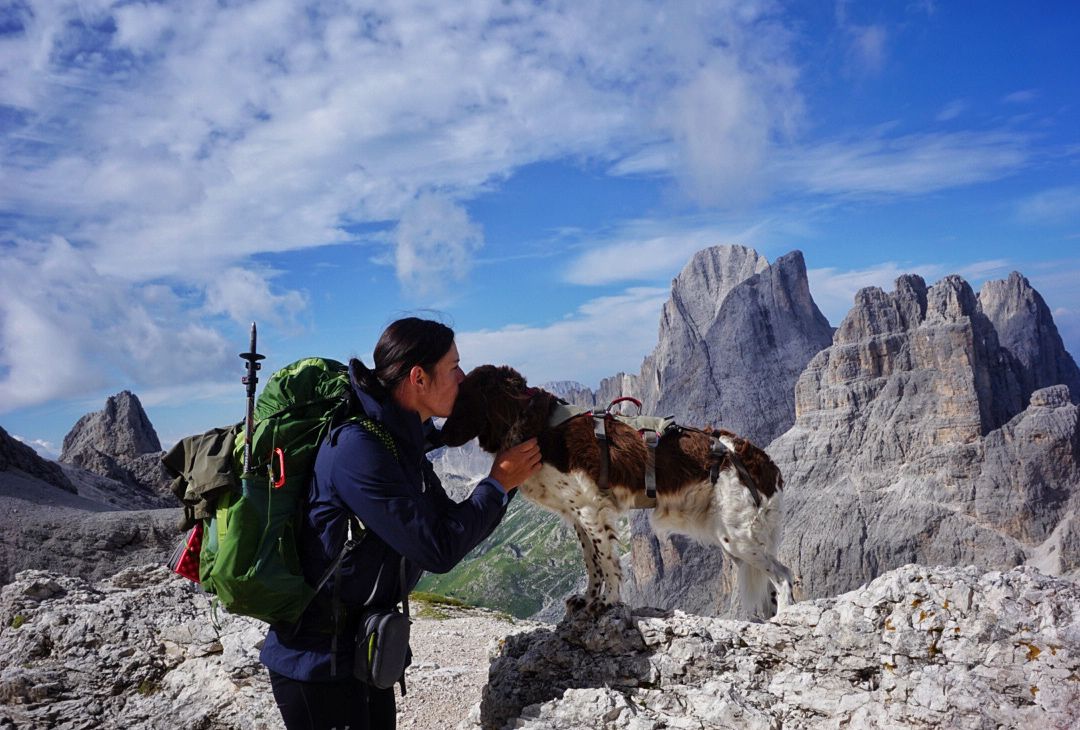
The extra-large Dolomites round – an out-of-this-world hiking adventure
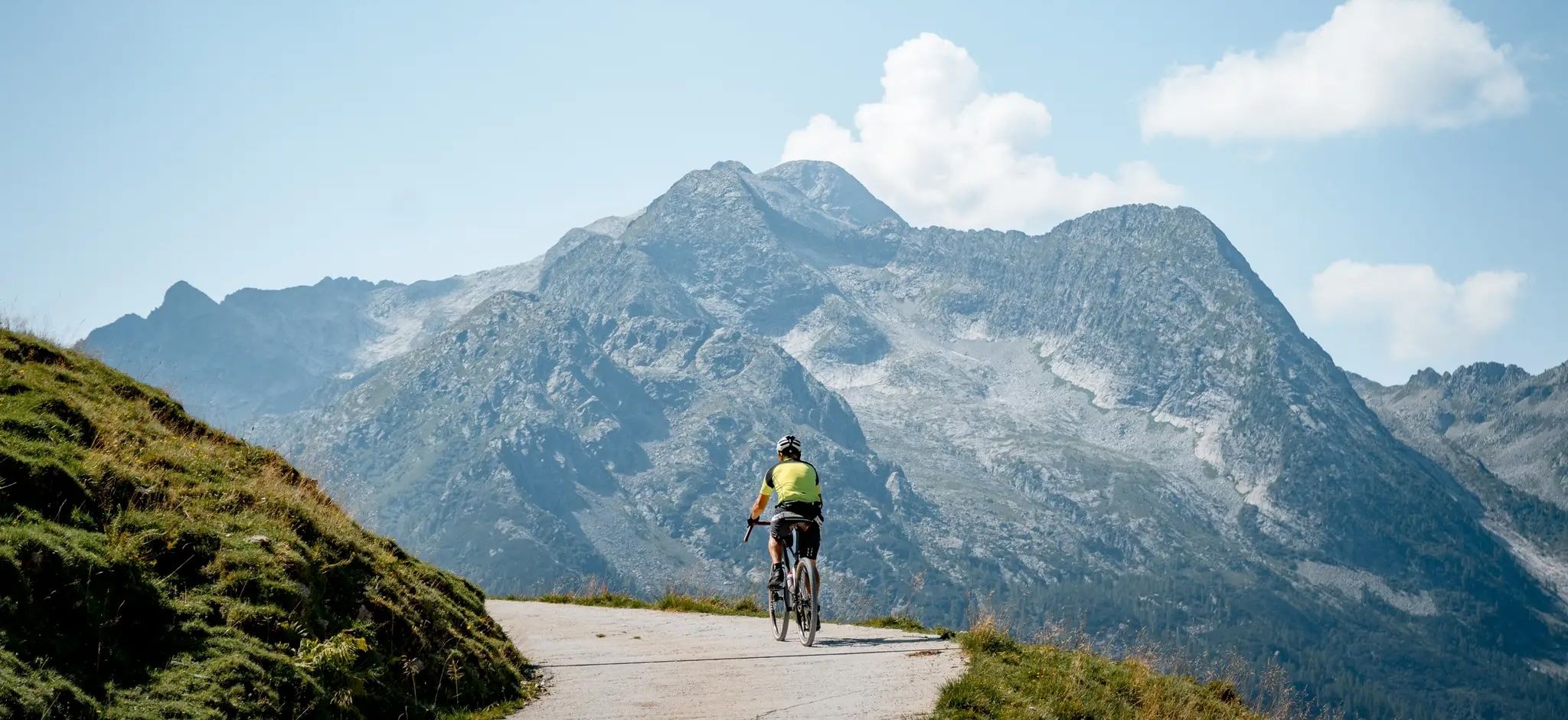
Gravel cycling in Trentino – The gateway to the Dolomites
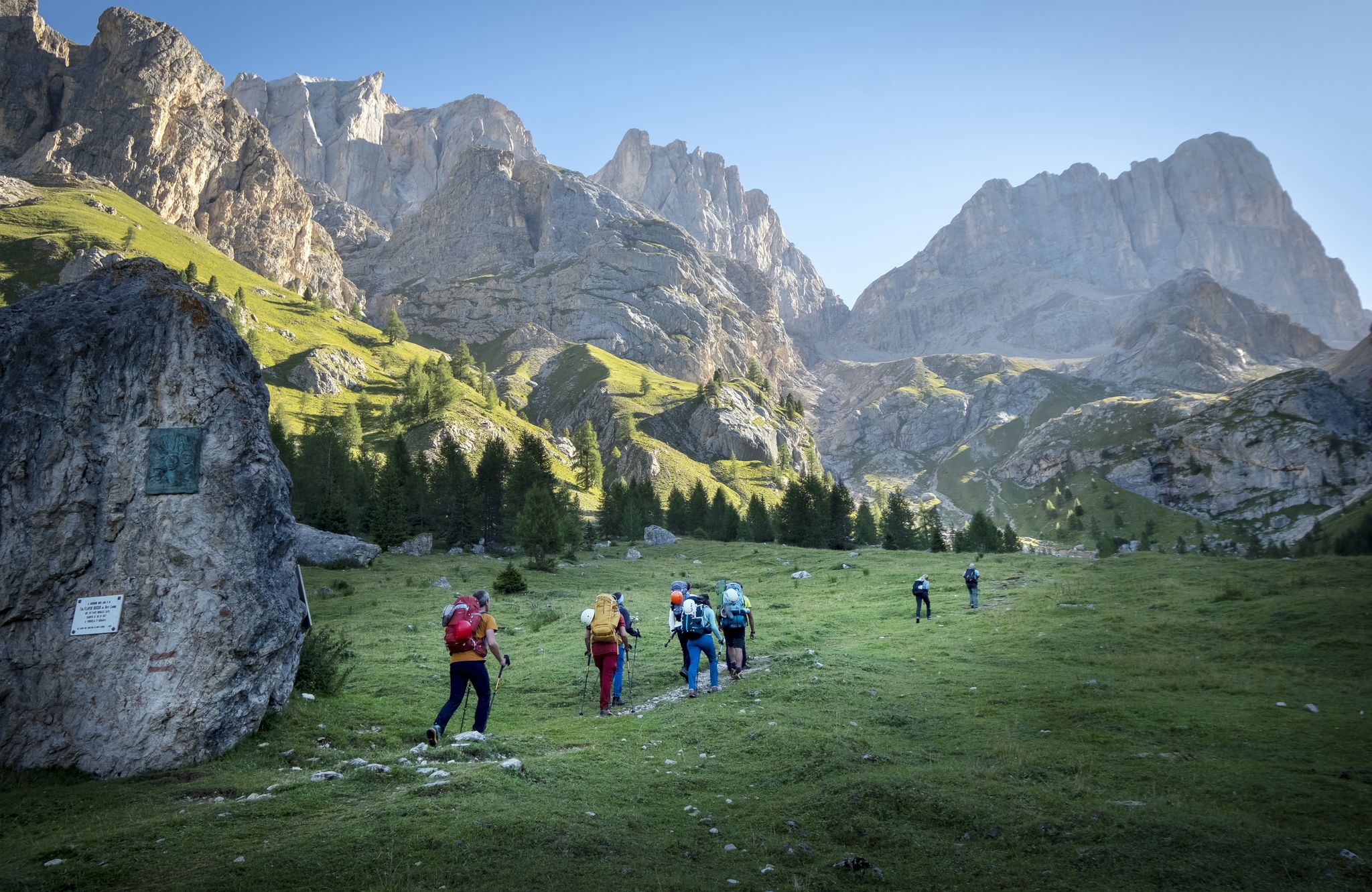
The Path of Peace – journey into Trentino's history
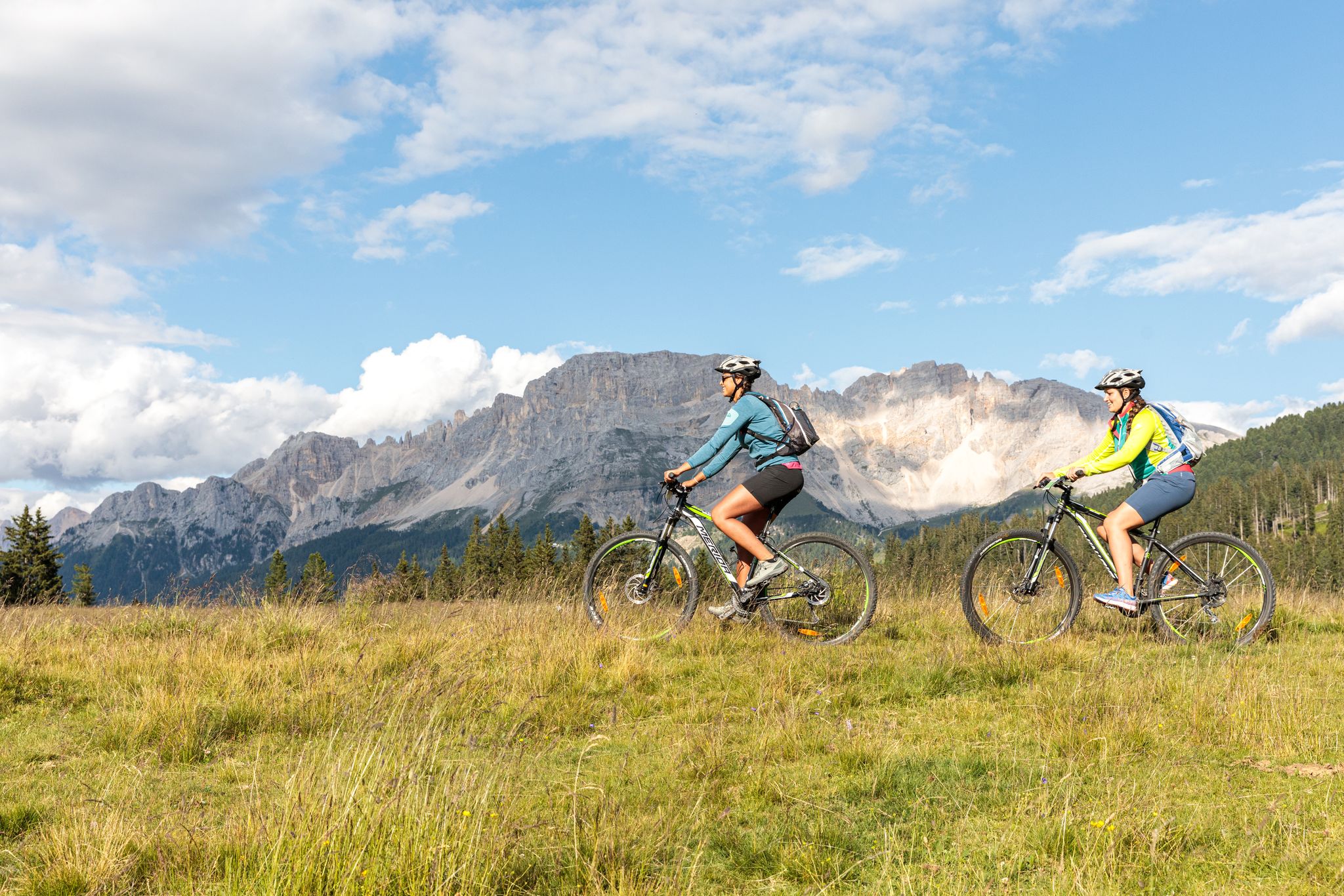
Explore the heart of the Dolomites – discover Val di Fiemme by MTB
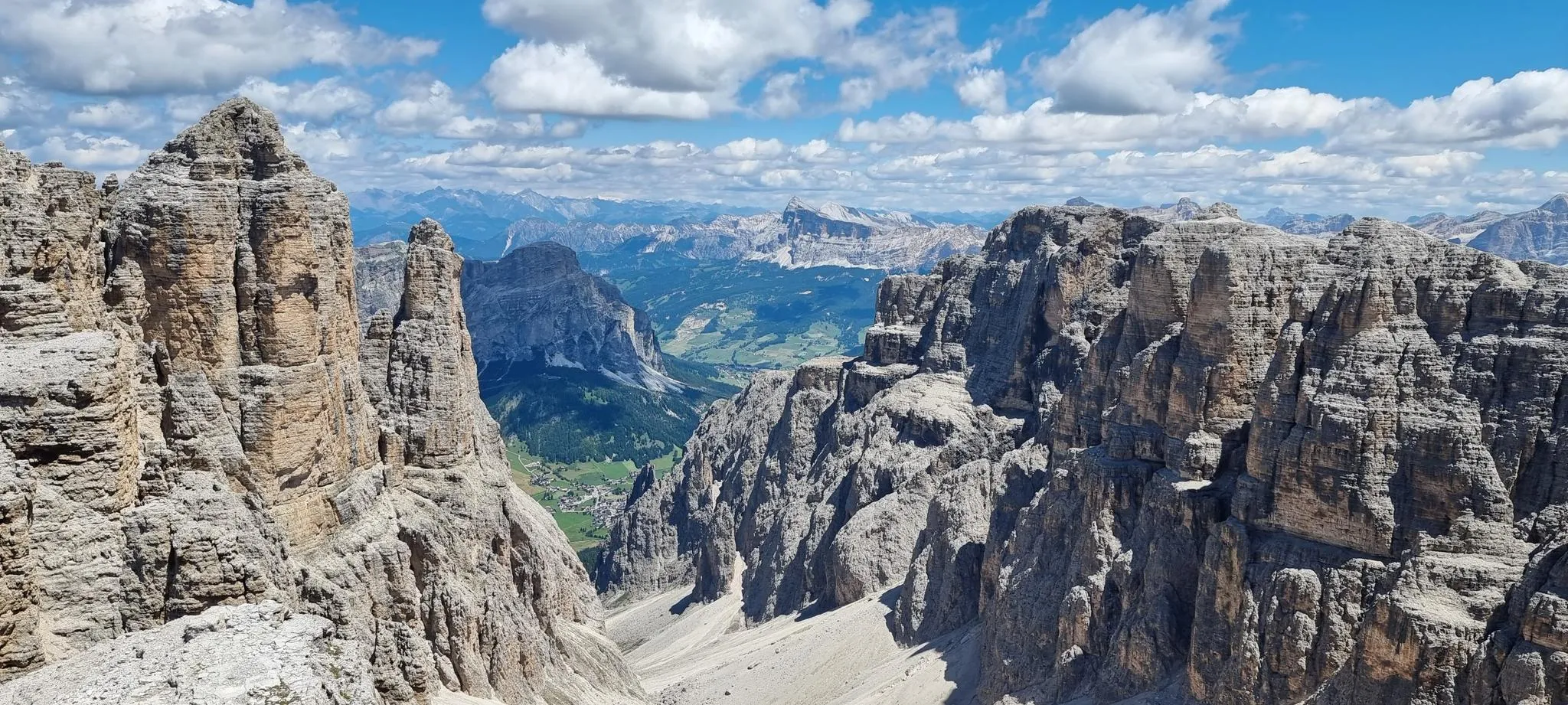
In the wake of legends – the Alta Via 2 of the Dolomites
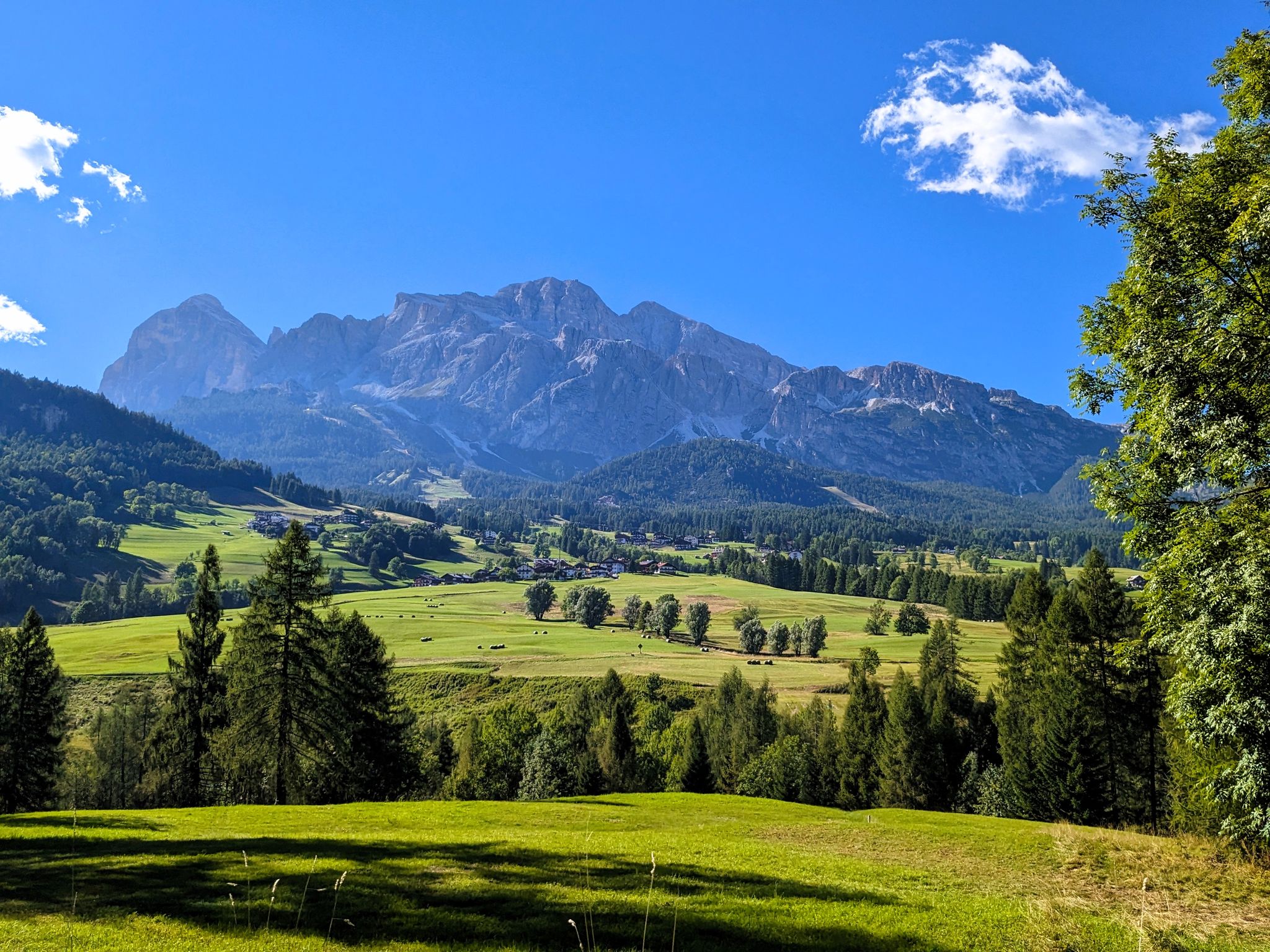
Wild routes – a week in Italy’s Dolomites
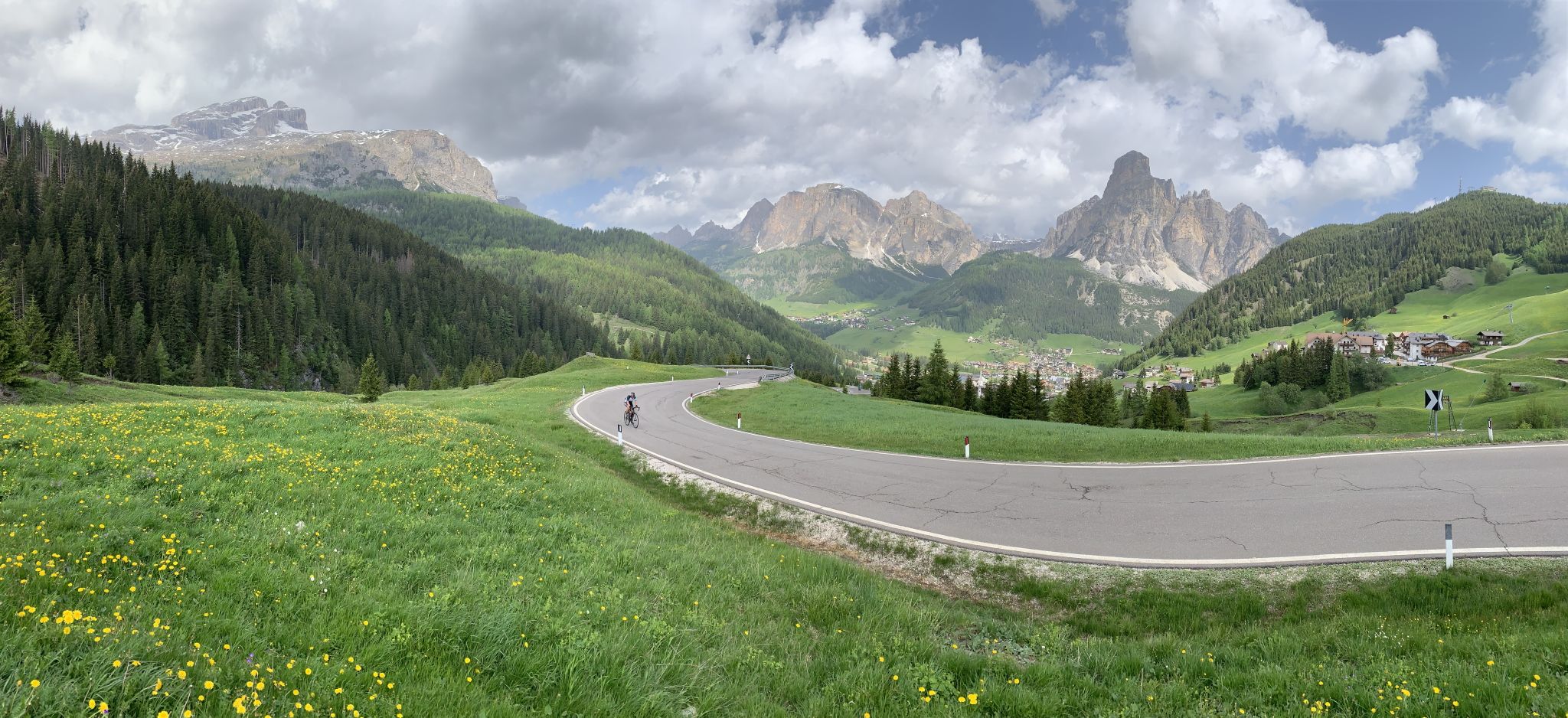
Up and down the Alps – Dolomites by road bike
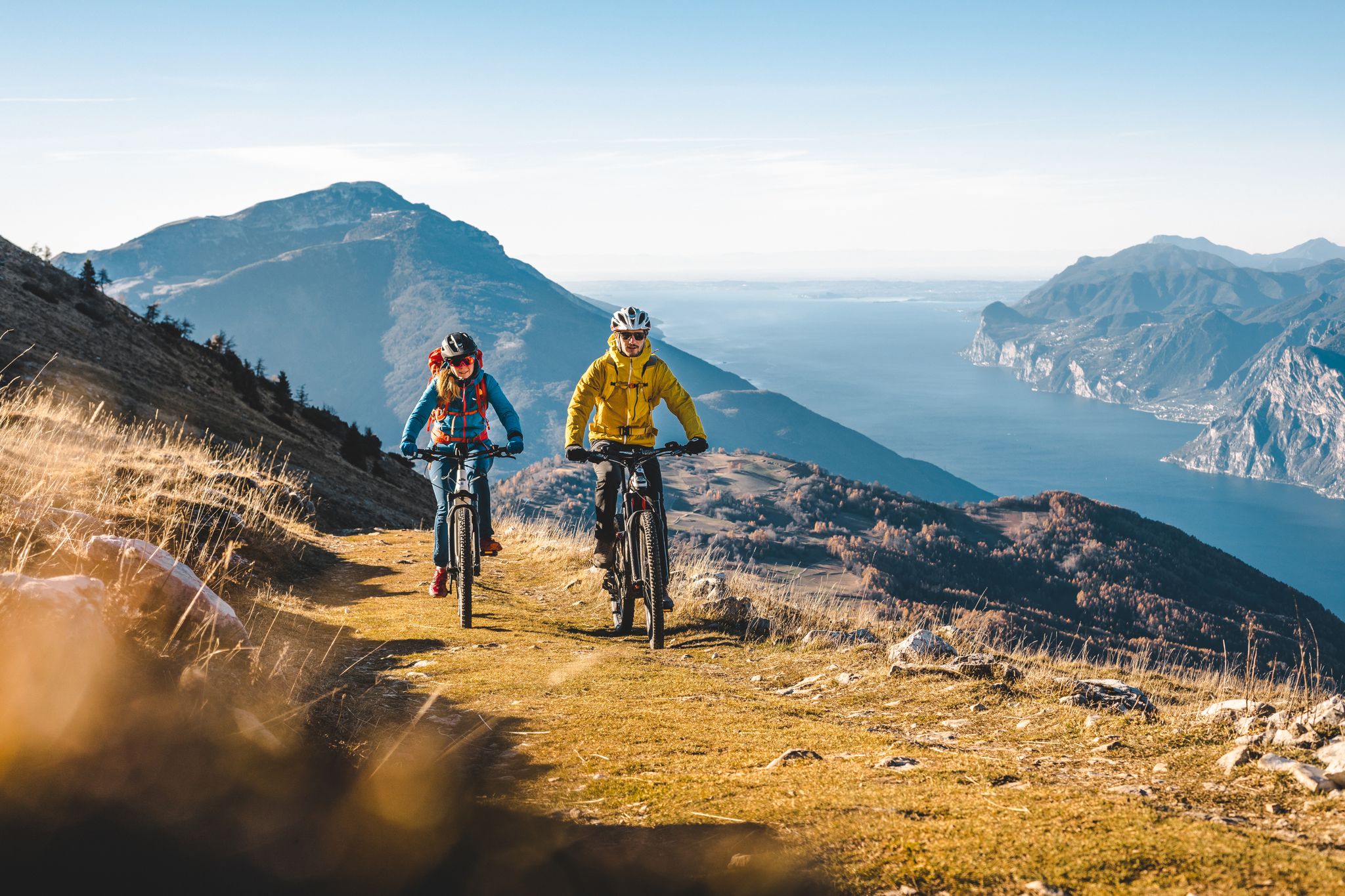
Mountain biking in Trentino in Italy – 10 varied routes
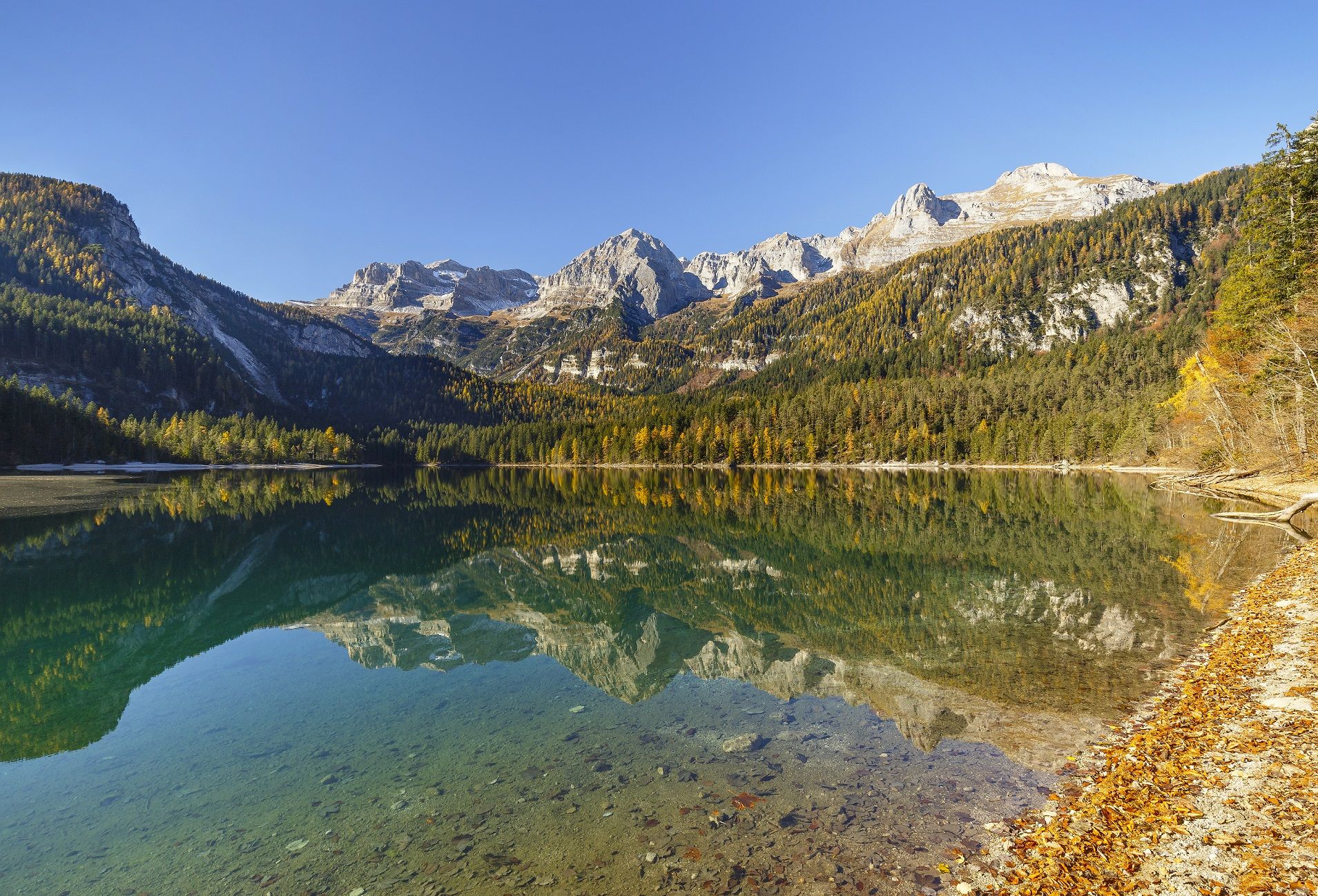
Prolonging the summer – colourful hikes through Trentino in Italy
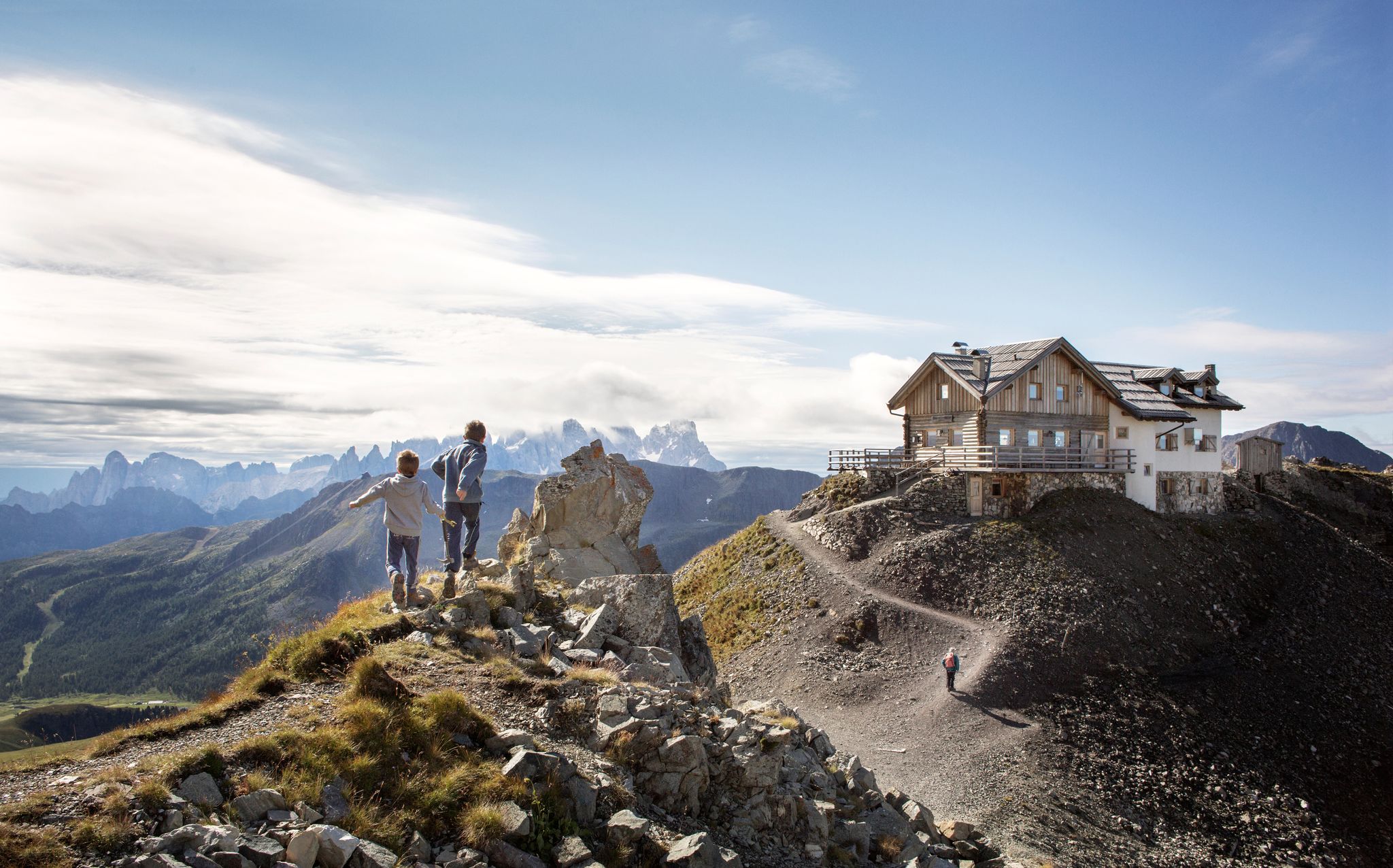
10 breathtaking hiking trails in Trentino
Other adventures around Primiero San Martino Di Castrozza


Tips from the Community

Excursion for trained people, trekking equipment!
0
0
Stunning view of the Vanoi Valley from the walkway that juts out into the void from the stoli of the First World War
0
0

While the Austrian positions from World War I are at the top of the mountain, the Italian positions are here. Caves and trenches. A mountain full of history. The steep descent also starts here🥾
0
0

I was here on the 29th stage of my crossing of the Alps: https://www.komoot.com/de-de/tour/834311432 I was here on a stage of my crossing of the Alps. A crossing of the Alps in two months and 45 stages: The 800-kilometer-long Yellow Via Alpina. You can find the film about the hike here: https://youtu.be/tVTeKg0li54 A book with the many stories and lots of information about the tour is available here: https://viaalpina.soziales4u.de/shop All stages are documented with GPX data and can be downloaded. There are numerous photos for each tour. An overview is available there: https://www.komoot.de/tour/868201126 You can read more about the 800 kilometers through the Alps here: https://soziales4u.de/viaalpina/
0
0

The few extra meters are always worthwhile, as they give new great views and an impression of what was impossible to achieve, especially in times of war.
0
0

I am in the Mis Valley, in the heart of the Belluno Dolomites Park. This is a magical place where crystal clear water is the protagonist among natural pools, waterfalls and enchanted caves. The Soffia waterfall, which can be reached on foot, deserves a simple excursion, easily accessible to all. If the level of Lago del Mis is low, you can travel along a fascinating and mysterious stretch made up of breathtaking passages over crystalline and transparent waters.
0
1

Path equipped with tunnels-trenches of the Great War, on the top of Cavallazza Piccola, reachable from Passo Rolle.
1
0
Frequently Asked Questions
What types of caves can I explore in the Primiero San Martino di Castrozza region?
The Primiero San Martino di Castrozza region is primarily known for its significant karst geology and historical sites, particularly World War I tunnels and fortifications that incorporate natural cave features. While extensive natural caves for general tourism are not widely accessible within the immediate area, you can explore historical cave systems and natural waterfall caves like Soffia Waterfall.
Are there any natural caves with impressive formations in the broader Trentino region?
Yes, for those seeking an accessible natural cave experience with impressive formations in the broader Trentino region, the Castello Tesino Cave (also known as 'Bus de la Lora') is a significant option. It features intricate rock formations, stalactites, and stalagmites, and even traces of the extinct cave bear, Ursus spelaeus.
Can I visit World War I historical sites that include caves?
Absolutely. The region offers several World War I historical sites that incorporate caves and trenches. Notable examples include the Italian World War I Position at Lech della Campagnola and the Stoli del Totoga with panoramic walkway, which offers stunning views from former military tunnels.
Are there family-friendly caves or cave-related activities in the area?
Yes, Soffia Waterfall is considered family-friendly. This magical place in the Mis Valley features crystal clear water, natural pools, and accessible cave formations, making it suitable for a simple excursion for all ages.
What geological features are characteristic of the caves in this region?
The Primiero San Martino di Castrozza region is characterized by significant karst phenomena. This means the subsurface is extensively traveled by natural water systems, creating dramatic Dolomite landscapes and underground formations. While many are not publicly accessible, this karst geology is responsible for the region's unique mountain scenery and the formation of the caves and tunnels found here.
What is the best time to visit the caves and historical sites in Primiero San Martino di Castrozza?
The best time to visit the caves and historical sites in this mountainous region is generally from late spring to early autumn (May to October). During these months, the weather is more stable, trails are clear of snow, and access to sites like the World War I positions is typically easier. Some historical sites may have seasonal opening hours.
Are there guided tours available for any of the caves?
While the historical WWI sites in Primiero San Martino di Castrozza can often be explored independently, the Castello Tesino Cave in the broader Trentino region offers guided tours. These tours allow visitors to safely explore approximately 400 meters of its subterranean galleries and formations.
What should I wear or bring when visiting caves or historical tunnels in this area?
When visiting caves or historical tunnels, it's advisable to wear sturdy hiking shoes with good grip, as surfaces can be uneven or wet. Bring a headlamp or flashlight, even if the site is lit, for extra visibility. Layers of clothing are recommended as temperatures inside caves can be cooler than outside, even in summer.
What outdoor activities can I combine with a visit to the caves?
The Primiero San Martino di Castrozza region offers a wide range of outdoor activities. You can combine your cave exploration with mountain hikes, cycling, or gravel biking. For detailed routes and inspiration, check out the guides for Mountain Hikes around Primiero San Martino Di Castrozza, Cycling around Primiero San Martino Di Castrozza, or Gravel biking around Primiero San Martino Di Castrozza.
Are there any challenging cave experiences for experienced explorers?
Many of the historical World War I sites, such as the World War I Caves and Cavallazza Tunnels and World War I Trenches, are rated as intermediate to challenging due to the terrain and historical nature of the paths. These often involve steep descents or require trekking equipment, offering a more demanding experience for those with appropriate gear and fitness.
What is the 'Piani Eterni' and are its caves accessible?
The 'Piani Eterni' (Eternal Plains) is a vast karst plateau southeast of the San Martino plateau, within the Belluno Dolomites National Park. It's known as a huge cave system, but these caves are largely unexplored due to a lack of visible entrance holes and are primarily of interest for speleological exploration rather than general public access. Hiking in the Piani Eterni focuses on the plateau's natural beauty and wildlife. You can find more information about the area at visitdolomitibellunesi.com.
Most popular routes around Primiero San Martino Di Castrozza
Most popular attractions around Primiero San Martino Di Castrozza

Get inspired with the komoot mobile app


Explore more
Extend your search for the best caves by checking out these guides of the top ones around Primiero San Martino Di Castrozza:
