Top 14 Caves around Alpago
Best caves around Alpago are found in a region characterized by karstic formations and limestone landscapes. This area, nestled in the province of Belluno, Italy, features a natural environment where caves and sinkholes are common. The geological makeup of the Alpago area creates numerous opportunities for exploring underground formations. It is a destination for those interested in natural exploration and speleological sites.
Best caves around Alpago
- The most popular caves is Gorgazzo Spring, a cave that features beautiful springs…
Last updated: June 30, 2026
Gorgazzo Spring
Highlight • Natural
Translated by Google •
Tip by

Caglieron Caves
Highlight • Cave
prolocofregona.it/grotte-del-caglieron
Translated by Google •
Tip by
Sign up now to discover places like this
Get recommendations on the best single tracks, peaks, & plenty of other exciting outdoor places.
Sign up for free
Bus de la Lum Sinkhole
Highlight • Cave
During the Second World …
Translated by Google •
Tip by

Madonna dell'Agnelezza
Highlight • Cave
Translated by Google •
Tip by

Grotta dei Pilastrini
Highlight • Cave
Translated by Google •
Tip by

Sign up for free to discover even more caves around Alpago.
Sign up for free
Already have an account?
Start today with a free account
Your next adventure awaits.
Login or Signup
Popular around Alpago
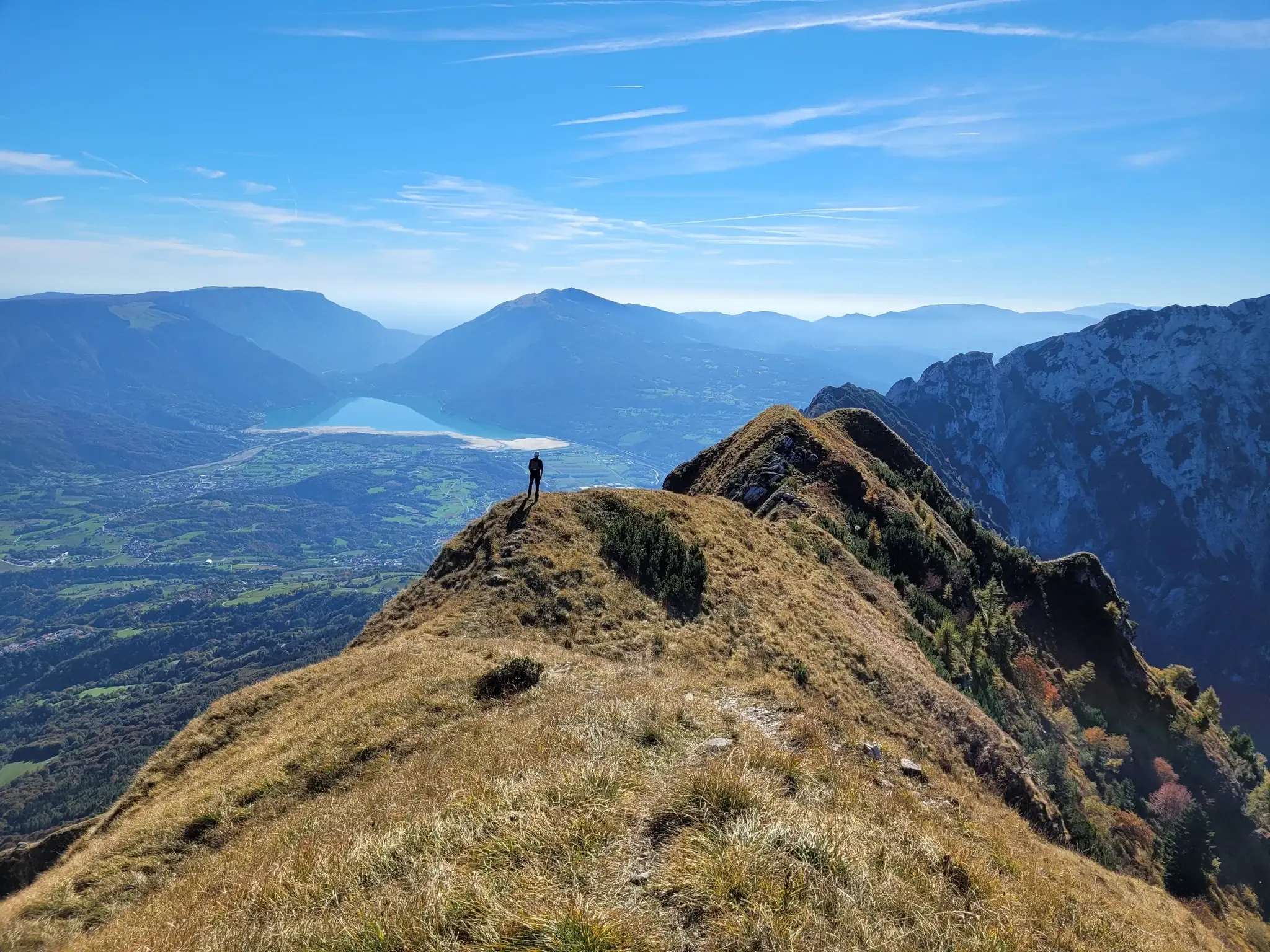
A fairytale hike in Italy’s Pale Mountains – Alta Via delle Dolomiti 7
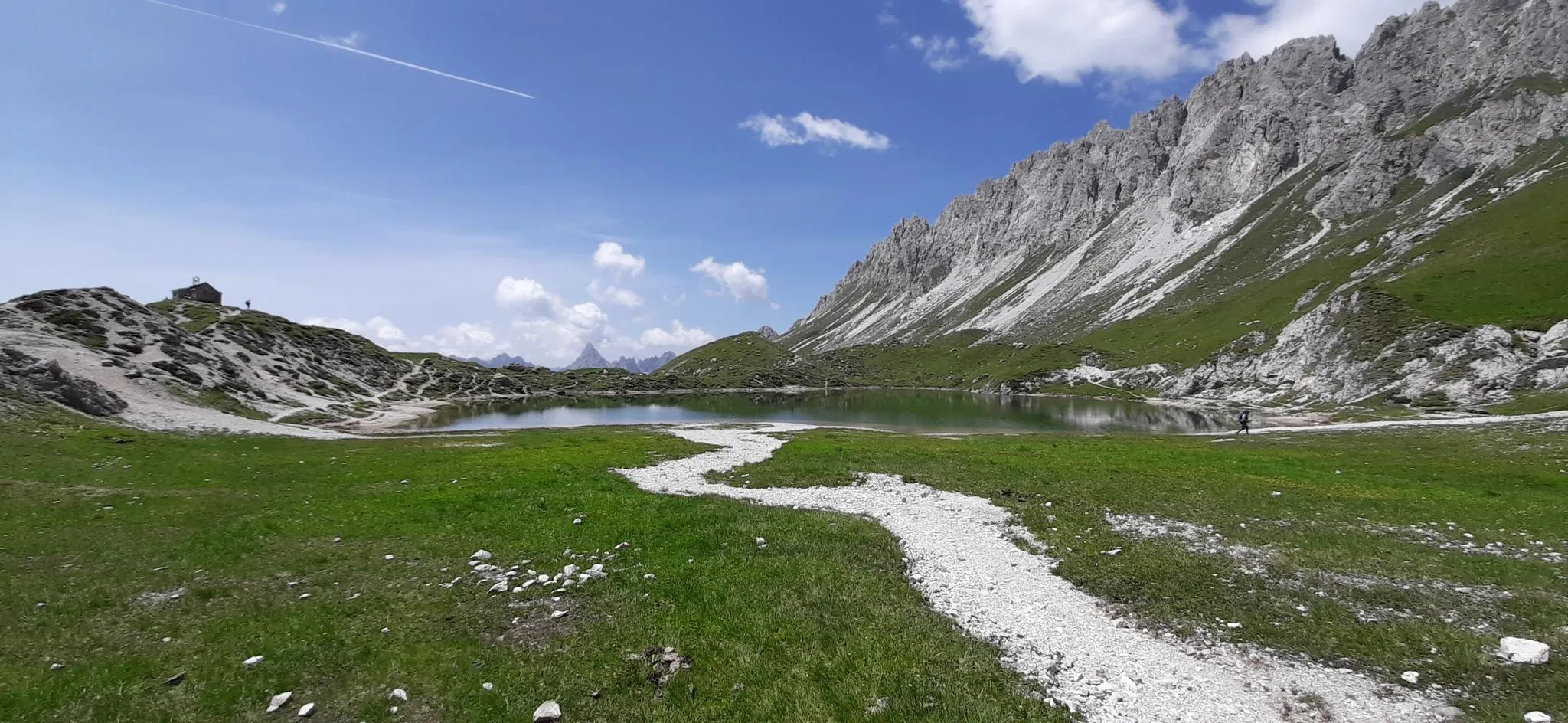
A trail running adventure in the Dolomites – Alta Via 6
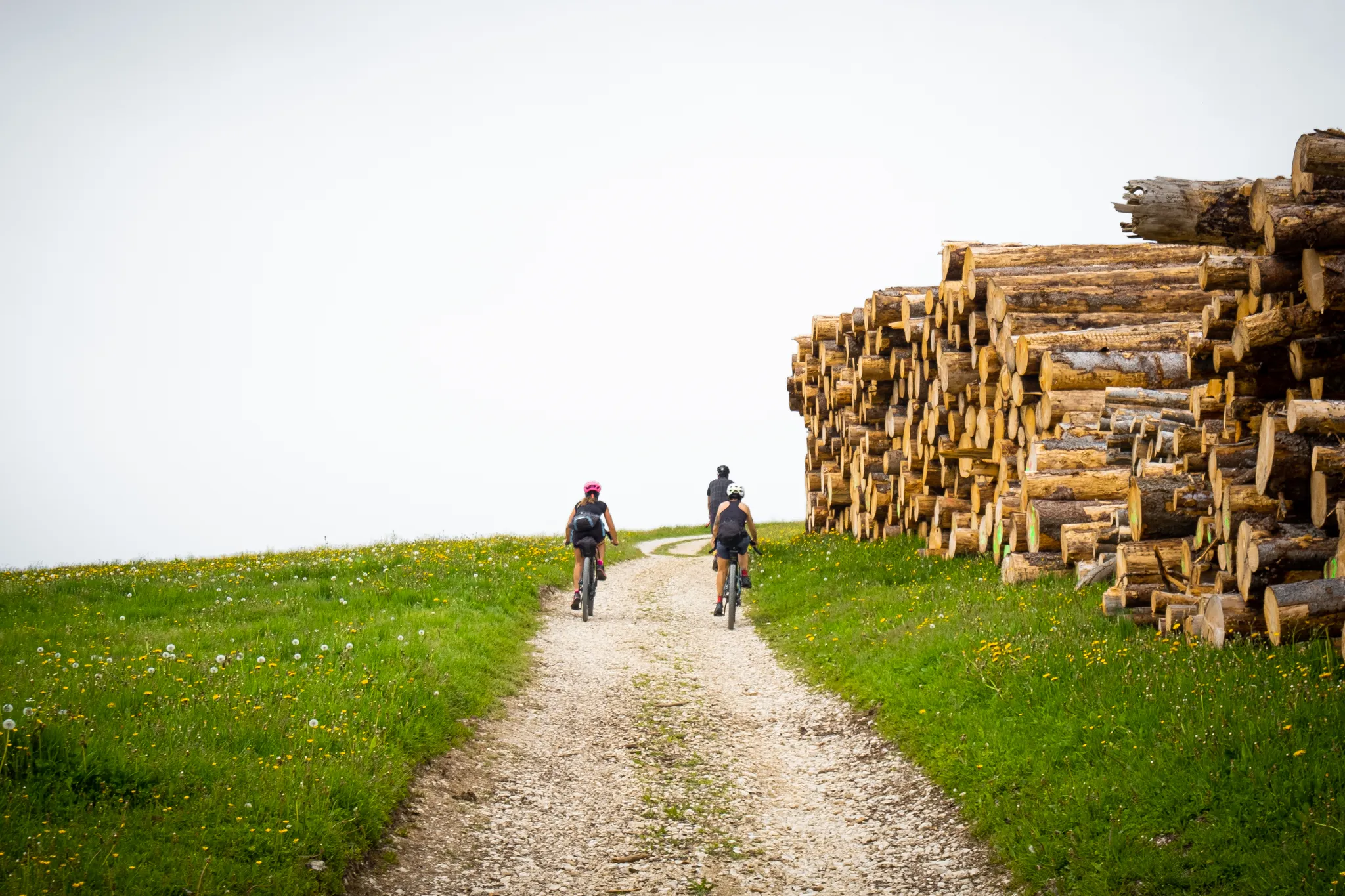
Via delle Prealpi – On the way with the MTB in the Venetian Prealps
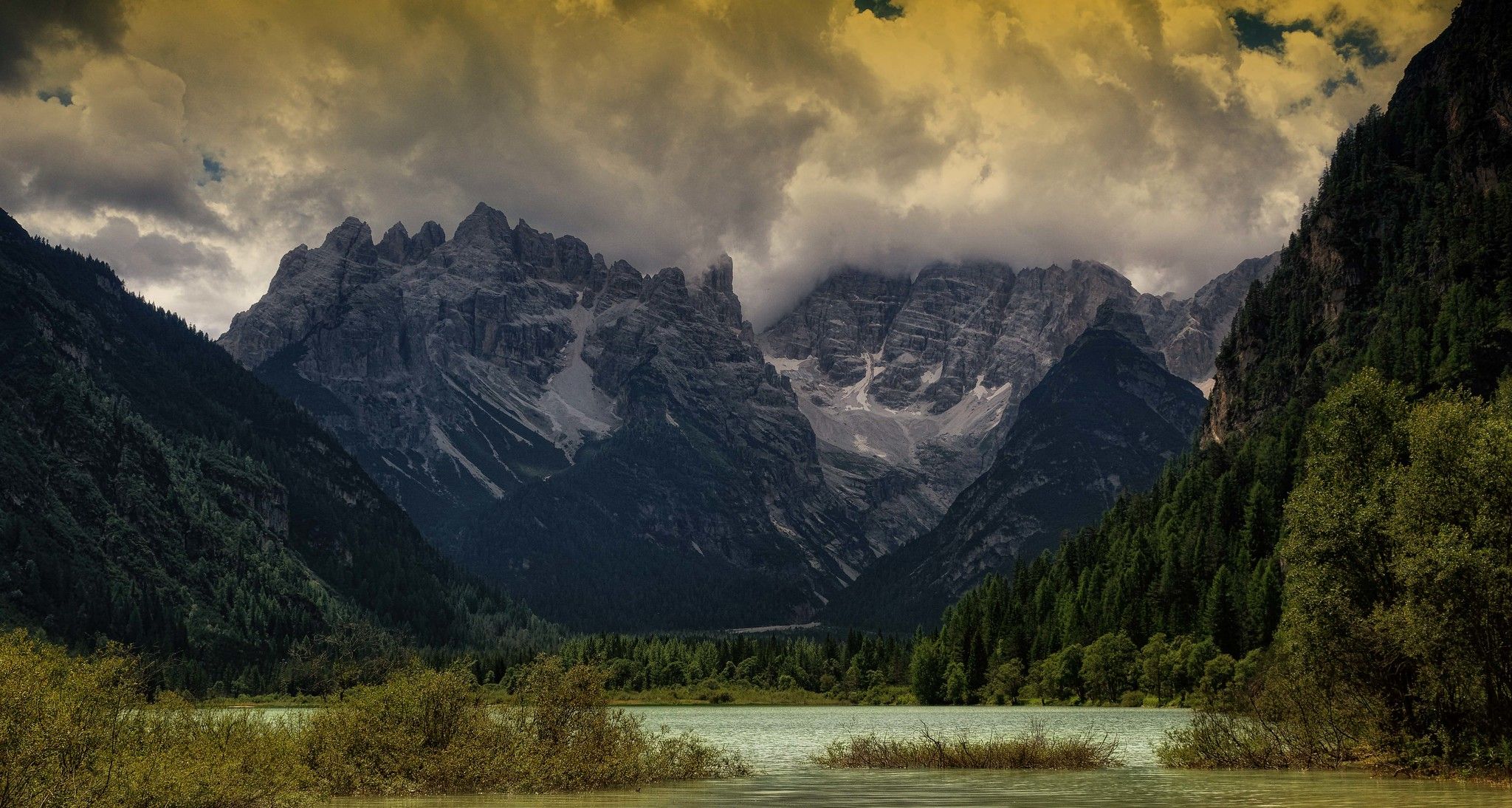
Ride across the Alps – bikepacking between Munich and Venice
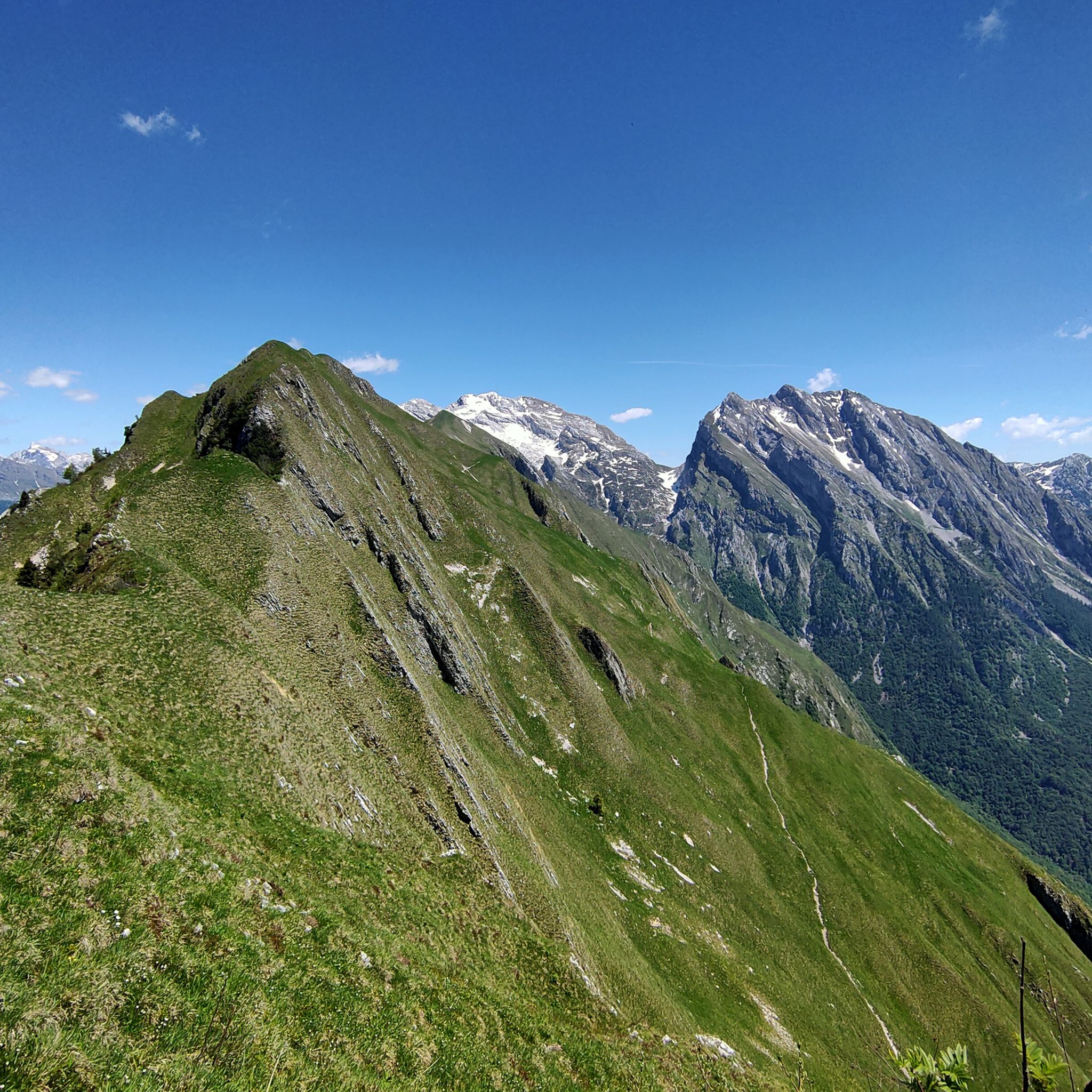
Hiking around Alpago
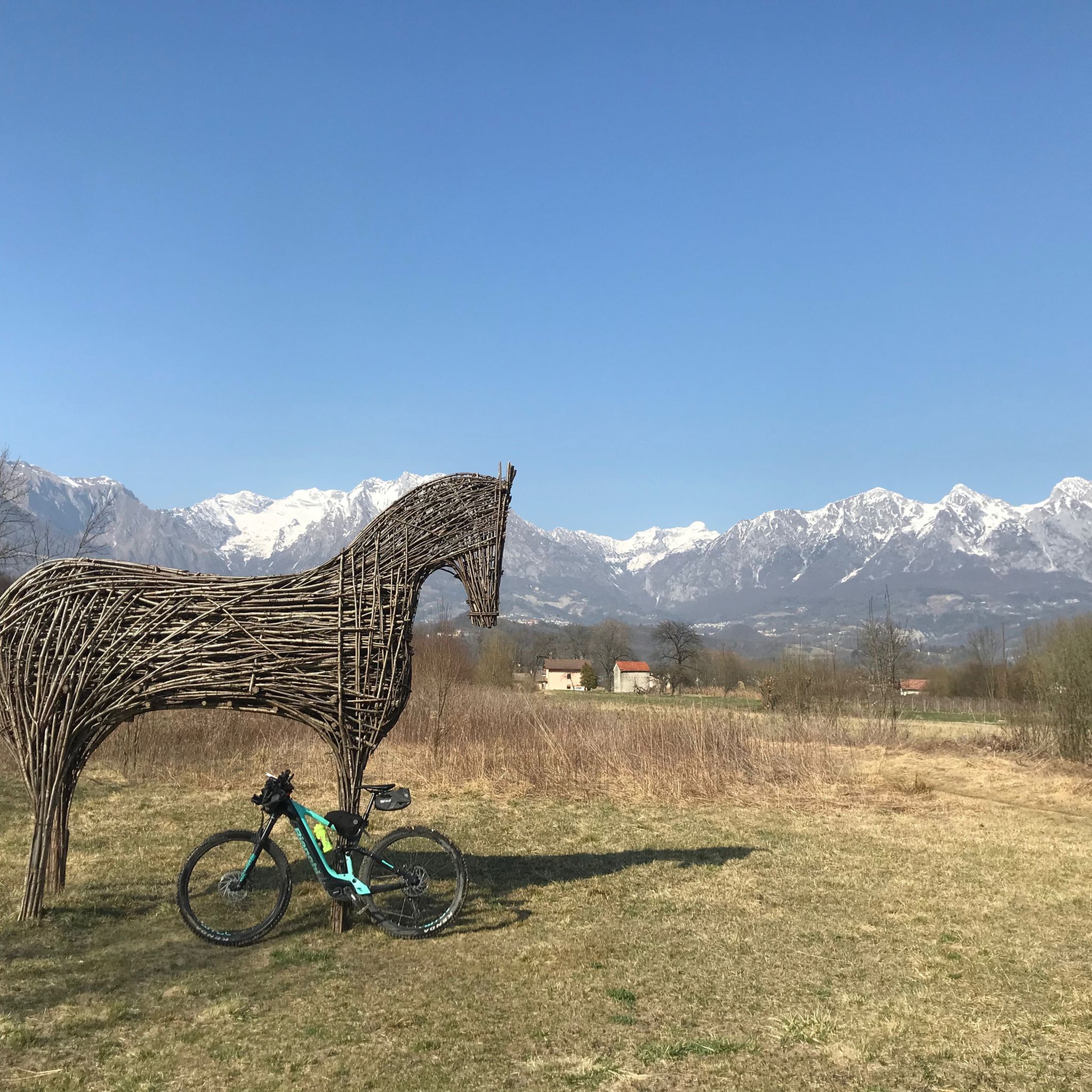
MTB Trails around Alpago
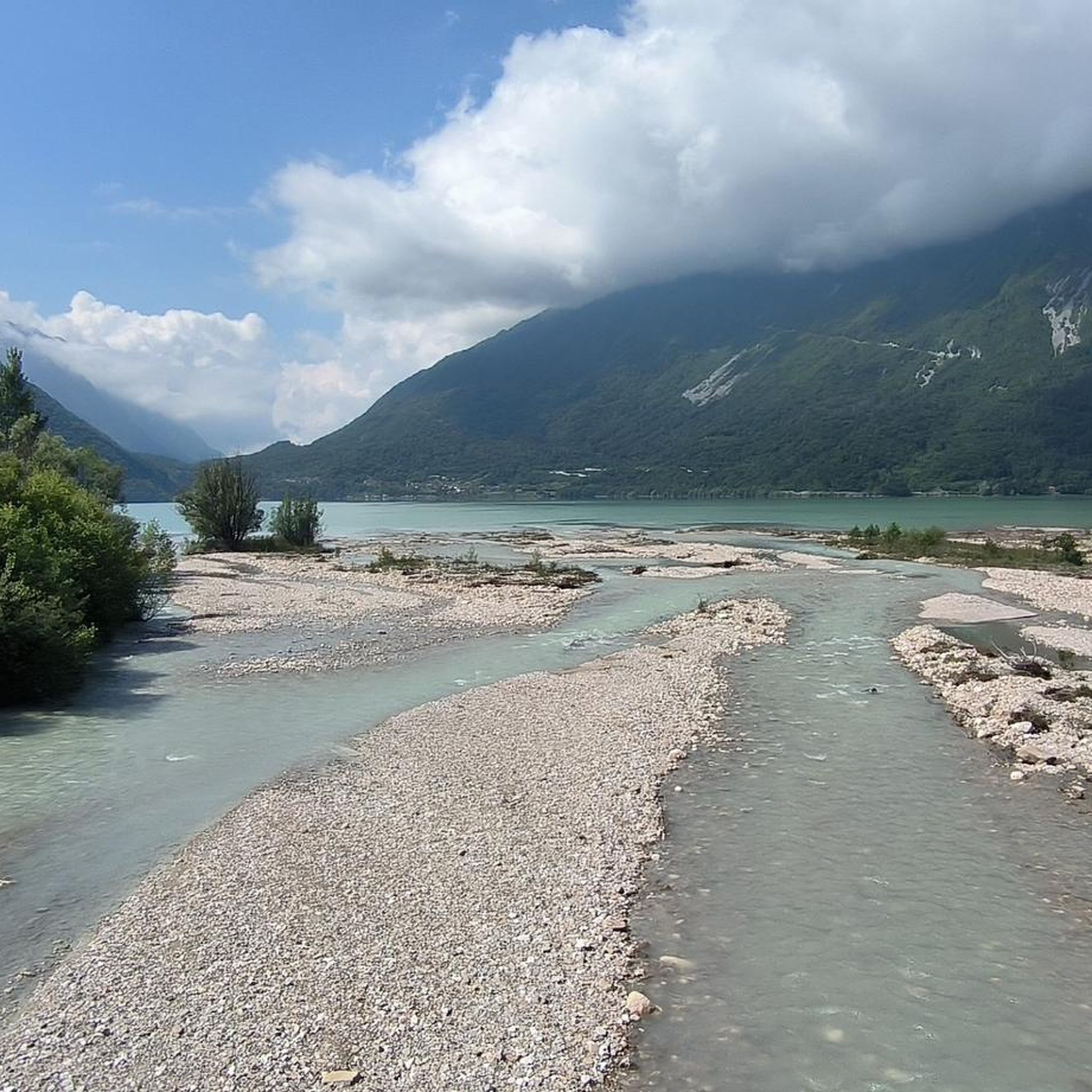
Cycling around Alpago
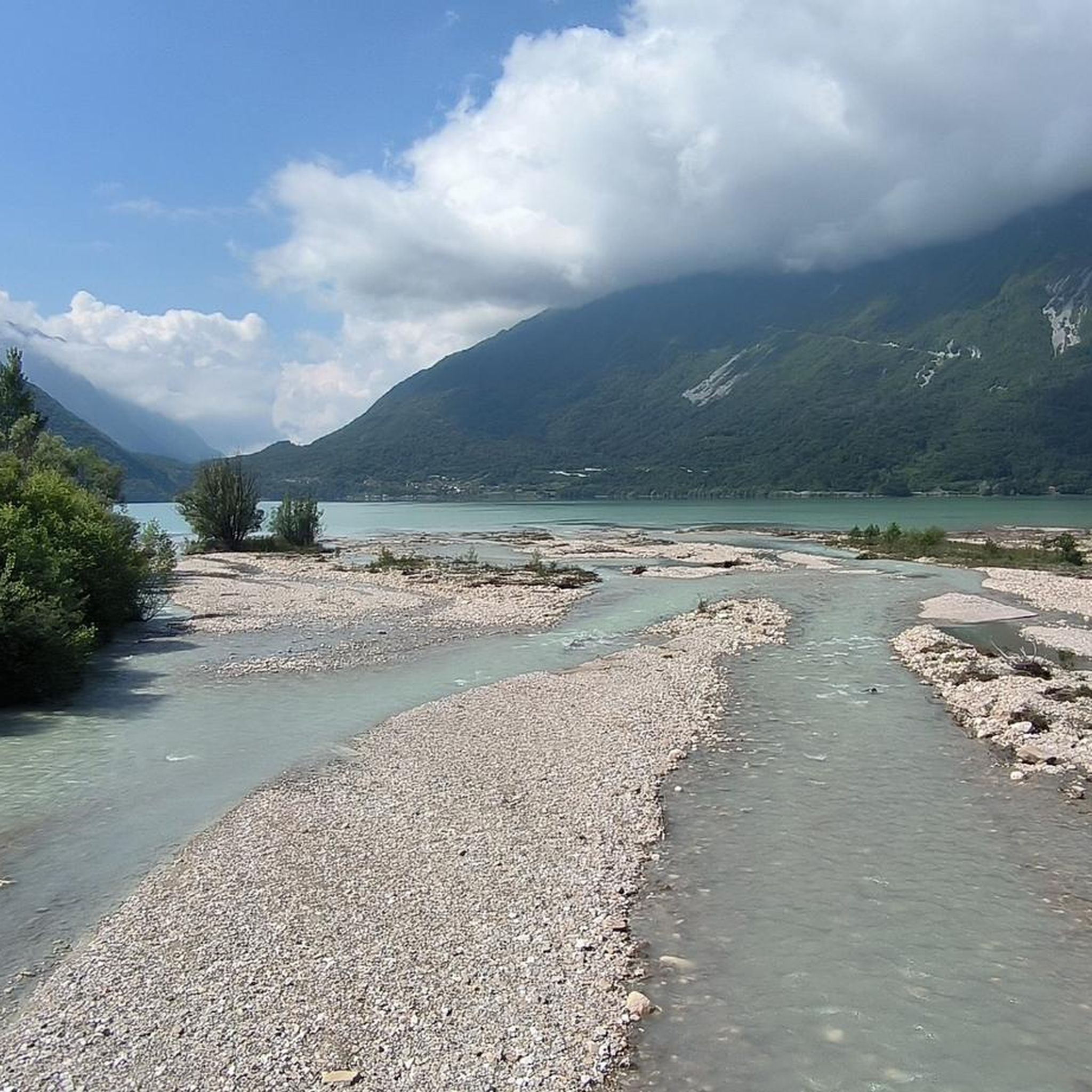
Running Trails around Alpago
Gravel biking around Alpago
Road Cycling Routes around Alpago
Other adventures around Alpago


Tips from the Community


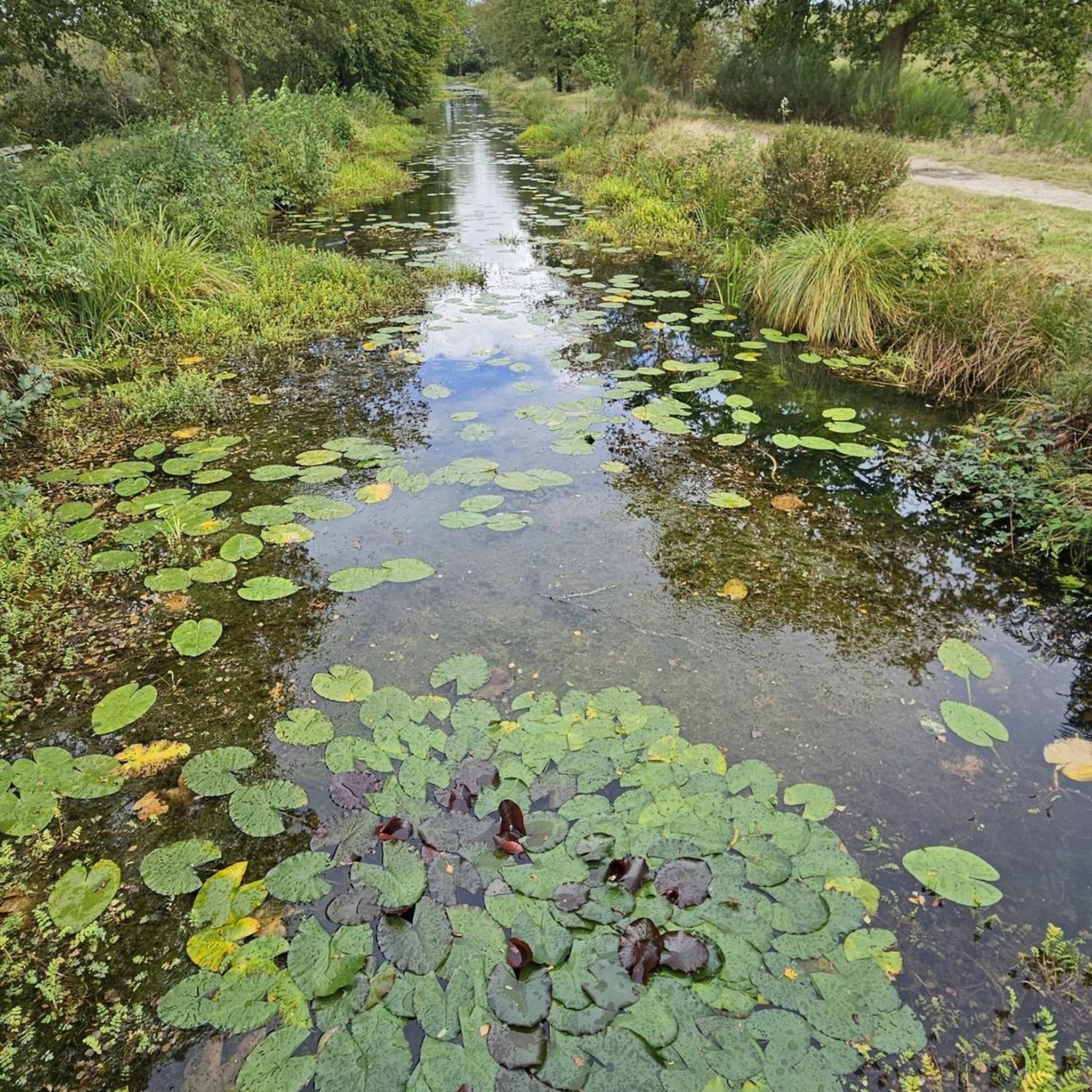
The Gorgazzo springs have the characteristic of collecting rainwater which, infiltrating the karst structure of the Cansiglio plateau, emerges at the base of the mountain with an already considerable flow rate.
0
0

A magical place, with an incredible scientific history. Always worth a stop.
0
0

The name probably derives from "lume" or flame, due to the luminescence that would have been seen on summer nights above the cavity, produced by the gases generated by the putrefaction of animal carcasses thrown into the well. The cavity was formed by karst, or by the dissolution of the rock by water. According to legend, it is inhabited by the Anguane, very ugly fairies, with nails instead of hair, and long fangs instead of teeth. During the day they went to wash clothes at Lake Santa Croce, then wandered around in search of wood, food and children to roast. At night, they lit a small fire, whose light, spotted by shepherds, gives the cavity its name
2
0

The Caglieron caves are located in the municipality of Fregona, province of Treviso, precisely in the locality of Breda. It is a series of cavities created partly by natural erosion and partly by human action.
4
0

Directions for visiting the Caglieron Caves. https://www.prolocofregona.it/grotte-del-caglieron/
13
0

The Gorgazzo source is an underwater cave where the stream of the same name originates, a tributary of the Livenza river. Located near Polcenigo, its name derives from the Friulian gorc which means precisely abyss. The cave consists of a resurgence and near the mouth of the cavity, nine meters deep, the statue of a Christ was placed, which thanks to the clarity of the water and the bottom is visible from the outside from the shore on sunny days .
1
0
Frequently Asked Questions
What are some unique natural features to explore in the caves around Alpago?
The Alpago region, known for its karstic landscape, offers several unique natural features. You can visit Gorgazzo Spring, famous for its fabulously green water and as the source of the Livenza river. The Bus de la Lum Sinkhole is a significant karstic formation created by water dissolution, steeped in local legends. The Caglieron Caves feature distinctive formations resulting from both natural erosion and historical human activity.
Are there any family-friendly caves to visit near Alpago?
Yes, the Gorgazzo Spring is considered family-friendly, offering beautiful scenery with its green springs. The Caglieron Caves are also a popular and accessible option for families, known for their unique formations and pleasant, shaded environment.
What kind of historical or cultural sites can be found within or near the caves?
The Caglieron Caves have historical significance, as their cavities were created partly by natural erosion and partly by human action, specifically ancient sandstone quarrying. Another example of historical quarrying can be seen at Grotta dei Pilastrini. Additionally, the Grotto of Our Lady of Agnelezza is a small natural cave that serves as a suggestive corner for meditation and prayer, featuring a figurine of the Madonna and an altar.
Are there any caves in the Alpago region known for prehistoric discoveries?
Yes, the Bus de la Bela, located in the broader Belluno area, gained recognition due to the discovery of remains of *Ursus spelaeus* (Cave Bear). This makes it a site of interest for those fascinated by prehistoric life and ancient fauna.
What outdoor activities can I combine with a visit to the caves?
The Alpago region offers various outdoor activities. You can explore numerous hiking trails around Alpago, including routes like the Rifugio Vallorch ring tour or sections of the Dolomites High Route 7. For cyclists, there are many road cycling routes, such as the Santa Croce Lake loops. If you enjoy running, you'll find running trails around Lake Santa Croce.
What is the best time to visit the caves around Alpago?
While specific caves may have varying conditions, the region's natural beauty is generally enjoyable from spring through autumn. The Caglieron Caves, for instance, are noted for being nicely shaded in summer with pleasant humidity, making them a good option during warmer months. For the Grotto of Our Lady of Agnelezza, masses are celebrated at the opening (last Sunday in April) and closing (last Sunday in October) of the hiking season, suggesting these are good times to visit.
Are there any caves in the area that are more suited for experienced speleologists?
Yes, the Grotta dell'Acqua Nera in the Belluno region is known for its complex morphology and technical difficulties, making it a destination primarily for experienced cave divers and speleologists. It features a large entrance hall with a consistently fed underground stream.
What do visitors particularly enjoy about the caves and natural springs in Alpago?
Visitors frequently praise the stunning natural beauty, especially the vibrant green waters of the Gorgazzo Spring. The unique formations and the shaded, humid environment of the Caglieron Caves are also highly appreciated. The region's karstic landscape provides a fascinating environment for natural exploration.
Are dogs allowed in or near the caves?
While specific rules can vary by site, the Gorgazzo Spring area is generally accessible, though the last few meters to the springs are closed to bicycles, implying pedestrian access. For the Caglieron Caves, it's advisable to check their official website for the most current information regarding dog policies, as some natural attractions may have restrictions.
How long does it typically take to explore the main cave attractions?
Exploring attractions like the Caglieron Caves can typically take a few hours, depending on your pace and how much you wish to explore the surrounding trails. A visit to the Gorgazzo Spring might be shorter, often combined with other activities in the area. For more extensive speleological sites like Grotta dell'Acqua Nera, exploration can span much longer, requiring specialized equipment and expertise.
Are there any permits required for visiting the caves?
For publicly accessible tourist caves like the Caglieron Caves, you typically do not need a special permit beyond any entrance fees. However, for more technical or restricted speleological sites, permits from local authorities or caving associations may be required, especially for activities like cave diving or deep exploration. It's always best to check with local tourism offices or specific cave management for the most accurate information.
Most popular routes around Alpago
Most popular attractions around Alpago

Get inspired with the komoot mobile app


Explore more
Extend your search for the best caves by checking out these guides of the top ones around Alpago:
