Top 10 Castles around Mel
Castles around Mel are situated in a region characterized by its historical significance and varied landscape, from the Prosecco hills to areas with dolomitic limestone formations. This area in Italy offers a blend of natural beauty and ancient fortifications. The castles here often stand on strategic elevations, providing historical insights into Roman and medieval periods. The surrounding terrain is suitable for outdoor activities, complementing visits to these historical sites.
Best castles around Mel
- The most popular castles is Castelbrando,…
Last updated: October 16, 2026
Castelbrando
Highlight • Castle
Translated by Google •
Tip by

Castrum di Serravalle
Highlight • Castle
Translated by Google •
Tip by

Sign up now to discover places like this
Get recommendations on the best single tracks, peaks, & plenty of other exciting outdoor places.
Cison di Valmarino
Highlight • Settlement
Translated by Google •
Tip by

View of the Torri di Credazzo
Highlight • Viewpoint
Translated by Google •
Tip by
Villa Avogadro degli Azzoni
Highlight • Historical Site
Translated by Google •
Tip by

Sign up for free to discover even more castles around Mel.
Already have an account?




Tips from the Community


Climbing up the steep path from the parking lot.
0
0

unique landscape to observe
1
0

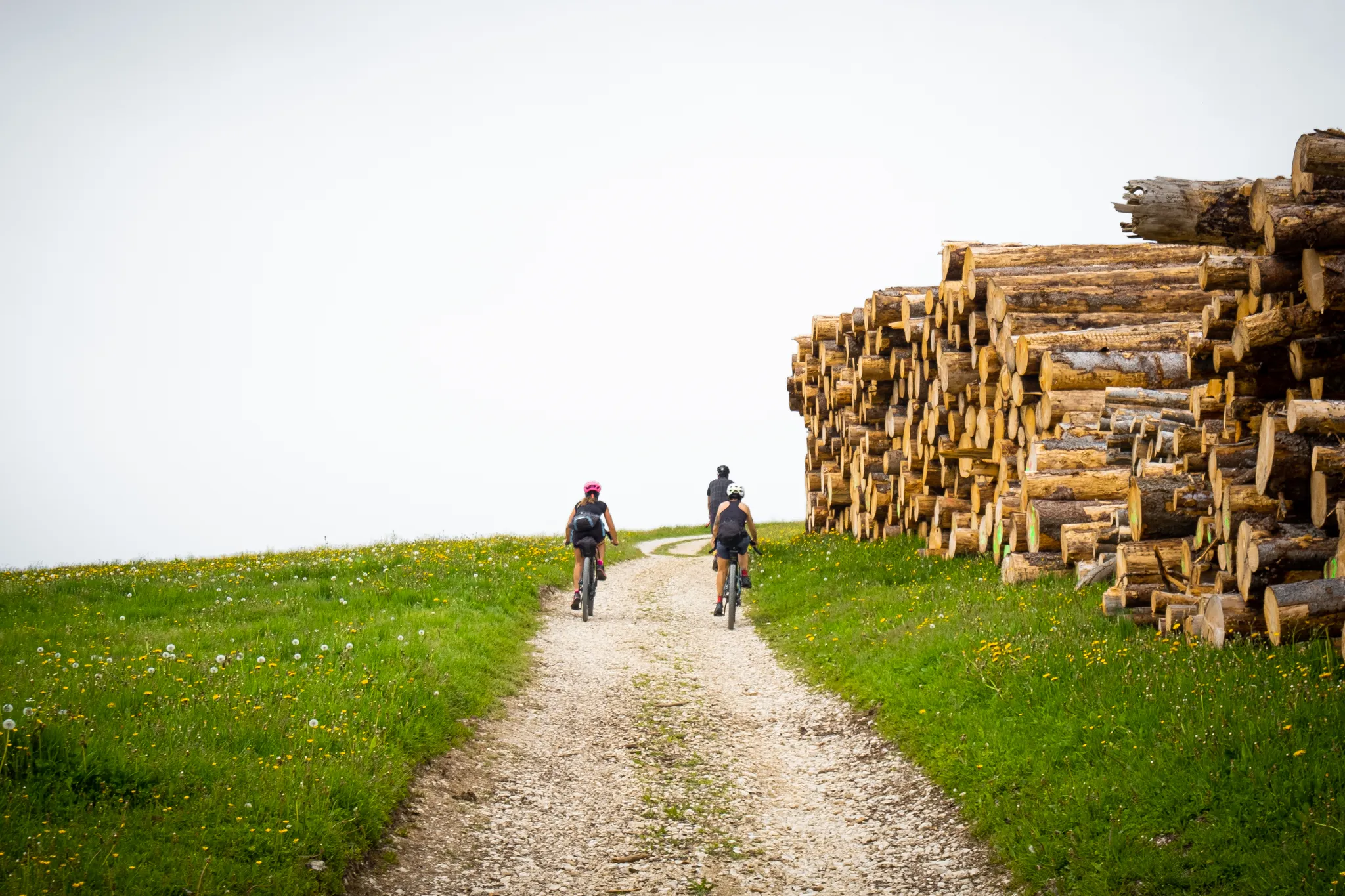
The picturesque village of Cison di Valmarino, dominated by the imposing Castelbrando, is an excellent destination for mountain biking, with routes immersed in the Prosecco hills and lush woods. The itineraries offer challenging climbs and technical descents, with passages through ancient paths and historic mule tracks. The Via dell’Acqua route and the tracks towards Monte Cesen offer breathtaking views and complete immersion in nature.
0
0

Castelbrando, a grand medieval castle, sits on a dolomitic limestone rock at an altitude of 370m above sea level, overlooking the villages of Cison di Valmarino and Valmareno. The name is due to the Brandolini family from Forlì, who were the lords of the castle. The castle was originally built in Roman times to protect the Via Claudia Augusta, which connected the Po valley to Rhaetia (modern Austria). The original castrum from 46 AD is still visible. A recent archaeological dig has uncovered a bread oven and the original Roman baths, as well as the original pipes of the aqueduct that supplied water from three nearby natural springs. These springs still provide water for the castle. Later the fortress became an important defensive position against barbarian invasions. During the 13th century the castle was significantly enlarged and the imposing battlements and central tower were added. The castle was awarded by the Republic of Venice to the condottieri Giovanni Brandolino and Erasmo da Narni, better known as "Gattamelata". After the fall of the Venetian Republic it became the property of the Brandolini Counts. In 1700 the castle was expanded with the southern part and the castle chapel, the church of San Martino. During World War I, the castle was invaded by Imperial Austrian troops and used as a military hospital. After 10 years of restoration work, the castle was reopened as a residence in 1929. In 1959, the castle was sold by the Brandolini family to the Salesian Fathers, who used it as a monastery and as a center for spiritual studies. In 1997, CastelBrando was purchased by Quaternary Investments SpA, who transformed it into a 4-star hotel, museum and theater. Visitors can take the cable car to the castle from the village.
1
0

simple track between the castle and the town
0
0


According to historical evidence, the Castrum di Serravalle should date back to Roman times. It was built between the hills of Sant'Antonio and Santa Augusta, on the territory that depended on the city of Opitergium, the current Oderzo. It was a point of vital importance for the control of goods that passed on well-known communication routes such as the Claudia Augusta Altinate, the Julia Pedemontatan, the Opitergina-Concordienis. It also represented a point of strategic importance for the subsequent dominions of the Lombards and Franks. The first document attesting its presence dates back to 1170, under the effigy of the Colfosco-Da Camino. Starting from this period, up to 1400, various modifications were made to the fortified complex. In the 17th century the area lost importance and gradually the Castrum fell into disrepair, becoming a quarry for the recovery of building materials. In 1925 it was purchased by the engineer Trojer who for 10 years dedicated himself to the restoration and conservation improvement of the structure. Since 1935 it has belonged to the Marcantonio family. Today the Castrum is a charming and elegant B & B for cultural activities and initiatives that revive its ancient walls. Just like in the past, when it was the hub of the city below. www.castrumdiserravalle.it/it
0
0
Frequently Asked Questions
What kind of historical significance do the castles around Mel have?
The castles around Mel are rich in history, often dating back to Roman times. For example, Castelbrando was originally built to protect the Via Claudia Augusta. Castrum di Serravalle was vital for controlling trade routes, and the Torri di Credazzo have connections to influential families like the da Camino. Many structures, like Villa Avogadro degli Azzoni, are built on the ruins of even older fortifications, offering layers of history.
Are there any castles around Mel that offer panoramic views?
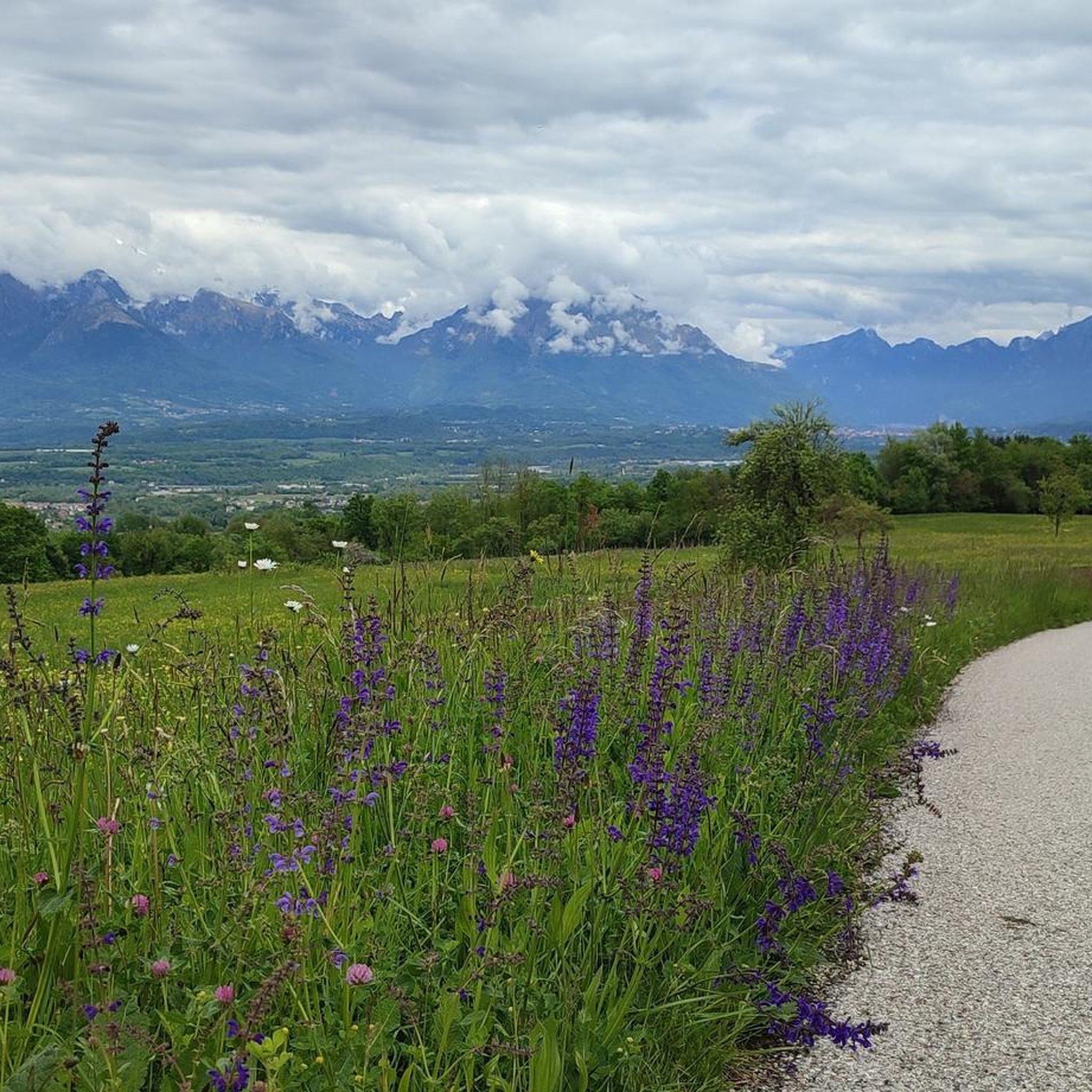
Yes, several castles and related sites provide stunning views. Castelbrando sits on a dolomitic limestone rock at 370m, overlooking Cison di Valmarino. The View of the Torri di Credazzo, located in the heart of the Prosecco Hills, offers scenic viewpoints of vineyards and the surrounding landscape.
Can I visit castles that were built on older ruins?
Absolutely. Villa Avogadro degli Azzoni is a prime example, built around the 17th century on the ruins of an ancient castle with three towers. This offers a unique perspective on the evolution of fortifications in the region.
Are there hiking trails near the castles around Mel?
Yes, the region around Mel offers various hiking opportunities. You can find mountain hikes and running trails that explore the natural beauty near these historical sites. For detailed routes and difficulties, explore the Mountain Hikes around Mel and Running Trails around Mel guides.
Are there cycling routes near the castles around Mel?
Yes, the area is suitable for cycling. Cison di Valmarino, near Castelbrando, is an excellent destination for mountain biking with routes through the Prosecco hills and woods. For more options, check out the Gravel biking around Mel guide.
What is the best time of year to visit the castles around Mel?
The region's castles can be enjoyed throughout the year. Spring and autumn offer pleasant temperatures for exploring both the historical sites and the surrounding natural landscapes. Summer is also popular, though it can be warmer. Some castles might have specific opening hours in winter, so it's advisable to check in advance.
Are there facilities like cafes or accommodation near the castles?
Yes, some castles offer facilities. Castelbrando, for instance, has been transformed into a 4-star hotel, museum, and theater, providing accommodation and dining options. The nearby village of Cison di Valmarino also offers amenities.
Are there family-friendly activities near the castles around Mel?
The picturesque village of Cison di Valmarino, dominated by Castelbrando, is considered family-friendly. The surrounding area offers easy walking routes and opportunities for outdoor exploration that can be enjoyed by families. Many of the nearby hiking and cycling routes also have varying difficulty levels, allowing families to choose suitable options.
Can I find dog-friendly trails around the castles near Mel?
While specific dog-friendly designations for castle interiors might vary, the numerous outdoor trails and routes around Mel are generally suitable for walks with dogs, provided they are kept on a leash and local regulations are followed. The natural landscapes surrounding the castles offer plenty of opportunities for dog owners to explore.
What do visitors appreciate most about the castles around Mel?
Visitors frequently appreciate the blend of historical significance and natural beauty. The castles offer insights into Roman and medieval periods, often standing on strategic elevations with breathtaking views. The komoot community has shared over 20 photos and given more than 40 upvotes, highlighting the visual appeal and historical depth of these sites.
Are there public transport options to reach the castles around Mel?
Specific public transport details for each castle are not readily available in the provided data. However, Castelbrando offers a unique cable car service from the village for visitors to reach the castle, which can be a convenient option if you can get to the base village.
Are any castles around Mel wheelchair accessible?
The provided information does not specify which castles, if any, are wheelchair accessible. Given the historical nature and often elevated positions of these fortifications, accessibility might be limited. It is recommended to check directly with individual castle sites for their specific accessibility provisions before planning a visit.
Most popular attractions around Mel

Get inspired with the komoot mobile app


Explore more
Looking for the best castles somewhere else? Discover other guides around Mel:
