Top 11 Castles around Cison Di Valmarino
Best castles around Cison Di Valmarino are found in a region known for its historical significance and natural beauty, situated in the Prosecco hills between Venice and the Dolomites. The area features castles with Roman origins and medieval fortifications, many of which have been transformed into noble residences. These historical sites offer insights into centuries of regional history and provide scenic views of the surrounding landscape. Cison di Valmarino itself is a picturesque destination, known for its craftsmanship and scenic…
Last updated: October 16, 2026
Castelbrando
Highlight • Castle
Translated by Google •
Tip by

Castrum di Serravalle
Highlight • Castle
Translated by Google •
Tip by

Sign up now to discover places like this
Get recommendations on the best single tracks, peaks, & plenty of other exciting outdoor places.
View from the Arch of the Bishop's Castle
Highlight • Castle
Translated by Google •
Tip by

Ruins of Turris Nigra (Black Tower)
Highlight • Historical Site
Translated by Google •
Tip by

Cison di Valmarino
Highlight • Settlement
Translated by Google •
Tip by

Sign up for free to discover even more castles around Cison Di Valmarino.
Already have an account?
Start today with a free account
Your next adventure awaits.
Popular around Cison Di Valmarino
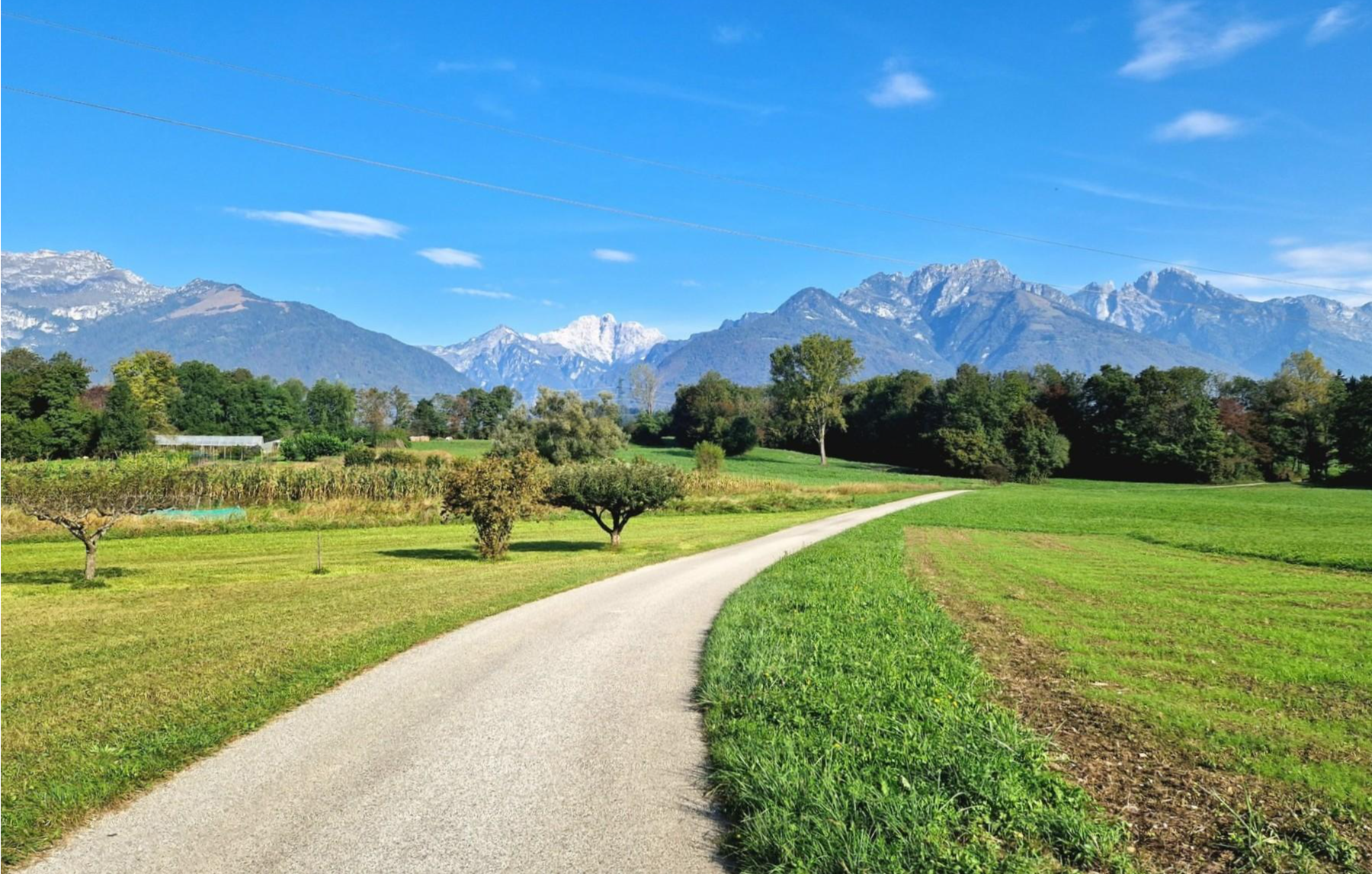
Veneto and Trentino by bike – between the Lagoon and the Dolomites
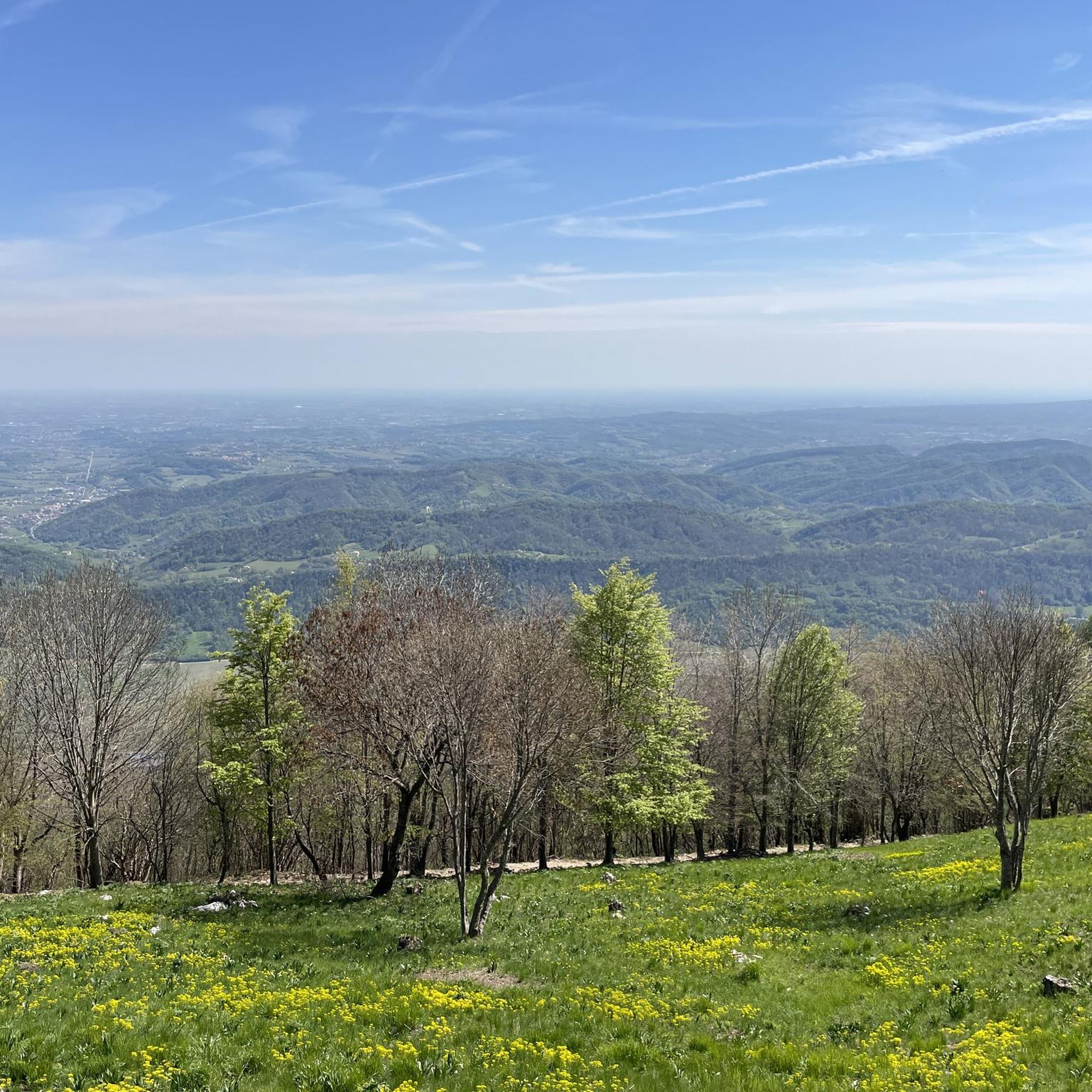
Hiking around Cison Di Valmarino
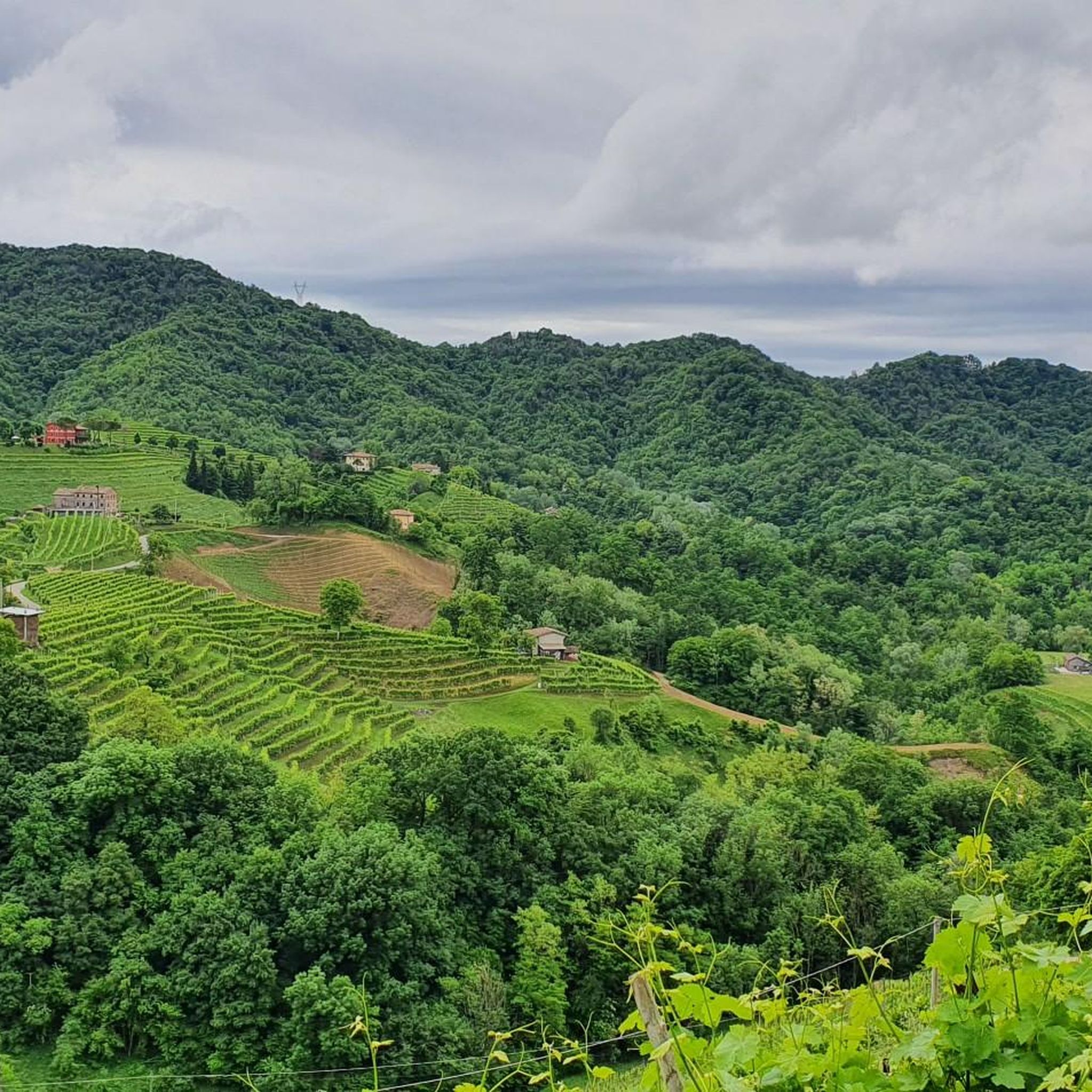
MTB Trails around Cison Di Valmarino
Road Cycling Routes around Cison Di Valmarino
Running Trails around Cison Di Valmarino
Cycling around Cison Di Valmarino

Gravel biking around Cison Di Valmarino

Mountain Hikes around Cison Di Valmarino
Other adventures around Cison Di Valmarino

Tips from the Community

Climbing up the steep path from the parking lot.
0
0

The Castle of San Martino can be reached by a steep climb from Ceneda https://www.magicoveneto.it/trevisan/vittorioveneto/Ceneda_CastelloSanMartino.htm
0
0

This arch is part of the walls of the Castle of San Martino, also known as the "Bishop's Castle". Originally built for defensive purposes, the castle became over time the official residence of the bishops of Ceneda. Perched on a hill, it dominates the valley below with its tower and historic walls, offering a suggestive panoramic view of the surroundings.
0
0
The picturesque village of Cison di Valmarino, dominated by the imposing Castelbrando, is an excellent destination for mountain biking, with routes immersed in the Prosecco hills and lush woods. The itineraries offer challenging climbs and technical descents, with passages through ancient paths and historic mule tracks. The Via dell’Acqua route and the tracks towards Monte Cesen offer breathtaking views and complete immersion in nature.
0
0

Castelbrando, a grand medieval castle, sits on a dolomitic limestone rock at an altitude of 370m above sea level, overlooking the villages of Cison di Valmarino and Valmareno. The name is due to the Brandolini family from Forlì, who were the lords of the castle. The castle was originally built in Roman times to protect the Via Claudia Augusta, which connected the Po valley to Rhaetia (modern Austria). The original castrum from 46 AD is still visible. A recent archaeological dig has uncovered a bread oven and the original Roman baths, as well as the original pipes of the aqueduct that supplied water from three nearby natural springs. These springs still provide water for the castle. Later the fortress became an important defensive position against barbarian invasions. During the 13th century the castle was significantly enlarged and the imposing battlements and central tower were added. The castle was awarded by the Republic of Venice to the condottieri Giovanni Brandolino and Erasmo da Narni, better known as "Gattamelata". After the fall of the Venetian Republic it became the property of the Brandolini Counts. In 1700 the castle was expanded with the southern part and the castle chapel, the church of San Martino. During World War I, the castle was invaded by Imperial Austrian troops and used as a military hospital. After 10 years of restoration work, the castle was reopened as a residence in 1929. In 1959, the castle was sold by the Brandolini family to the Salesian Fathers, who used it as a monastery and as a center for spiritual studies. In 1997, CastelBrando was purchased by Quaternary Investments SpA, who transformed it into a 4-star hotel, museum and theater. Visitors can take the cable car to the castle from the village.
1
0

Ruins of an ancient pentagonal tower from the 5th-6th centuries: the Turris Nigra (Black Tower) was the pinnacle of a fortification built on the slopes of Mercatone Hill to control and defend the strategic passage of Serravalle and the Lapisina Valley. Tradition attributes the foundation of the castle and tower to a Gothic tyrant, King Manducco or Matrucco. Manducco's daughter was the future Saint Augusta, martyred by her father when he discovered her conversion to Christianity, whom he persecuted. https://wiki.liceoflaminio.edu.it/index.php?title=Turris_nigra https://www.undicigradi.com/serravalle.htm
2
0

simple track between the castle and the town
0
0

stairways to reach the bishop's castle
0
0
Frequently Asked Questions
What are some notable castles to visit in the Cison di Valmarino area?
The region features several significant castles. CastelBrando is a grand medieval castle with Roman origins, now operating as a 4-star hotel, museum, and theater. Another prominent site is San Salvatore Castle, which evolved from a defensive fortress into a luxurious noble residence. You can also explore the Ruins of Turris Nigra (Black Tower), an ancient pentagonal tower that once defended the strategic passage of Serravalle.
What historical significance do the castles in Cison di Valmarino hold?
The castles in this area, such as CastelBrando, boast a rich history dating back to Roman times, with foundational structures from 46 AD still visible. They served as crucial defensive fortresses protecting communication lines and later transformed into stately palaces under various noble families, reflecting centuries of regional power shifts and architectural evolution. Many were significant during the Venetian domination.
What architectural styles can I expect to see among the castles?
The castles showcase a blend of architectural styles reflecting their long history. You'll find Roman origins and medieval fortifications, which were later transformed into refined noble residences in the style of Venetian villas, particularly between the 16th and 18th centuries. This evolution from defensive structures to elegant palaces is a key characteristic of the region's castles.
How long does a typical visit to a castle like CastelBrando take?
A visit to CastelBrando can vary depending on your interests. As it functions as a museum with six dedicated routes, a hotel, and a theater, you could easily spend several hours exploring its history, architecture, and enjoying the views. If you opt for a more comprehensive experience, including the wellness center or dining, it could extend to a full day.
Are there family-friendly options among the castles?
Yes, castles like CastelBrando offer museum routes dedicated to various aspects of history, including weapons, clothing, and court life, which can be engaging for families. The scenic location and the funicular railway ride to the castle can also add to a family-friendly experience. Exploring the grounds and imagining medieval life can be an exciting activity for children.
Are there dining options or cafes near the castles?
CastelBrando itself operates as a 4-star hotel and likely offers dining facilities within its complex. Additionally, the village of Cison di Valmarino, where CastelBrando is situated, is a picturesque destination with local cafes and restaurants where you can enjoy regional cuisine.
Is CastelBrando accessible for visitors with mobility concerns?
CastelBrando is conveniently accessible via a funicular railway from the village, which helps with its elevated position. While the historical nature of the castle might present some challenges within certain areas, the funicular provides a good starting point for accessibility.
What outdoor activities can I do near the castles in Cison di Valmarino?
The area around Cison di Valmarino offers various outdoor activities. You can find numerous routes for cycling, gravel biking, and running. For example, there are cycling routes like the 'Among Vineyards and Ancient Abbeys – Loop from Cison di Valmarino' and gravel biking options such as the 'Isola dei Morti Memorial loop'. Running trails like the 'Gevero Trail' are also available. For more details on these activities, refer to the Cison Di Valmarino guide pages.
Are there scenic viewpoints near the castles?
Yes, many castles in the region are strategically located on elevated positions, offering breathtaking views. For instance, CastelBrando is perched 370 meters above sea level, providing panoramic vistas of the surrounding Prosecco hills and the villages below. San Salvatore Castle also offers splendid views of the plain.
Can I bring my dog to the areas around the castles?
While specific castle interiors or hotel areas might have restrictions, the natural paths and outdoor areas around the castles, such as the 'Via dell'Acqua' path in Cison di Valmarino, are generally suitable for walks with dogs. It's always advisable to check individual castle policies regarding pets before visiting.
What is the best time of year to visit the castles in Cison di Valmarino?
The Prosecco hills region, where Cison di Valmarino is located, is beautiful throughout the year. Spring and autumn offer pleasant temperatures for exploring both the castles and the surrounding natural landscape, with vibrant greenery or autumn colors. Summer can be warm but is also a popular time for visitors. Winter visits are possible, offering a different, often quieter, experience.
Can I visit the castles during winter?
Yes, you can visit the castles during winter. While the weather will be cooler, it can offer a unique and less crowded experience. CastelBrando, for example, operates as a hotel and museum year-round. It's recommended to check specific opening hours and any seasonal adjustments for individual castles before your visit.
Most popular routes around Cison Di Valmarino
Most popular attractions around Cison Di Valmarino

Get inspired with the komoot mobile app


Explore more
Looking for the best castles somewhere else? Discover other guides around Cison Di Valmarino:
