Top 5 Caves around Follina
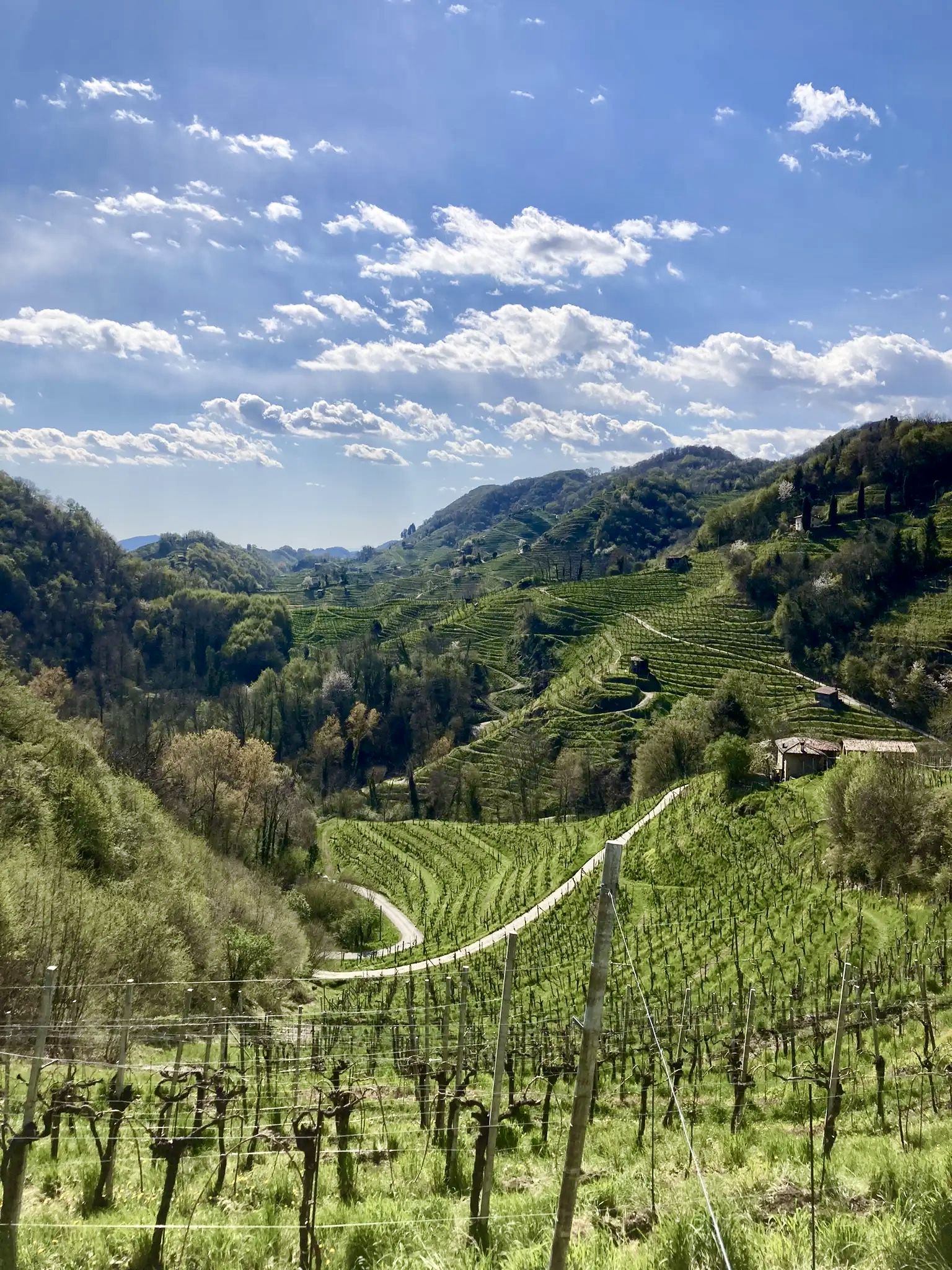
Best caves around Follina are located in a region of Italy known for its natural beauty and diverse landscapes. Situated in the Treviso province, the area surrounding Follina features numerous underground formations. These include natural karst caves and historical sites. The region offers a variety of geological features for exploration.
Best caves around Follina
- The most popular caves is Tavaran Grando Cave, a cave of karst origin. It is approximately 400 meters long and is considered easily accessible via…
Last updated: May 18, 2026
Blue Grotto of Mel
Highlight • Cave
Translated by Google •
Tip by

Tavaran Grando Cave
Highlight • Cave
Translated by Google •
Tip by

Sign up now to discover places like this
Get recommendations on the best single tracks, peaks, & plenty of other exciting outdoor places.
Sign up for free
Landrel Cave
Highlight • Cave
Translated by Google •
Tip by
Grotta dei Contrabbandieri
Highlight • Cave
Translated by Google •
Tip by

Landro dei Fontanei
Highlight • Cave
Translated by Google •
Tip by
Start today with a free account
Your next adventure awaits.
Login or Signup



Tips from the Community

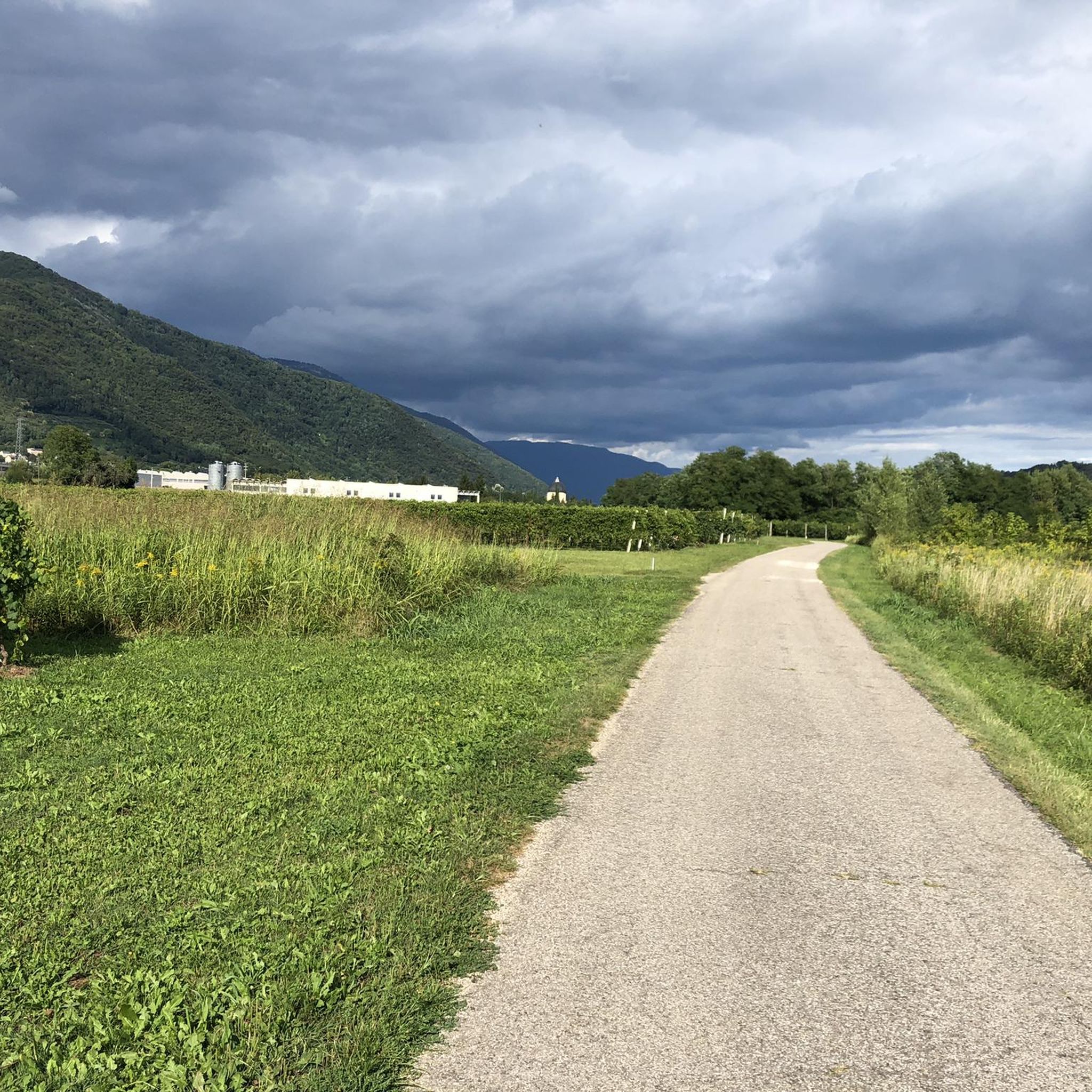
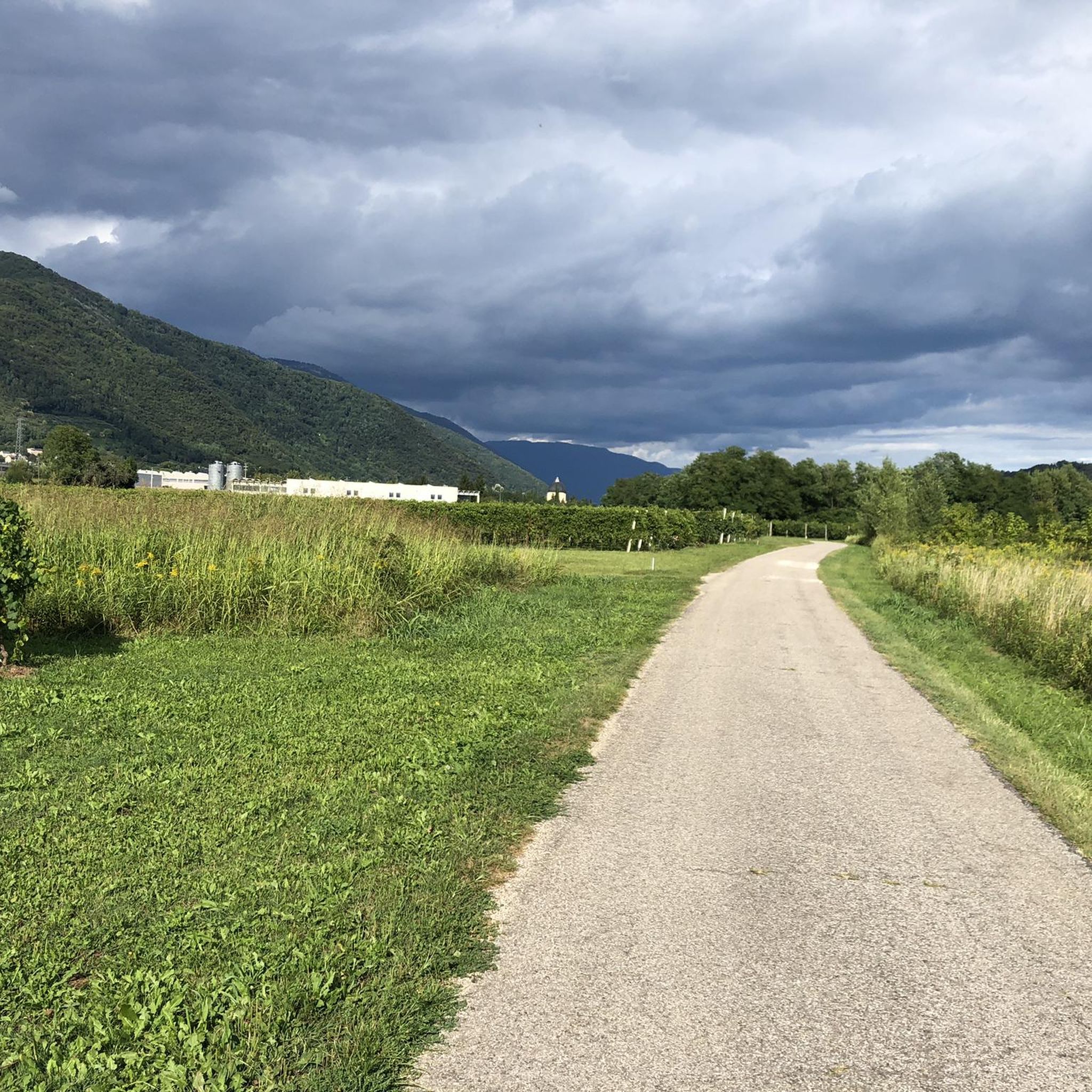
Purely a push-along stretch, and the pedestrian bridge collapsed in front of it. It would probably be better to take a wide detour.
0
0

Blue Grotto of Mel It is an arch carved into the rock with a waterfall that flows into clear natural basins and then continues the path giving rise to the Rui stream. Zumelle Castle, an ancient fortification that dominates the Piave Valley. The start of the route is near the Zumelle castle. It is the only castle in Val Belluna that survived the destruction by the Serenissima in the 1400s to ensure total control of the territory
0
1

Natural cave particularly interesting due to the green/blue color assumed by the waters of the stream that crosses it
1
0

Natural spectacle, a color that is indescribable and leaves you speechless
1
0
Suggestive cave with blue/green water fed by a small waterfall whose waterfall can be admired from the end of the path
2
0

Small natural ravine, hidden in the vegetation, located along the path called "Giro dei Fontanei"
1
0

Beautiful place but the path that leads to the cave is not very simple!
3
0

Frequently Asked Questions
What kind of geological features can I expect in the caves around Follina?
The caves in the Follina region are predominantly of karst origin, meaning they are formed by the dissolution of soluble rocks like limestone. You can expect to see various formations such as stalactites, stalagmites, and impressive calcareous curtains, particularly in caves like the Grotta del Ciclamino. Some caves also feature gorges and sections carved by water, like the Caglieron Caves.
Are there family-friendly caves to visit near Follina?
Yes, the Tavaran Grando Cave is considered easily accessible for many. The Caglieron Caves in Fregona are also known for their 'fairy-tale atmosphere' and are suitable for family outings, though visitors should wear non-slip shoes due to potentially slippery surfaces and note that it's not recommended for strollers or individuals with walking difficulties.
What are some of the more challenging caves to explore?
For those seeking a more challenging experience, the Grotta dei Contrabbandieri is described as having difficult access, partly due to a collapsed pedestrian bridge requiring a wide detour. The Landro dei Fontanei is another challenging natural ravine hidden in vegetation.
What historical or cultural significance do some of the caves hold?
The Landrel Cave has strong religious and legendary significance, with numerous objects adorning its walls and an ancient legend about a Madonna statue. The Tavaran Grando Cave can be reached via the First World War Bunker route, connecting it to historical events. The Caglieron Caves also have a history of 'piera dolza' (soft stone) quarrying dating back to the 1500s, creating artificial chambers alongside natural formations.
What should I wear or bring when visiting caves in the Follina area?
For caves like the Grotta del Ciclamino, specialized guides recommend appropriate footwear such as trekking shoes and a raincoat due to potential dripping water. For the Caglieron Caves, non-slip shoes are essential as parts can be slippery. Generally, comfortable clothing suitable for varying temperatures and a headlamp or flashlight are advisable for exploring underground environments.
Are there any caves that are also scientific research sites?
Yes, the Grotta del Ciclamino in Cison di Valmarino serves as a scientific research site. Studies conducted there focus on climate, rock corrosion, bio-speleology, and bat populations, highlighting its ecological importance.
Can I find caves with water features or waterfalls near Follina?
The Blue Grotto offers a beautiful itinerary with an easy walk that can sometimes be slippery due to sections on the riverbed. The Caglieron Caves are carved by the Caglieron creek and feature gorges and falling water drops, creating a unique environment.
What outdoor activities can I do near the caves around Follina?
The region around Follina offers a variety of outdoor activities. You can find numerous hiking trails, including challenging routes like the Col De Moi Loop Trail or moderate ones like the Claudia Augusta Altinate. For cyclists, there are road cycling routes such as the Passo San Boldo and Piave River loop. Running trails are also available, like the Malga Mont – Monte Crep Summit loop. You can explore more options on the Hiking around Follina, Road Cycling Routes around Follina, and Running Trails around Follina guide pages.
Are there any caves near Follina known for unique local products?
The Caglieron Caves in Fregona are unique in that some sections are used for aging cheeses. This practice imparts distinct flavors to the cheeses, adding a local culinary dimension to the cave experience.
Is it possible to visit the Grotta del Ciclamino?
The Grotta del Ciclamino is generally accessible with specialized guides from the CAI (Italian Alpine Club). An annual event on April 25th, 'Bosco incantato sulle vie dell'acqua,' aims to introduce visitors to the cave and its unique ecosystem.
What do visitors enjoy most about the caves around Follina?
Visitors frequently appreciate the natural beauty and unique geological formations. The Blue Grotto is often described as a 'spectacle of nature' and a 'wonderful place.' The Landrel Cave is valued for its picturesque landscape and spiritual atmosphere. The ease of access for some caves, like the Tavaran Grando, also makes them popular for quick trips.
Most popular routes around Follina
Most popular attractions around Follina

Get inspired with the komoot mobile app


Explore more
Extend your search for the best caves by checking out these guides of the top ones around Follina:
