Top 7 Castles around Borgoricco
Best castles around Borgoricco are found in the wider region, offering a glimpse into the area's rich fortified architectural history. While Borgoricco itself is known for its Roman heritage and historical sites like the Roman Centuriation, the surrounding Province of Padua and nearby areas feature several notable castles. These historical structures provide insights into medieval grandeur and strategic architecture. Exploring these castles offers a historical dimension to any visit to the region.
Best castles around Borgoricco
- The most popular castles…
Last updated: June 30, 2026
Stigliano Castle
Highlight • Castle
Over the centuries the complex passed through the hands of various owners. …
Translated by Google •
Tip by

Tempesta Fortress, Noale
Highlight • Castle
Tip by

Sign up now to discover places like this
Get recommendations on the best single tracks, peaks, & plenty of other exciting outdoor places.
Sign up for free
Noale Bell Tower
Highlight • Monument
Translated by Google •
Tip by
Rocca di Noale
Highlight • Castle
Showing Translation
Tip by

Tiso Palace and La Rocca Civic Tower
Highlight • Castle
The building dates …
Translated by Google •
Tip by

Sign up for free to discover even more castles around Borgoricco.
Sign up for free
Already have an account?
Start today with a free account
Your next adventure awaits.
Login or Signup

Tips from the Community

La Rocca dei Tempesta is the monumental heart of Noale and one of the most fascinating medieval defensive structures in the Veneto region. Built in the 12th century at the behest of the Tempesta family, the fortress stood on a strategic area, protected by an ingenious system of moats fed by the waters of the Marzenego river. The imposing brick structure, of which today the majestic perimeter walls and corner towers remain, preserves the intact charm of a lowland castle. Although the interior is now a suggestive green meadow used for historical re-enactments such as the Palio, the remains still allow us to read the original layout of the noble residence. The Rocca represents a symbol of power and resistance, offering a unique setting where nature intertwines harmoniously with ancient medieval vestiges.
0
0
La Rocca di Noale is an imposing medieval fortification that represents one of the most significant examples of military architecture in the Venetian plain. Originally built in the 12th century by the Tempesta family, lords of Noale, the structure was originally surrounded by wide moats fed by the waters of the Marzenego river, which guaranteed its impregnability. Today, its mighty brick ruins, with their characteristic battlements and traces of ancient towers, create a evocative and timeless atmosphere. The interior space, transformed into a charming public garden, often hosts historical and cultural events. The Rocca remains the heart of the town's identity, testifying to the strategic role the village played as a defensive outpost between the powers of Padua and Treviso.
0
0
The Bell Tower of Noale, also known as the Tower of the Bells or the Trevigiana Tower, is one of the most imposing symbols of the ancient medieval village. Approximately 43 meters high, it originally served as a fortified entrance gate for those coming from Treviso, integrating into the defensive system of the Tempesta family. The exposed brick structure is topped by a bell cell and an octagonal drum housing the clock, an element that dominates the city skyline. Located at the edge of Piazza Castello, the tower not only marks the time for the community but represents a visible link to the city's military and civil past, harmonizing perfectly with the nearby Rocca and the frescoed palaces of the center, testifying to the historical importance of Noale.
0
0

The medieval fortress of Stigliano was first mentioned in 1152 as a feudal property of the Bishop of Treviso. However, its origins may date back to Roman times due to its location in the "graticolato" area. In 1158, it was entrusted to the Tempesta family of Noale and then to the Teutonic Knight Aldobrandino da Superno. Built in a strategic position, alongside the Muson dei Sassi stream, it marked the border between the territories of Padua and Treviso. Therefore, it was the scene of numerous brutal battles until the end of the fourteenth century. It was here, however, that the disputes between the Carraresi and the Serenissima Republic of Venice began. It was the Venetians who finally conquered it in 1520, when it was sold to the Priuli family, who transformed it into a typical Venetian villa of the time. The entire complex then became the property of the Venier family, who further renovated it. Today, only the northeast corner tower remains of the original castle.
1
0

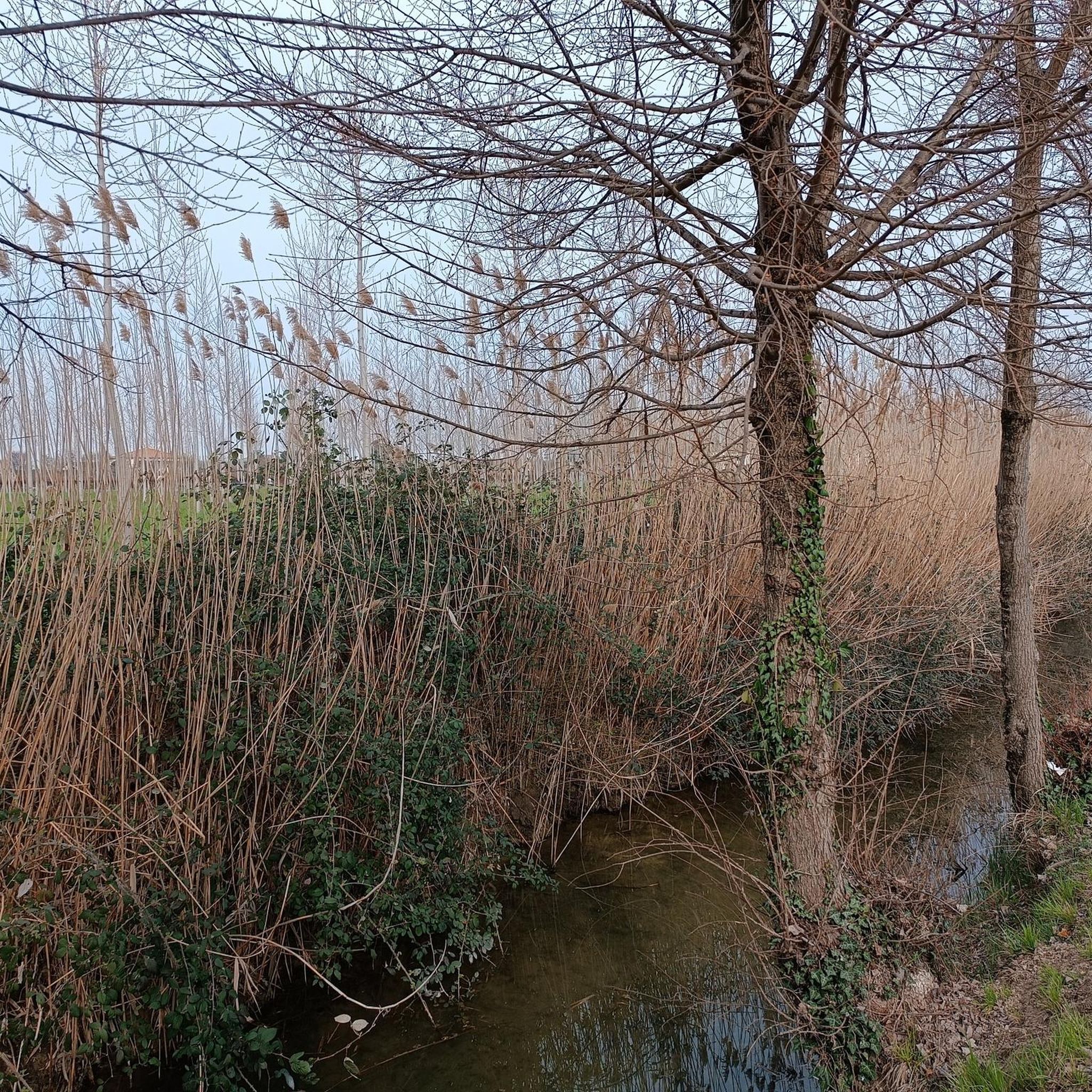
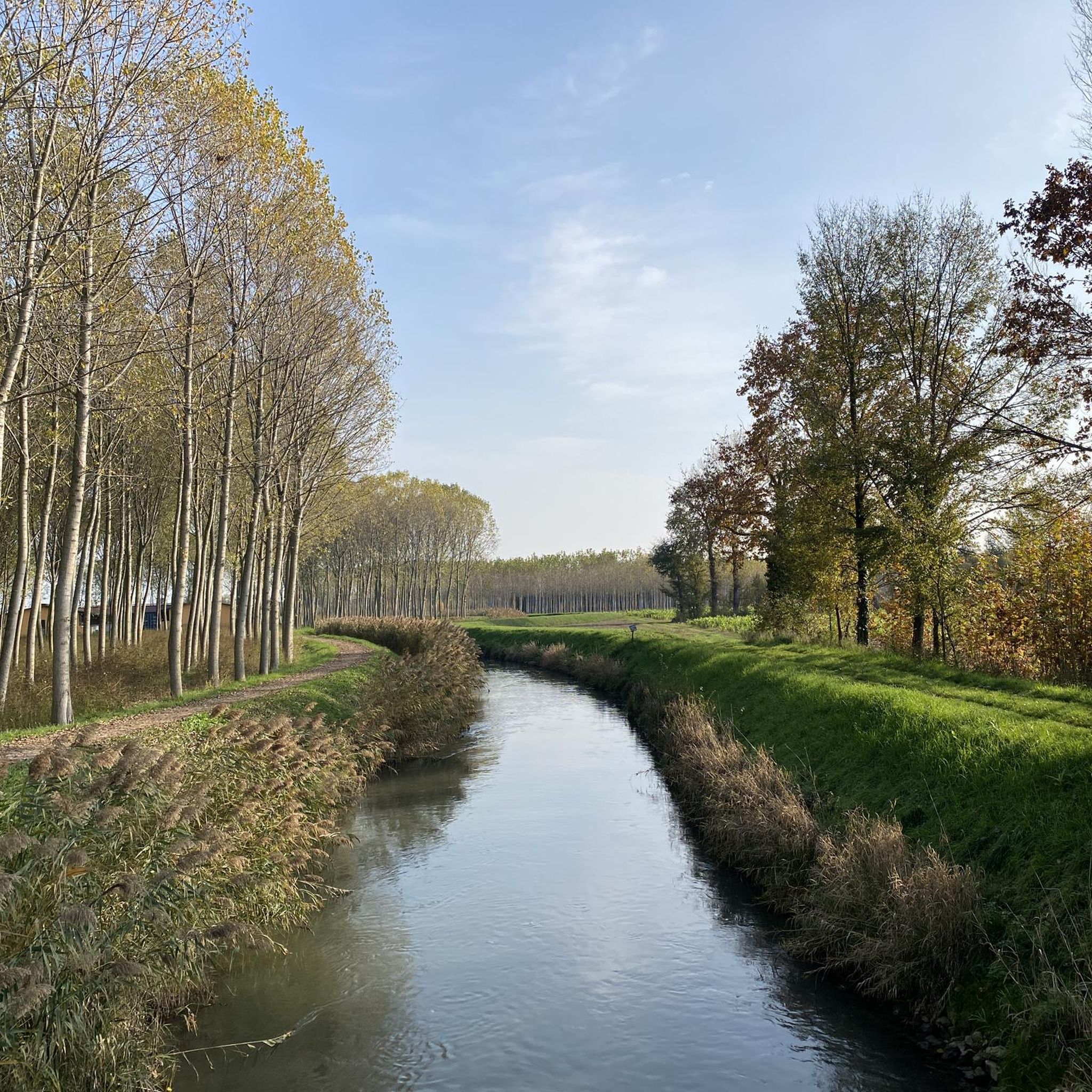
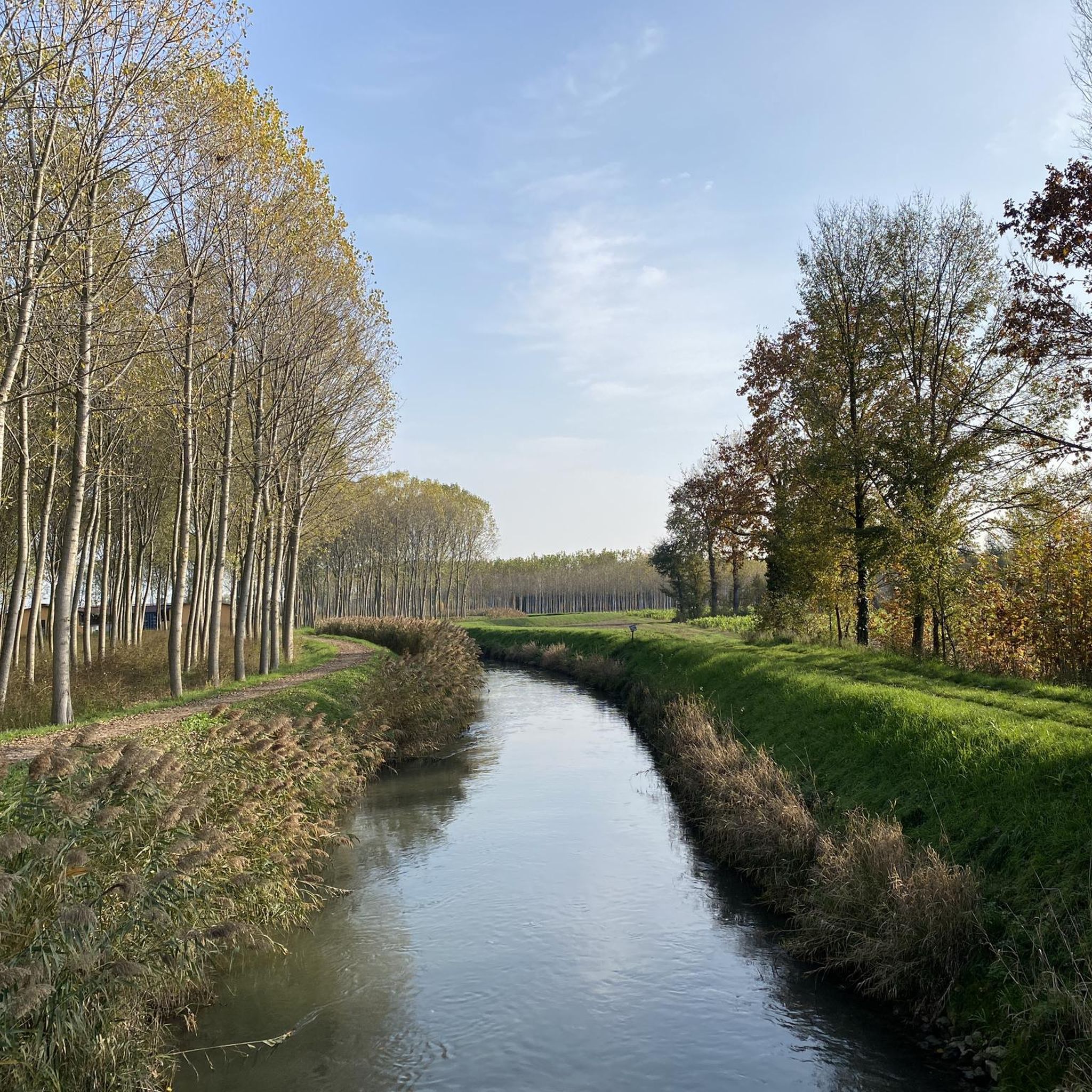
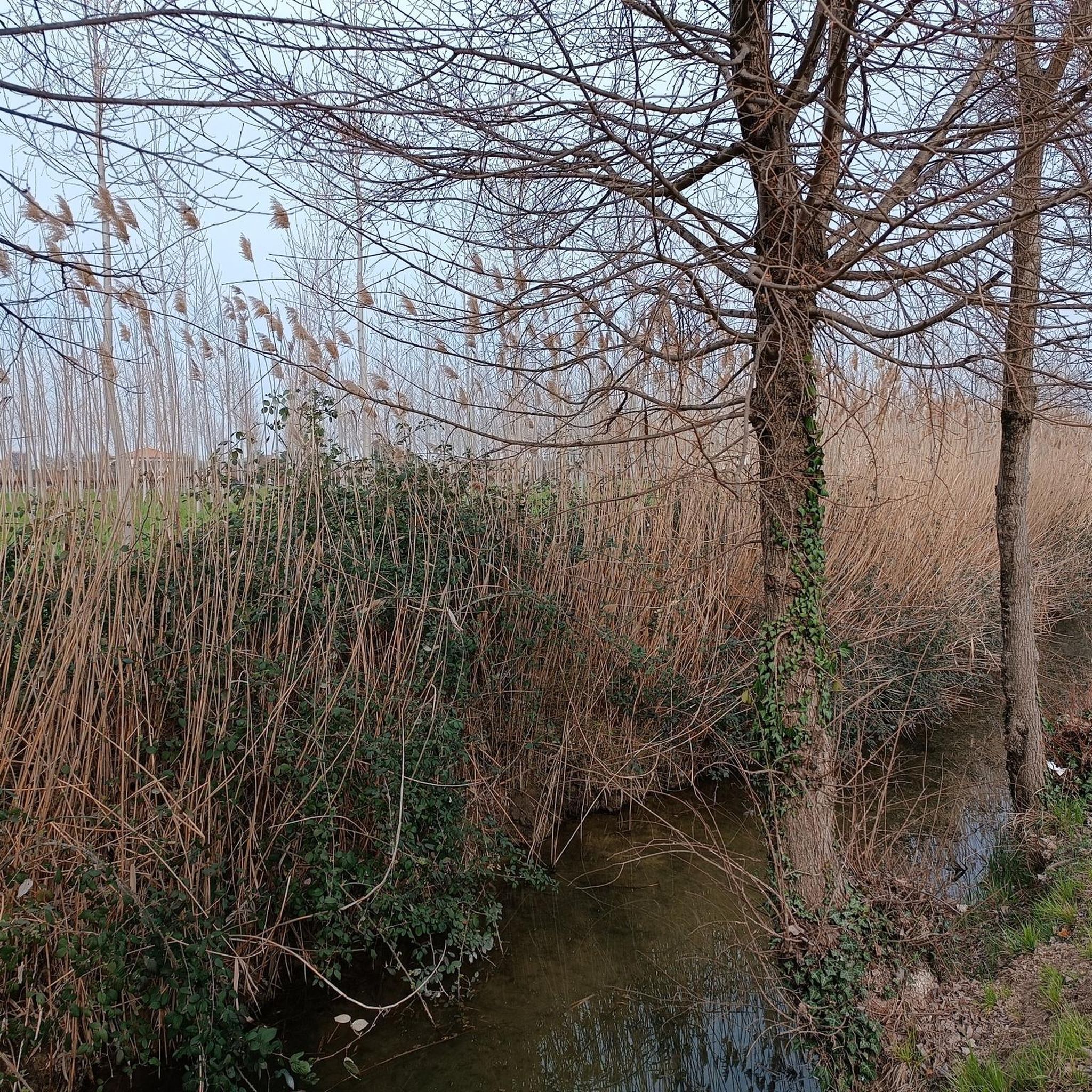
Wonderful historic 12th century tower of the Rocca dei Tempesta.
1
0

The tower west of the city.
1
0
The origins of the castle date back to Roman times, when the building was used as a fortification. Over the centuries the complex passed through the hands of various owners. In 1152 to the bishop of Treviso, from 1158 the Tempesta family were vassals and in January 1220, Count Guido ceded the rights to Aldevrandino da Superno. Built in a strategic position, on the border between the territories of Treviso and Padua, it was the scene of numerous battles. Conquered definitively by the Venetians in the seventeenth century, the complex passed to the Venier family who carried out renovations. After a long period of abandonment, recently, thanks to the renovation work by Paolo Bertan, the building has undergone further adaptations to be adapted into an accommodation facility https://www.villeveneteforyou.com/castelli/castello-di-stigliano/
2
0

Rocca dei Tempesta in Noale, a formidable presence in the Venetian landscape, whispers tales of medieval grandeur and strategic prowess. Perched proudly in the heart of Noale, this fortress is a living testament to the historical tapestry of the region. Constructed in the 12th century, the Rocca bears witness to the ebb and flow of centuries, embodying the resilience of bygone eras. Its imposing towers and sturdy walls served both as a noble residence and a defensive stronghold, playing a vital role in the intricate dance of power and politics.
2
0
Frequently Asked Questions
What kind of castles can I explore near Borgoricco?
While Borgoricco itself is known for its Roman heritage, the surrounding region offers a variety of historical fortified structures. You can find medieval fortresses like Tempesta Fortress in Noale, castles with Roman origins such as Stigliano Castle, and transformed stately palaces like Tiso Palace and La Rocca Civic Tower. These sites reflect centuries of regional history and architectural evolution.
Are there any family-friendly castles to visit near Borgoricco?
Yes, several castles in the area are suitable for families. Stigliano Castle, Tempesta Fortress in Noale, and Tiso Palace and La Rocca Civic Tower are all categorized as family-friendly, offering an engaging historical experience for all ages.
What is the historical significance of castles in this region?
The castles around Borgoricco, such as Stigliano Castle and Tempesta Fortress in Noale, played crucial roles as defensive strongholds and noble residences. Their strategic locations, often on borders between territories like Treviso and Padua, made them sites of numerous battles and power struggles throughout the medieval period, reflecting the region's complex history.
How long does it typically take to visit a castle near Borgoricco?
The duration of a visit can vary depending on the castle and your interest. For sites like Tempesta Fortress in Noale or Tiso Palace and La Rocca Civic Tower, you might spend 1-2 hours exploring the grounds and any accessible interiors. Larger complexes like the Castle of Monselice could warrant a half-day visit to fully appreciate their various sections and historical exhibits.
Are there any hidden gem castles or lesser-known historical sites worth visiting?
While not a 'hidden gem' in the sense of being unknown, the Stigliano Castle, with its Roman origins and transformation into a stately palace, offers a unique blend of history. Beyond the castles, Borgoricco itself is rich in history, known for its Roman Centuriation and sites like the Museum of the Roman Centuriation, which provide a different historical perspective.
What outdoor activities can I combine with a castle visit near Borgoricco?
The area around Borgoricco offers various outdoor activities. You can find numerous cycling routes, including options for touring bicycles and gravel biking, such as those detailed in the Cycling around Borgoricco guide and the Gravel biking around Borgoricco guide. There are also hiking trails, like those found in the Hiking around Borgoricco guide, which can lead you through scenic landscapes and past historical points of interest.
What is the best time of year to visit castles around Borgoricco?
Spring and autumn generally offer the most pleasant weather for exploring castles and the surrounding areas, with mild temperatures and fewer crowds. Summer can be warm, but still enjoyable, especially if you plan visits for the morning or late afternoon. Winter visits are possible, but some sites might have reduced hours, and the weather can be cooler and potentially rainy.
Can I reach these castles using public transport from Borgoricco?
While Borgoricco itself is a smaller town, public transport options like local buses connect it to larger centers such as Padua and Camposampiero. From these hubs, you may find further connections to towns hosting castles like Noale (for Tempesta Fortress) or Monselice. However, direct public transport to all castle entrances might be limited, and checking local bus schedules in advance is recommended.
Are there any castles near Borgoricco that offer parking facilities?
Most major historical sites and castles in the region, including those mentioned like Stigliano Castle and Tempesta Fortress in Noale, typically have designated parking areas nearby or within walking distance, especially in the towns where they are located. It's advisable to check specific castle websites for detailed parking information before your visit.
What do visitors enjoy most about the castles around Borgoricco?
Visitors appreciate the rich historical insights and architectural beauty of the castles. The komoot community has shared 44 photos and given 125 upvotes, highlighting the visual appeal and historical significance of these sites. Many enjoy exploring the well-preserved structures and imagining the past lives within their walls, often noting the strategic importance and transformation of these buildings over centuries.
Are there other significant historical sites near Borgoricco besides castles?
Yes, Borgoricco itself is rich in history beyond castles. It is particularly known for its Roman heritage, including the impressive Roman Centuriation, an ancient land division system. Other notable historical sites include the Museum of the Roman Centuriation, the churches of San Leonardo and San Nicolò, and Villa Bressanin, offering a broader historical context to the region.
What is the Castle of Monselice and how does it compare to other castles in the area?
The Castle of Monselice, also known as Cini Castle, is a majestic complex that evolved from a medieval dwelling into a Venetian villa. It stands out for its extensive transformation over centuries, featuring elements like the 11th-century 'Little Castle' and the Romanesque House with period furnishings. It offers a more comprehensive experience of architectural evolution compared to some of the more purely defensive fortresses in the region.
Most popular routes around Borgoricco
Most popular attractions around Borgoricco

Get inspired with the komoot mobile app


Explore more
Looking for the best castles somewhere else? Discover other guides around Borgoricco:
