Top 6 Castles around Trebaseleghe
Best castles around Trebaseleghe are found within the broader region of Padua and the Euganean Hills. This area is rich in historical sites, offering insights into medieval history and architecture. While Trebaseleghe itself does not feature prominent castles, the surrounding towns provide several notable examples. The region also offers picturesque landscapes and opportunities for outdoor exploration.
Best castles around Trebaseleghe
- The most popular castles is Stigliano Castle, a castle whose origins date back to Roman times as a fortification.…
Last updated: October 3, 2026
Stigliano Castle
Highlight • Castle
Over the centuries the complex passed through the hands of various owners. …
Translated by Google •
Tip by

Tempesta Fortress, Noale
Highlight • Castle
Showing Translation
Tip by

Sign up now to discover places like this
Get recommendations on the best single tracks, peaks, & plenty of other exciting outdoor places.
Noale Bell Tower
Highlight • Monument
Translated by Google •
Tip by
Historic Center of Noale
Highlight • Historical Site
Showing Translation
Tip by

Noale
Highlight • Castle
The fortress is presumed to date back to the 12th century and was the residence of the Tempesta, Lords of Noale.
Translated by Google •
Tip by

Sign up for free to discover even more castles around Trebaseleghe.
Already have an account?
Start today with a free account
Your next adventure awaits.
Tips from the Community

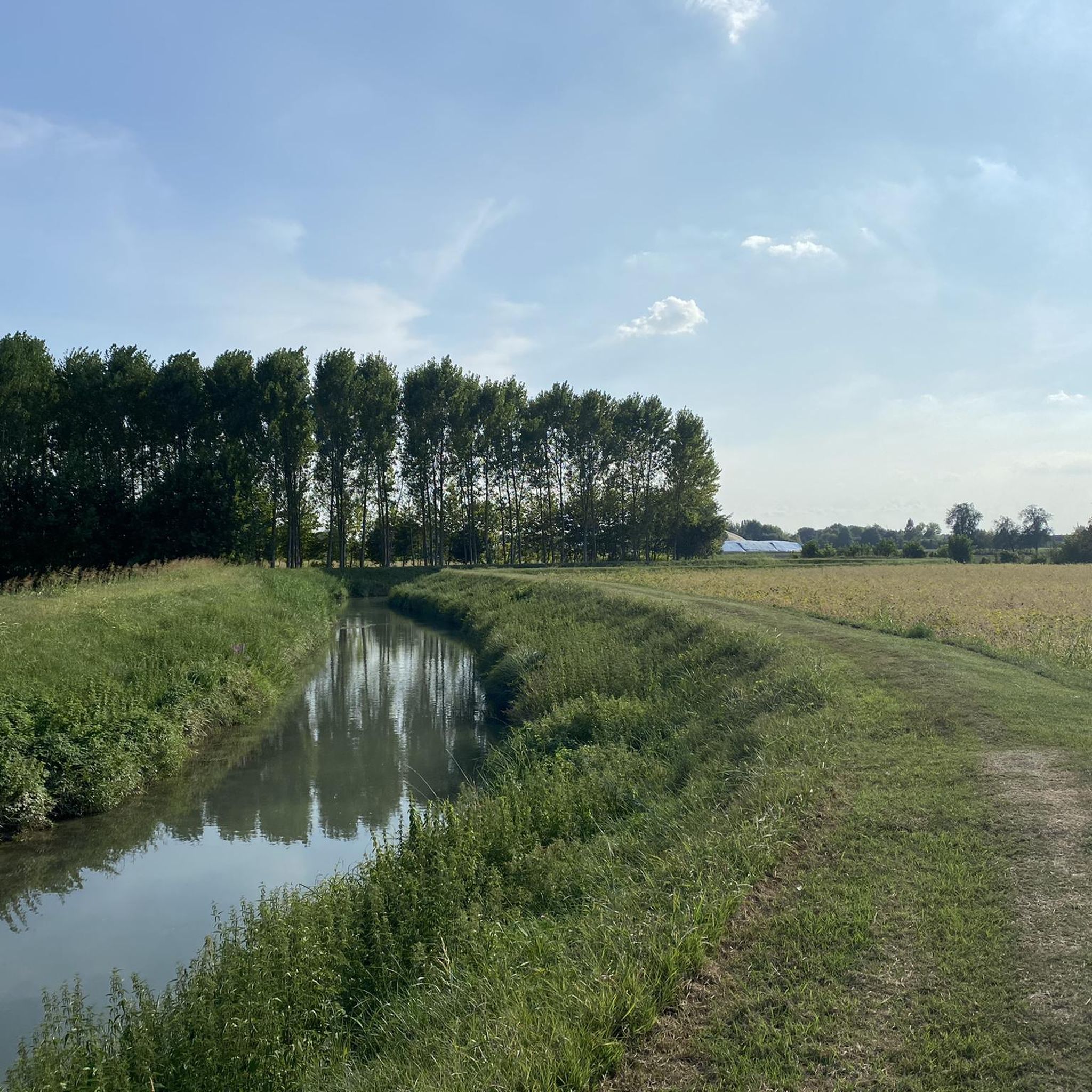
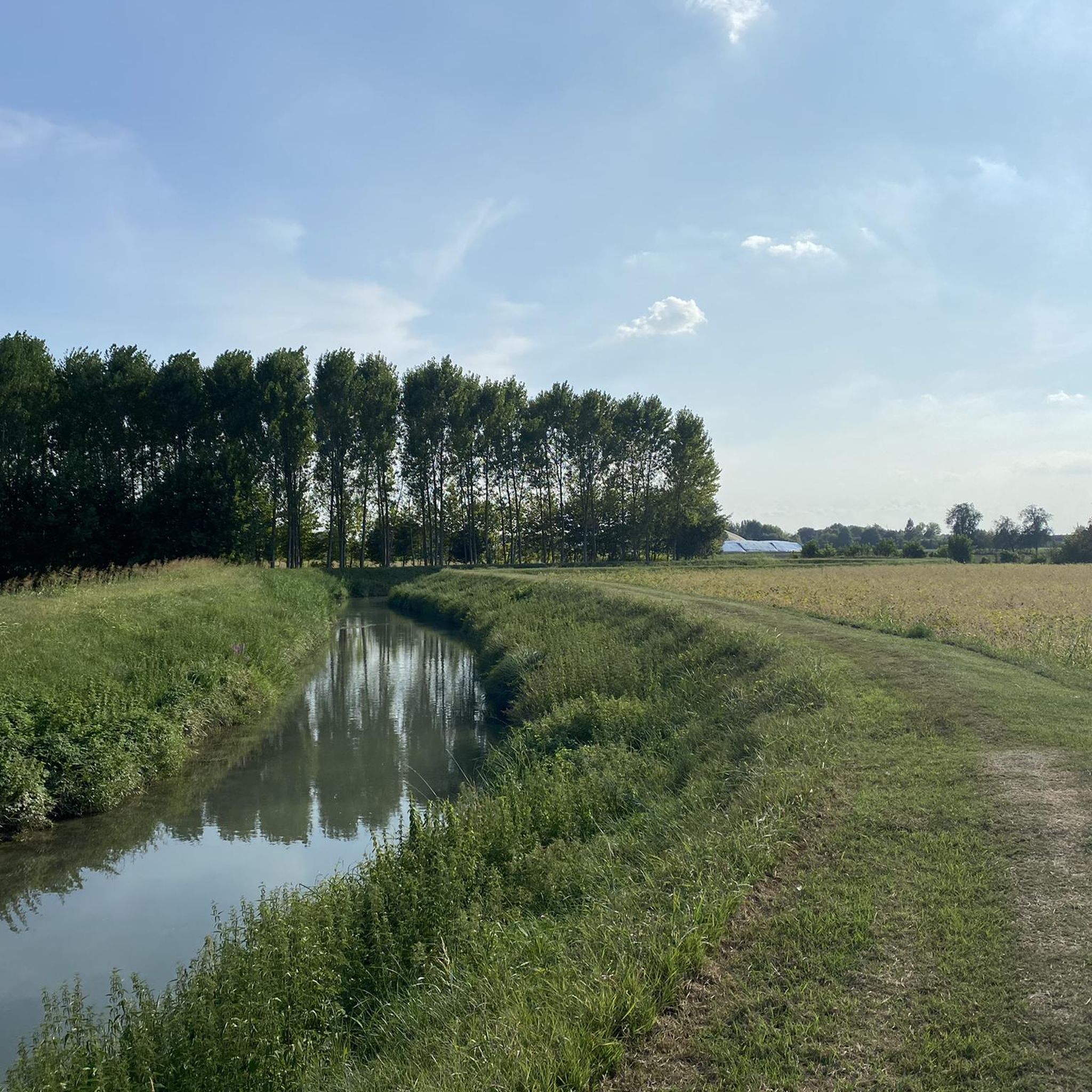
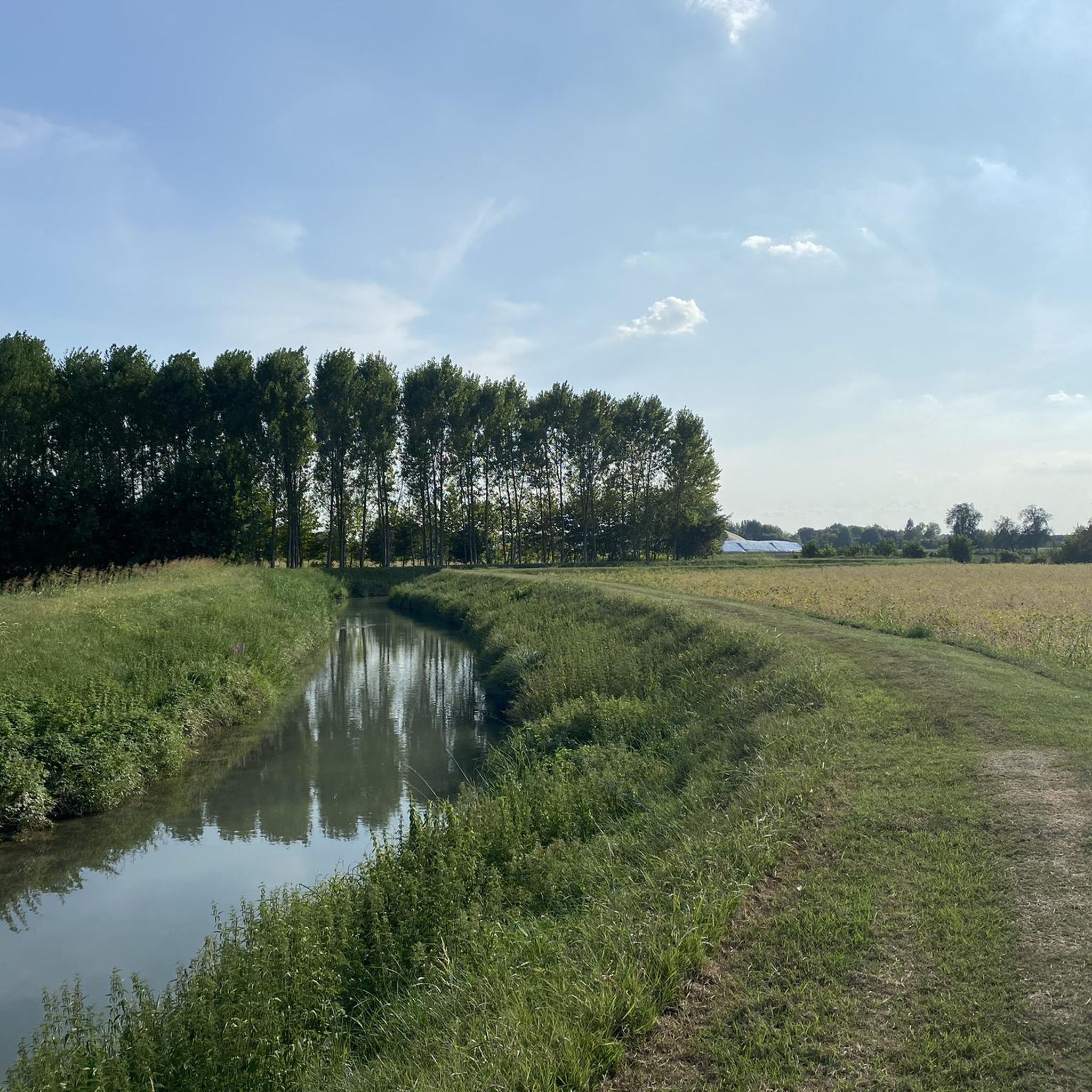
The historic center of Noale preserves the charm of an ancient fortified village, dominated by the remains of the Rocca dei Tempesta and surrounded by the waters of the Marzenego river. Strolling through the streets of the center, you will encounter historic buildings, arcades, and views of the waterway, in a landscape where medieval history intertwines with the daily life of the town.
1
0

La Rocca dei Tempesta is the monumental heart of Noale and one of the most fascinating medieval defensive structures in the Veneto. Built in the 12th century at the behest of the Tempesta family, the fortress stood on a strategic area, protected by an ingenious system of moats fed by the waters of the Marzenego river. The imposing brick structure, of which the majestic perimeter walls and corner towers remain today, retains the charm of a lowland castle. Although the interior is now a suggestive green meadow used for historical re-enactments such as the Palio, the remains still allow us to read the original layout of the noble residence. The Rocca represents a symbol of power and resistance, offering a unique setting where nature intertwines harmoniously with ancient medieval vestiges.
1
0
The Bell Tower of Noale, also known as the Tower of the Bells or the Trevigiana Tower, is one of the most imposing symbols of the ancient medieval village. Approximately 43 meters high, it originally served as a fortified entrance gate for those coming from Treviso, integrating into the defensive system of the Tempesta family. The exposed brick structure is topped by a bell cell and an octagonal drum housing the clock, an element that dominates the city skyline. Located at the edge of Piazza Castello, the tower not only marks the time for the community but represents a visible link to the city's military and civil past, harmonizing perfectly with the nearby Rocca and the frescoed palaces of the center, testifying to the historical importance of Noale.
0
0


The medieval fortress of Stigliano was first mentioned in 1152 as a feudal property of the Bishop of Treviso. However, its origins may date back to Roman times due to its location in the "graticolato" area. In 1158, it was entrusted to the Tempesta family of Noale and then to the Teutonic Knight Aldobrandino da Superno. Built in a strategic position, alongside the Muson dei Sassi stream, it marked the border between the territories of Padua and Treviso. Therefore, it was the scene of numerous brutal battles until the end of the fourteenth century. It was here, however, that the disputes between the Carraresi and the Serenissima Republic of Venice began. It was the Venetians who finally conquered it in 1520, when it was sold to the Priuli family, who transformed it into a typical Venetian villa of the time. The entire complex then became the property of the Venier family, who further renovated it. Today, only the northeast corner tower remains of the original castle.
1
0

Wonderful historic 12th century tower of the Rocca dei Tempesta.
1
0

The tower west of the city.
1
0
The origins of the castle date back to Roman times, when the building was used as a fortification. Over the centuries the complex passed through the hands of various owners. In 1152 to the bishop of Treviso, from 1158 the Tempesta family were vassals and in January 1220, Count Guido ceded the rights to Aldevrandino da Superno. Built in a strategic position, on the border between the territories of Treviso and Padua, it was the scene of numerous battles. Conquered definitively by the Venetians in the seventeenth century, the complex passed to the Venier family who carried out renovations. After a long period of abandonment, recently, thanks to the renovation work by Paolo Bertan, the building has undergone further adaptations to be adapted into an accommodation facility https://www.villeveneteforyou.com/castelli/castello-di-stigliano/
2
0
Frequently Asked Questions
Which castles are most popular around Trebaseleghe?
While Trebaseleghe itself doesn't have prominent castles, the surrounding region offers several notable historical sites. Popular choices include Stigliano Castle, known for its Roman origins and transformation into a Venetian villa, and Tempesta Fortress, Noale, a significant medieval defensive stronghold. Another interesting site is Tiso Palace and La Rocca Civic Tower, which was once a feudal residence.
Are there family-friendly castles to visit near Trebaseleghe?
Yes, several castles in the area are suitable for families. Stigliano Castle and Tempesta Fortress, Noale are both categorized as family-friendly. Tiso Palace and La Rocca Civic Tower also welcomes families, offering a glimpse into medieval history.
What kind of historical significance do the castles around Trebaseleghe hold?
The castles in this region are rich in history, reflecting various periods from Roman fortifications to medieval strongholds and Venetian villas. For example, Stigliano Castle has Roman origins and was a strategic site for many battles. Tempesta Fortress, Noale, built in the 12th century, served as both a noble residence and a vital defensive structure. The broader Euganean Hills region also features sites like Castello Cini in Monselice, showcasing architectural styles from the 11th to the 16th centuries.
What outdoor activities can I do near these castles?
The area around Trebaseleghe and its castles offers various outdoor activities. You can explore running trails, enjoy gravel biking routes, or go cycling through the picturesque landscapes. Many routes pass by historical sites and offer opportunities to experience the natural beauty of the Euganean Hills.
Are there any castles with unique features or museums nearby?
Yes, San Pelagio Castle and Flight Museum, located near Montegrotto Terme, is a unique option. It was once home to the Zamora Counts and Gabriele D'Annunzio, and now houses a flight museum with models, photos, and vintage films, including actual helicopters and planes. Guided tours are available to explore the rooms where D'Annunzio stayed.
What is the best time of year to visit the castles in this region?
The Euganean Hills region, where many of these castles are located, is generally pleasant to visit in spring (April-May) and autumn (September-October) when the weather is mild and the landscapes are particularly beautiful. Summer can be warm, but still enjoyable, especially for early morning or late afternoon visits.
How can I get to the castles using public transport?
Public transport options vary by castle. For example, Monselice, home to Castello Cini and Rocca di Monselice, is accessible by train. For other castles like San Pelagio or San Martino della Vaneza, it's advisable to check local bus schedules or consider a combination of public transport and short taxi rides from nearby towns. Planning ahead is recommended.
Are there any castles that offer accommodation or dining options?
Stigliano Castle, for instance, has undergone renovations to be adapted into an accommodation facility and also features a restaurant, offering a unique opportunity to stay within a historical setting.
What other historical sites are there in the broader region besides castles?
Beyond castles, the region offers other significant historical sites. Trebaseleghe itself features the ancient Church of Santa Maria Assunta and the Civic Museum of Roman Centuriations and Upper Padovana, which displays archaeological finds from the Roman era. The Euganean Hills are dotted with medieval villages and other historical monuments.
Can I find cafes, pubs, or accommodation near the castles?
Yes, towns surrounding the castles, such as Noale, Monselice, and Montegrotto Terme, offer various cafes, pubs, and accommodation options. For example, Noale, home to Tempesta Fortress, has many bars and restaurants. It's recommended to check specific locations for options closest to your chosen castle.
Are there any specific cycling routes that pass by castles?
Yes, the region has several cycling routes. For instance, the 'Historic Center of Noale – Todari Mill loop' is a moderate gravel biking route that passes through Noale, where you can see the Tempesta Fortress. You can find more options in the gravel biking guide and cycling guide for the Trebaseleghe area.
What makes Castello Cini in Monselice a notable visit?
Castello Cini in Monselice is an impressive architectural complex that evolved from a defensive tower to a luxurious residence, incorporating styles from the 11th to the 16th centuries. It features the Romanesque House, the Castelletto, and the imposing Torre Ezzeliniana, ordered by Ezzelino III da Romano. Monselice also boasts the Mastio Federiciano, or Rocca di Monselice, a trachyte structure built for defensive purposes by Emperor Frederick II.
Most popular routes around Trebaseleghe
Most popular attractions around Trebaseleghe

Get inspired with the komoot mobile app


Explore more
Looking for the best castles somewhere else? Discover other guides around Trebaseleghe:
