Top 8 Castles around Due Carrare
Best castles around Due Carrare are primarily found within the Euganean Hills, a volcanic area known for its thermal springs and historical sites. The region features a mix of medieval defensive structures and elegant villas that evolved from earlier fortifications. These historical landmarks are often surrounded by natural landscapes, offering opportunities for exploration. The area's rich history includes periods of Venetian influence and significant events from the 20th century.
Best castles around Due Carrare
- The most popular castles is San…
Last updated: June 30, 2026
Monselice Castle
Highlight • Castle
Tip by

San Pelagio Castle and Museum of Flight
Highlight • Castle
Translated by Google •
Tip by

Sign up now to discover places like this
Get recommendations on the best single tracks, peaks, & plenty of other exciting outdoor places.
Sign up for free
Ezzelino House
Highlight • Historical Site
The original manufacture appears to date from the 12th century.
Translated by Google •
Tip by

Castello di Lispida
Highlight • Castle
Translated by Google •
Tip by

Villa Emo
Highlight • Historical Site
Translated by Google •
Tip by

Sign up for free to discover even more castles around Due Carrare.
Sign up for free
Already have an account?
Start today with a free account
Your next adventure awaits.
Login or Signup

Tips from the Community

Monselice Castle is a complex of buildings composed of four main nuclei, plus a fortress, all built and renovated between the 11th and 16th centuries. The oldest part, on the right as you enter the main doorway into the Corte Grande, is the Castelletto, with the adjoining Romanesque house, built between the 11th and 12th centuries. On the left stands the massive 13th-century Ezzelino Tower. In the center, Palazzo Marcello was built in the 15th century as a connecting nucleus between the two existing buildings. At the top of the hill stands a fortress built by Ezzelino III da Romano on the orders of Emperor Frederick II of Swabia. Finally, the castle library, located on the large esplanade in front of the Ezzelino Tower, was created in a pre-existing building from the late 16th century.
3
0

A little off the beaten track lies this mansion, brimming with mementos of glorious Italian aviators. You wouldn't expect this in the middle of an old mansion. A little quirky, but charming, and worth a detour on the way to Ferrera!
1
0


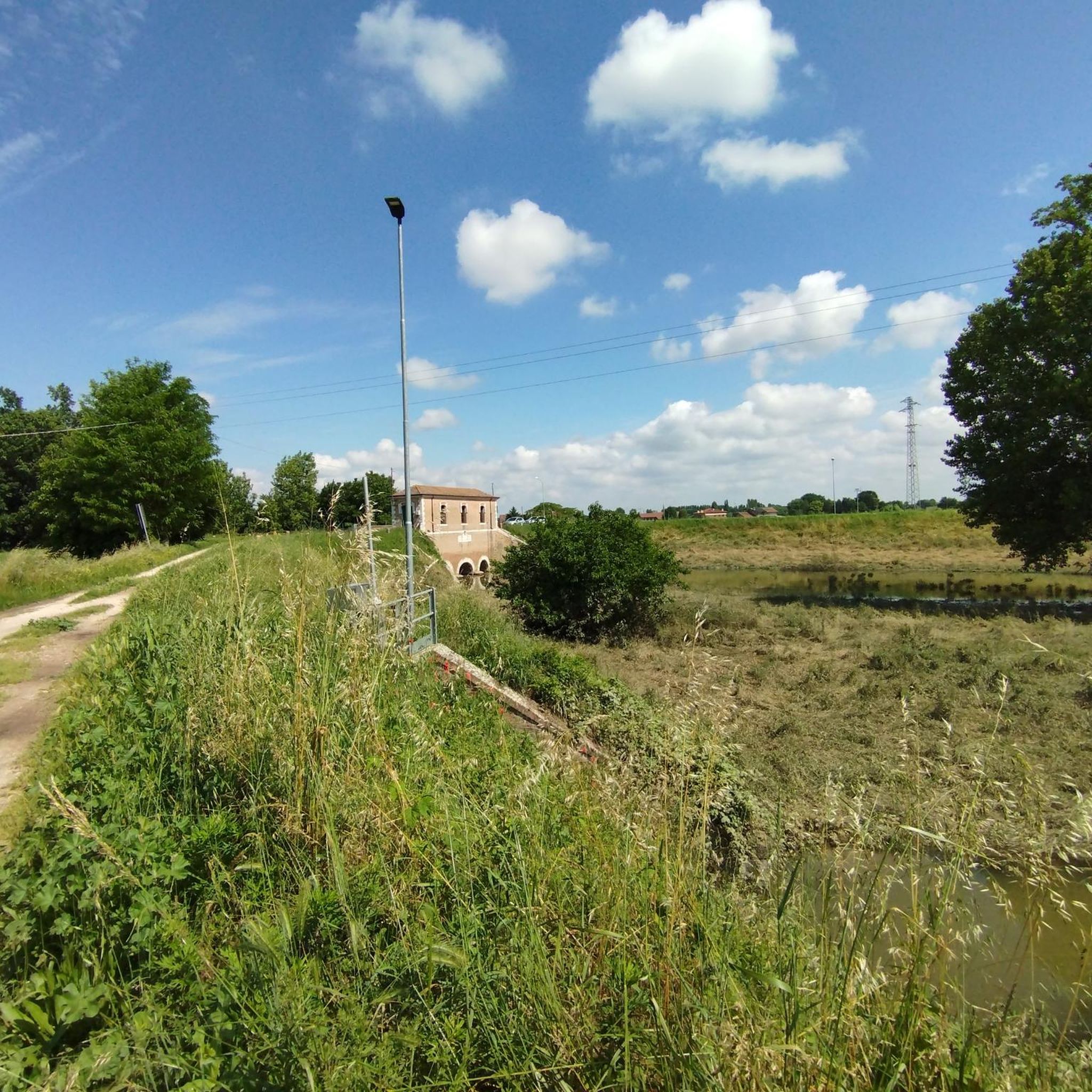
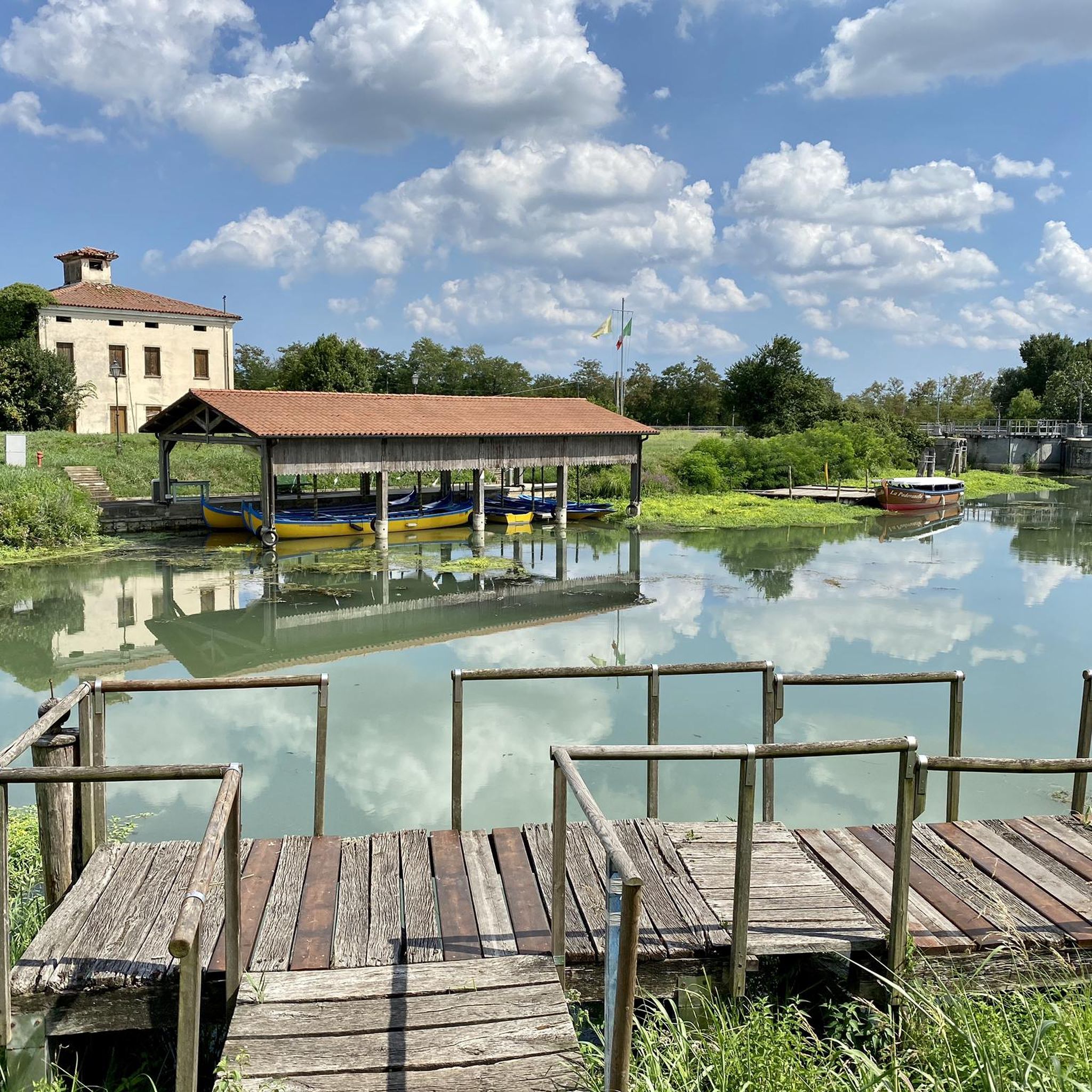
Fascinating dirt road near Monselice, beautiful view of the castle (which is not freely accessible)
2
0

One of the palaces built by Ezzelino III, known as the Terrible, witness to medieval Padua. The original manufacture appears to date from the 12th century. Ezzelino Palace The architectural image seems to have been largely configured around the 13th century, due to the similarities with the municipal buildings of the same period, clearly visible for example in the shapes of the stained glass windows on the upper floor. The house, surmounted by an elegant 15th-century Nanto stone coat of arms, was affected by fire in 1760, from 1794 to 1873 the rooms above the vault were reduced to a theater hall. On the facade of the building to the right of the Volto della Malvasia, a plaque with a bronze medallion was barbarically hung here in 1944 in memory of Flavio Busonera, member of the resistance. The palace is currently a private building and cannot be visited internally. Source: https://www.padovanet.it/informazione/palazzo-di-ezzelino
7
0

The complex which stands at the foot of the hill of the same name is also known by the name of "Villa Italia" for having hosted King Vittorio Emanuele III. https://www.collieuganei.it/castelli/castello-di-lispida/
1
0

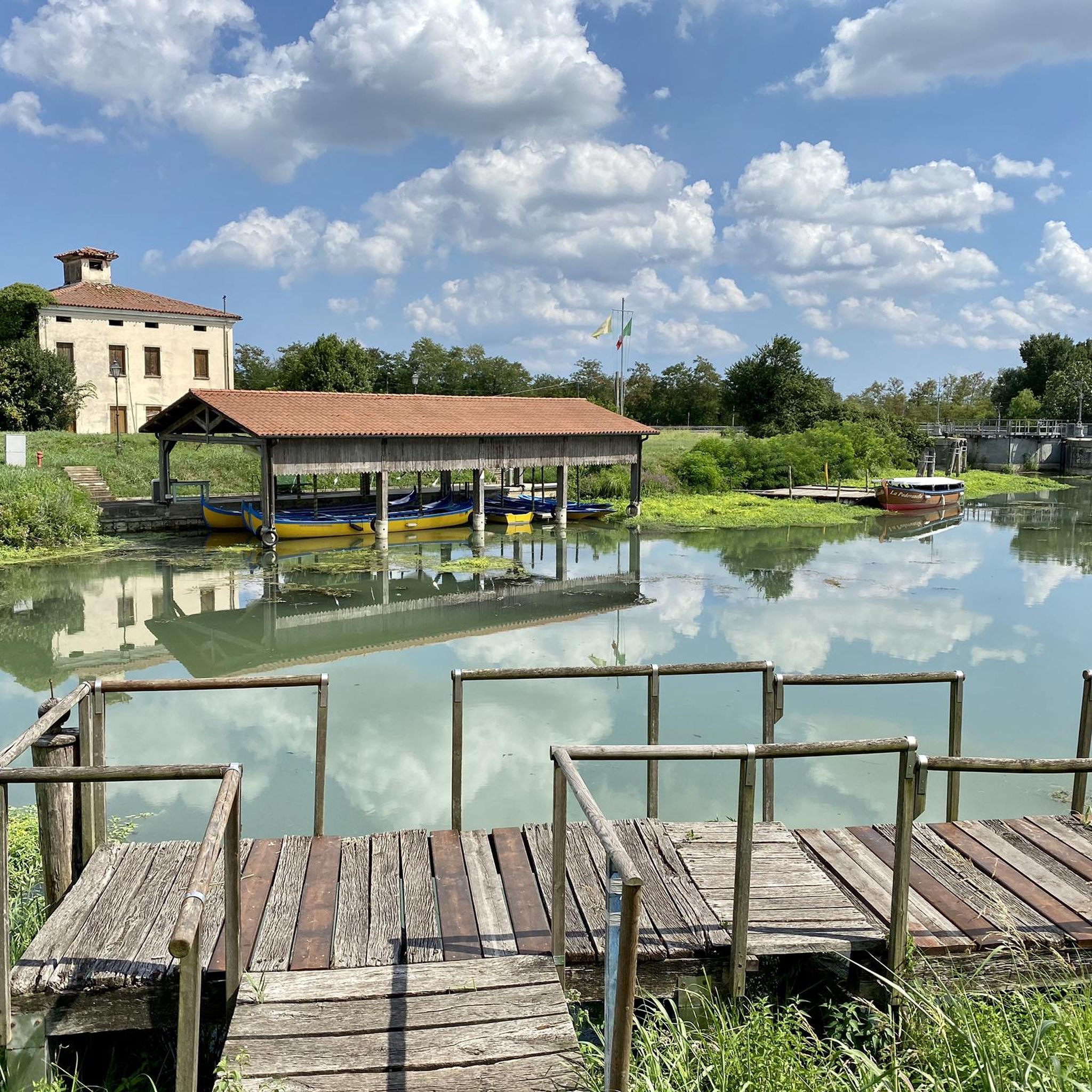
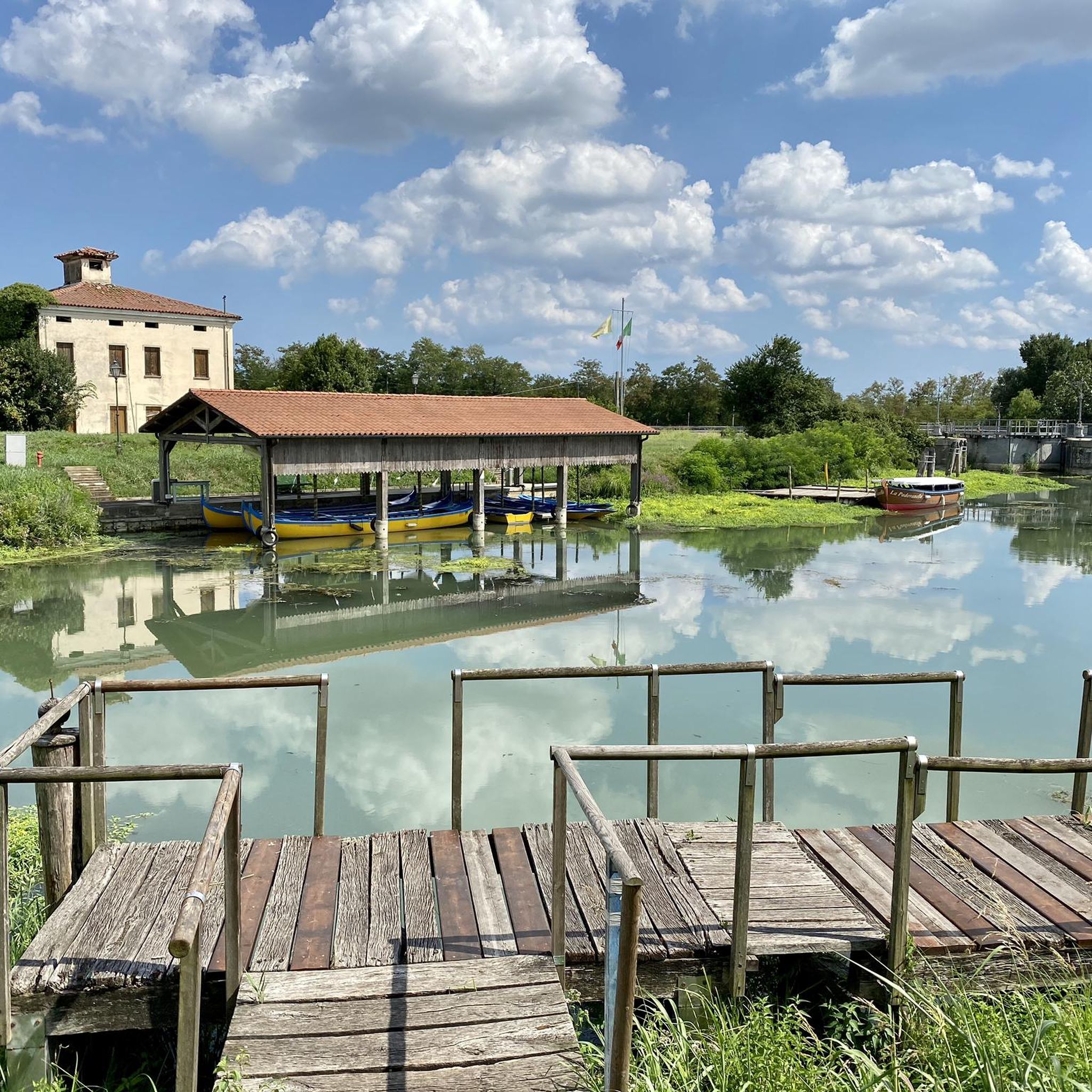
A typical Italian small town. Fits the holiday mood.
4
0

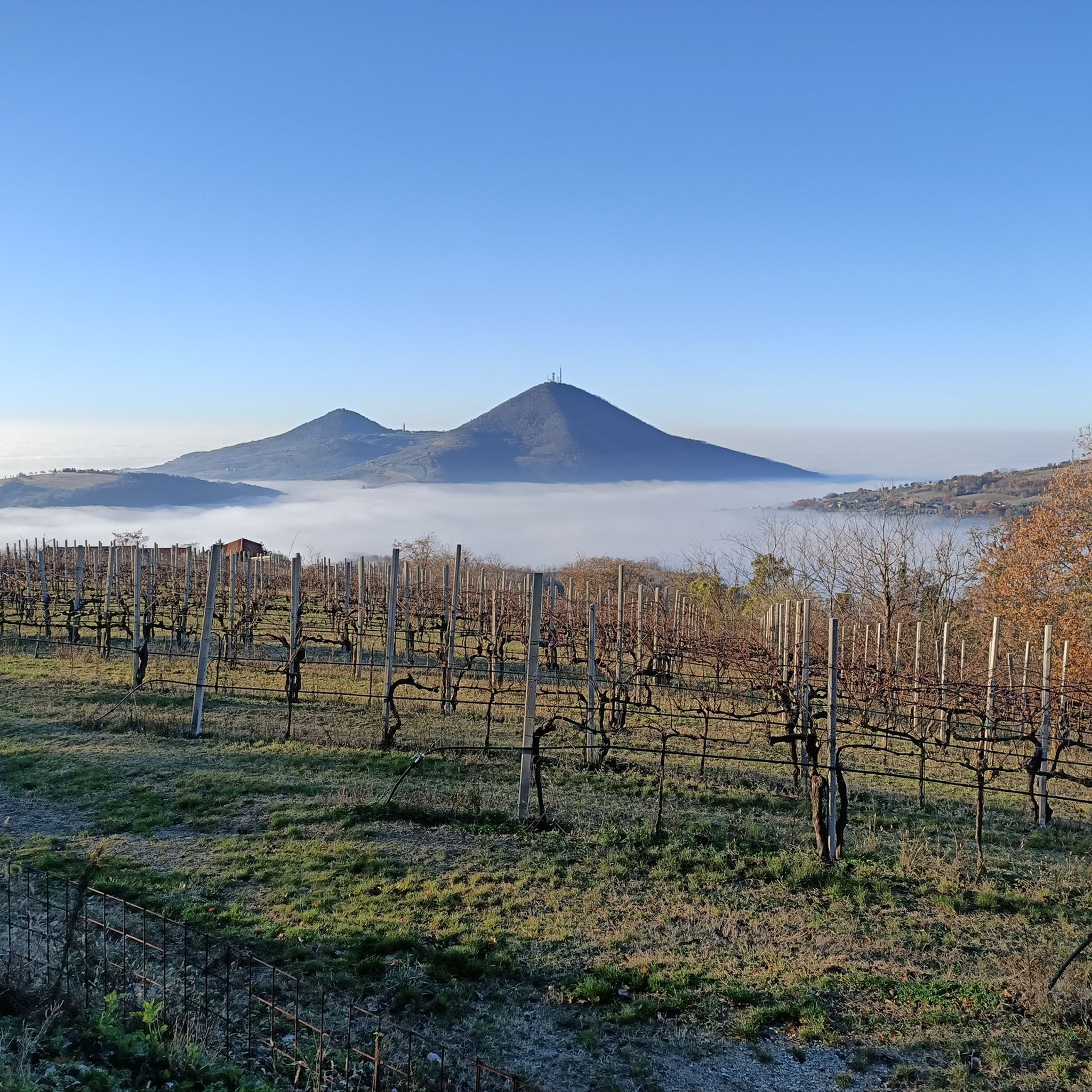
Simply fantastic The view from Calaone is very beautiful
3
0
Frequently Asked Questions
What are the main historical sites to explore around Due Carrare?
The primary historical site is San Pelagio Castle and Museum of Flight, known for its aviation history and elegant gardens. Other notable sites include Castello di Lispida, also called "Villa Italia," and Villa Emo, which is conveniently located on a cycle path. While Ezzelino House is a significant medieval structure, it is a private building and cannot be visited internally.
What makes San Pelagio Castle unique among the castles in the region?
San Pelagio Castle, more accurately a villa with a medieval defensive tower, is unique for its comprehensive Museum of Flight. It houses a vast collection of artifacts tracing human flight and is famously where Gabriele D'Annunzio launched his "Flight over Vienna" during WWI. The castle also features romantic gardens with Icarus and D'Annunzio-inspired labyrinths.
Are there family-friendly activities at the castles near Due Carrare?
Yes, San Pelagio Castle and Museum of Flight is considered family-friendly, offering engaging exhibits on aviation history and captivating gardens with labyrinths. Villa Emo is also listed as family-friendly, and its location on a cycle path makes it accessible for family bike rides.
Can I find outdoor activities like cycling or hiking near these castles?
Absolutely. The area around Due Carrare, particularly the Euganean Hills, offers numerous outdoor activities. You can explore various cycling routes, including touring, MTB, and gravel biking. For example, there are routes like the "Praglia Abbey – Bacchiglione River loop" for touring bicycles, or the "Monte Rua - Battaglia Terme Loop" for MTB. You can find more details on these and other routes in the Cycling around Due Carrare guide, the MTB Trails around Due Carrare guide, and the Gravel biking around Due Carrare guide.
What is the best time of year to visit the castles around Due Carrare?
The Euganean Hills region, where these castles are located, is generally pleasant in spring and autumn for outdoor activities like exploring gardens and cycling. These seasons offer milder temperatures, ideal for enjoying the castle grounds and nearby trails. Summer can be warm, but the gardens of places like San Pelagio Castle provide shade.
Is there parking available at the castles?
While specific parking details for each castle are not provided, major attractions like San Pelagio Castle and Museum of Flight typically offer visitor parking. It's advisable to check the official websites of individual sites for the most current parking information before your visit.
How long should I plan for a visit to the castles in Due Carrare?
For a comprehensive visit to San Pelagio Castle and Museum of Flight, including the museum, gardens, and D'Annunzio's rooms, you should plan for at least 2-3 hours. Other sites like Castello di Lispida or Villa Emo might require less time if you're only viewing from the exterior or passing through on a cycle route.
Are there any viewpoints near the castles?
Yes, Castello di Lispida offers beautiful views as it stands at the foot of a hill. The surrounding Euganean Hills also provide numerous scenic viewpoints that can be incorporated into cycling or walking routes, offering panoramic vistas of the landscape and historical structures.
Are the castles around Due Carrare accessible by public transport?
While Due Carrare has some public transport options, direct access to all castles might be limited. San Pelagio Castle is a little off the beaten track. It's recommended to check local bus schedules or consider a combination of public transport and a short taxi ride or cycling for reaching specific castle locations.
Are there dog-friendly options near the castles?
Many outdoor areas and trails in the Euganean Hills are dog-friendly. While specific castle interiors might have restrictions, the extensive gardens of places like San Pelagio Castle or the surrounding natural landscapes are often suitable for walks with dogs. Always keep dogs on a leash and check individual site rules beforehand.
What kind of natural features can I expect to see around the castles?
The castles around Due Carrare are set within the Euganean Hills, a volcanic area known for its lush natural landscapes. You can expect to see rolling hills, vineyards, thermal springs, and diverse flora. San Pelagio Castle itself boasts captivating gardens with ancient trees and fishponds.
Where can I find cafes or places to eat near the castles?
Due Carrare and the surrounding towns in the Euganean Hills offer various cafes, restaurants, and trattorias. While specific cafes directly adjacent to every castle might not be available, you'll find options in the nearby centers or along popular cycling routes. It's a good idea to plan your stops in advance, especially if visiting more rural locations.
Are there any circular walking routes near the castles?
The Euganean Hills region is well-suited for circular walking and cycling routes. While specific walking routes directly from each castle aren't detailed, many trails in the area can be adapted for circular walks, often passing by or offering views of historical sites. You can explore various routes in the Cycling around Due Carrare guide, which also includes paths suitable for walking.
Most popular routes around Due Carrare
Most popular attractions around Due Carrare

Get inspired with the komoot mobile app


Explore more
Looking for the best castles somewhere else? Discover other guides around Due Carrare:
