Top 5 Caves around Ferriere
Best caves around Ferriere, a municipality in the province of Piacenza, Emilia-Romagna, Italy, are set within a rugged terrain characterized by ophiolitic rock formations. This geological makeup, rich in iron and copper minerals, reflects remnants of the ancient Ligurian-Piedmontese Ocean floor. The area's natural cavities are often intertwined with its significant mining history. Ferriere offers a diverse landscape for exploration, combining natural beauty with historical interest.
Best caves around Ferriere
- The most popular caves is San Michele Hermitage, a…
Last updated: June 30, 2026
San Michele Hermitage
Highlight • Religious Site
Translated by Google •
Tip by

Grotta del Groppetto (Devil's Hole)
Highlight • Cave
Inside, the temperature is warm, you advance for about ten meters then you need speleological equipment to reach …
Translated by Google •
Tip by

Sign up now to discover places like this
Get recommendations on the best single tracks, peaks, & plenty of other exciting outdoor places.
Sign up for free
Ferriere Mines
Highlight • Historical Site
Translated by Google •
Tip by

Madonna Cave and Monticelli Nativity Scene
Highlight • Cave
Translated by Google •
Tip by

Cave of the Cold Wind
Highlight • Cave
Translated by Google •
Tip by

Start today with a free account
Your next adventure awaits.
Login or Signup
Tips from the Community

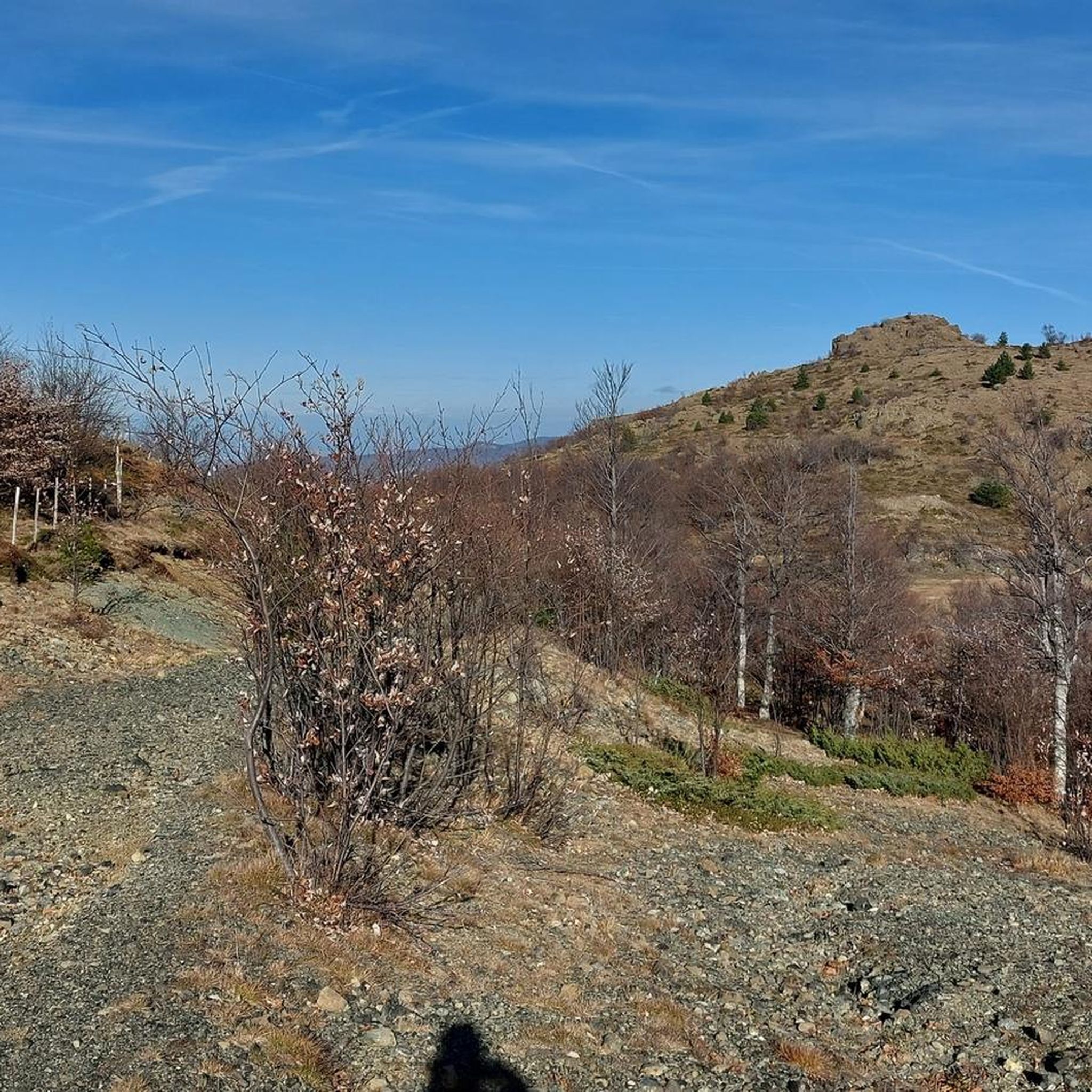
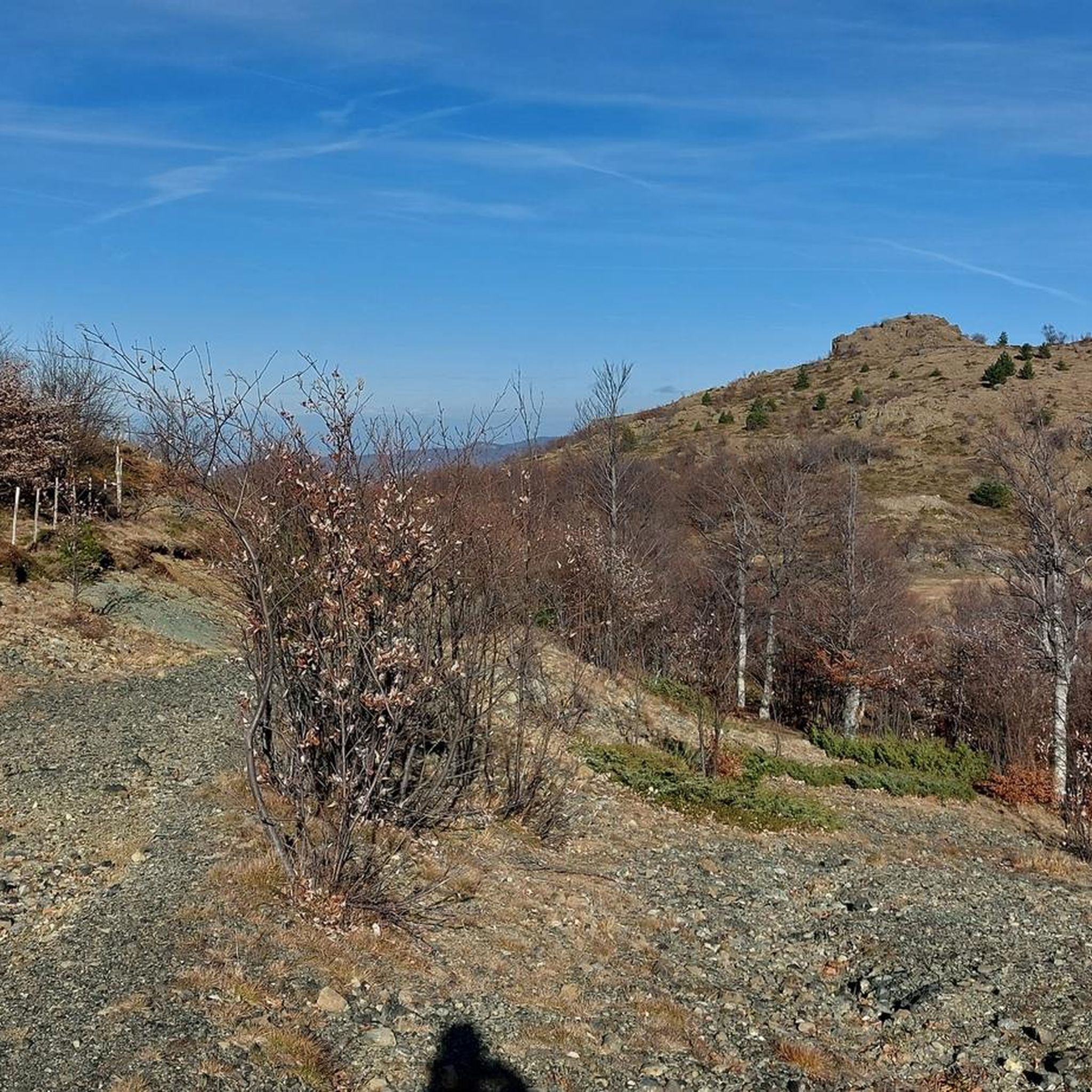
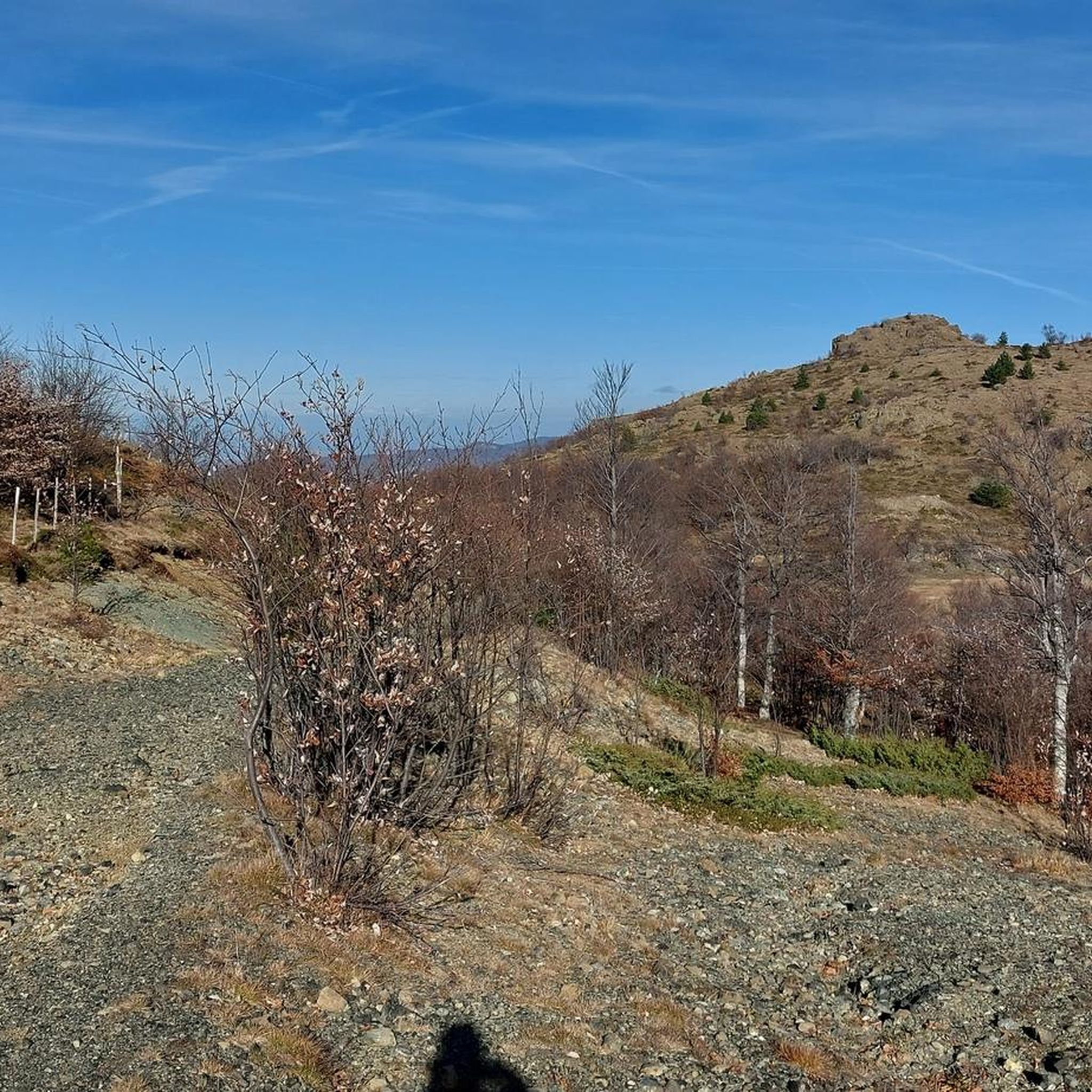
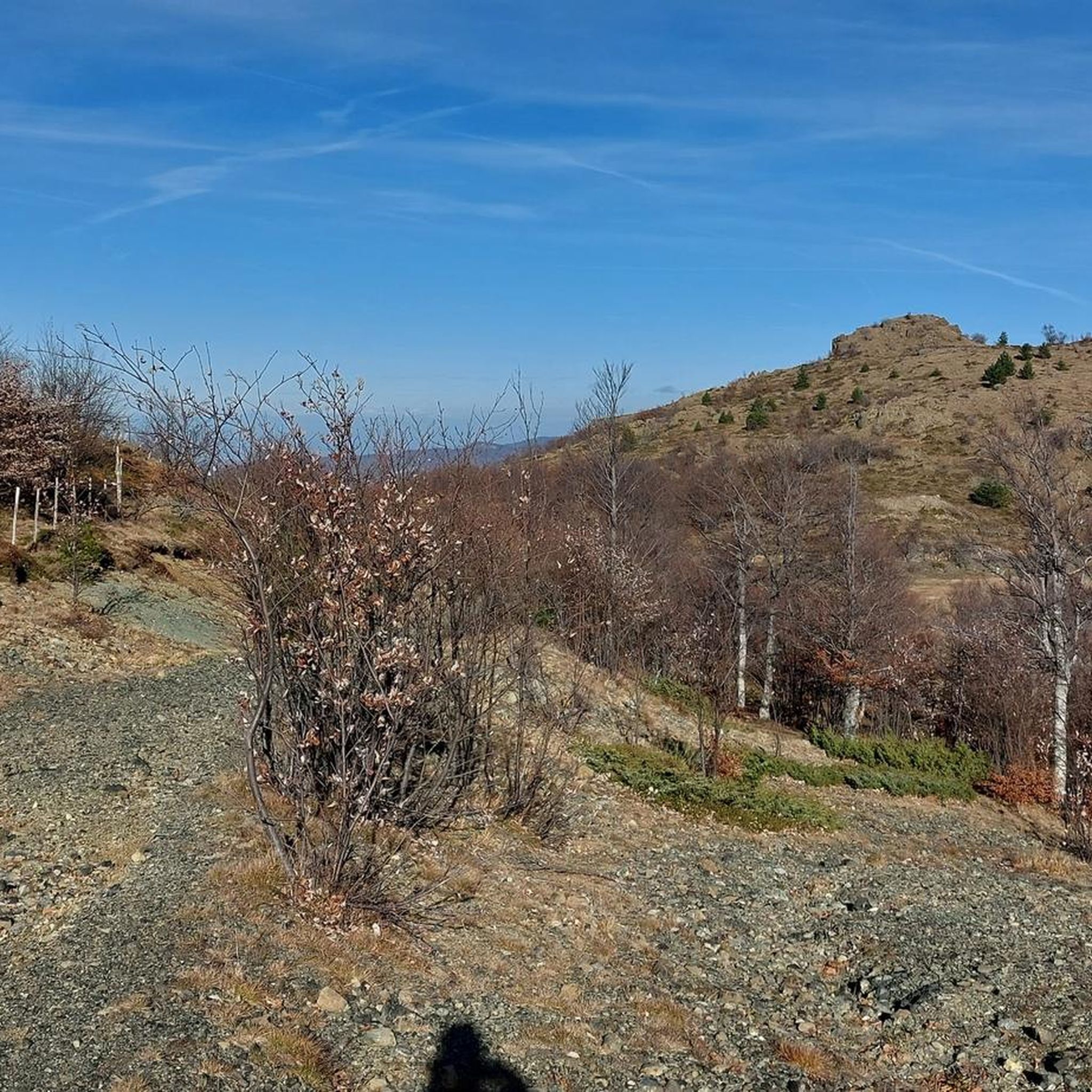
Former iron mine on a strip of serpentinite in morphological relief between the Grondona torrent and the Canale delle Miniere; in the immediate vicinity, in a strip of serpentinite that emerges between landslide deposits, there was instead a former copper mine. These locations are reported with precision in the pre-unitary Austrian cartography, where they are indicated with the names of "Min. di Ferro" and "Miniera di Rame". These are places that exemplify the different areas that formed the metal-bearing basin of the upper Nure Valley, linked to the history of the Ferriere factories.
2
0

The entrance seems a bit difficult but in reality it is doable. Inside, the temperature is warm, you advance for about ten meters then you need speleological equipment to reach the total 25 meters of the cave. In the warmth a family of small bats, the vespertilli, hibernate in the classic head-down posture..... A must-see
0
0
Easily accessible We didn't go in to see because we weren't equipped
0
0

Caverna del Vento Freddo in dialect "Garaverna dau Vèntu Freddu": from this cavity cold air is born even in the summer months
0
0

Cute and very difficult to get there
0
0

The hermitage of San Michele, also known as the cavern of San Michele, is a hermit place located near a cavern known as the cave of San Colombano, in a solitary area in the valley of the Curiasca di San Michele stream, a tributary of the Trebbia river, in the Italian town of Coli, not far from Bobbio, in the province of Piacenza (from Wikipedia) last stretch quite challenging, but equipped with chains.
1
0

Beautiful place with a small beautiful cave with a shrine of the Madonna inside and climbing the stairs to the cave you will find a beautiful nativity scene.
1
0
Frequently Asked Questions
What types of caves can I explore in the Ferriere region?
The Ferriere region offers a diverse range of caves, including natural grottoes, historical mining cavities, and religious cave sites. You can find accessible caves like Grotta del Groppetto (Devil's Hole), historical sites such as the Ferriere Mines, and spiritual locations like San Michele Hermitage.
Are there any family-friendly caves or sites near Ferriere?
Yes, the Madonna Cave and Monticelli Nativity Scene is considered family-friendly. It features a small cave with a shrine of the Madonna and a nativity scene, offering a peaceful and picturesque spot for visitors of all ages.
What is the historical significance of the caves and mining sites in Ferriere?
The caves and mining sites in Ferriere are deeply intertwined with the region's history, particularly its iron and copper mining heritage. Locations like the Ferriere Mines exemplify the metal-bearing basin of the upper Nure Valley, directly linked to the history of the Ferriere factories. The area's geological makeup, rich in these minerals, reflects remnants of the ancient Ligurian-Piedmontese Ocean floor.
What are the accessibility challenges for caves in the Ferriere area?
Accessibility varies significantly. While the entrance to Grotta del Groppetto is considered doable for about ten meters, reaching its full depth requires speleological equipment. The final stretch to San Michele Hermitage is quite challenging but is equipped with chains for assistance. Exploring natural cavities within the Ferriere Mines area can be difficult and may require specific expertise, equipment, and experienced speleologists.
Can I find any religious or spiritual sites among the caves?
Yes, the Ferriere region is home to significant religious cave sites. The San Michele Hermitage, also known as the Cavern of San Michele or Cave of San Colombano, is a hermit place located near a cavern. Additionally, the Madonna Cave and Monticelli Nativity Scene features a small cave housing a shrine of the Madonna.
What unique natural features can be observed in Ferriere's caves?
The caves in Ferriere offer unique natural features. Grotta del Groppetto (Devil's Hole) is known as a hibernation spot for a family of small bats called 'vespertilli.' The Cave of the Cold Wind is notable for emitting cold air even during summer months, a phenomenon locally known as 'Garaverna dau Vèntu Freddu'.
Are there hiking opportunities near the caves in Ferriere?
Yes, the Ferriere area is suitable for outdoor tourism, including hiking. You can find various hiking routes, such as the 'From Passo Zovallo to Monte Nero via Lago Nero - ring tour' or the 'Lago Moo Loop from Ferriere'. For more options, explore the Hiking around Ferriere guide.
What other outdoor activities are available around Ferriere?
Beyond exploring caves, Ferriere offers opportunities for running and road cycling. You can find running trails like the 'Passo del Crociglia – Summit Cross of Monte Carevolo loop' in the Running Trails around Ferriere guide, and road cycling routes such as the 'Passo del Tomarlo and Passo Pianazze Loop' in the Road Cycling Routes around Ferriere guide.
Is there a museum related to the mining history of Ferriere?
Yes, there is a Museum of Mines in Ferriere. It illustrates the work carried out in the local mines through documents, photographs, and tools, offering a valuable historical perspective for visitors interested in the region's mining heritage, especially after visiting sites like the Ferriere Mines.
What should I know about the geology of the Ferriere region?
The Ferriere region is characterized by rugged terrain and ophiolitic rock formations, specifically serpentinites. This geological makeup, with its high iron and copper mineral content, represents remnants of the ancient Ligurian-Piedmontese Ocean floor. This unique geology contributes to the formation of the natural cavities and the historical mining sites found in the area.
Are there any caves known for their cold temperatures, even in summer?
Yes, the Cave of the Cold Wind, known locally as 'Garaverna dau Vèntu Freddu', is famous for emitting cold air even during the summer months, providing a unique natural experience.
What do visitors say about the caves around Ferriere?
Visitors appreciate the diverse landscape, combining natural beauty with historical interest. For instance, the Grotta del Groppetto is noted for its accessible entrance and the presence of hibernating bats. The San Michele Hermitage is recognized as a beautiful but challenging site, with the last stretch equipped with chains for assistance.
Most popular attractions around Ferriere

Get inspired with the komoot mobile app


