Top 13 Caves around Genga
Best caves around Genga are found within the municipality, renowned for its karst cave systems. The area features a natural landscape shaped by water over millions of years, creating extensive underground chambers and formations. Genga is also home to historical sites integrated into its rocky terrain, offering a blend of natural and cultural exploration. This region provides diverse opportunities for discovering geological wonders and ancient structures.
Best caves around Genga
- The most popular caves is Valadier Temple, a religious…
Last updated: August 23, 2026
Valadier Temple
Highlight • Religious Site
The …
Translated by Google •
Tip by

Riparo di Frasassi
Highlight • Religious Site
Translated by Google •
Tip by
Sign up now to discover places like this
Get recommendations on the best single tracks, peaks, & plenty of other exciting outdoor places.
Sign up for free
Occhialoni Hole
Highlight • Natural Monument
Translated by Google •
Tip by

Eremo dei Frati Bianchi
Highlight • Religious Site
Translated by Google •
Tip by

Grotta del Vernino
Highlight • Cave
Translated by Google •
Tip by

Sign up for free to discover even more caves around Genga.
Sign up for free
Already have an account?
Start today with a free account
Your next adventure awaits.
Login or Signup
Tips from the Community

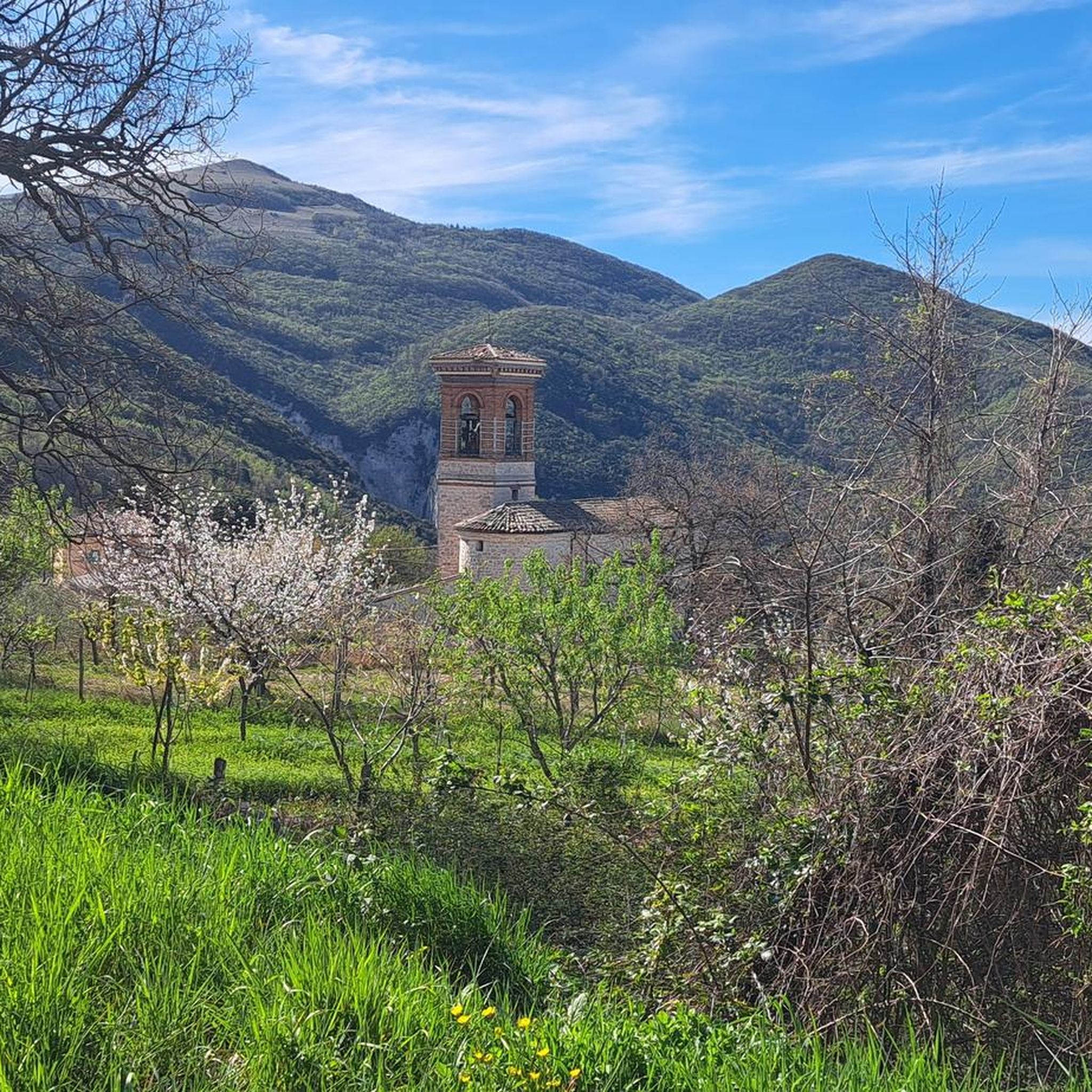
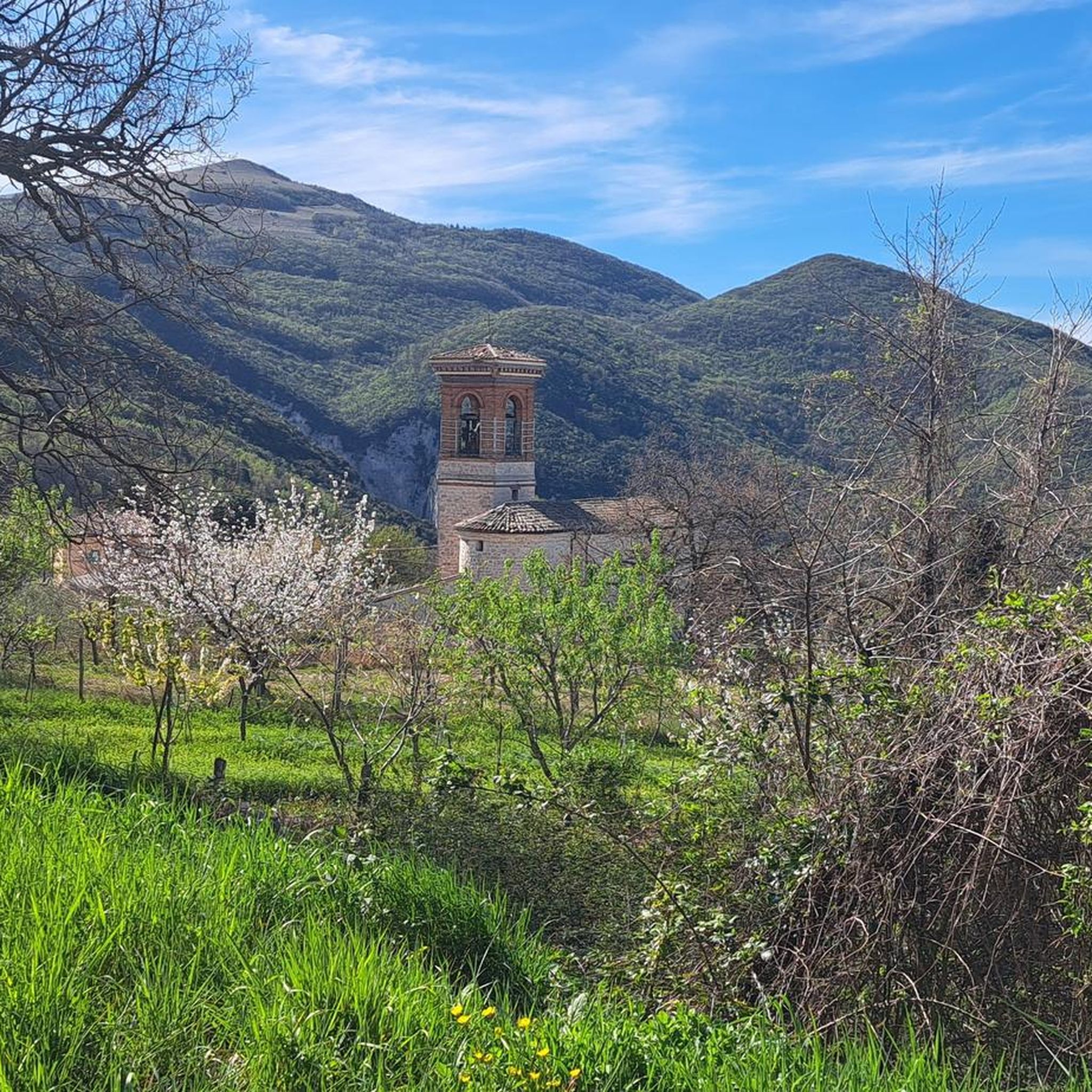
The L’Eremo dei Frati Bianchi of Cupramontana, also known as delle Grotte, is located in a deep natural gorge and is partially carved into the sandstone rock. Very well maintained, it is definitely worth a visit, the path is suitable for everyone.
0
0
The Vernino Cave extends for 300 meters and is one of the hiking caves in the Gola della Rossa and Frasassi area. Access is free, requiring no speleological equipment other than a helmet and headlamp. The first 80-100 meters are easy to explore, but after that, you need to be very careful where you walk; some sections are steep and quite slippery. You might even encounter some 🦇🦇
0
0


unmissable place for visitors to the Genga-Frasassi area
0
0

Suggestive cave, relatively easy to explore, but headlamp and helmet are mandatory. Some passages require a lot of attention, in general the ground is slippery
1
0

For those who arrive at the Foro degli Occhiali and want to further explore the surrounding environment or enter the hole, it is possible to do so with the via ferrata. Obviously, you need mountaineering, climbing or advanced hiking experience. I also recommend the use of a harness, helmet and suitable shoes. Remember that what you go down you have to go back up or vice versa. There is also the possibility of doing a circular tour. Prepare yourself with maps or guides.. departure from Pierosara, Rosenga, Vallemania or Gola di Frasassi
1
0
A natural window overlooking the Frasassi gorge. At the right times you can admire special plays of light. For the bravest, you can enter the hole, making a small descent with the utmost attention. Obviously recommended only to hikers with climbing, mountaineering or via ferrata experience. There are cables and/or ropes. The descent into the hole is slippery, some rocks are crumbly, and remember what you go down you should go back up!
1
0
Frequently Asked Questions
What are the most famous caves to visit in the Genga area?
The most renowned are the Frasassi Caves, a vast karst cave system famous for its immense chambers and spectacular geological formations like the Ancona Abyss. The area also features the unique Valadier Temple, a religious building set directly into the rock.
Are there any caves suitable for families with children?
Yes, the Frasassi Caves are considered family-friendly, offering well-lit guided tours on accessible walkways. The consistent temperature inside also makes it a comfortable visit for all ages.
What kind of geological formations can I expect to see in the Frasassi Caves?
The Frasassi Caves are home to an incredible variety of stalactites, stalagmites, columns, and other speleothems. Notable features include the colossal Ancona Abyss, the whimsical Sala delle Candeline, the vast Cathedral chamber, and formations resembling Niagara Falls and Organ Pipes.
What is the best time of year to visit the caves around Genga?
The Frasassi Caves maintain a constant temperature of 14°C (57°F) year-round, making them suitable for visiting in any season. However, for caves like Grotta del Vernino, which involves outdoor exploration, it's best to avoid the summer months due to heat.
Are there options for adventure caving or speleological excursions?
Yes, beyond the standard tourist routes, the Frasassi Caves offer more adventurous speleological excursions (blue and red routes) that involve climbing, navigating narrow passages, and even rope climbs for those seeking a more challenging experience.
What historical or cultural sites are integrated with the caves in Genga?
The area is rich in history. The Valadier Temple, an 1828 neoclassical temple, is built inside a natural cavern. Additionally, the Eremo dei Frati Bianchi is a religious complex partly excavated into the rock, known for its serene atmosphere.
How long does a typical visit to the Frasassi Caves take?
Guided tours of the Frasassi Caves typically last between 75 to 90 minutes, providing ample time to explore the main chambers and learn about their geology.
What should I wear for a visit to the Frasassi Caves?
Due to the constant 14°C (57°F) temperature inside the Frasassi Caves, even in summer, it's advisable to wear a light jacket or sweater. Comfortable walking shoes are also recommended for the guided tour.
Are there any challenging natural monuments for experienced hikers near Genga?
Yes, the Occhialoni Hole is a natural monument offering views of the Frasassi gorge. It requires experience in climbing, mountaineering, or via ferrata for those who wish to explore beyond the viewpoint, as it involves cables and ropes.
What outdoor activities can I do near the caves in Genga?
The Genga area offers various outdoor activities. You can find numerous cycling routes, including challenging road cycling tours like the "View of Frontone Castle – Gola del Corno loop" or touring bicycle routes such as the "Sentino Gorge – Frasassi Caves loop." There are also running trails, including the "Monte Frasassi Loop." For more details, explore the Road Cycling Routes around Genga, Cycling around Genga, and Running Trails around Genga guides.
Is there parking available for visitors to the Frasassi Caves?
Yes, there is parking available for visitors to the Frasassi Caves. From the parking area, shuttle buses typically transport visitors to the cave entrance.
What do visitors enjoy most about the caves around Genga?
Visitors frequently praise the spectacular geological formations and the immense scale of the chambers, particularly within the Frasassi Caves. The unique integration of historical sites like the Valadier Temple into the natural rock also leaves a lasting impression.
Most popular attractions around Genga

Get inspired with the komoot mobile app


Explore more
Extend your search for the best caves by checking out these guides of the top ones around Genga:
