Top 5 Caves around Norcia
Best caves around Norcia are found within a region characterized by the Sibillini Mountains National Park, offering a blend of natural landscapes and historical significance. The area features diverse geological formations, including natural caves and man-made tunnels. Norcia itself is a historic town in Umbria, providing access to these subterranean explorations. The surrounding terrain includes river valleys and mountainous areas, contributing to varied caving experiences.
Best caves around Norcia
- The most popular caves is View of the Tenna River Valley…
Last updated: June 30, 2026
Abandoned Tunnel for Mushroom Cultivation
Highlight • Cave
Translated by Google •
Tip by

Petrienno Cave
Highlight • Cave
Translated by Google •
Tip by

Sign up now to discover places like this
Get recommendations on the best single tracks, peaks, & plenty of other exciting outdoor places.
Sign up for free
Biselli Tunnel
Highlight • Structure
Translated by Google •
Tip by

Translated by Google •
Tip by
Ambro Spring
Highlight • Natural Monument
Translated by Google •
Tip by

Start today with a free account
Your next adventure awaits.
Login or Signup
Popular around Norcia
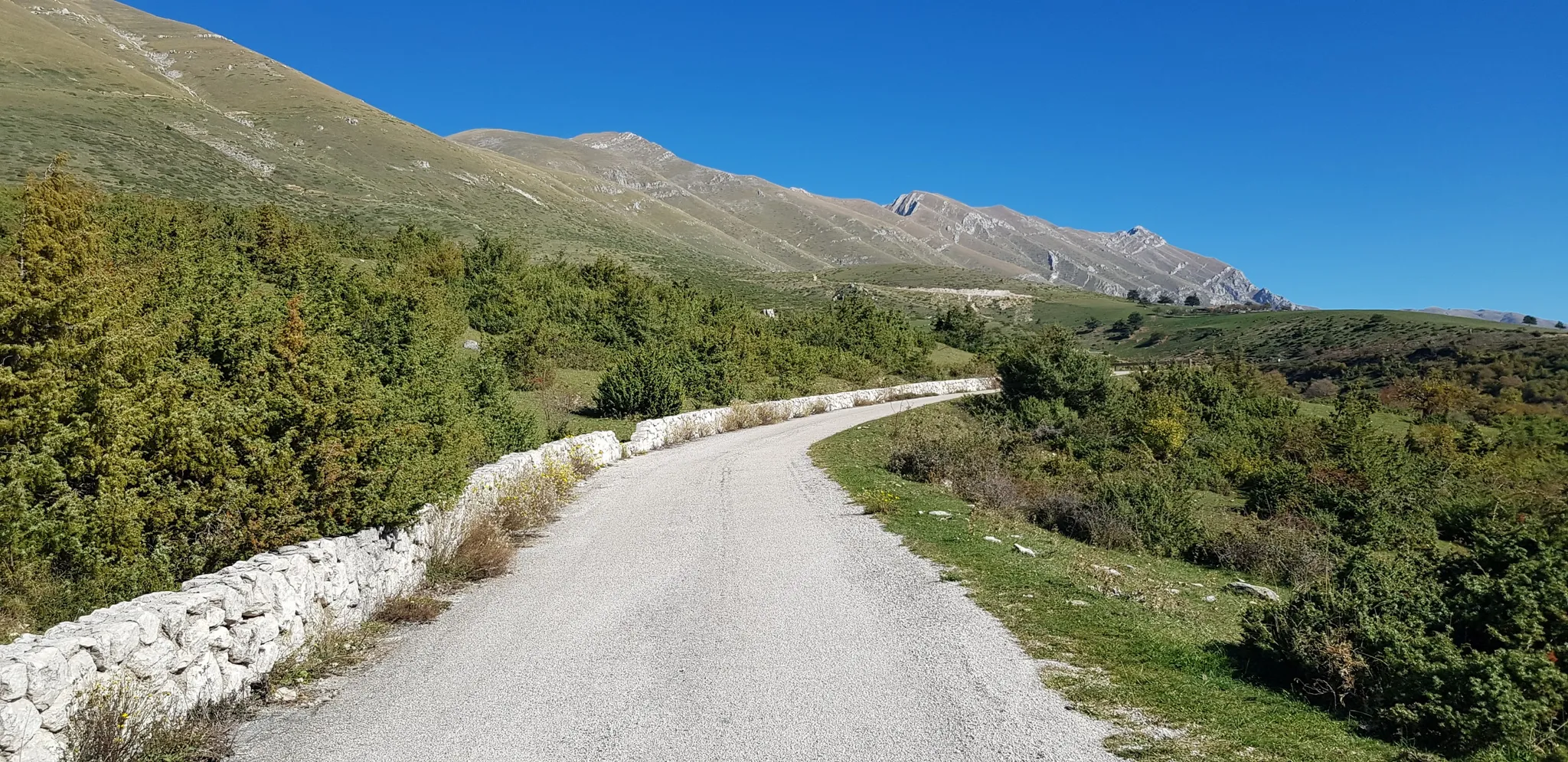
The Apennine Cycleway (Part 2) - From Umbria to Calabria
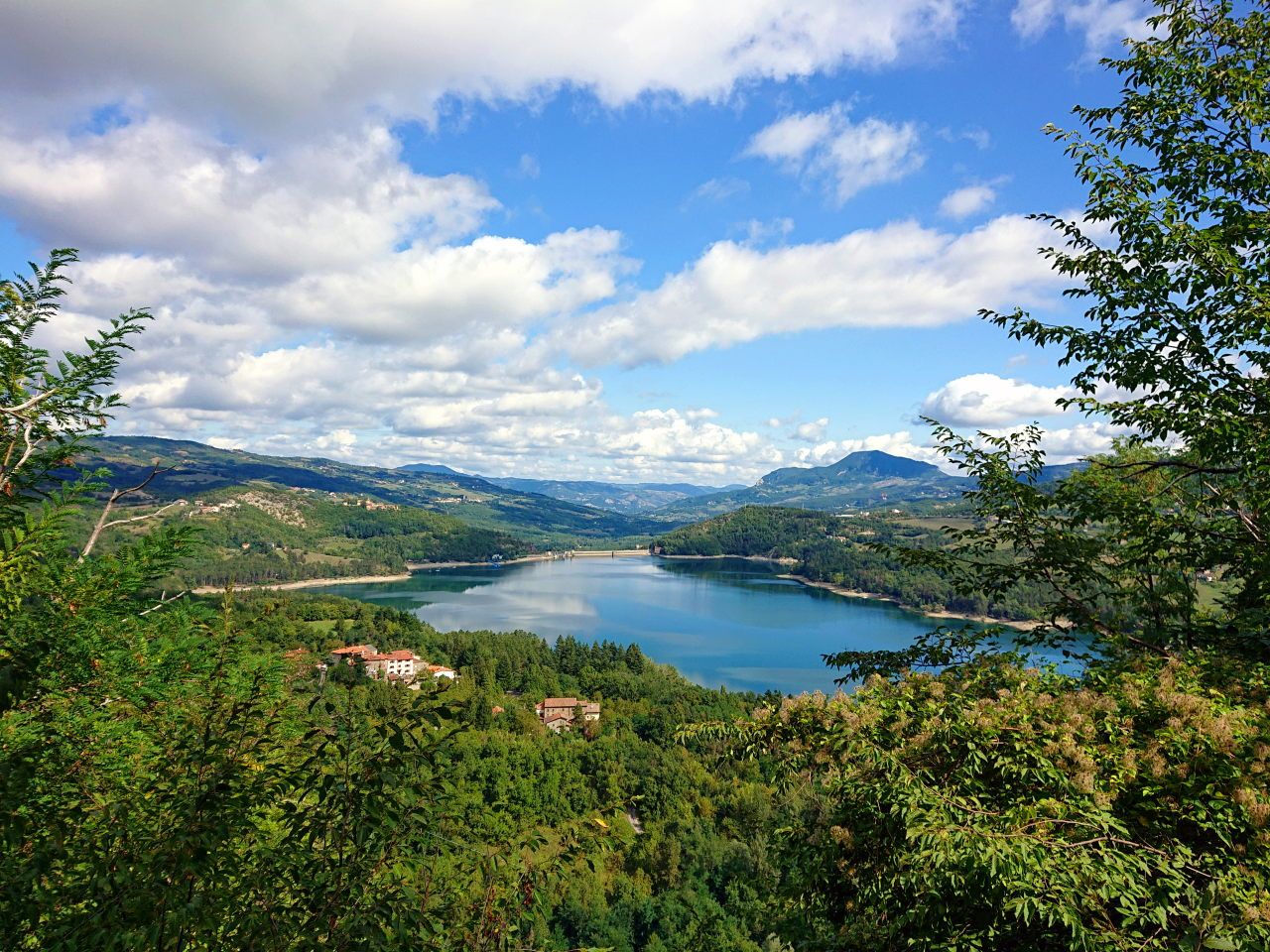
Interiora - A Journey into the Remote Areas of Italy
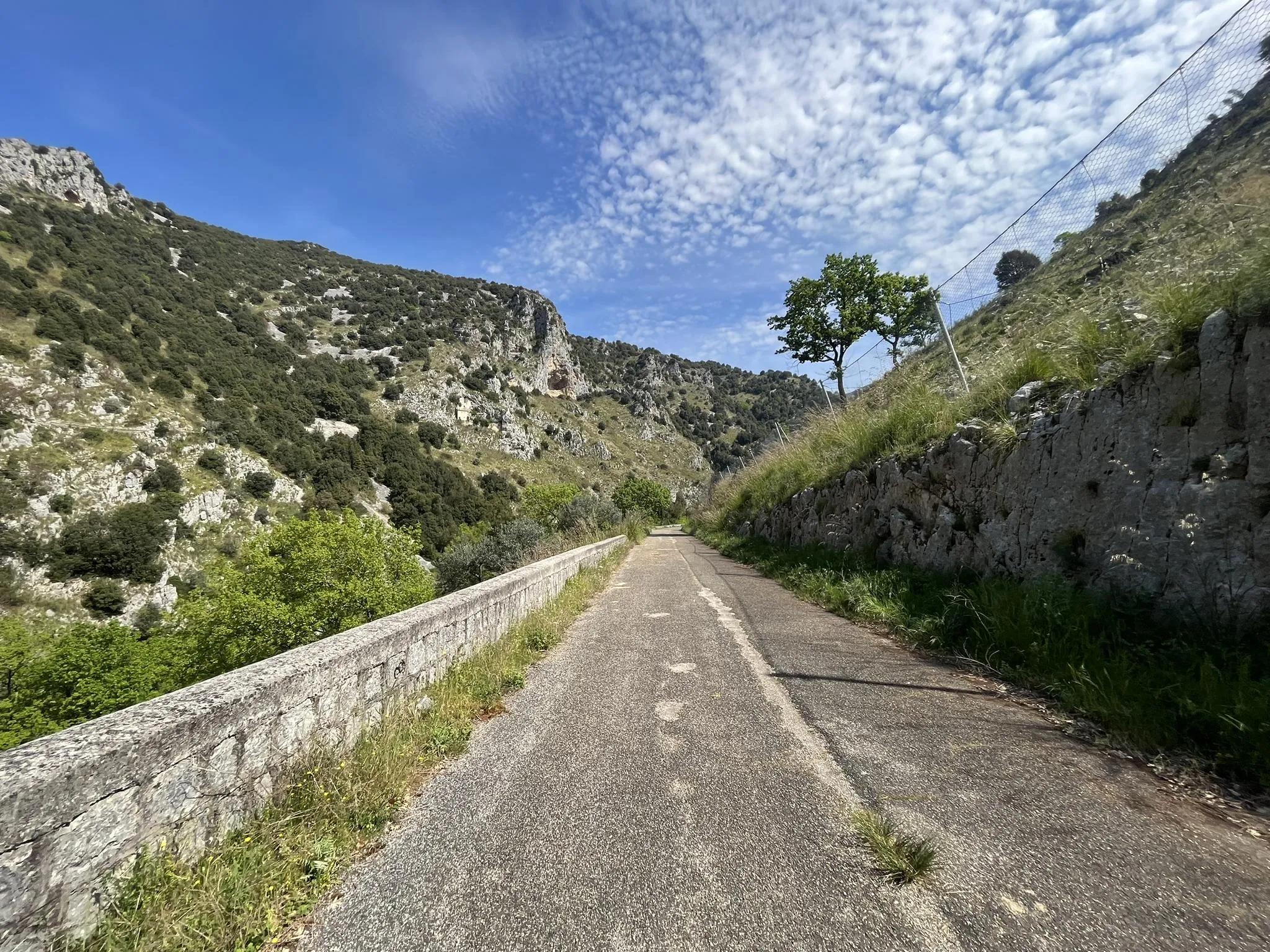
Between abbeys and quiet valleys – Saint Benedict's Way by bike
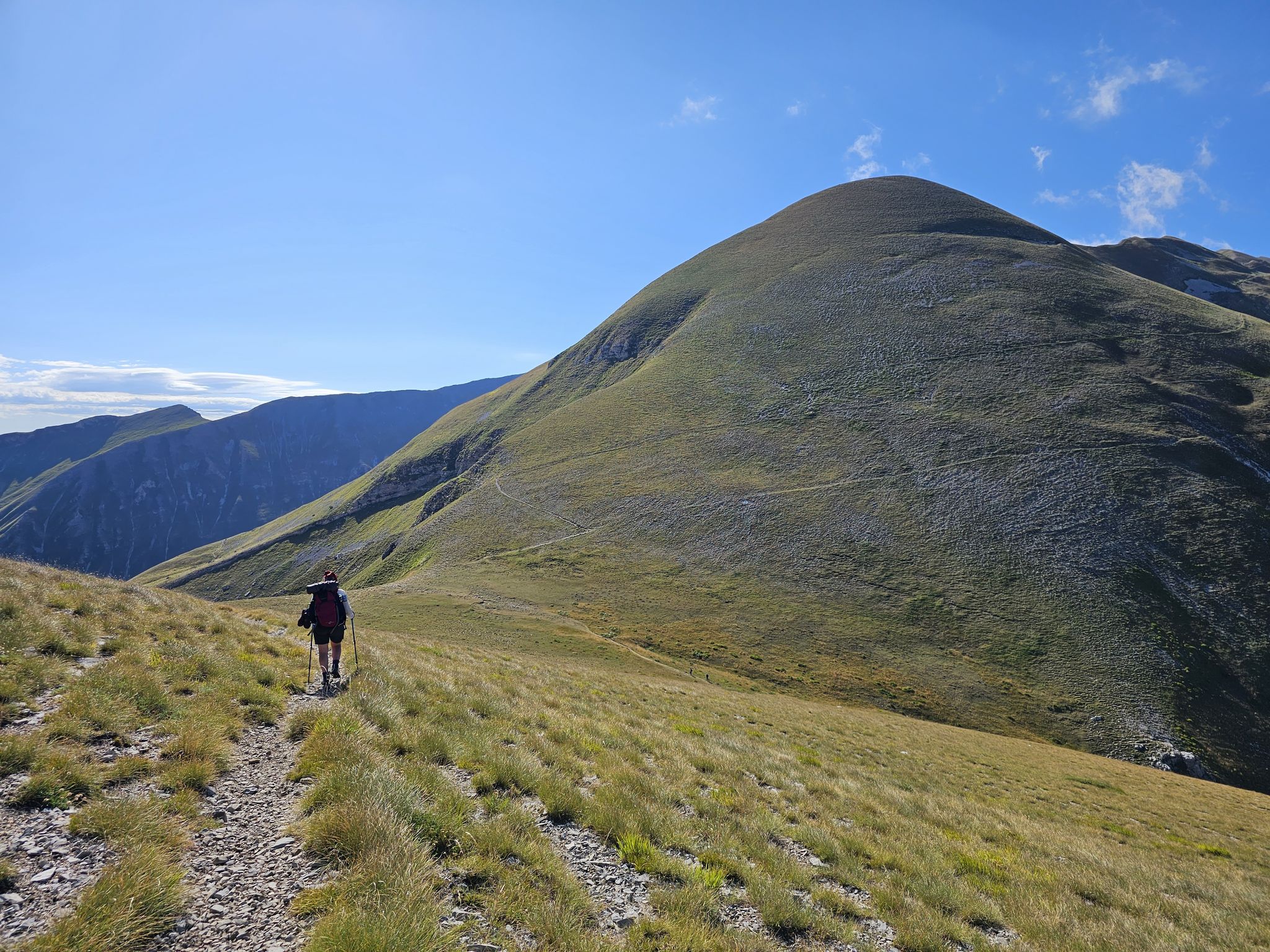
The Sibillini Mountains to Gran Sasso – the Great Apennine Crossing
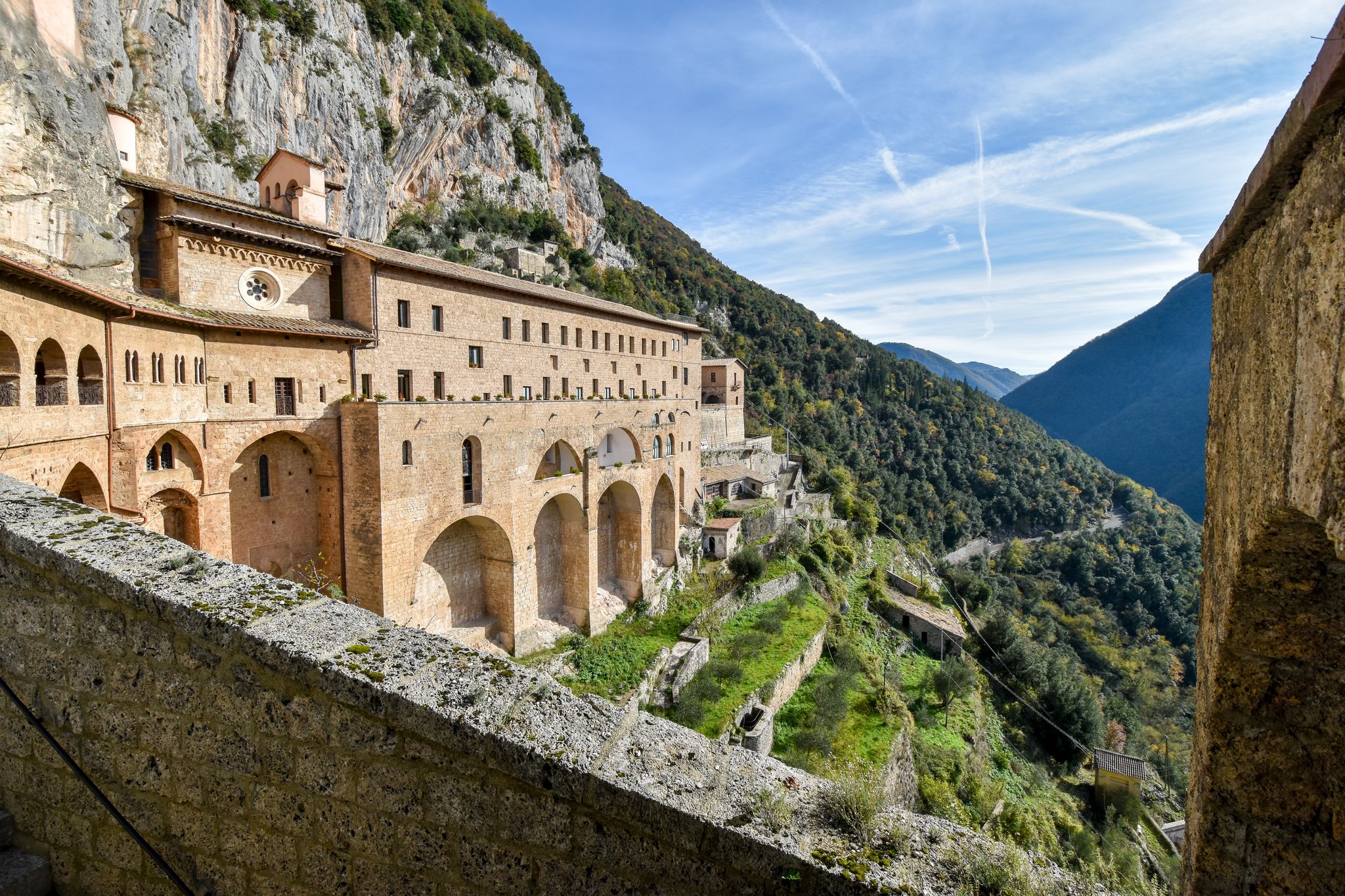
In the Footsteps of Saint Benedict - The Benedict Way
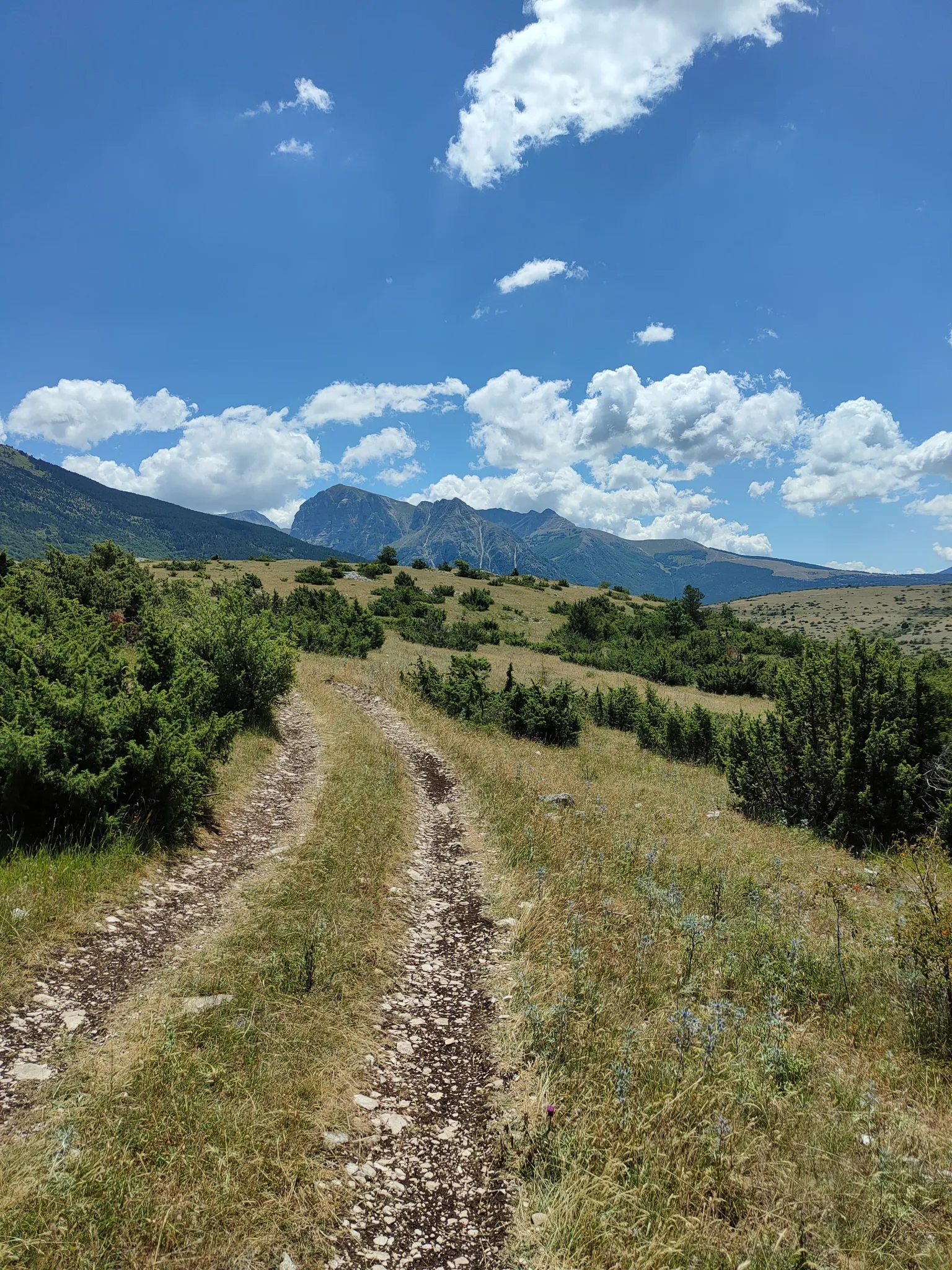
On the trail of the Queen of the Fairies – Grande Anello dei Sibillini
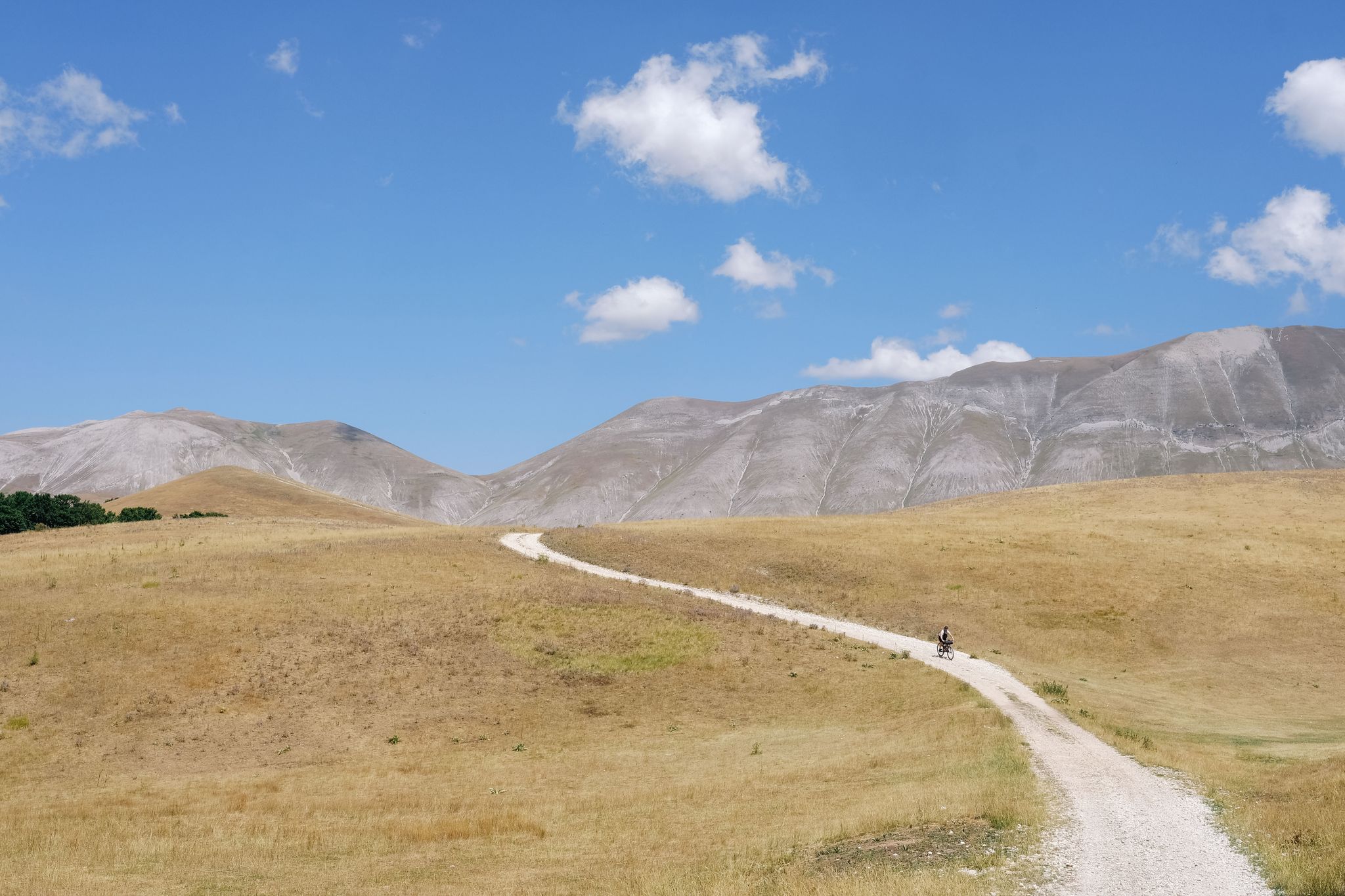
A journey through nature and legend – Great Sibillini Mountain Ring
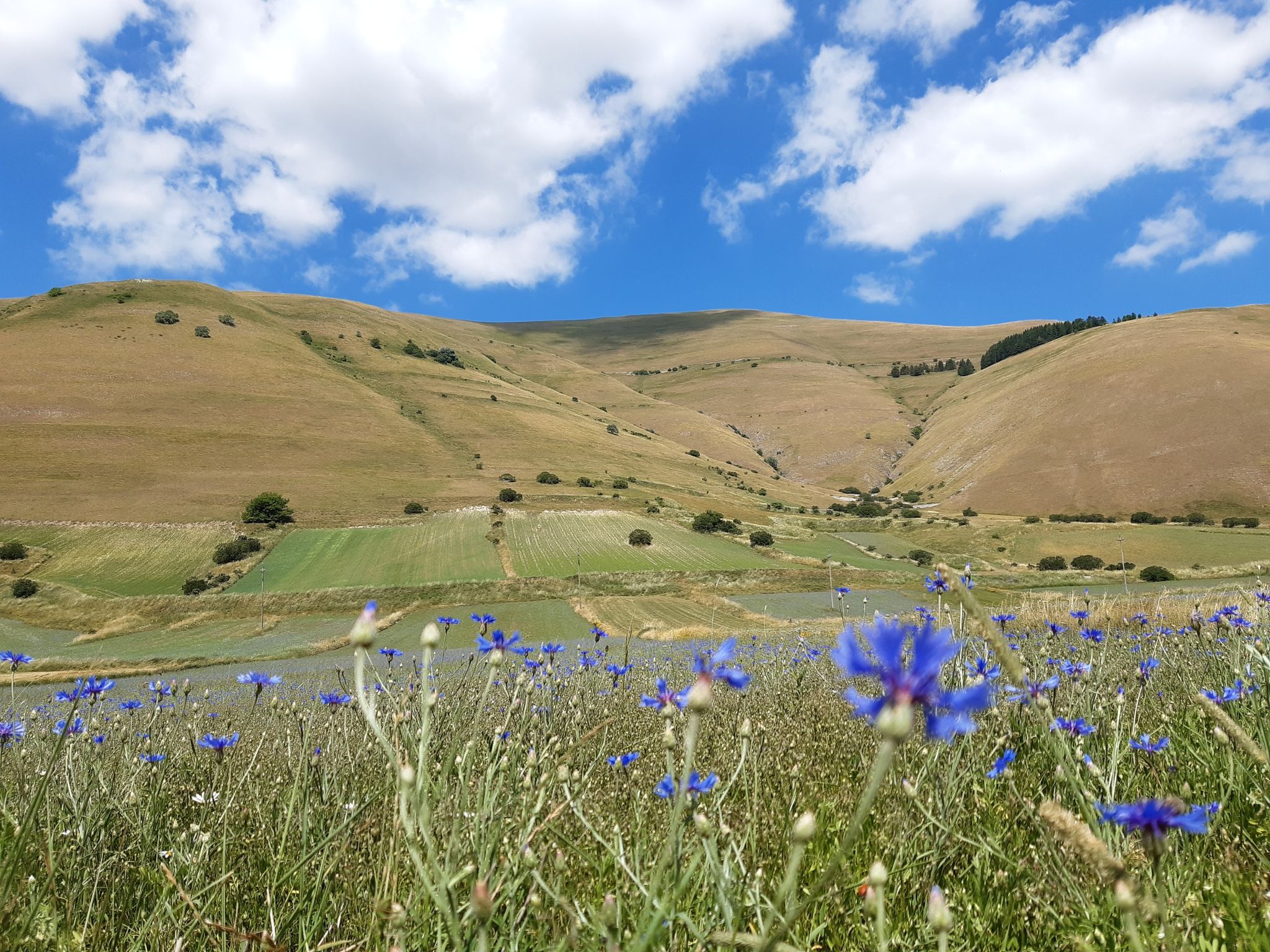
A journey through changed lands – Cammino nelle Terre Mutate
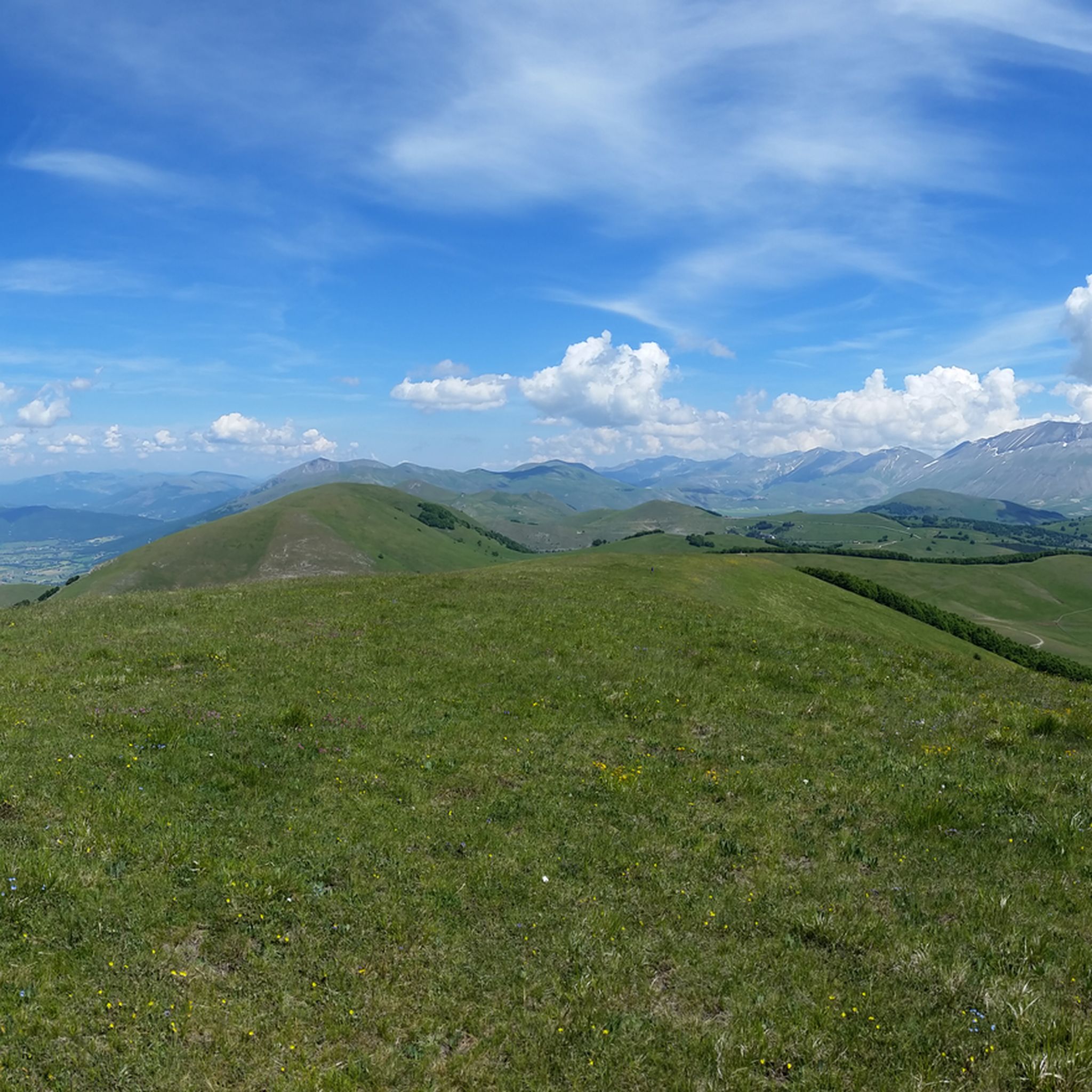
Hiking around Norcia
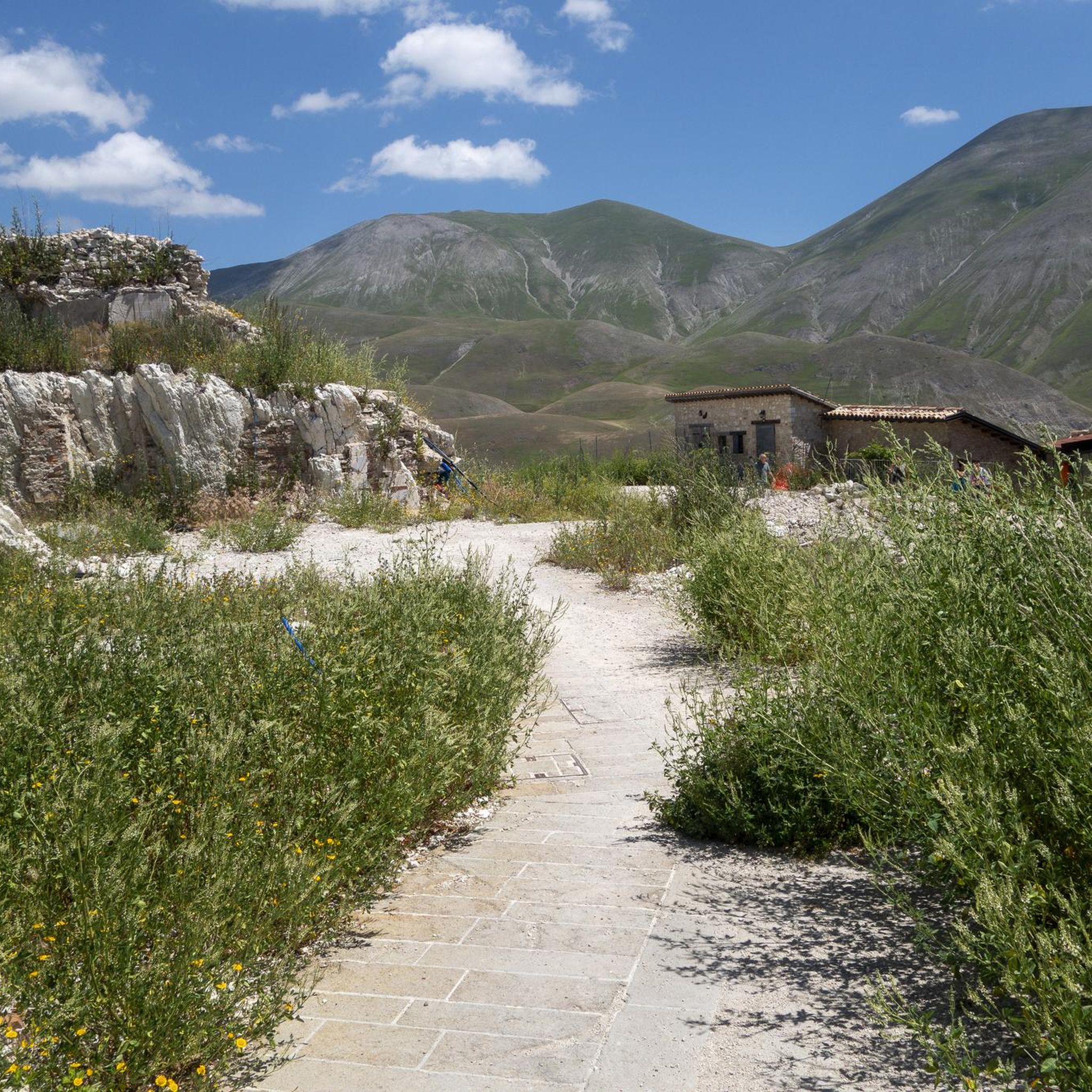
MTB Trails around Norcia
Other adventures around Norcia


Tips from the Community

The tunnel is pretty bad. It looks like a set from "The Walking Dead" but it allows you to avoid a road tunnel on the highway. However, the end of the tunnel leads to emerging back on the highway. It depends on whether the spooky environment or the highway is scarier.
0
0


Located in the heart of the Alta Valle dell'Ambro, it can be reached either starting from the Santuario dell'Ambro or starting from the Rifugio Città di Amandola. Once you arrive, the source is easily accessible via a path that leads directly to the source
0
0

Beautiful hike and final piece to the really interesting hidden waterfall
0
0

The Ambro Source is one of the naturalistic attractions of the Sibillini Mountains. It is a cave from which a stream flows and forms a waterfall. Here the Ambro river comes to life, which will then flow into the Tenna to flow into the Adriatic Sea at Porto Sant'Elpidio.
0
0

The Grotta del Petrienno is about 60 meters wide, and has a depth of about 15 meters. To access you pass under the waterfall.
2
0
Here we are immersed in the valley, next to the Tenna river - opposite, on the other side of the river, there is the entrance to a cave, known as "Buco del Frassino"
2
0

The Biselli tunnel allows you to avoid a dangerous tunnel shared with cars. The setting is spooky and it's not well maintained, but it has so much charm.
4
0
Frequently Asked Questions
What are some popular caves and subterranean sites to explore near Norcia?
Near Norcia, you can explore a variety of subterranean environments. The Petrienno Cave is a natural monument, approximately 60 meters wide and 15 meters deep, accessible by passing under a waterfall. For a unique experience, consider the Abandoned Tunnel for Mushroom Cultivation, a man-made passage that offers an alternative to a road tunnel. Further afield, the legendary Cave of the Apennine Sibyl on Mount Sibilla offers historical intrigue, while the immense Frasassi Caves in the Marche region are renowned for their spectacular formations.
Are there any caves with historical or religious significance in the Norcia area?
While Norcia itself is primarily known for natural formations and repurposed tunnels, the region has strong historical and religious connections to caves. The Cave of the Apennine Sibyl, located on Mount Sibilla near Castelluccio di Norcia, is steeped in ancient legends and mythology as the believed origin of the Apennine Sibyl oracle. Additionally, the Cave of Saint Benedict (Sacro Speco) in Subiaco, though not in Norcia, is profoundly significant as the place where Saint Benedict of Norcia began his monastic life.
What kind of natural features can I expect to see in the caves around Norcia?
The caves and subterranean sites around Norcia offer diverse natural features. At Petrienno Cave, you'll find a natural grotto behind a waterfall. The View of the Tenna River Valley and Buco del Frassino offers a scenic immersion into the valley with a visible cave entrance across the river. The Ambro Spring is a cave from which a stream flows, forming a waterfall and giving birth to the Ambro river. For truly grand geological formations, the Frasassi Caves, a bit further away, boast enormous caverns and spectacular speleothems like petrified waterfalls and giant stalactites.
Are there any family-friendly cave experiences near Norcia?
Many of the natural caves and accessible tunnels around Norcia can be explored by families, depending on the specific site and the children's ages. The Petrienno Cave, with its waterfall access, can be an exciting natural discovery. For a more structured and universally accessible experience, the Frasassi Caves in the Marche region offer well-organized guided tours suitable for families, showcasing immense caverns and formations.
What outdoor activities can I combine with a visit to the caves near Norcia?
The region around Norcia, particularly the Sibillini Mountains National Park, is ideal for various outdoor activities. You can find numerous mountain hikes, offering stunning views and access to natural features like the Ambro Spring. There are also extensive MTB trails and cycling routes that allow you to explore the diverse terrain, including river valleys and mountainous areas, often passing near or offering views of cave entrances.
What is the best time of year to visit the caves around Norcia?
The best time to visit the caves around Norcia largely depends on the specific cave and your other planned activities. For natural caves and outdoor exploration in the Sibillini Mountains, late spring (May-June) and early autumn (September-October) offer pleasant temperatures for hiking and exploring. The area around the Cave of the Apennine Sibyl is particularly beautiful from June to mid-July during the 'fioritura' (flowering) of Castelluccio. For indoor cave systems like the Frasassi Caves, visits are possible year-round, though summer can be busier.
Are there any viewpoints near the caves that offer scenic vistas?
Yes, the mountainous terrain around Norcia provides several excellent viewpoints. The View of the Tenna River Valley and Buco del Frassino is a prime example, offering immersive views of the valley and the entrance to the 'Buco del Frassino' cave across the river. The Sibillini Mountains National Park, where many of these natural sites are located, is generally rich in panoramic spots.
What do visitors enjoy most about exploring the caves and tunnels near Norcia?
Visitors appreciate the blend of natural beauty and historical intrigue. The natural caves, like Petrienno Cave, offer unique geological formations and the thrill of discovery. Man-made tunnels, such as the Abandoned Tunnel for Mushroom Cultivation or the Biselli Tunnel, are often described as 'spooky' or 'charming' and provide practical bypasses for routes. The overall appeal lies in the diverse subterranean environments and the connection to the stunning Sibillini Mountains landscape.
Are there any caves that are easily accessible or suitable for beginners?
For those seeking easier exploration, some of the natural cave entrances or repurposed tunnels around Norcia are relatively accessible. The Petrienno Cave, for instance, involves passing under a waterfall to access its approximately 15-meter depth. For a fully guided and well-maintained experience suitable for all levels, the Frasassi Caves in the Marche region are an excellent choice, offering various tour options.
Are permits required for exploring caves in the Norcia area?
For general access to the more popular and accessible natural caves or tunnels mentioned, such as Petrienno Cave or the Abandoned Tunnel for Mushroom Cultivation, specific permits are typically not required for casual exploration. However, for more extensive or technical caving in the Sibillini Mountains National Park, or for organized tours in larger cave systems like Frasassi, it is advisable to check with local authorities or tour operators regarding any necessary permits or guided access requirements.
Can I find cafes or accommodation near the caves around Norcia?
Norcia itself is a historic town that offers various accommodation options, restaurants, and cafes. While specific cafes might not be directly at every cave entrance, you'll find amenities in Norcia and other nearby towns within the Sibillini Mountains National Park. For example, the area around Castelluccio di Norcia, near the Cave of the Apennine Sibyl, also provides services for visitors.
Most popular attractions around Norcia

Get inspired with the komoot mobile app


Explore more
Extend your search for the best caves by checking out these guides of the top ones around Norcia:
